Margao City Food Trail: A Guided Walking Food Tour in South Goa
per / person. Taxes & convenience fees might apply.
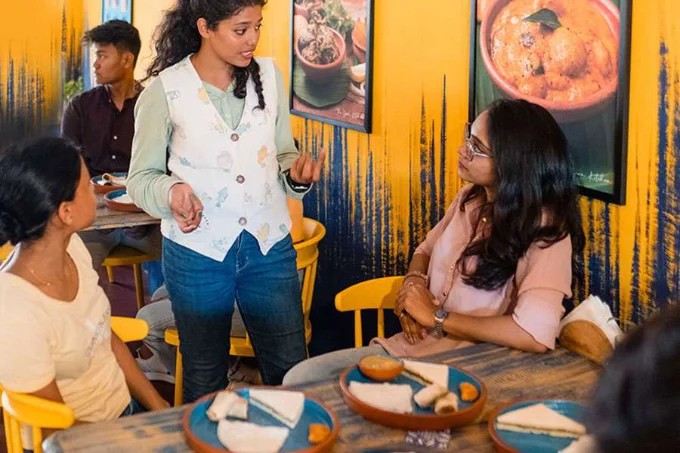
- Sample 10+ authentic Goan snacks and sweets at family-run heritage shops.
- Navigate the vibrant Margao Municipal Market with a local expert guide.
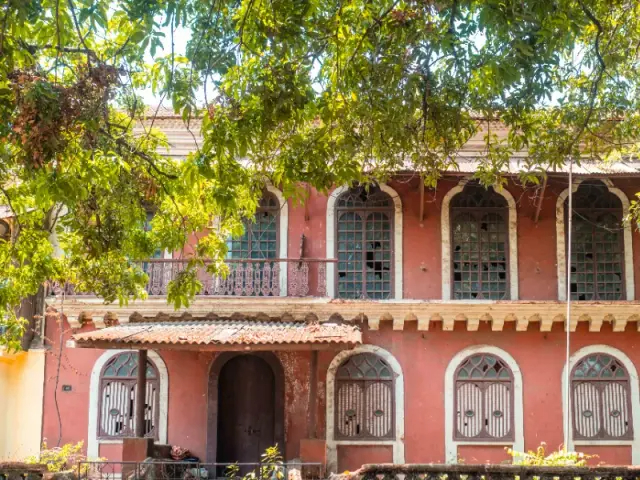
- Explore the historic Comba neighborhood and its Indo-Portuguese architecture.
- Learn about the traditional 'Poder' bread-making culture of Goa.
- Enjoy a traditional Goan meal at an established local heritage spot.
Discover the Culinary Heart of South Goa
Margao, also known as Madgaon, is often called the cultural capital of Goa. While the northern beaches are famous for their nightlife, Margao is where you find the true soul of Goan commerce and cuisine. The Margao City Food Trail is not just about eating; it is a walking history lesson that uses food as a lens to understand the state\'s complex Indo-Portuguese heritage. Over the course of three hours, you will navigate the bustling Margao Municipal Market and the tranquil, architecturally rich neighborhood of Comba.
Why Travelers Choose the Margao Food Trail
Most visitors to Goa stick to the coastline, missing out on the rich inland flavors. Travelers choose this activity because it offers access to family-run establishments that don\'t advertise on social media but have been serving locals for over 50 years. This trail provides a safe and organized way to explore authentic Goan street food, ensuring you taste the best versions of local classics like Cutlet Pao and Ross Omelette without the guesswork of finding these spots on your own.
The Role of Local Bread (The Poder Culture)
A significant part of this trail focuses on the local bakery culture. In Goa, the baker (known as the Poder) is a central figure in daily life. During the tour, you will learn about the different types of traditional Goan breads like the Poie (whole wheat husk bread), Undo (crusty round bread), and Katre Pao (butterfly-shaped bread). You\'ll see how these breads are used as the foundation for almost every Goan snack, absorbing the rich gravies and spicy fillings that define the local palate.
What to Expect on the Trail
The tour typically begins near the historic Margao Municipal Building. Your guide will provide a brief overview of the city\'s history before diving into the first tasting. You can expect to visit 6 to 8 different stops, ranging from humble street-side carts to iconic heritage cafes.
The Municipal Market Experience
The Margao Municipal Market is a sensory overload in the best way possible. Your guide will lead you through the narrow aisles where vendors sell everything from mounds of dried fish and strings of spicy Goan Choriz (pork sausages) to fresh local produce like Mancurad mangoes (in season) and feni-soaked snacks. You will taste local sweets like Pinaca and Dodol, and learn how coconut and jaggery form the backbone of Goan desserts.
Exploring Comba\'s Heritage
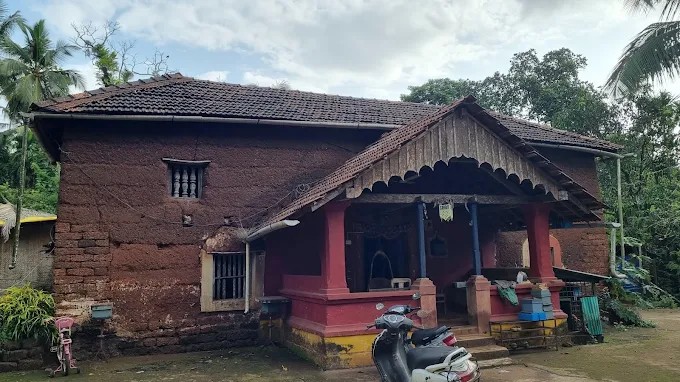
As you move away from the market, the trail enters Comba, an area known for its traditional Indo-Portuguese houses and ancient temples. Here, the pace slows down. You\'ll visit a heritage spot for a more substantial tasting, often featuring a traditional meal or a platter of forgotten Goan delicacies. This section of the tour highlights the influence of Saraswat Brahmin and Catholic culinary traditions, showing how they have blended over centuries.
Practical Information for Travelers
Difficulty Level and Accessibility
The trail is classified as easy. It involves approximately 2 to 3 kilometers of walking on mostly flat city streets. However, the market area can be crowded and the sidewalks are sometimes uneven. It is suitable for children and seniors who are comfortable being on their feet for a few hours. Unfortunately, due to the nature of the old market and narrow lanes, this specific trail is not easily wheelchair accessible.
Best Time to Join the Trail
The Margao City Food Trail is best experienced in the morning (starting around 9:30 AM) when the market is at its most vibrant, or in the late afternoon (starting around 3:30 PM) when the street food vendors begin frying fresh snacks.
Monsoon Suitability
Goa in the monsoon is a different experience altogether. This food trail remains fully operational during the rainy season. In fact, many locals argue that spicy Goan snacks like Samosas and Mirchi Vada taste best when it\'s pouring outside. Most of the stops are indoors or under cover, making it an excellent rainy-day activity in South Goa.
What to Wear and Carry
- Footwear: Wear comfortable walking shoes or sandals with a good grip. Avoid high heels as the market floors can be slippery.
- Clothing: Light, breathable cotton clothing is recommended. While there is no strict dress code, modest attire is appreciated when passing through residential heritage areas.
- Essentials: Carry a reusable water bottle, though bottled water is usually provided. Bring a hat and sunscreen for the outdoor walking segments.
- Cash: While the tour covers most food costs, you may want to buy local spices, cashews, or sausages at the market. Most small vendors prefer cash (INR).
Safety and Hygiene
We prioritize hygiene by selecting vendors who have a long-standing reputation for quality and cleanliness. The food items included in the trail are prepared fresh and are safe for international travelers. If you have specific food allergies (especially to nuts, gluten, or shellfish), please inform the guide at the start of the tour so they can adjust the tastings accordingly.
Nearby Attractions in Margao
If you have extra time before or after your food trail, consider visiting:
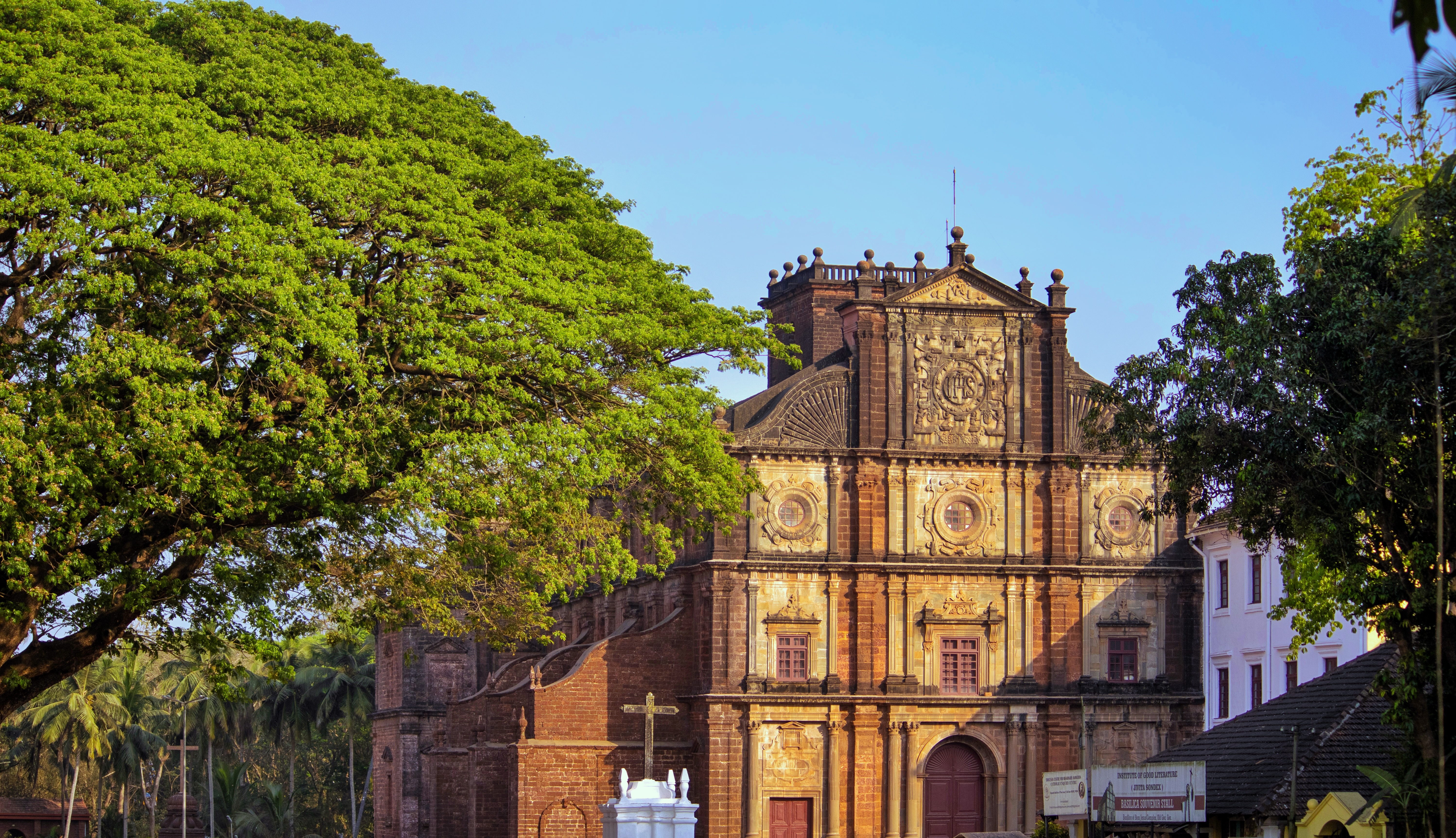
- Holy Spirit Church: A stunning example of Baroque architecture located in a square surrounded by 17th-century mansions.
- Sat Burzam Ghor: A famous heritage house with unique architectural features.
- Colva Beach: Located just 6km from Margao, it\'s a great place to relax after your walking tour.
How to Reach the Meeting Point
Margao is well-connected by road and rail. If you are staying in North Goa (Calangute/Baga), it will take approximately 1.5 to 2 hours by taxi to reach Margao. If you are in South Goa (Colva/Benaulim/Palolem), it is much closer. Parking is available near the Municipal Garden, though it can be tight during peak market hours. We recommend taking a local rickshaw or a taxi to the meeting point to avoid parking hassles.
- Guided walking tour with a local food expert
- 6-8 food tasting stops
- Bottled water
- Traditional Goan meal/heavy snacks
- Market exploration fees
- Hotel pickup and drop-off
- Alcoholic beverages
- Personal shopping expenses in the market
- Tips for the guide
Have questions about this activity?
Chat with our local experts for instant help and best deals!