Forest Night Trail Adventure in Mollem
per / person. Taxes & convenience fees might apply.
- Navigate a 3.5km deep-forest trail with a professional naturalist guide.
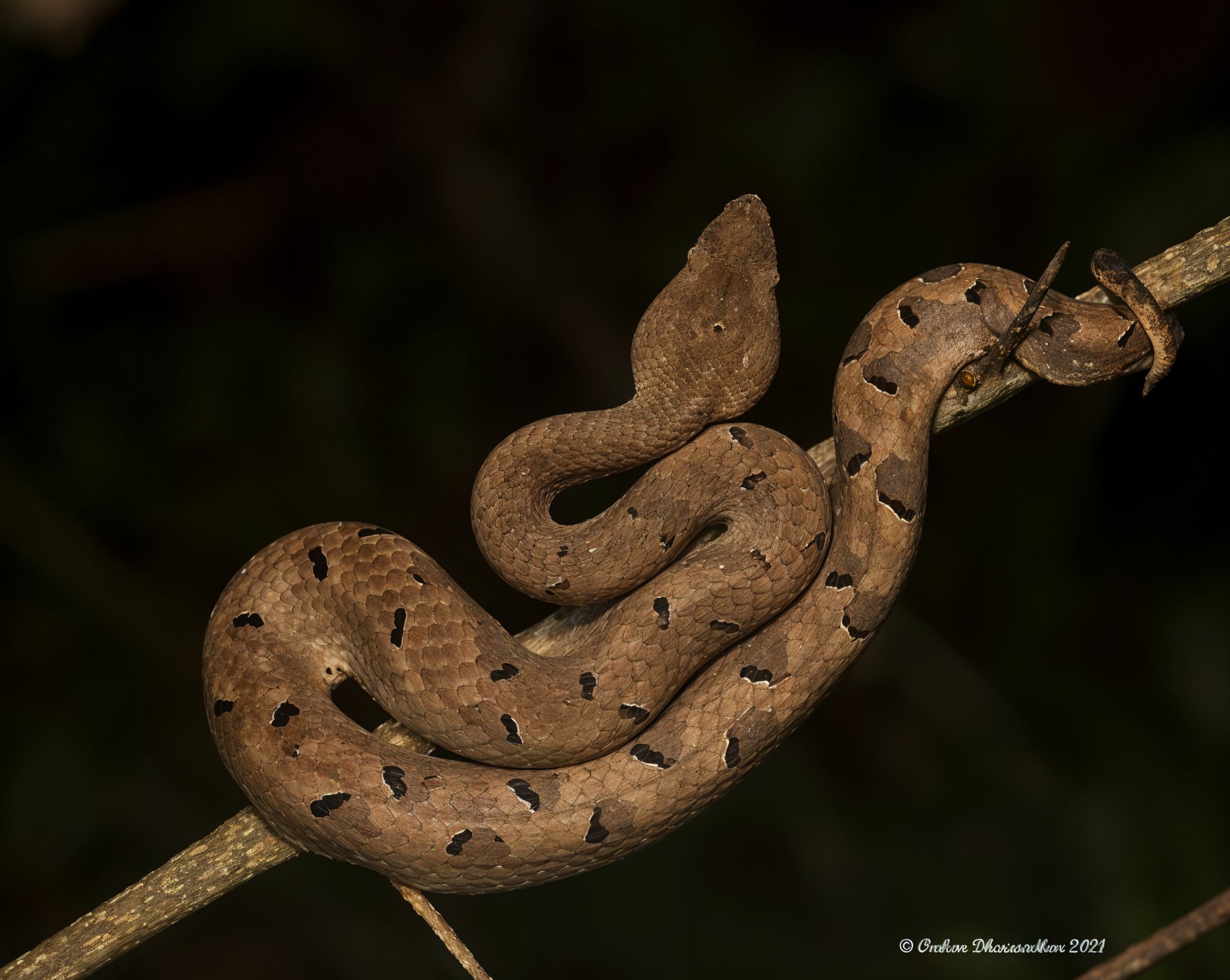
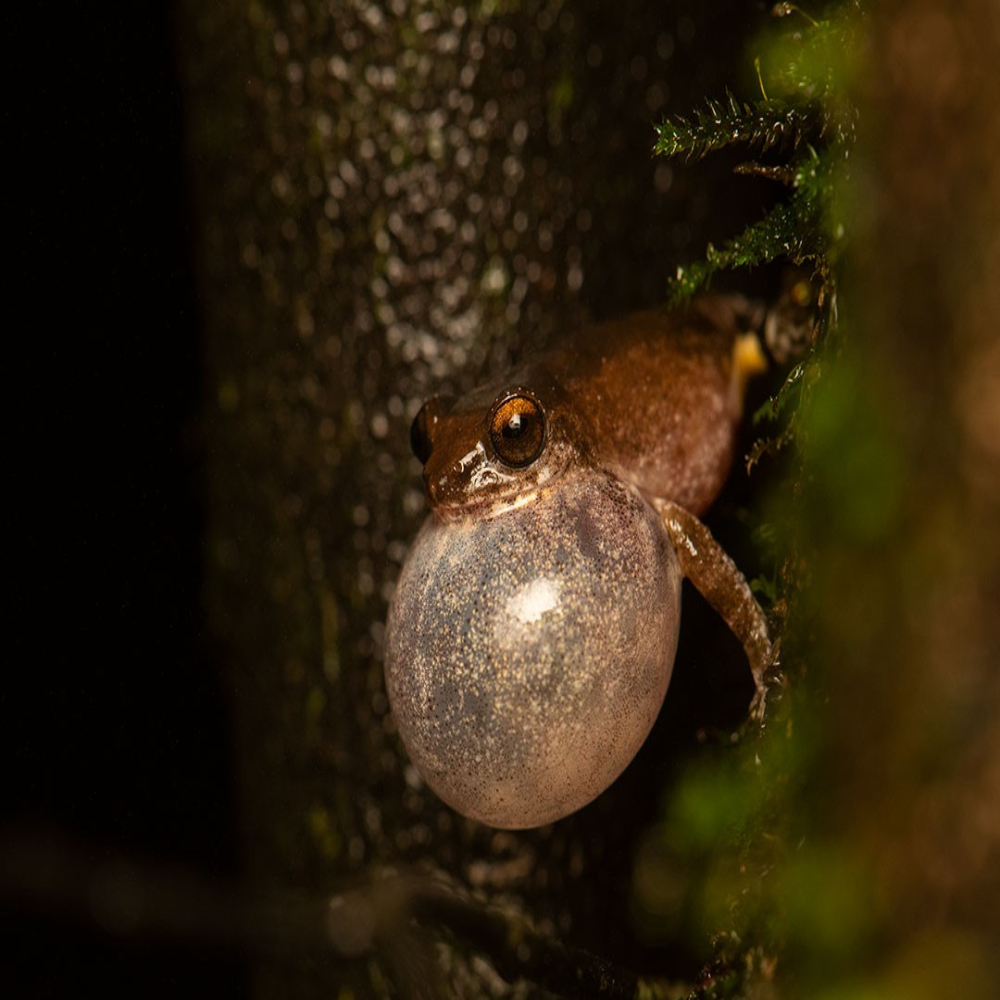
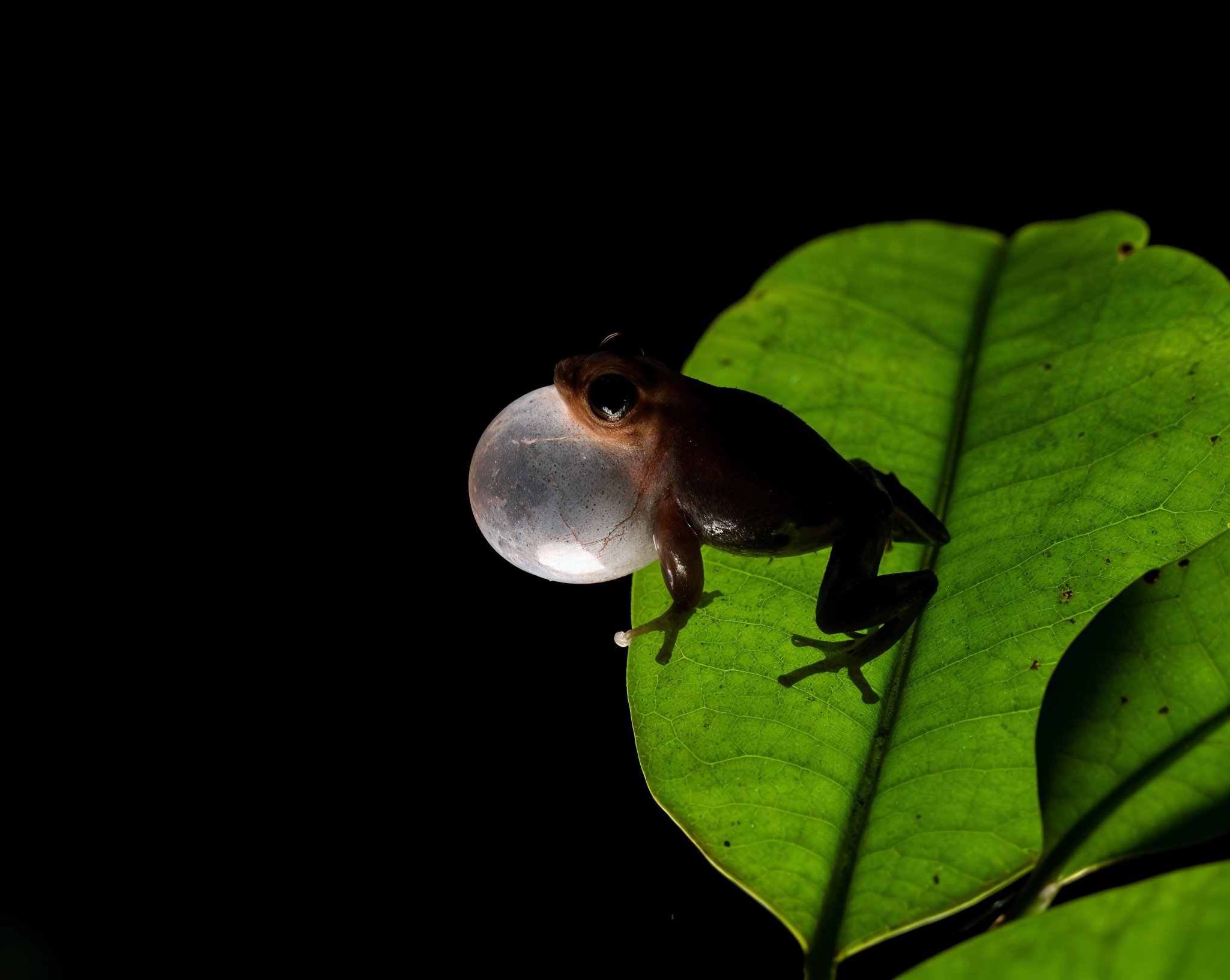
- Spot endemic reptiles and amphibians like the Malabar Pit Viper and Gliding Frog.
- Use UV torches to discover fluorescing scorpions in the undergrowth.
- Experience a jungle stream crossing and learn wildlife tracking techniques.
- Enjoy hot tea and local snacks at a forest base after the trek.
Exploring the Western Ghats After Dark
While most travelers experience Goa’s forests during the day via jeep safaris to Dudhsagar Falls, the jungle undergoes a complete transformation at sunset. The Forest Night Trail Adventure in Mollem is designed for those who want to step away from the crowds and witness the 'night shift' of the Western Ghats. This is not a casual stroll; it is a 3.5km trek through uneven terrain, involving stream crossings and active wildlife tracking led by experienced local naturalists.
Why Travelers Choose the Adventure Night Trail
Unlike standard nature walks that stick to the periphery of the forest, the 'Adventure' version of this trail takes you into the core areas of the Mollem region. Travelers choose this experience because it offers a raw, unscripted look at the ecosystem. It is a favorite for wildlife photographers, biology students, and trekkers who prefer the silence of the forest over the noise of the coastal belt. The primary draw is the opportunity to see species that are strictly nocturnal, such as the Slender Loris (though rare), various species of civets, and a wide array of pit vipers and amphibians.
What to Expect on the Trail
The experience begins at dusk near the forest check post. As the light fades, your guide will provide a briefing on forest etiquette and safety. You will then head into the canopy using specialized red-light torches. Red light is used because it is less intrusive to animals and helps preserve your own night vision, allowing you to notice movement in the shadows that a bright white LED might scare away.
The 3.5km Route and Terrain
The trail covers a variety of habitats, including dense evergreen patches and riparian zones near forest streams. Expect to walk on uneven ground, navigate through low-hanging branches, and perform at least one stream crossing. During the monsoon and post-monsoon months (June to October), the water in these streams can be ankle-deep, requiring sturdy footwear that you don't mind getting wet. The trail includes a modest elevation gain of about 50 meters, which adds a physical element to the wildlife spotting.
Wildlife and Biodiversity
The Bhagwan Mahavir Wildlife Sanctuary is a biodiversity hotspot. On this trail, the focus is often on the smaller, fascinating creatures that make up the forest's foundation. Your guide will use UV lights to spot forest scorpions, which fluoresce a bright neon green under ultraviolet light—a highlight for many participants.
Common Sightings Include:
- Amphibians: Malabar Gliding Frogs, Humayun’s Night Frogs, and various bush frogs that are particularly active during the rains.
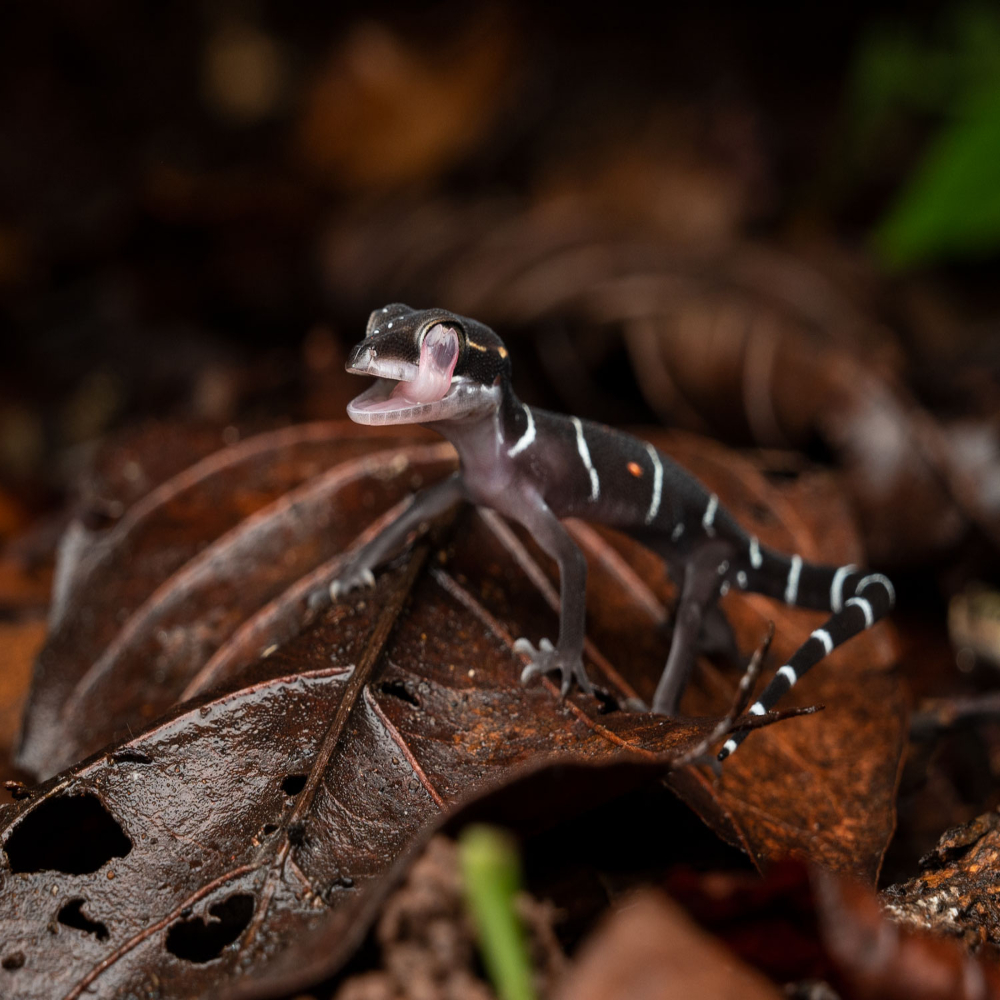
- Reptiles: The Malabar Pit Viper is a frequent resident, often found perched on low branches near water sources. You may also spot Cat Snakes or Bronze-back Tree Snakes.
- Mammals: While larger mammals like the Indian Gaur (Bison) or Sambar Deer are occasionally heard or seen at a distance, you are more likely to encounter Small Indian Civets, Porcupines, or Flying Squirrels.
- Insects: Giant Wood Spiders, Praying Mantises, and a variety of nocturnal moths.
The Importance of a Naturalist Guide
Walking in a tropical forest at night without expert supervision is not only dangerous but also unproductive. The guides on this adventure are local naturalists who understand the alarm calls of the forest. They can identify a species just by the 'eye-shine' reflected in a torch or by the specific croak of a frog. They provide context on night ecology, explaining how these animals have evolved to hunt, mate, and survive in total darkness.
Difficulty Level and Physical Requirements
This activity is classified as Moderate. It is significantly more demanding than the standard 1km night walks offered elsewhere. Participants should have a basic level of fitness and be comfortable walking for 2.5 to 3 hours on slippery or rocky paths. Because of the stream crossing and the technical nature of tracking in the dark, this activity is generally recommended for adults and teenagers aged 14 and above. It is not suitable for individuals with knee issues, vertigo, or severe mobility restrictions.
Best Time to Visit
The timing of your visit will drastically change what you see:
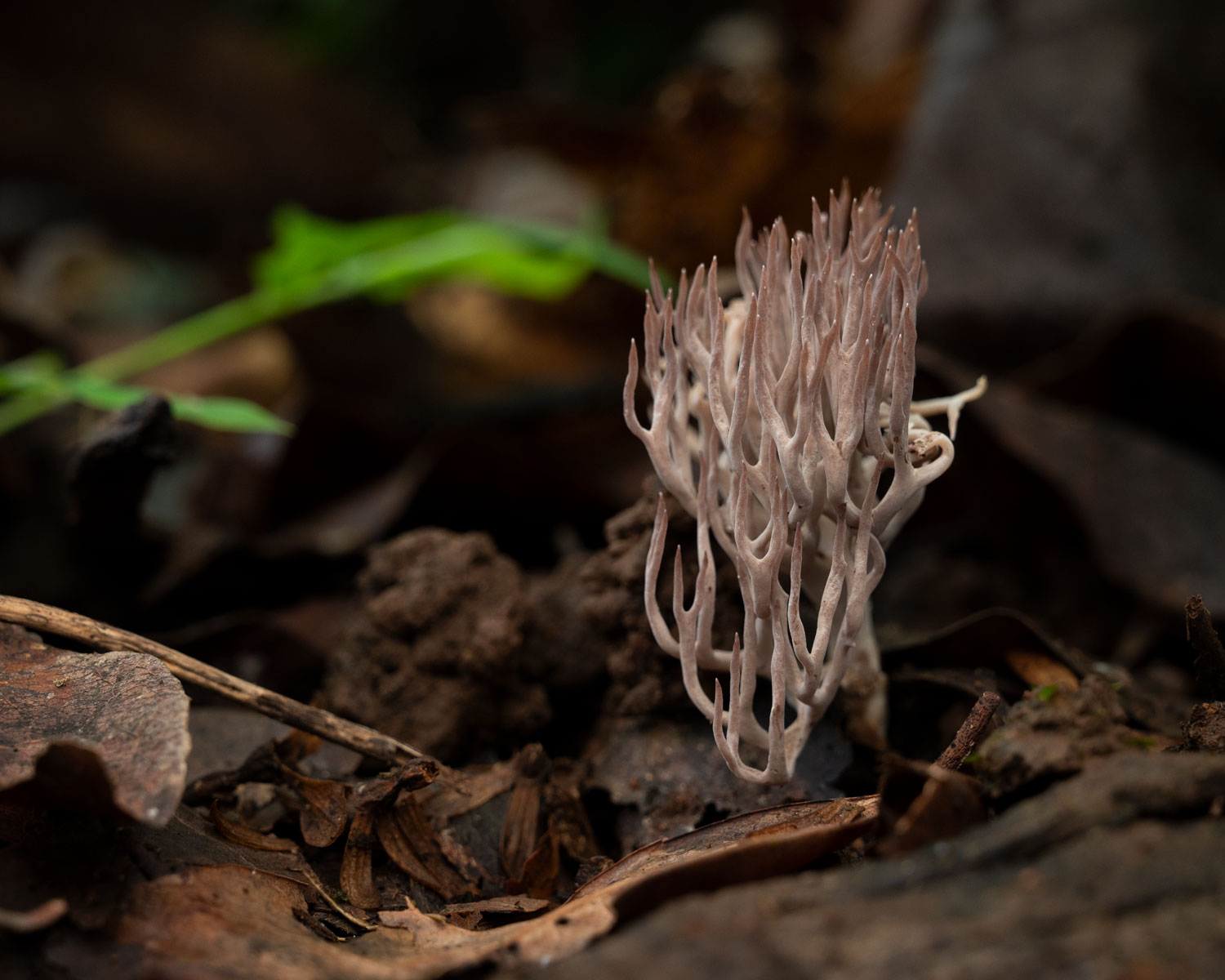
- Monsoon (June to September): This is the best time for amphibians and reptiles. The forest is loud with frog calls, and the vegetation is at its lushest. This is also when you might see bioluminescent fungi (glow-in-the-dark mushrooms) on decaying wood, depending on the specific weather conditions.
- Post-Monsoon/Winter (October to February): The weather is much more pleasant for walking. The trails are drier, and it is easier to spot mammals and birds like the Sri Lanka Frogmouth or various owls.
- Summer (March to May): The forest is thinner, making it easier to spot larger animals near the remaining water holes, though the heat can be intense even after sunset.
Safety and Responsible Tourism
Safety is the primary concern on any night trek. Participants must stay behind the guide at all times. Nocturnal animals are sensitive; therefore, loud talking and sudden movements are discouraged. We follow a strict 'no-touch' policy for all wildlife. Your guide carries a first-aid kit and is trained in handling encounters with potentially venomous snakes by maintaining a safe distance.
What to Wear and Carry
Proper preparation will make your trek much more enjoyable:
- Footwear: Sturdy hiking boots or trekking shoes with good grip are mandatory. Do not wear flip-flops or sandals.
- Clothing: Wear long trousers and long-sleeved shirts to protect against thorny bushes and insect bites. Dull colors (greens, browns, greys) are preferred to blend into the environment.
- Gear: While torches are provided, bringing your own headlamp is highly recommended as it keeps your hands free for balance.
- Essentials: Carry a small bottle of water, insect repellent, and a lightweight rain jacket if visiting during the monsoon.
Location and Transport Information
The activity takes place in Mollem, which is approximately 60-70 km from the popular North Goa beach belt (Calangute/Baga) and about 50 km from Margao. Since the trek ends late (around 9:30 PM or 10:00 PM), public transport is non-existent and local taxis are very difficult to find at the forest gate. It is highly recommended to have your own vehicle or arrange a round-trip taxi in advance. Parking is available at the meeting point near the sanctuary entrance.
Booking Information
Due to the small group size (maximum 6 people), advance booking is essential. This ensures a low-impact experience for the forest and a better guide-to-guest ratio. The package includes the guided trek, use of specialized torches, and a light snack (usually hot pakoras and tea) at the end of the walk to discuss the night's sightings.
- Guided 3-hour night trek
- Services of a professional naturalist
- Specialized red-light and UV torch rentals
- Post-trek hot tea and snacks (Pakoras)
- Forest entry permits
- Hotel pickup and drop-off
- Full dinner
- Personal trekking gear (boots, raincoats)
- Bottled water
Have questions about this activity?
Chat with our local experts for instant help and best deals!