Galgibaga Beach

Galgibaga Beach

4.8 2,049 Verified
South Goa

Overview

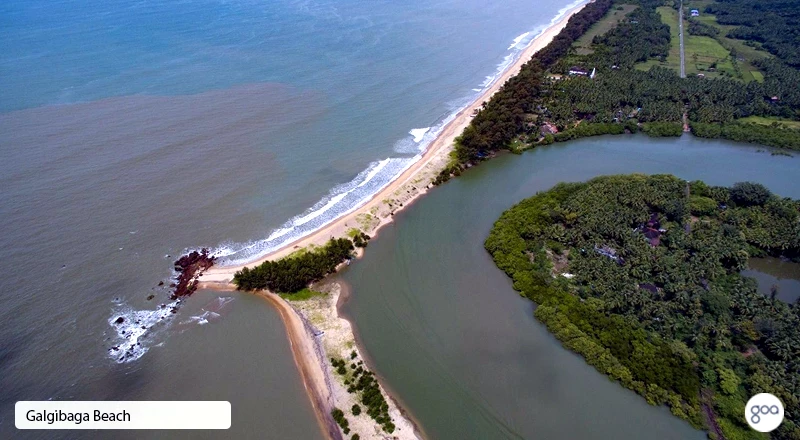
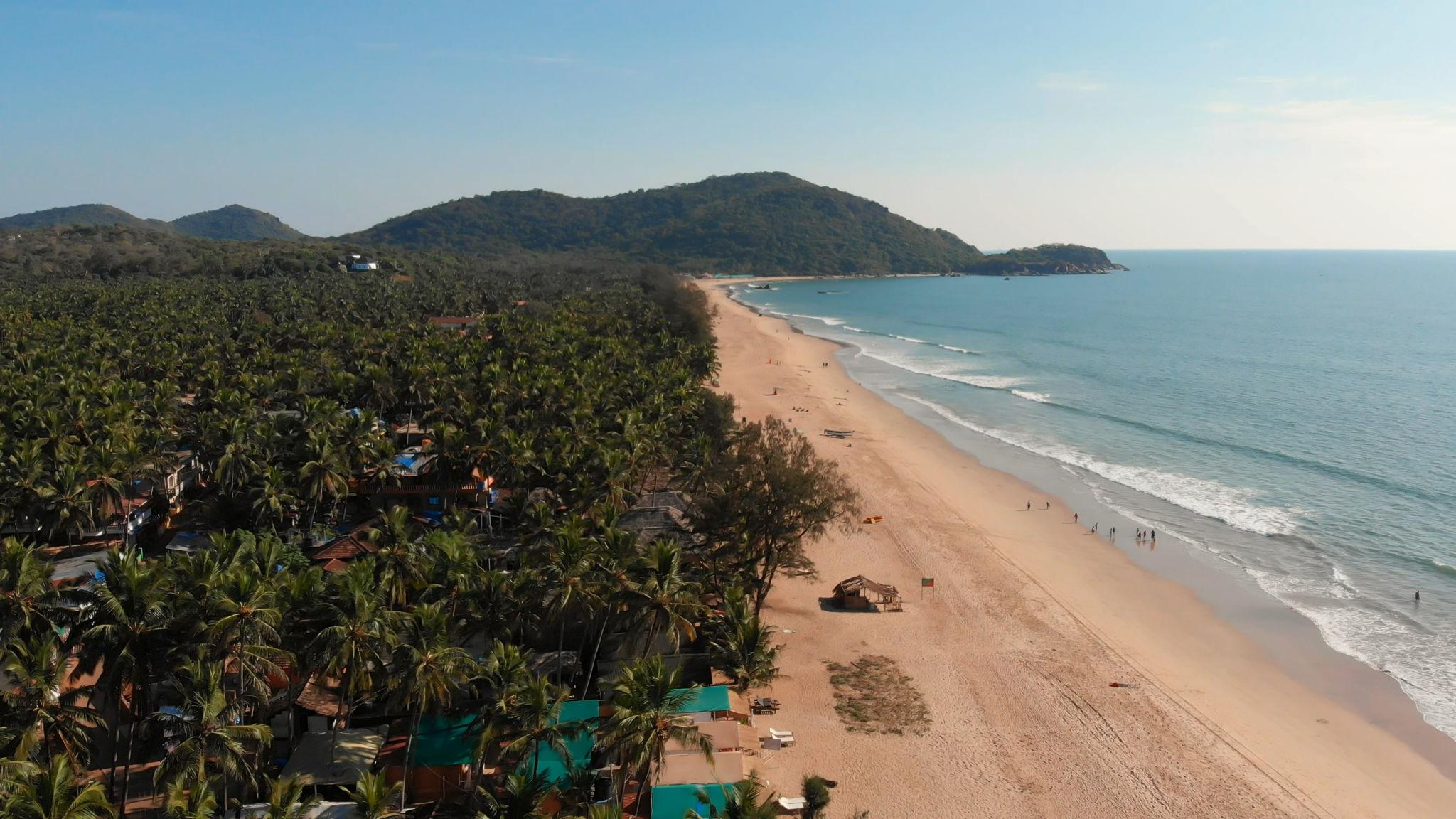
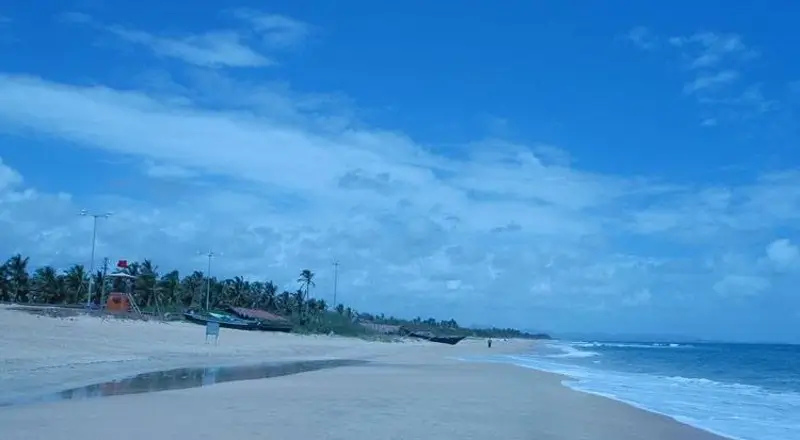
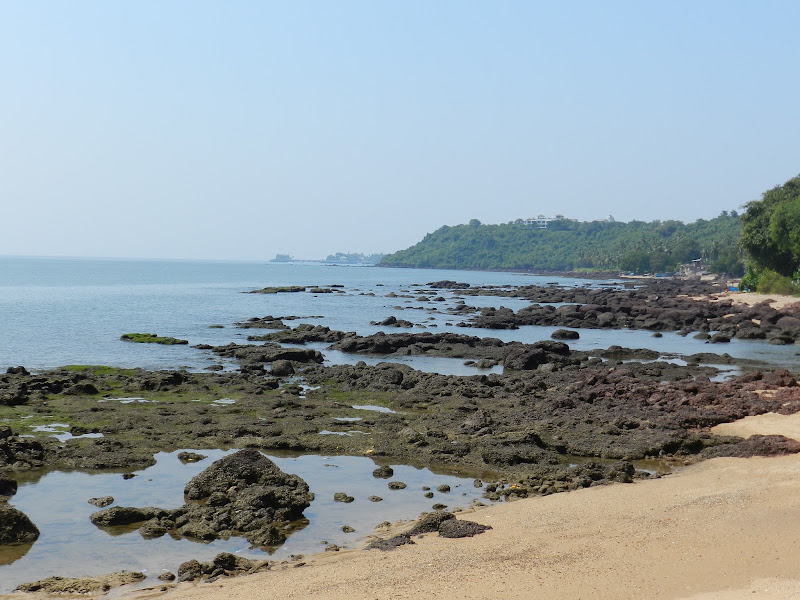
Hidden away in the southernmost reaches of the Canacona taluka, Galgibaga Beach remains one of Goa’s best-kept secrets. Often referred to as "Turtle Beach," it is one of the three designated nesting sites for the endangered Olive Ridley turtles in Goa, alongside Agonda and Morjim. Unlike the bustling, neon-lit shores of North Goa, Galgibaga offers a profound sense of isolation and raw, natural beauty that is increasingly rare in the sunshine state. The beach stretches for approximately 1.7 kilometers of shimmering silver-golden sand, flanked by a dense curtain of Casuarina pines that sway gently in the Arabian Sea breeze. To the south, the beach is bounded by the Galgibaga River, which creates a stunning estuary where the fresh water meets the salt, while the northern end transitions into the rocky outcrops leading toward Talpona.
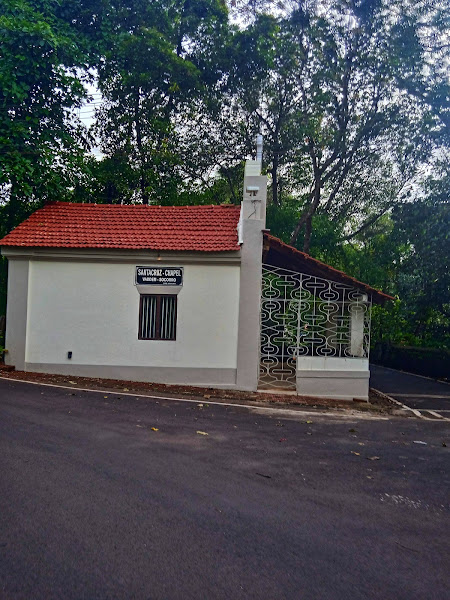
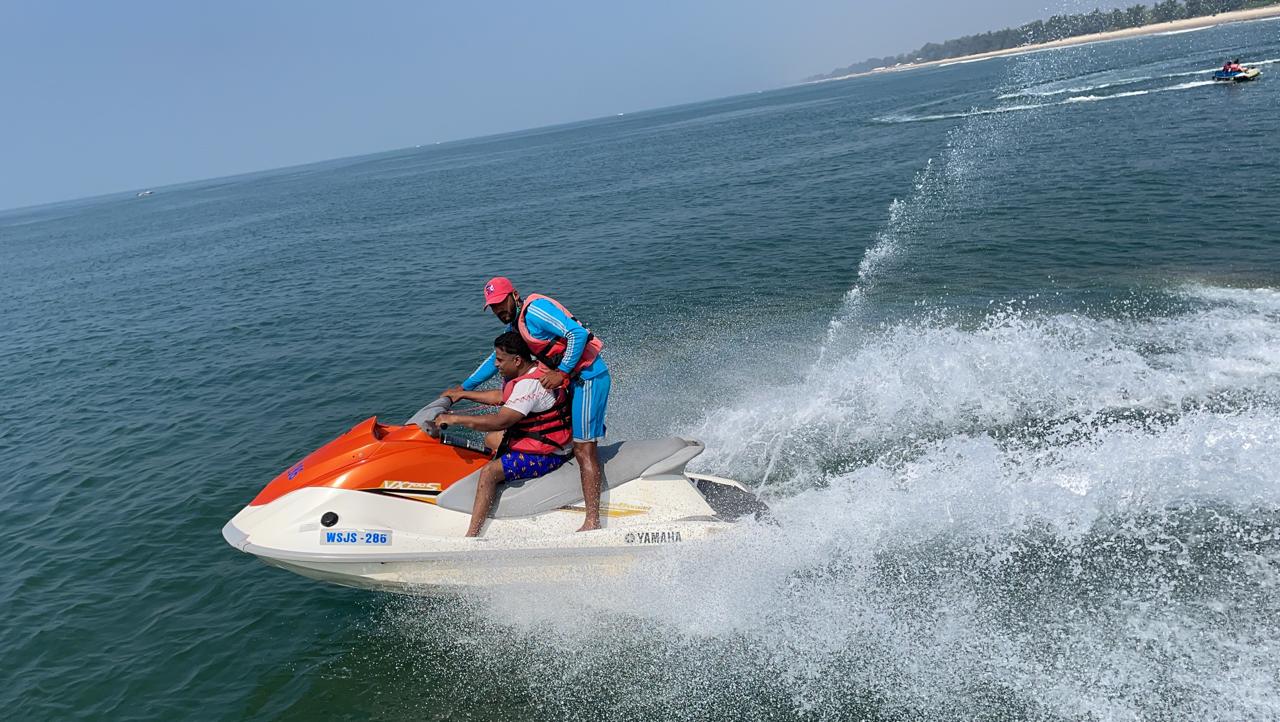
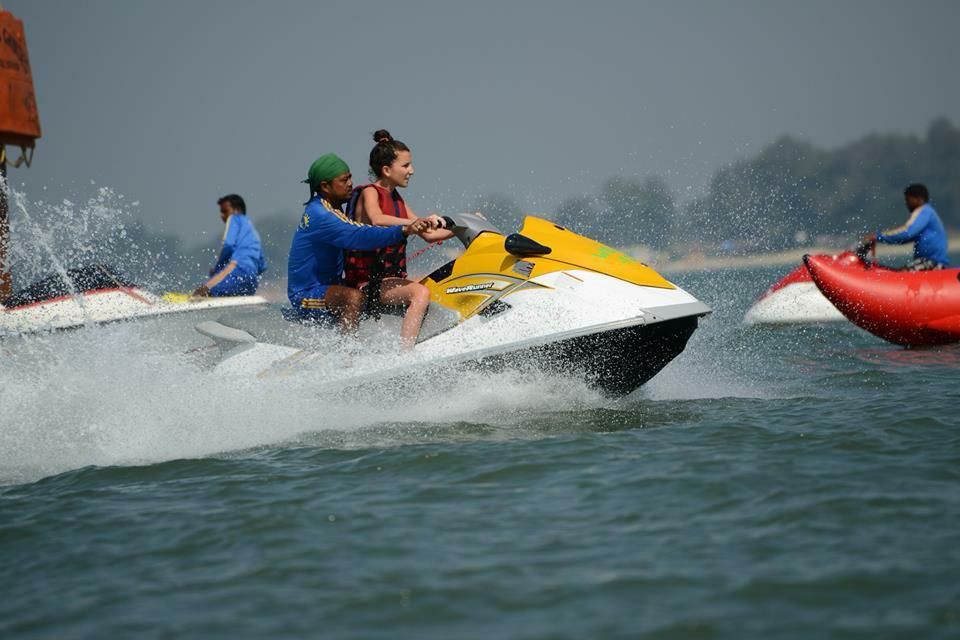
What makes Galgibaga truly special is its status as an ecologically sensitive zone. Because it is a protected turtle nesting site, the beach has been spared from the heavy commercialization that characterizes much of the Goan coastline. You won't find permanent concrete structures, loud beach shacks with thumping electronic music, or jet skis tearing through the waves here. Instead, the soundtrack at Galgibaga is composed of the rhythmic crashing of the surf and the rustle of pine needles. The village of Galgibaga itself is a quiet, predominantly Christian settlement where life moves at a glacial pace. Colorful ancestral homes with terracotta tiled roofs and sprawling verandas line the narrow lanes, reflecting the deep-rooted Indo-Portuguese heritage of the region. For travelers seeking a "silent Goa," a place where the soul can breathe and the eyes can feast on uninterrupted horizons, Galgibaga is the ultimate sanctuary.

The environmental significance of Galgibaga cannot be overstated. The Goa Forest Department maintains a presence here, particularly during the nesting season, ensuring that the turtles are not disturbed by human activity. This commitment to conservation has preserved the beach's pristine state, making it a haven not just for turtles, but for birdwatchers and nature enthusiasts. The lack of light pollution at night makes it a fantastic spot for stargazing, while the daytime offers a landscape so clean and untouched that it feels like stepping back into the Goa of the 1970s. Whether you are a solo traveler looking for introspection, a couple seeking a romantic and quiet escape, or a nature lover eager to witness one of the world's most incredible migratory events, Galgibaga Beach provides an experience that is both humbling and exhilarating.

How to Reach Galgibaga Beach

Reaching Galgibaga Beach is a journey through some of the most scenic landscapes in South Goa. Located about 18 kilometers south of the popular Palolem Beach and roughly 54 kilometers from Margao, the cultural capital of Goa, the route to Galgibaga involves winding roads, lush paddy fields, and crossings over scenic bridges.

By Air: The nearest airport is Dabolim Airport (GOI), located approximately 70 kilometers away. A taxi from Dabolim to Galgibaga will take about 2 to 2.5 hours, depending on traffic. Alternatively, the newer Manohar International Airport (Mopa - VRX) in North Goa is much further away, roughly 120 kilometers, and the drive can take upwards of 3.5 hours. It is highly recommended to pre-book a taxi or use the GoaMiles app for a fixed rate.

By Rail: The closest railway station is Canacona (CNO), which is about 9 kilometers from the beach. Many regional trains and some express trains like the Konkan Kanya or Mandovi Express stop here. From Canacona station, you can easily find an auto-rickshaw or a local taxi to take you to Galgibaga. For those coming from further away on major national express trains, Madgaon Junction (MAO) is the primary hub, located about 55 kilometers away. From Madgaon, you can take a local train to Canacona or hire a direct taxi.

By Road: If you are driving from North Goa or Margao, follow the NH-66 (National Highway 66) heading south. The drive is incredibly picturesque, especially the section known as the "Karmal Ghat," where the road snakes through dense forests. After passing through the main town of Chaudi (Canacona), look for signs directing you toward Talpona and Galgibaga. You will need to cross the Talpona River bridge, a modern addition that has significantly reduced travel time. Before this bridge was built, visitors had to take a long detour through the village of Poinguinim. If you are coming from Karnataka (Karwar), Galgibaga is just a 30-minute drive across the border, making it an easy day trip for those exploring the coastal belt of India.

Local Transport: Once you are in the Canacona area, the best way to explore is by renting a scooter or a Royal Enfield motorcycle. This gives you the freedom to navigate the narrow village roads and stop at various viewpoints. Local buses also run from the Canacona bus stand toward the interior villages, but they are infrequent and may require a bit of walking from the bus stop to the shore.

Best Time to Visit

The timing of your visit to Galgibaga Beach can significantly alter your experience, especially if your primary goal is to witness the Olive Ridley turtle nesting. The beach has a distinct seasonal rhythm that dictates everything from the weather to the availability of local services.

Winter (November to February): This is the peak season for South Goa and the absolute best time to visit Galgibaga. The weather is perfect, with daytime temperatures hovering around 28°C to 32°C and cool, pleasant evenings. The humidity is at its lowest, making it ideal for long walks on the beach. Most importantly, this is the turtle nesting season. While the exact timing varies each year, the turtles usually begin arriving in late November or December to lay their eggs. The hatching typically occurs about 50 to 60 days later, often stretching into March. During this time, the Forest Department sets up enclosures to protect the nests, and lucky visitors might witness the tiny hatchlings making their way to the sea under the moonlight.

Summer (March to May): As summer approaches, the temperatures begin to rise, often reaching 35°C or higher. While the beach remains beautiful, the heat can be intense during midday. However, if you enjoy solitude, this is a great time to visit as the crowds (which are already thin) disappear completely. The sea remains calm enough for swimming, though you should be mindful of the afternoon sun. This is also a good time for birdwatching at the Galgibaga estuary, as many migratory birds are still present before the monsoon sets in.

Monsoon (June to October): The monsoon in South Goa is a sight to behold. The landscape turns a vibrant, electric green, and the Galgibaga River swells with rainwater. However, visiting the beach during this time comes with challenges. The sea becomes extremely rough and dangerous for swimming, and the beach itself can be lashed by heavy winds and rain. Most of the temporary shacks and seasonal accommodations close down. If you are a writer or an artist looking for total seclusion and don't mind the rain, the monsoon offers a dramatic and moody atmosphere. However, for the average tourist, the lack of facilities and the inability to enter the water make it a less-than-ideal time.

Things to Do at Galgibaga Beach

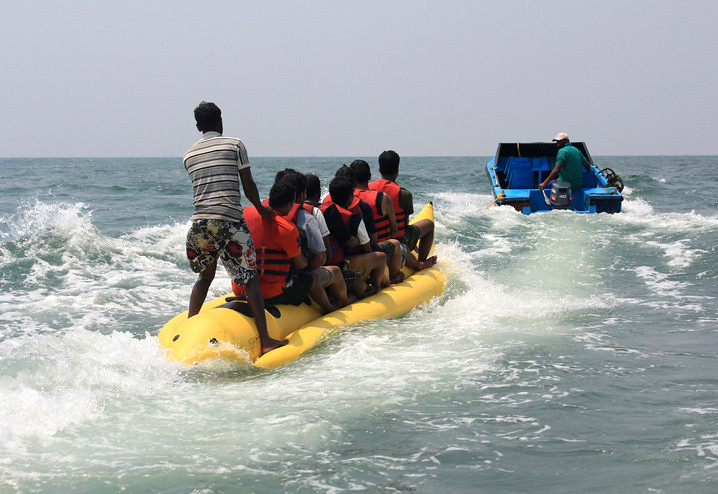
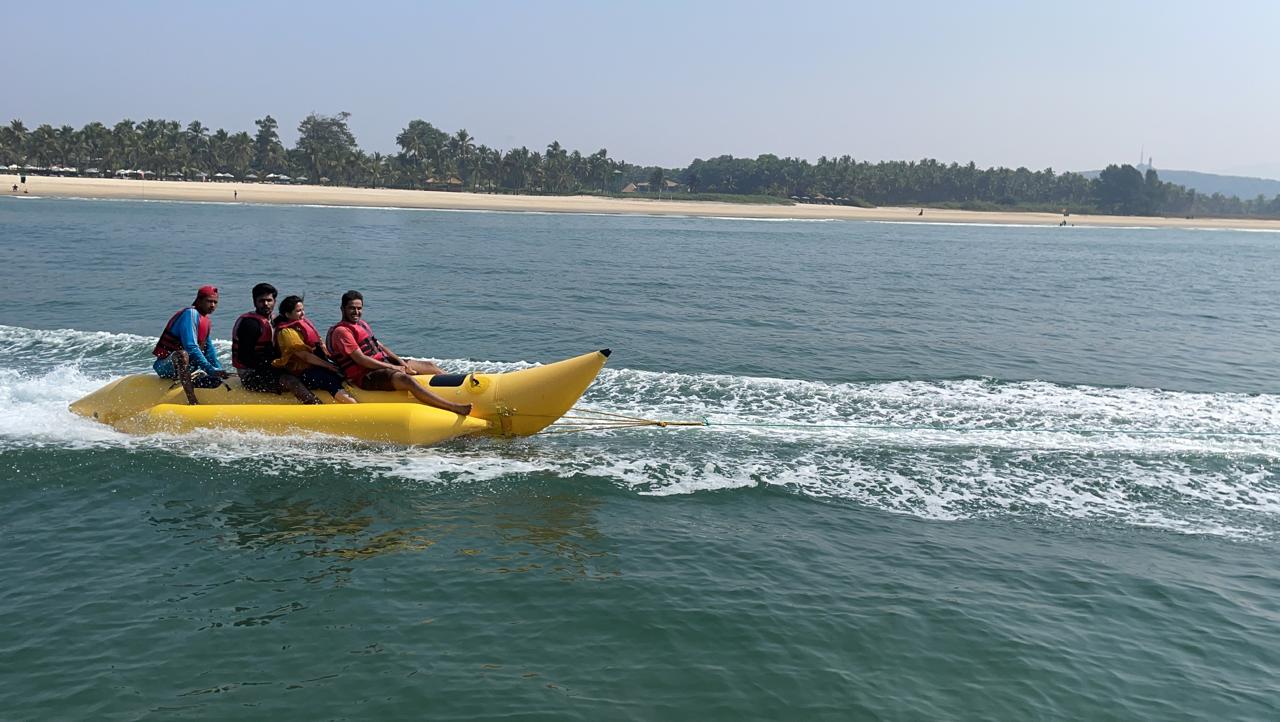
Galgibaga is not a place for "doing" in the traditional tourist sense; it is a place for "being." The activities here revolve around nature, tranquility, and slow living. If you are looking for water sports like parasailing or banana boat rides, you will need to head north to Palolem. Galgibaga offers a much more soulful itinerary.

Turtle Watching: The most significant draw is the turtle conservation project. If you visit during the nesting months, you can observe the protected nesting sites. It is vital to follow the rules: do not use flash photography, do not touch the turtles or the eggs, and keep a respectful distance. The Forest Department guards are usually happy to share information about the conservation efforts and the biology of the Olive Ridley turtles. Witnessing a mother turtle emerge from the ocean to lay her eggs is a spiritual experience that stays with you forever.

Swimming and Sunbathing: The water at Galgibaga is crystal clear and inviting. However, the beach has a relatively steep shelf, and the currents can be strong, especially during the change of tides. It is recommended for confident swimmers, and it is always wise to stay close to the shore. Because the beach is so sparsely populated, you can find your own private stretch of sand to sunbathe without any interruptions. The Casuarina trees provide excellent natural shade if the Goan sun becomes too intense.

Estuary Exploration: Walk to the southern end of the beach where the Galgibaga River meets the Arabian Sea. This estuary is a biological hotspot. During low tide, the sandbars emerge, creating a surreal landscape of shallow pools and swirling currents. It is a fantastic spot for photography, especially during the "golden hour" just before sunset. You can often see local fishermen casting their nets or collecting shellfish in the brackish waters.

Birdwatching: The combination of the pine forest, the river estuary, and the nearby mangroves makes Galgibaga a paradise for birders. Keep your eyes peeled for the White-bellied Sea Eagle, which is often seen soaring above the cliffs. You might also spot various species of kingfishers, herons, egrets, and the occasional Brahminy Kite. The quietude of the beach means the birds are less skittish, allowing for excellent viewing opportunities.

Walking to Talpona: For those who enjoy trekking, a walk north from Galgibaga will take you toward Talpona Beach. The path involves navigating some rocky patches and small hills, providing elevated views of the coastline. Talpona is another quiet gem, even more secluded than Galgibaga, featuring a beautiful river mouth and a small temple nearby. The round trip is a great way to get some exercise while soaking in the coastal scenery.

Meditation and Yoga: The sheer silence of Galgibaga makes it an ideal spot for personal meditation or yoga practice. Many visitors bring their own mats and practice on the sand at dawn. There are no loud speakers or bustling crowds to break your concentration, only the sound of the ocean acting as a natural mantra.

Nearby Attractions

While Galgibaga feels like it’s at the edge of the world, it is actually quite close to several other fascinating South Goan landmarks. Using Galgibaga as your base, you can explore the diverse offerings of the Canacona district.

Talpona Beach: Often considered the twin of Galgibaga, Talpona is located just across the northern headland. It is even quieter and has a very wide shoreline. The Talpona River flows into the sea here, and the area is known for its serene backwaters. It’s a great place to see traditional Goan village life and enjoy a very quiet meal at one of the few local eateries.

Palolem and Patnem Beaches: If you find yourself craving a bit of social interaction, Palolem is about a 20-minute drive away. Known for its crescent-shaped bay and "Silent Noise" discos, Palolem offers a wide variety of restaurants, boutiques, and boat trips to see dolphins. Patnem Beach, located between Palolem and Galgibaga, is a middle ground—livelier than Galgibaga but much more relaxed than Palolem.

Cabo de Rama Fort: Located about 45 minutes north of Galgibaga, this historic fort sits atop a high cliff overlooking the sea. According to local legend, Lord Rama stayed here during his exile. The fort offers breathtaking panoramic views of the coastline and houses the Church of Santo Antonio. The white church against the backdrop of the blue sea and black basalt rocks is a stunning sight.

Sadolxem Bridge: This is a hidden architectural gem located a short drive inland from Galgibaga. It is a very narrow, old bridge that crosses the Talpona River. The surrounding landscape of mangroves and coconut groves is incredibly photogenic. It’s a popular spot for local pre-wedding shoots and for those who want to see the "hinterland" side of Goa.

Partagal Math: For a dose of culture and spirituality, visit the Partagal Jivottam Math, a historic monastery located in the nearby village of Partagal. It is over 500 years old and is home to an ancient Banyan tree (Vata Vruksha) that is said to be centuries old and covers a vast area. The atmosphere here is deeply peaceful and offers a glimpse into the religious traditions of the Goud Saraswat Brahmin community.

Cotigao Wildlife Sanctuary: If you head inland toward the Western Ghats, you will reach Cotigao, the second-largest wildlife sanctuary in Goa. It is famous for its dense multi-layered forest and "tree-top" watchtowers. While elusive animals like leopards and sloth bears live here, you are more likely to see flying squirrels, Malabar giant squirrels, and an array of exotic birds and butterflies.

Accommodation Options

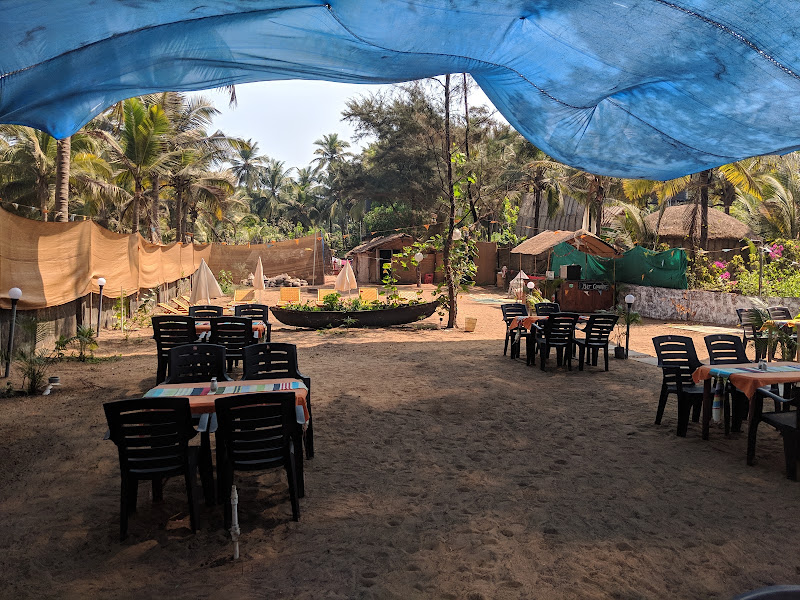
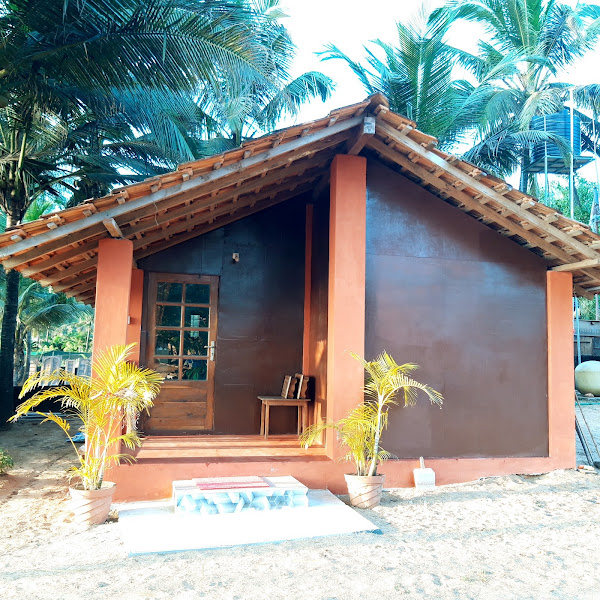
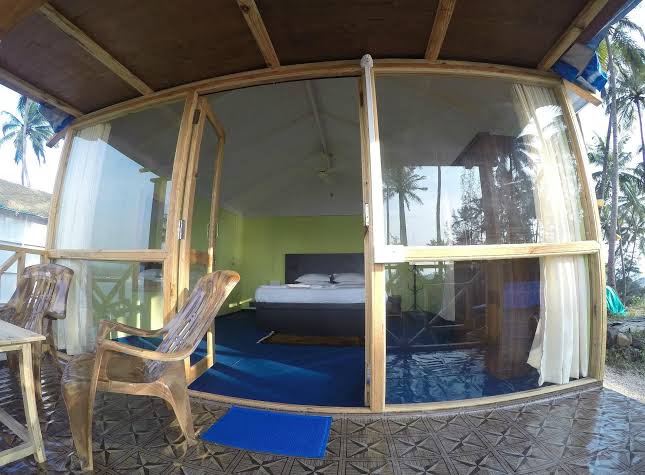
Due to the environmental protections in place for the turtle nesting sites, accommodation directly on Galgibaga Beach is very limited and strictly regulated. You won't find large resorts or high-rise hotels here. The options are generally modest, eco-friendly, and integrated into the local village.

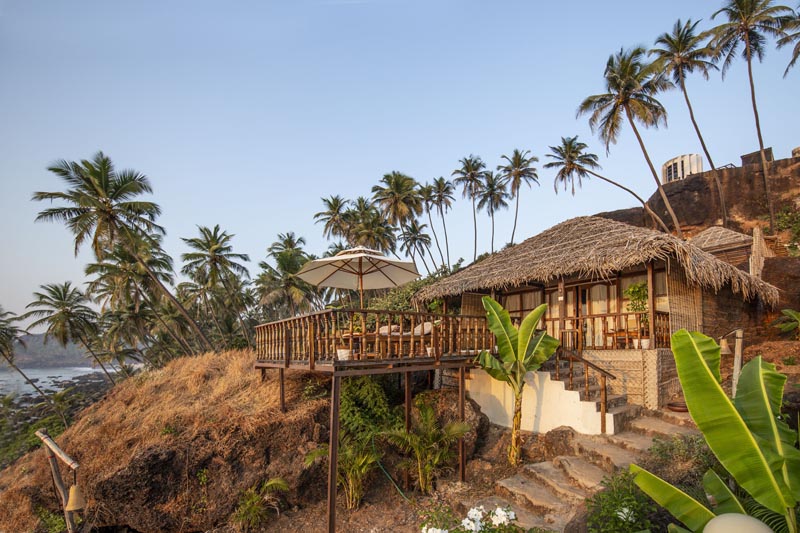
Seasonal Beach Shacks: During the peak winter months, a few eco-friendly shacks are permitted to operate. These are usually made of biodegradable materials like bamboo, wood, and palm leaves. They offer a "back-to-basics" experience where you can sleep to the sound of the waves. However, these are dismantled before the monsoon and are not available during the nesting peak to minimize light pollution.

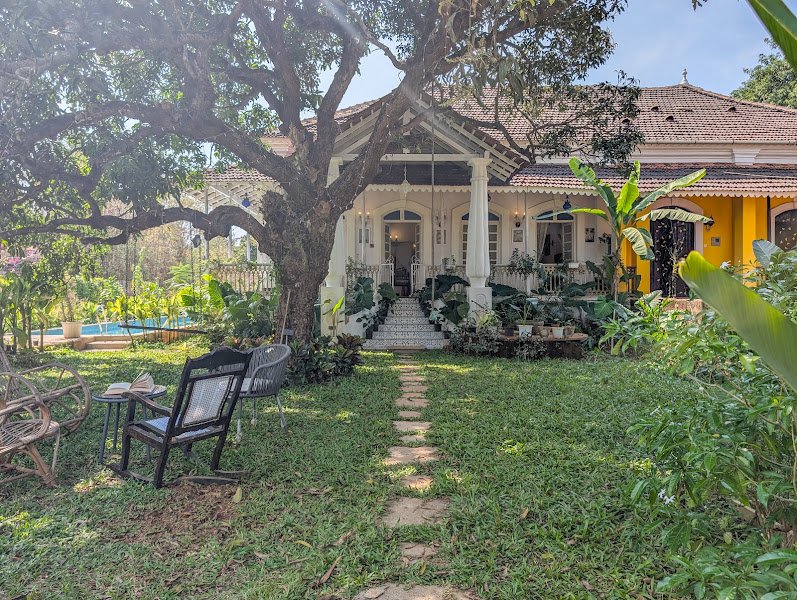
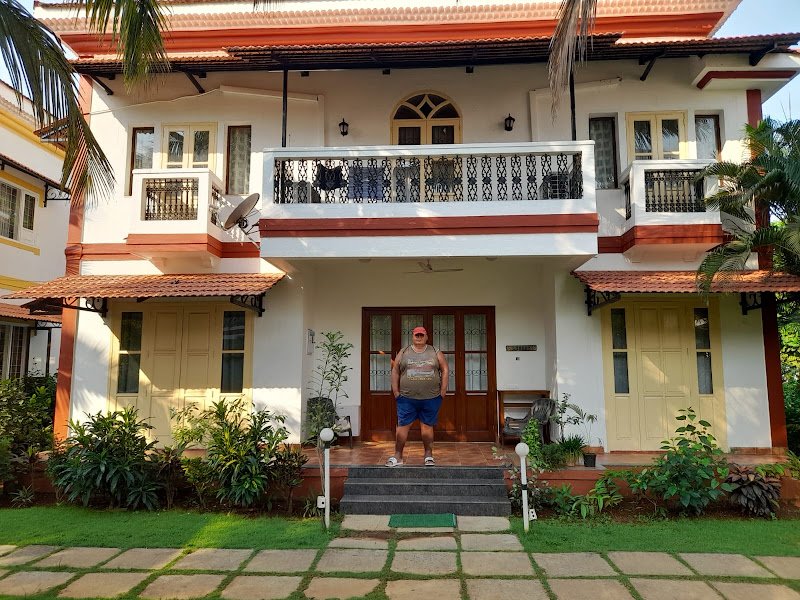
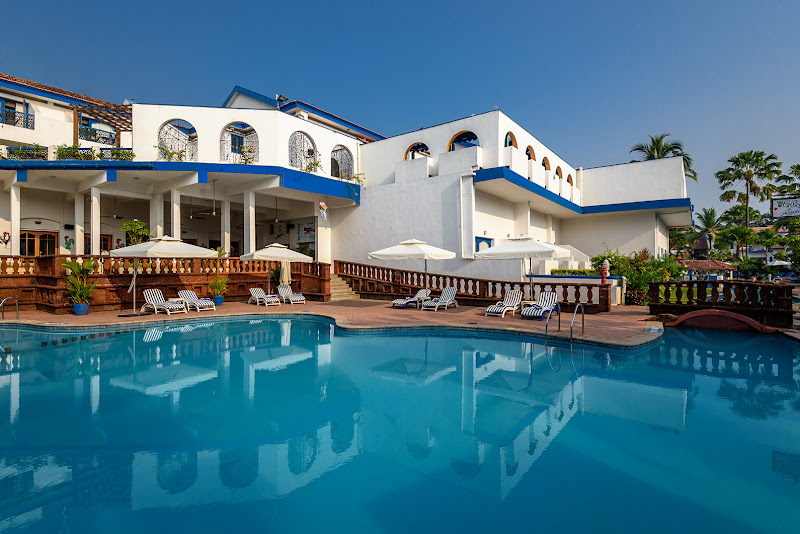
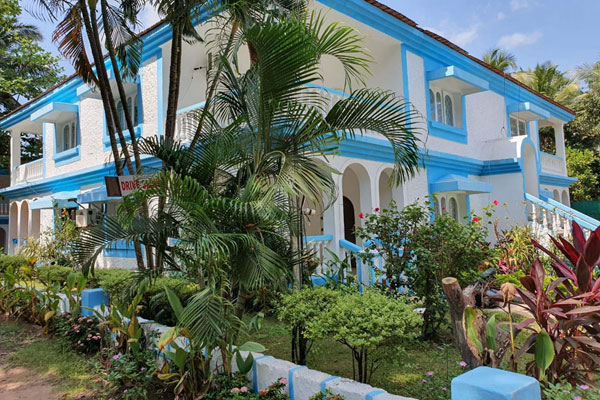
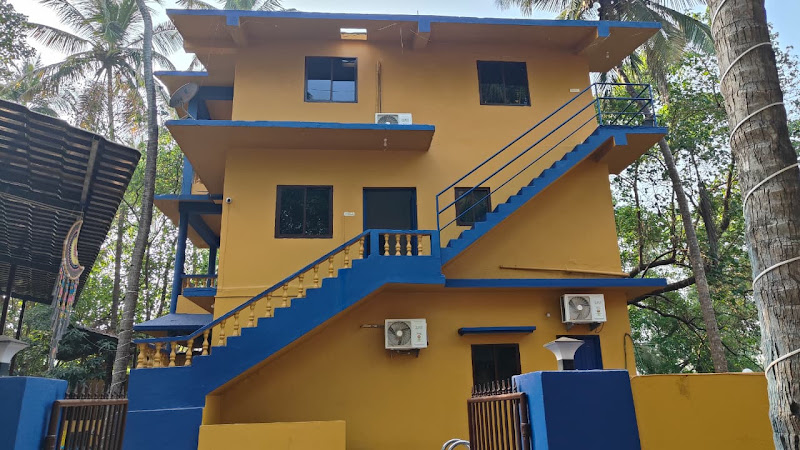
Boutique Guesthouses and Homestays: The village of Galgibaga has several charming guesthouses. These are often managed by local families, providing a more authentic Goan experience. Look for places like Cassiopeia or Surya's Heritage (which also has a famous restaurant). Staying in a homestay allows you to enjoy home-cooked Goan meals and get insider tips on the best spots to visit in the area.

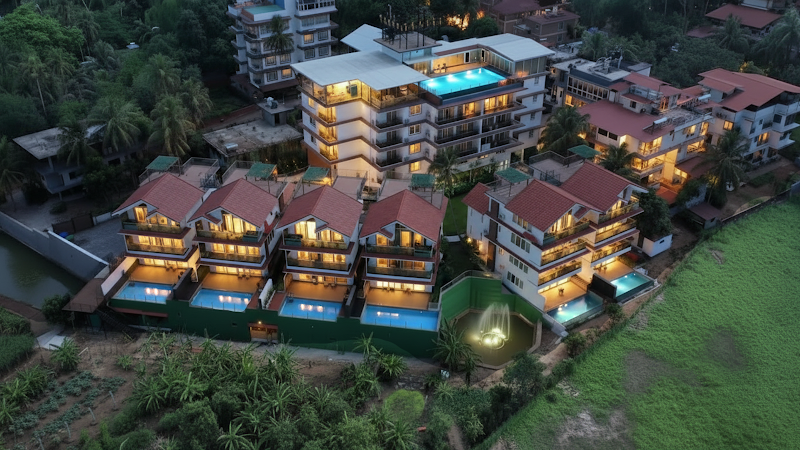
Luxury Resorts in Rajbagh: If you prefer high-end amenities, the nearby Rajbagh Beach (about 15 minutes away) is home to The Lalit Golf & Spa Resort Goa. This is a sprawling luxury property with a golf course, multiple pools, and world-class dining. It allows you to enjoy the luxury of a 5-star resort while being just a short drive away from the pristine wilderness of Galgibaga.

Eco-Retreats: There are a few wellness-focused retreats in the hills surrounding Galgibaga and Talpona. These often focus on yoga, detoxification, and sustainable living. They are perfect for travelers who want to disconnect from technology and reconnect with nature.

Patnem and Palolem: Since Galgibaga is so close to the more developed beaches, many people choose to stay in Patnem or Palolem, where the variety of accommodation is much greater—ranging from budget hostels to luxury beach huts—and simply commute to Galgibaga for day trips.

Dining and Cafes

Dining in Galgibaga is a treat for seafood lovers. Because it is a fishing village, the produce is as fresh as it gets. The food here is characterized by authentic Goan flavors—coconut, tamarind, dried red chilies, and local spices.

Surya’s Beach Cafe: This is perhaps the most famous landmark in Galgibaga. Surya’s has earned a legendary reputation for its seafood. It is a simple, no-frills setup under the shade of the trees. Their Oysters and Mussels are a must-try, often harvested right from the nearby rocks. The Fish Thali here is authentic and wholesome, featuring fried fish, fish curry, vegetable side dishes, and rice. It is the quintessential Goan lunch experience.

Santosh Family Restaurant: Another local favorite, Santosh offers a wide range of Goan Catholic and Hindu style dishes. Their Prawn Recheado (prawns stuffed with a spicy, tangy red masala) and Chicken Xacuti are highly recommended. The atmosphere is casual and welcoming, making it a great spot for a long, lazy dinner.

Local Shacks: During the season, a few temporary shacks pop up on the beach. They serve standard traveler fare like pancakes, pasta, and sandwiches, but their strength lies in the "Catch of the Day." You can often pick your fish—be it Red Snapper, Kingfish, or Pomfret—and have it grilled to your liking with a side of salad and chips.

Dining in Talpona: Just a short ride away, Talpona has a few excellent riverside eateries. Deepiksha is a popular choice, offering stunning views of the river meeting the sea. It’s a great place to enjoy a chilled beer and some calamari fritters while watching the sunset.

The Culinary Vibe: Unlike North Goa, there are no "fine dining" restaurants with white tablecloths in Galgibaga. The luxury here is in the freshness of the ingredients and the simplicity of the preparation. Most places close relatively early (around 10:00 PM), so don't expect late-night dining options. Also, keep in mind that during the off-season (monsoon), almost all beach-facing eateries close, and you will have to rely on small village shops or restaurants in the main town of Chaudi.

Travel Tips for Galgibaga Beach

To ensure you have a respectful and enjoyable visit to this ecologically sensitive area, keep the following tips in mind:

  • Respect the Turtles: If you are visiting during the nesting season (Dec-Feb), never use bright lights or flash photography on the beach at night. This disorients the mother turtles and the hatchlings. Always follow the instructions of the Forest Department guards.
  • Carry Cash: There are no ATMs in Galgibaga village. The nearest ATMs are in Chaudi (Canacona), about 7-8 kilometers away. While some restaurants might accept digital payments, network connectivity can be spotty, so having cash is essential.
  • Stay Hydrated and Stock Up: There are very few shops in Galgibaga. If you have specific snacks, medicines, or sunblock brands you prefer, buy them in Chaudi or Palolem before heading to the beach.
  • Be Mindful of the Current: The Arabian Sea at Galgibaga can have strong undertows. There are no permanent lifeguards on this beach compared to the busier ones. Always check the water conditions before swimming and avoid going too deep.
  • Limit Noise: Galgibaga is a silence zone. Avoid playing loud music on portable speakers. The locals and the wildlife appreciate the tranquility, and maintaining this quiet is part of the beach's charm.
  • Eco-Friendly Travel: Do not leave any trash on the beach. There is no regular municipal cleaning service here like in North Goa. Carry your plastic waste back with you to your guesthouse or a designated disposal point.
  • Connectivity: Mobile network (especially 4G/5G) can be inconsistent. It is a great place for a digital detox, but if you need to work, check with your accommodation beforehand about their Wi-Fi reliability.
  • Transportation: It is highly recommended to have your own transport (rented bike or car). Taxis and rickshaws are not easily "hailed" on the street in Galgibaga; you usually have to call them or walk to the nearest main road.

Conclusion

Galgibaga Beach is more than just a destination; it is a reminder of what Goa used to be before the influx of mass tourism. It is a place where nature still holds the upper hand, where the cycles of the moon and the tides dictate the rhythm of life. For the traveler who values peace over parties, and raw landscapes over manicured resorts, Galgibaga offers a profound sense of clarity and rest. Whether you are watching the sun dip below the horizon at the river estuary, tasting the brine of a fresh oyster at Surya’s, or standing in silent awe as a tiny turtle hatchling begins its epic journey into the ocean, Galgibaga leaves an indelible mark on the soul. It is a fragile paradise that demands our respect and protection, ensuring that the silver sands remain a sanctuary for both the Olive Ridley turtles and the weary human spirit for generations to come.

Common Questions

What is the best time to visit Galgibaga Beach?
The best time to visit Galgibaga Beach is from October to March when the weather is pleasant. This is also the nesting season for olive ridley turtles (December to February), making it a prime time for turtle watching.
How do I get to Galgibaga Beach?
Galgibaga Beach is located in South Goa near Canacona, about 7 km from Palolem. You can hire a taxi or ride a scooter from Palolem or Canacona. The road is a bit narrow, but it's well signposted.
What are the popular things to do at Galgibaga Beach?
The main attraction is observing olive ridley turtles nesting (in season). Other activities include swimming in clean, quiet waters, sunbathing on the pristine sand, and birdwatching along the river estuary.
Are there accommodations near Galgibaga Beach?
There are a few eco-huts and basic guesthouses near Galgibaga, but most visitors stay in Palolem or Agonda and take a day trip. Accommodation options are limited to preserve the turtle nesting site.
Is Galgibaga Beach safe for swimming?
Yes, swimming is generally safe during the tourist season as the waters are calm. However, there are no lifeguards, so caution is advised. During nesting season, some areas may be restricted to protect turtles.
Why is Galgibaga Beach famous?
Galgibaga is famous as one of Goa’s most important nesting sites for the endangered olive ridley sea turtles. It is also known as ‘Turtle Beach’ and is a protected area with minimal commercialization.

User Reviews

4.8
2049 Reviews
5
85%
4
10%
3
3%
2
1%
1
1%

Login to post a review

Join the community to share your beach experiences.

Login / Sign Up

Location Details

Address
Palolem, South Goa
Best Time
All Year Round

Plan Together

Share this beach guide with your travel group on WhatsApp!

Share Now