About 327 results found for "%20%20%20%20%20%20%20%20%20%20%20%20%20%20%20%20%20%20%20%20st francis xavier chapel 8"
Holy Cross Chapel
Holy Cross Chapel, nestled in Old Goa, is a serene 16th-century Portuguese-era chapel known for its simple whitewashed facade and peaceful atmosphere.
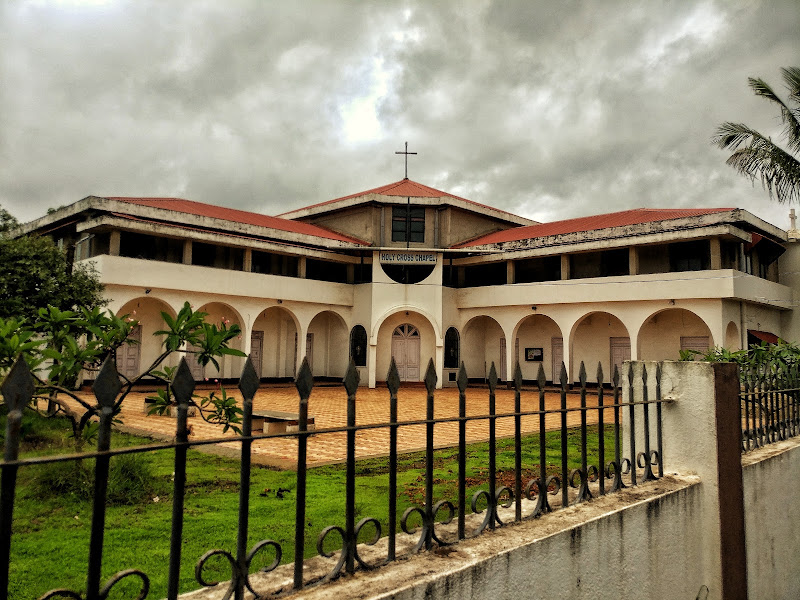
Holy Cross Chapel Tropa
Holy Cross Chapel in Goa is a serene 17th-century Catholic shrine known for its annual Feast of the Holy Cross and its role as a pilgrimage site for devotees seeking blessings and miracles.
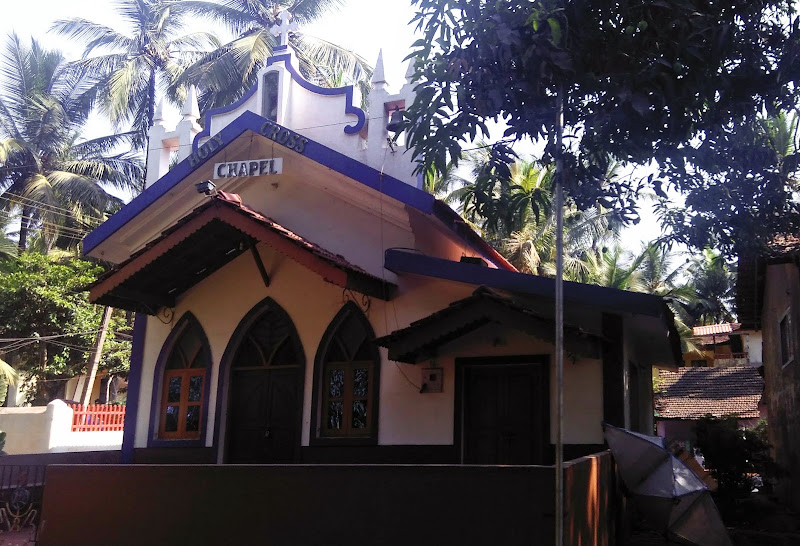
St. Anthony's Chapel
St. Anthony's Chapel, a serene 19th-century Catholic sanctuary in Goa, is revered for its striking white facade and peaceful atmosphere, drawing pilgrims and visitors alike.
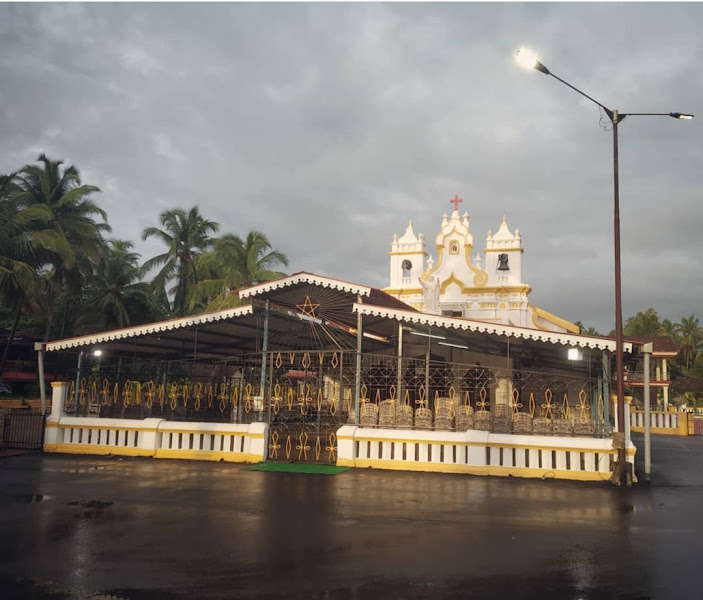
Sataporio Chapel
Sataporio Chapel, a serene 17th-century Portuguese-era chapel in Goa, stands as a peaceful testament to the region's Catholic heritage amidst lush rural landscape.
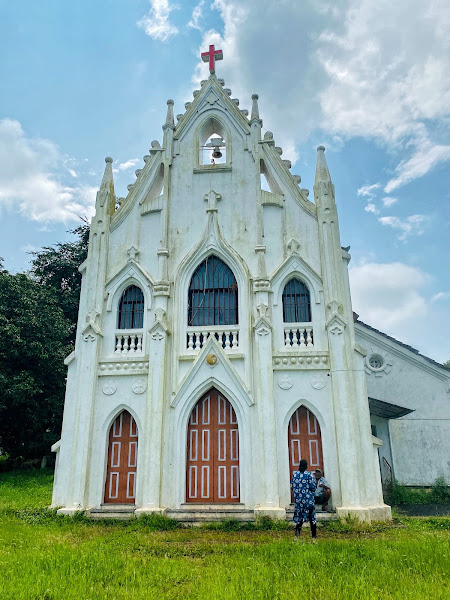
Marna Chapel
St. Sebastian Chapel in Goa is a historic 16th-century Catholic church renowned for its striking crucifix, believed to have miraculously protected the village from a cholera epidemic.
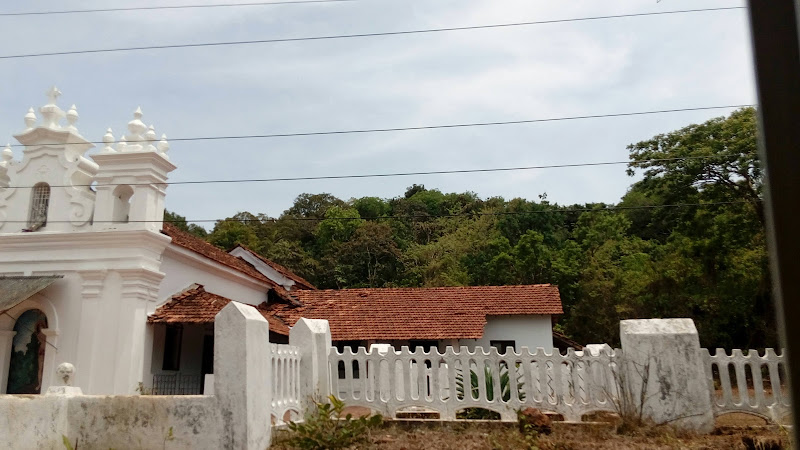
St. Sebastian Chapel
A serene 16th-century whitewashed chapel in Old Goa, dedicated to the martyred saint, known for its striking blue-trimmed facade and peaceful riverside setting.
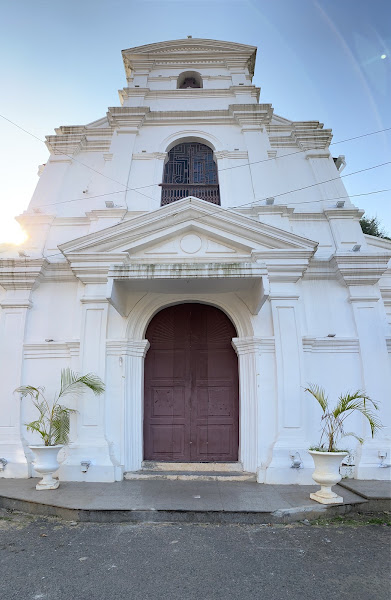
Holy Cross Chapel
Holy Cross Chapel, Baradi, in Goa, is a serene 16th-century Portuguese-era chapel known for its simple whitewashed façade and a striking cross that stands against the lush tropical landscape.
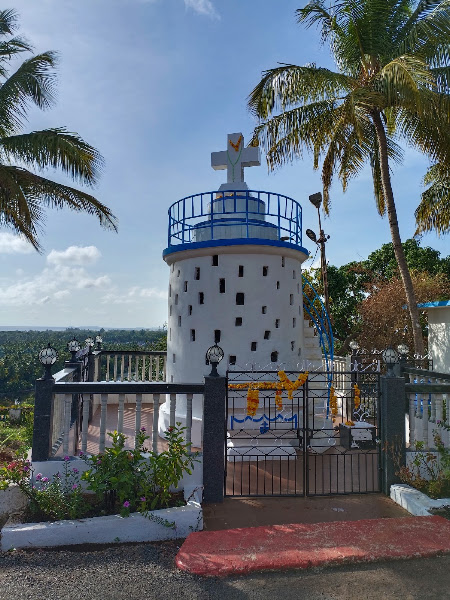
Catholic Chapel
Perched atop a rocky hill in the village of Siridao, this 17th-century whitewashed Portuguese-era chapel offers panoramic ocean views and serves as a serene pilgrimage site dedicated to the patron saint against plagues.
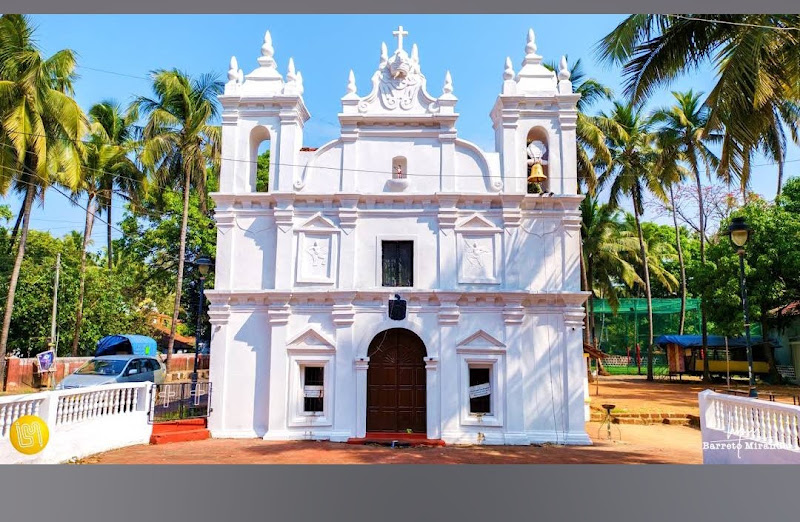
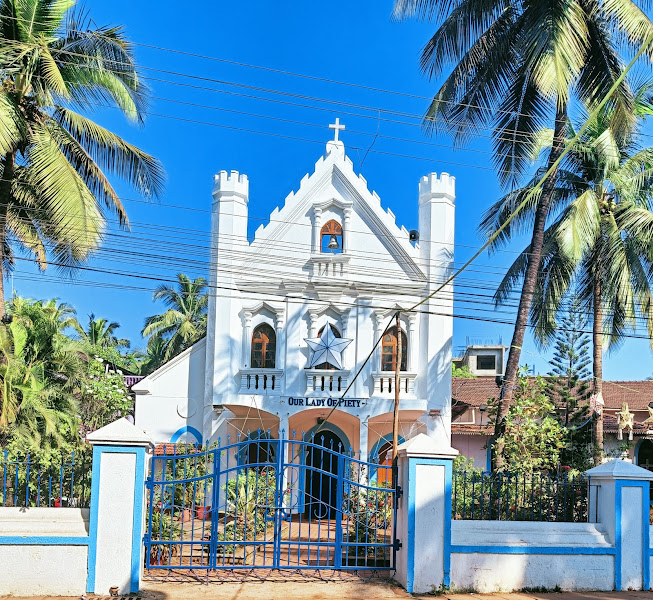
Our Lady of Piety Chapel
A serene 17th-century Portuguese-era chapel in South Goa, dedicated to Our Lady of Piety, known for its simple whitewashed façade and annual feast celebrations.
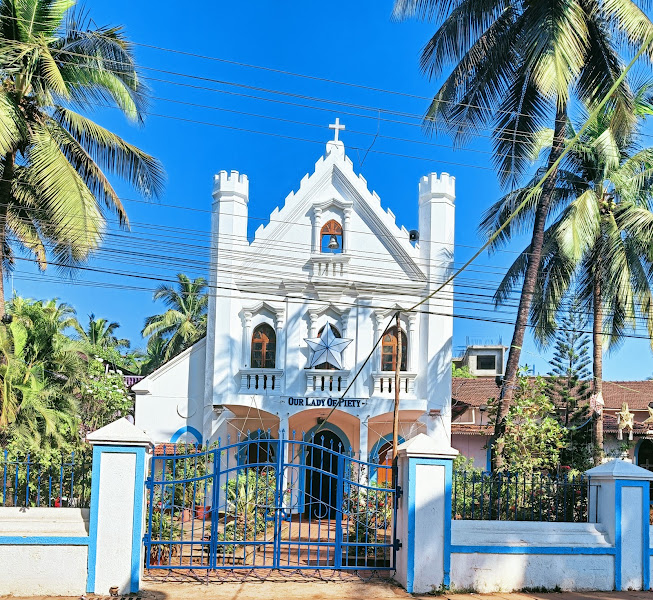
Our Lady Of Piety Chapel
Our Lady of Piety Chapel, a serene 17th-century Portuguese-era church in Old Goa, is renowned for its distinctive blue-and-white facade and its role as a landmark atop the hill leading to the Se Cathedral.