
Pali & Shivling Waterfall Trek, North Goa
per / person. Taxes & convenience fees might apply.
- Guided trek to two distinct waterfalls: Pali and Shivling.
- 8km round-trip hike through the scenic Mhadei Wildlife Sanctuary.
- Observe the unique 'Shivling' rock formation at the base of the falls.
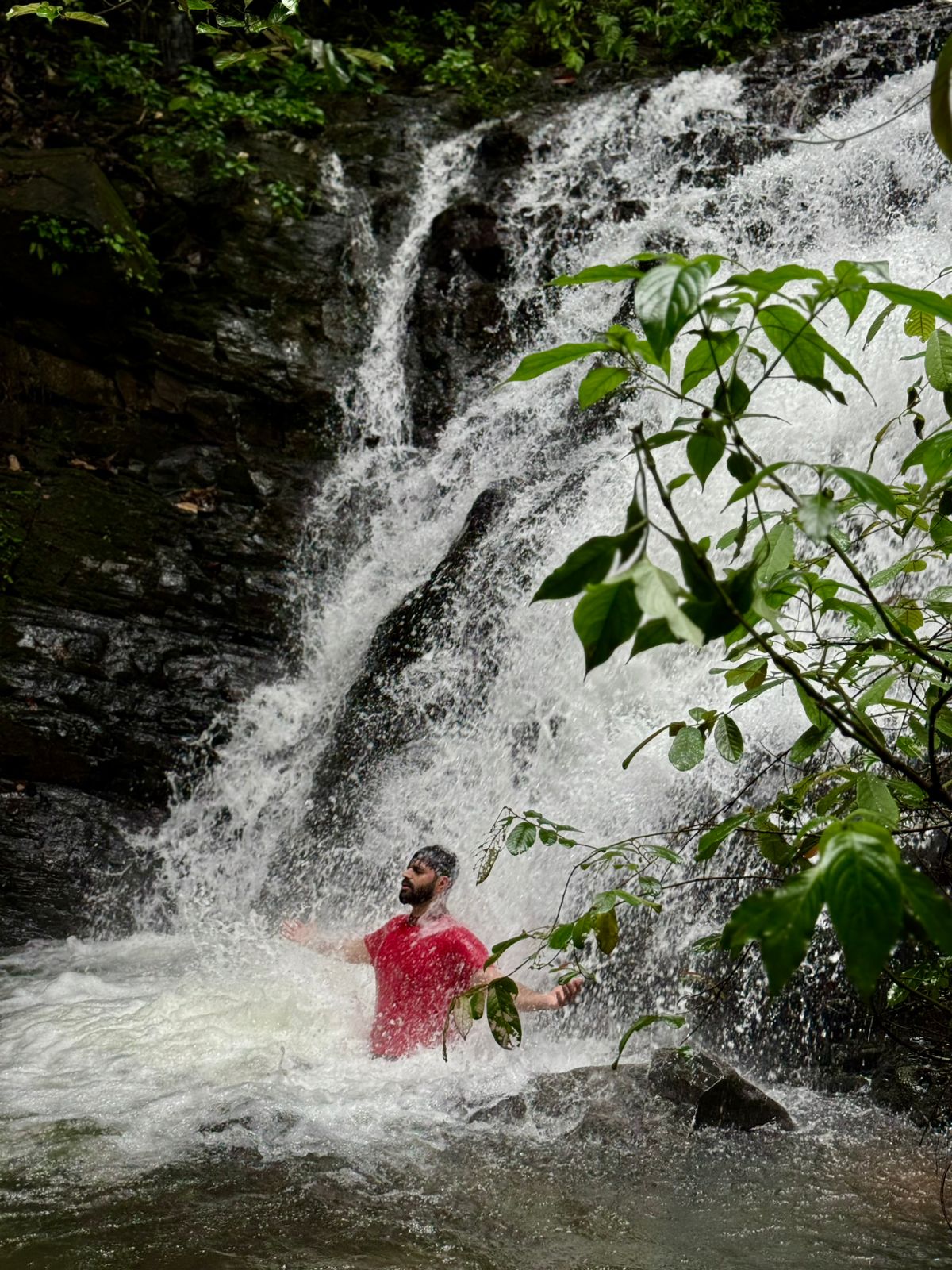
- Swim in natural forest pools with clear mountain water.
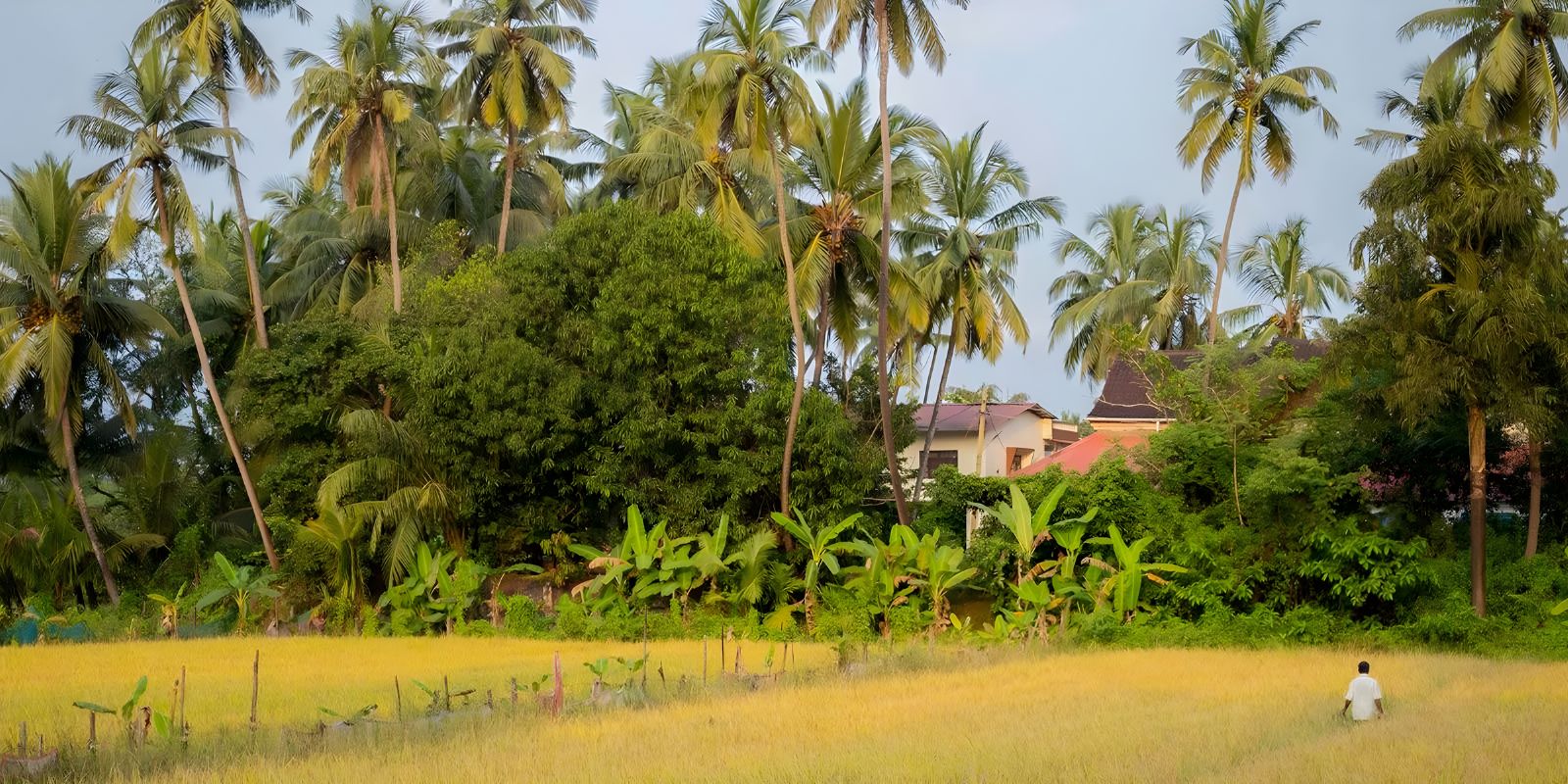
- Experience the authentic Goan hinterland away from the tourist crowds.
- Learn about local flora and fauna from an experienced trek leader.
Exploring the Hinterlands: The Pali & Shivling Trek
While most visitors associate Goa with its coastline, the interior region of Sattari holds some of the state's most impressive natural landscapes. The Pali and Shivling Waterfall Trek is a premier example of Goan hinterland tourism, offering a deep dive into the Mhadei Wildlife Sanctuary ecosystem. This experience isn't just about reaching a destination; it is about the transition from the humid coastal air to the cool, canopy-shaded trails of the Western Ghats.
The Trail Layout and Geography
The trek begins in the small village of Pali, located near Valpoi. The terrain here is characterized by a mix of moist deciduous forests and semi-evergreen patches. The total distance covered is approximately 8 kilometers (round trip), with an elevation gain of roughly 200 meters. The path is a mix of flat forest floors, muddy tracks (during monsoon), and rocky stream beds that require careful foot placement.
Part 1: The Hike to Pali Waterfall
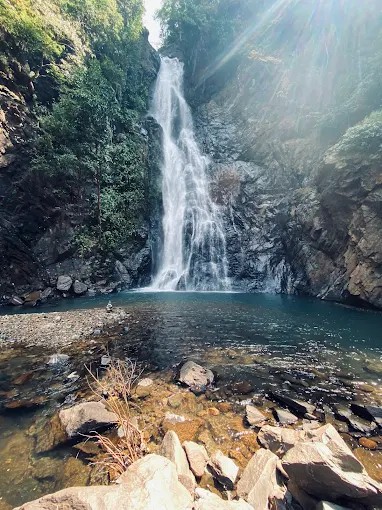
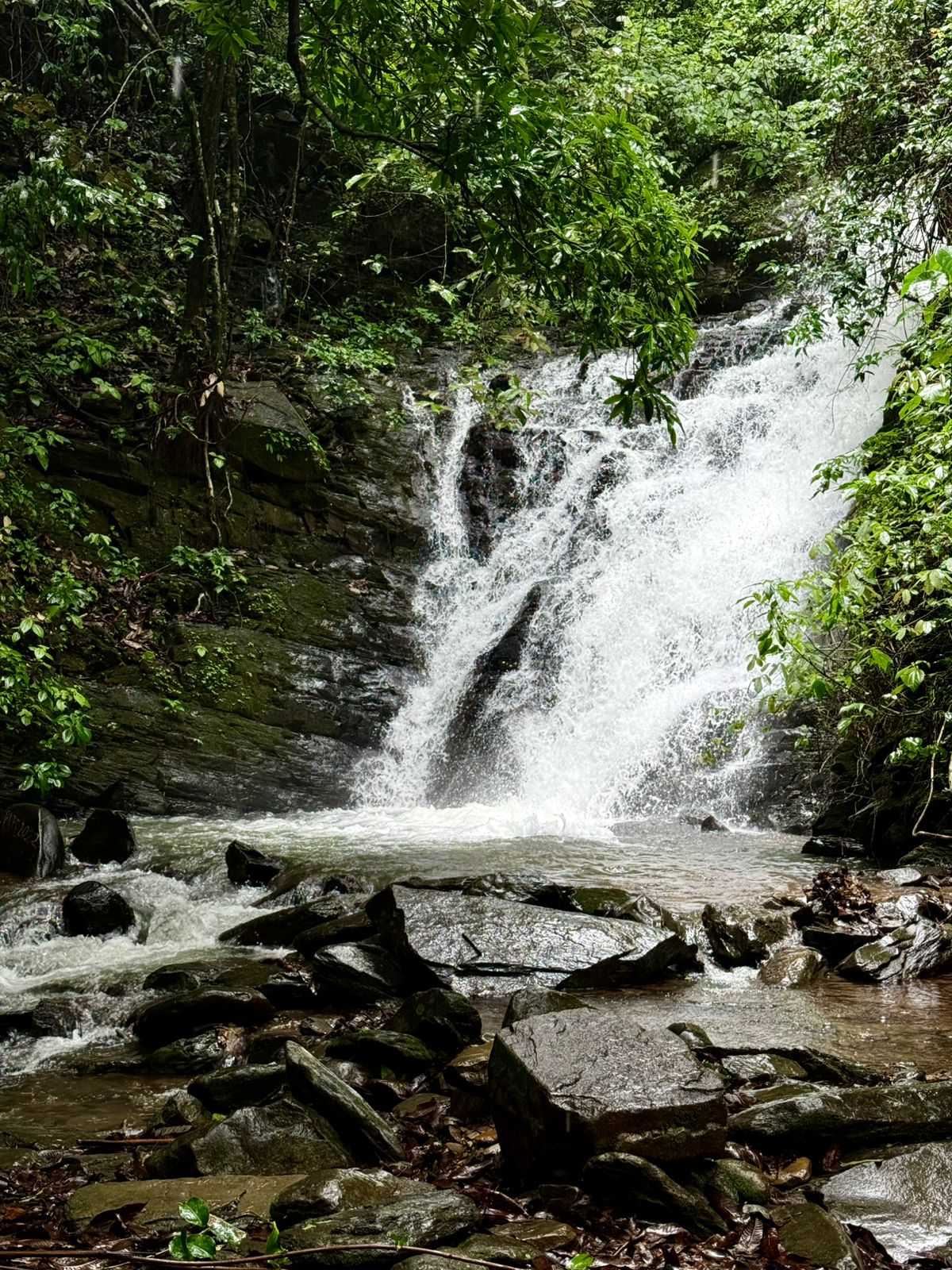
The first leg of the journey takes about 45 to 60 minutes. This section is relatively gentle, winding through local spice plantations and thick secondary forest. You will notice a variety of local flora, including teak, bamboo, and wild forest berries. The sound of the Malabar Whistling Thrush often accompanies trekkers on this route. Pali Waterfall itself is a broad, multi-tiered cascade that drops from a height of about 30 feet. It is an excellent spot for an initial break and a quick dip in the shallow natural pool at its base.
Part 2: Advancing to Shivling Waterfall
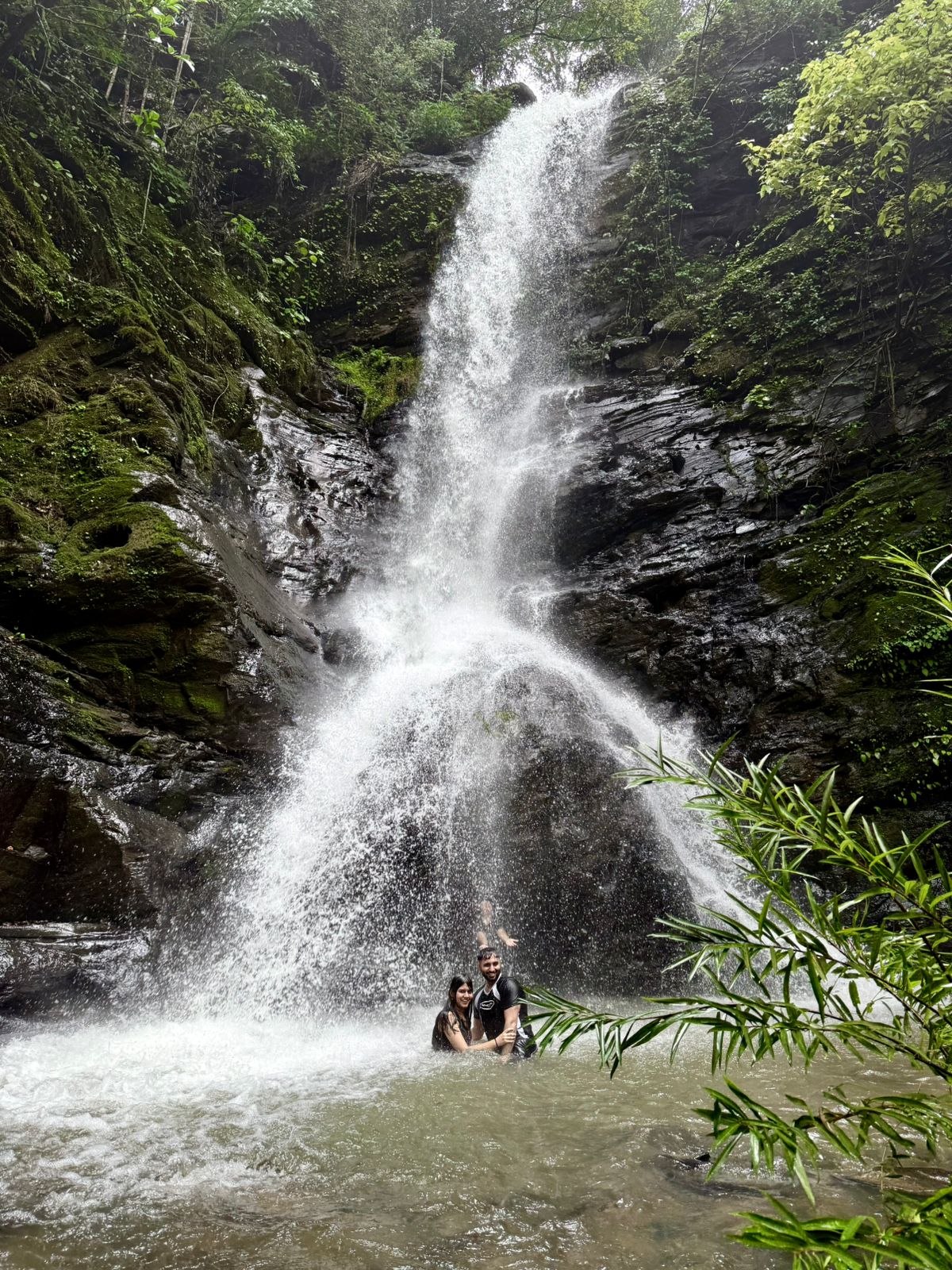
The second leg is more challenging and takes an additional 30 to 45 minutes from Pali Falls. The trail becomes steeper and involves some rock scrambling. This section requires a higher level of focus as you navigate over boulders and tree roots. The reward is Shivling Waterfall, a dramatic 50-foot drop. The waterfall is named after a unique rock formation at its base that bears a striking resemblance to a Shiva Lingam. During the peak flow, the water pours directly over this stone, creating a natural 'abhishekam' (ritual pouring of water).
Why Travelers Choose This Activity
Many travelers opt for the Pali and Shivling trek because it offers a raw, authentic forest experience without the massive crowds found at Dudhsagar Falls. It is a "twin trek," meaning you get to see two distinct geological formations in a single outing. It appeals to adventure seekers who prefer a moderate physical challenge and those interested in the biodiversity of the Sahyadri mountain range.
Difficulty Level and Physical Requirements
We categorize this trek as Moderate. While it does not require professional climbing gear, it does demand a basic level of physical fitness. You will be walking for 4 to 5 hours on uneven, sometimes slippery terrain. It is not recommended for individuals with chronic knee issues, severe asthma, or heart conditions. Children above the age of 12 who are used to physical activity generally find the trek manageable.
Best Time to Visit
The timing of your visit significantly changes the experience:
- Monsoon (June to September): This is when the waterfalls are at their most powerful. The forest is incredibly lush and green. However, be prepared for leeches, heavy rain, and slippery trails. Proper rain gear and high-grip shoes are non-negotiable during this time.
- Post-Monsoon/Winter (October to February): This is the ideal window for most trekkers. The water flow is steady, the weather is pleasant, and the natural pools are safe for swimming. The trails are drier and easier to navigate.
- Summer (March to May): The water levels drop significantly, and the forest can be quite hot. While the trek is still possible, the waterfalls may not be as visually impressive.
Safety and Local Expertise
The trail through the Mhadei region is not well-marked and can be confusing due to several intersecting cattle paths. Hiring a local guide is essential. Local guides not only ensure you stay on the right path but also provide critical safety assistance during stream crossings. They are also knowledgeable about the local wildlife and can help you avoid areas where you might encounter snakes or stinging insects.
What to Wear and Carry
Proper preparation is key to enjoying this trek. We recommend the following:
- Footwear: Sturdy trekking shoes with good lug patterns for grip. Avoid flip-flops or smooth-soled sneakers.
- Clothing: Lightweight, quick-dry t-shirts and full-length trekking pants (to protect against scratches and insects).
- Hydration: At least 2 liters of water per person. There are no shops inside the forest.
- Snacks: Energy bars, fruit, or a light packed lunch.
- Protection: Salt or Odomos (for leeches during monsoon), sunscreen, and a hat.
- Bag: A small waterproof backpack or a rain cover for your electronics.
Getting to the Location
The trek starts at Pali Village in the Sattari taluka. It is approximately 50-60 km from the popular North Goa beach belt (Calangute/Baga) and about 45 km from Panjim. By Car/Bike: You can drive to Pali via the Sanquelim route. There is basic parking available near the village temple. By Public Transport: Public transport to this remote area is infrequent. It is highly recommended to arrange a private taxi or use a self-drive vehicle to ensure you reach the meeting point by 8:00 AM or 9:00 AM.
Important Booking Information
Reservations should be made at least 24-48 hours in advance, especially during the weekend. Ensure you provide your contact details so the guide can coordinate the meeting point at Shri Datta Mandir, Pali. Please note that there is limited mobile network once you enter the forest trail, so download your maps or coordinate with your driver beforehand.
- Services of a local expert trekking guide
- Forest entry permissions
- Basic first aid assistance
- Packed snacks or light refreshments (as per package)
- Hotel pickup and drop-off
- Heavy lunch
- Trekking gear (shoes, bags, etc.)
- Personal expenses
Have questions about this activity?
Chat with our local experts for instant help and best deals!