200-Hour Yoga Teacher Training Course in Arambol with Private Room
per / person. Taxes & convenience fees might apply.
- Yoga Alliance USA certification recognized globally
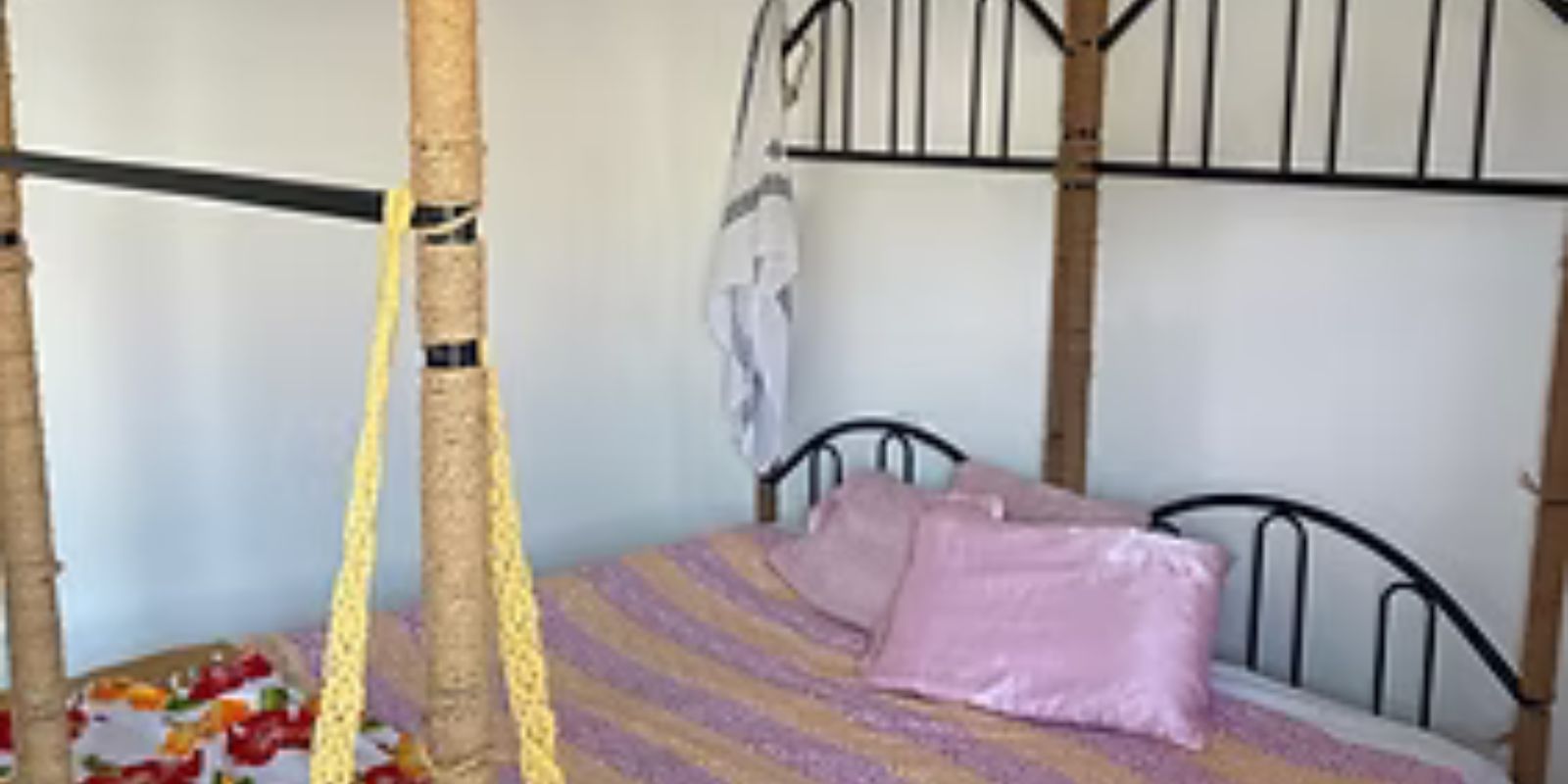
- Private room accommodation with attached bathroom and balcony
- Comprehensive curriculum covering Hatha, Vinyasa, and Philosophy
- Three freshly prepared Saatvik vegetarian meals daily
- Located in the peaceful, nature-rich outskirts of Arambol
- Small batch sizes for personalized alignment and feedback
Deepen Your Practice with a 200-Hour Yoga TTC in North Goa
The 200-hour Yoga Teacher Training Course (TTC) is the foundational step for anyone looking to become a certified yoga instructor. Held in Arambol, North Goa, this course is designed to provide a balanced mix of physical practice, theoretical knowledge, and teaching methodology. Unlike short retreats, a TTC is an intensive commitment that requires discipline, but it offers a profound understanding of yoga beyond the physical postures.
Arambol has long been the hub for yoga and alternative healing in Goa. The atmosphere here is conducive to learning, with a community of international practitioners and experienced Indian teachers. This specific course starts on the 2nd of every month, running for 21 to 28 days depending on the specific module intensity. By the end of the course, you will receive a Yoga Alliance recognized certification, allowing you to teach yoga globally.
Why Travelers Choose the Private Room Option
While many yoga schools offer dormitory housing to keep costs low, most serious students find that a private room is a significant advantage. A 200-hour TTC is mentally and physically demanding. Your day starts at 6:00 AM and often ends at 8:00 PM. Having a private sanctuary with an attached bathroom, a desk for journaling, and the quiet needed for deep sleep is vital for recovery.
The private rooms provided are located within the retreat center or in adjacent eco-cottages. These rooms are clean, ventilated, and designed for comfort, ensuring you can focus entirely on your studies without the distractions of a shared living space.
The Curriculum: What You Will Learn
The syllabus follows the international standards set by Yoga Alliance. It is divided into several core pillars:
1. Asana Practice (Hatha and Vinyasa)
Daily morning sessions focus on Asana (postures). You will learn the correct alignment, benefits, and contraindications of over 60 fundamental yoga poses. The curriculum typically covers Traditional Hatha Yoga for foundational strength and Vinyasa Flow for breath-synchronized movement. Morning classes are usually more vigorous, while afternoon sessions focus on restorative poses and alignment workshops.
2. Pranayama and Meditation
Yoga is incomplete without breathwork. You will be introduced to various Pranayama (breathing techniques) such as Nadi Shodhana, Kapalbhati, and Bhastrika. These sessions help in regulating the nervous system and preparing the mind for Meditation. You will explore different meditation styles, including guided visualizations, Osho meditations, and silent sitting.
3. Yoga Philosophy and Ethics
Understand the roots of yoga by studying the Yoga Sutras of Patanjali, the Bhagavad Gita, and the Hatha Yoga Pradipika. These classes cover the eight limbs of yoga, the concept of Karma, and the ethical guidelines (Yamas and Niyamas) for a yoga teacher. This theoretical foundation helps you understand why we practice yoga and how to apply its principles to modern life.
4. Anatomy and Physiology
To teach safely, you must understand the human body. The course includes detailed sessions on the musculoskeletal system, respiratory system, and the nervous system as they relate to yoga. You will learn how to prevent injuries and how to adapt poses for students with physical limitations.
5. Teaching Methodology
This is where you learn how to actually lead a class. You will practice sequencing, giving clear verbal cues, and performing hands-on adjustments. During the final week, every student is required to lead a 60-minute class, receiving feedback from both teachers and peers.
A Typical Daily Schedule
The schedule is rigorous to ensure all 200 hours are covered within the 21-day timeframe. A standard day in Arambol looks like this:
- 06:00 – 06:30: Herbal Tea and Kriyas (Cleansing)
- 06:30 – 08:30: Morning Asana & Pranayama Practice
- 08:30 – 09:30: Saatvik Breakfast
- 10:00 – 11:30: Yoga Philosophy or Anatomy Lecture
- 11:30 – 13:00: Alignment and Adjustment Workshop
- 13:00 – 14:00: Vegetarian Lunch
- 14:00 – 16:00: Self-study or Rest
- 16:00 – 17:30: Afternoon Asana or Teaching Practice
- 18:00 – 19:00: Meditation and Chanting
- 19:00 – 20:00: Dinner
- 20:00 – 22:00: Self-reflection and Sleep
Food and Nutrition
The course includes three Saatvik vegetarian meals per day. In yogic tradition, Saatvik food is fresh, seasonal, and prepared with minimal spices, onion, and garlic to keep the mind calm and the body light. The meals typically consist of local Goan and Indian staples like dal, brown rice, fresh vegetables, salads, and seasonal fruits. Vegan and gluten-free options are usually available upon request.
Location and Logistics
The training takes place in Arambol, North Goa. Arambol is famous for its creative energy and relaxed vibe. The center is located away from the loud party zones, closer to the Arambol Sweet Water Lake and the jungle area, providing a natural backdrop for meditation. Manohar International Airport (Mopa) is the closest airport, roughly a 60-minute drive away. Dabolim Airport is about 90 minutes away. We recommend booking a pre-paid taxi or arranging a pickup through the school to reach the venue directly.
Suitability and Difficulty
This course is physically demanding. While beginners are welcome, we recommend having at least 6 months of regular yoga practice before enrolling. This ensures your body is prepared for the 4-5 hours of daily physical activity. The difficulty level is considered Intermediate due to the volume of information and the intensity of the schedule.
Important Booking Information
Courses fill up quickly, especially during the peak season from November to February. It is advisable to book at least 2 to 3 months in advance. A non-refundable deposit is usually required to secure your private room. Ensure you have a Tourist Visa (or an appropriate visa for educational purposes) if you are traveling from outside India.
What to Carry
- Yoga Gear: While mats are provided, many students prefer bringing their own travel mat or a yoga towel for hygiene.
- Clothing: Lightweight, breathable cotton clothes are best. Modest attire is required during philosophy classes (shoulders and knees covered).
- Personal Items: A reusable water bottle, a notebook and pen for lectures, and basic toiletries.
- Health: Any personal medications and a basic first-aid kit.
- 200-hour Yoga Teacher Training certification
- 20 nights private room accommodation
- Daily breakfast, lunch, and dinner (Vegetarian)
- Course manuals and study materials
- Use of yoga mats and props
- Filtered drinking water
- International or domestic flights
- Airport transfers (available on request)
- Travel insurance
- Laundry services
- Personal expenses and weekend excursions
Have questions about this activity?
Chat with our local experts for instant help and best deals!