Guided Dudhsagar Waterfall Trek
per / person. Taxes & convenience fees might apply.
- 14 km guided forest trek through the heart of Bhagwan Mahavir Wildlife Sanctuary.
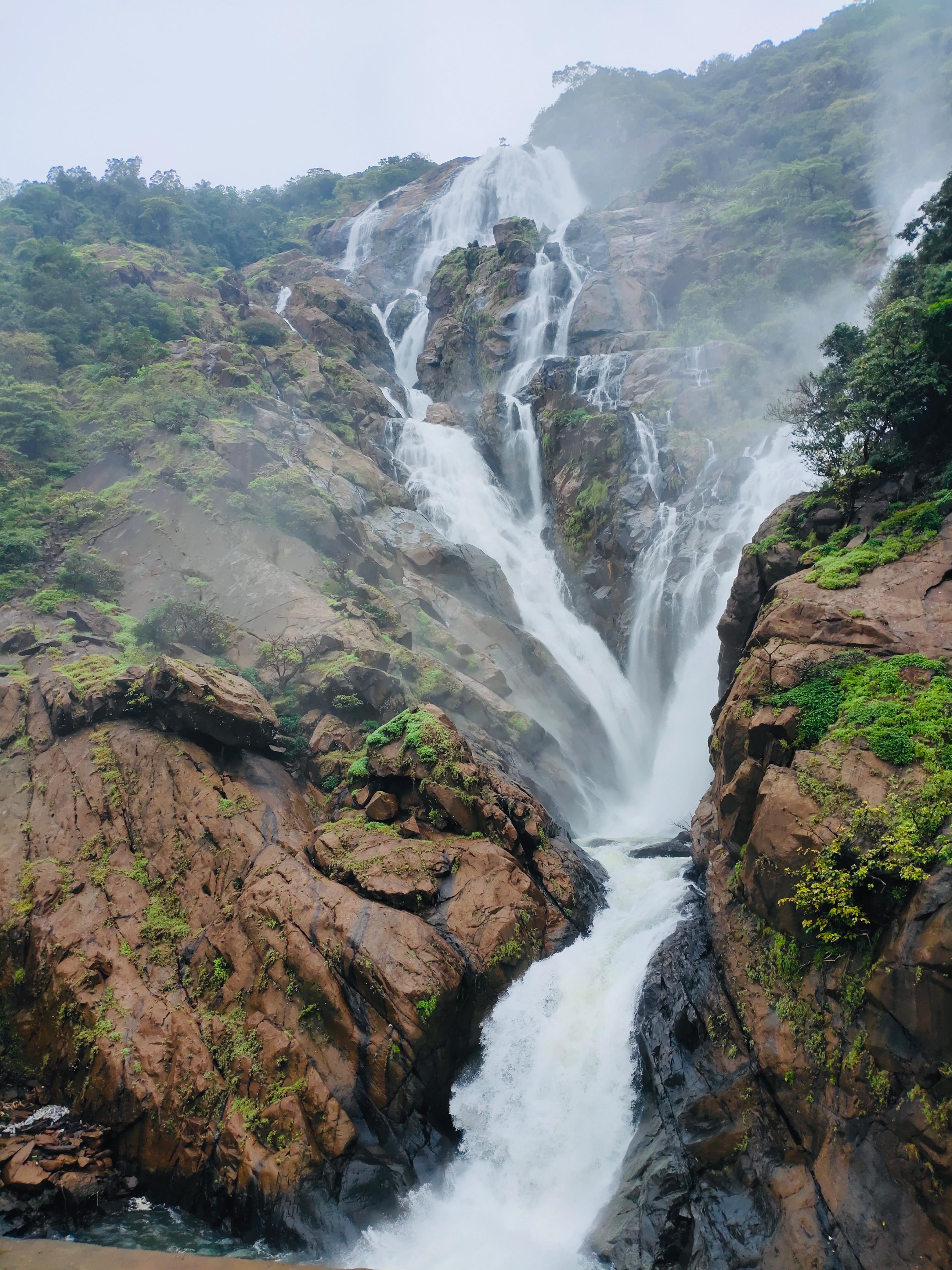
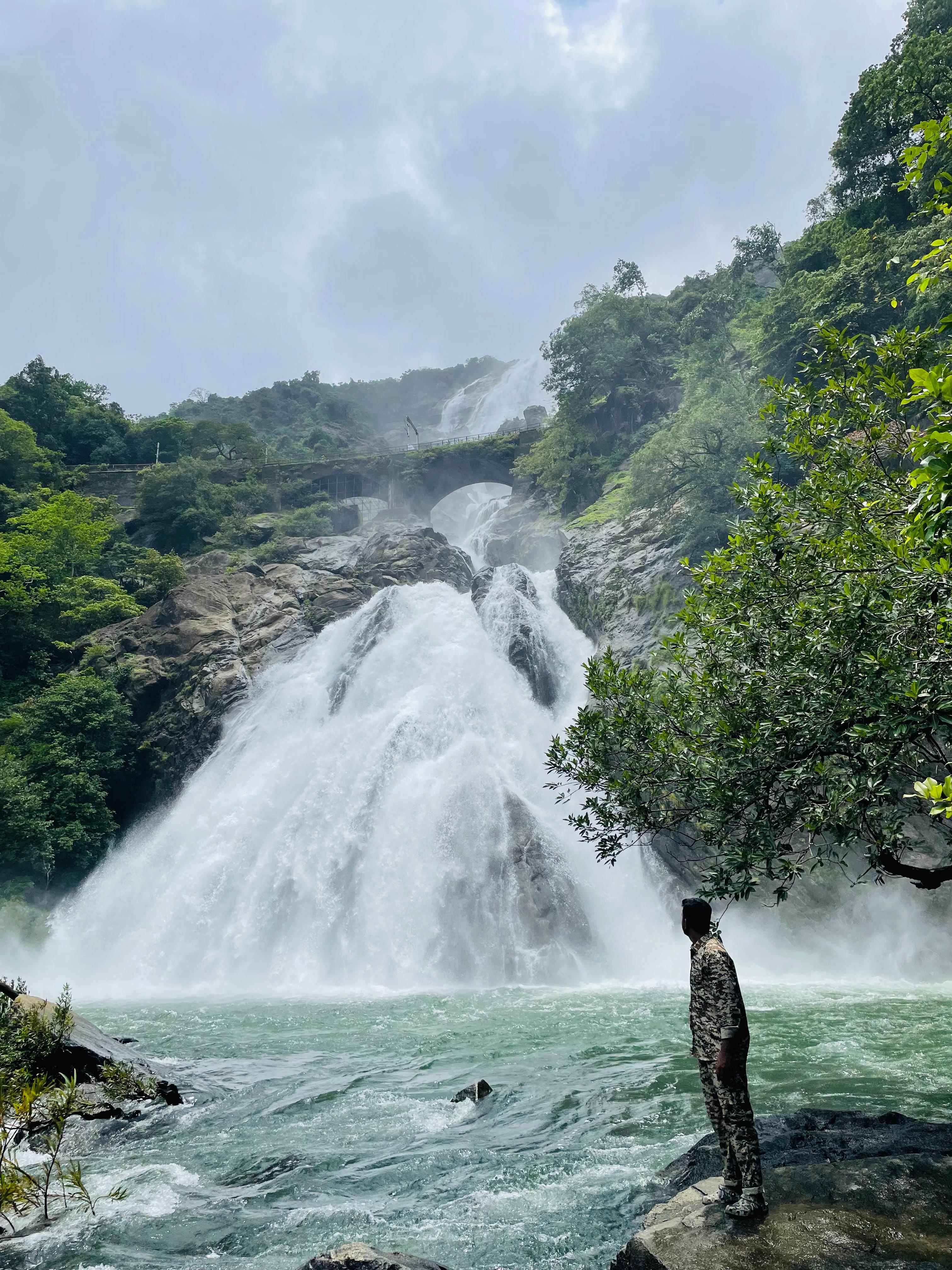
- Witness the 310-meter four-tiered Dudhsagar Falls from the base viewpoint.
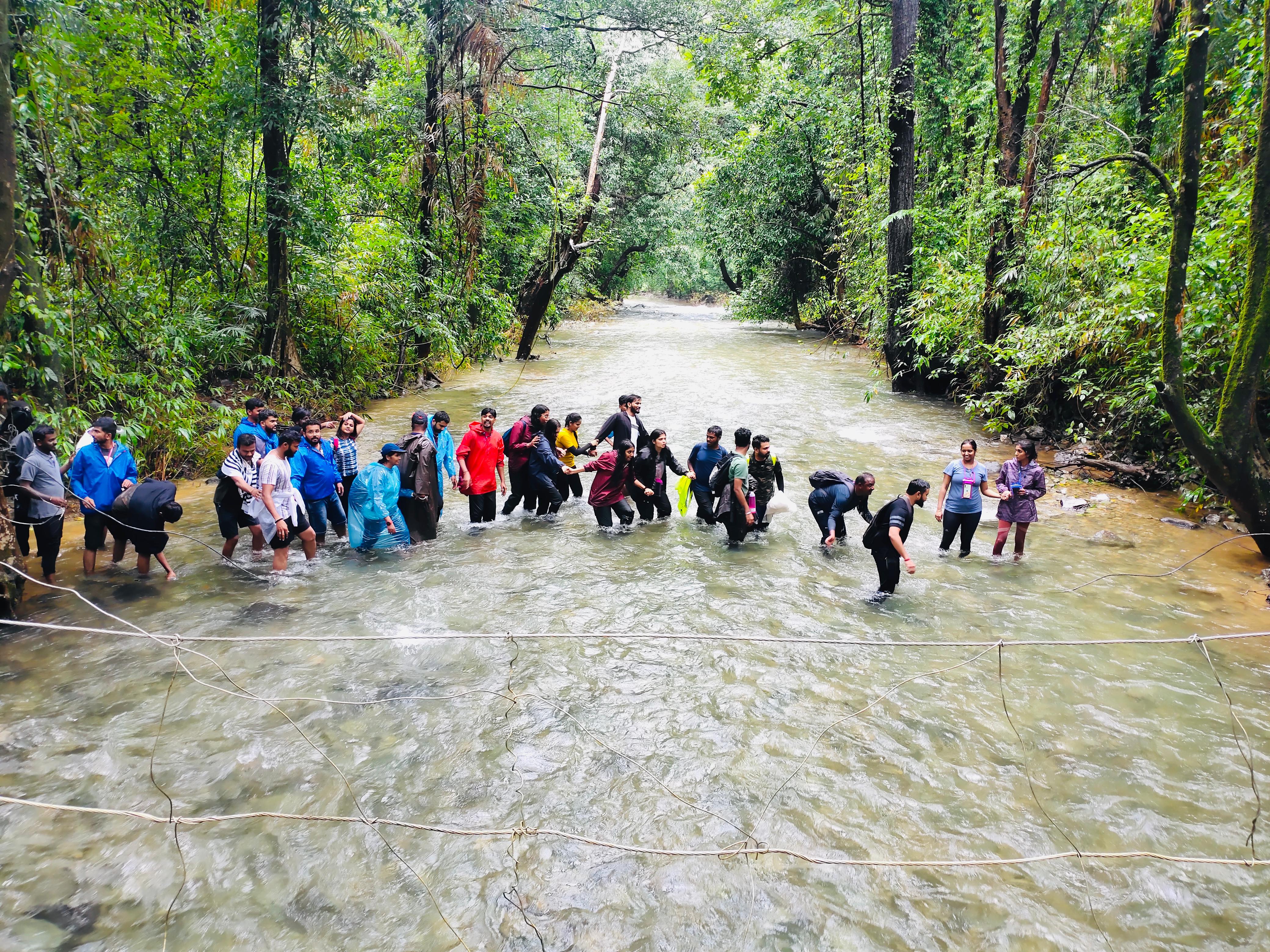
- Navigate natural jungle trails and cross seasonal forest streams.
- Bypass the long jeep safari queues with a dedicated trekking route.
- Expert local guide to handle forest permits and navigate the terrain safely.
Overview of the Dudhsagar Waterfall Trek
The Dudhsagar Waterfall is a four-tiered cascade located on the Mandovi River, bordering Goa and Karnataka. Standing at a height of 310 meters, it is a massive spectacle of nature. While many tourists choose the bumpy jeep safari, the guided forest trek offers a more intimate connection with the ecosystem of the Bhagwan Mahavir Wildlife Sanctuary.
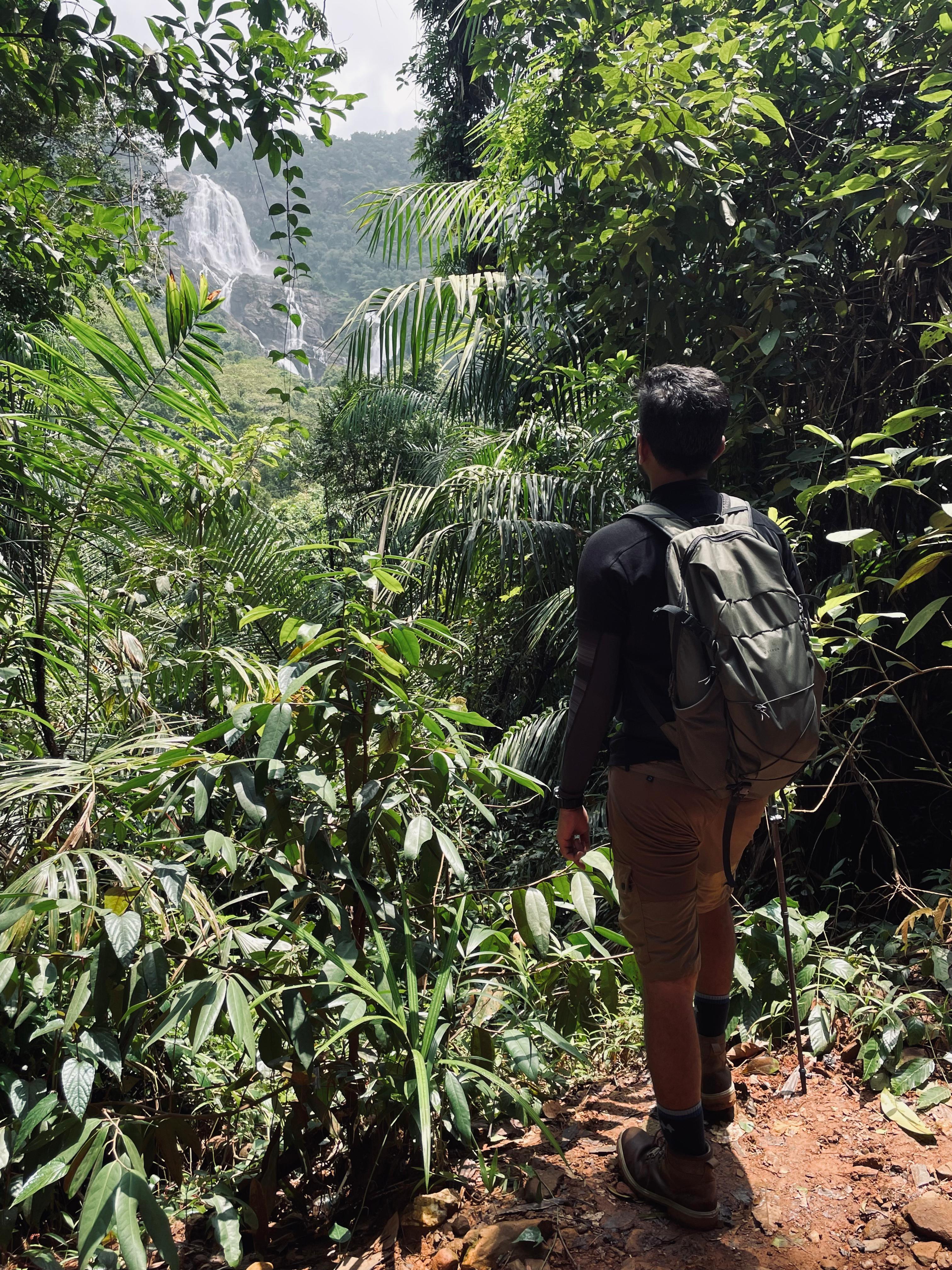
This trek is not just a walk; it is a physical challenge that rewards you with views of the waterfall that vehicle travelers often miss. You will walk through ancient forest routes, cross streams that swell during the rains, and eventually reach the base of the falls where the water crashes into a deep green pool. The sound of the waterfall can be heard from kilometers away, growing into a thunderous roar as you approach the final viewpoint.
Why Travelers Choose the Guided Trek
Choosing a trek over a jeep safari is a decision based on the desire for adventure and quiet. Travelers choose this activity because:
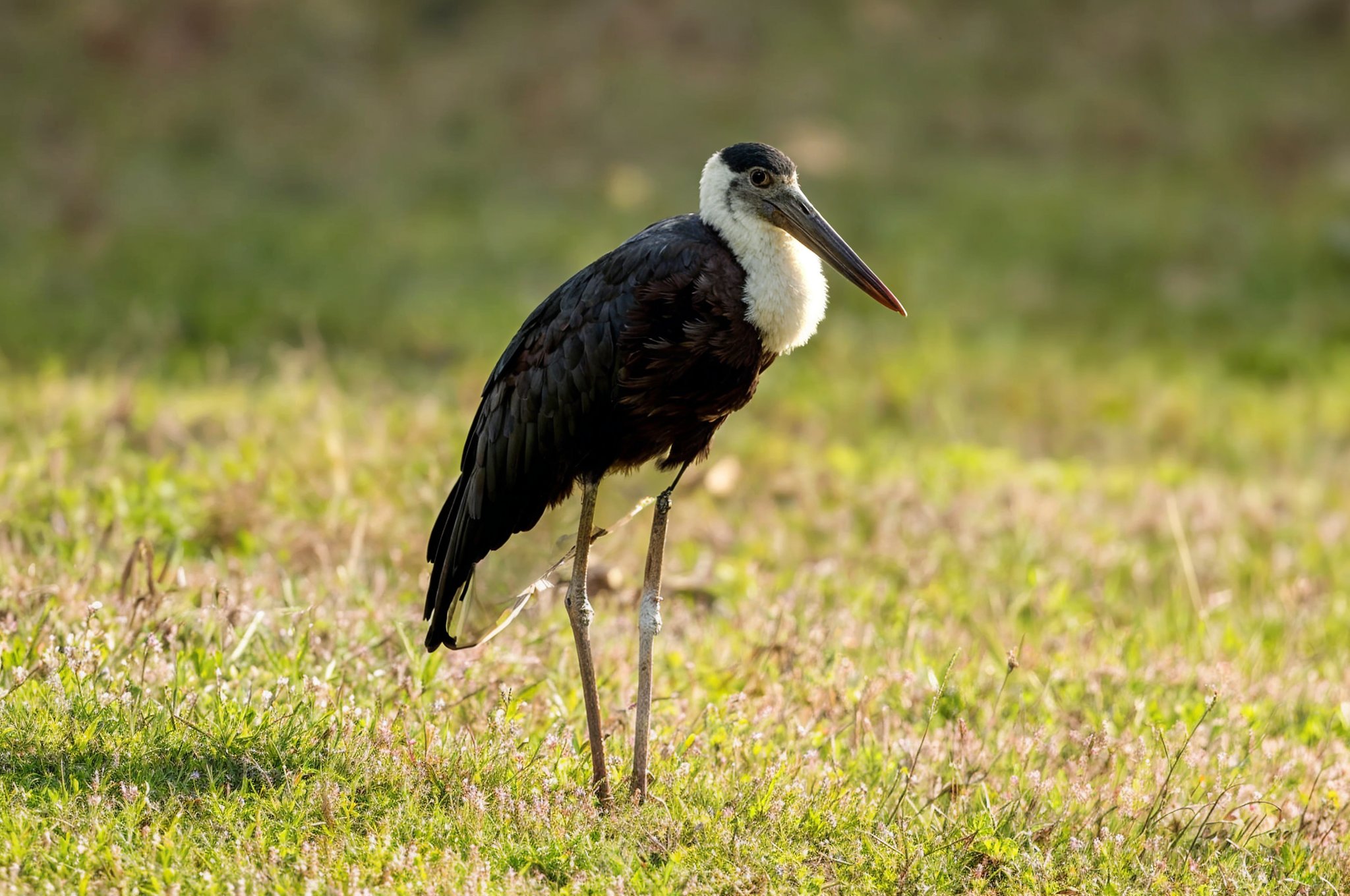
- Immersive Nature: You get to see the flora and fauna of the Western Ghats, including various bird species, butterflies, and occasionally macaques or giant squirrels.
- Avoiding the Jeep Queues: During peak season, the wait times for jeep safaris can be several hours. Trekkers bypass these queues and follow a dedicated forest trail.
- Physical Accomplishment: Completing the 12km to 14km round trip provides a sense of achievement that a vehicle ride cannot match.
- Safety and Navigation: The forest can be disorienting. A local guide ensures you stay on the permitted paths, manages forest department formalities, and assists during stream crossings.
The Trekking Route and What to Expect
The trek typically begins at Kulem (Collem), a small village that serves as the gateway to the sanctuary. From here, the trail winds through the Mollem National Park. The path is a mix of flat stretches, rocky inclines, and muddy forest floors.
Phase 1: The Forest Canopy
The first few kilometers take you under a thick canopy of deciduous trees. This section is relatively flat but requires a steady pace. Your guide will point out local tree species and perhaps signs of wildlife. The air here is noticeably cooler and more humid than the coastal areas of Goa.
Phase 2: Stream Crossings
Depending on the season, you may need to cross one or two streams. During the post-monsoon months (October and November), these streams can be knee-deep. Your guide will help identify the safest spots to cross where the current is weakest and the rocks are least slippery.
Phase 3: The Base of the Falls
The final approach involves a slight incline. As you emerge from the trees, the full scale of Dudhsagar Falls becomes visible. You will see the iconic railway bridge that bisects the waterfall, where freight and passenger trains often pass through the mist. You will have time to rest at the base, take photographs, and eat your packed snacks while enjoying the spray from the falls.
Difficulty Level and Physical Requirements
We categorize this trek as Moderate. While the terrain isn't extremely steep, the sheer distance (approx. 14 km total) and the tropical heat make it taxing. It is suitable for individuals with a basic level of fitness. It is not recommended for individuals with knee problems, heart conditions, or for very young children (under 10) and senior citizens who are not accustomed to long-distance walking.
Best Time to Visit
The timing of your visit significantly changes the experience:
- October to January (Best Visibility): The waterfall is in full flow after the monsoon, and the forest is lush. The weather is pleasant for walking.
- February to May (Dry Season): The flow of the water reduces, but the trek is easier as the paths are dry and streams are shallow. It can get quite hot in the afternoons.
- June to September (Monsoon): The trekking paths are often officially closed by the Forest Department for safety reasons due to high water levels and slippery terrain. Always check current government regulations before planning a monsoon visit.
Safety and Local Regulations
The trek takes place within a protected wildlife sanctuary. Life jackets are mandatory if you intend to enter the water at the base of the falls. Swimming is only permitted in designated areas, and you must follow the instructions of the forest guards on-site. Alcohol consumption and littering are strictly prohibited and can result in heavy fines. Your guide will handle the Forest Department entry permits, which are required for every visitor.
Practical Tips for Trekkers
To ensure a comfortable experience, keep these local insights in mind:
- Footwear: Do not wear flip-flops or casual sandals. Sturdy trekking shoes or sneakers with good grip are essential. The rocks near the water are incredibly slippery.
- Leech Protection: In the post-monsoon months, leeches are common in the tall grass. Carrying a small packet of salt or applying tobacco water on your shoes can help deter them.
- Hydration: There are no shops inside the sanctuary. Carry at least 2-3 liters of water per person.
- Early Start: Aim to reach Kulem by 8:00 AM. Starting early ensures you reach the waterfall before the midday heat and return before sunset.
How to Reach Kulem (The Starting Point)
Kulem is located in South Goa, approximately 70 km from Panjim and 55 km from Margao. You can reach Kulem via:
- Private Taxi: The most convenient way. Most drivers in North or South Goa know the Kulem railway station area.
- Train: You can take a local train from Margao (Madgaon Station) to Kulem. It is an affordable and scenic route.
- Self-Drive: There is paid parking available near the Kulem Jeep Stand where you can safely leave your vehicle for the day.
- Experienced local trekking guide
- Forest Department entry fees and permits
- Mandatory life jacket rental
- Basic first aid assistance
- Hotel pickup and drop-off
- Breakfast and Lunch
- Bottled drinking water
- Personal expenses and tips
Have questions about this activity?
Chat with our local experts for instant help and best deals!