South Goa Hinterland and Heritage Experience
per / person. Taxes & convenience fees might apply.
- Guided tour of the 18th-century Palacio do Deao heritage mansion.
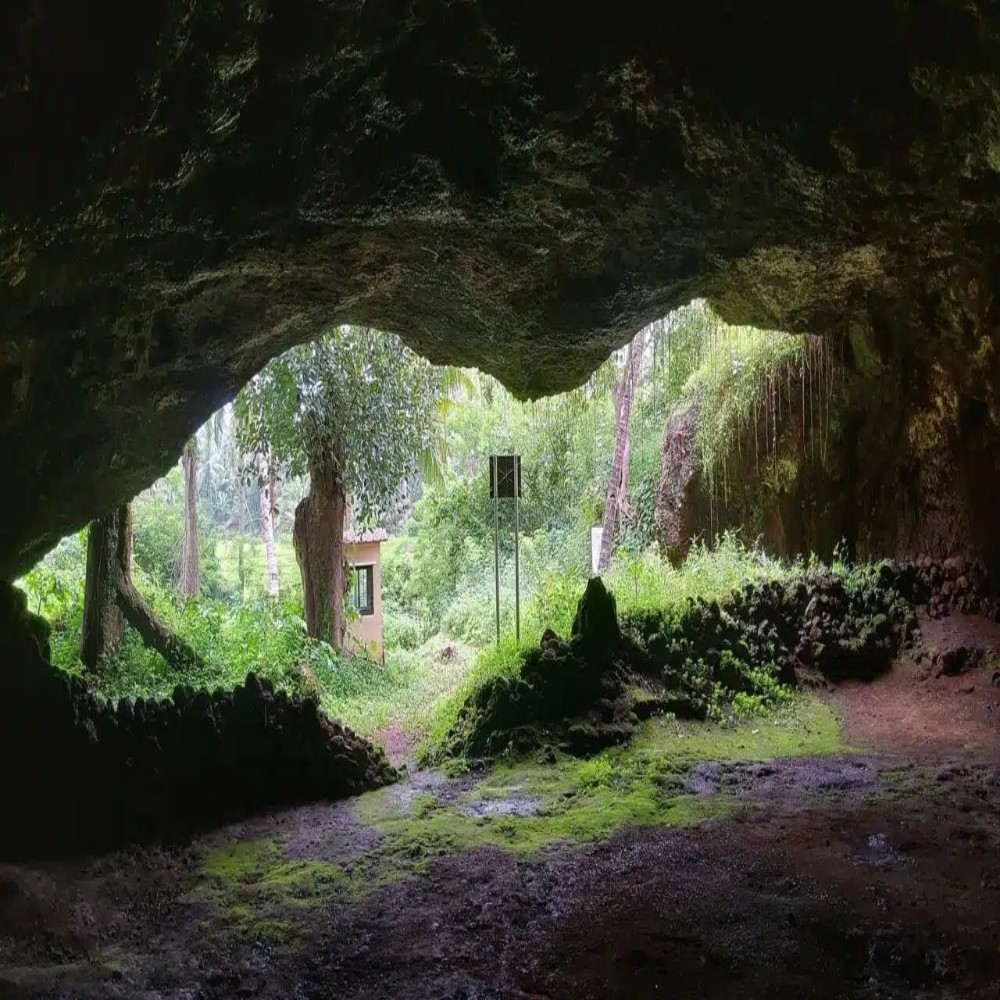
- Exploration of the ancient 6th-century Rivona (Pandava) Caves.
- Visit to the Selaulim Dam and its unique duckbill spillway.
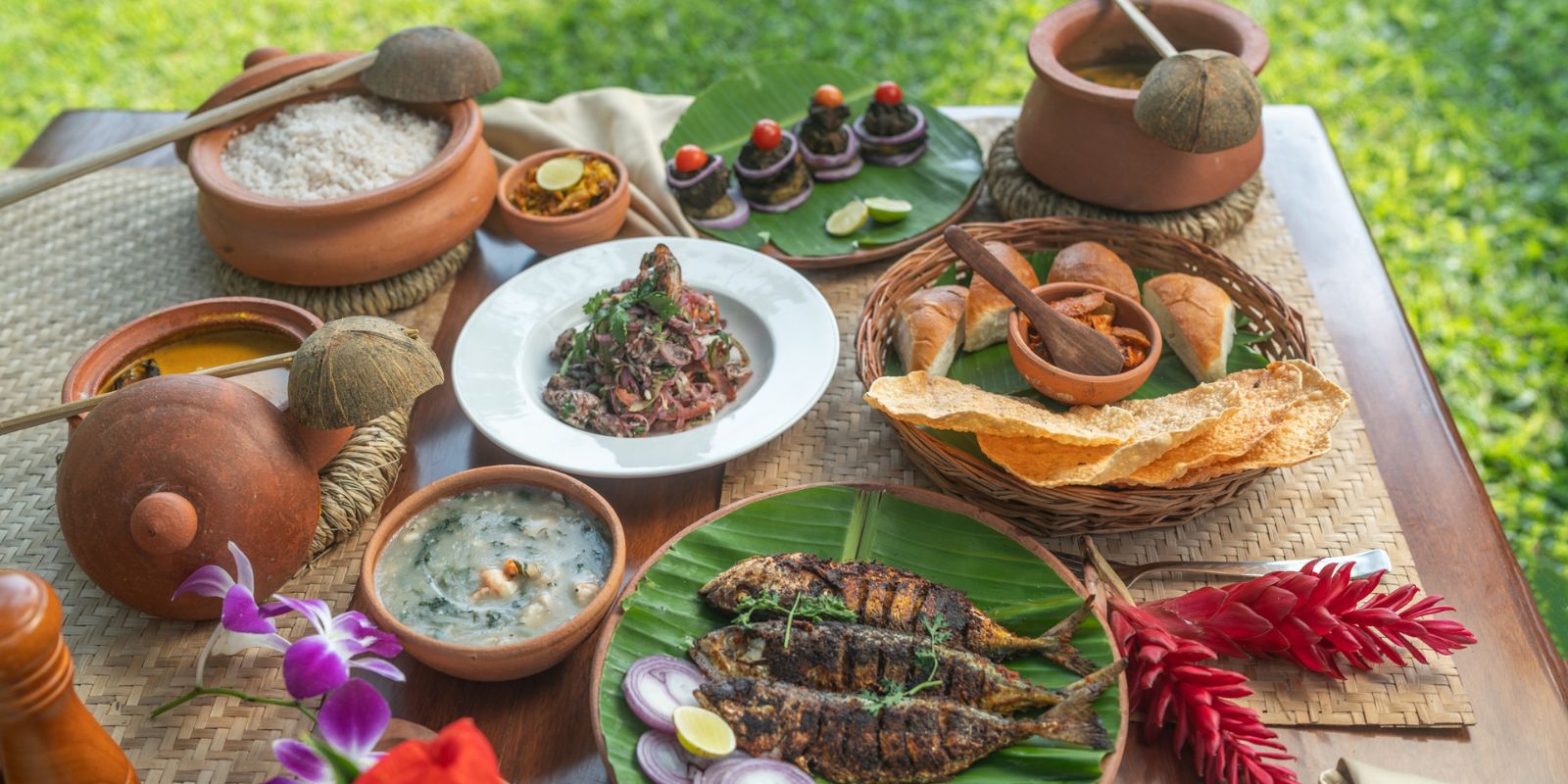
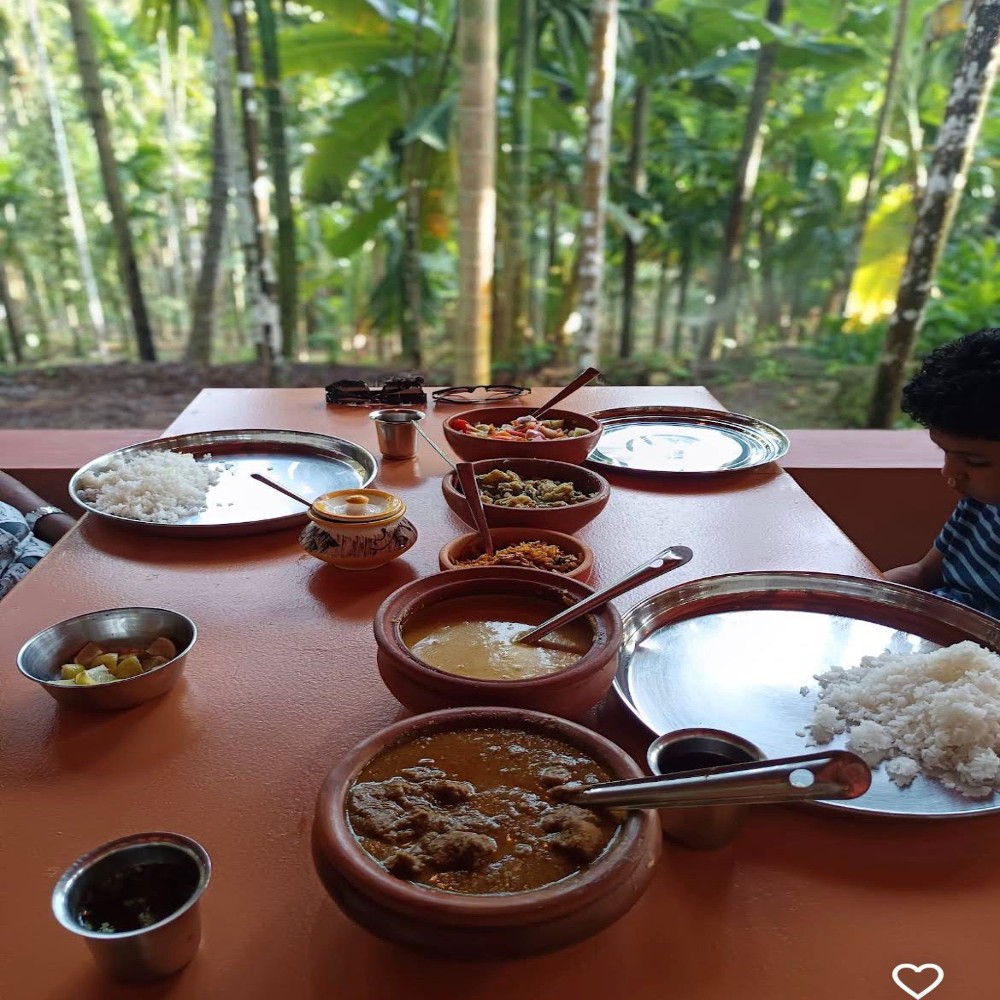
- Traditional Goan buffet lunch featuring local village recipes.
- Walkthrough of a working Goan farm and spice plantation.
Discover the Rural Soul of South Goa
While most visitors focus on the sandy stretches of Palolem or Colva, the Goan hinterland offers a completely different perspective of the state. This experience is curated to showcase the intersection of Goan history, religion, and agriculture. You will travel through the lush, green corridors of South Goa, where the pace of life is significantly slower and the traditions remain largely untouched by modern tourism.
Why Travelers Choose This Activity
Most travelers book this tour because they want to understand the "real Goa." The hinterland is where the state's heritage is most visible, from the massive Portuguese-era mansions to the ancient caves that pre-date colonial rule by centuries. It is a chance to see how local families live, how feni is distilled, and how the land is farmed. Unlike the busy North Goa tours, this is a slow-travel experience that prioritizes meaningful interaction and historical context over quick photo stops.
What to Expect on the Tour
Your day begins with a drive toward the Quepem taluka. The landscape shifts from coastal palms to dense cashew orchards and teak forests. The itinerary is a mix of indoor heritage sites and outdoor natural landmarks, ensuring a balanced day of exploration.
1. Palacio do Deao (Quepem)
One of the primary stops is the Palacio do Deao, an 18th-century mansion built by a Portuguese nobleman who founded the town of Quepem. Unlike many heritage homes that feel like dusty museums, this palace has been painstakingly restored and is still a living space. You will walk through its unique blend of Hindu and Portuguese architecture, explore the lush gardens facing the Kushavati River, and learn about the colonial history of the region. The house is famous for its intricate woodwork and period furniture.
2. The Ancient Rivona (Pandava) Caves
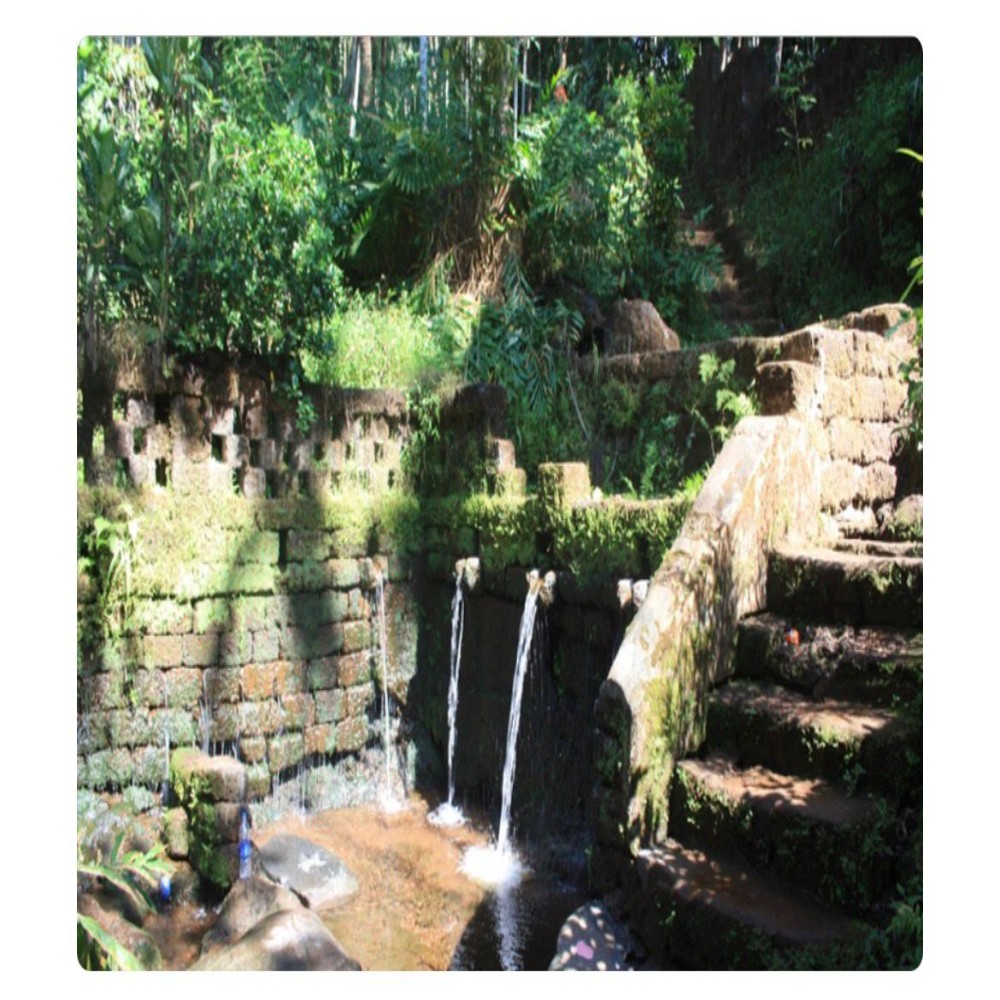
Located in the village of Rivona, these 6th-century rock-cut caves are a significant historical site. While locals often refer to them as the Pandava Caves due to mythological associations, historians identify them as early Buddhist cells. Carved out of laterite rock, these caves provided a retreat for monks. The site is modest but holds a deep spiritual and archaeological significance, offering a glimpse into Goa's pre-colonial religious landscape.
3. Selaulim Dam and the Duckbill Spillway
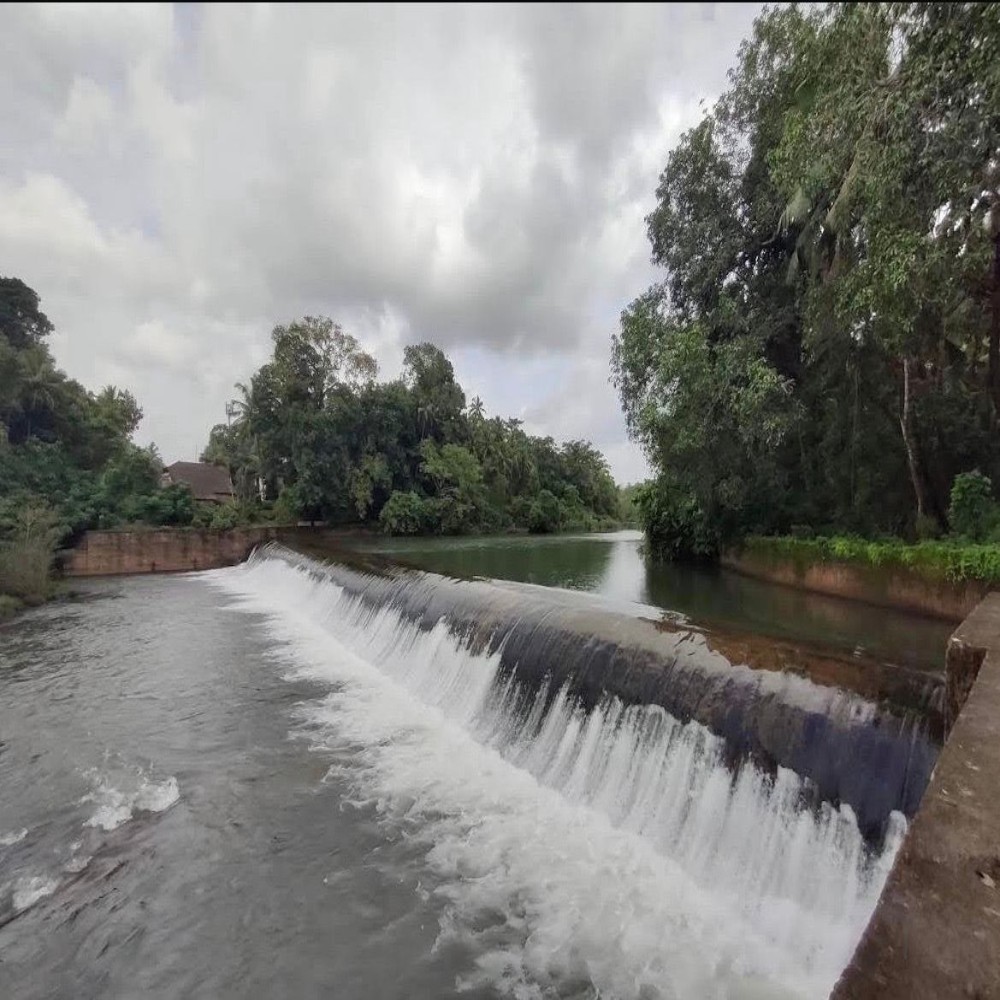
A visit to the Selaulim Dam is a highlight for many, especially during or after the monsoon season. The dam is famous for its unique duckbill spillway, a massive semi-circular structure that creates a spectacular water curtain effect when the reservoir is full. The surrounding botanical gardens offer a peaceful spot for a walk, showcasing the engineering and natural beauty of the region.
4. Traditional Goan Farm Visit
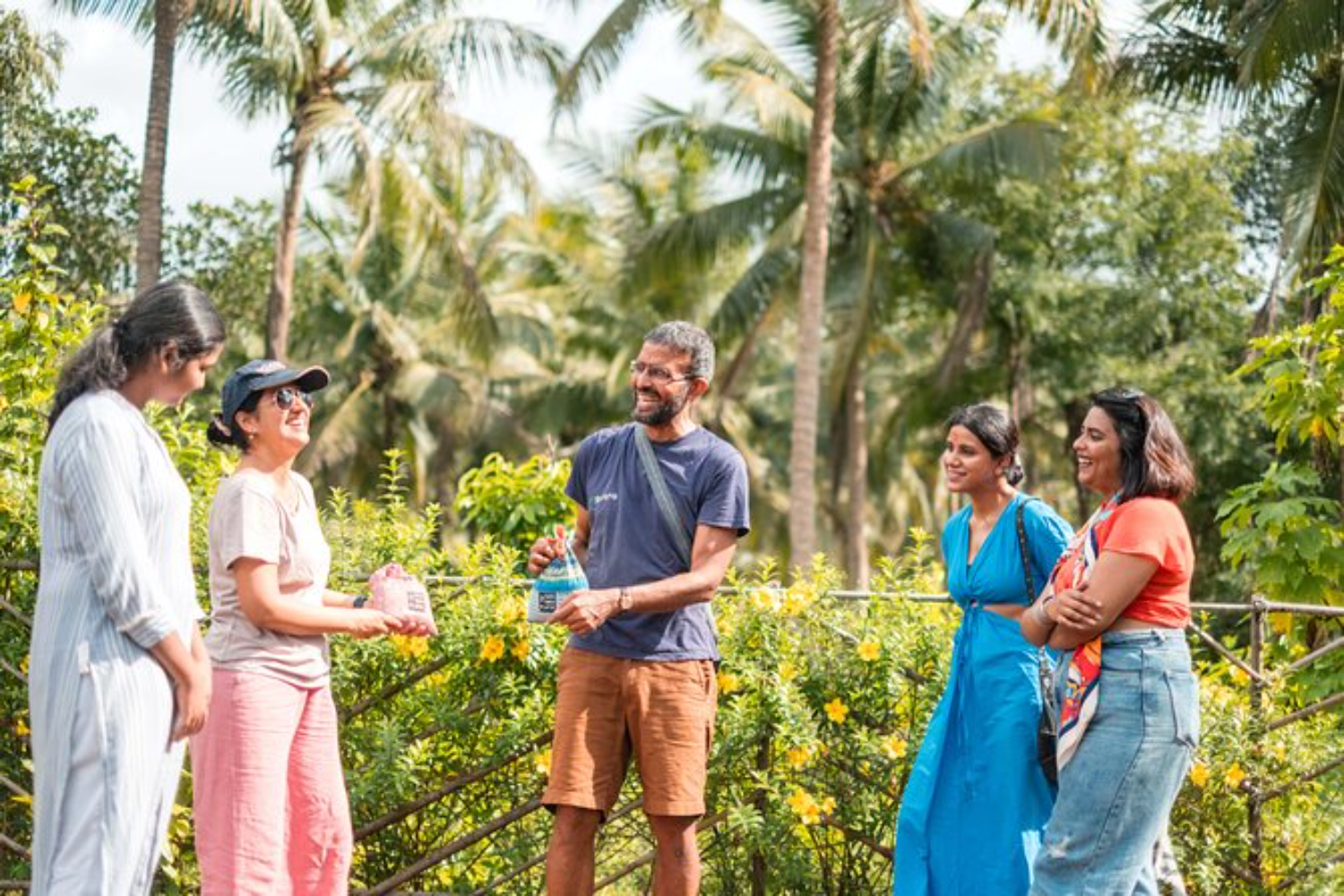
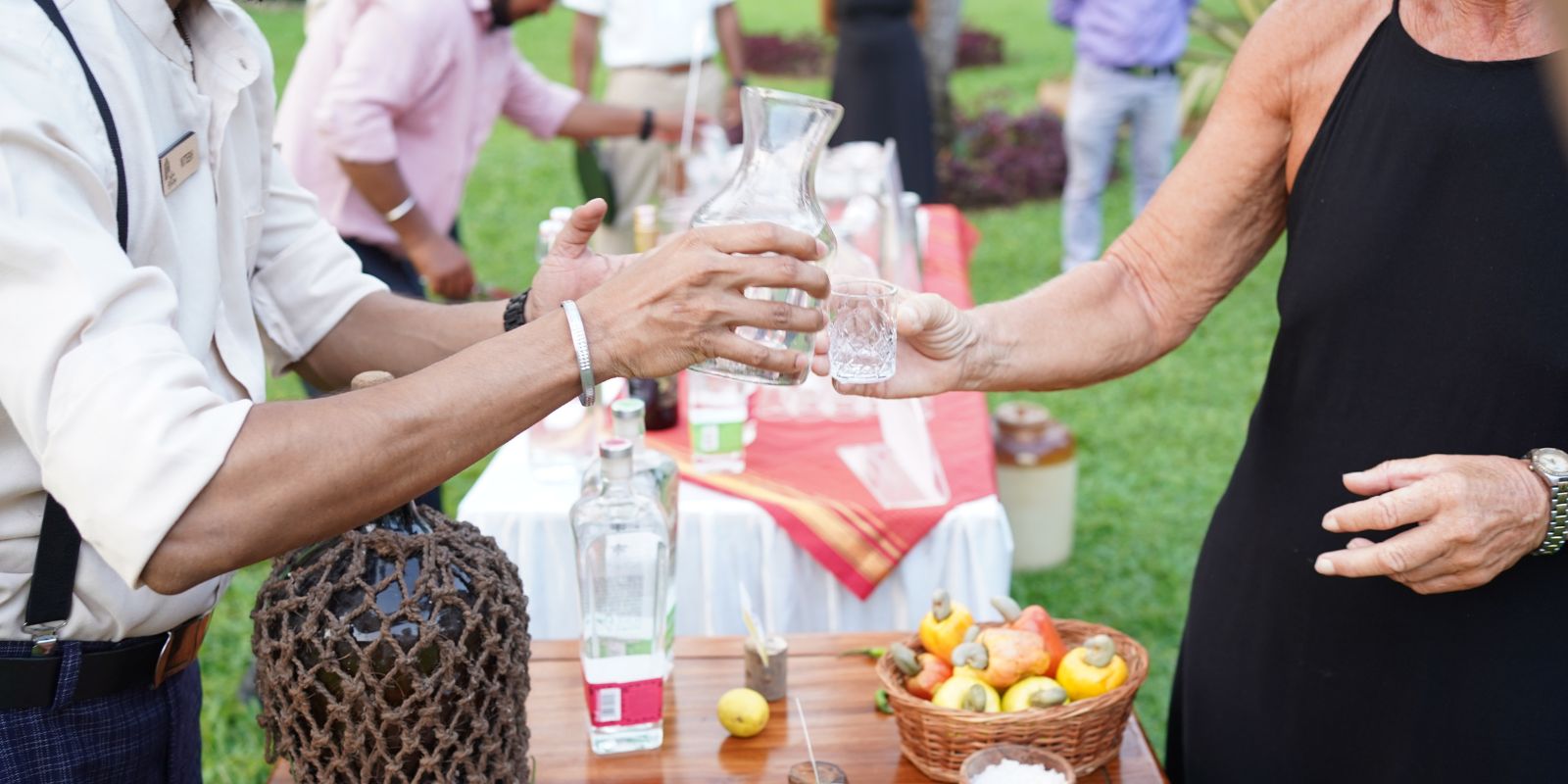
To understand the local economy, you will visit a traditional Goan farm. Here, you can see how crops like betel nut, coconut, and spices are grown. Depending on the season, you may see the process of cashew feni distillation, a craft that is central to Goan culture. The farmers often share insights into the challenges and rewards of traditional agriculture in the modern era.
The Culinary Experience: Authentic Goan Lunch
Food is a cornerstone of this experience. You won't be eating at a tourist restaurant; instead, you will enjoy an authentic Goan buffet lunch, often served at a local home or within the farm premises. The meal typically includes Goan red rice, fresh fish curry, vegetable foogath (stir-fry with coconut), and local pickles. It is a great opportunity to taste the flavors of the hinterland, which are often more robust and traditional than what is found in beach shacks.
Difficulty Level and Accessibility
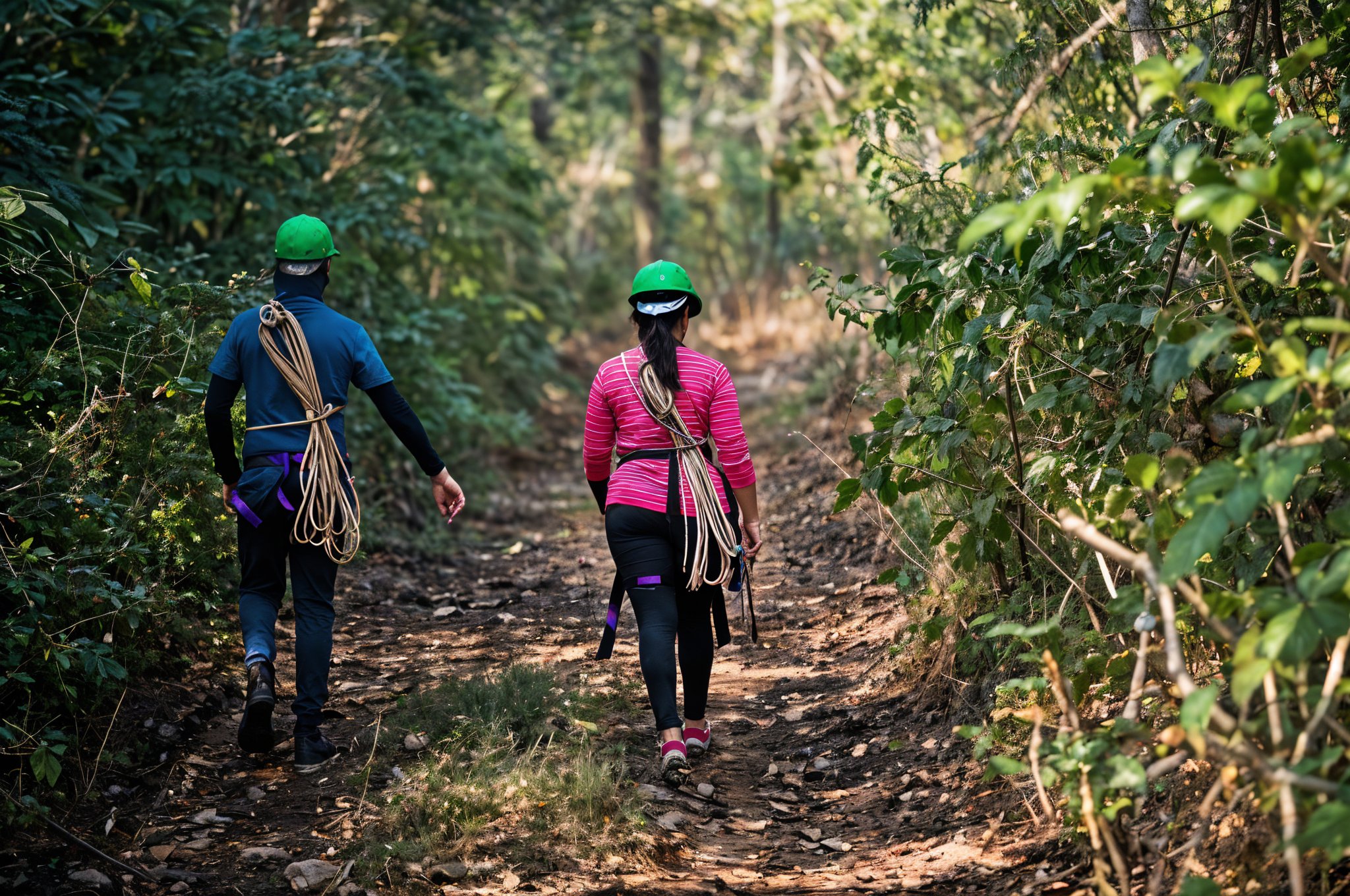
This tour is classified as Easy to Moderate. While most of the travel is in an air-conditioned vehicle, there is a fair amount of walking involved at the palace, the caves, and the farm. The paths at the Rivona Caves can be slightly uneven and may involve a few steps. It is suitable for most age groups, including seniors and children, provided they can manage light walking on natural terrain.
Best Time to Visit
October to March: This is the peak season when the weather is pleasant and dry, making it ideal for walking through the farms and heritage sites.
June to September (Monsoon): The hinterland is exceptionally beautiful during the rains. The Selaulim Dam is at its most impressive, and the greenery is vivid. However, be prepared for rain and carry umbrellas/ponchos.
Practical Travel Tips
- What to Wear: Wear light, breathable cotton clothing. Since you will be visiting a palace and potentially a temple area, modest dress is recommended (shoulders and knees covered).
- Footwear: Comfortable walking shoes or sturdy sandals with good grip are essential for the cave and farm visits.
- Stay Hydrated: While water is usually provided, carry a reusable bottle to stay hydrated throughout the day.
- Cash: Carry some local currency if you wish to buy farm-fresh spices, cashew nuts, or local feni directly from the producers.
- Respect Privacy: When walking through villages, always ask for permission before taking photos of locals or their private homes.
Location and Transport Information
The tour typically starts from Tilamol Junction in Quepem or includes pickups from major South Goa beach areas like Benaulim, Varca, and Cavelossim. If you are staying in North Goa (Calangute, Baga, or Panjim), the drive to the starting point can take 1.5 to 2 hours. We recommend booking a dedicated taxi or using the tour's transport service for a seamless experience, as public transport to these interior villages is infrequent.
Important Booking Information
Advance booking is required as the palace and farm visits are coordinated with local families. Tours typically run from 9:00 AM to 4:30 PM. Please inform the organizers of any dietary restrictions (e.g., vegetarian or vegan) at the time of booking so the local lunch can be prepared accordingly.
- Guided village and heritage walk
- Entry fees to heritage sites
- Traditional Goan buffet lunch
- Local snacks and refreshments
- Services of a professional local guide
- Hotel pickup and drop-off (unless specified)
- Alcoholic beverages
- Personal expenses and tips
- Purchase of farm products
Have questions about this activity?
Chat with our local experts for instant help and best deals!