The Kulagar Kitchen Experience: Traditional Goan Cooking on Chorao Island
per / person. Taxes & convenience fees might apply.
- Hands-on cooking in a 100-year-old traditional Goan kitchen
- Learn to use the 'Rogdo' (traditional stone grinder) for fresh masalas
- Prepare authentic Goan curries over a wood-fired 'Chuldt'
- Guided walk through a family-run spice plantation and orchard
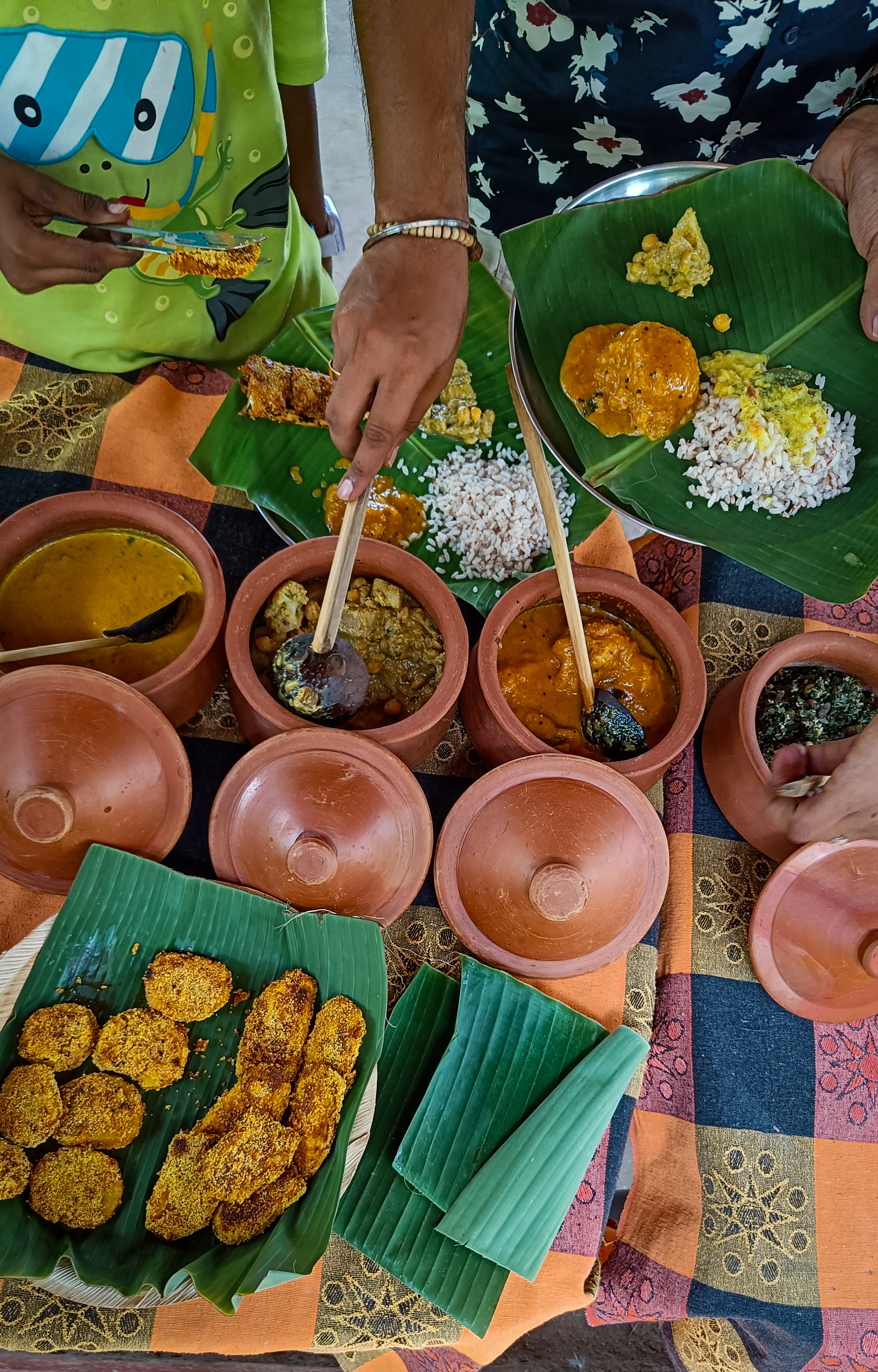
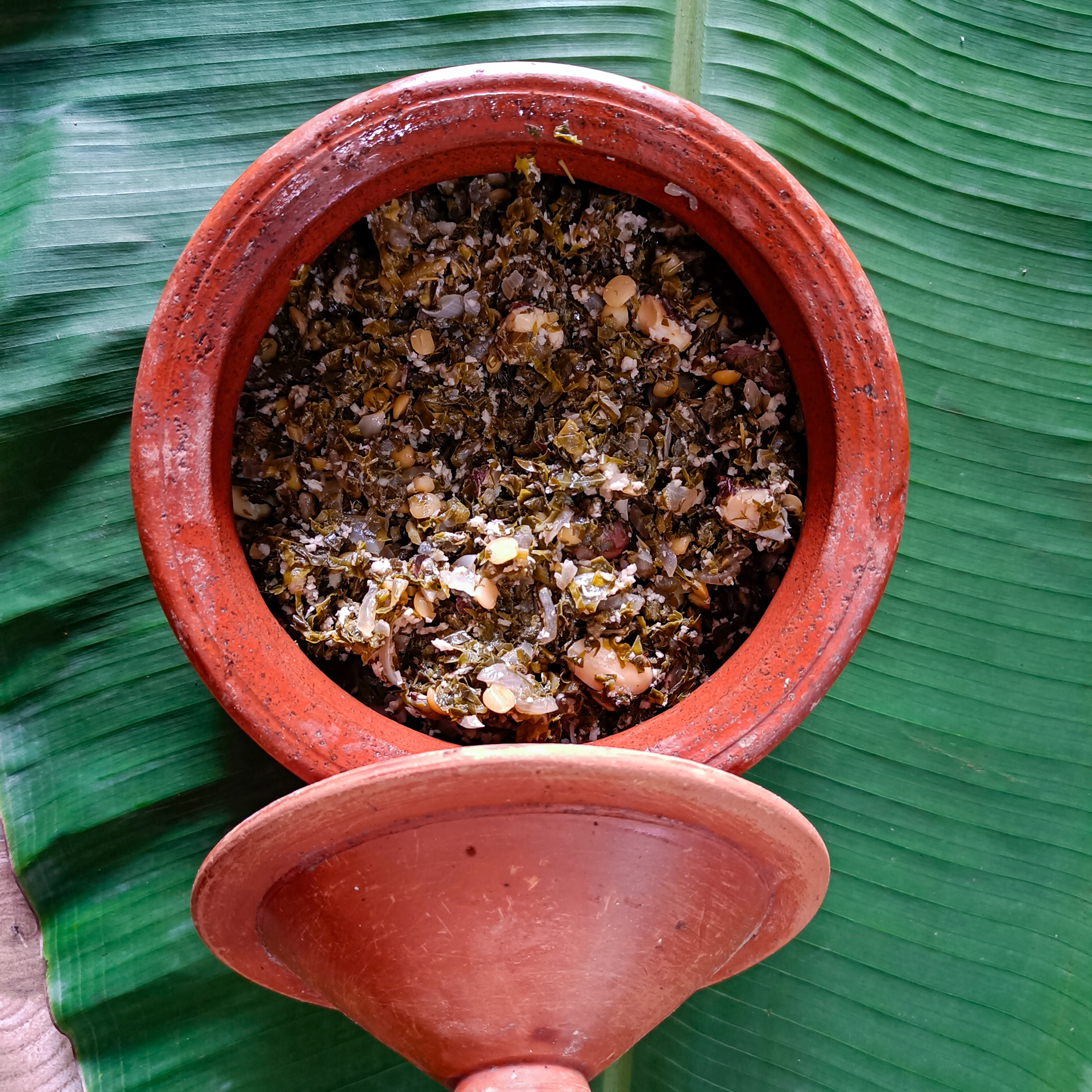
- Traditional Goan lunch served on a fresh banana leaf
Discover the Authenticity of a Goan Kulagar
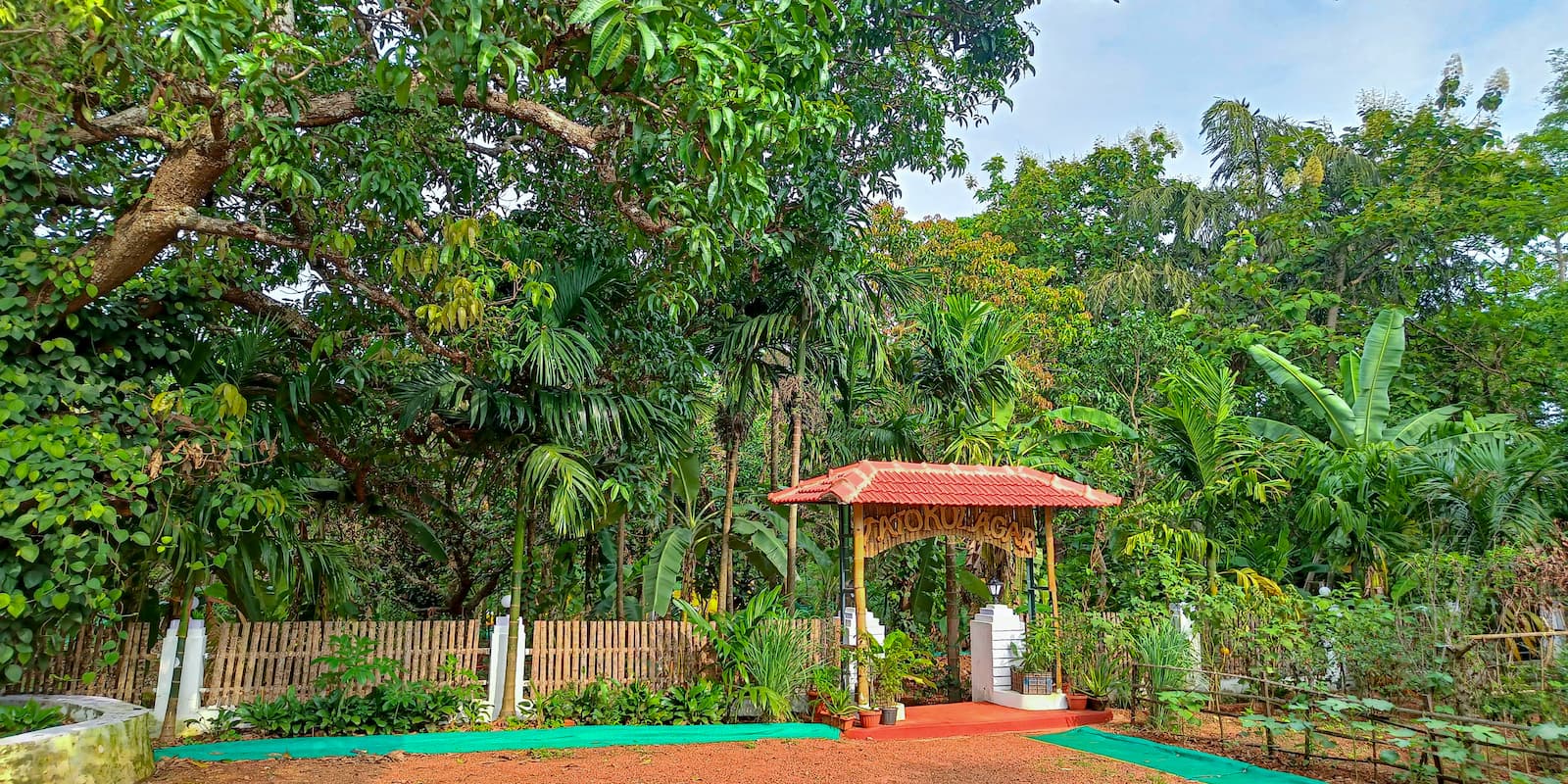
To understand Goan food, one must understand the Kulagar. Historically, a Kulagar is a traditional Goan homestead orchard, typically located in the foothills or on islands like Chorao, where a variety of crops like coconut, betel nut, banana, and spices are grown in a self-sustaining ecosystem. The Kulagar Kitchen Experience at Tato Kulagar offers a rare opportunity to step into this lifestyle.
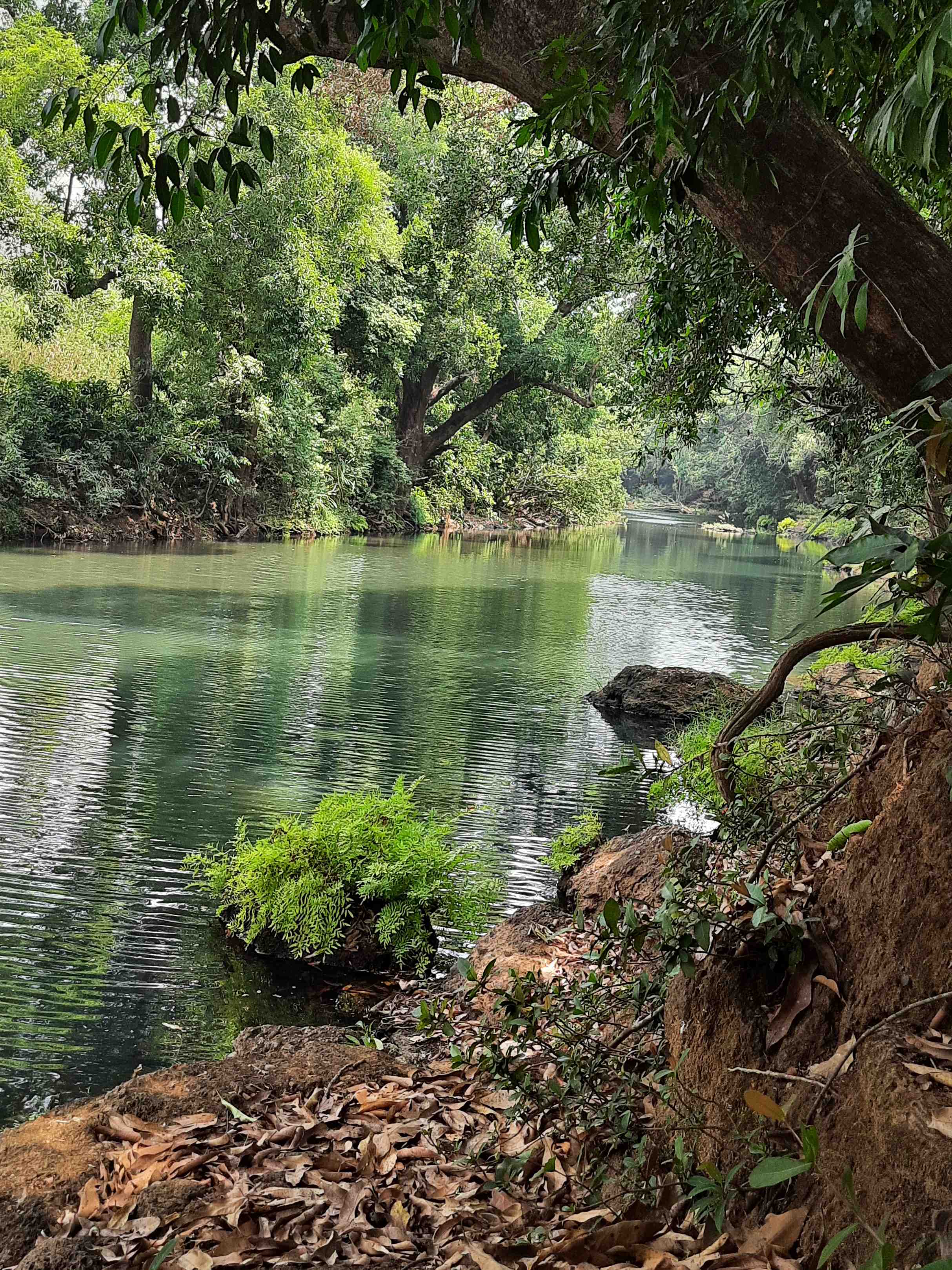
Chorao Island itself is a sanctuary of peace, accessible only by a short ferry ride across the Mandovi River. Once you arrive at the plantation, the modern world feels miles away. This isn't a sterile cooking school; it is a working farm where the rhythm of life is dictated by the seasons and the soil. Your hosts, a local Goan family, welcome you into their home to share recipes that have been passed down through generations.
The Experience: From Garden to Plate
The activity begins with a guided walk through the spice plantation. You won't just see the plants; you will learn how to identify them by scent and leaf shape. Depending on the season, you might see peppercorns trailing up coconut palms, nutmeg, cinnamon, and various local chilies. You will help harvest fresh ingredients needed for the day's meal, ensuring a true farm-to-table experience.
The Art of Traditional Grinding
Before the advent of electric mixers, every Goan kitchen relied on the Rogdo—a heavy stone grinding slab. One of the most rewarding parts of this experience is learning to use the Rogdo to create a fresh masala paste. You will feel the texture of the coconut and spices change under the stone as you release the essential oils that give Goan curries their distinctive aroma. It is a slow, rhythmic process that connects you physically to the food you are preparing.
Cooking Over the 'Chuldt' (Wood Fire)
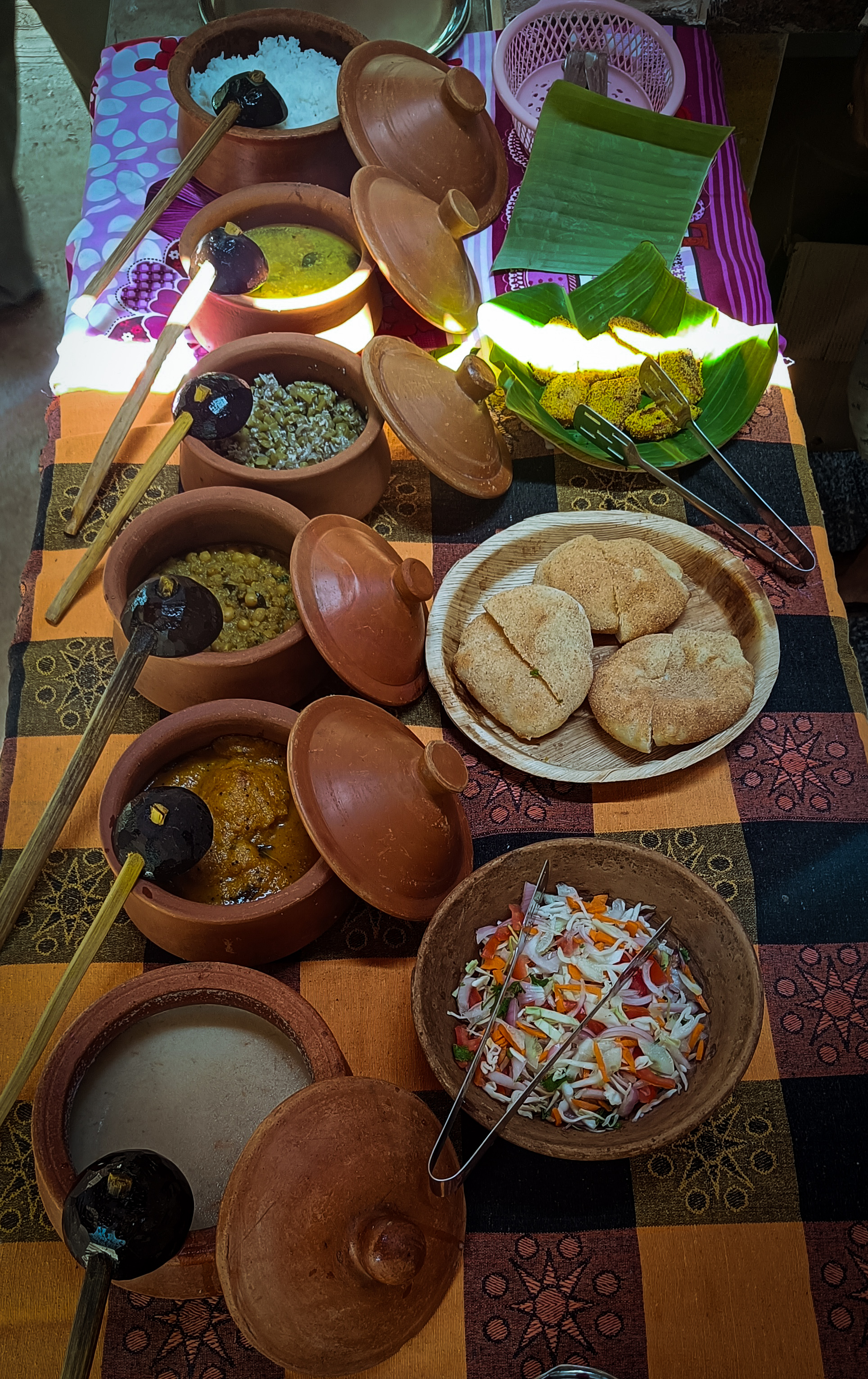
The heart of the Kulagar kitchen is the Chuldt, an open wood-fired stove. Cooking with fire requires patience and temperature control, which your hosts will teach you. Using traditional clay pots (Kudnem), you will prepare staple Goan dishes. The smoke from the wood fire adds a subtle, earthy depth to the food that simply cannot be replicated on a gas or induction stove. You will typically prepare a curry (like fish or mushroom Xacuti), a local vegetable stir-fry (Bhaji), and a traditional sweet dish.
What Makes This Experience Unique?
While many cooking classes in Goa focus on quick recipes, the Kulagar Kitchen Experience focuses on the process and heritage. You aren't just a student; you are a guest in a family home.
- Nostalgic Cashew Roasting: During the summer months (March to May), you can participate in traditional cashew roasting. Roasting raw cashews over an open flame and cracking them open is a nostalgic Goan pastime that few tourists ever get to witness.
- Sustainable Practices: The plantation uses organic farming methods, and the cooking process is almost entirely zero-waste, using natural materials and local produce.
- Island Atmosphere: The location on Chorao Island adds a layer of tranquility. The air is cleaner, and the pace is slower, making it a perfect escape from the busy beaches of North Goa.
Practical Information for Travelers
Difficulty and Suitability
This activity is beginner-friendly. You do not need to be an expert cook to enjoy it. It is highly recommended for families with children, as it provides an educational look at where food comes from. However, please note that the kitchen environment involves open fires and stone floors, so children should be supervised at all times.
What to Wear and Carry
Since you will be walking through a plantation and working near a wood fire, we recommend comfortable cotton clothing. Avoid wearing white or very expensive fabrics, as the wood smoke and spice stains (like turmeric) can be permanent. Closed-toe shoes are better than flip-flops for the garden walk. Don't forget your camera, as the plantation and traditional kitchen are very photogenic.
Best Time to Visit
The experience is available year-round. However, the monsoon season (June to September) offers a lush, green perspective of the plantation, though the outdoor sections may be limited by rain. The winter months (October to February) offer the most comfortable weather for outdoor cooking. If you want to experience cashew roasting, plan your visit for late March or April.
How to Get There
Tato Kulagar is located in Deugim, Chorao Island. To reach it, you must take a ferry from Ribandar (near Panjim) or Old Goa. The ferry is free for pedestrians and very cheap for vehicles. Once you cross over to Chorao, it is a short 10-15 minute drive to the plantation. If you are coming from North Goa (Calangute/Baga), allow at least 60-90 minutes for travel including the ferry wait time.
Nearby Attractions
Consider combining your cooking experience with a visit to the Dr. Salim Ali Bird Sanctuary, which is located right at the ferry point on Chorao Island. It is best visited early in the morning before your cooking session begins.
Booking and Logistics
Advance booking is essential as this is a private, family-run experience with limited capacity. We recommend booking at least 3 to 5 days in advance, especially during the peak season. The experience typically lasts about 4 hours, concluding with a massive lunch served on fresh banana leaves, where you get to eat everything you helped create.
- Guided spice plantation walk
- Hands-on cooking demonstration and participation
- All ingredients and cooking tools
- Full Goan lunch (vegetarian and non-vegetarian options)
- Traditional snacks and local refreshments
- Transport to and from Chorao Island
- Alcoholic beverages
- Personal expenses and tips
- Recipe booklets (available for purchase separately)
Have questions about this activity?
Chat with our local experts for instant help and best deals!