Panjim Latin Quarter Food Trail
per / person. Taxes & convenience fees might apply.
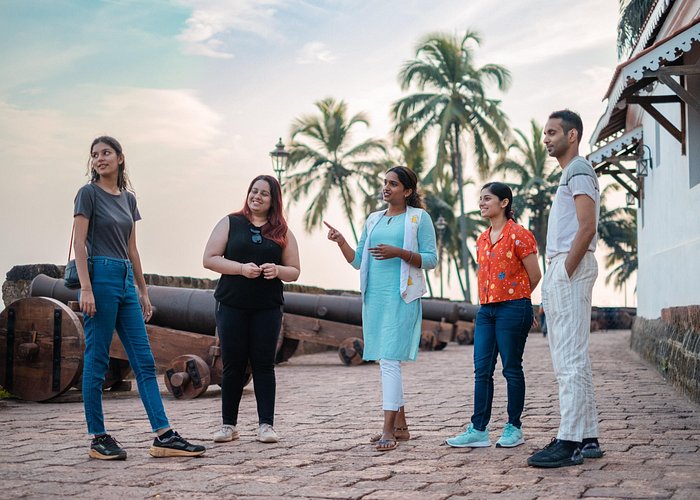
- Guided heritage walk through the colorful streets of Asia's only Latin Quarter.
- Taste 5-7 authentic Goan-Portuguese fusion dishes at local family-run spots.
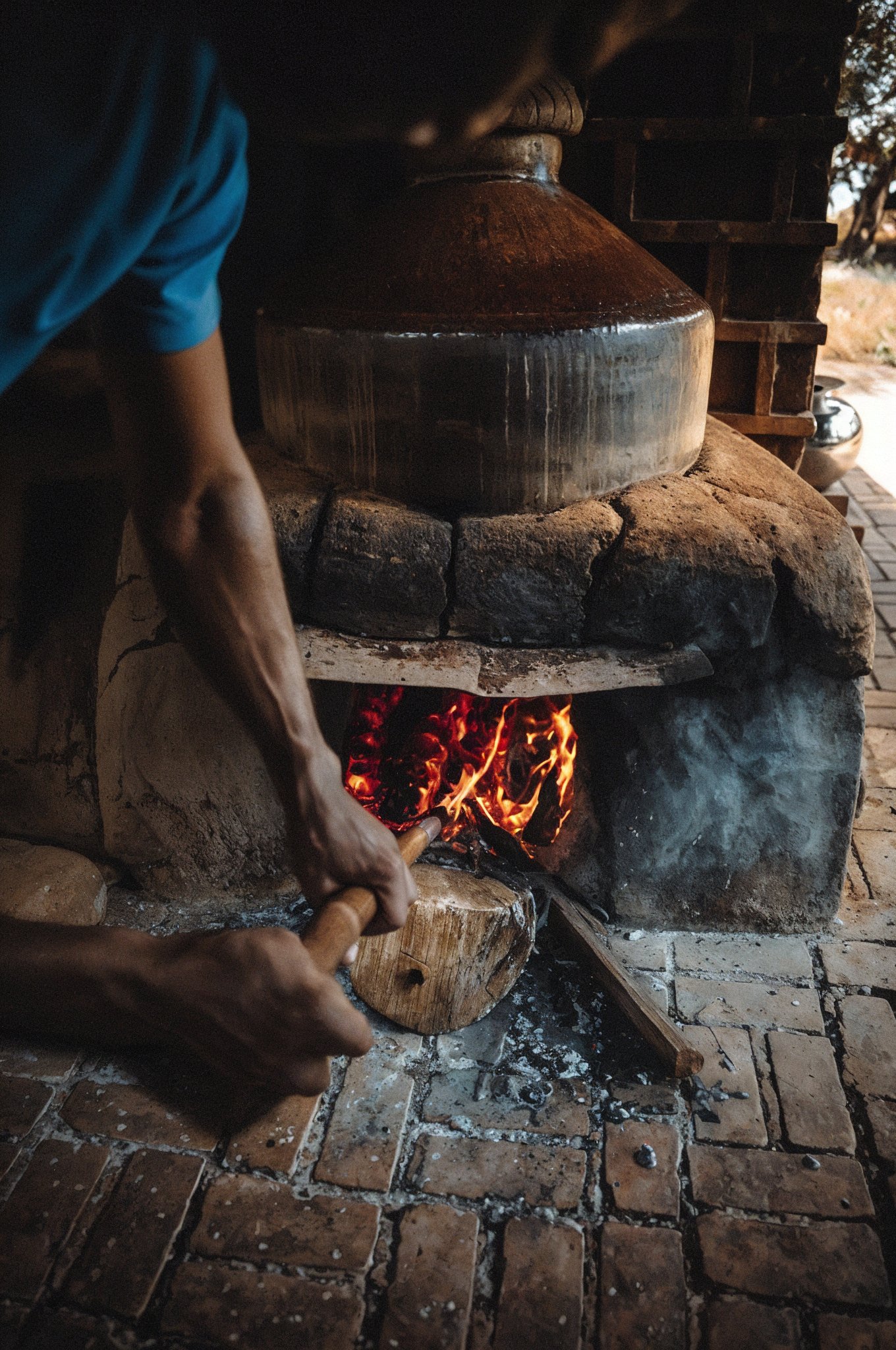
- Visit a traditional wood-fired bakery to see how local bread (Pao) is made.
- Exclusive access to a 100-year-old Goan heritage home with local snacks.
- Learn the history and etiquette of drinking Feni, Goa's indigenous spirit.
Exploring the Heritage of Fontainhas
Fontainhas, Panjim's Latin Quarter, is a stark departure from the typical coastal imagery of Goa. Established in the late 18th century, this neighborhood retains a distinct Mediterranean character with its narrow winding streets, overhanging wooden balconies, and houses painted in vibrant hues of yellow, blue, and red. The Latin Quarter Food Trail is not just about eating; it is a walk through the living history of the Portuguese influence in India.
As you walk through these lanes, you will notice that the architecture follows the Manueline style, characterized by ornate windows and tiled roofs. Your guide will explain why these houses are painted every year after the monsoon and the significance of the small altars found at almost every street corner. This backdrop provides the perfect context for understanding how European ingredients merged with local Konkan flavors to create one of the most unique cuisines in the world.
The Evolution of Goan-Portuguese Fusion
Goan cuisine is broadly divided into two styles: Hindu and Catholic. This trail focuses on the Goan Catholic kitchen, which was heavily influenced by 450 years of Portuguese rule. You will learn how the Portuguese introduced ingredients that are now considered staples of Indian cooking, such as chilies, tomatoes, potatoes, and the technique of using vinegar for preservation.
The fusion is best represented in dishes like the Chorizo Pao. While the Portuguese brought the concept of pork sausages, Goans adapted it using local spices and coconut vinegar, creating a fermented, spicy, and tangy sausage that is uniquely Goan. On this trail, you will taste these variations at spots that have been serving the local community for generations.
What to Expect on the Food Trail
The trail typically covers a distance of about 1.5 to 2 kilometers at a very relaxed pace. It is a social experience, usually conducted in small groups to ensure you can interact with the guide and the shop owners. Here is a breakdown of what the experience involves:
The Traditional Goan Bakery
The tour often begins at a local padaria (bakery). In Goa, the 'Pao-wallah' (bread seller) is a cultural icon. You will visit a traditional wood-fired oven where the local bread, or 'Pao', is still baked twice a day. You will get to try different types of bread like the Poie (whole wheat husk bread) or Undo (crusty round bread), often paired with a local savory filling.
Heritage Home Visit
One of the highlights of this trail is the opportunity to step inside a private heritage home. Many of these houses have been in the same family for over a century. Here, you will be treated to home-cooked snacks and perhaps a glass of local juice. This setting allows for a more intimate look at the Indo-Portuguese lifestyle, from the antique furniture to the traditional oyster-shell windows.
The Main Savories: Cafreal and Cutlets
As you move deeper into the quarter, you will stop at a local taverna or a small family-run restaurant. Here, you will sample Chicken Cafreal. This dish has African roots (from Mozambique) and was brought to Goa by the Portuguese. The chicken is marinated in a thick paste of green chilies, coriander, ginger, and garlic before being pan-fried. You will also likely try Fish Cutlets, a staple snack in Goan households, made with minced fish, spices, and a rava (semolina) coating.
The Feni Experience
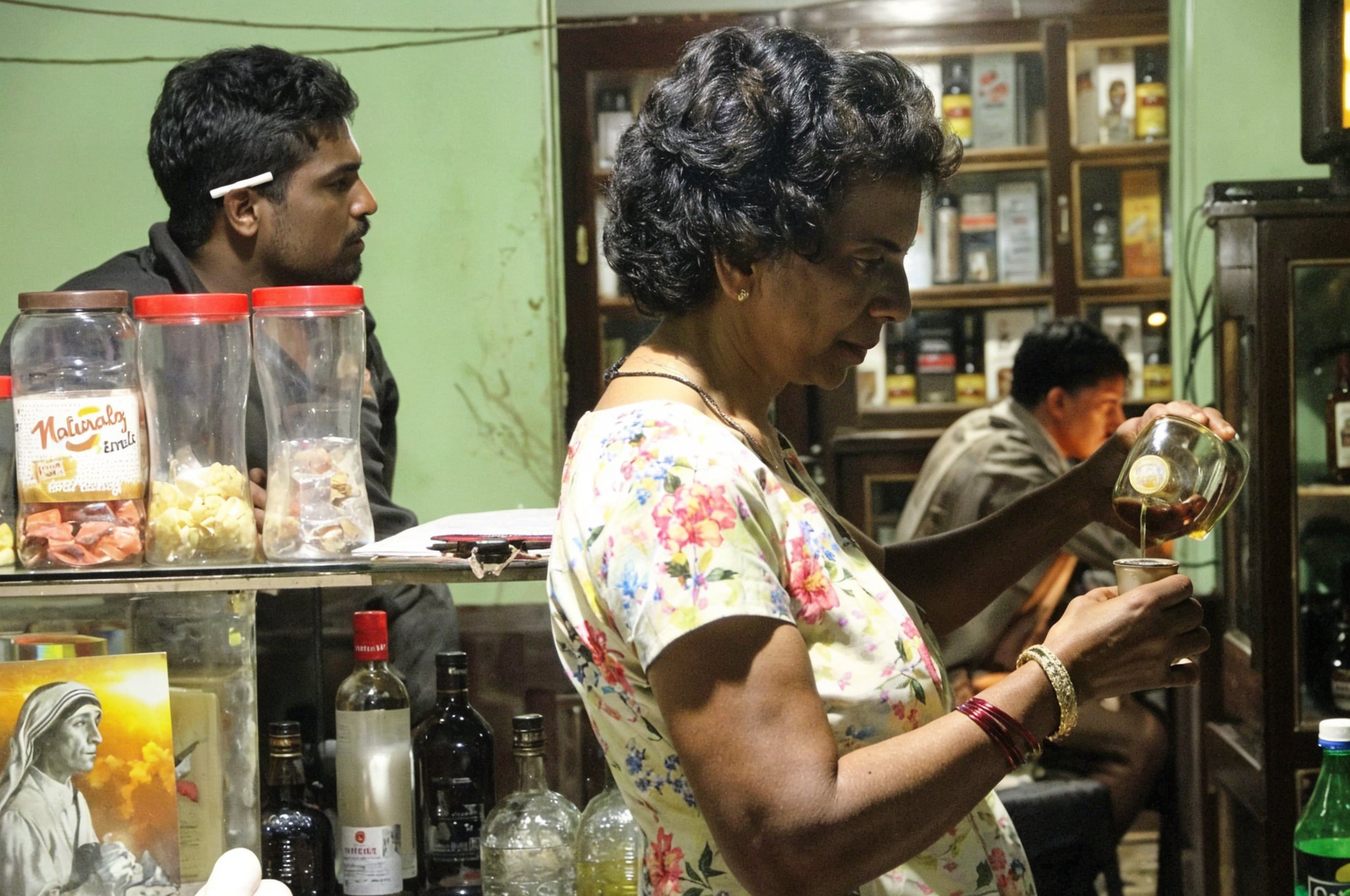
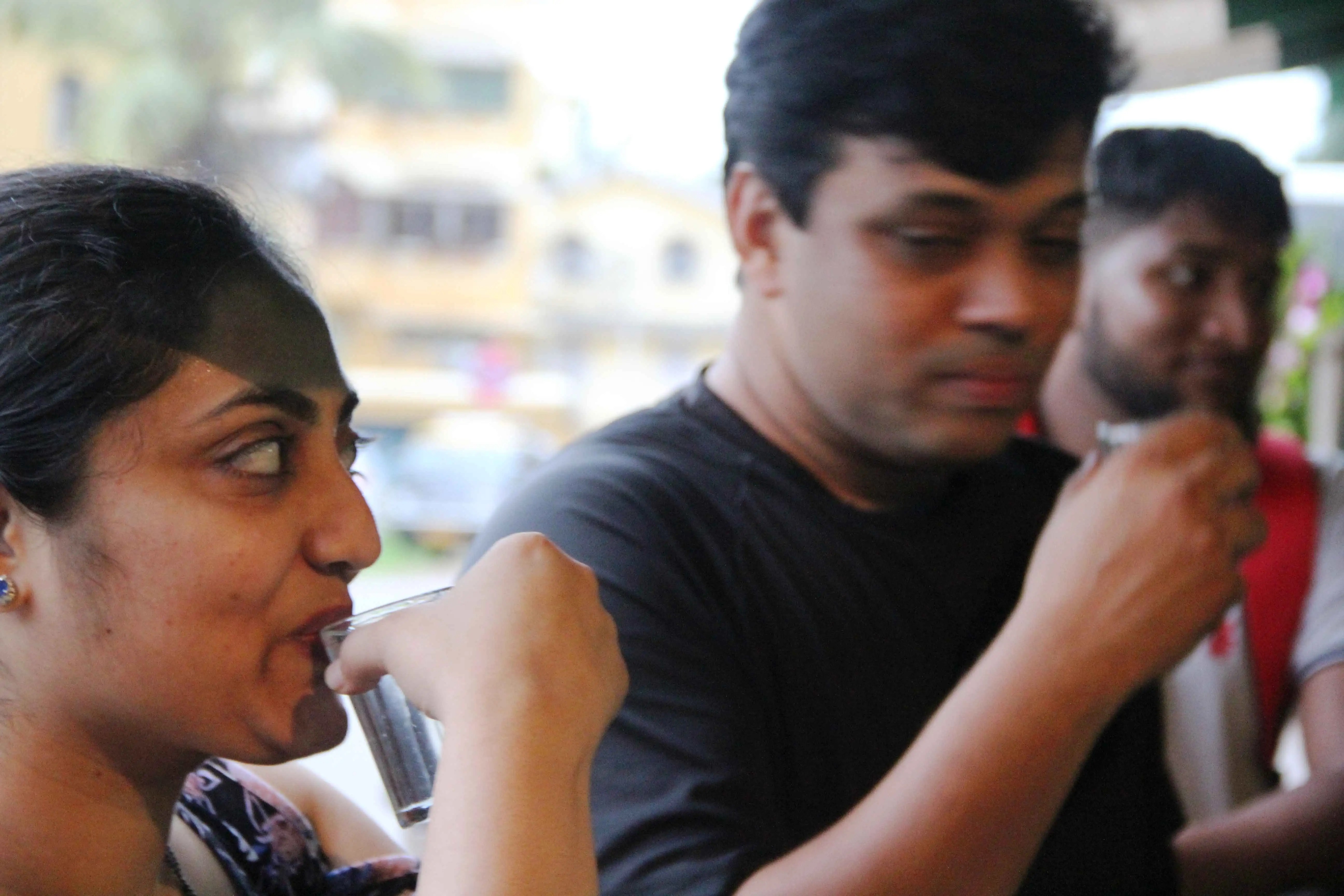
No food trail in Goa is complete without discussing Feni, the local spirit. Feni is distilled either from cashew apples or coconut toddy and has been granted a Geographical Indication (GI) tag. You will visit a local bar where you can learn about the distillation process. For those who find neat Feni too strong, a Feni-based cocktail (usually mixed with Limca, salt, and chili) is a refreshing way to appreciate its unique aroma.
Traditional Sweets and Desserts
The trail ends on a sweet note. You will be introduced to Bebinca, known as the 'Queen of Goan Desserts.' This is a multi-layered cake made of flour, sugar, ghee, and coconut milk. Each layer is baked individually, a process that requires immense patience. You might also try Pasteis de Nata, the famous Portuguese egg tarts, which have found a permanent home in the bakeries of Panjim.
Practical Information for Travelers
Difficulty and Accessibility
The walk is considered easy. The terrain is mostly flat with some gentle slopes. However, the streets are narrow and can be uneven in places. It is not recommended for those with severe mobility issues, though the pace is slow enough for most age groups. If you are traveling with children, they will likely enjoy the colorful houses and the sweet stops.
Best Time to Join
The trail is most enjoyable in the late afternoon, typically starting around 3:30 PM or 4:00 PM. This timing allows you to see the neighborhood in the 'golden hour' light, which is perfect for photography. By the time you reach the final stops, the evening breeze from the Mandovi River makes the walk very pleasant.
Monsoon Suitability
This activity operates during the monsoon (June to September). Fontainhas looks particularly lush and atmospheric in the rain. However, you should carry a sturdy umbrella or a raincoat. Some stops are indoors, providing plenty of cover during heavy downpours.
What to Wear and Carry
- Footwear: Wear comfortable walking shoes or sandals with good grip. Avoid high heels as the streets can be slippery when wet or dusty.
- Clothing: Light, breathable cotton clothing is best suited for Goa's humidity.
- Water: While some drinks are provided, carrying a reusable water bottle is recommended.
- Camera: Fontainhas is one of the most photographed areas in India. Ensure your phone or camera is fully charged.
How to Get There
The meeting point is usually near the Post Office in Panjim or the Tobacco Square. If you are staying in North Goa beach belt (Calangute, Baga, or Candolim), it will take approximately 45-60 minutes to reach Panjim by taxi, depending on traffic. There is limited parking within Fontainhas, so if you are driving yourself, it is better to park near the Patto Plaza or the Mandovi riverfront and walk to the meeting point.
Dietary Restrictions
While the traditional trail is meat and seafood-heavy, vegetarian options are available at almost every stop. However, you must inform the organizers at least 24 hours in advance so they can arrange for high-quality vegetarian substitutes like Mushroom Cafreal or Vegetable Cutlets. For those with nut allergies, please be aware that many Goan sweets use coconut and cashew.
- Expert local guide
- All food tastings (5-7 samples)
- One local beverage or Feni cocktail
- Guided walk through Fontainhas heritage zone
- Hotel pickup and drop-off
- Additional alcoholic beverages
- Bottled water
- Tips and gratuities
Have questions about this activity?
Chat with our local experts for instant help and best deals!