Local Tavern Hopping in Goa
per / person. Taxes & convenience fees might apply.
- Visit 3-4 authentic, storied Goan taverns away from tourist crowds.
- Sample a selection of local spirits including Cashew Feni and Urak.
- Savor traditional Goan bar snacks like spiced channa and fish cutlets.
- Learn about the history and distillation of Goan spirits from a local guide.
- Small group sizes ensure a personalized and safe experience.
Experience the Authentic Goan Tavern Culture
In Goa, the nightlife isn't just about neon lights and loud bass on the beach. To truly understand the local way of life, you have to visit the village taverns. These small, often family-run establishments have been the social hubs of Goan neighborhoods for decades. Our Local Pub Hopping experience, known locally as \"Chol Kopp-ak\" (Let’s go for a drink), takes you away from the commercialized tourist strips and into the heart of the community.
What Makes a Goan Tavern Different?
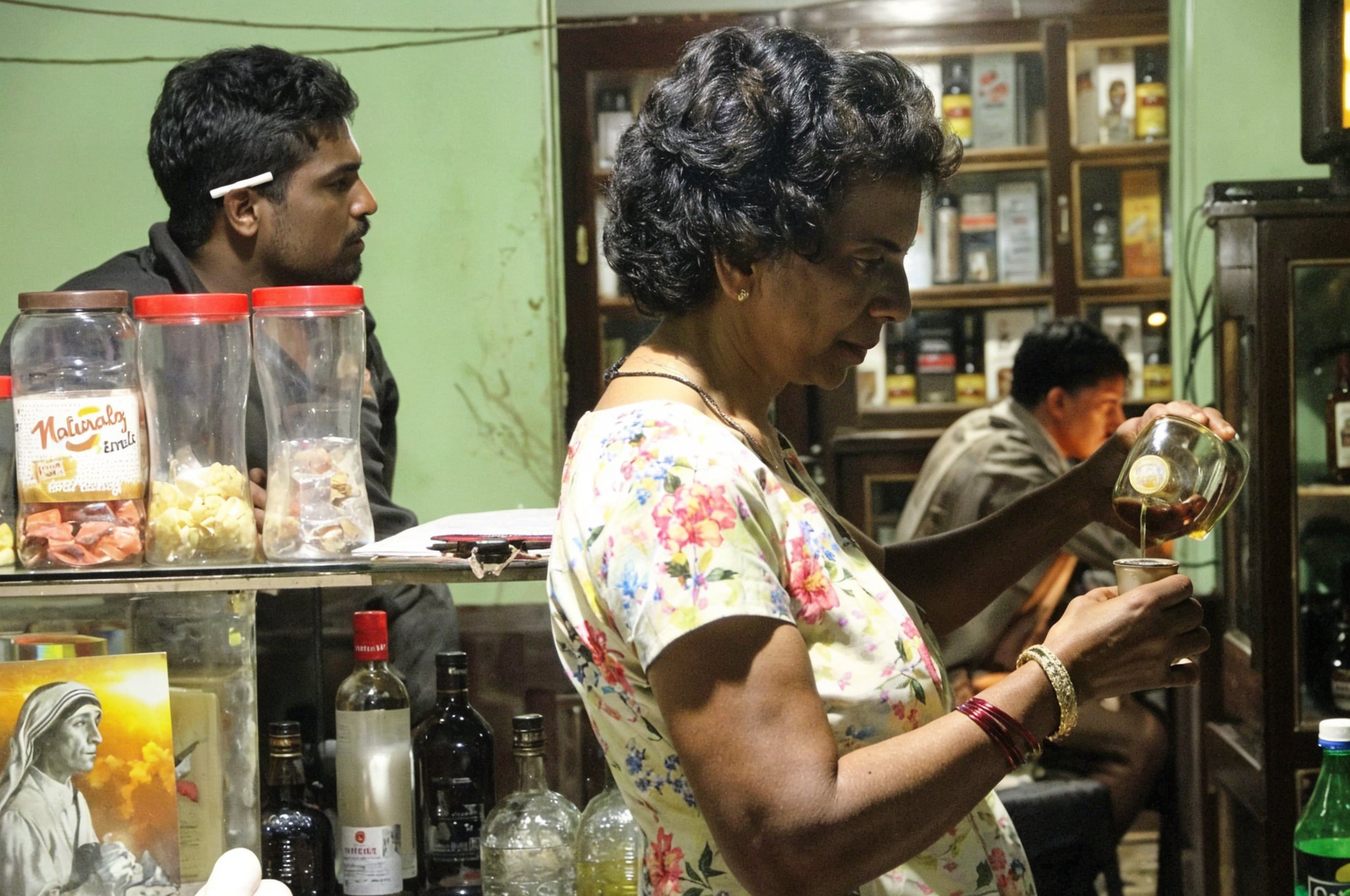
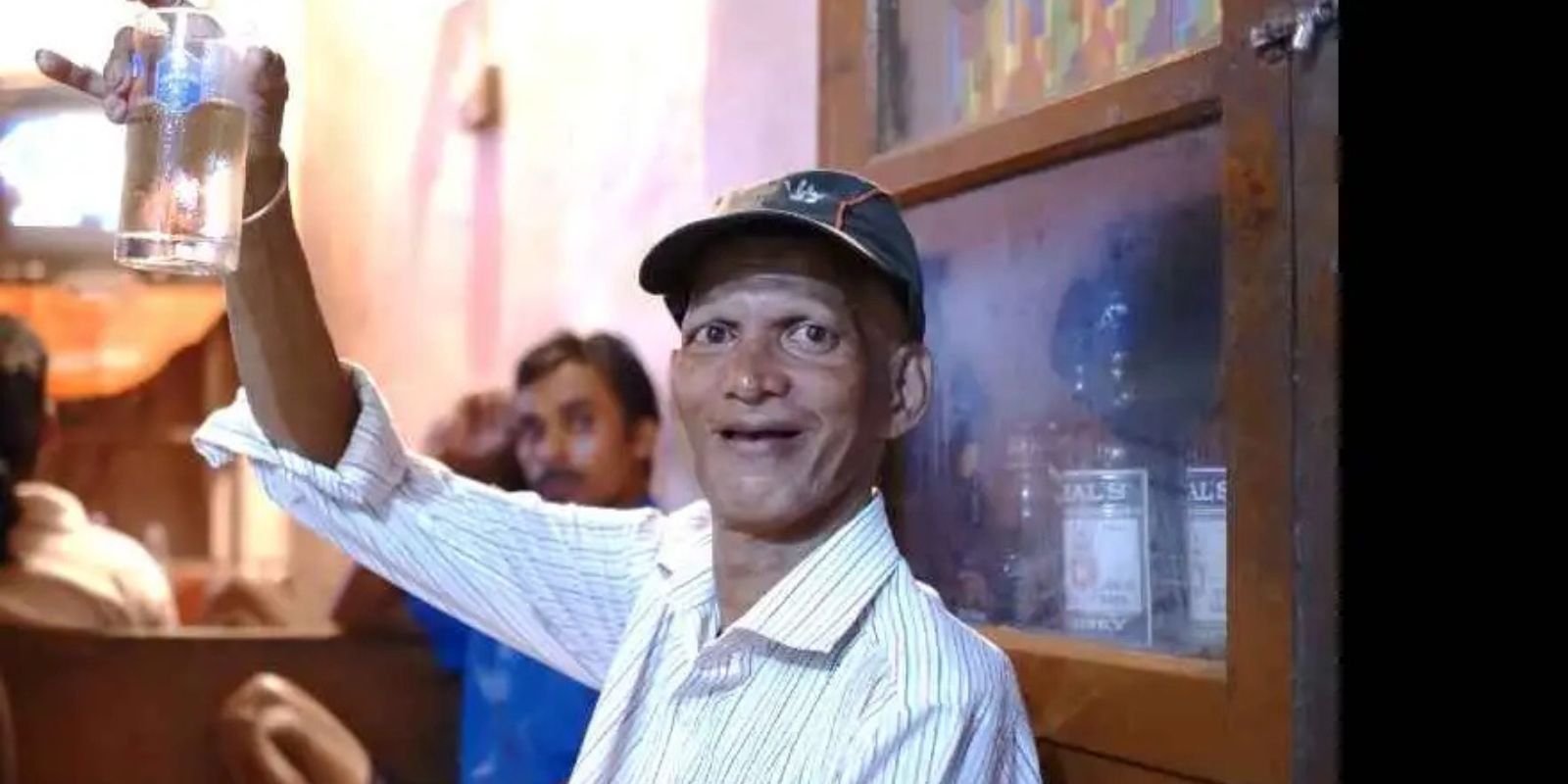
A traditional Goan tavern is distinct from a modern bar. Historically, these were spaces where villagers met after a day’s work to discuss politics, football, and local gossip. You won't find fancy cocktail menus or expensive upholstery here. Instead, you'll find wooden benches, glass jars filled with snacks, and a shelf stocked with local spirits. These bars operate on a \"no-frills\" philosophy where the quality of the feni and the company matters more than the decor.
Why Travelers Choose This Experience
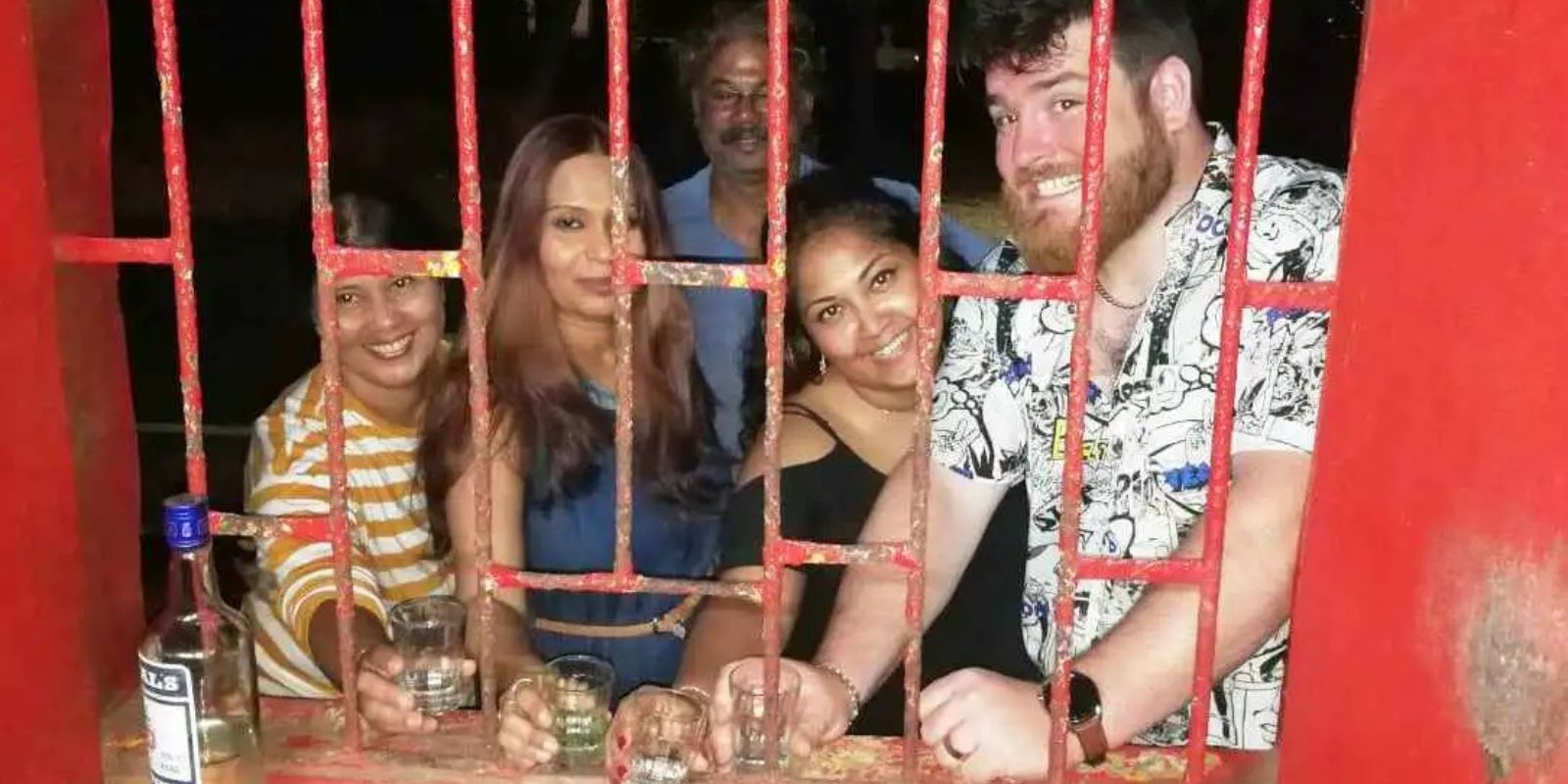
Many visitors leave Goa without ever tasting real feni or seeing a local bar. Travelers choose this activity because it offers a safe, guided entry into a world that can sometimes feel intimidating to outsiders. Walking into a small village bar as a tourist can feel like intruding on a private club, but with a local guide, you are welcomed as a guest. It is also one of the most budget-friendly ways to spend an evening in Goa, as local prices are significantly lower than those at beach shacks or nightclubs.
What to Expect on the Tour
The tour typically starts in the early evening, around 7:00 PM, when the taverns begin to fill up. You will meet your guide at a designated central point—usually in Panjim (Fontainhas) or Cansaulim depending on the specific route chosen for the day. From there, the group moves on foot to 3 or 4 different stops.
The First Stop: The Welcome Drink
At the first tavern, you are introduced to the basics of Goan spirits. Depending on the season, you might start with a Urak (the first distillate of cashew juice, available from March to May) or a classic Cashew Feni. Your guide will explain the distillation process and the cultural significance of these drinks. A small plate of boiled channa (chickpeas) seasoned with salt and spices is usually served alongside.
The Middle Stops: Neighborhood Classics
As we move to the second and third bars, the atmosphere changes. You might find yourself in a bar that has been in the same family for three generations. Here, we often try Coconut Feni, which has a smoother, more floral profile compared to the pungent cashew variety. You will also have the chance to try Kings Beer, a local Goan lager that was once exclusive to the state and remains a cult favorite.
The Final Stop: A Nightcap and Stories
The tour concludes at a slightly more lively spot where locals gather for a late-evening drink. By this time, the conversation is flowing, and you’ll have a deeper appreciation for the social fabric of Goa. Your guide will share stories about the tavern owners and the history of the neighborhoods you've walked through.
A Deep Dive into Goan Spirits
To get the most out of this experience, it helps to know what you are drinking. Goa has a unique relationship with alcohol, being one of the few places in India where traditional distillation is legally protected and culturally celebrated.
1. Cashew Feni
This is the most famous Goan spirit. It is made from the juice of the cashew apple and has a GI (Geographical Indication) tag. It has a strong, distinctive aroma that can be polarizing for beginners, but when mixed with Limca, a pinch of salt, and a slit green chili, it becomes a refreshing local cocktail.
2. Urak
If you visit Goa during the summer (March to May), you must try Urak. It is the result of the first distillation of cashew juice. It is less potent than feni (around 15-20% alcohol) and is incredibly cooling. It is only available during the cashew harvest season, making it a seasonal delicacy.
3. Coconut Feni
Distilled from the fermented sap (toddy) of the coconut palm, this spirit is more common in South Goa. It is often used in local cooking as well as for drinking. It lacks the pungent smell of cashew feni and is preferred by those who want a cleaner, more traditional spirit taste.
The Art of Goan Bar Snacks (Paiton)
Drinking in Goa is rarely done without Paiton (snacks). The food served in taverns is designed to complement the strong flavors of the alcohol. Common items you will encounter include:
- Channa: Dry-roasted or boiled chickpeas tossed with onions, chilies, and coconut.
- Fish Cutlets (Almonn): Spiced minced fish patties, usually fried with a rava (semolina) coating.
- Pork Solantulem: A spicy and sour pork dish made with kokum.
- Prawn Balchão: A fiery prawn pickle often served on small pieces of local bread (poie).
Practical Information for Travelers
Difficulty Level
This is an easy-level activity. It involves about 1.5 to 2 kilometers of walking at a very slow pace. There are no steep climbs, but the streets in old quarters like Fontainhas can be narrow and uneven.
Safety Information
Safety is a priority. We keep group sizes small (usually under 10 people) to ensure everyone stays together. Your guide is a local who knows the neighborhood and the tavern owners personally. For solo female travelers, this is a highly recommended way to experience Goa's nightlife in a controlled and respectful environment.
Best Time to Join
The tour runs year-round. Even during the monsoon season, tavern hopping is a great activity because the bars provide a cozy, dry refuge from the rain. The best time of day is the 7:00 PM slot, as this is when the bars are most authentic and active.
What to Wear and Carry
- Footwear: Comfortable walking shoes or sandals. Avoid high heels as you will be walking on cobblestones or uneven village roads.
- Clothing: Casual attire is perfect. Taverns do not have dress codes. Shorts and t-shirts are completely acceptable.
- Cash: Most local taverns do not accept credit cards or digital payments. Carry small denominations of cash (₹100 and ₹500 notes) for any extra drinks or snacks you wish to purchase.
- ID Proof: Carry a physical or digital copy of your ID, as the legal drinking age in Goa is 21.
Booking and Logistics
The meeting point is usually a well-known landmark like the Panjim Municipal Garden or a specific church square in the south. Detailed GPS coordinates are provided upon booking. If you are staying in North Goa beach areas like Calangute or Baga, we recommend hiring a taxi to reach the starting point, as public transport can be infrequent in the evenings.
Important Note: This is a cultural experience, not a \"party crawl.\" While we enjoy drinks, the focus is on appreciation, conversation, and local heritage. We encourage responsible drinking and respect for the local patrons who frequent these establishments daily.
- Guided walking tour of 3-4 local taverns
- One welcome drink at the first stop
- Sampling of local snacks (Channa)
- Local expert guide
- Cover charges (where applicable)
- Additional drinks and food beyond the first stop
- Hotel pickup and drop-off
- Personal expenses
Have questions about this activity?
Chat with our local experts for instant help and best deals!