Western Ghats Night Trek and Forest Camping in Sangod
per / person. Taxes & convenience fees might apply.
- Guided 3km night trek through the Western Ghats forest
- Nocturnal wildlife spotting including scorpions and civets
- Campfire BBQ with veg and non-veg options
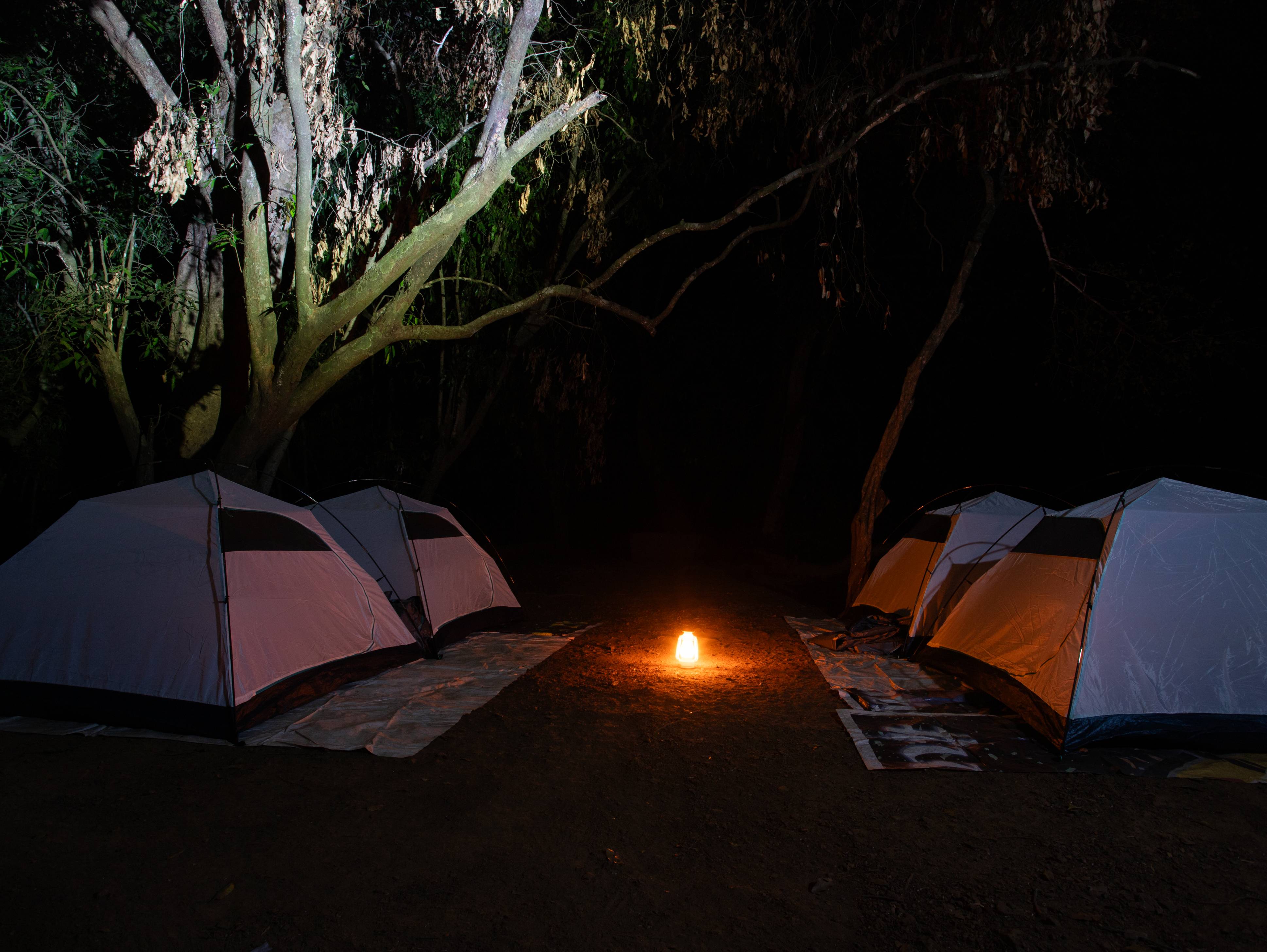
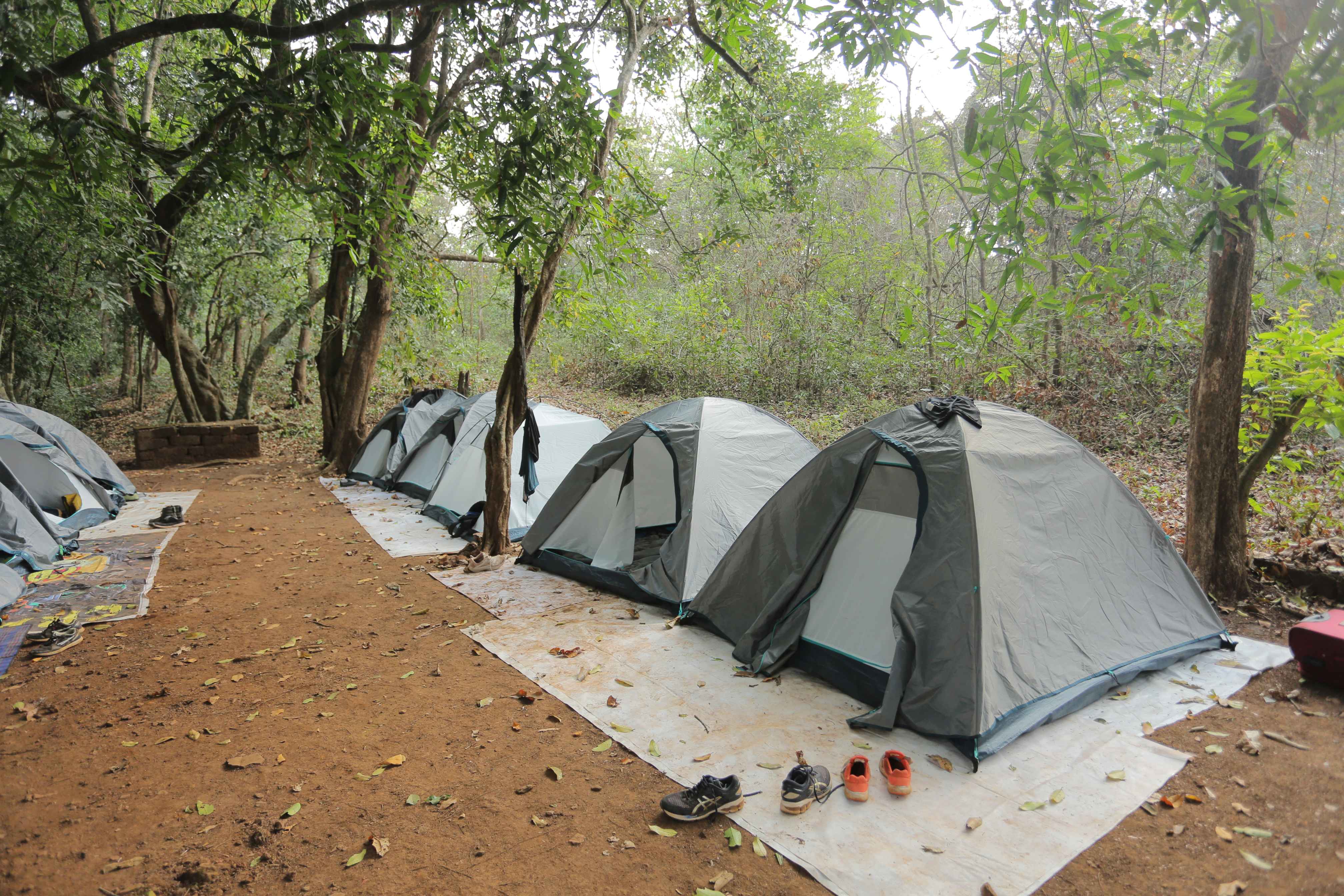
- Overnight stay in dome tents in a secluded forest clearing
- Traditional Goan breakfast served in the heart of nature
Explore the Wild Side of Goa in Sangod
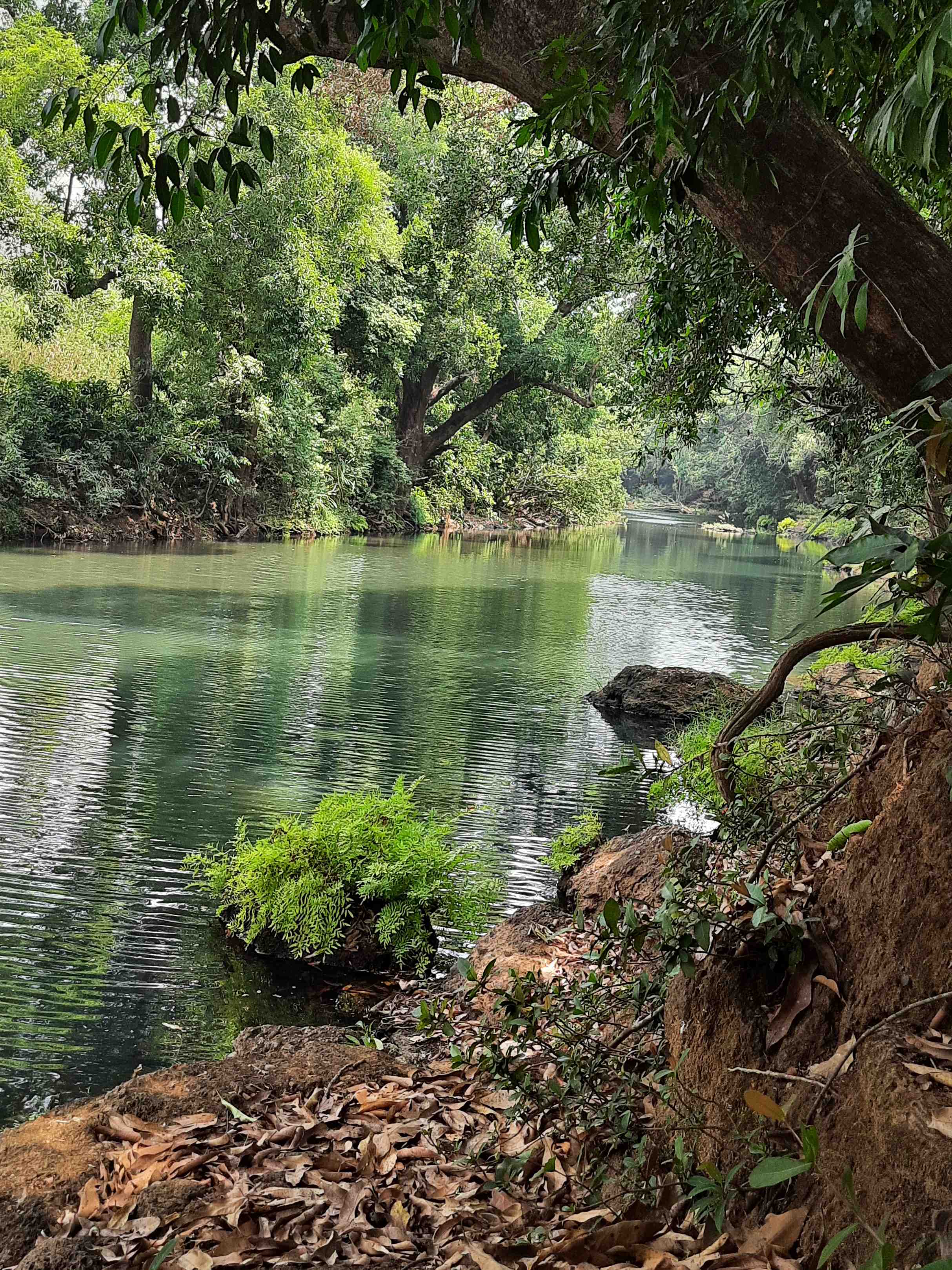
While most visitors associate Goa with its coastline, the interior regions bordering the Western Ghats offer a completely different landscape. This activity takes place in Sangod, a quiet area located on the fringes of Goa’s protected forests. The Western Ghats are a UNESCO World Heritage site and one of the world's eight 'hottest hotspots' of biological diversity. Choosing this experience means stepping away from the music and lights of the coast and into a world of ancient trees, seasonal streams, and nocturnal creatures.
Why Travelers Choose the Sangod Night Trek
Most trekking in Goa happens during the daylight hours, but the forest truly comes alive after the sun sets. Travelers choose this specific activity because it offers a rare opportunity to observe nocturnal wildlife that is otherwise invisible. From the glowing eyes of civets to the unique calls of the Ceylon Frogmouth, the night trek provides a sensory experience that a day hike cannot match. It is also a popular choice for those who want a genuine camping experience without the frills of a luxury resort, focusing instead on the sounds of the forest and the warmth of a campfire.
What to Expect: The Itinerary
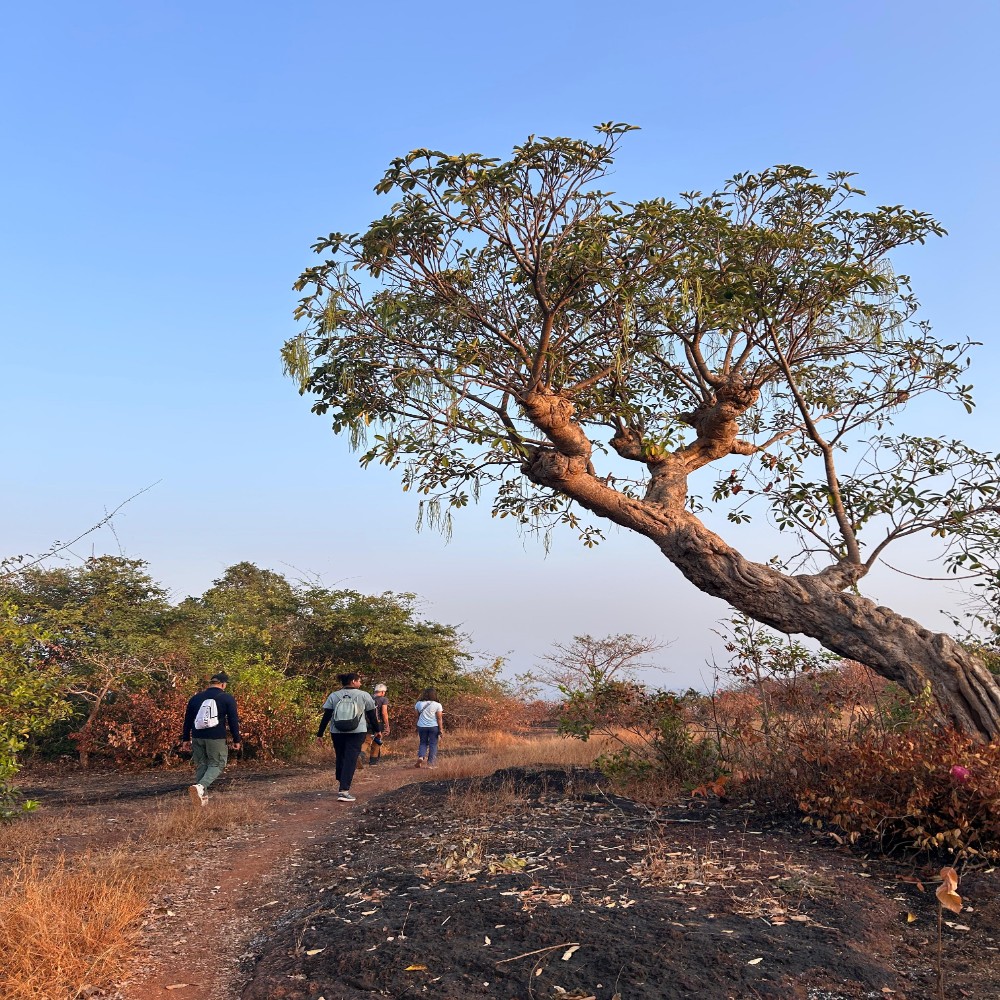
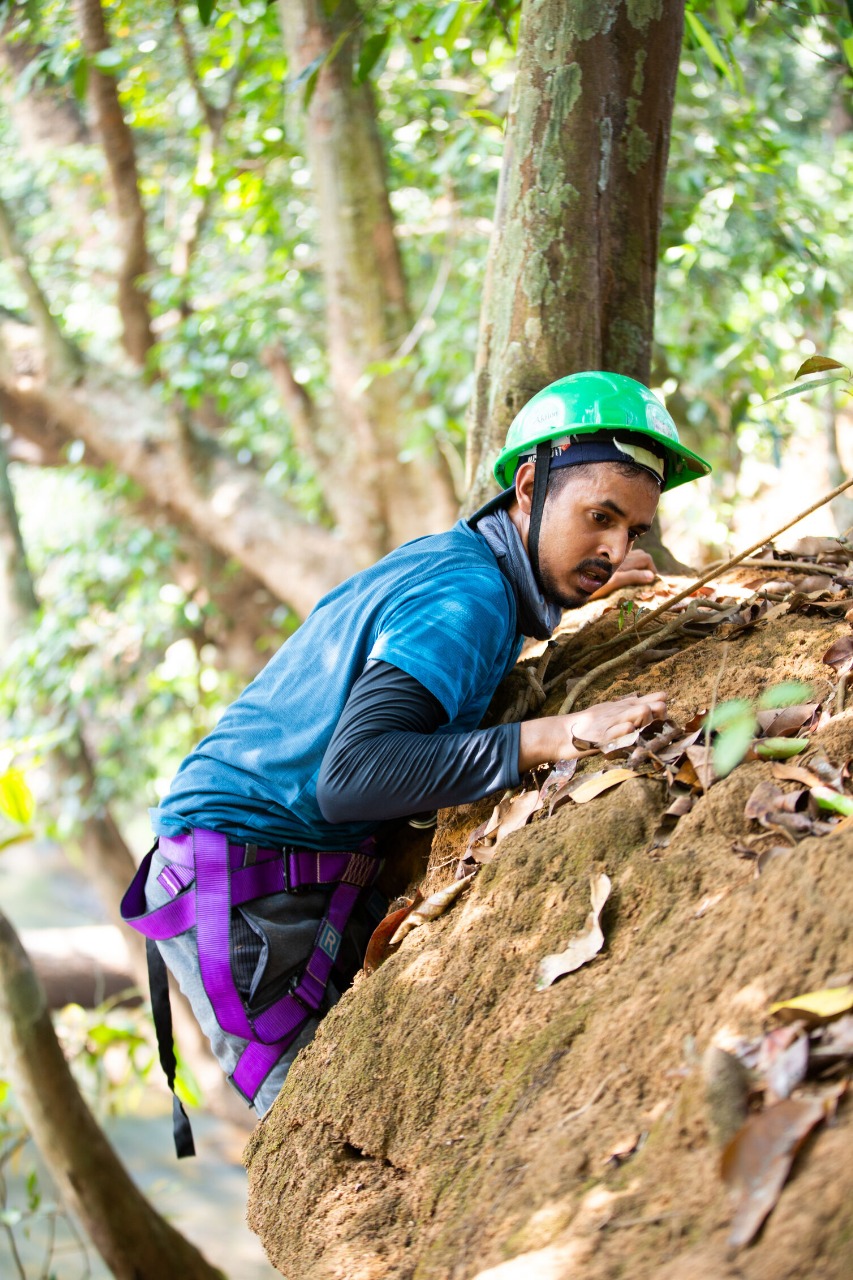
Your journey begins in the late afternoon in Sangod. After meeting your naturalist guide, you will head toward the trailhead as the sky begins to turn orange. The transition from day to night in the Ghats is rapid and dramatic. Once darkness falls, you will begin a 2 to 3-hour trek through the forest. This isn't a race; the pace is slow and deliberate, allowing the guide to point out insects, amphibians, and mammals along the way.
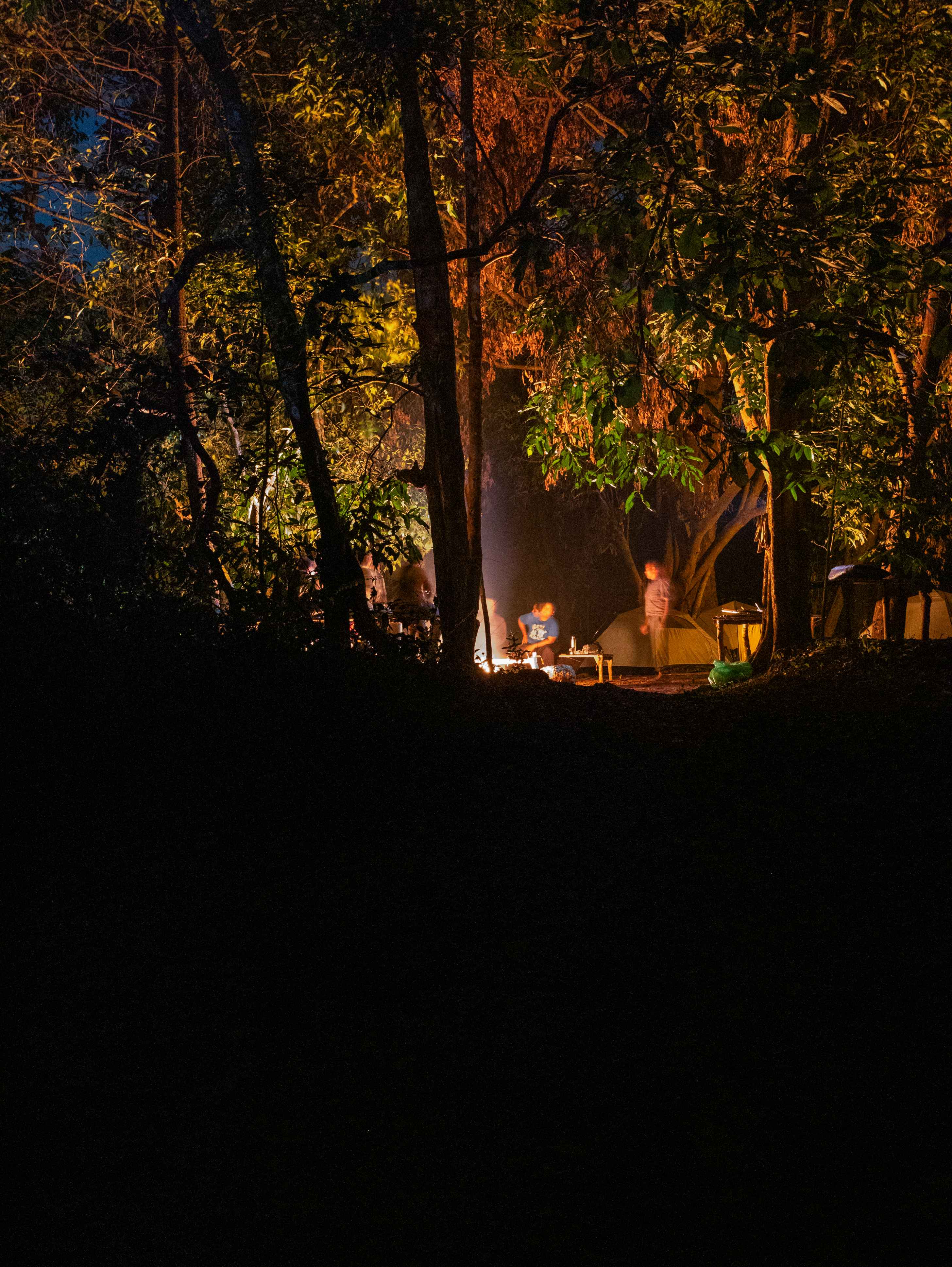
After the trek, you will arrive at the base campsite. A campfire is lit, and the aroma of a BBQ dinner fills the air. You will spend the evening sharing stories by the fire before retiring to your tents. The next morning, you wake up to the sounds of the Malabar Whistling Thrush and enjoy a simple, traditional Goan breakfast before heading back.
The Night Trek Experience
The trek covers roughly 3 kilometers with a mild elevation gain of about 100 meters. While the distance is short, the terrain can be uneven with roots, loose rocks, and leaf litter. Walking through a forest at night requires focus. Your guide will use specialized lighting, including UV torches, which are essential for spotting scorpions that glow a neon green under ultraviolet light.
Nocturnal Wildlife Spotting
The Western Ghats are home to an incredible array of life. During the trek, you should keep an eye out for:
- Indian Giant Squirrels: Often seen high in the canopy.
- Civets and Mouse Deer: Frequently spotted moving through the undergrowth.
- Amphibians: Depending on the season, you may see Malabar Gliding Frogs or various species of bush frogs.
- Reptiles: While many snakes are shy, your guide may spot vine snakes or pit vipers from a safe distance.
- Birds: Nightjars and owls are the primary avian residents active during your trek.
Camping Facilities and Setup
The campsite is located in a green, peaceful clearing surrounded by dense foliage. This is rustic camping, designed to keep you close to nature. You will stay in weather-proof dome tents. While the setup is simple, it is functional and clean. A toilet tent is provided, and there is access to running water for basic hygiene. However, there is no electricity at the site, so power banks are a necessity for your devices.
Difficulty Level and Fitness
This activity is rated as moderate. While the trek is not physically grueling in terms of distance, the darkness adds a layer of complexity. You need to be comfortable walking on uneven ground with only a headlamp for guidance. It is not recommended for individuals with severe mobility issues or a significant fear of the dark. Children above the age of 12 are generally welcome, provided they are comfortable with the outdoors.
Food and Dining in the Forest
The culinary highlight of the night is the campfire BBQ. We serve both vegetarian and non-vegetarian options, typically including marinated meats or paneer, grilled vegetables, and local spices. Following the BBQ, a more substantial local Goan dinner is served, featuring staples like rice, dal, and a vegetable or meat curry. In the morning, you will be served hot tea or coffee followed by a traditional breakfast, often consisting of Poha or local bread (Pao) with a side dish.
Safety Information
Safety is our primary concern. You will be accompanied at all times by a professional naturalist who is familiar with the local terrain and wildlife behavior. We provide high-quality headlamps to ensure you have a clear view of your path. A first-aid kit is always on hand. We maintain a strict policy of observing wildlife from a distance and do not allow any feeding or harrassment of animals. The campsite is chosen for its safety and seclusion from larger predators.
Best Time to Visit
The ideal window for this activity is from October to March. During these months, the weather is cool and dry, making the trek comfortable and the campfire enjoyable. The post-monsoon period (October and November) is particularly beautiful as the forest is still lush and green, and the streams are full. From April to May, it can get quite humid, though the forest remains cooler than the coast. This activity is generally not available during the peak monsoon (June to September) due to heavy rainfall and safety concerns regarding forest paths.
What to Wear and Carry
To ensure a comfortable experience, we recommend the following:
- Footwear: Sturdy hiking shoes or sneakers with good grip. No sandals or flip-flops.
- Clothing: Long pants and long-sleeved shirts are highly recommended to protect against insects and thorny plants.
- Layers: Between December and February, the Ghats can get surprisingly chilly at night (15°C - 18°C), so bring a light jacket or fleece.
- Essentials: Insect repellent, a 1-liter water bottle, and personal medications.
- Electronics: A fully charged power bank, as there are no charging points.
Location and How to Get There
The meeting point is in Sangod, North Goa. This is approximately 50 kilometers from Panjim and about a 1.5 to 2-hour drive from the popular beach belts of Calangute and Baga. There is no reliable public transport to this area. We recommend hiring a private taxi for the drop-off and coordinating a pickup for the next morning. If you are driving yourself, there is basic parking available near the forest guest house where the experience begins.
Booking Information
Advanced booking is mandatory as we limit the group size to ensure a low impact on the environment and a better experience for participants. Please disclose any medical conditions or severe allergies (especially to insect stings or specific foods) at the time of booking. Alcohol is strictly prohibited during the trek and at the campsite to ensure the safety of all guests and respect for the forest environment.
- Professional naturalist guide
- Guided night trek
- Tent accommodation
- BBQ snacks and full dinner
- Morning breakfast and tea
- Headlamps and safety gear
- Transport to and from Sangod
- Personal sleeping bags
- Alcoholic beverages
- Tips and gratuities
- Insurance
Have questions about this activity?
Chat with our local experts for instant help and best deals!