Divar Island Heritage Tour from Old Goa
per / person. Taxes & convenience fees might apply.
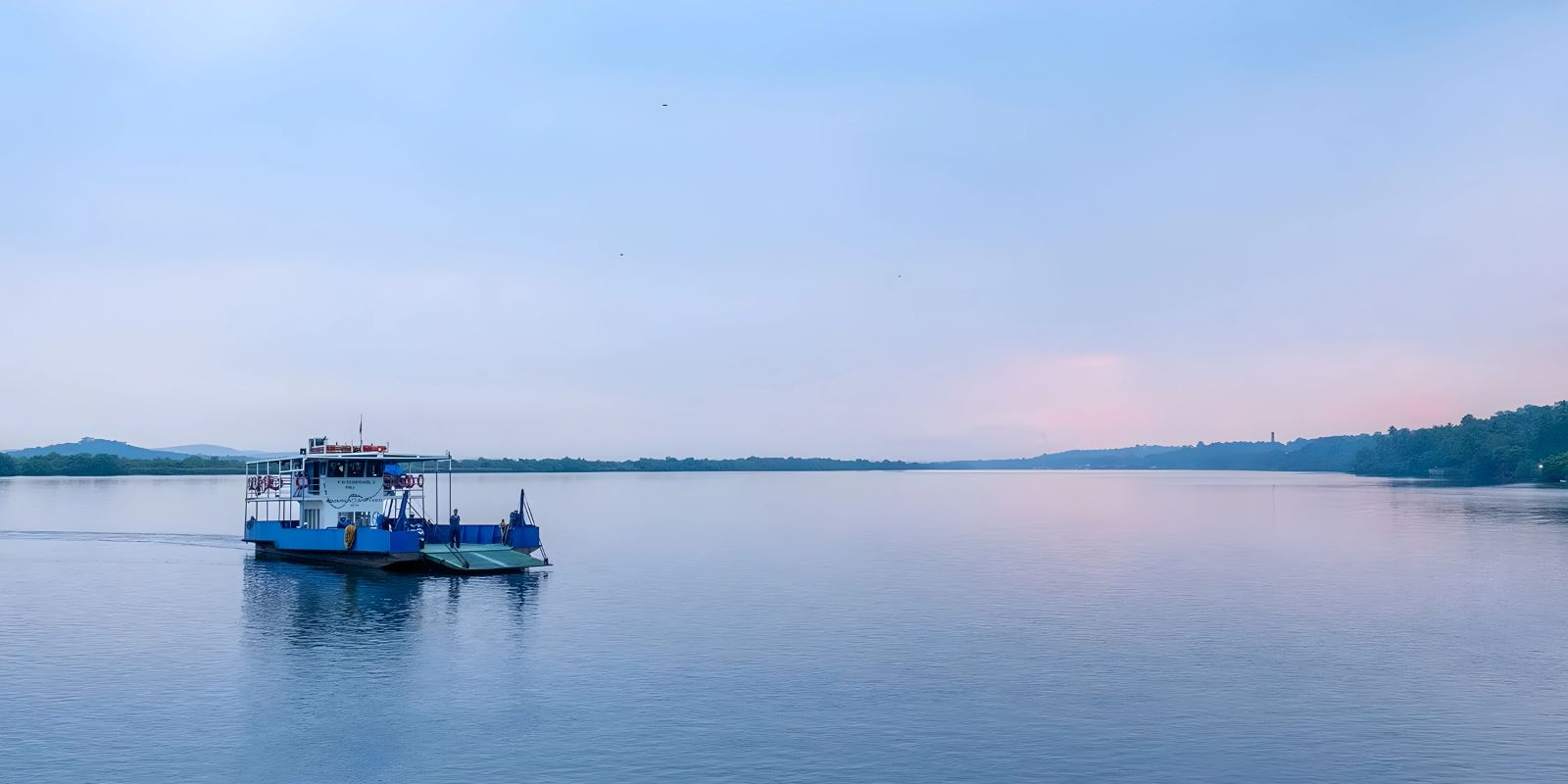
- Scenic ferry crossing from the historic Viceroy's Arch in Old Goa.
- Guided visit to the 18th-century Our Lady of Candelabra Church.
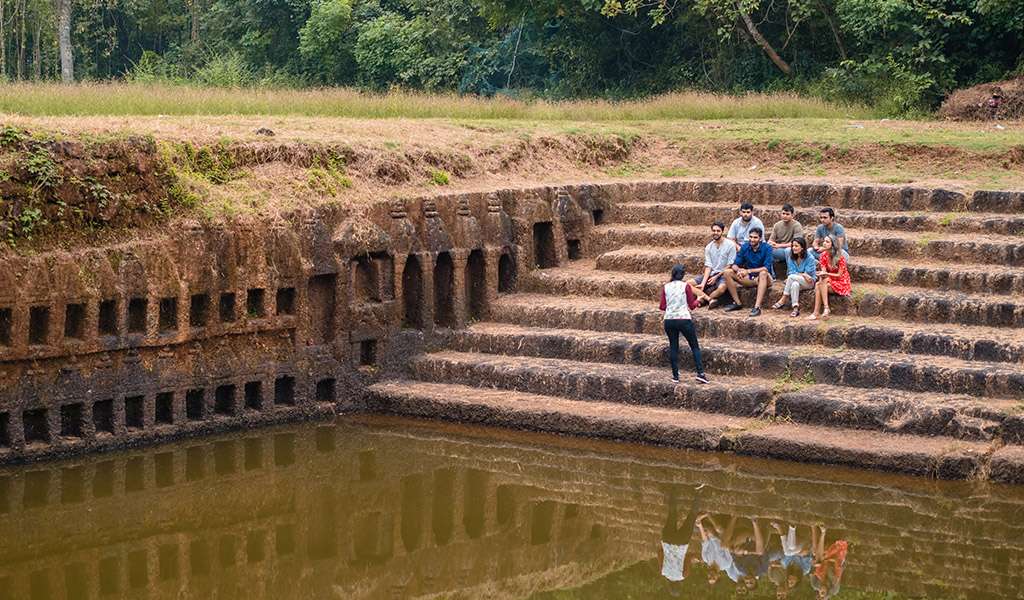
- Exploration of ancient Kadamba-era temple ruins and sacred tanks.
- Live demonstration at a 100-year-old traditional pottery workshop.
- Interactive experience at the 16th-century Whispering Well.
Discovering the History of Divar Island
Divar Island, known locally as Ilha de Divar, remains one of the most well-preserved pockets of Goan culture. Located just a short ferry ride from the bustling monuments of Old Goa, the island feels like a different era entirely. This tour focuses on the 'Chronicles and Echoes' of the island—the stories that survived the transition from the ancient Kadamba Dynasty to the centuries of Portuguese rule.
The journey begins at the Viceroy’s Arch in Old Goa, where you meet your local guide. From here, you board a government ferry for a 15-minute crossing. These ferries are the lifeline of the islanders, transporting everything from scooters to local produce, and they provide an excellent vantage point of the Mandovi River and the distant spires of the Old Goa churches.
Key Landmarks and Cultural Stops
Our Lady of Candelabra Church (Piedade)
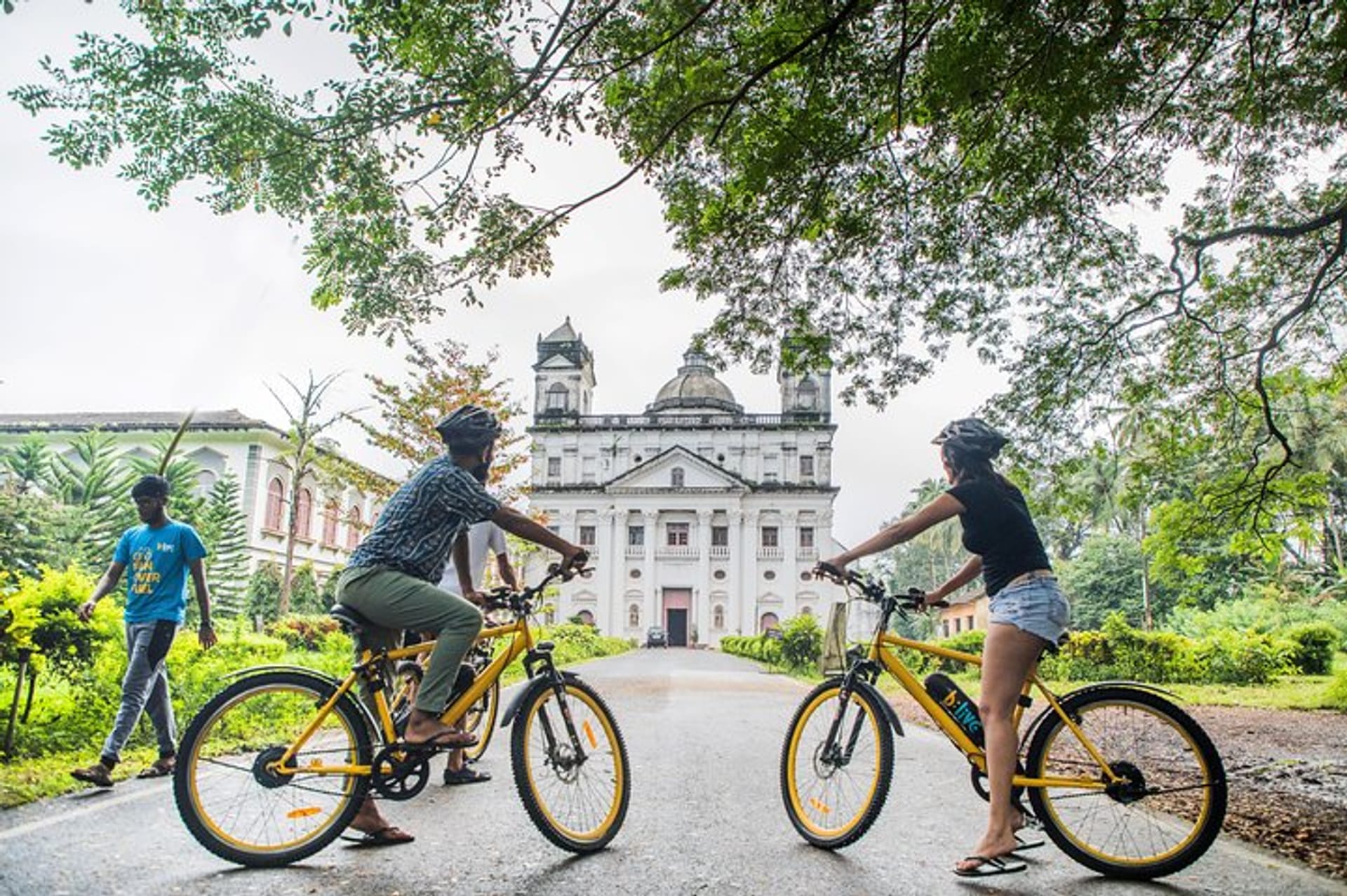
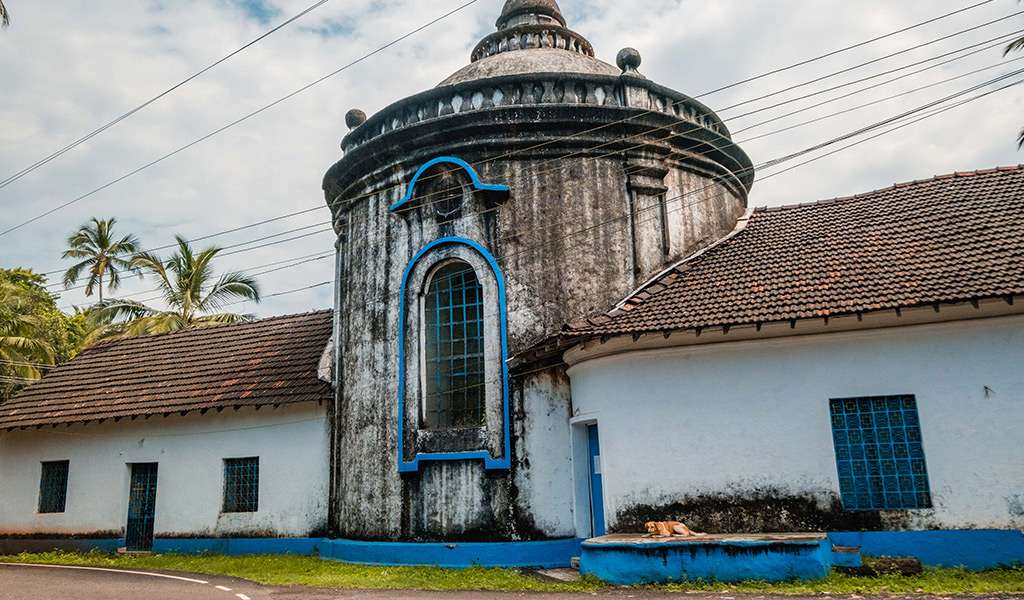
One of the primary stops is the Church of Our Lady of Candelabra, situated atop a hill in the village of Piedade. Built in the early 18th century, this church is a prime example of Mannerist architecture. From its courtyard, you can see panoramic views of the surrounding riverine landscape and the lush greenery that covers the island. Your guide will explain the significance of the Bonderam festival, which is celebrated annually in this village with colorful flags and parades.
Ancient Temple Sites and Ruins
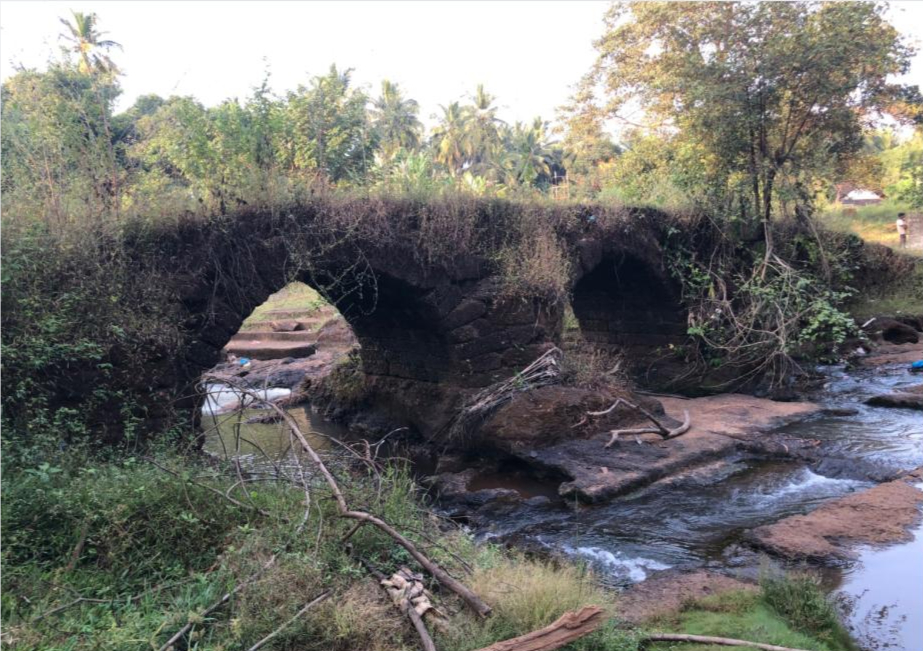
Before the Portuguese arrival, Divar was a site of great religious importance for Hindus, housing the famous Saptakoteshwar Temple. While the original temple was relocated to Narve to protect the idol, the ruins and the sacred tank (tali) still offer a glimpse into the island's pre-colonial past. You will learn about the Kadamba kings and the architectural shifts that occurred when the island was converted into a Christian stronghold.
The Whispering Well
A unique highlight of this tour is the 16th-century Whispering Well. This stone structure features distinct acoustic properties. When you stand at a specific point and whisper, the sound carries clearly to the opposite side. Local legends suggest it was a meeting point for clandestine conversations, and it remains a fascinating stop for both children and adults to test the echoes.
Local Craftsmanship: The Pottery Workshop
Divar is home to one of the few remaining traditional pottery workshops in North Goa. This is a family-run establishment that has operated for over a century. Unlike modern factories, the artisans here use a traditional kick-wheel. You will observe the process of preparing the local red clay and shaping it into functional items like water filters, lamps (diyas), and decorative pots. Visitors often have the opportunity to try their hand at the wheel under the guidance of the master potter.
Practical Information for Travelers
Difficulty and Accessibility
The tour is classified as easy to moderate. While there is walking involved through the villages and at the sites, the terrain is mostly flat. However, because the landmarks are spread out across the island, the tour utilizes a mix of walking and local transport (or the guide's vehicle) to ensure you aren't exhausted by the Goan sun. It is suitable for seniors and children aged 10 and above.
Best Time to Visit
The ideal time to book this tour is between October and March, when the weather is pleasant for outdoor exploration. Morning slots (starting at 9:00 AM) are recommended to avoid the midday heat. During the monsoon season (June to September), the island is incredibly green and scenic, but travelers should be prepared with umbrellas and waterproof footwear as some paths can become muddy.
What to Wear and Carry
- Footwear: Wear comfortable walking shoes or sturdy sandals. Avoid flip-flops if you plan to explore the temple ruin areas.
- Clothing: Dress modestly out of respect for the church and local village customs. Lightweight cotton clothing is best.
- Sun Protection: Carry a hat, sunglasses, and high-SPF sunscreen.
- Hydration: While a snack and coconut water are included, carrying a reusable water bottle is advised.
Transport and Meeting Point
The meeting point is near the Viceroy’s Arch in Old Goa. If you are staying in North Goa beach belts like Calangute or Baga, it takes approximately 45-60 minutes to reach Old Goa by road. For reliable transport, you can use local taxi apps or book a private cab through pavancab.com (+918180951176) to ensure you arrive before the ferry departure. There is ample parking available near the Old Goa church complex if you are driving yourself.
Why This Tour is Different
Unlike standard sightseeing trips, this experience is led by local storytellers who grew up on the island or have studied its history extensively. You aren't just looking at buildings; you are learning about the Manoelist architecture of the private homes, the history of the Goan diaspora, and the unique myths like the 'Mermaid of Divar' that define the local identity. It is a quiet, reflective experience that offers a deep contrast to the high-energy party atmosphere usually associated with Goa.
- Government ferry tickets to and from Divar Island
- Expert local guide and storyteller
- Fresh coconut water and local snacks
- Small pottery souvenir from the workshop
- All entrance fees to island sites
- Hotel pickup and drop-off
- Full lunch (only snacks provided)
- Entry fees to Old Goa museums (optional)
- Personal expenses and tips
Have questions about this activity?
Chat with our local experts for instant help and best deals!