

Campal Heritage Walk, Panjim
per / person. Taxes & convenience fees might apply.
- Explore the 19th-century Neo-Classical mansions of Panjim’s elite district.
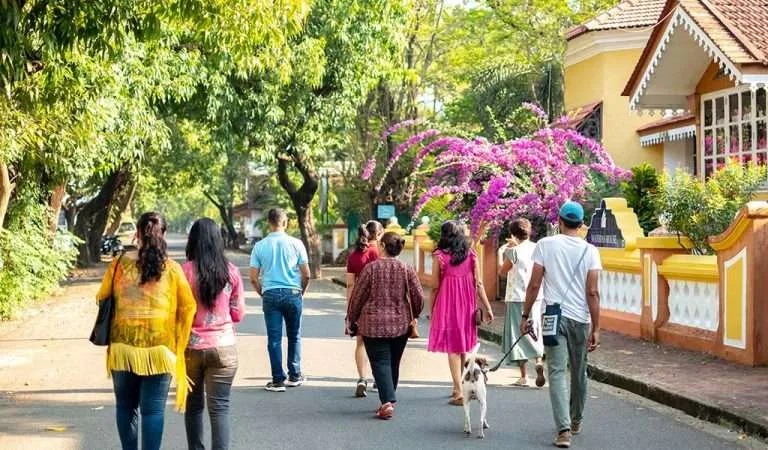
- Walk through the tree-lined boulevards of one of India’s first planned neighborhoods.
- Visit the grounds of the iconic Kala Academy, designed by Charles Correa.
- Learn about the unique Goan-Portuguese architectural elements like the balcão and oyster shell windows.
- Enjoy a relaxed, flat-terrain walk suitable for all age groups, including seniors.
- Gain local insights into the history of the families that shaped modern Panjim.
An Introduction to Campal: Panjim’s Noble Quarter
While most visitors to Goa head straight for the colorful alleys of Fontainhas, those looking for a deeper understanding of Panjim’s colonial history often find themselves in Campal. Established in the 19th century, Campal was designed as a residential district for the Portuguese elite and high-ranking Goan officials. The area is officially known as Bairro do Campal and remains one of the best-preserved examples of colonial urban planning in India.
On this 2-hour guided walking tour, you will step away from the commercial noise of the city center into a precinct defined by symmetry, greenery, and grand architecture. The walk is not just about looking at buildings; it is about understanding the transition of Panjim from a small fishing outpost to the sophisticated capital of the Portuguese State of India.
Why Travelers Choose the Campal Heritage Walk
Travelers choose this activity because it offers a refined perspective of Goan heritage. It is significantly less crowded than other heritage spots in North Goa, allowing for better photography and a more intimate learning experience. History enthusiasts appreciate the detailed stories of the families who built these mansions, while architecture students often visit to study the Neo-Classical facades and unique Goan-Portuguese structural elements.
What to Expect During the Walk
The tour typically begins near the Campal Palace (now a heritage hotel) or the Panjim Gymkhana. From here, your local guide will lead you through a series of planned streets that run parallel to the Mandovi River. You will see grand residences with their signature balcãos (porches), high ceilings, and windows made from translucent oyster shells—a traditional Goan alternative to glass.
Key Landmarks on the Route:
- The Campal Houses: Observe the distinct architecture of these private residences. Your guide will point out the subtle differences between the various styles of colonial homes.
- Kala Academy: A visit to the grounds of this premier cultural institution, designed by the world-renowned architect Charles Correa. It is a masterclass in modern Indian architecture that respects local traditions.
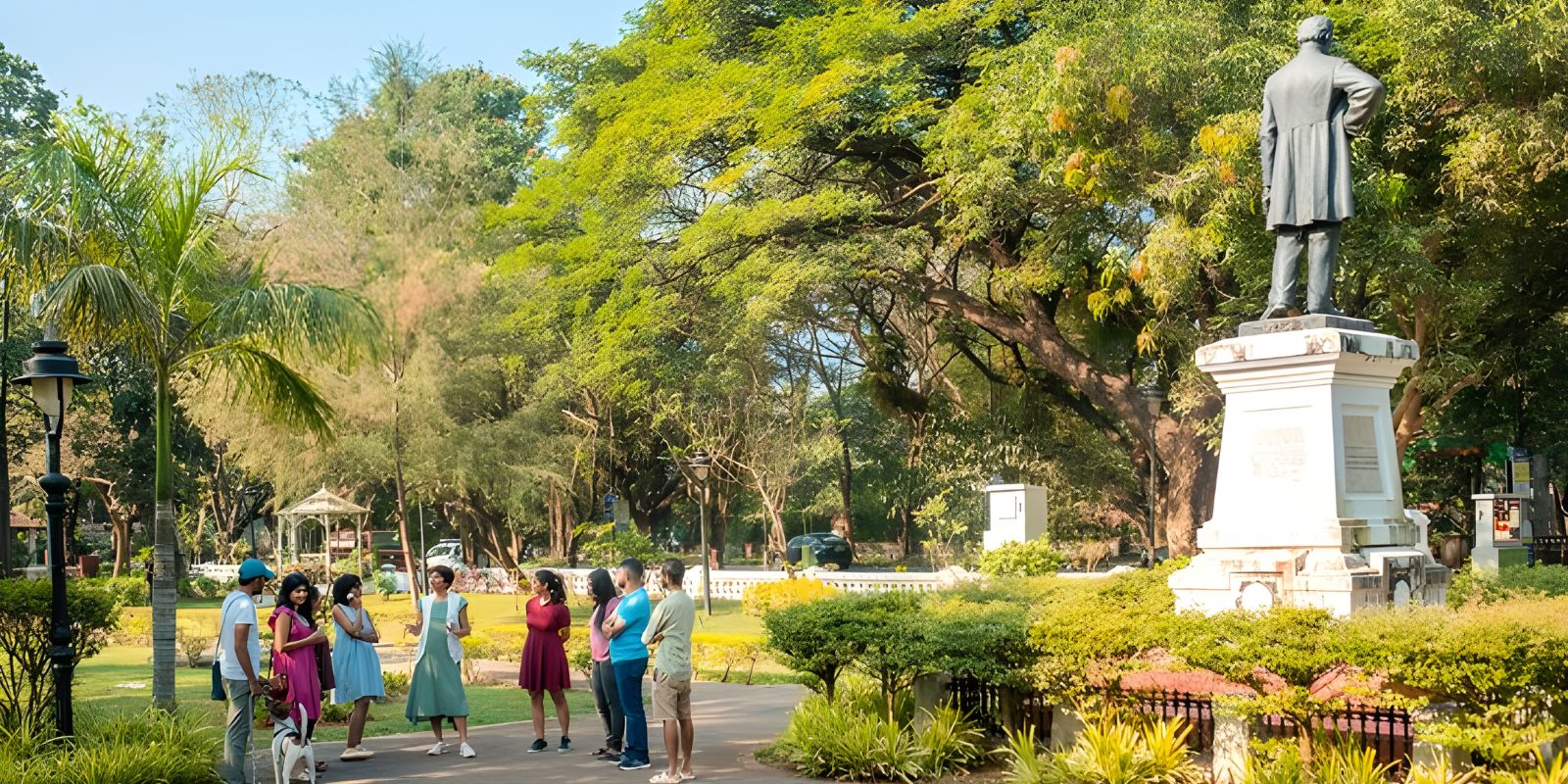
- Campal Garden (Jardim Garcia de Orta): A peaceful public park named after the 16th-century Portuguese physician and botanist. The garden features a classic gazebo and is a hub for local morning walkers.
- Institute Menezes Braganza: A hub for art and culture, known for its stunning azulejos (hand-painted blue tiles) that depict scenes from Portuguese literature.
- The High Court: A beautiful example of Neo-Gothic architecture located at the edge of the district.
Detailed Architectural Insights
One of the highlights of the Campal Heritage Walk is the focus on architectural details. You will learn why Goan houses are painted in specific colors (historically, only churches were allowed to be white) and how the balcão served as a vital social space for families to interact with neighbors. The guide will explain the significance of the decorative motifs on the gates and the use of local laterite stone in construction.
Difficulty Level and Accessibility
This is an easy-level walking tour. The terrain in Campal is exceptionally flat, and the streets are well-paved with wide sidewalks. Unlike the steep inclines found in Altinho or the uneven cobblestones of Old Goa, Campal is very accessible. It is highly recommended for senior citizens and families with children. The entire route is approximately 1.5 to 2 kilometers long, covered at a very relaxed pace with frequent stops in the shade.
Best Time to Visit and Weather Considerations
The best time for the Campal Heritage Walk is between October and March when the weather in Goa is pleasant. We recommend the morning slot (8:30 AM to 10:30 AM) to catch the soft morning light, which is perfect for photography, or the late afternoon slot (4:00 PM to 6:00 PM) as the sun sets over the Mandovi River.
Monsoon Suitability: This walk remains operational during the monsoon (June to September). Campal looks particularly lush and green during the rains. However, travelers should carry a sturdy umbrella or raincoat. The paved streets ensure you won’t be walking through mud.
Practical Information for Travelers
What to Wear: Wear lightweight, breathable cotton clothing. Comfortable walking shoes or sandals are essential. While there is no strict dress code, modest attire is recommended as you will be walking through a residential neighborhood.
What to Carry: A bottle of water, a hat or cap, and sunblock. If you are a photography enthusiast, a wide-angle lens is useful for capturing the full scale of the mansions.
Parking and Transport: Parking is generally available near the Panjim Gymkhana or the Campal Garden. If you are staying in North Goa beach belts (Calangute/Baga), it takes about 35-45 minutes by taxi to reach Panjim. We recommend using the Goa Miles app or local taxi services to reach the meeting point.
Nearby Attractions
After finishing your walk, you can easily extend your day in Panjim:
- Miramar Beach: Located just 1.5 km away, it's a great spot for a beachside stroll.
- Fontainhas: The Latin Quarter is a 10-minute drive away if you want to compare architectural styles.
- Panjim Market: A great place to buy local cashews, feni, and spices.
- River Cruises: The Mandovi river cruise jetties are located nearby for an evening boat ride.
Important Booking Information
Please note that the mansions are private residences. The tour involves viewing these structures from the outside to respect the privacy of the residents. Interior access is generally not included unless specified for a particular property. Small group sizes are maintained to ensure a quality experience and minimal disturbance to the local community. Advance booking is required to ensure guide availability.
- Guided walking tour with a local expert
- Detailed historical and architectural commentary
- Bottled water
- Light snacks or refreshments
- Hotel pickup and drop-off
- Entry fees to private museums (if visited)
- Personal expenses and tips
- Heavy meals
Have questions about this activity?
Chat with our local experts for instant help and best deals!