Overview
Miramar Beach, originally known as Porta de Gaspar Dias by the Portuguese, is one of the most visited and easily accessible beaches in Goa. Situated at the confluence of the majestic Mandovi River and the vast Arabian Sea, this urban beach serves as the primary coastal getaway for the residents of Panaji, the capital city of Goa. Unlike the secluded coves of South Goa or the high-octane party hubs of North Goa, Miramar offers a unique blend of city life and natural beauty. The name "Miramar" literally translates to "looking at the sea" in Portuguese, a fitting title for a location that offers an unobstructed view of the horizon where the river meets the ocean.
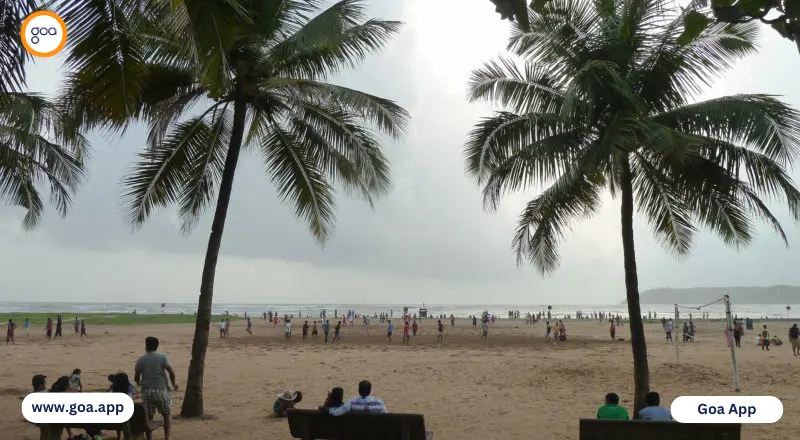
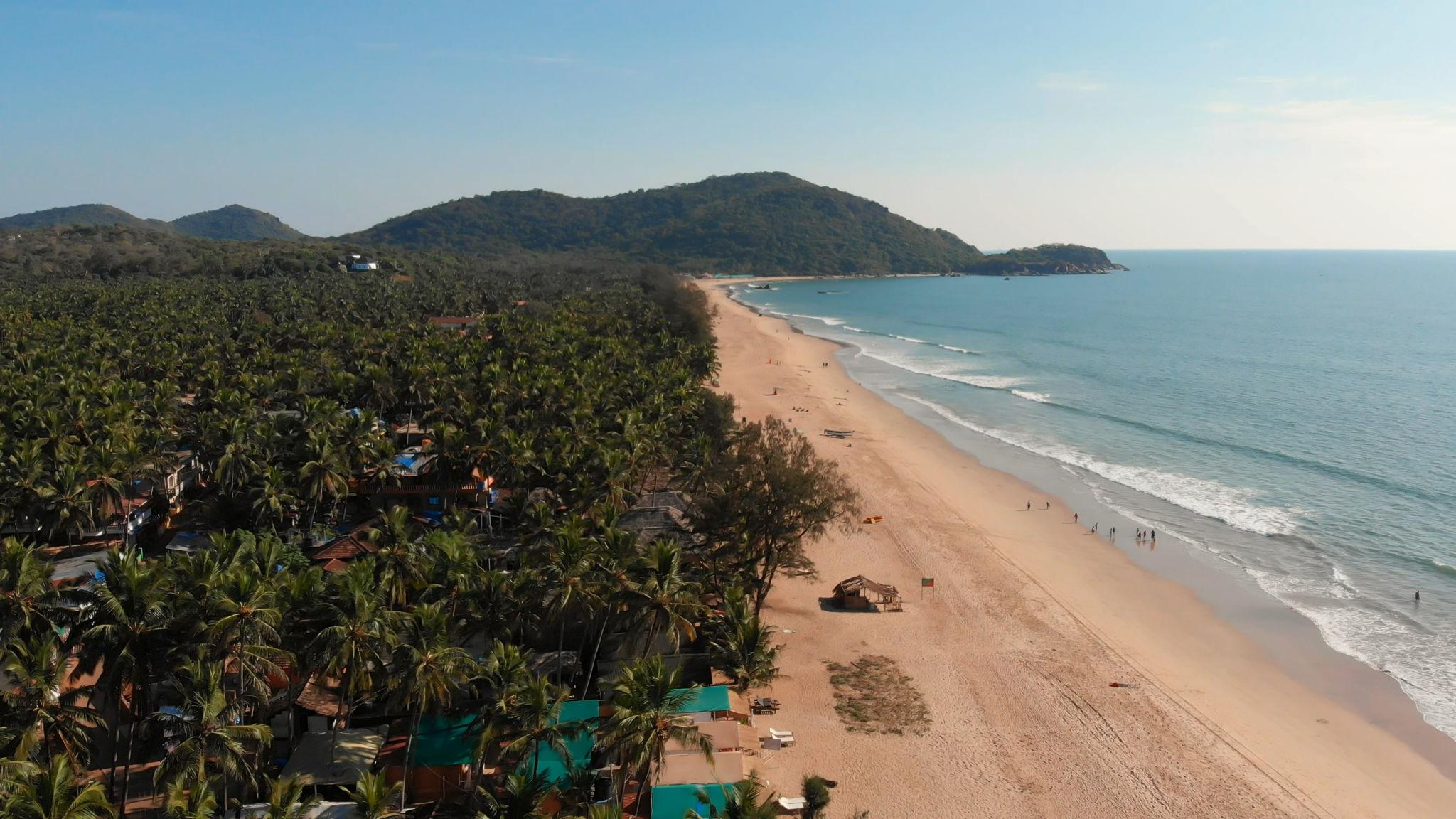
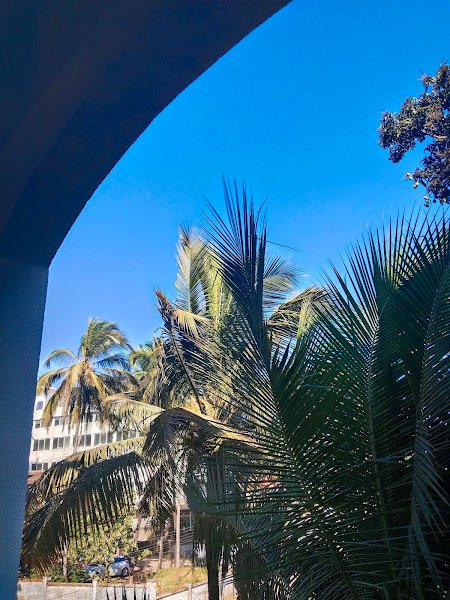
The beach stretches for approximately two kilometers, characterized by its fine, silvery-white sand that glitters under the tropical sun. This distinct sand quality is one of the reasons why Miramar is often referred to as a "silver beach." The shoreline is lined with a thick canopy of Casuarina trees, which provide much-needed shade and create a rhythmic whistling sound as the sea breeze passes through them. Historically, this area was a strategic point for the Portuguese, and remnants of the Gaspar Dias Fort can still be traced in local historical accounts, though the fort itself has long since succumbed to the elements.
Miramar Beach is not just a tourist destination; it is the soul of Panaji. In the early mornings, you will find fitness enthusiasts practicing yoga or jogging along the promenade. In the evenings, the beach transforms into a social hub where local families, students, and tourists gather to witness the spectacular Goan sunset. The atmosphere is vibrant yet relaxed, making it an ideal spot for those who want to experience the Goan coast without traveling far from the comforts of the city. Whether you are interested in a leisurely stroll, bird watching, or simply soaking in the local culture, Miramar Beach provides a comprehensive Goan experience that bridges the gap between the traditional and the modern.
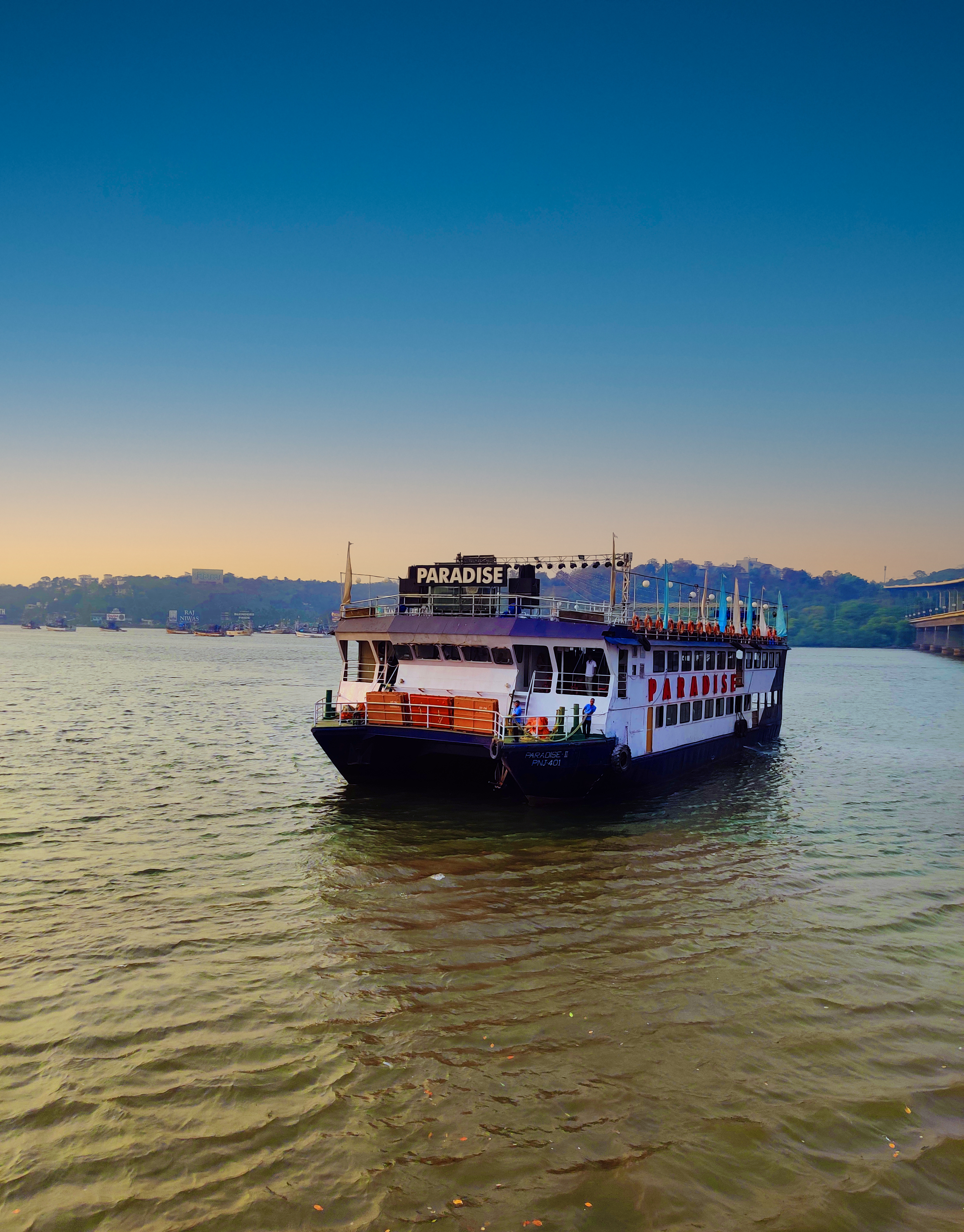
One of the most striking features of Miramar is its wide expanse. Even during peak tourist season, the beach rarely feels claustrophobic because of its sheer breadth. The view from the shore includes the Aguada Fort across the water and the bustling movement of fishing trawlers and luxury cruises navigating the Mandovi. As an urban beach, it is impeccably maintained, with a paved walkway that runs parallel to the sand, making it accessible for people of all ages and physical abilities. For many, Miramar is the first introduction to the Goan coastline, and its proximity to the cultural and administrative heart of the state makes it a landmark of significant importance.
How to Reach Miramar Beach
Reaching Miramar Beach is remarkably easy due to its central location in Panaji. Being the capital’s primary beach, the infrastructure connecting it to the rest of Goa is well-developed and efficient. Whether you are arriving from the airport, a railway station, or another part of the state, there are multiple transport options to suit every budget.
- From Manohar International Airport (Mopa): Located in North Goa, the Mopa airport is approximately 35 to 40 kilometers away from Miramar. The most convenient way to reach the beach from here is by booking a pre-paid taxi or using the Goa Miles app. The drive takes about an hour and a half, depending on traffic, and takes you through the scenic Atal Setu bridge, offering a panoramic view of the Panaji skyline.
- From Dabolim Airport: The older Dabolim airport is situated about 30 kilometers from Miramar. You can opt for a pre-paid taxi from the airport counter. The route typically follows the NH-66, passing through Cortalim and over the Zuari Bridge. Expect a travel time of around 45 to 60 minutes.
- By Rail: The nearest major railway station is Karmali (KRMI), which is roughly 12 kilometers away. Karmali is well-connected to the Konkan Railway network. From the station, you can take a taxi or a local bus to Panaji and then a rickshaw to Miramar. Alternatively, Thivim Railway Station is about 25 kilometers away and serves as a major stop for many long-distance trains.
- By Road (Local Bus): The Kadamba Transport Corporation (KTC) bus stand in Panaji is the main hub for state-run and private buses. From the KTC bus stand, there are frequent local buses labeled "Miramar" or "Dona Paula" that drop you right at the beach entrance. The bus fare is extremely nominal, making it the most budget-friendly option.
- By Taxi or Rickshaw: If you are already staying in Panaji or nearby areas like Altinho or Campal, a yellow-and-black auto-rickshaw or a private taxi is a quick way to reach the beach. Always negotiate the fare beforehand or insist on using the meter if available.
- Self-Drive: Many tourists prefer renting a scooter or a car. Miramar is well-connected by the Dayanand Bandodkar Marg, a beautiful riverside road that leads directly to the beach. There is a designated parking area near the beach entrance, though it can get crowded on weekends.
Best Time to Visit
Timing your visit to Miramar Beach is crucial to ensure you get the most out of your experience. Like most of coastal India, Goa experiences a tropical climate, which means the weather can vary significantly across the seasons.
The Peak Season (November to February): This is undoubtedly the best time to visit Miramar Beach. The weather is pleasant, with temperatures ranging from 20°C to 30°C. The humidity is at its lowest, and the cool sea breeze makes it comfortable to spend hours on the sand. This period also coincides with major festivals like Christmas, New Year, and the International Film Festival of India (IFFI), which is held in Panaji. The beach area becomes quite festive, with various pop-up stalls and events happening nearby.
The Shoulder Season (March to May): During these months, the summer heat begins to set in. Temperatures can soar up to 35°C or higher, and the humidity increases. While the afternoons can be quite grueling, the early mornings and late evenings at Miramar remain beautiful. If you prefer a quieter experience with fewer crowds and are looking for discounted rates on accommodation, this is a viable time to visit. Just ensure you carry plenty of sunscreen and stay hydrated.
The Monsoon Season (June to September): Goa during the monsoons is a sight to behold, with lush greenery everywhere. However, the sea at Miramar becomes very rough, and swimming is strictly prohibited due to strong undercurrents near the Mandovi estuary. While you won't be able to sunbathe or enter the water, the beach offers a dramatic view of the rain clouds over the Arabian Sea. It is a great time for those who enjoy the "Susegad" (relaxed) lifestyle and want to see a different, more poetic side of Goa. The Sao Joao Festival in June adds a cultural flavor to this season.
The Transition Month (October): October marks the end of the monsoon and the beginning of the tourist season. The weather starts to clear up, though occasional post-monsoon showers are common. The landscape remains vibrant green, and the humidity begins to drop, making it a good time for those who want to beat the November rush.
Things to Do at Miramar Beach
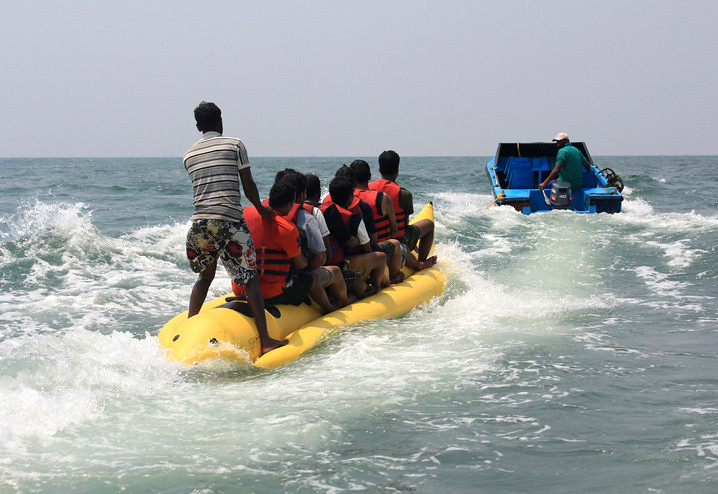
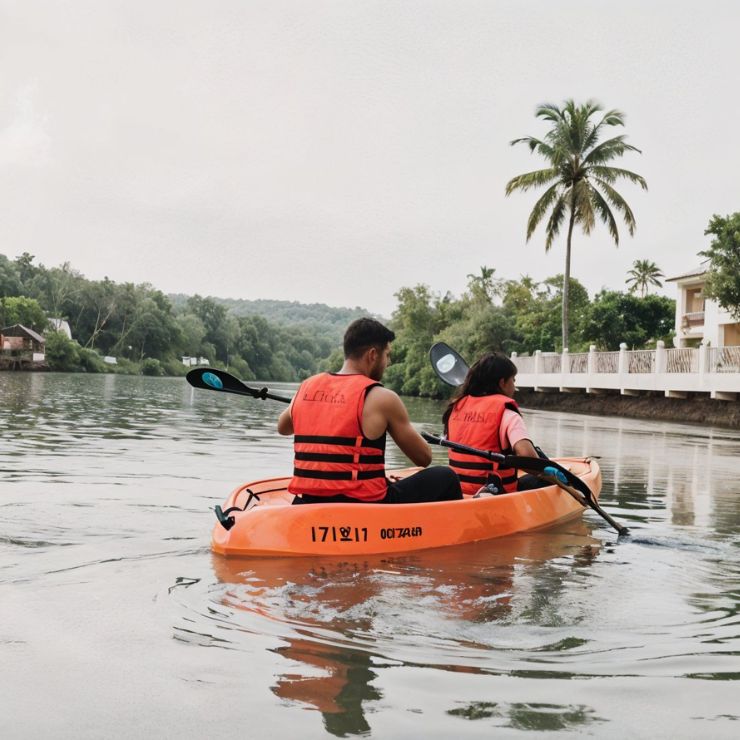
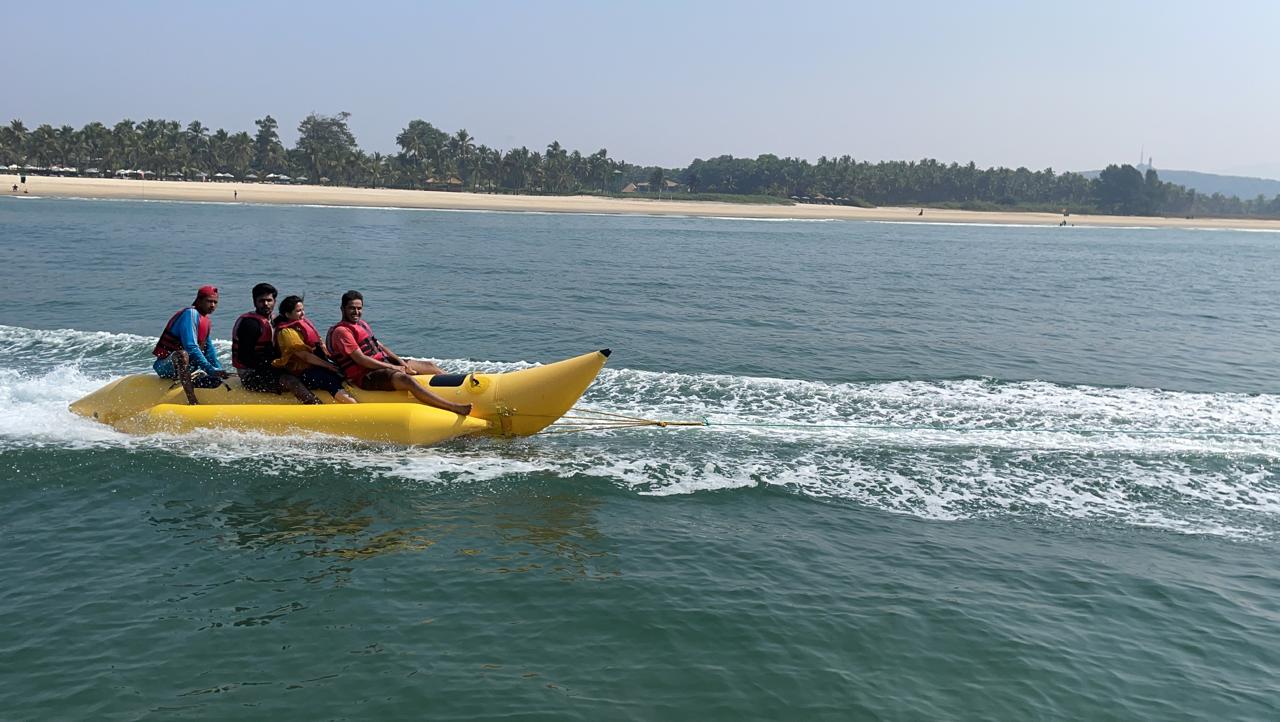
While Miramar Beach is not a primary hub for adrenaline-pumping water sports like Calangute or Baga, it offers a variety of activities that cater to families, couples, and solo travelers looking for a more grounded experience.
- Spectacular Sunsets: The primary activity at Miramar is watching the sunset. Because the beach faces west, it offers a clear view of the sun dipping into the Arabian Sea. The sky often turns shades of pink, orange, and purple, providing a perfect backdrop for photography.
- Long Coastal Walks: The two-kilometer stretch of sand is perfect for a long, meditative walk. The sand is firm enough near the waterline for easy walking. Many locals use the paved promenade for power walking or evening strolls.
- Dolphin Sighting Trips: Several local boat operators offer dolphin-spotting excursions that depart from the nearby jetties. These trips usually take you a few kilometers into the sea where you can spot playful Indo-Pacific humpback dolphins. These tours often include a view of the Aguada Lighthouse and the Millionaire’s Palace from the water.
- Visit the Goa Science Centre: Located right on the Miramar beachfront, the Goa Science Centre & Planetarium is a fantastic place for families with children. It features interactive science exhibits, a 3D theater, and a planetarium. It’s an educational and fun way to spend a couple of hours away from the sun.
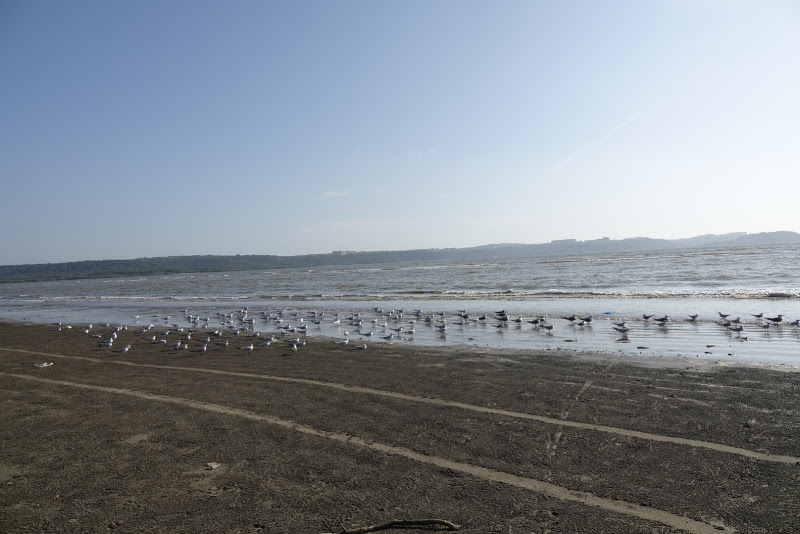
- Bird Watching: Due to its location at the mouth of the Mandovi River, Miramar attracts various species of coastal birds. During the early morning hours, you can spot Gulls, Plovers, and sometimes even Kingfishers near the estuary areas.
- Yoga and Meditation: The calm atmosphere of Miramar in the early morning (around 6:00 AM) makes it a preferred spot for yoga practitioners. Joining a local group or practicing solo on the sand as the sun rises is a rejuvenating experience.
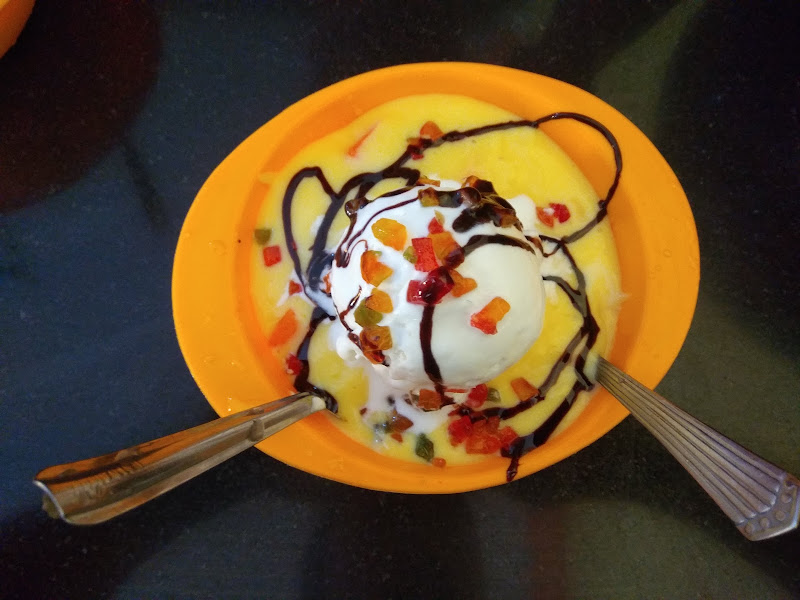
- Street Food Hopping: The entrance to Miramar Beach is famous for its street food stalls. You can indulge in local Goan-style Chaat, Shawarma, Gadbad Ice Cream, and fresh coconut water. It is a great way to experience the local flavors in a casual setting.
- Shopping at 18th June Road: Just a short drive or a long walk from the beach is the famous 18th June Road, Panaji's main shopping district. Here you can buy everything from traditional Goan cashews and feni to high-end clothing and handicrafts.
Nearby Attractions
Miramar’s location in the heart of the state makes it a perfect base for exploring some of Goa’s most iconic landmarks. Within a 5 to 10-kilometer radius, you can find historical, cultural, and natural attractions.
- Dona Paula Viewpoint: Located just 3 kilometers from Miramar, Dona Paula is one of Goa’s most famous tourist spots. Known for its tragic love legend and the "Image of India" statue, it offers a stunning view of the Marmugao Harbor. It is also a popular filming location for Bollywood movies.
- Fontainhas (The Latin Quarter): About 4 kilometers away lies Fontainhas, the oldest Latin Quarter in Asia. Walking through its narrow, winding lanes feels like stepping back in time to the Portuguese era. The houses are painted in vibrant blues, yellows, and reds, adorned with ornate balconies and traditional azulejos (tiles).
- Immaculate Conception Church: This iconic white church, located in the main Panaji square, is a masterpiece of Baroque architecture. Its zig-zagging staircases and the massive bell (the second largest in Goa) make it a must-visit.
- Kala Academy: Designed by the legendary architect Charles Correa, the Kala Academy is Goa’s premier cultural center. It is situated along the Mandovi River on the way to Miramar and hosts various art exhibitions, musical performances, and theater festivals.
- Reis Magos Fort: While it is across the river, you can see this fort from Miramar. A short drive across the Mandovi Bridge takes you to this beautifully restored fort that offers insights into Goa’s colonial defense history and incredible views of the Panaji coastline.
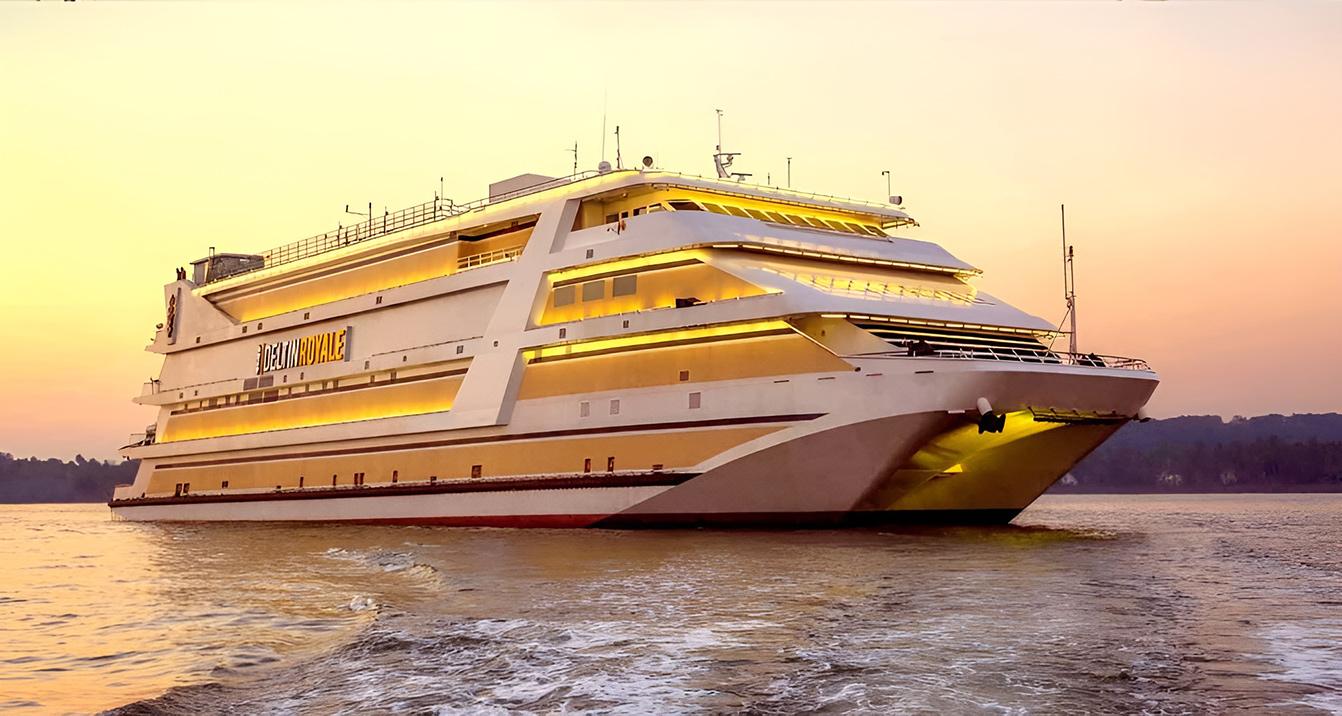
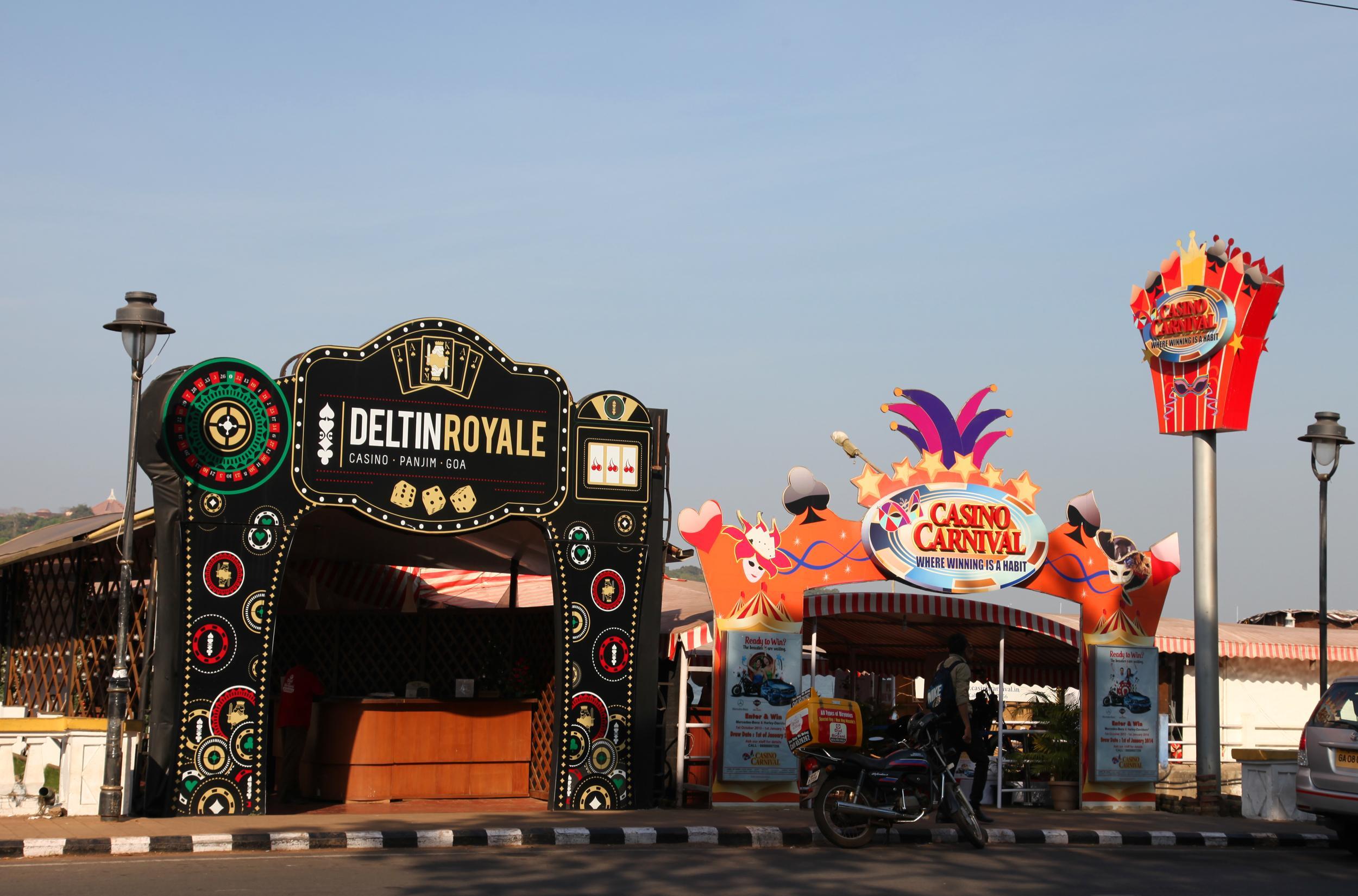
- Casino Row: For those interested in nightlife and gaming, the Mandovi River is home to several floating casinos like Deltin Royale and Majestic Pride. The jetties for these casinos are located just a few minutes from Miramar Beach.
- Altinho Hill: For a panoramic view of the city and the river, drive up to Altinho. It is an upscale residential area housing the Chief Minister’s residence and the Bishop’s Palace. The Maruti Temple at the top of the hill is also worth a visit for its striking orange architecture.
Accommodation Options
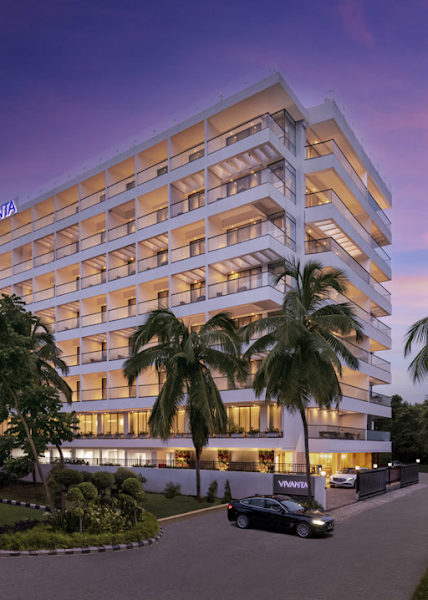
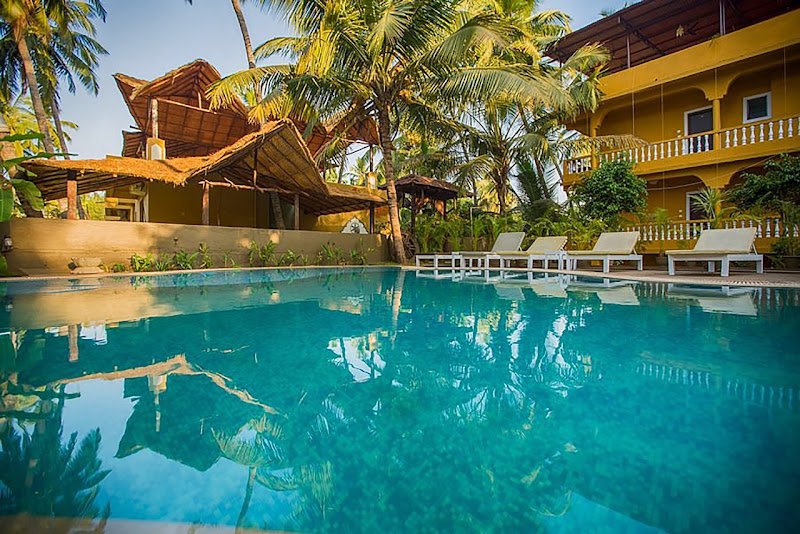
Miramar and the surrounding Panaji area offer a wide range of stay options, from ultra-luxury resorts to charming heritage guesthouses. Because it is a city beach, you have the advantage of being close to business centers while enjoying a coastal vibe.
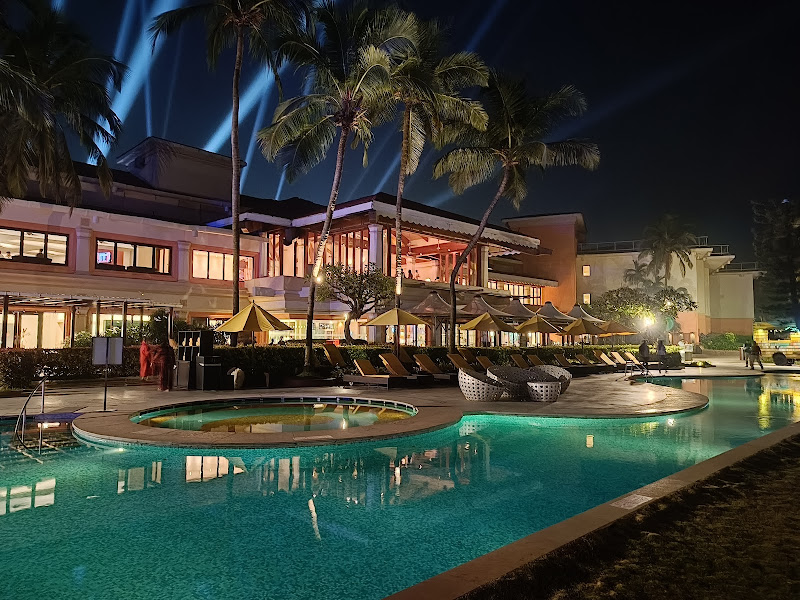
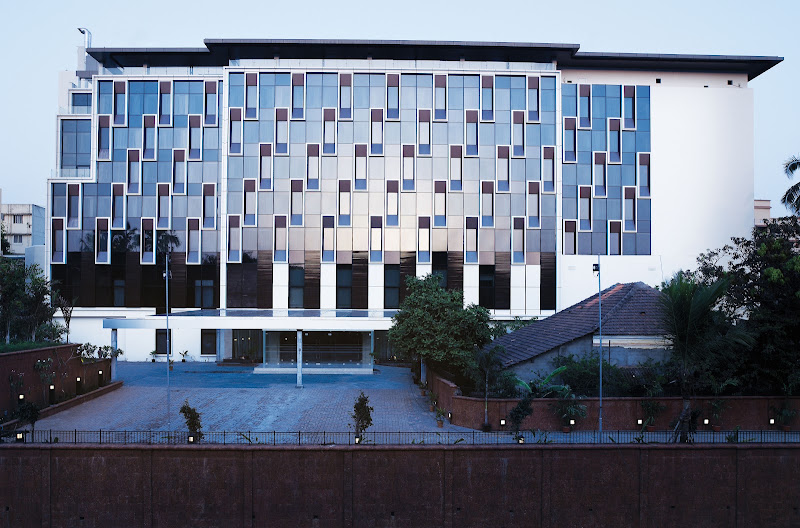
- Luxury Stays: The Goa Marriott Resort & Spa is the most prominent luxury property, located right at the edge of the beach. It offers world-class amenities, a stunning infinity pool, and direct access to the waterfront. Another excellent option is Fortune Miramar, which provides contemporary luxury and is located just a few hundred meters from the sand.
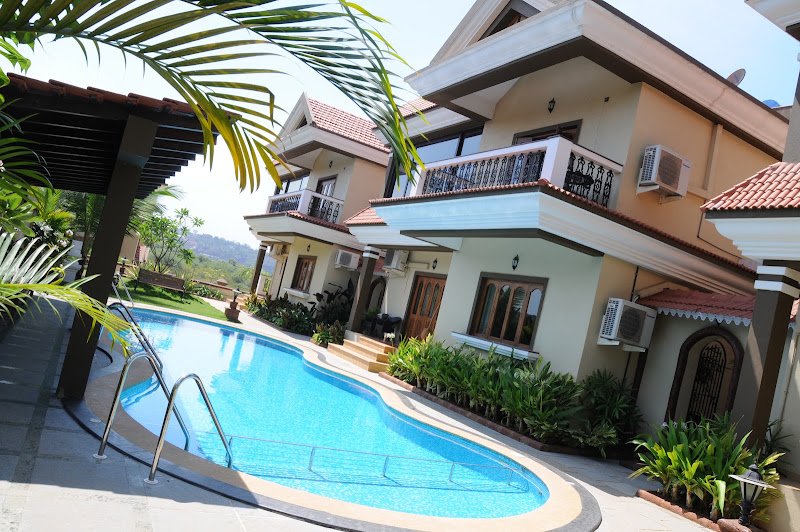
- Mid-Range Hotels: There are several reliable mid-range hotels like Hotel Solmar and Sandcastles Holiday Homes. These properties offer comfortable rooms, often with balconies, and are perfect for families who want to be close to the beach without the luxury price tag.
- Boutique and Heritage Stays: For a more cultural experience, look for heritage stays in the nearby Fontainhas or Campal areas. Places like The Postcard Velha or WelcomHeritage Panjim Inn offer a glimpse into Goa’s colonial past with antique furniture and personalized service.
- Budget Guesthouses: Panaji city has numerous budget-friendly lodges and guesthouses. These are popular with backpackers and long-term travelers who want to use the city as a hub to explore both North and South Goa.
- Apartment Rentals: With the rise of Airbnb, many locals in the Miramar-Dona Paula stretch offer serviced apartments. These are ideal for digital nomads or groups who prefer a kitchen and more living space.
Dining and Cafes
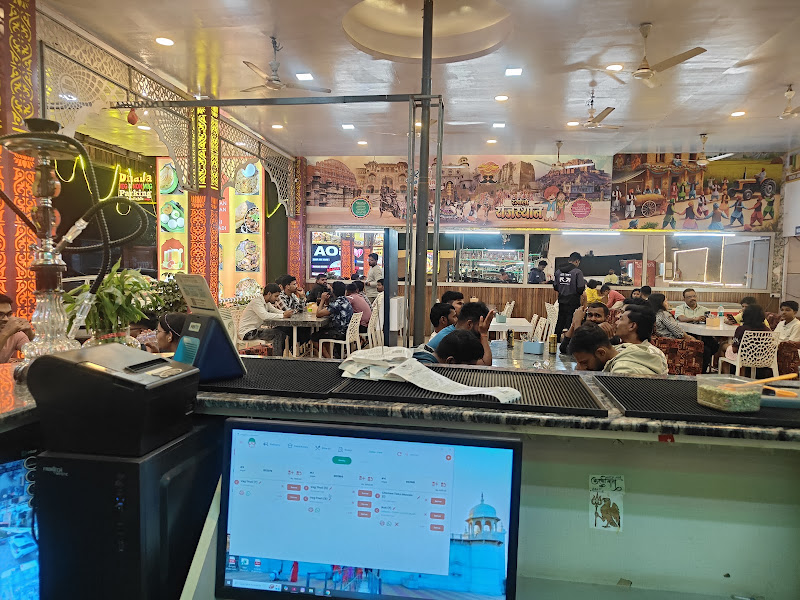
Goan cuisine is a highlight of any trip, and the area around Miramar Beach is a gastronomic delight. From authentic Saraswat Brahmin thalis to Portuguese-inspired seafood dishes, there is something for every palate.

- Mum’s Kitchen: Located very close to Miramar, this award-winning restaurant is dedicated to preserving traditional Goan recipes from different households across the state. Must-try dishes include the Prawn Curry, Pork Vindaloo, and Vegetable Caldin.
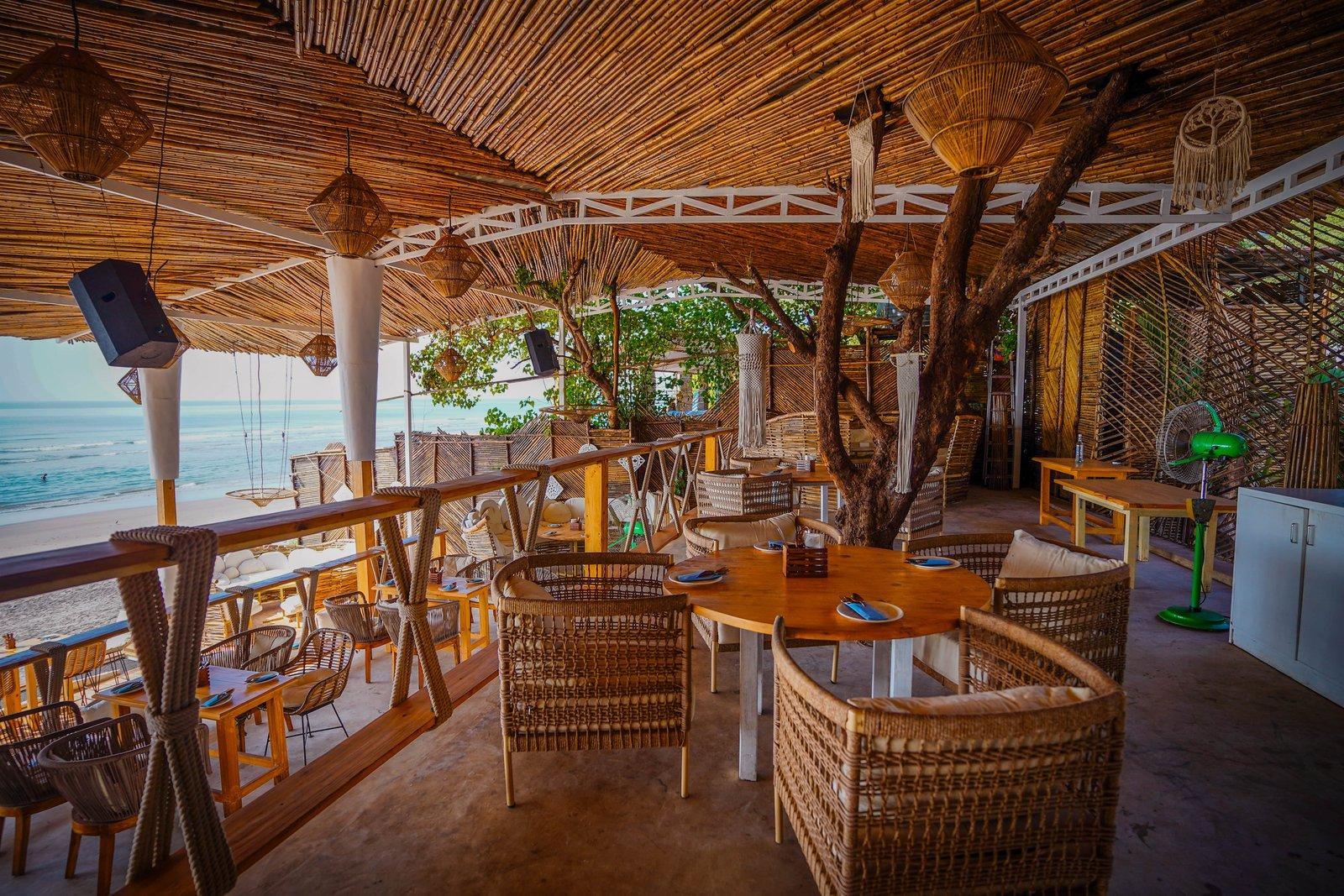
- The Fisherman’s Wharf: Situated on the Panaji riverside, this restaurant offers a great ambiance with live music and a massive menu of seafood. Their Kingfish Recheado and Lobster Thermidor are highly recommended.
- Ritz Classic: For the ultimate Goan Fish Thali, head to Ritz Classic in the heart of Panaji (a 10-minute drive). It is always packed with locals, which is the best endorsement for its quality and authenticity.
- Vinanti Restaurant: A local favorite for those looking for quick, delicious, and affordable Goan meals. Their seafood preparations are simple but packed with flavor.
- Cafe Bodega: Located in the Sunaparanta Centre for the Arts in Altinho, this is a beautiful garden cafe perfect for a lazy brunch. Their cakes, salads, and coffee are exceptional.
- Street Food at the Beach: Don't miss the Gadda (stalls) at the beach entrance in the evening. Try the Ross Omelette (an omelette dipped in spicy chicken gravy), which is a quintessential Goan street food staple.
- Black Sheep Bistro: For a more modern, fusion dining experience, this bistro in Panaji uses local ingredients to create global flavors. Their cocktails and small plates are innovative and delicious.
Travel Tips for Miramar Beach
To ensure a safe and enjoyable visit to Miramar Beach, keep these practical tips in mind:
- Swim with Caution: While the water looks inviting, be very careful about swimming, especially near the area where the Mandovi River meets the sea. The currents here can be unpredictable and strong. Always follow the instructions of the Drishti Lifeguards stationed on the beach.
- Sun Protection: The Goan sun can be harsh, even on cloudy days. Wear a high-SPF sunscreen, a wide-brimmed hat, and polarized sunglasses to protect yourself from UV rays.
- Stay Hydrated: Always carry a bottle of water. While there are many stalls selling coconut water and cold drinks, it’s best to have your own supply, especially if you plan on walking the full length of the beach.
- Respect the Environment: Miramar is an urban beach and sees high footfall. Please do not litter. Use the designated bins for plastic and food waste to help keep the "Silver Sands" clean.
- Dress Appropriately: While swimwear is acceptable on the sand, remember that Miramar is a city beach frequented by local families. If you plan to visit nearby religious sites like the Panaji Church or local markets, carry a sarong or a change of clothes to dress modestly.
- Parking: If you are driving a car, arrive early in the evening, especially on weekends. The parking lot fills up quickly, and finding a spot on the main road can be difficult.
- Beware of Touts: You might be approached by people selling boat trips or spice plantation tours. It is always better to book through established travel agencies or your hotel to ensure safety and fair pricing.
- Evening Safety: The beach is generally safe and well-lit, but it is always advisable to stay in the populated areas after dark and avoid the secluded stretches toward the river mouth.
Conclusion
Miramar Beach stands as a testament to Goa’s ability to balance urban development with natural splendor. It is a place where the city’s pulse slows down to the rhythm of the waves, offering a sanctuary for both locals and travelers. While it may not offer the secluded privacy of the south or the wild parties of the north, its charm lies in its accessibility, its wide-open vistas, and its deep connection to the daily life of Panaji. From the historical echoes of the Portuguese era to the modern-day vibrancy of the Goa Science Centre and the nearby Latin Quarter, a visit to Miramar is a journey through the many layers of Goan identity.
Whether you are visiting for a quick evening sunset, a family outing with children, or as a starting point for your Goan adventure, Miramar Beach leaves a lasting impression. Its "silver sands" and the sight of the Mandovi River merging with the Arabian Sea create a landscape that is both poetic and grounded. As you stand on the shore, watching the distant lights of the Aguada Fort flicker to life, you realize that Miramar is more than just a beach—it is the gateway to the heart of Goa. Make sure to include this urban gem in your itinerary to experience the perfect blend of Goan hospitality, history, and coastal beauty.