Birdwatching at Bondla Wildlife Sanctuary
per / person. Taxes & convenience fees might apply.
- Expert-led morning birding walk through moist deciduous forest trails.
- Opportunities to spot Western Ghats endemics like the Flame-throated Bulbul.
- Easy, low-impact walking terrain suitable for all ages and fitness levels.
- High probability of seeing Malabar Hornbills and Woodpeckers.
- Small group sizes ensuring a quiet and personalized nature experience.
About Birdwatching at Bondla Wildlife Sanctuary
Situated in the Ponda taluka of North Goa, Bondla Wildlife Sanctuary covers a compact area of just 8 square kilometers. While smaller than Bhagwan Mahavir or Cotigao, its size is its biggest advantage. The habitat is a mix of scrub jungle and deciduous forest, which means visibility is often better here than in the thicker evergreen forests of the Western Ghats. For travelers staying in North Goa beach belts like Calangute or Panjim, Bondla is the most practical destination for a morning birding excursion.
Why Travelers Choose Bondla for Birding
Many visitors choose Bondla because it offers a controlled yet wild environment. Unlike the deeper sanctuaries where you might hike for miles without a clear sighting, Bondla’s birds are often found right along the main access roads and the peripheral trails. It is particularly famous for spotting Western Ghats endemics and forest species that are otherwise shy. The presence of a small zoo and botanical garden within the same complex also makes it a versatile choice for families who want to combine birding with a general nature outing.
What to Expect During the Experience
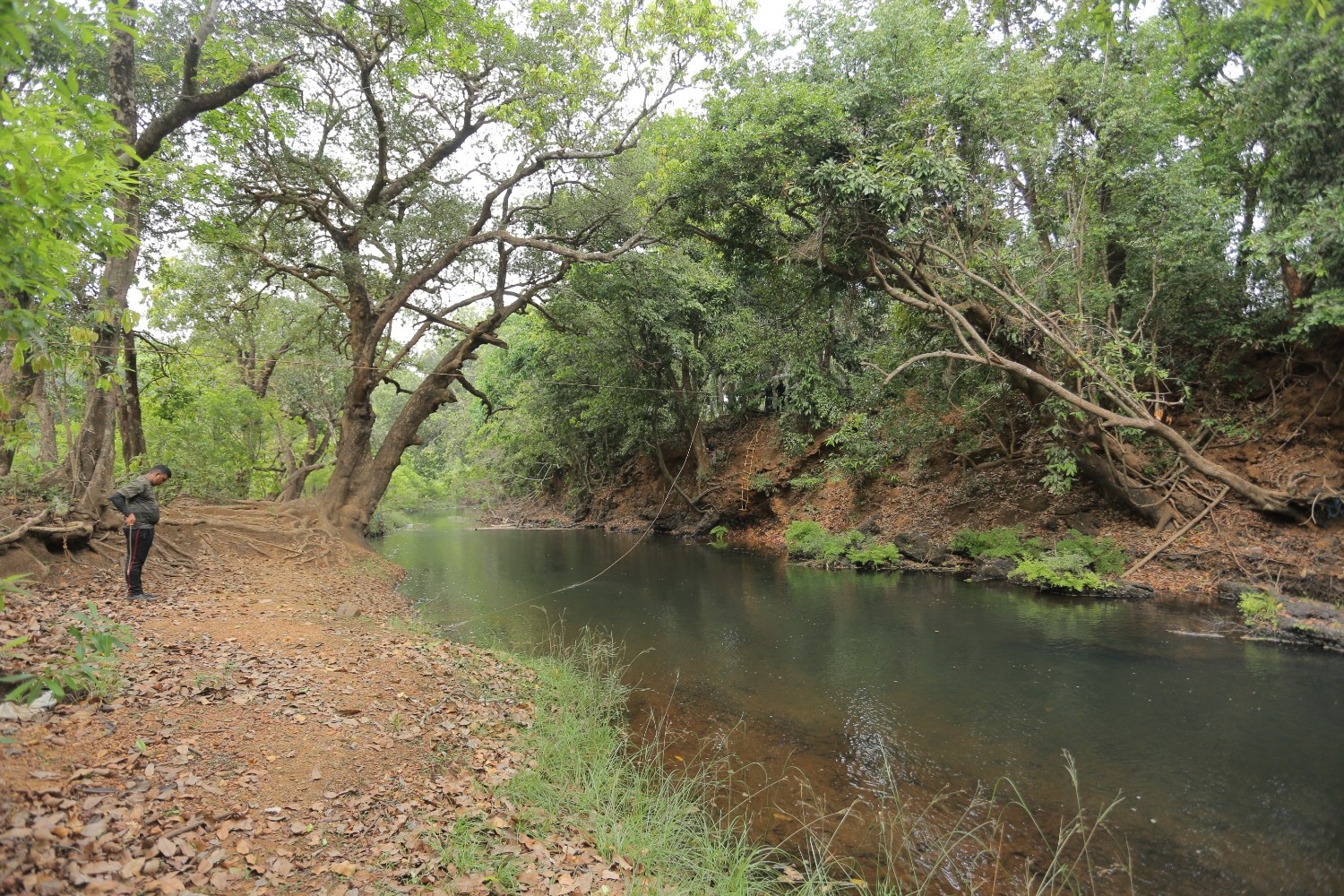
The activity typically begins at 6:30 AM at the sanctuary gate. Early arrival is critical because bird activity peaks in the first two hours after sunrise. You will be accompanied by a local naturalist or guide who understands the specific calls and nesting spots within the park. The walk is generally flat and easy, following the paved roads and well-trodden forest paths. You can expect to spend about 3 to 4 hours exploring different micro-habitats, including the areas near the Rangado river and the bamboo thickets where specific species like the Ceylon Frogmouth are known to roost.
Key Bird Species to Spot
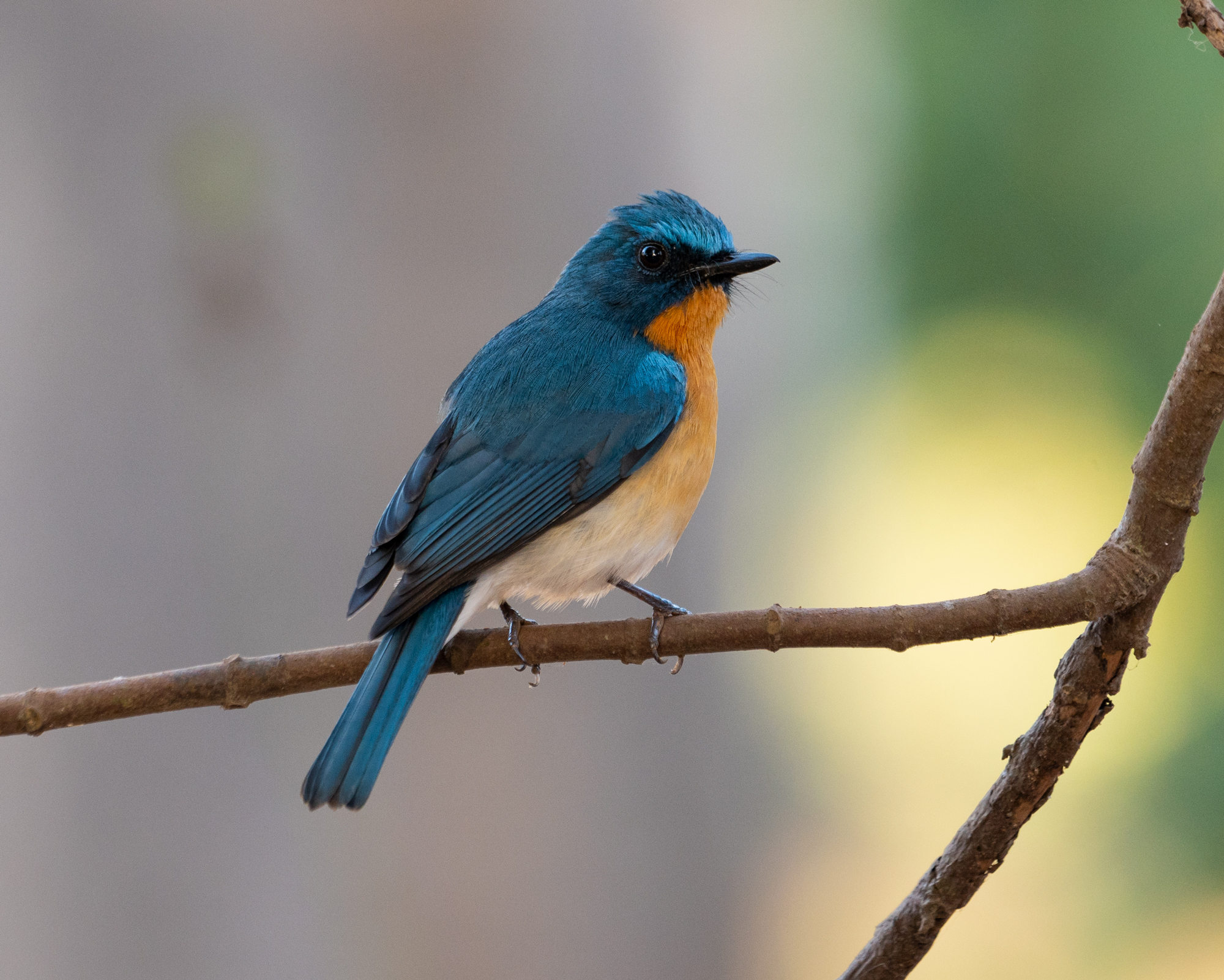
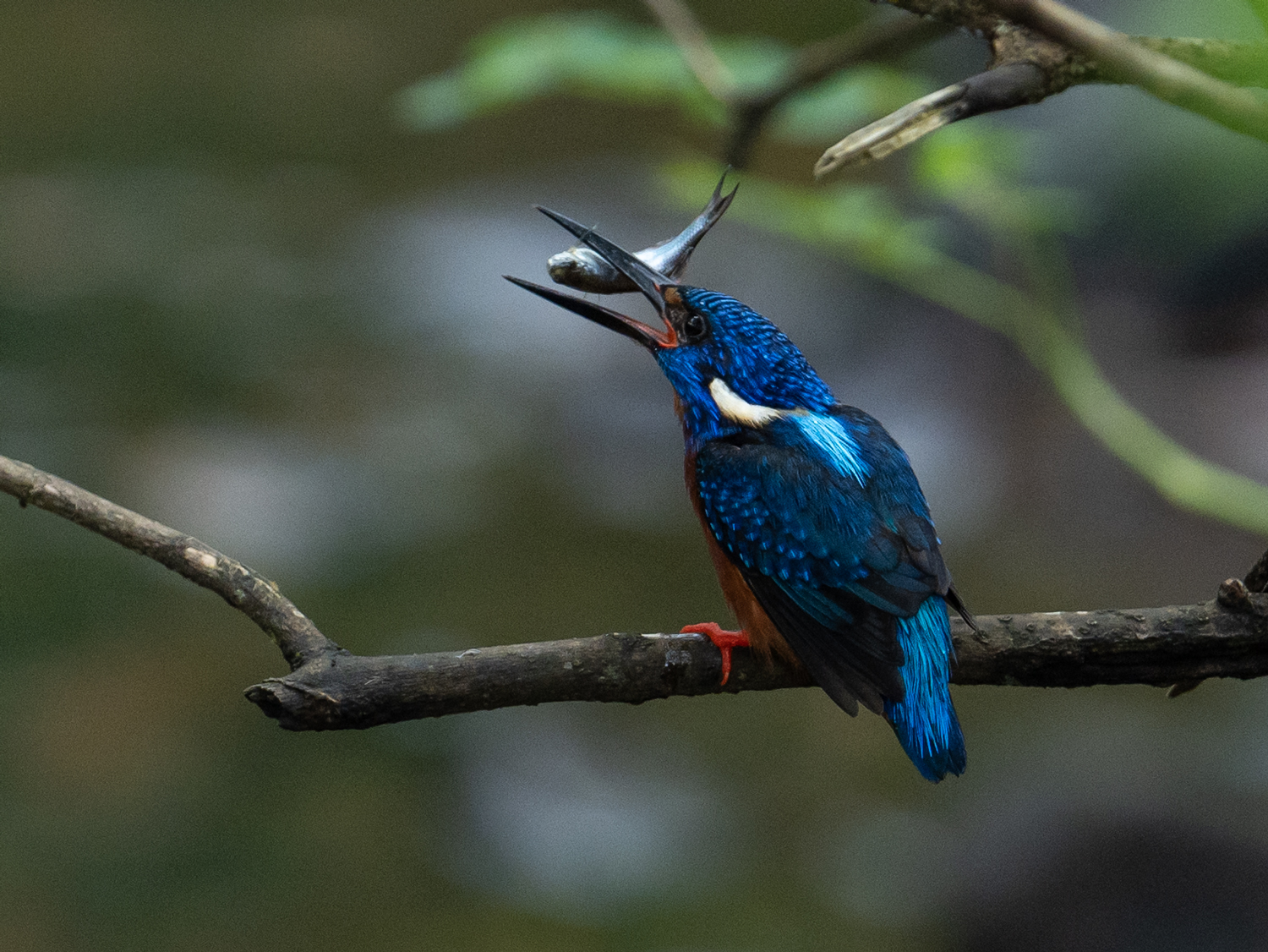
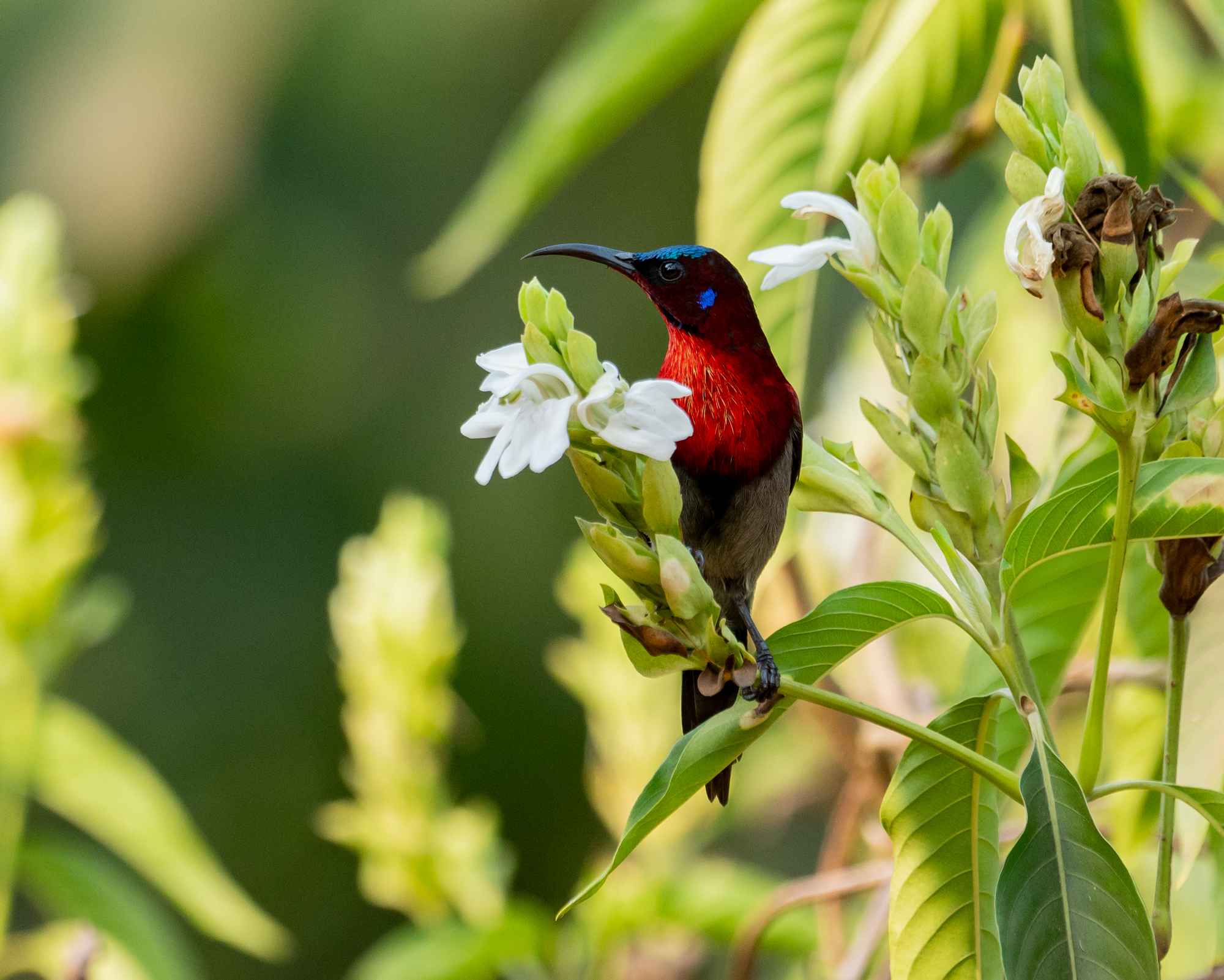
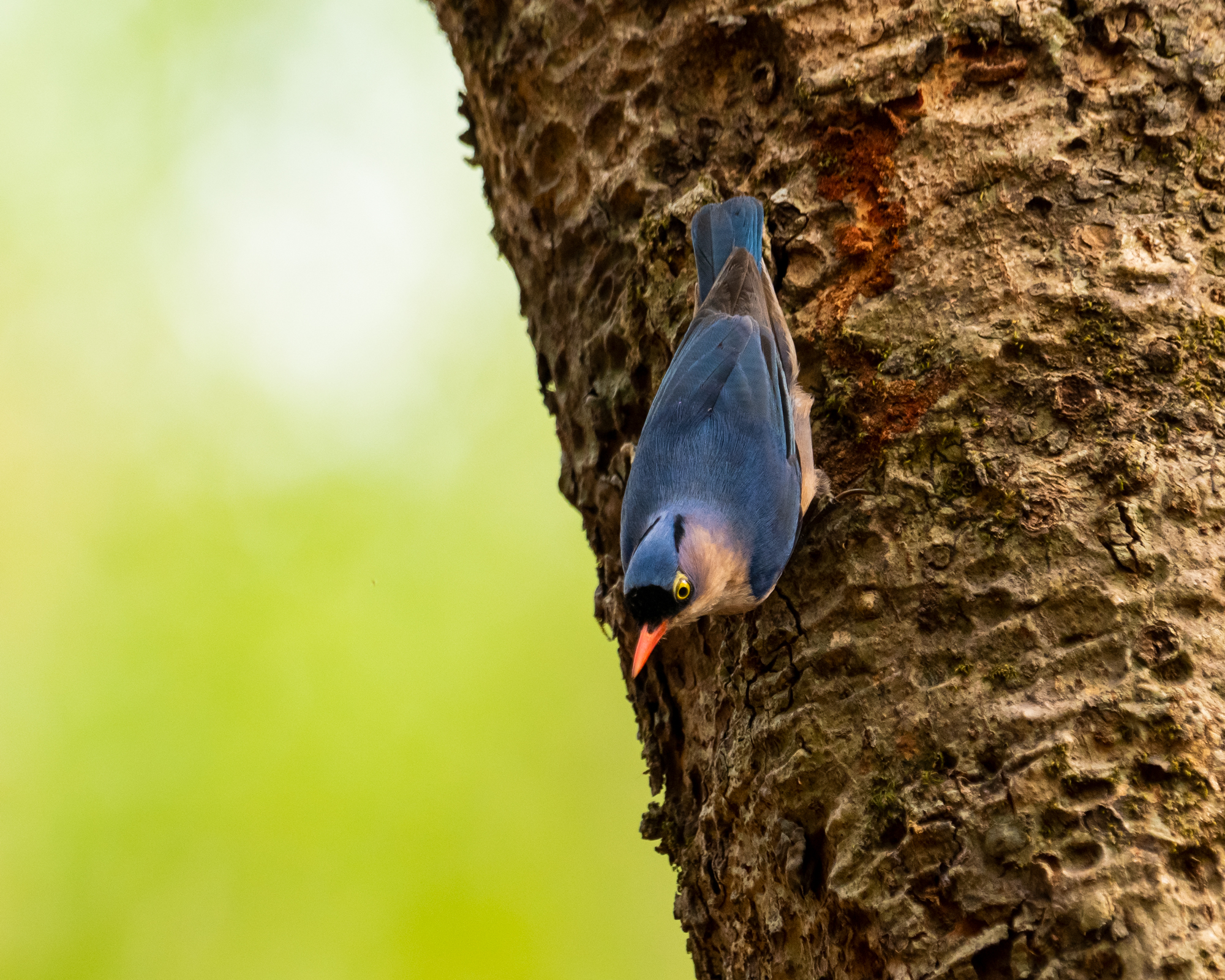
Bondla is a haven for several iconic Goan birds. Keep your binoculars ready for the Flame-throated Bulbul (the state bird of Goa), which is frequently seen in the canopy. Other common sightings include the Malabar Whistling Thrush, known for its human-like whistling call, and the Oriental Dwarf Kingfisher during the monsoon and post-monsoon months. You may also spot the Heart-spotted Woodpecker, Velvet-fronted Nuthatch, and the Spangled Drongo. For many, the highlight is catching a glimpse of the elusive Malabar Trogon or the Great Hornbill.
Difficulty Level and Terrain
This is considered an easy-level activity. The terrain at Bondla is mostly flat with very gentle inclines. Unlike the steep climbs found in Netravali or Mollem, the trails here are accessible to people of all fitness levels, including senior citizens and young children. The paths are wide and well-maintained, reducing the risk of tripping or getting lost in thick undergrowth.
Best Time to Visit
The prime season for birdwatching in Bondla is from October to March. During these months, the weather is pleasant, and the resident population is bolstered by migratory birds. Winter mornings are particularly productive as birds are active for longer periods before the sun gets too hot. If you are interested in forest kingfishers or specific amphibians, the monsoon season (June to September) offers a different perspective, though you must be prepared for rain and leeches on the forest floor.
Is it Suitable for Beginners?
Yes, Bondla is perhaps the best place in Goa for beginners to start birding. Because the birds are relatively accustomed to human presence near the roads, they are easier to observe and photograph than in more remote areas. A guided tour is highly recommended for beginners, as the guide will provide a spotting scope and help identify species that would otherwise be missed by an untrained eye.
Safety and Forest Etiquette
While Bondla is a safe environment, it is a protected forest area. Visitors are expected to follow basic forest etiquette:
- Maintain absolute silence to avoid scaring away the birds.
- Do not wear bright colors; stick to earth tones like olive green, brown, or beige.
- Never feed the wildlife or the animals in the nearby zoo.
- Stay on the designated trails to protect the forest floor and avoid snake encounters.
- Flash photography is strictly prohibited as it disturbs the birds.
Practical Information for Travelers
What to Wear and Carry
Wear comfortable, closed-toe walking shoes or sneakers. Sandals are not recommended as you may occasionally step into leaf litter. Carry a light jacket during winter mornings as it can be surprisingly chilly under the forest canopy. Essential items include a reusable water bottle, a hat, and insect repellent. If you have your own binoculars, bring them; otherwise, check if your tour provider includes them in the booking.
Transport and Parking
Bondla is approximately 50 km from Panjim and 40 km from Margao. There is ample parking space near the entrance and the canteen area. Since the tour starts early, public transport is not a viable option. It is best to hire a private taxi or use a self-drive vehicle. Be aware that mobile network coverage is extremely poor inside the sanctuary, so arrange your return transport in advance.
Important Booking Information
Entry fees for the sanctuary are nominal (usually between ₹20 and ₹50), but there are additional charges for cameras. If you are booking a guided tour, ensure it includes the naturalist fee and the entry tickets. Most guided walks are limited to small groups of 4-6 people to ensure a quality experience and minimal disturbance to the environment.
Nearby Attractions
After your birding session ends around 10:00 AM, you can explore the Bondla Zoo, which houses leopards, sloth bears, and crocodiles in relatively large enclosures. There is also a Botanical Garden and a small deer park. For those interested in religious architecture, the famous temples of Ponda, such as Mangueshi and Shanta Durga, are located about 30-40 minutes away on the drive back toward the coastal belt.
- Sanctuary entry fees
- Professional birding guide/naturalist
- Use of spotting scope
- Bird checklist
- Hotel pickup and drop-off
- Camera fees (payable at the gate)
- Breakfast and bottled water
- Personal binoculars
Have questions about this activity?
Chat with our local experts for instant help and best deals!