Forest and River Trek in Sangod, North Goa
per / person. Taxes & convenience fees might apply.
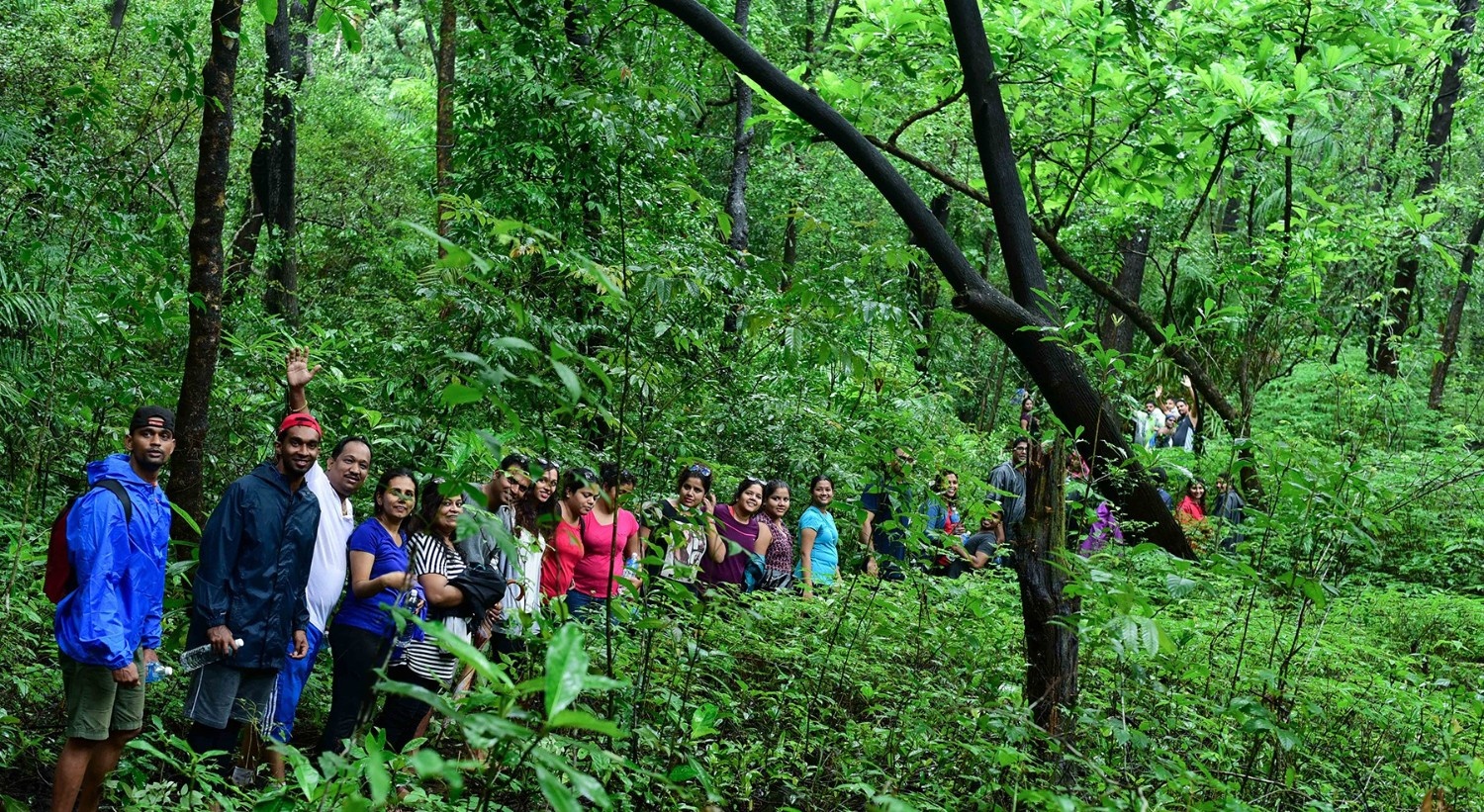
- Guided 6km trek through the Western Ghats foothills.
- Scenic walk along the banks of the Mhadei River.
- Opportunity to spot the Malabar Giant Squirrel and diverse birdlife.
- Natural river pool session for a refreshing swim.
- Small group experience with a local naturalist guide.
An Introduction to the Sangod Forest and River Trail
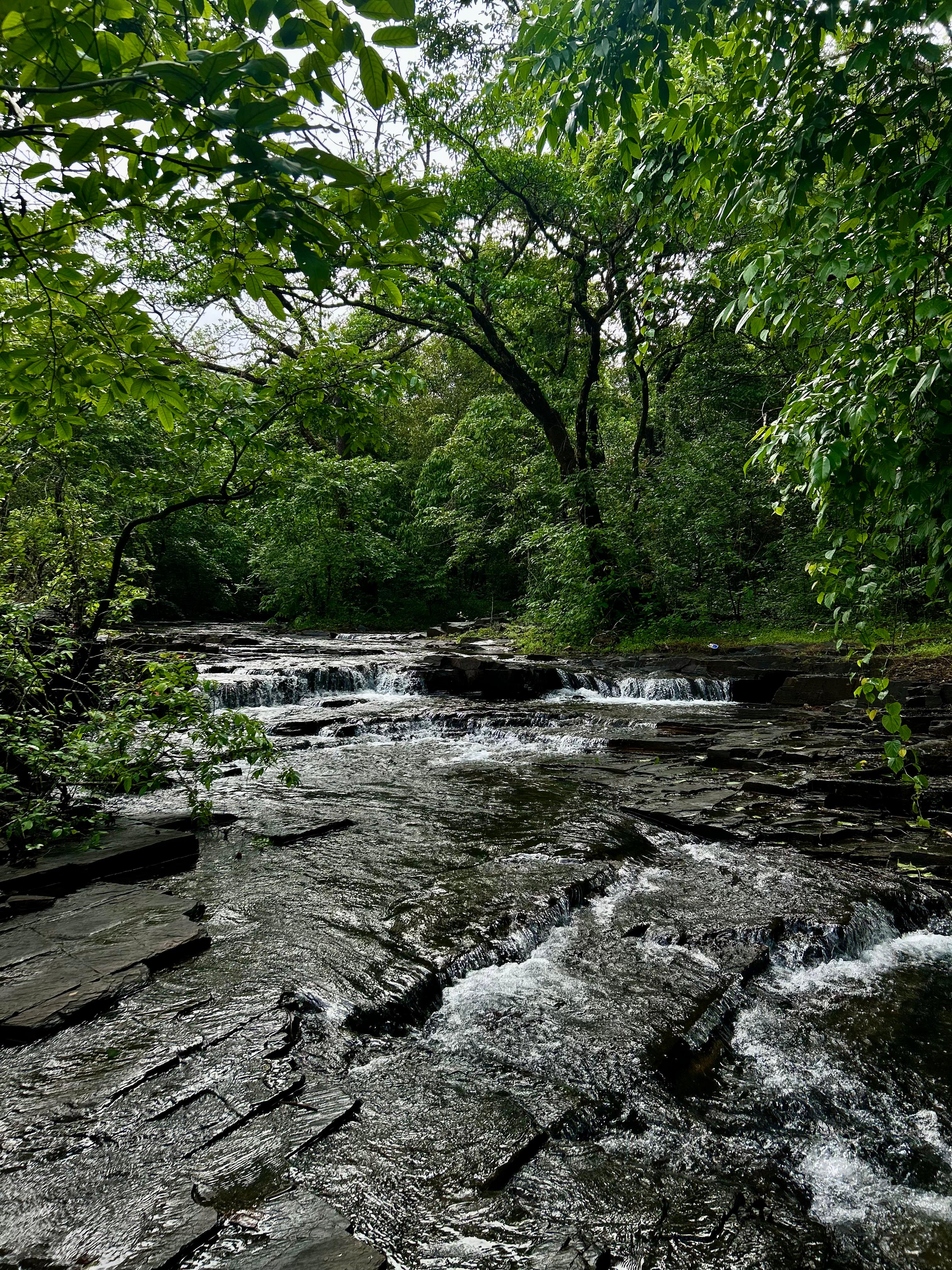
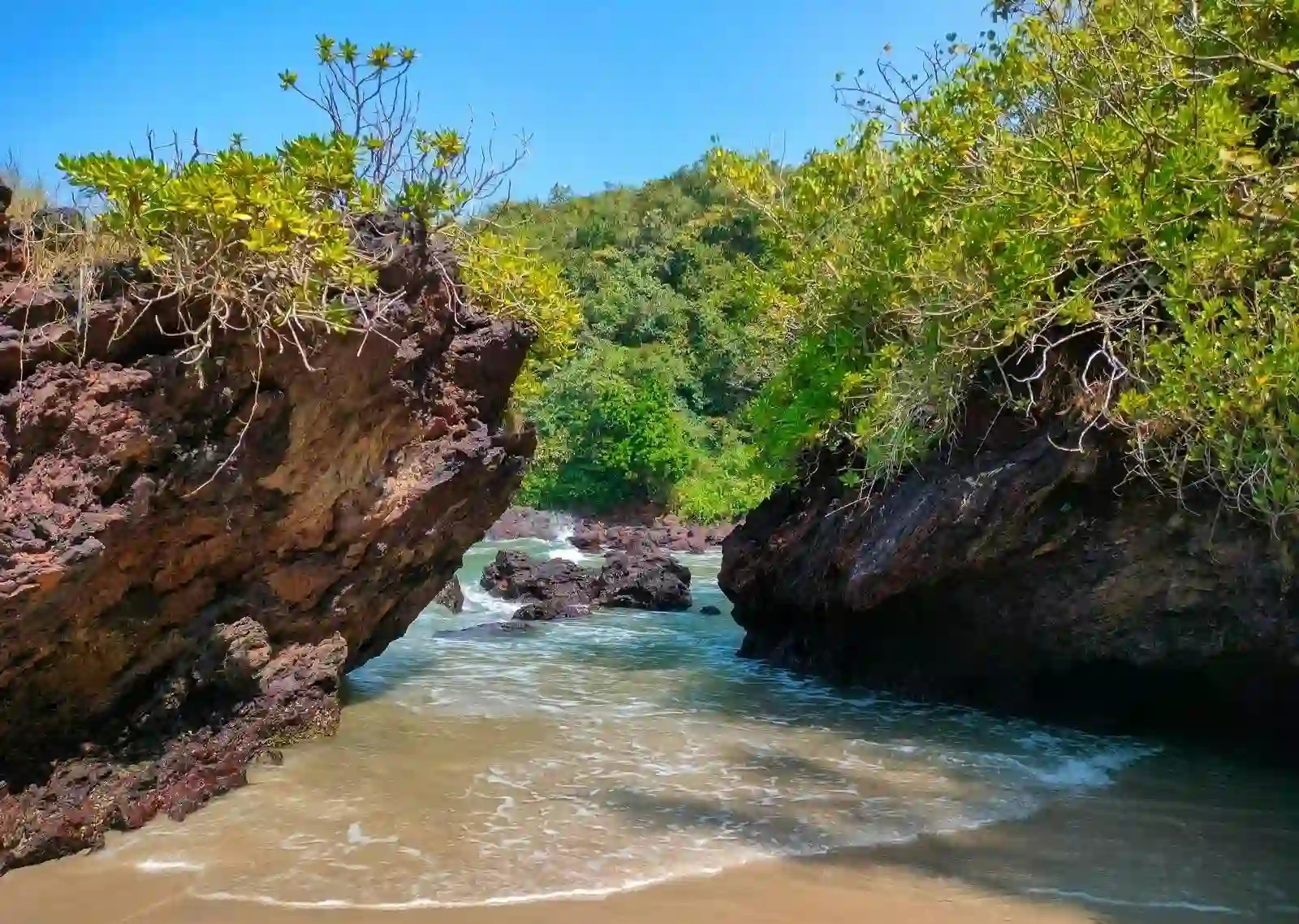
Located in the Sattari region of North Goa, the Sangod Forest and River Trail is a stark contrast to the commercial hubs of Calangute or Baga. This area serves as a gateway to the Mhadei Wildlife Sanctuary, characterized by dense tropical forests and the life-giving Mhadei River. The trail is approximately 6 kilometers long and is designed to provide a comprehensive look at the local ecosystem over the course of four hours.
This trek is not just a walk in the woods; it is a curated experience led by local naturalist guides who understand the seasonal changes of the forest. Whether you are an avid birdwatcher, a photography enthusiast, or simply someone looking for a physical challenge in a natural setting, this trail offers a balanced mix of forest hiking and riverside exploration.
Why Travelers Choose This Activity
Many visitors to Goa find themselves overwhelmed by the crowds. The Sangod trail is chosen specifically for its seclusion and ecological richness. Unlike the popular Dudhsagar falls trek, which can feel crowded, this trail offers a more private experience. Key reasons to book include:
- Diverse Landscapes: You experience two distinct environments—the dry deciduous forest and the riparian ecosystem of the riverbank.
- Wildlife Spotting: The area is home to the Malabar Giant Squirrel, various species of hornbills, and a plethora of butterflies.
- Physical Activity: It provides a moderate workout that is more engaging than a standard sightseeing tour.
- Local Insight: Guides share knowledge about medicinal plants, local folklore, and the importance of the Mhadei River to Goa’s water security.
What to Expect During the Trek
The Forest Phase
The journey begins with a briefing at the trailhead in Sangod. The first leg of the trek involves ascending through secondary forest growth. You will walk over laterite rocks and through thickets of bamboo and teak trees. This section requires a bit of stamina as there are gradual inclines. Your guide will point out animal tracks—often from wild boars or small deer—and identify the calls of the Malabar Whistling Thrush.
The Riverside Walk
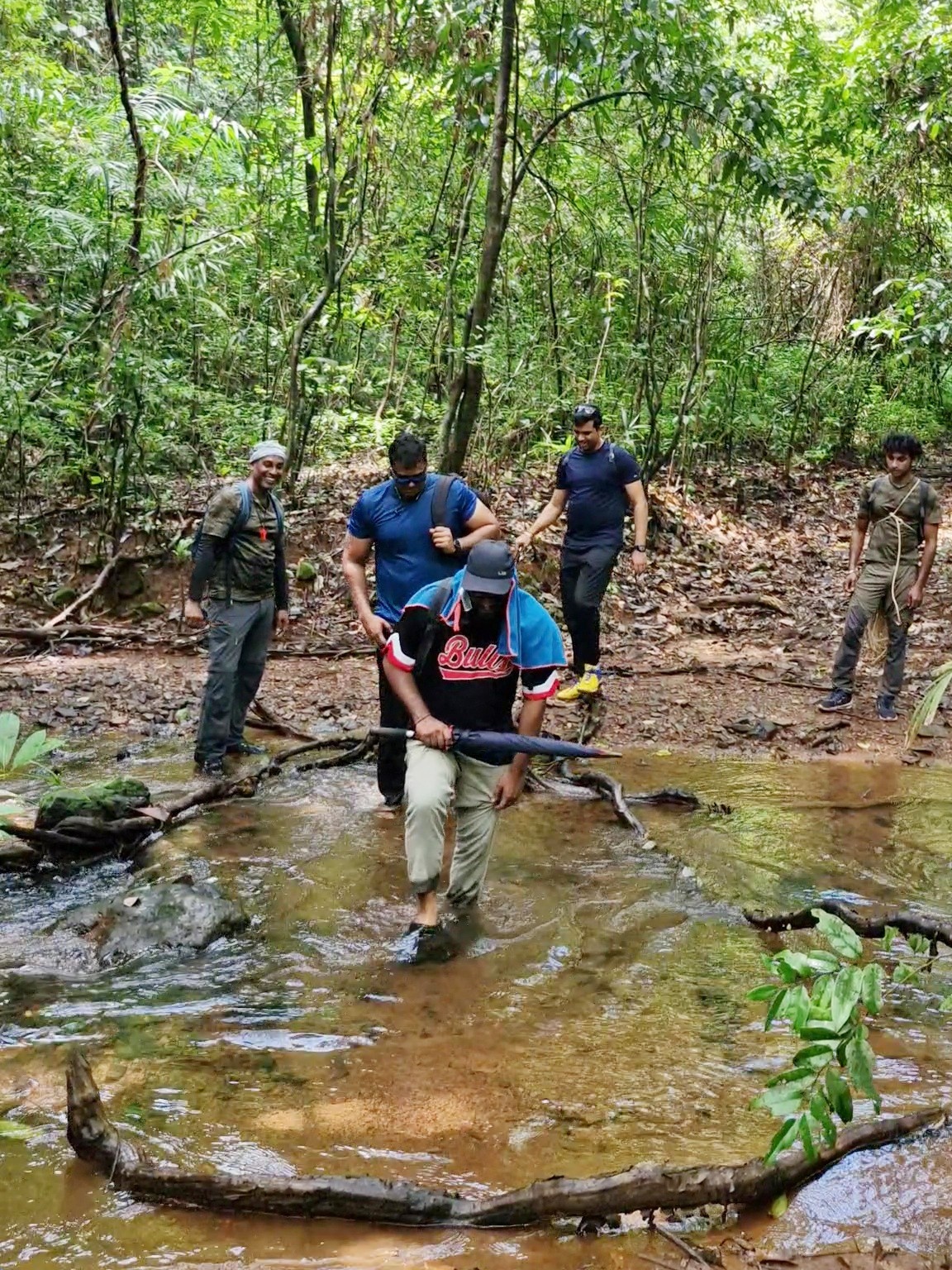
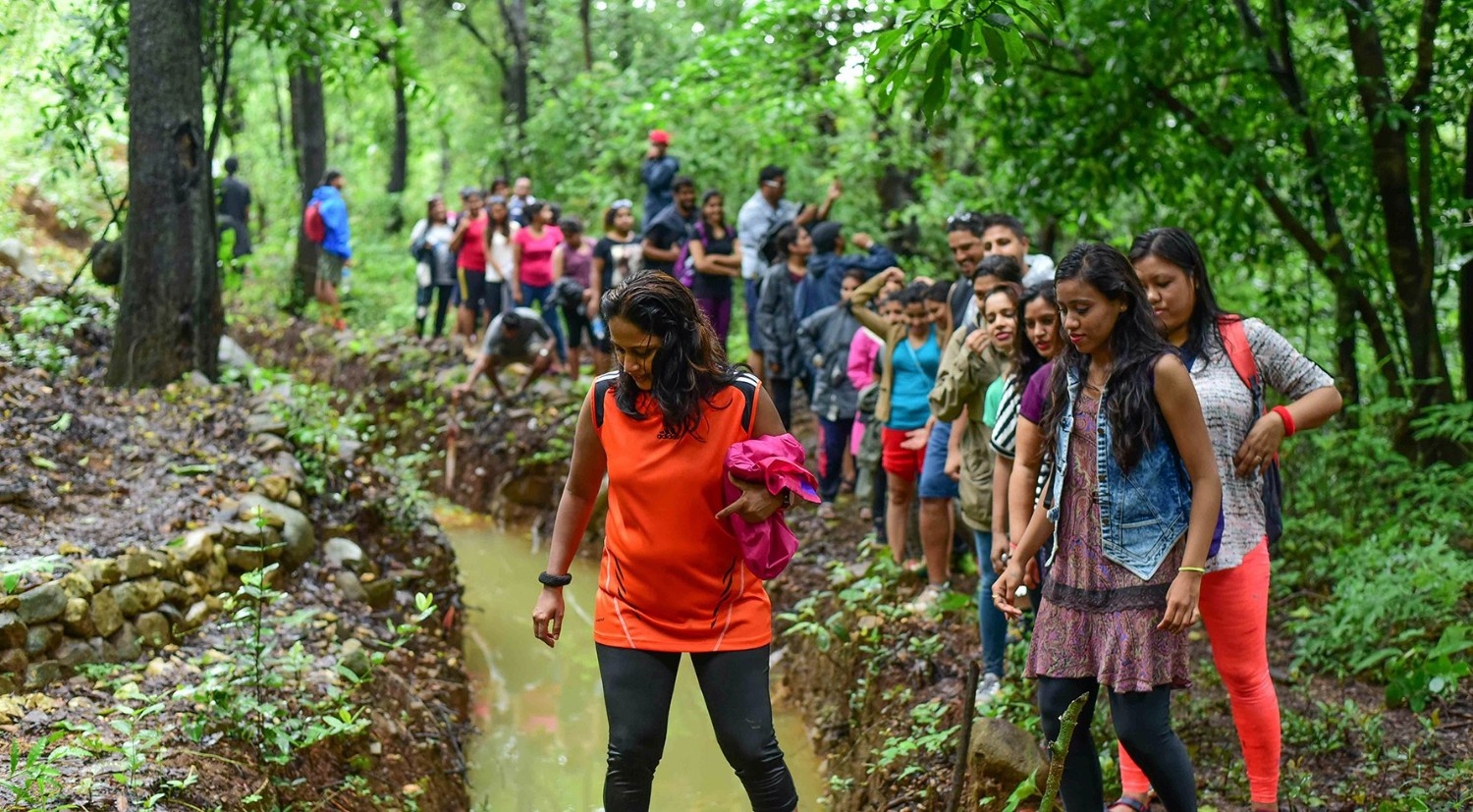
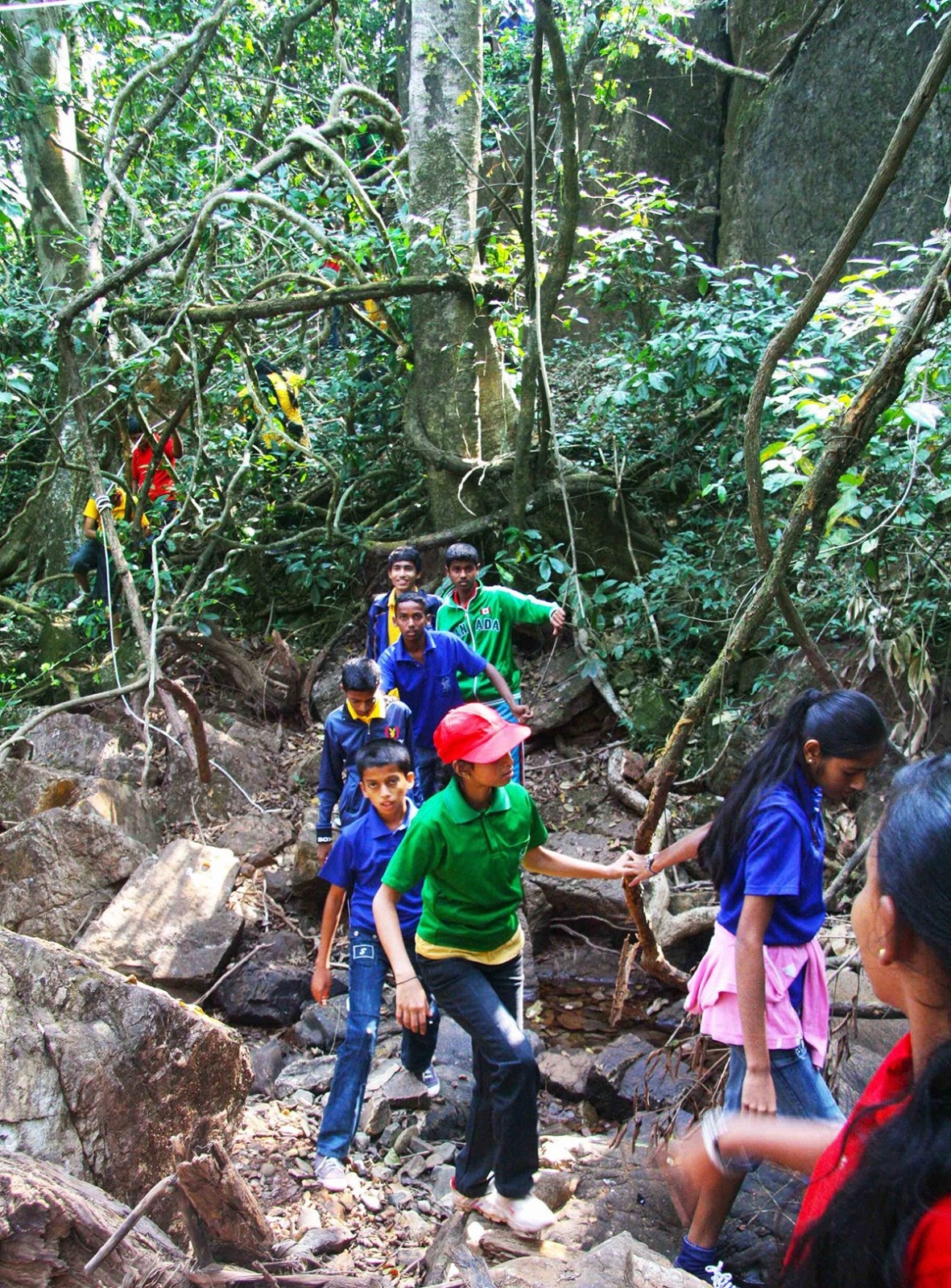
As the trail descends, the air becomes noticeably cooler and more humid. You will reach the banks of the Mhadei River. The path here is narrower and follows the winding course of the water. This is the best time for photography, as the sunlight filters through the canopy and reflects off the river. You may need to cross small streams or navigate over smooth river stones, which adds a bit of adventure to the walk.
The Natural Pool and Swim
The highlight for many is the arrival at a natural river pool. Fed by a small seasonal waterfall or spring, this pool offers clean, cool water perfect for a mid-trek break. You will have approximately 30-45 minutes here to swim, relax on the rocks, and enjoy a light packed snack provided by the team. The water depth varies but usually features shallow areas for wading and deeper sections (up to 8 feet) for swimming.
Difficulty Level and Fitness Requirements
The Sangod Forest and River Trail is classified as Moderate. While it does not require professional mountaineering skills, it does involve 3 to 4 hours of active movement. Participants should be comfortable walking on uneven terrain, navigating slippery rocks near the water, and handling occasional steep sections. It is suitable for children above the age of 8 and adults with a basic level of fitness. It is not recommended for individuals with chronic knee issues or severe respiratory conditions.
Safety and Professional Guidance
Safety is a priority on this trail. The forest can be disorienting for those unfamiliar with the terrain, which is why a guide is mandatory. Our guides are equipped with first-aid kits and have local knowledge of the quickest exit routes if needed. During the monsoon transition (October), the guides also provide leech socks if the forest floor is particularly damp. We maintain a strict 'Leave No Trace' policy to ensure the forest remains pristine.
Best Time to Visit
The timing of your visit significantly changes the experience:
- October to February (Peak Season): The weather is pleasant, the forest is still lush from the rains, and the river water is crystal clear. This is the best time for birdwatching.
- March to May (Summer): The forest is drier, making it easier to spot larger mammals as they move toward the river for water. The swim in the river pool is particularly refreshing during these months.
- Monsoon Note: While the forest is stunningly green during the rains (June to September), the river current can become too strong for swimming, and the trails can be very slippery. We often run a modified version of the trail during this time focusing more on the forest than the river crossing.
What to Wear and Carry
Proper preparation will make your trek much more enjoyable. We recommend the following:
- Footwear: Sturdy trekking shoes or trail runners with good grip. Avoid flip-flops or flat-soled sneakers.
- Clothing: Lightweight, moisture-wicking fabrics are best. Long trousers are highly recommended to protect against thorny bushes and insects.
- Swimwear: Carry a swimsuit and a quick-dry towel if you plan to enter the river pool.
- Sun Protection: A hat and eco-friendly sunscreen.
- Water: While we provide some water, carrying your own 1-liter reusable bottle is advised.
Location and How to Reach
The activity starts in Sangod, North Goa, which is roughly 50-60 km from the coastal belt of Calangute and Baga. The drive takes approximately 1.5 to 2 hours depending on traffic. There is no reliable public transport to this interior location. We recommend hiring a private taxi for the day or using a self-drive vehicle. Parking is available near the meeting point. For those staying in Panjim, the drive is slightly shorter, roughly 1 hour and 15 minutes.
Nearby Attractions
If you wish to make a full day of your trip to the Sattari region, consider visiting these nearby spots after your trek:
- Tambdi Surla Temple: A 12th-century Shaivite temple made of basalt, located about 30 minutes away.
- Harvalem Waterfalls: A scenic waterfall and ancient rock-cut caves located on the way back toward the coast.
- Bondla Wildlife Sanctuary: A small, family-friendly park featuring a zoo and botanical gardens.
- Guided 6km forest and river trek
- Local naturalist guide (English/Hindi speaking)
- Light packed snacks and juice
- First aid support during the activity
- Leech socks (seasonal)
- Hotel pickup and drop-off
- Heavy lunch
- Personal expenses and tips
- Insect repellent and sunscreen
Have questions about this activity?
Chat with our local experts for instant help and best deals!