Wilderness Plateau & Cave Hike in North Goa
per / person. Taxes & convenience fees might apply.
- Guided exploration of the unique laterite plateau ecosystem.
- Visit a mysterious hidden cave with local historical legends.
- See ancient stone ruins and traditional water cisterns.
- Identify seasonal wildflowers and endemic bird species.
- Enjoy panoramic views of the North Goa wilderness away from the crowds.
Understanding the North Goa Wilderness Hike
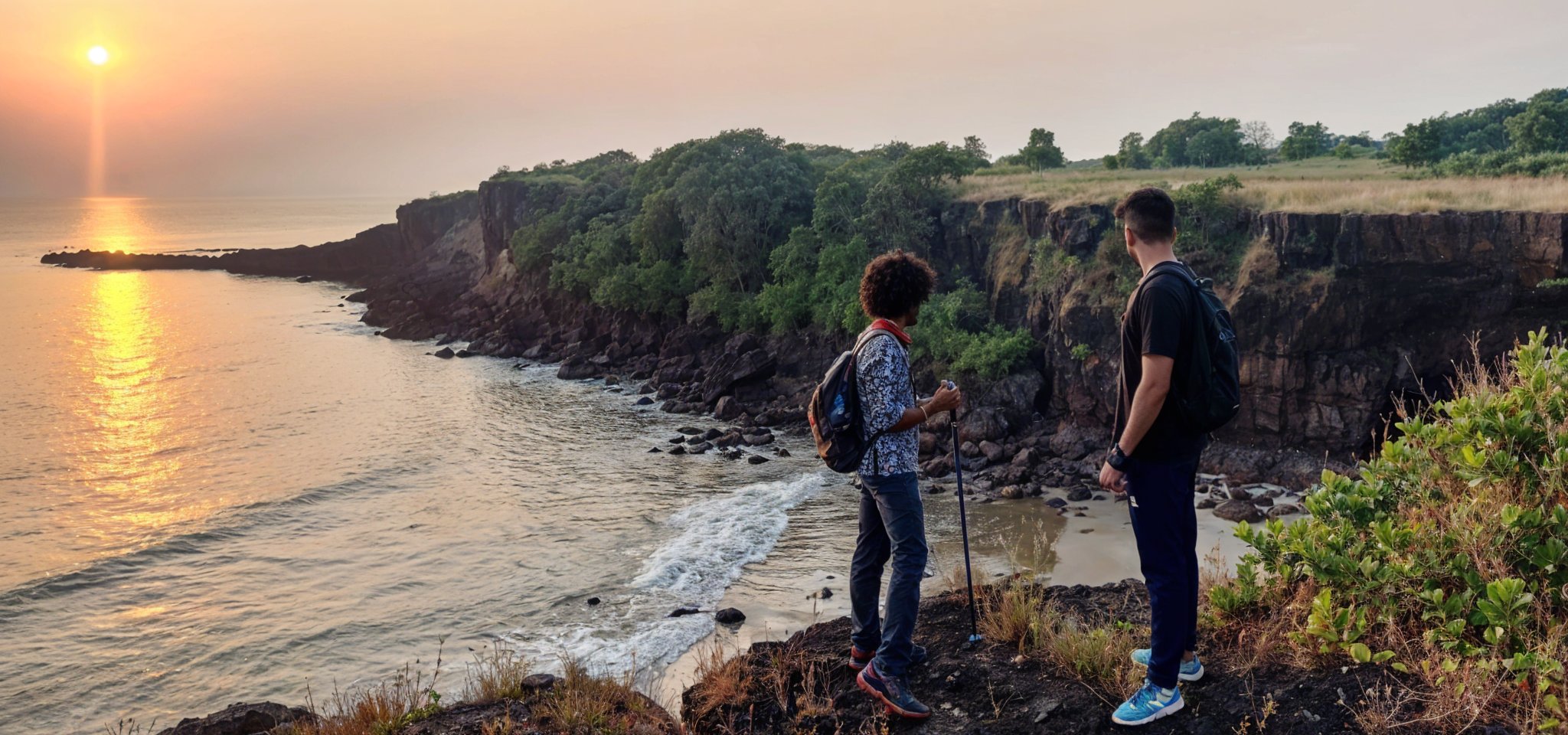
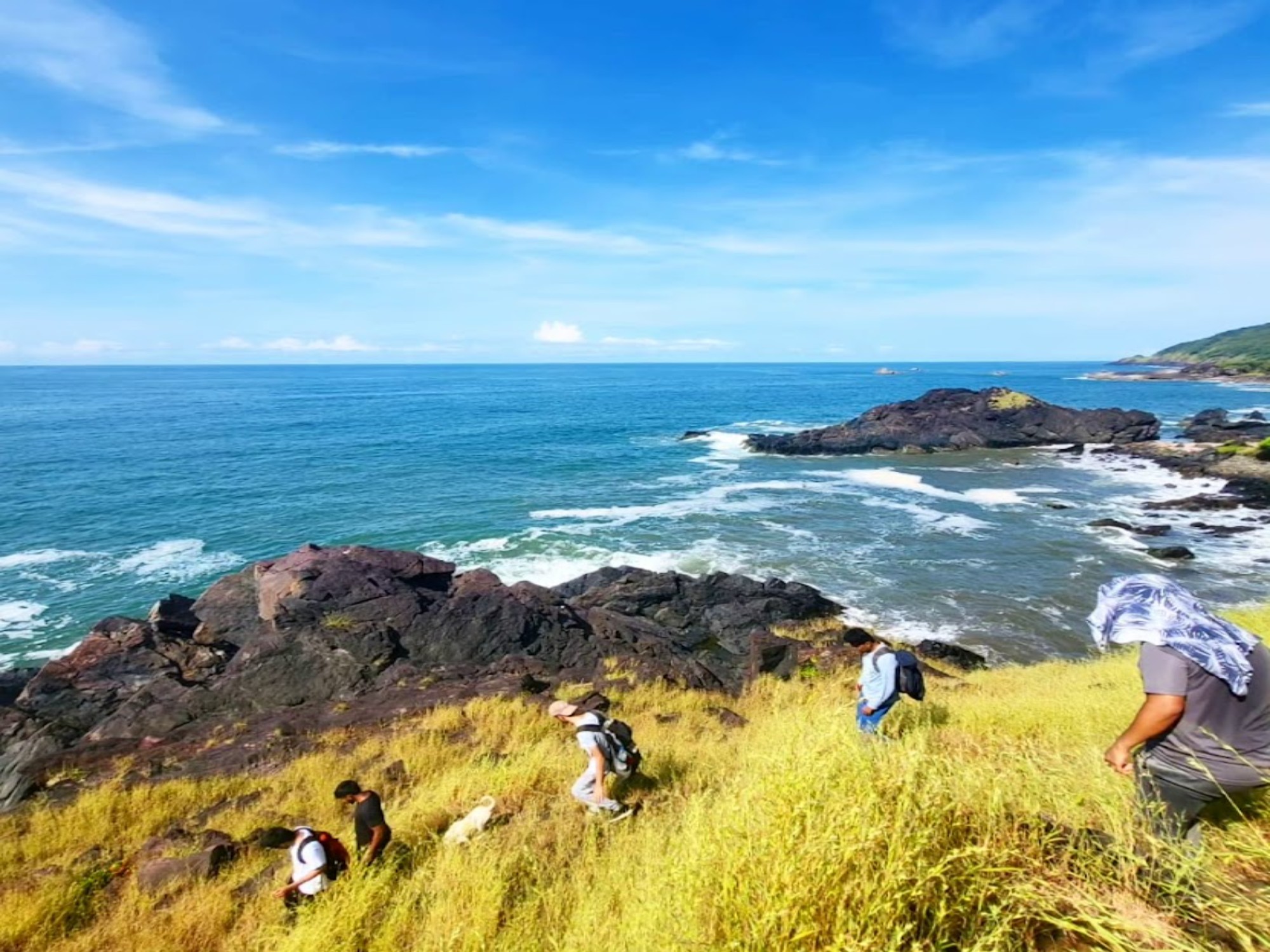
While most travelers stick to the sandy shores, the real heart of Goa’s geography lies in its laterite plateaus. This wilderness hike in the Porvorim region is designed to showcase this overlooked ecosystem. These plateaus, known locally as 'Sada,' are biological hotspots that change dramatically with the seasons. This 2-hour guided trek is not just a walk; it is an exploration of the natural heritage and folklore that defines the Goan hinterland.
Why Travelers Choose This Activity
Most visitors choose this hike because it is accessible yet feels completely remote. Located just a short drive from the main tourist hubs of Panjim and Calangute, it offers a quick escape into nature. Travelers who are interested in birdwatching, geology, and local legends find this trail particularly rewarding. Unlike the long, grueling treks in the Western Ghats, this hike provides a high reward for moderate effort, making it a favorite for families and casual hikers who want to see the 'wild' side of Goa before heading back for lunch.
The Trail Experience: What to Expect
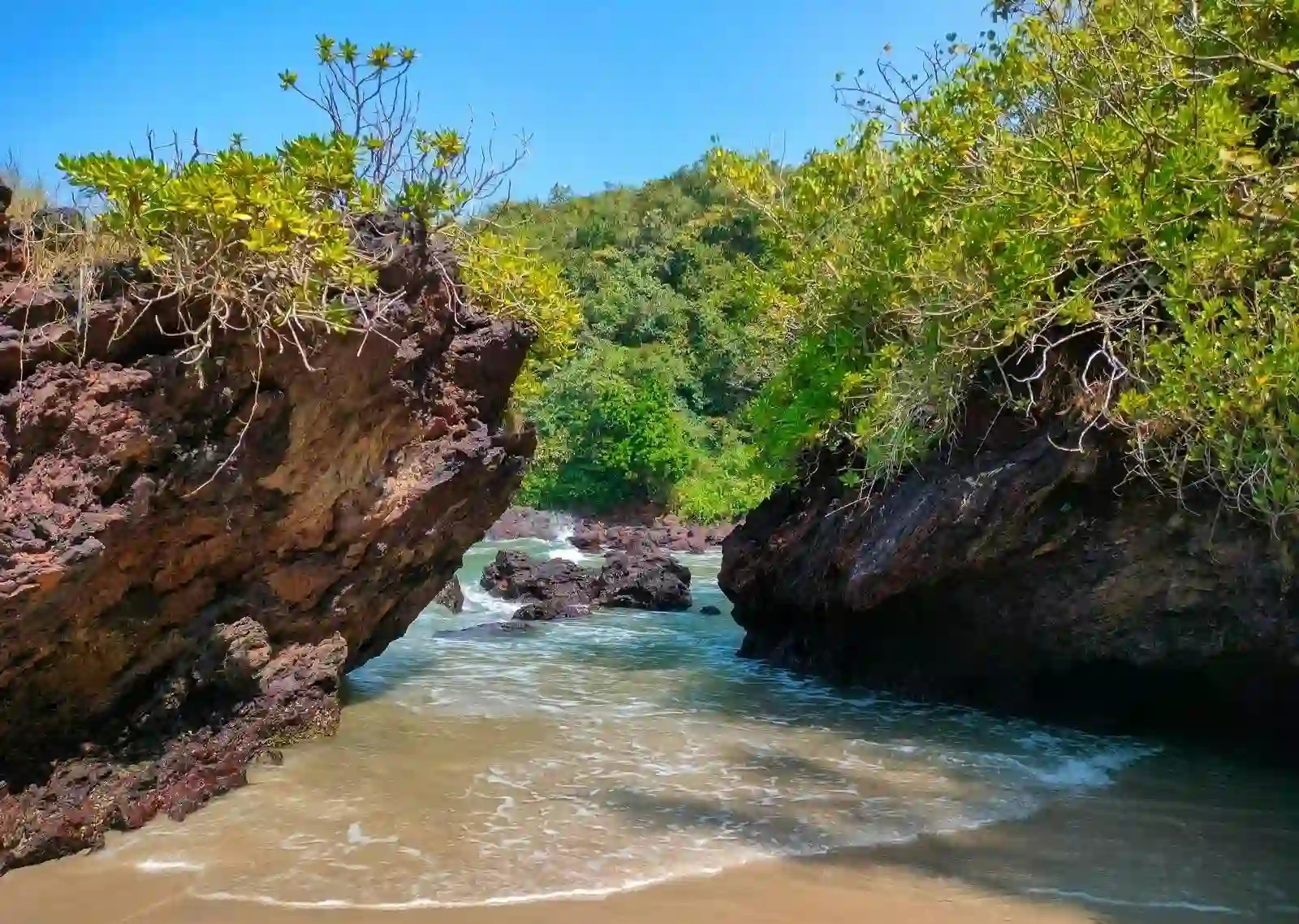
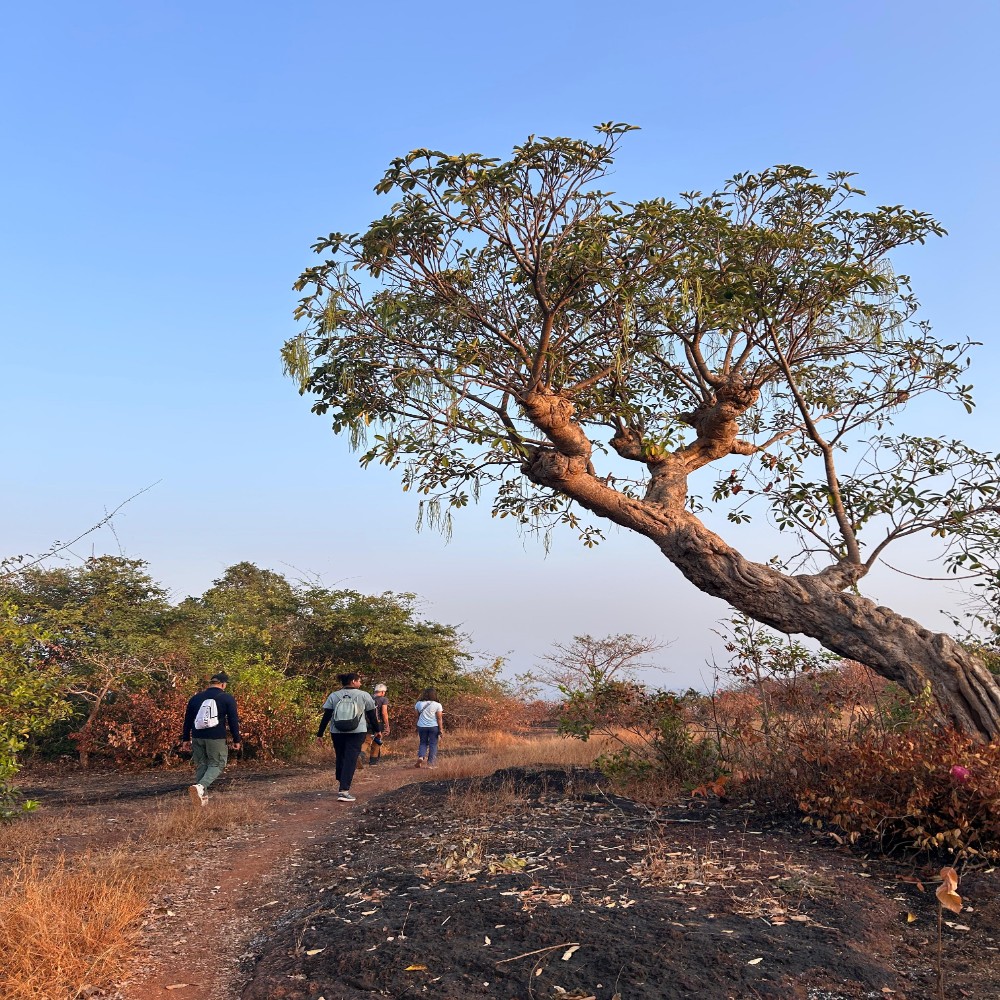
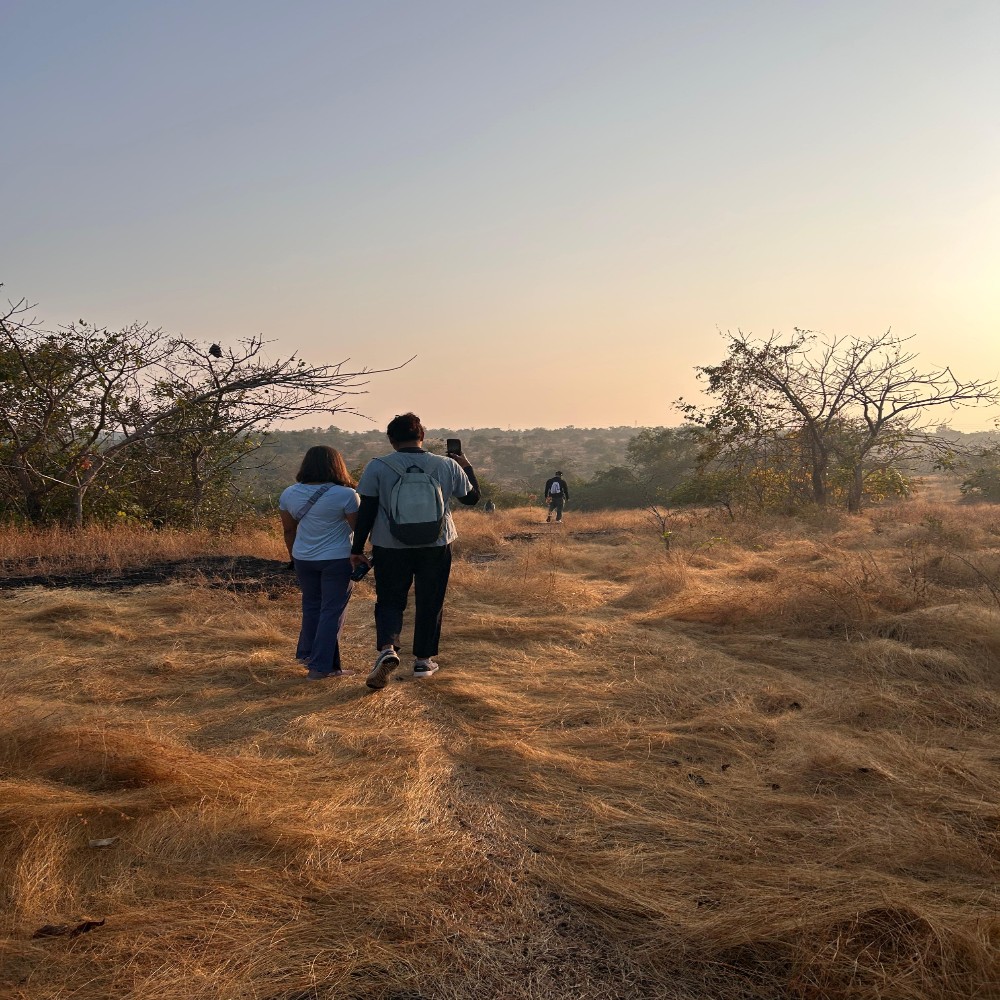
The hike begins on the outskirts of Porvorim, where the urban landscape quickly gives way to expansive grasslands. The terrain is mostly flat but involves navigating rocky patches and narrow forest paths. As you walk, your guide will point out the unique laterite rock formations—the red stone used to build Goa’s iconic churches and forts.
The Hidden Cave and Ancient Ruins
One of the focal points of this trek is the discovery of a mysterious cave tucked away on the northeast corner of the plateau. Local legend suggests that this cave once housed an underground passage leading to a distant church, though today it serves as a fascinating geological feature. Surrounding the area, you will find ancient ruins, including stone steps and old cisterns. These remnants indicate that the plateau was once a site of significant human activity, possibly serving as a lookout or a small settlement centuries ago.
Flora and Fauna
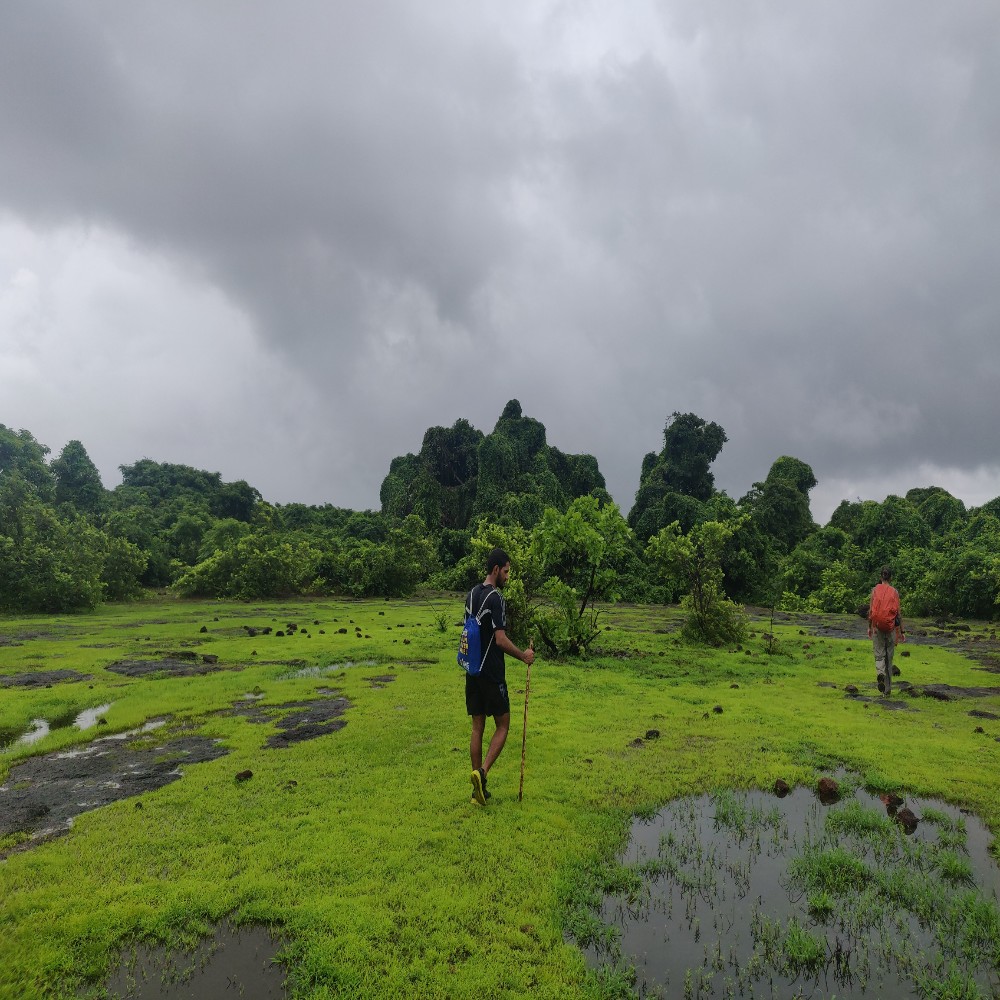
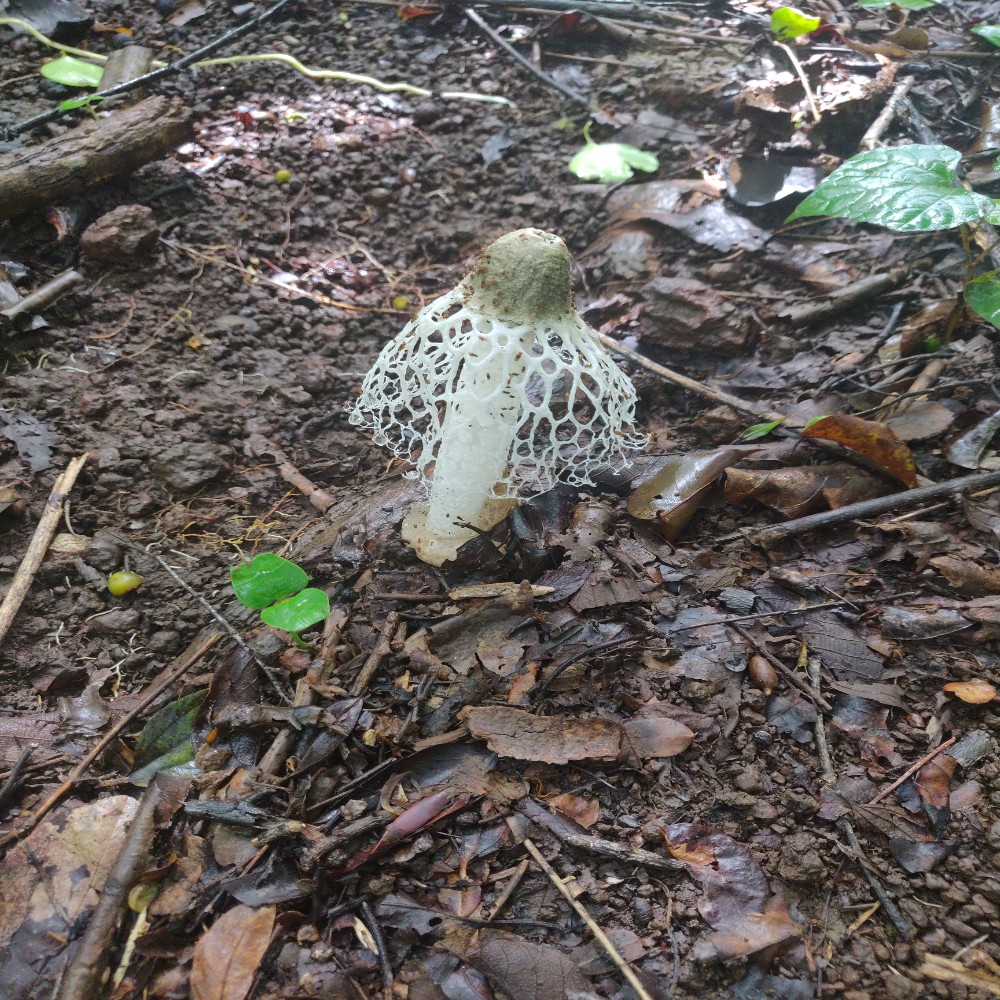
Despite the seemingly harsh rocky surface, the plateau is teeming with life. Depending on the season, you may spot Indian Peafowl, various species of Sunbirds, and the occasional Malabar Giant Squirrel in the forested fringes. The flora is equally impressive; during the monsoon, the plateau transforms into a vibrant carpet of wildflowers, including rare insectivorous plants like Utricularia and Drosera.
Difficulty Level and Fitness Requirements
We categorize this hike as Easy to Moderate. The total duration is approximately 2 hours, covering roughly 3 to 4 kilometers. While the elevation gain is minimal, the ground can be uneven and rocky. It is suitable for anyone with a basic level of fitness. Children above the age of 6 usually enjoy the trail, provided they are comfortable walking on natural terrain. It is not wheelchair accessible and may be challenging for those with severe knee or hip issues.
Best Time to Visit and Seasonality
Timing is crucial for the best experience on the North Goa plateau. Each season offers a different perspective of the wilderness.
- Monsoon (June to September): This is when the plateau is at its most beautiful. The landscape is lush green, and seasonal streams appear. However, the rocks can be slippery, and there is a high chance of rain during the hike.
- Post-Monsoon (October to January): This is the peak time for hiking. The weather is cooler, the wildflowers are in bloom, and the trails are dry enough for easy walking.
- Summer (February to May): The plateau becomes arid and golden. While it is hotter, this is the best time for spotting raptors and ground-nesting birds. Early morning starts are mandatory during these months to avoid the midday sun.
Safety and Preparation
Safety is our priority. Our guides are trained in wilderness first aid and carry a basic medical kit. Because the plateau is exposed, sun protection is essential. We also advise hikers to stay on the marked trails to protect the fragile crust of the laterite soil, which is home to many micro-organisms.
What to Wear and Carry
- Footwear: Sturdy sneakers or hiking shoes with good grip. Avoid flip-flops or sandals.
- Clothing: Lightweight, breathable fabrics. Long pants are recommended to protect against thorny bushes and insects.
- Sun Protection: A wide-brimmed hat, sunglasses, and high-SPF sunscreen.
- Hydration: Carry at least 1 liter of water per person. There are no refill points on the plateau.
- Gear: A small backpack to keep your hands free, and a camera or binoculars for wildlife spotting.
Location and Transport Information
The hike typically meets at a designated point in Porvorim, North Goa. This location is centrally situated, making it easy to reach from Panjim (15 mins), Candolim (25 mins), or Arpora (20 mins).
Parking and Getting There
There is ample space for parking private cars or scooters at the meeting point. If you are relying on public transport, we recommend booking a taxi via local apps or hiring a private driver, as buses do not frequently ply the inner routes leading to the trailhead. For those staying in the coastal belt, a pre-booked taxi is the most reliable way to ensure an on-time start for the early morning sessions.
Booking Information and Local Tips
To ensure a personalized experience and minimal impact on the environment, we keep our group sizes small. Advance booking is highly recommended, especially during the winter months. Local Tip: If you are a photography enthusiast, ask your guide about the 'Golden Hour' sessions. The light hitting the red laterite during sunset offers some of the best landscape photo opportunities in North Goa.
Sustainable Tourism
We follow Leave No Trace principles. We ask all participants to carry back any plastic or waste. This plateau is a sensitive ecosystem, and we aim to keep it pristine for the local wildlife and future visitors. By booking this hike, you are supporting eco-tourism initiatives that provide employment to local naturalists and help protect these open spaces from urban encroachment.
- Guided wilderness trek (2 hours)
- Professional local naturalist guide
- Nature interpretation and storytelling
- Basic first aid support
- Hotel pickup and drop-off
- Bottled water and snacks
- Hiking gear (boots, walking sticks)
- Personal expenses
Have questions about this activity?
Chat with our local experts for instant help and best deals!