

Forest Nature Trail in Netravali, South Goa
per / person. Taxes & convenience fees might apply.
- 4km guided walk through the evergreen forests of the Western Ghats.
- Identification of local medicinal plants and their traditional uses.
- Birdwatching opportunities for endemic species like the Malabar Hornbill.
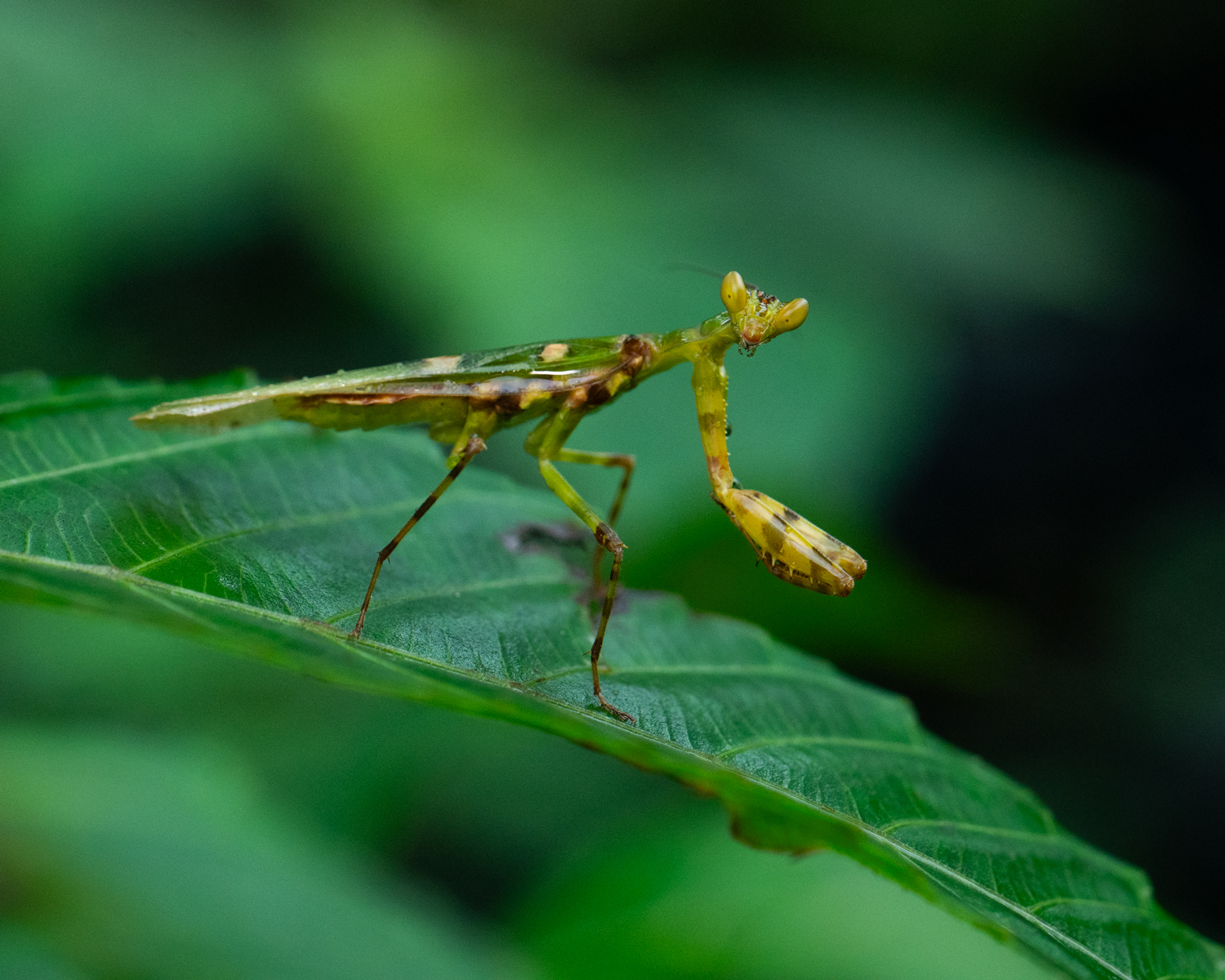
- Observation of the Malabar Giant Squirrel and diverse forest butterflies.
- Seasonal stream crossing and visit to a natural forest waterfall.
Understanding the Netravali Forest Ecosystem
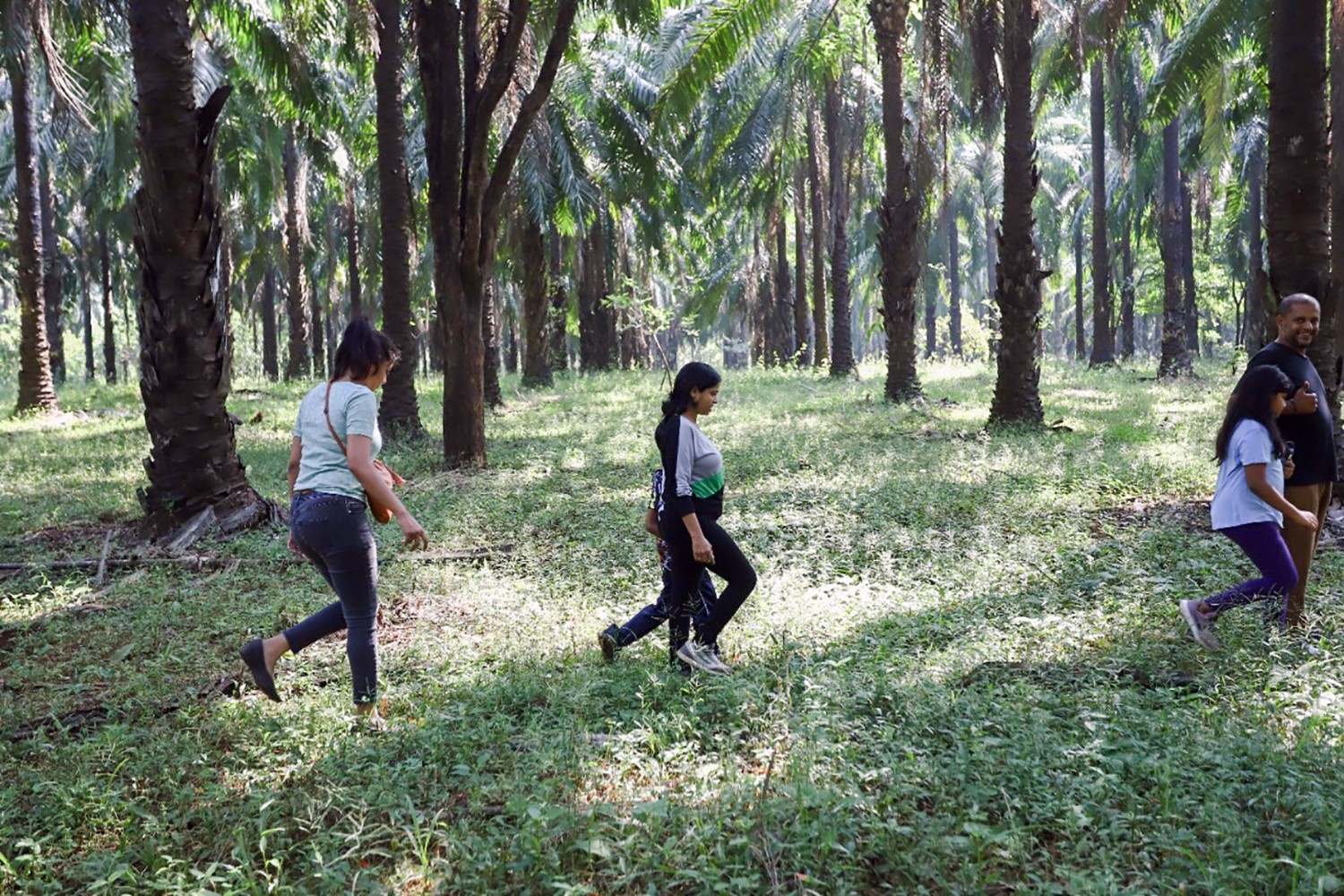
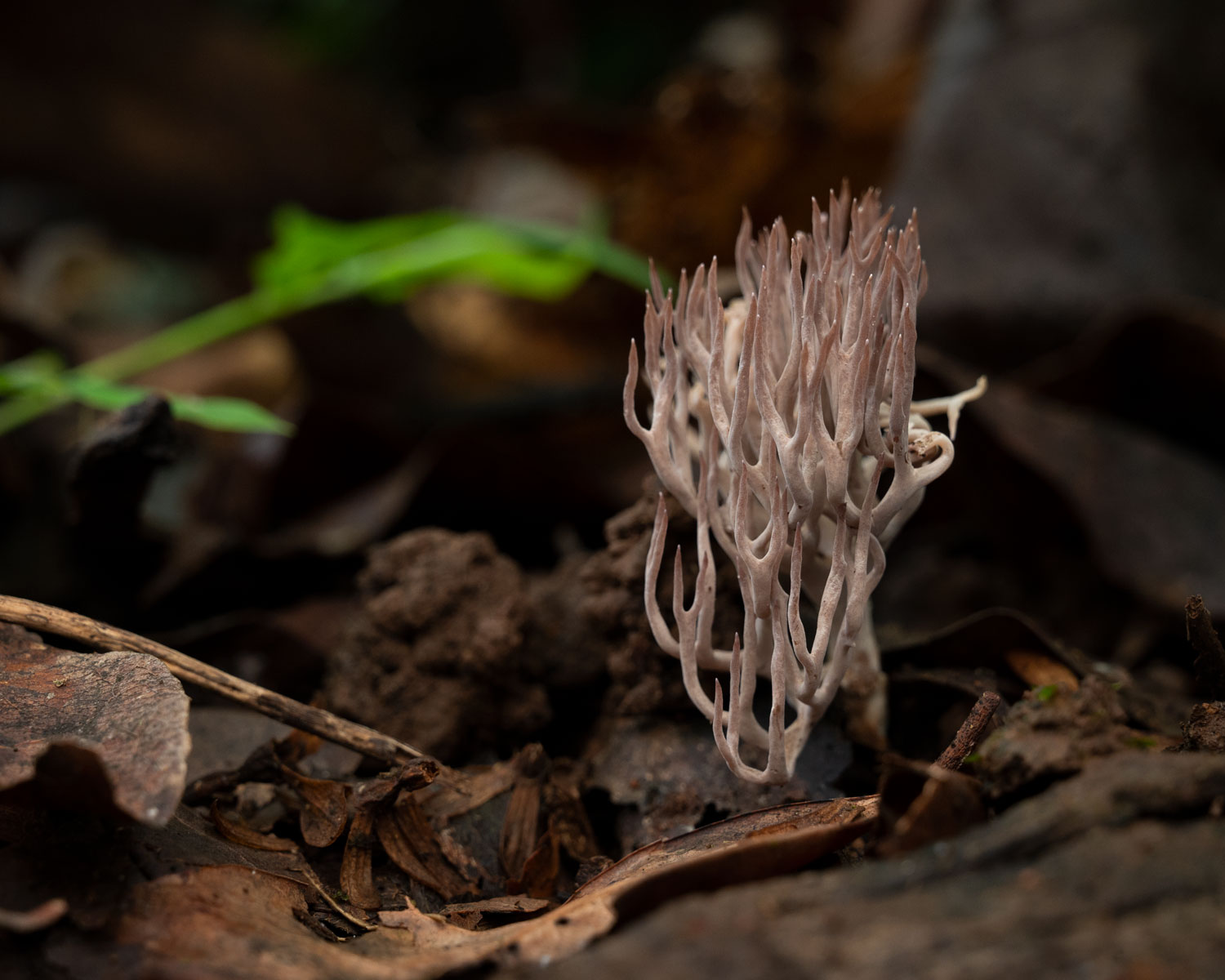
South Goa is home to some of the most biodiverse regions in India, and the Netravali Wildlife Sanctuary stands as a primary example. Unlike the coastal areas, this region is dominated by evergreen and semi-evergreen forests. This guided nature trail is not a high-speed trek; it is a slow-paced educational walk designed to help you observe the smaller details of the forest that are usually missed.
The trail covers approximately 4 kilometers of forest terrain. You will be walking under a dense canopy where the temperature is noticeably cooler than the surrounding towns. This environment supports a vast array of life, from the Malabar Giant Squirrel to rare forest butterflies and medicinal herbs that have been used by local communities for generations.
Why Travelers Choose This Nature Trail
Most visitors to Goa spend their time on the coastline, but the forest trail offers a completely different perspective of the state. Travelers choose this activity because it provides expert-led insights into the environment. Having a naturalist guide means you aren't just walking through trees; you are learning about the symbiotic relationships between insects, birds, and plants.
- Educational Value: Perfect for families and students who want to learn about botany and ecology.
- Birdwatching: The sanctuary is a known habitat for species like the Malabar Pied Hornbill and the Crested Serpent Eagle.
- Quietude: Away from the music and traffic of North Goa, this trail offers genuine silence, broken only by bird calls and the rustle of leaves.
What to Expect on the Trail
The experience begins at the sanctuary entrance, where you will meet your guide. The walk follows a designated path that winds through the forest, leading toward a seasonal stream and a small waterfall. The terrain is moderate and uneven, consisting of forest floor, some rocky patches, and a mild elevation gain of about 100 meters.
The Flora: Medicinal Plants and Ancient Trees
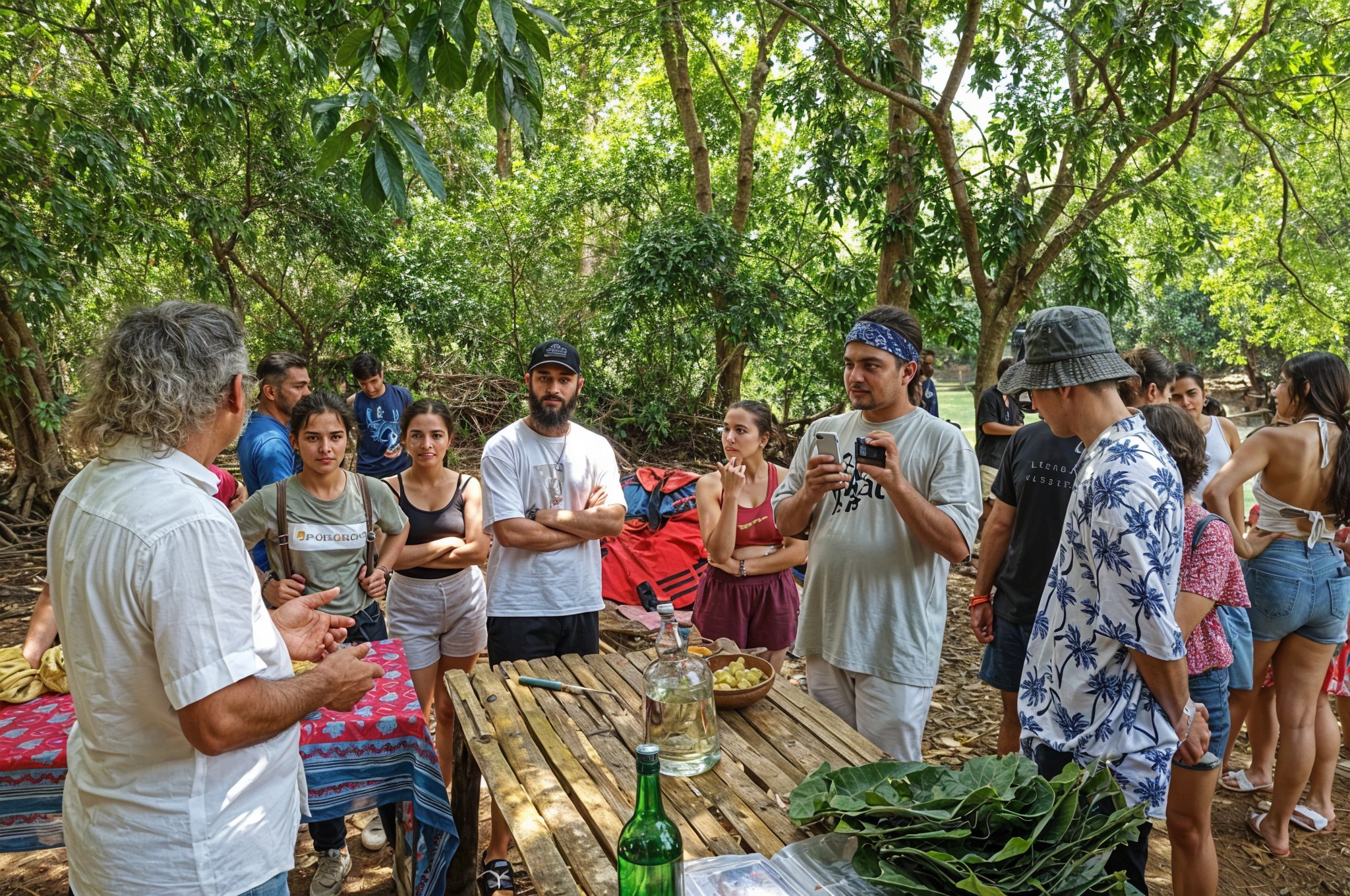
One of the core components of this trail is the medicinal plant talk. Your guide will point out specific trees and shrubs, explaining their traditional uses. You will see species used for treating everything from skin ailments to digestive issues. The forest here is a mix of Teak, Rosewood, and bamboo thickets, creating a multi-layered habitat for wildlife.
The Fauna: Beyond the Big Cats
While the sanctuary is home to leopards, they are extremely elusive and rarely seen. Instead, the focus of this trail is on visible wildlife. Look up into the canopy to spot the Malabar Giant Squirrel with its distinctive maroon fur. The guide will also help you identify animal signs, such as pugmarks or scat, and explain which animals passed through the area recently. Butterfly enthusiasts will find plenty to observe, especially near the stream crossings where various species congregate.
Difficulty Level and Physical Requirements
This activity is classified as Moderate. While the distance is only 4 kilometers, the ground is often covered in leaf litter, roots, and loose stones. There is one stream crossing where the water is usually ankle-deep. You will need a basic level of fitness to navigate the 3-hour duration. It is not recommended for individuals with chronic knee issues or severe respiratory conditions due to the humidity and uneven footing.
Safety and Preparation
Safety is a priority in the wild. Your guide carries a basic first-aid kit and is trained in forest navigation. To ensure a safe experience, it is vital to stay on the marked path and follow the guide's instructions. In the forest, certain insects like leeches can be present, especially during the wetter months. Wearing long pants and using insect repellent is highly recommended.
Best Time to Visit
The ideal window for the Forest Nature Trail is from October to February. During these months, the weather is pleasant, the forest is lush after the monsoon, and bird activity is at its peak. The recommended start time is 7:00 AM, as this is when the forest is most active and the temperatures are coolest.
Monsoon Suitability
From June to September, the trail becomes significantly more challenging. The forest is incredibly beautiful and green, but the paths can be slippery, and leeches are very active. If you choose to visit during the monsoon, waterproof gear and high-traction hiking boots are mandatory.
What to Wear and Carry
Proper gear will significantly improve your comfort during the walk. We recommend:
- Footwear: Sturdy walking shoes or hiking boots with good grip. Avoid flip-flops or sandals.
- Clothing: Lightweight, breathable long pants and long-sleeved shirts in muted colors (greens, browns, or greys) to blend in with the environment.
- Water: At least 1.5 liters of water per person.
- Protection: A hat, sunscreen, and insect repellent.
- Gear: A small backpack for your belongings and a camera with a zoom lens if you are interested in bird photography.
How to Reach the Location
The Netravali Wildlife Sanctuary is located in South Goa, approximately 60 kilometers from Margao. Public transport is not available to the sanctuary gates. Most visitors arrive via private taxi or self-drive cars. There is basic parking available near the forest check-post. Because of the early start time, it is best to arrange your transport the previous evening. If you are staying in North Goa (Calangute or Baga), expect a 2.5 to 3-hour drive to reach the trailhead.
Important Booking Information
The sanctuary charges an entry fee of ₹50 per person, which is usually paid at the gate. Group sizes are kept small (maximum 8 people) to ensure a quiet environment and better interaction with the guide. Please book at least 48 hours in advance to ensure a naturalist is available for your preferred date.
- Expert naturalist guide
- Guided 4km nature trail
- Medicinal plant identification session
- Small snack (sandwich or fruit) and juice
- Bottled water
- Sanctuary entry fees (₹50 approx)
- Hotel pickup and drop-off
- Lunch
- Insect repellent and personal gear
Have questions about this activity?
Chat with our local experts for instant help and best deals!