Traditional Goan Meal and Spice Plantation Tour on Chorao Island
per / person. Taxes & convenience fees might apply.
- Guided tour of a traditional family-run spice plantation (Kulagar).
- Authentic home-cooked Goan Thali featuring heirloom family recipes.
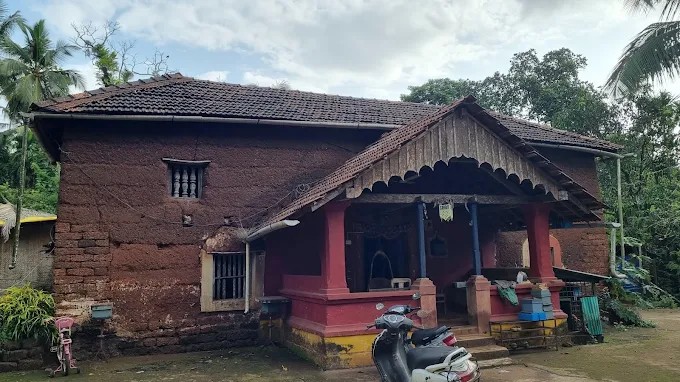
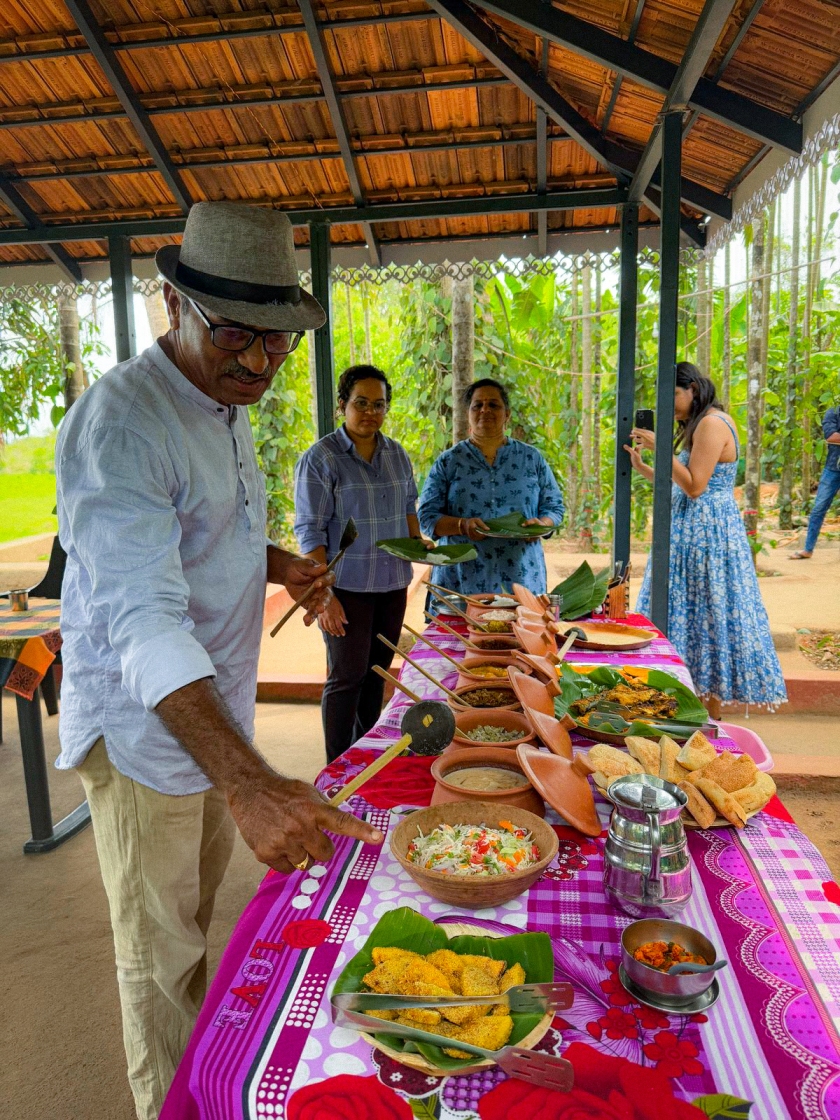
- Intimate dining experience inside a local family's traditional home.
- Learn about 'cucine povera' and the use of seasonal, island-grown ingredients.
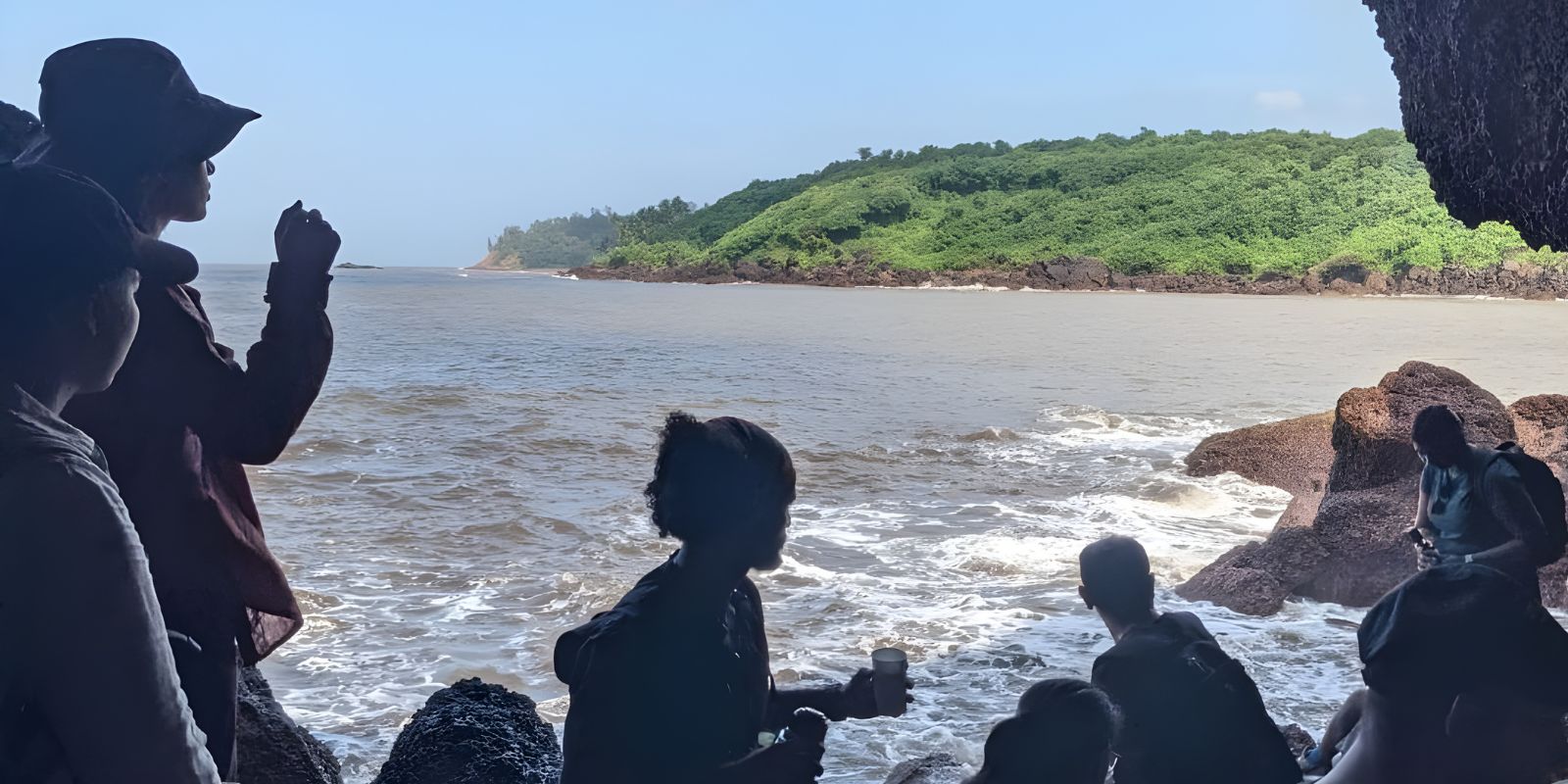
- Scenic ferry journey across the Mandovi River to reach the island.
An Authentic Culinary Journey to Chorao Island
Located just across the Mandovi River from Panjim, Chorao Island remains one of Goa's most well-preserved secrets. The island is known for its lush mangroves and the Dr. Salim Ali Bird Sanctuary, but its inland culture is equally fascinating. The Kulagar Table is a hosted dining experience at the Tato family home, where the focus is on 'cucine povera'—a style of cooking that celebrates simple, rustic, and seasonal ingredients prepared with traditional techniques.
This is not a typical restaurant visit. You are a guest in a private home, eating the same dishes the family has prepared for generations. The experience is intimate, educational, and deeply rooted in the local landscape.
What is a 'Kulagar'?
In Goa, a Kulagar is a traditional ancestral homestead or plantation. Unlike large commercial estates, a Kulagar is an integrated ecosystem where betel nut trees, coconut palms, banana plants, and various spices like pepper, cinnamon, and nutmeg grow in a tiered system. These plantations were designed to be self-sustaining, providing the family with both food and income. During your visit, you will walk through the Tato Kulagar, learning how these plants are cultivated and their specific uses in Goan medicine and cooking.
The Experience: From Ferry to Table
Your journey begins with a short but scenic ferry ride from Ribandar to Chorao. Once on the island, you will make your way to the village of Deugim. The Tato family home is a modest, traditional structure that reflects the quiet, unpretentious lifestyle of the islanders.
The Plantation Walk
Before lunch, your host will lead you through their plantation. This is a practical, hands-on walk where you can see black pepper vines climbing the trees, smell fresh cinnamon bark, and see how kokum (a souring agent central to Goan cuisine) is harvested. The host shares stories of the land, explaining how the island's unique brackish water environment affects the local produce.
The Traditional Goan Thali
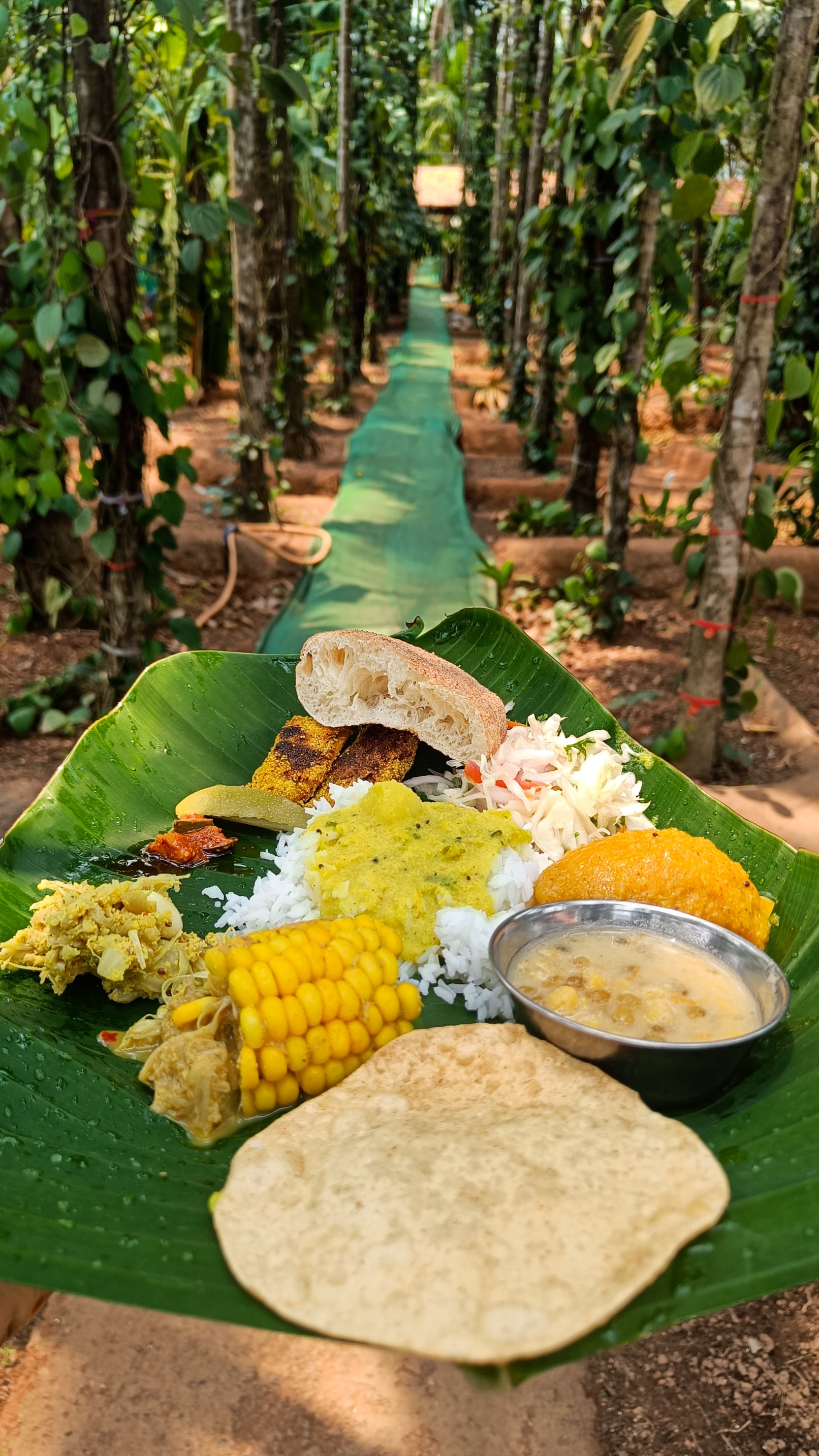
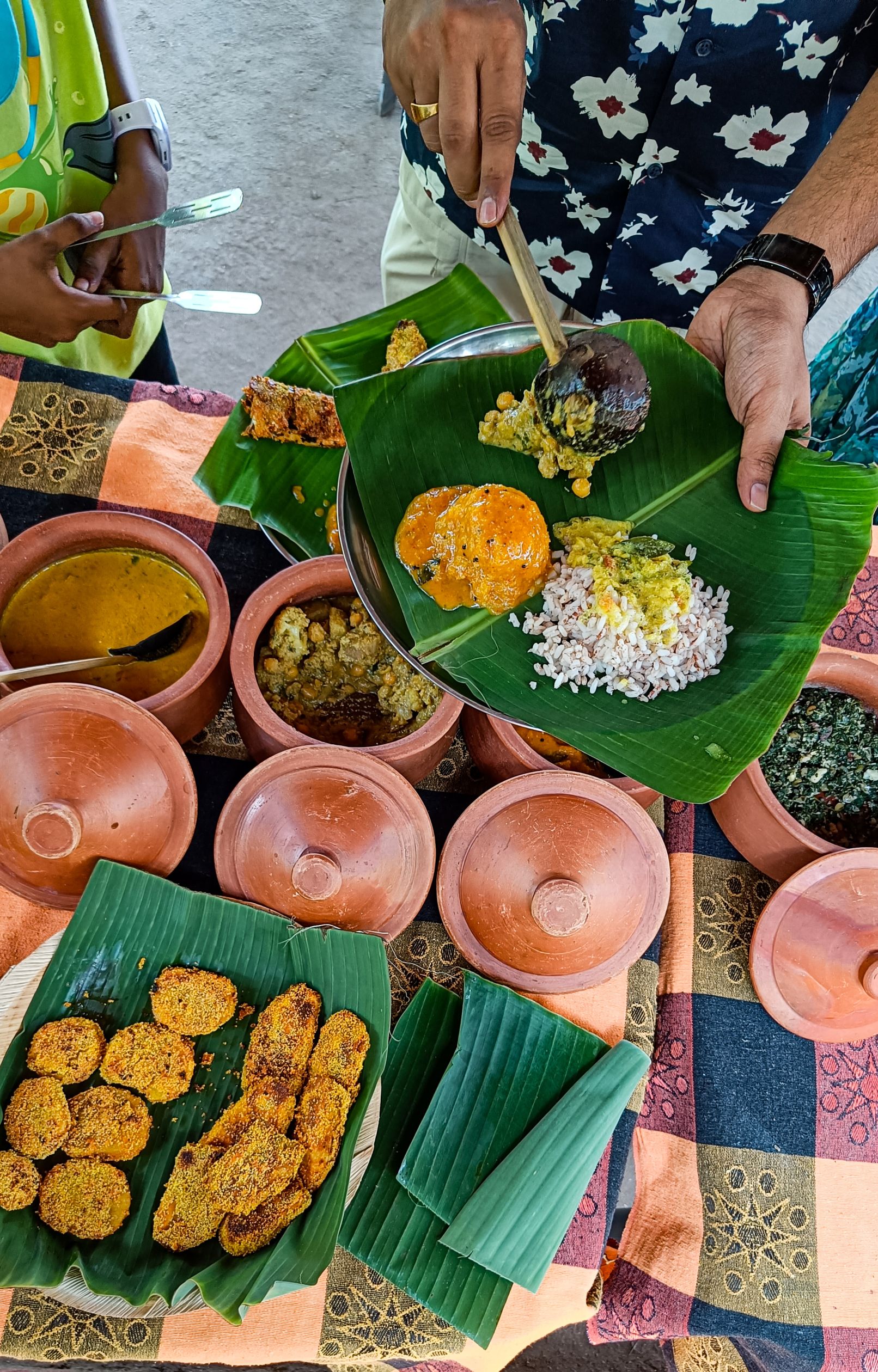
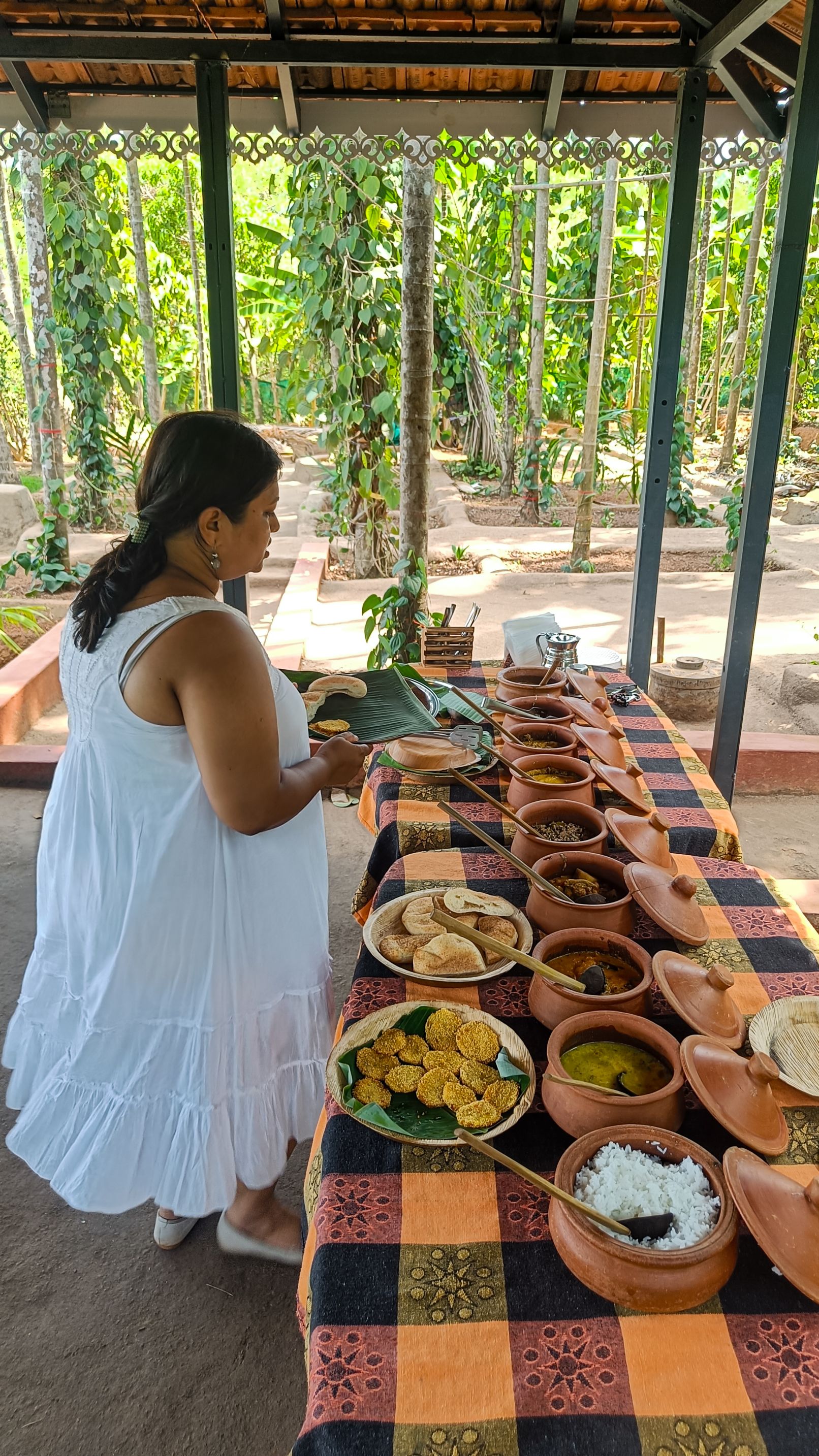
The centerpiece of the experience is the Goan Thali, served on a banana leaf or traditional plates. The menu is dictated by the season and the day's catch from the river or sea. You can expect a spread that typically includes:
- Fish Curry: Made with freshly ground coconut and the family's secret spice blend.
- Chicken Xacuti: A complex, roasted spice curry that is a staple of Goan celebrations.
- Seasonal Vegetable: Often featuring jackfruit, pumpkin, or local greens grown on the property.
- Rice and Dal: Locally grown red rice (ukade) and a simple, comforting lentil preparation.
- Accompaniments: House-made pickles, papad, and Sanna (steamed rice cakes fermented with toddy).
- Dessert: Traditional sweets like Bebinca or seasonal fruit preparations.
Why Travelers Choose This Activity
Most travelers visit Goa for the beaches, but those who choose The Kulagar Table are looking for cultural immersion. It is popular with food enthusiasts, solo travelers seeking local connection, and families who want their children to see where food comes from. Because the seating is limited to a maximum of 6 guests, the conversation is personal, and the host can explain the nuances of every spice and cooking method used.
Difficulty and Accessibility
The difficulty level is easy. The plantation walk is on flat but sometimes uneven ground. It is suitable for all ages, including seniors and children. However, please note that the house is a traditional structure and may not be fully wheelchair accessible. The walk is slow-paced and focuses more on observation than physical exertion.
Practical Information for Your Visit
Best Time to Visit
The experience is available year-round. During the Monsoon season (June to September), the island is incredibly green and beautiful, though the plantation walk may be slightly muddy. Winter (October to March) offers the most comfortable weather for walking. Lunch (12:30 PM) is the most popular time to visit to fully enjoy the plantation views.
What to Wear and Carry
- Clothing: Wear light, breathable cotton clothes. While there is no strict dress code, respectful casual wear is recommended for a home visit.
- Footwear: Comfortable walking shoes or sturdy sandals for the plantation walk.
- Protection: Mosquito repellent is highly recommended, as the lush plantation environment attracts insects.
- Essentials: Carry a water bottle and a camera for the scenic views.
How to Reach Chorao Island
The most common way to reach the island is by the Ribandar-Chorao Ferry. The ferry is free for pedestrians and very cheap for cars/scooters. It runs every 15–20 minutes from the Ribandar ferry ramp (near Panjim). Once you cross over to Chorao, the Tato Kulagar is about a 10-minute drive or rickshaw ride. If you are coming from North Goa beach areas like Calangute or Baga, allow at least 45–60 minutes for travel.
Nearby Attractions
Combine your meal with other island activities to make it a full-day trip:
- Dr. Salim Ali Bird Sanctuary: Located right at the ferry point, best visited in the early morning for bird watching.
- Old Goa: The UNESCO World Heritage site is just 10 minutes from the Ribandar ferry ramp on the mainland side.
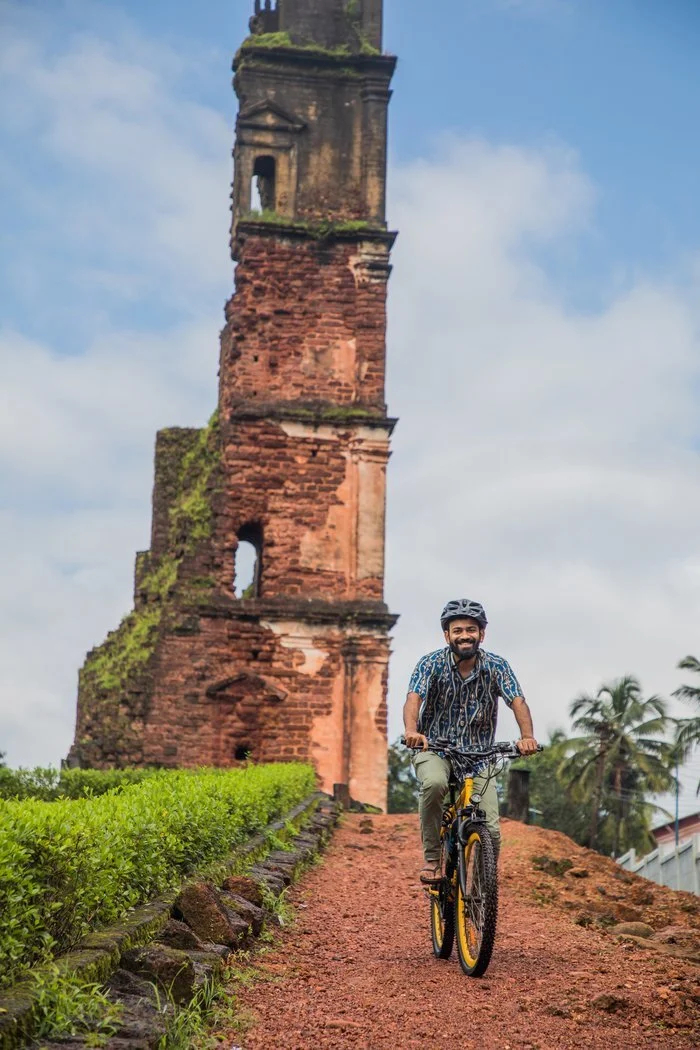
- Village Exploration: Chorao has beautiful Portuguese-era houses and quiet chapels that are perfect for slow exploration by bicycle or scooter.
Important Booking Notes
Since this is a private home dining experience, advance booking of at least 24 hours is mandatory. This allows the family to source fresh ingredients and prepare the masalas. Please specify any dietary restrictions (vegetarian, vegan, or allergies) at the time of booking. While the family specializes in seafood and meat, excellent vegetarian thalis are available upon request.
- Full traditional Goan Thali (Veg or Non-Veg)
- Guided walk through the spice plantation
- Interaction with the local host family
- Welcome drink and traditional dessert
- Recipe card for a signature Goan dish
- Alcoholic beverages
- Ferry tickets (minimal cost)
- Hotel pickup and drop-off
- Tips and gratuities
Have questions about this activity?
Chat with our local experts for instant help and best deals!