
11-Day 100-Hour Yoga Teacher Training (Dorm Room)
per / person. Taxes & convenience fees might apply.
- 100-Hour Yoga Alliance-aligned curriculum covering Asana, Pranayama, and Philosophy.
- Budget-friendly shared dormitory accommodation within a dedicated yoga center.
- Three daily Sattvic vegetarian meals designed for intensive physical practice.
- Small group sizes ensuring personalized attention during alignment workshops.
- Professional certification upon completion, valid for future 200-hour upgrades.
The 100-Hour Yoga Teacher Training Concept
A 100-hour Yoga Teacher Training Course (TTC) serves as the foundational building block for yoga education. In the Yoga Alliance framework, a full certification is typically 200 hours. This 11-day program covers exactly half of that curriculum. It is an ideal choice for travelers who have limited time but want a structured, disciplined environment to study yoga beyond a standard drop-in class. Upon completion, you receive a 100-hour certificate, which can later be credited toward a full 200-hour certification at the same school.
Curriculum and Learning Modules
The course is divided into several core modules to ensure a well-rounded understanding of yoga as both a physical and spiritual discipline. Unlike a retreat, a TTC is academically and physically demanding.
1. Asana Practice and Alignment
Daily morning sessions focus on Hatha and Ashtanga Vinyasa styles. You will spend significant time on 'Alignment and Adjustment' workshops. Here, instructors break down individual postures to explain the correct skeletal alignment, common mistakes, and how to use props like blocks and belts to assist students with limited flexibility.
2. Pranayama and Meditation
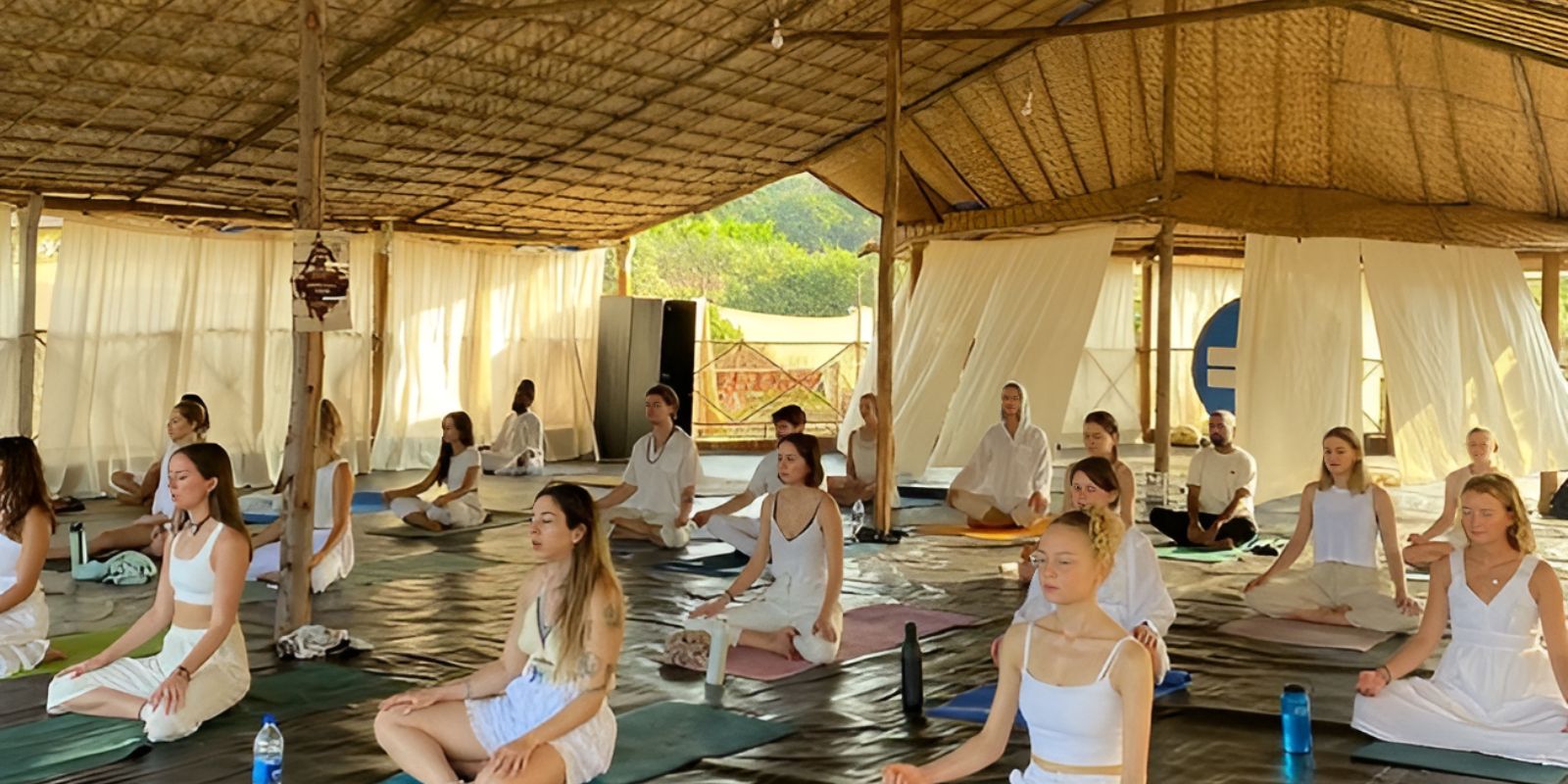
Morning sessions begin with Pranayama (breathing techniques) such as Anulom Vilom, Kapalbhati, and Bhastrika. You will learn the physiological effects of these practices on the nervous system. Meditation sessions are held daily to help develop the mental focus required for teaching.
3. Yoga Philosophy and Ethics
This module moves beyond the physical. You will study Patanjali’s Yoga Sutras, the Eight Limbs of Yoga, and the history of yoga. Discussions often cover how to apply yogic principles like Ahimsa (non-violence) and Satya (truthfulness) in a modern lifestyle and professional teaching environment.
4. Anatomy and Physiology
Understanding the human body is critical for any teacher. The course covers the muscular and skeletal systems, focusing on how yoga impacts the spine, joints, and internal organs. You will learn about contraindications—identifying which poses are unsafe for students with specific injuries or conditions.
5. Teaching Methodology
This is where you learn the 'business' and 'art' of teaching. Topics include lesson planning, sequencing a class, giving clear verbal cues, and managing a classroom environment. You will have opportunities to practice teaching in small groups to build confidence.
Daily Schedule and Discipline
Life at a yoga center in North Goa follows a disciplined Sattvic schedule. While the exact timing may vary slightly depending on the season, a typical day looks like this:
- 06:00 AM: Wake up and herbal tea
- 06:30 AM: Meditation and Pranayama
- 07:30 AM: Morning Asana Practice (Intensive)
- 09:30 AM: Breakfast (Sattvic/Vegetarian)
- 10:30 AM: Philosophy or Anatomy Lecture
- 12:00 PM: Alignment and Adjustment Workshop
- 01:30 PM: Lunch and Rest
- 03:30 PM: Teaching Methodology or Self-Study
- 05:00 PM: Evening Asana Practice (Gentle/Restorative)
- 06:30 PM: Dinner
- 08:00 PM: Group Discussion or Meditation
- 10:00 PM: Lights Out / Silence
Accommodation: Living in a Shared Dormitory
This package includes accommodation in a shared dormitory. This is the most cost-effective way to complete a TTC in Goa and fosters a strong sense of community with fellow students. The dorms are typically gender-segregated and house 4 to 6 people per room. You should expect basic but clean facilities: bunk beds with mosquito nets, individual lockers for valuables, and shared western-style bathrooms with hot water. Most centers in Arambol use ceiling fans rather than A/C to help the body acclimate to the natural climate, which is beneficial for flexibility during practice.
The Sattvic Diet in North Goa
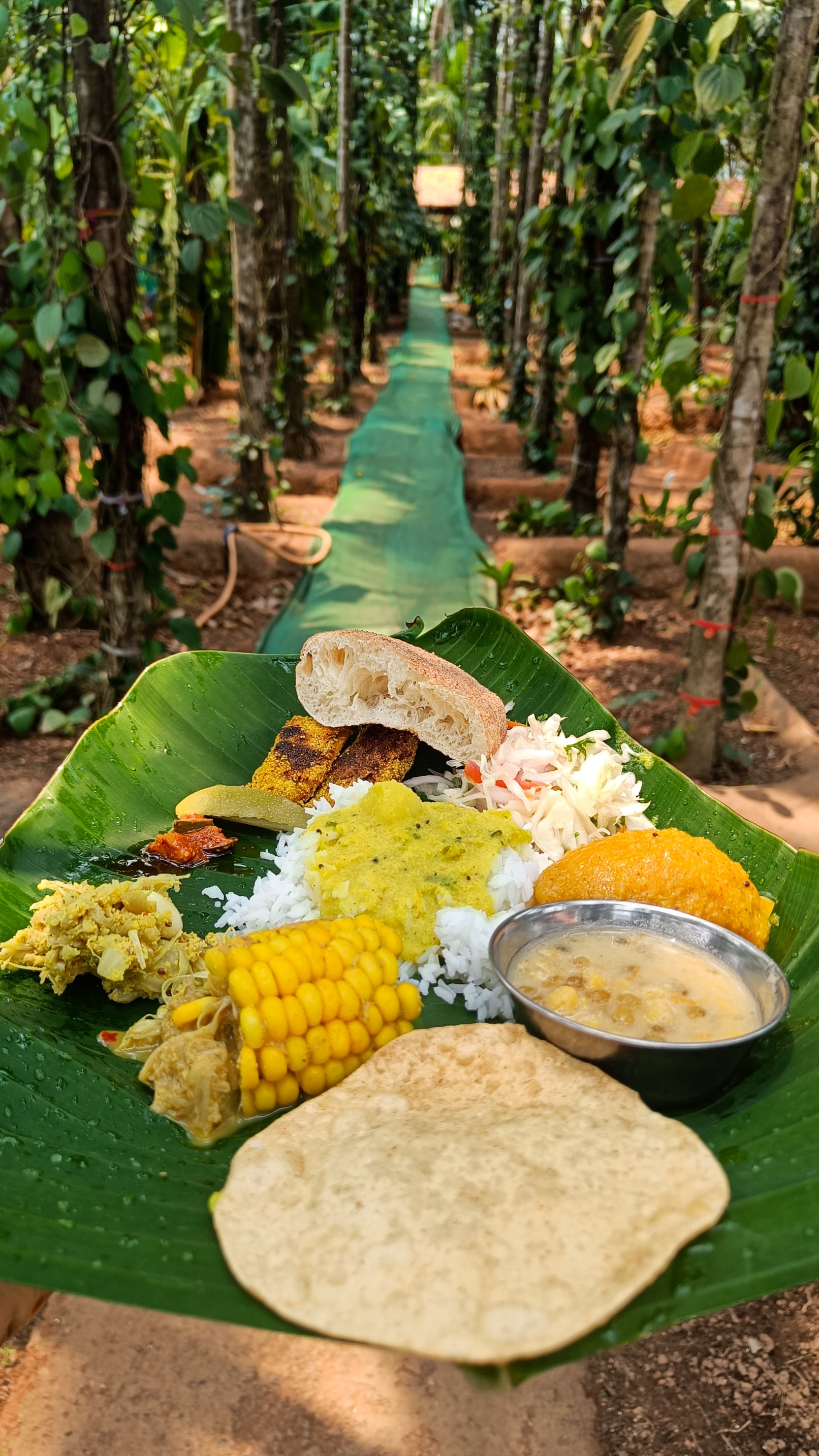
Nutrition is a key part of the training. You will be provided with three vegetarian meals a day. The diet is 'Sattvic,' meaning it is fresh, simple, and easy to digest. In the context of an Indian ashram, this usually means no meat, eggs, onion, garlic, or excessive caffeine. Meals typically consist of seasonal fruits, porridge, dal (lentils), rice, sabzi (vegetable curry), and chapati. This diet is designed to keep your energy levels stable and your body light for the 5-6 hours of physical practice daily.
Location: Exploring Arambol, North Goa
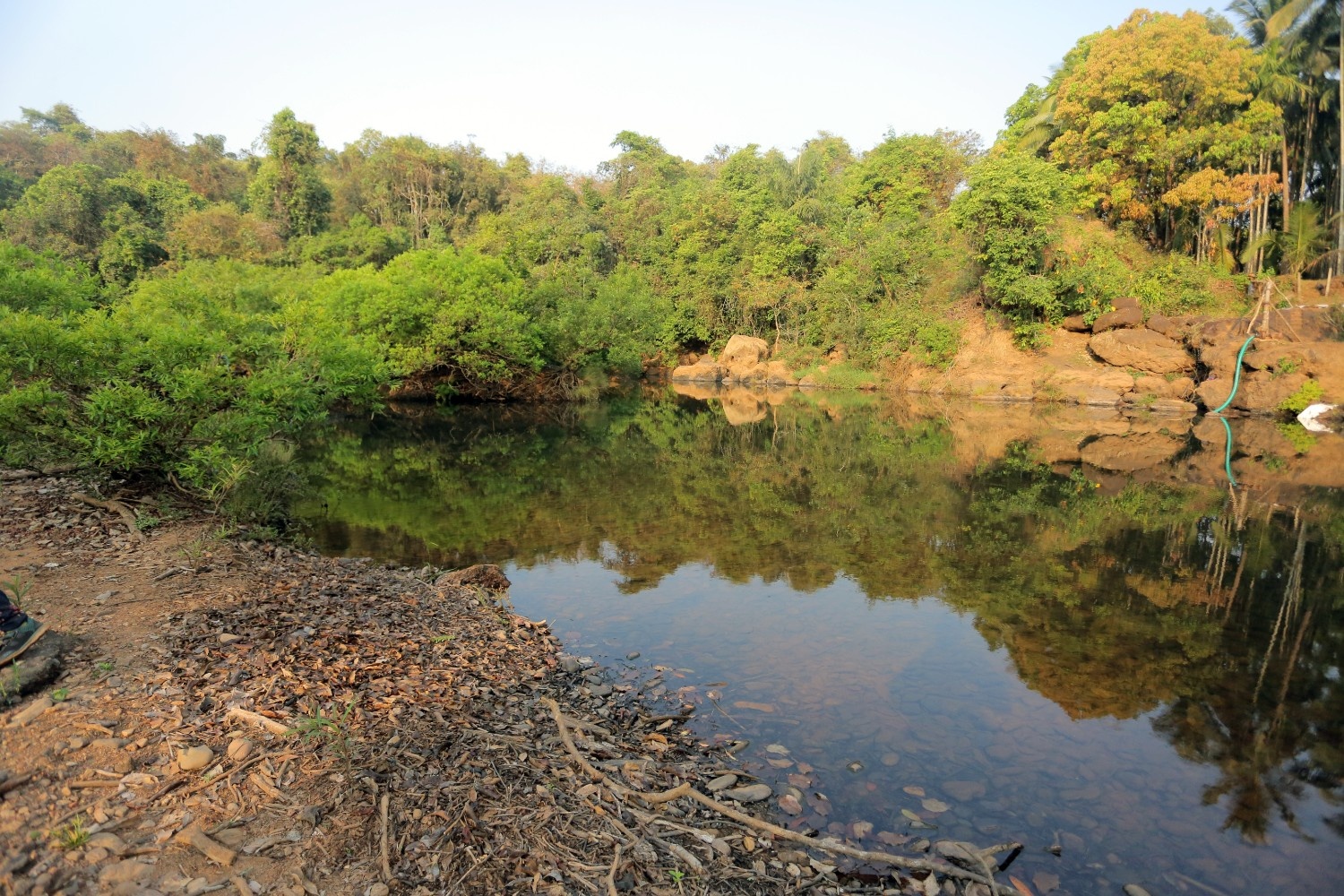
The training is based in Arambol, a village in the northernmost part of Goa known for its long-standing yoga and alternative healing community. Unlike the commercialized beach hubs of Calangute or Baga, Arambol maintains a more laid-back, student-friendly atmosphere. The center is located away from the main beach road to ensure a quiet environment for study, yet it is close enough to walk to the shore during your free time. Nearby landmarks include the Arambol Sweet Water Lake and the Banyan Tree, both popular spots for quiet reflection.
Practical Information for Travelers
Best Time to Visit
The primary season for Yoga TTCs in Goa is from October to March. During these months, the weather is dry and pleasant, with cool mornings and warm afternoons. If you attend a course during the monsoon (June to September), be prepared for high humidity and heavy rainfall, though the lush green surroundings provide a very different, quiet atmosphere for study.
What to Pack
Most centers provide a yoga mat, but many students prefer to bring their own or a travel mat cover for hygiene. You will need comfortable, breathable yoga clothing (cotton is often better than synthetic in the Goa heat). Bring a light shawl or sweater for early morning meditation. Personal toiletries, a reusable water bottle, and a notebook for lectures are essential. While most centers provide towels, bringing a quick-dry microfiber towel is recommended.
Transport and Connectivity
Arambol is approximately 1.5 to 2 hours from Manohar International Airport (Mopa) and 2.5 hours from Dabolim Airport. Pre-paid taxis are the most reliable way to reach the center. Once in Arambol, most things are reachable on foot. If you wish to explore further on your rest day, renting a scooter is the local standard, though you must have a valid license. Wi-Fi is generally available in common areas of the yoga center, but the connection can be intermittent; purchasing a local SIM card (Airtel or Jio) is advised if you need consistent internet.
Booking and Preparation
Because this is an intensive course, we recommend arriving in Arambol at least one day before the course starts to settle in and recover from any jet lag. It is also advised to maintain a consistent yoga practice for at least 3-6 months prior to arrival. This will help your body handle the physical load of twice-daily practices and prevent injury.
- 10 nights accommodation in a shared dormitory
- Daily yoga tuition and course materials
- 3 Sattvic vegetarian meals per day
- Yoga Alliance-recognized 100-hour certificate
- Use of yoga props (mats, blocks, straps)
- Airport transfers (available at extra cost)
- Personal toiletries and laundry services
- Weekend excursions or local sightseeing
- Flights and travel insurance
- Extra snacks or meals outside the center
Have questions about this activity?
Chat with our local experts for instant help and best deals!