In the sun-drenched landscape of South Goa, where the Arabian Sea kisses the emerald fringes of the Konkan coast, lies a secret known only to the most intrepid travelers and local residents of Mormugao. Bimbel Beach is not your typical Goan tourist destination. While the world flocks to the neon lights of Baga or the expansive sands of Colva, Bimbel remains a sanctuary of silence, a rugged cove tucked away behind the industrial facade of Vasco da Gama and the naval precincts of Dabolim. This is a place where the Susegad spirit of Goa is felt in its purest, most unadulterated form.
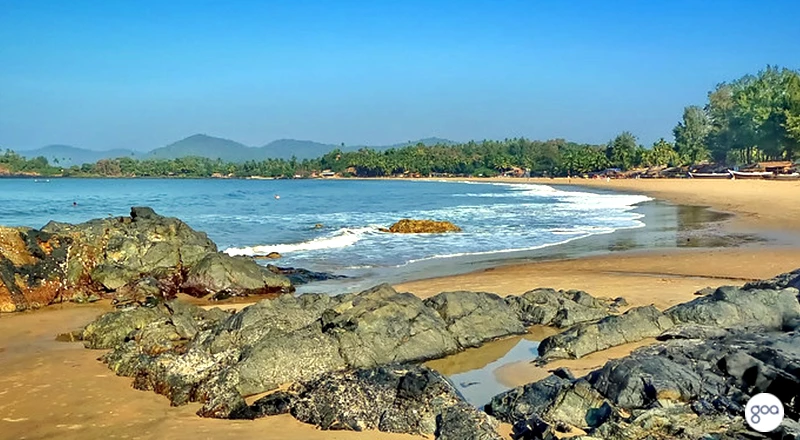
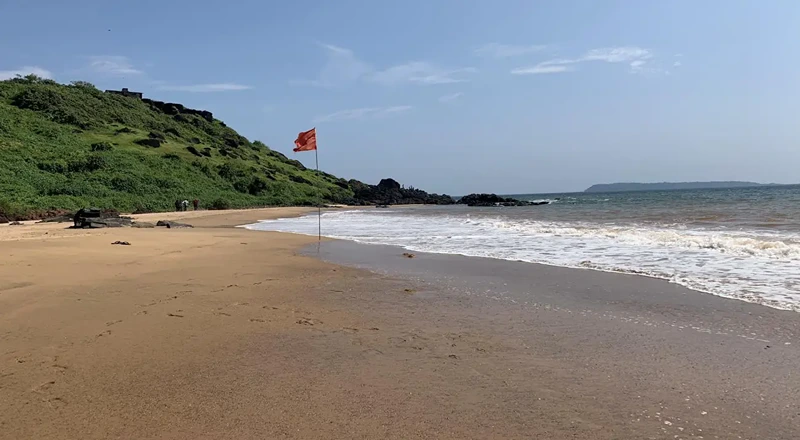
Bimbel Beach is characterized by its unique geographical layout. Unlike the long, flat stretches of sand found elsewhere, Bimbel is a crescent-shaped pocket of golden sand framed by dark, weathered basalt rocks and lush green hillocks. It is situated near the Hollant Beach area but remains significantly more secluded due to its challenging access. The beach offers a panoramic view of the vast ocean, with the occasional silhouette of a merchant vessel or a naval ship gliding across the horizon, serving as a reminder of the nearby Mormugao Port. The proximity to the INS Hansa naval base ensures that the area remains relatively untouched by large-scale commercial development, preserving its "lost paradise" vibe.
For the traveler who seeks solace, Bimbel Beach is a revelation. There are no rows of sunbeds, no aggressive hawkers, and no thumping trance music. Instead, you are greeted by the rhythmic crashing of waves against the rocks, the whistling of the wind through the coconut groves, and the occasional call of a sea eagle circling above. The beach is a favorite for those who enjoy coastal trekking and photography, offering some of the most dramatic sunset vistas in the entire state. As a professional travel writer, I often categorize Bimbel as a "soul-cleansing" destination—a place where the modern world feels light-years away, despite being just a few kilometers from Goa’s main airport.
The sand at Bimbel has a distinct texture, slightly coarser than the powdery white sands of the far south, yet sparkling with fragments of shells and minerals. During low tide, the receding waters reveal intricate rock pools teeming with miniature marine life—tiny crabs, sea anemones, and small fish trapped in the natural basins. This makes it an excellent spot for nature enthusiasts who prefer observing local ecosystems over the artificial luxuries of a five-star resort. Visiting Bimbel Beach is an invitation to reconnect with the raw, elemental beauty of the Goan coastline.
Reaching Bimbel Beach is an adventure in itself, as it is not directly accessible by a main road. This lack of easy access is exactly what keeps the crowds at bay. To reach this hidden gem, you must first navigate toward the port town of Vasco da Gama or the neighboring village of Bogmalo.
By Air: Bimbel Beach is incredibly close to Dabolim Airport (GOI). If you are flying into Goa, the beach is less than 5 kilometers away. However, don't let the short distance fool you; the final approach requires a bit of footwork. From the airport, you can hire a pre-paid taxi or an app-based cab (like GoaMiles) to take you toward the Hollant or Bogmalo area.
By Rail: The nearest major railway station is Vasco da Gama (VSG), which is well-connected to South India and parts of Maharashtra. From the station, you can take an auto-rickshaw or a local bus to Bogmalo. From Bogmalo, you will need to head toward the naval housing colonies and look for the walking trails that lead toward the coast.
By Road: If you are driving from North Goa (Panjim or Candolim), take the NH66 towards the south. Cross the Zuari Bridge and follow the signs for Dabolim/Vasco. Once you reach the vicinity of the Naval Aviation Museum, the roads become narrower and more scenic. Renting a scooter is highly recommended for this journey, as it allows you to navigate the small lanes of the local villages with ease.
The Final Trek: There is no paved road that leads directly onto the sand of Bimbel Beach. Most visitors park their vehicles near the outskirts of the residential areas or near Hollant Beach and then embark on a short but moderately steep trek through the scrubland and over the rocky outcrops. It is advisable to ask locals for the "Bimbel path," as the trail can sometimes be obscured by seasonal vegetation. The hike usually takes about 15 to 20 minutes and offers stunning cliffside views before descending into the cove.
Timing your visit to Bimbel Beach is crucial to ensure you experience its beauty safely and comfortably. Like most of Goa, the weather here is tropical, but the rugged nature of this specific beach makes it more sensitive to the seasons.
The Peak Season (November to February): This is undoubtedly the best time to visit Bimbel Beach. The weather is pleasant, with cool breezes and clear blue skies. The sea is relatively calm, making the trek down to the beach much easier and safer. During these months, the humidity is at its lowest, allowing you to spend long hours exploring the rocks or simply lounging on the sand without the oppressive heat.
The Shoulder Season (October and March to May): October marks the end of the monsoon, and the landscape around Bimbel is incredibly lush and green. However, it can still be quite humid. From March to May, the Goan summer sets in. While the beach remains beautiful, the midday sun can be scorching. If you visit during these months, aim for an early morning trip (6:00 AM to 9:00 AM) or a late afternoon visit (4:30 PM onwards) to witness the spectacular sunset.
The Monsoon Season (June to September): Visiting Bimbel Beach during the monsoon is only for the most adventurous and cautious travelers. The trek down becomes slippery and treacherous, and the Arabian Sea turns ferocious, with massive waves crashing against the basalt rocks. While the sight of the storm-tossed ocean is breathtaking, swimming is strictly prohibited and extremely dangerous during this time. Additionally, the beach area can shrink significantly during high tide in the monsoon.
Bimbel Beach is not a place for organized activities or commercial entertainment; it is a place for slow travel and personal reflection. However, there are several ways to immerse yourself in the environment.
While Bimbel Beach itself is secluded, its location in the Mormugao Taluka puts it within easy reach of several other fascinating Goan landmarks. You can easily combine a trip to Bimbel with these nearby attractions:
Because Bimbel Beach is an undeveloped and somewhat restricted area, there are no hotels or guesthouses directly on the beach. To stay nearby, you should look for options in Bogmalo or Vasco da Gama.
There are no dining facilities on Bimbel Beach. This is an important detail to remember when planning your trip. However, the surrounding areas of Bogmalo and Vasco offer some fantastic culinary experiences.
To make the most of your visit to this secluded paradise, keep the following tips in mind:
Bimbel Beach is a testament to the fact that even in a world-famous tourist destination like Goa, there are still corners where nature remains the undisputed ruler. It is a place that demands effort—a trek through the hills, a search for the right path, and a willingness to forego commercial comforts. In return, it offers a sense of peace and a connection to the raw beauty of the Arabian Sea that is increasingly hard to find.
Whether you are a solo traveler looking for a place to meditate, a couple seeking a romantic and private sunset, or a nature lover eager to explore the rugged Goan coastline, Bimbel Beach will not disappoint. It represents the "other side" of Goa—the side that exists beyond the parties and the crowded markets. As you stand on its golden sands, surrounded by ancient rocks and the vast expanse of the ocean, you’ll realize that the true magic of Goa lies in these quiet, hidden spaces. Bimbel Beach isn't just a destination; it's an experience that lingers in your memory long after the sand has been washed from your feet.