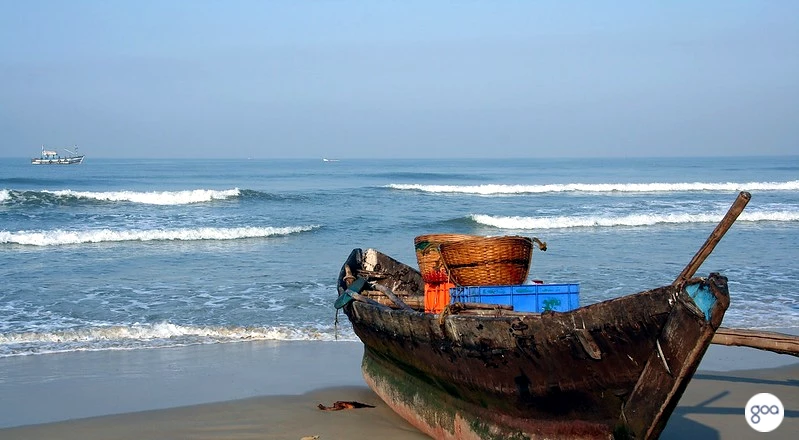
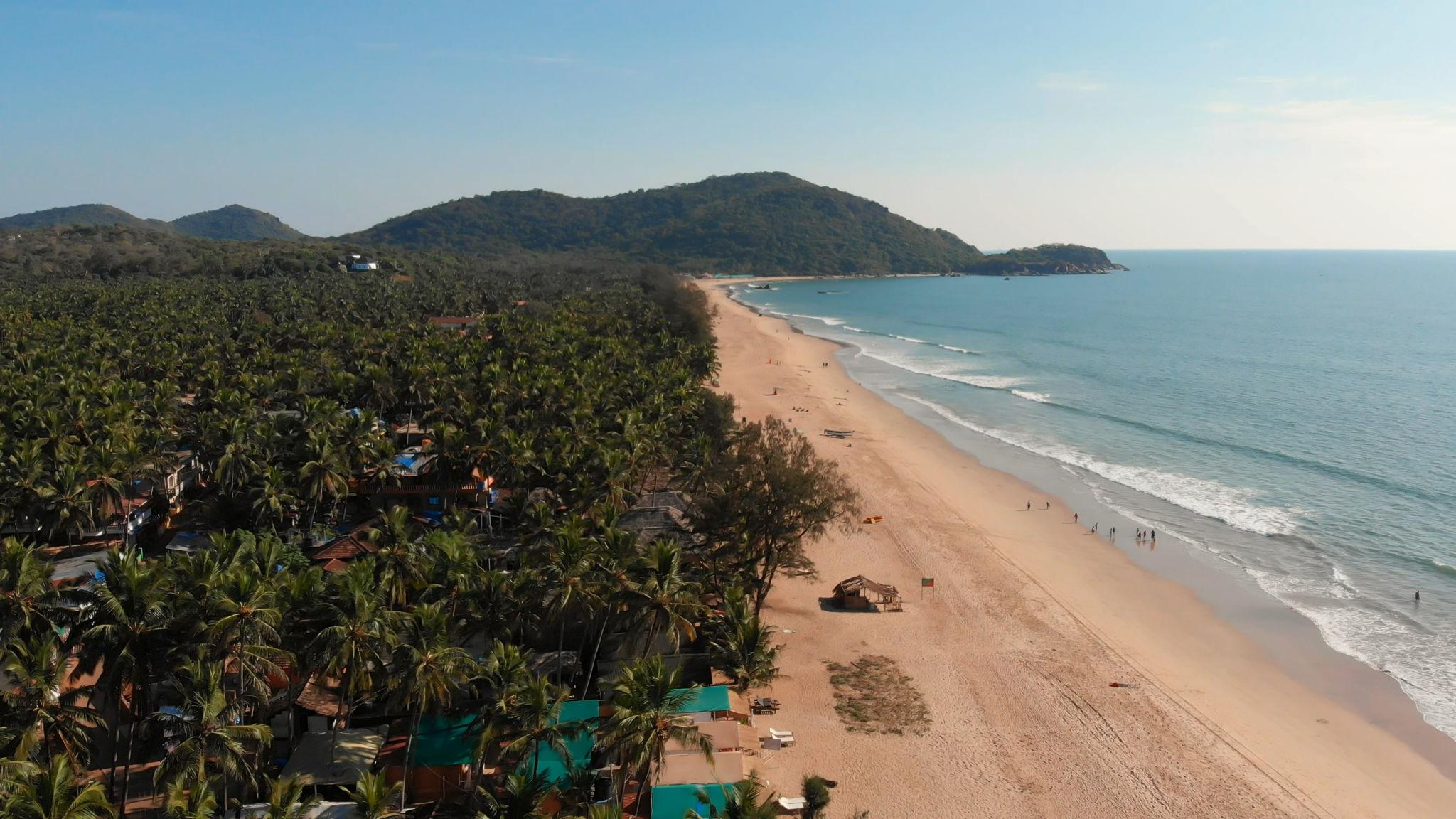
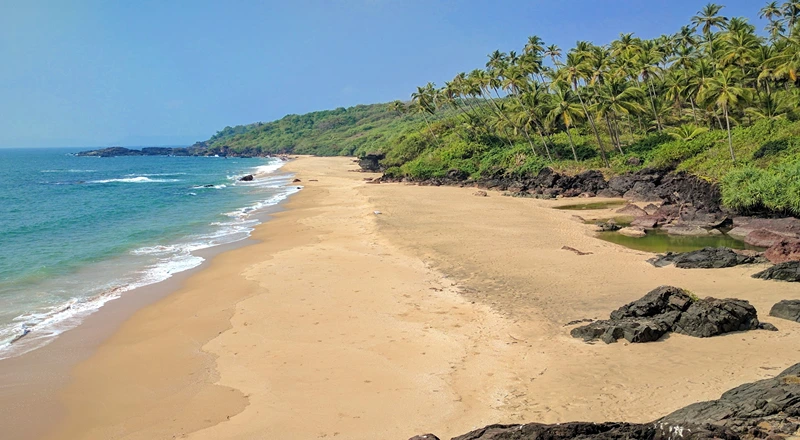
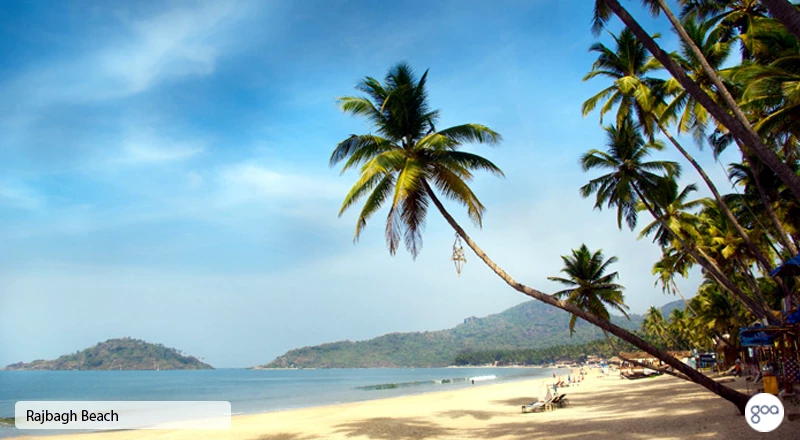
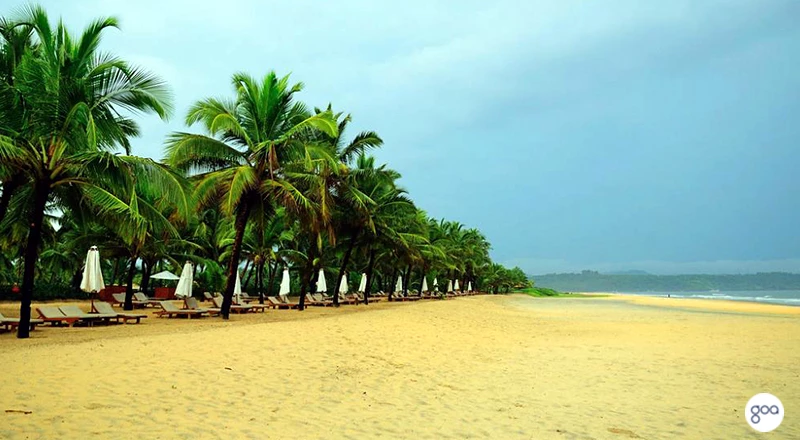
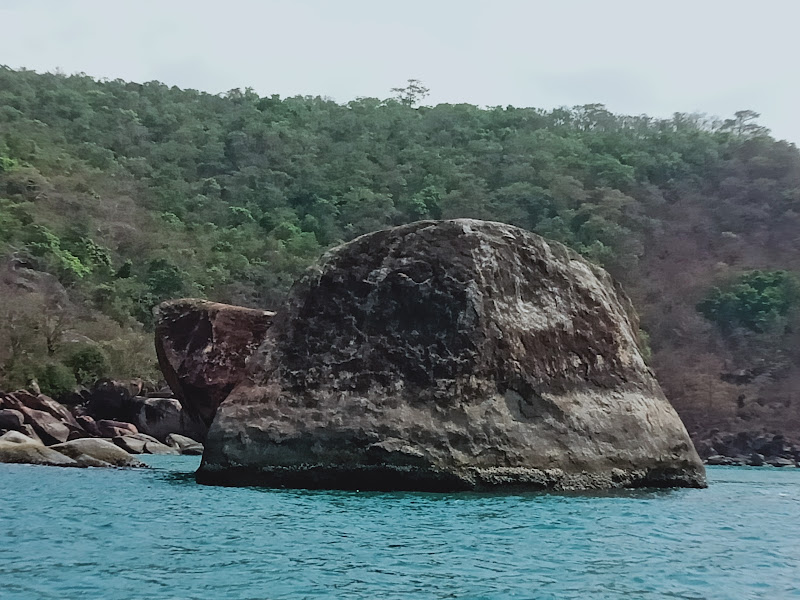
Colva Beach, often referred to as the "White Queen" of South Goa, is one of the most iconic and historically significant coastal stretches in the Indian state of Goa. Stretching over an impressive 2.5 kilometers of powdery white sand, Colva is the oldest and most developed resort area in South Goa. Unlike the rocky outcrops found in the north, Colva is characterized by its vast, shimmering shoreline, fringed with swaying coconut palms and the azure waters of the Arabian Sea. For decades, it has served as the primary retreat for the elite of Margao and remains a beloved destination for both domestic and international travelers seeking a blend of cultural heritage and seaside relaxation.
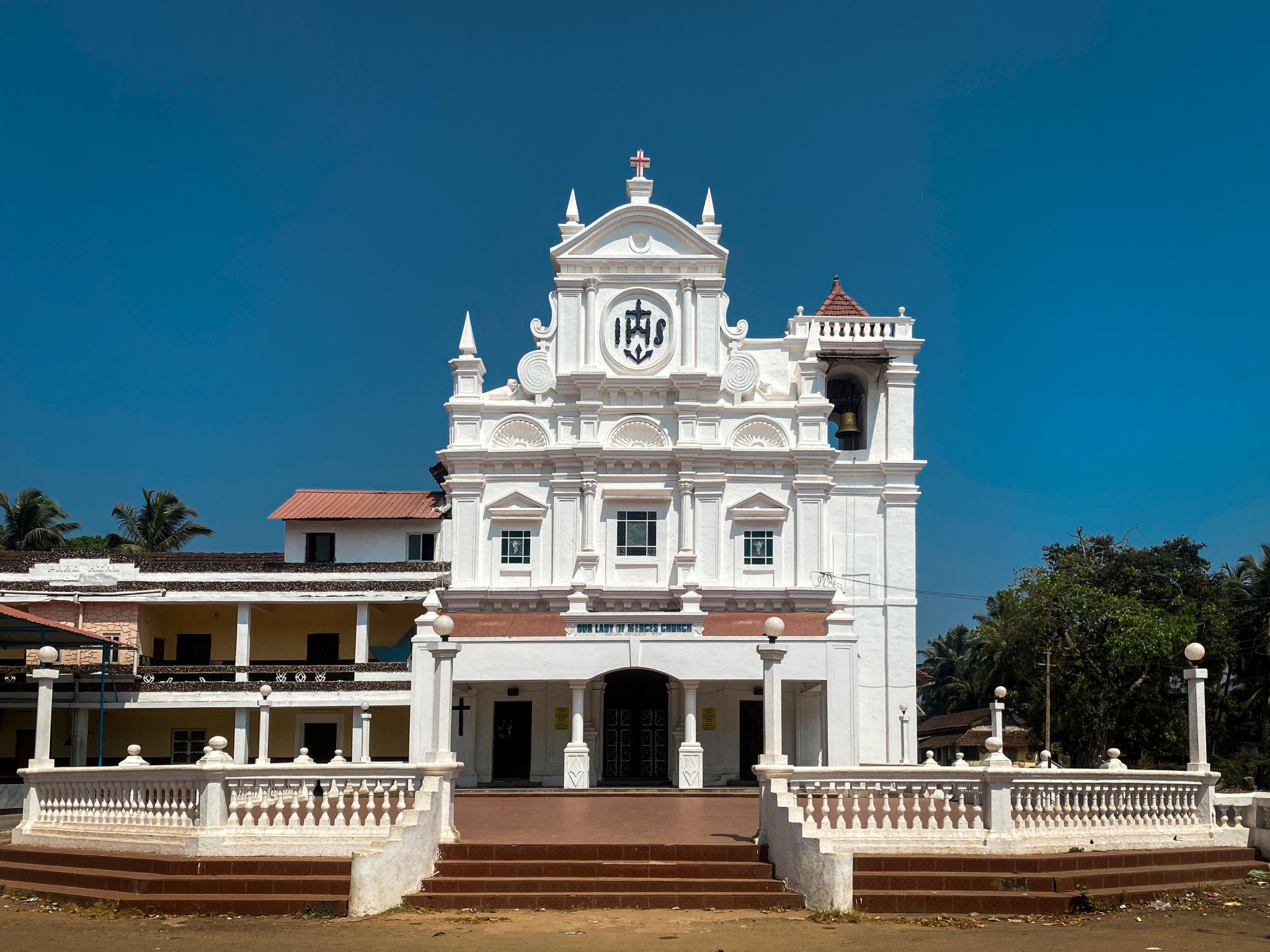
The history of Colva is deeply intertwined with the Portuguese colonial era. The village was once the retreat for the Goan high society, and this legacy is still visible today in the form of grand, whitewashed villas and ancestral homes that line the roads leading to the shore. The most prominent landmark here is the Our Lady of Mercy Church (Nossa Senhora das Merces), founded in 1630. This church houses the miraculous statue of Menino Jesus (Baby Jesus), which is the centerpiece of the famous "Fama" festival celebrated every October. This spiritual anchor gives Colva a unique character that differentiates it from the purely commercial vibe of other Goan beaches.
Geographically, Colva is part of a continuous 25-kilometer stretch of sand that begins at Bogmalo in the north and ends at Cabo de Rama in the south. However, the central Colva area is where the energy is highest. Here, you will find a bustling atmosphere filled with beach shacks, souvenir stalls, and local vendors. Yet, a short five-minute walk in either direction—towards Sernabatim in the south or Betalbatim in the north—reveals a much quieter, more secluded side of the beach. This duality makes Colva an ideal destination for families who want amenities close at hand, as well as couples looking for romantic, sunset-drenched solitude.
The sand at Colva is distinct; it is exceptionally fine and bright white, often compared to the beaches of the Caribbean. Because the shelf of the sea is shallow and the currents are generally moderate, it is considered one of the safer beaches for swimming in Goa. Whether you are watching the local fishermen bring in their daily catch in traditional canoes or enjoying a high-adrenaline parasailing session, Colva offers a comprehensive Goan experience that captures the essence of Susegad—the relaxed, laid-back lifestyle that the state is famous for.
Colva Beach is centrally located in South Goa, making it highly accessible from various transit hubs. Its proximity to Margao (Madgaon), the commercial capital and transport heart of South Goa, ensures that travelers have multiple options to reach the shore regardless of their budget.
By Air: The nearest airport is the Dabolim International Airport (GOI), located approximately 24 kilometers away. Upon landing, the most convenient way to reach Colva is by hiring a Pre-paid Taxi from the airport counter. The drive takes about 45 to 60 minutes, passing through the scenic villages of Chicalim and Verna. While the newer Mopa Airport (Manohar International Airport) in North Goa is an option, it is significantly further away (about 65-70 km), so Dabolim remains the preferred choice for visitors heading to Colva.
By Rail: The Madgaon Junction (MAO) is the closest major railway station, situated just 8 kilometers from Colva Beach. As a primary stop on the Konkan Railway, it is well-connected to major Indian cities like Mumbai, Delhi, Bangalore, and Kochi. From the station, you can take a yellow-and-black taxi, an auto-rickshaw, or a local bus. For solo travelers or those on a budget, the "Pilot" (motorcycle taxi) is a uniquely Goan way to reach the beach quickly.
By Road: Colva is well-connected by a network of well-paved roads. If you are coming from Panjim (the capital city), the distance is roughly 35 kilometers.
The experience of Colva Beach changes dramatically with the seasons. Understanding the Goan climate is essential for planning a trip that aligns with your expectations for weather and crowd density.
The Peak Season (November to February): This is undoubtedly the best time to visit Colva. The weather is pleasant, with temperatures ranging from 20°C to 30°C. The humidity is low, and the cool sea breeze makes it perfect for long days on the sand. During this time, all beach shacks are fully operational, water sports are in full swing, and the nightlife is vibrant. This period also coincides with major festivals like Christmas and New Year, where the beach comes alive with fireworks and parties. However, expect higher accommodation prices and more crowded shores.
The Shoulder Season (October and March): October marks the end of the monsoon and the beginning of the "Fama" festival at the local church. The landscape is lush green, and while it might still be a bit humid, the crowds are thinner. March is the onset of summer; the days get warmer, but the evenings remain delightful. These months offer a great balance for those looking for lower prices while still enjoying most of the tourist facilities.
The Monsoon Season (June to September): If you want to see a different, more poetic side of Goa, the monsoon is the time. The rain transforms the countryside into a tropical paradise. While swimming and water sports are strictly prohibited due to rough seas and strong undercurrents, many travelers enjoy the dramatic stormy skies and the peace of the off-season. Most beach shacks are dismantled during this time, but permanent cafes and restaurants remain open. It is the cheapest time to visit, with luxury resorts offering significant discounts.
The Summer Season (April to May): These are the hottest months, with temperatures often soaring above 35°C and high humidity. While the beach is beautiful in the early mornings and late evenings, the midday sun can be punishing. It is a popular time for domestic tourists on school holidays, but international visitors generally find the heat intense.
Colva Beach is a versatile destination that caters to thrill-seekers, peace-lovers, and culture enthusiasts alike. Here is a breakdown of the top activities to enjoy:
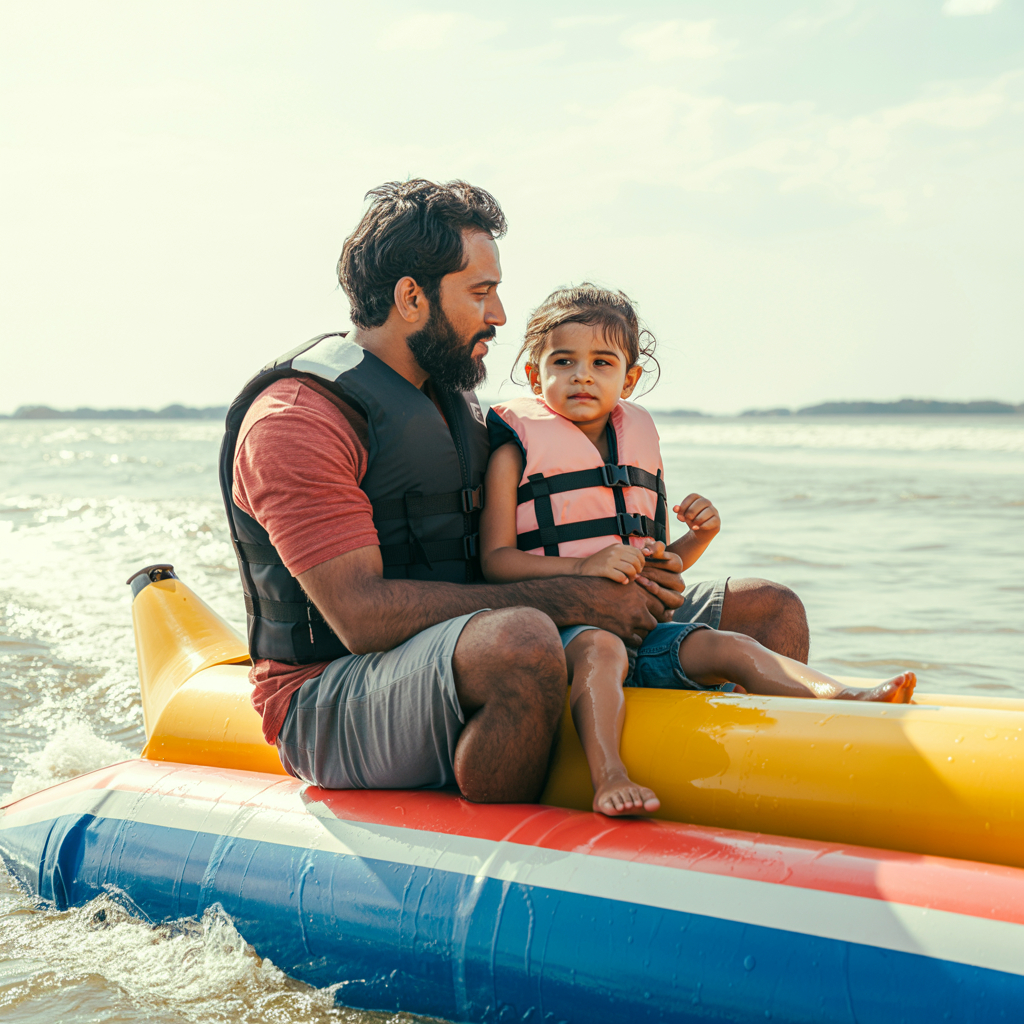
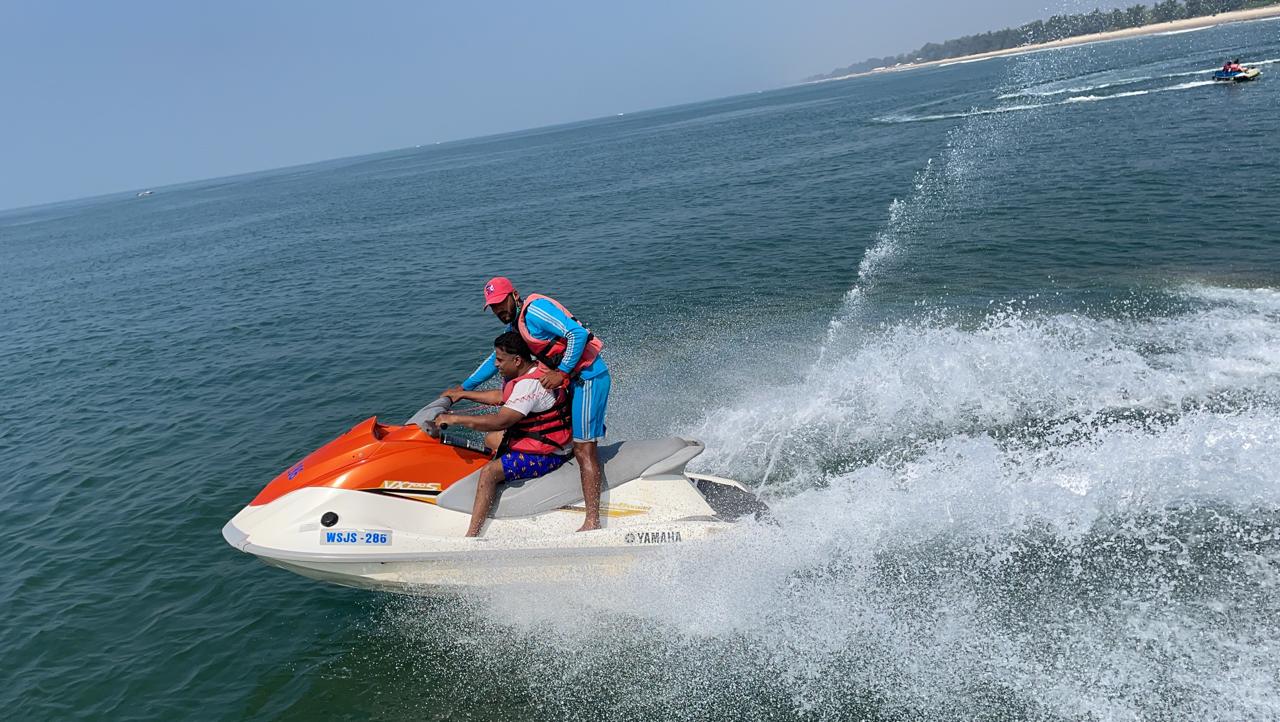
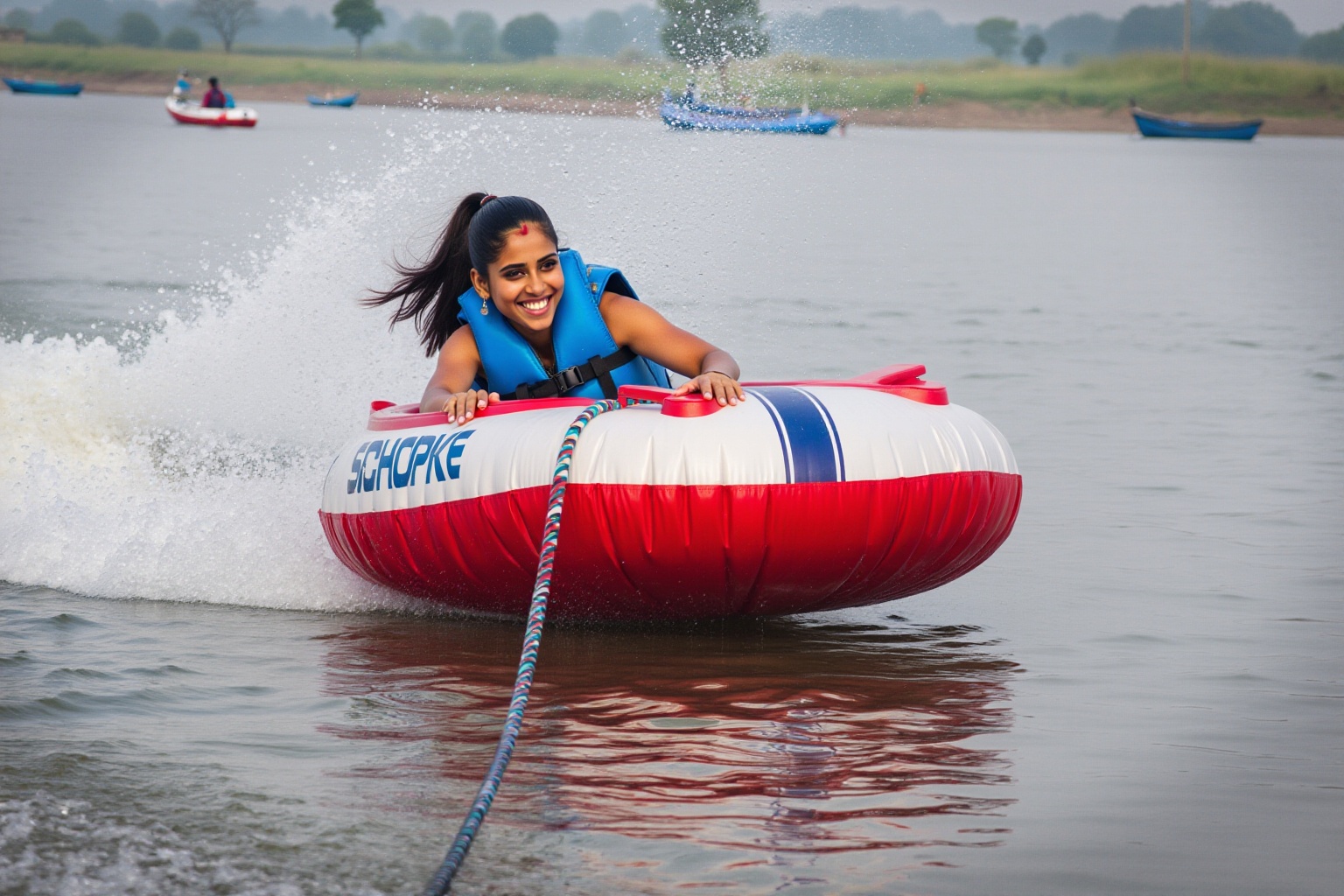
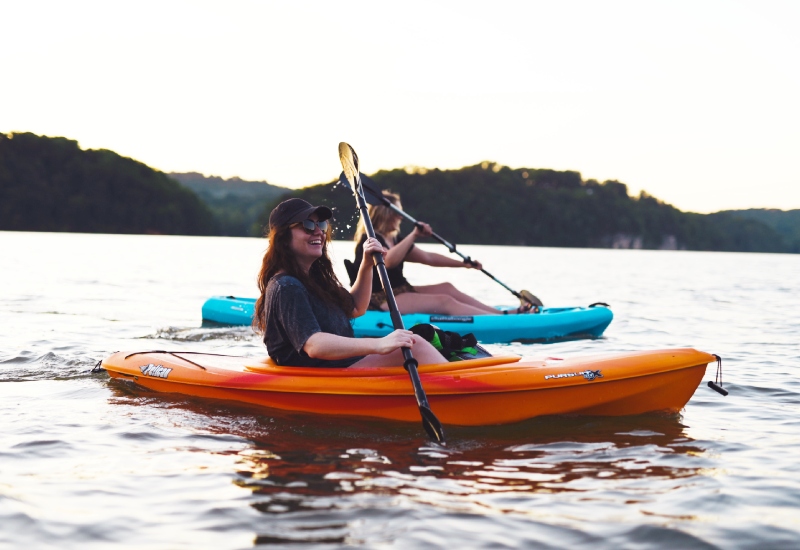
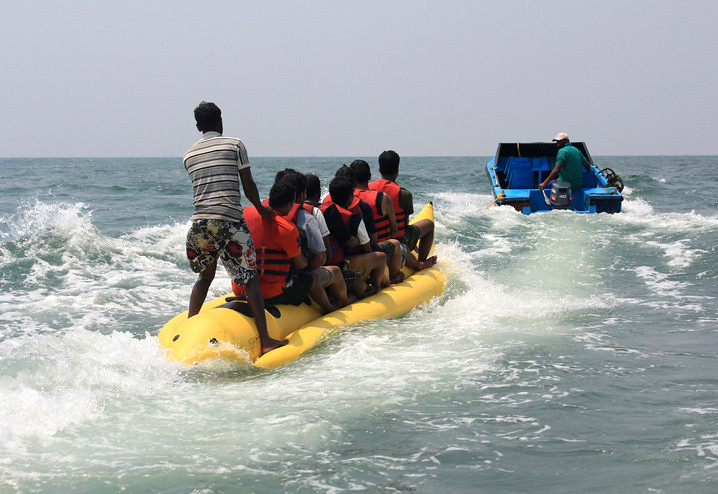
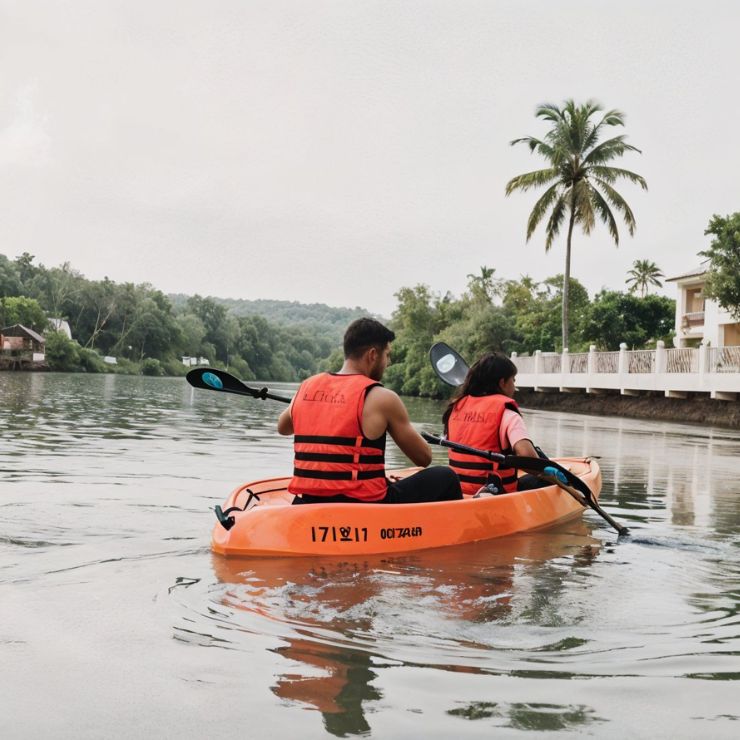
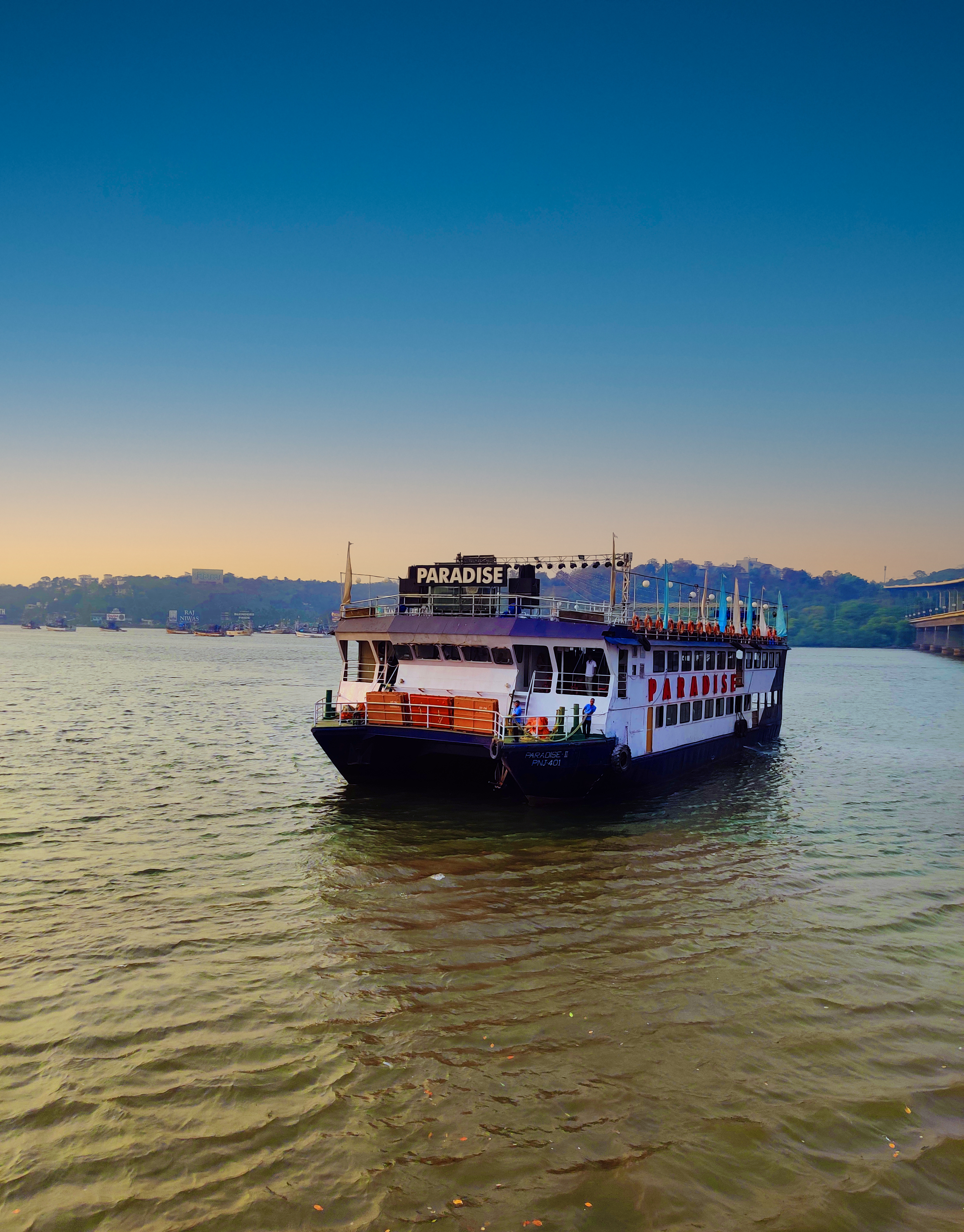
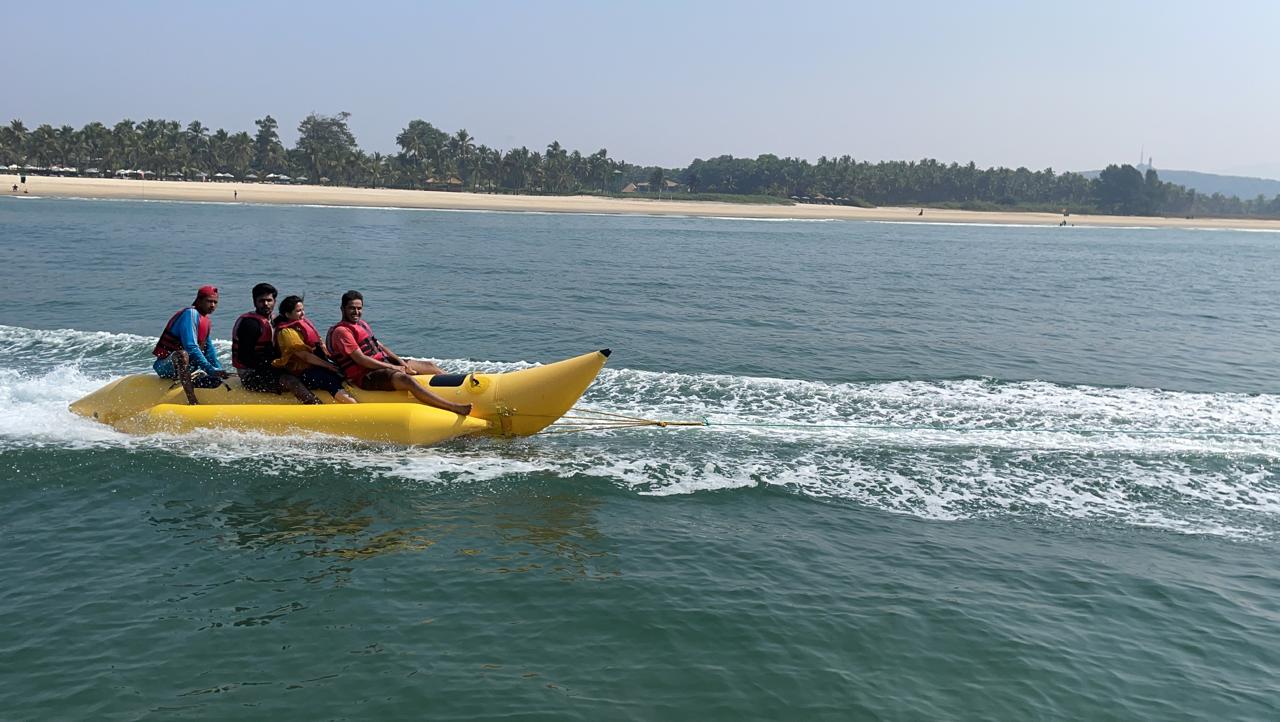
1. Indulge in Water Sports: Colva is a hub for aquatic adventure in South Goa. The calm waters (during the season) make it perfect for beginners. You can try Parasailing for a bird’s-eye view of the coastline, Jet Skiing for a high-speed thrill, or Banana Boat Rides which are great for groups. For something more relaxed, Speedboat rides take you further into the sea, where you might even spot dolphins if you head out early in the morning.
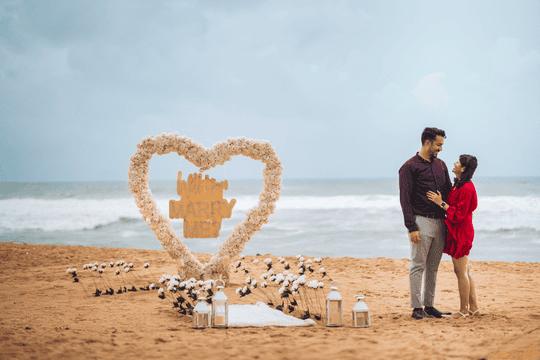
2. Sunset Walks and Photography: The sunsets at Colva are legendary. As the sun dips below the horizon, the white sand reflects the oranges and purples of the sky, creating a photographer's dream. Walking south towards Sernabatim Beach during sunset is a serene experience, away from the main hubbub. The long, flat shoreline is also perfect for a therapeutic jog or a barefoot stroll.
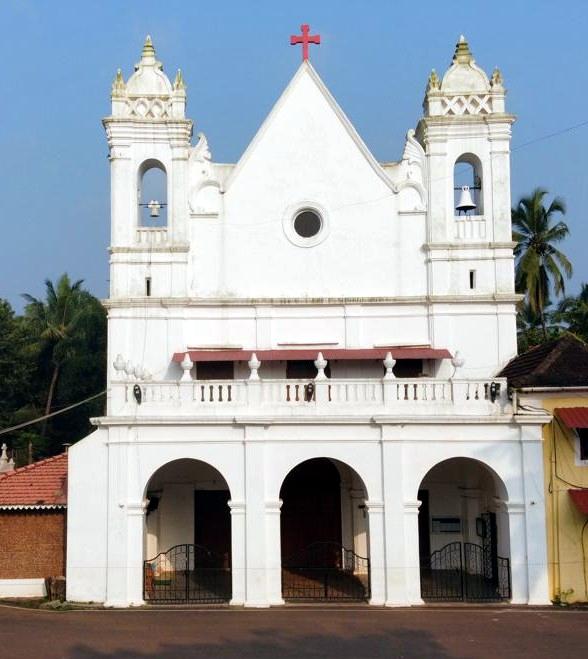
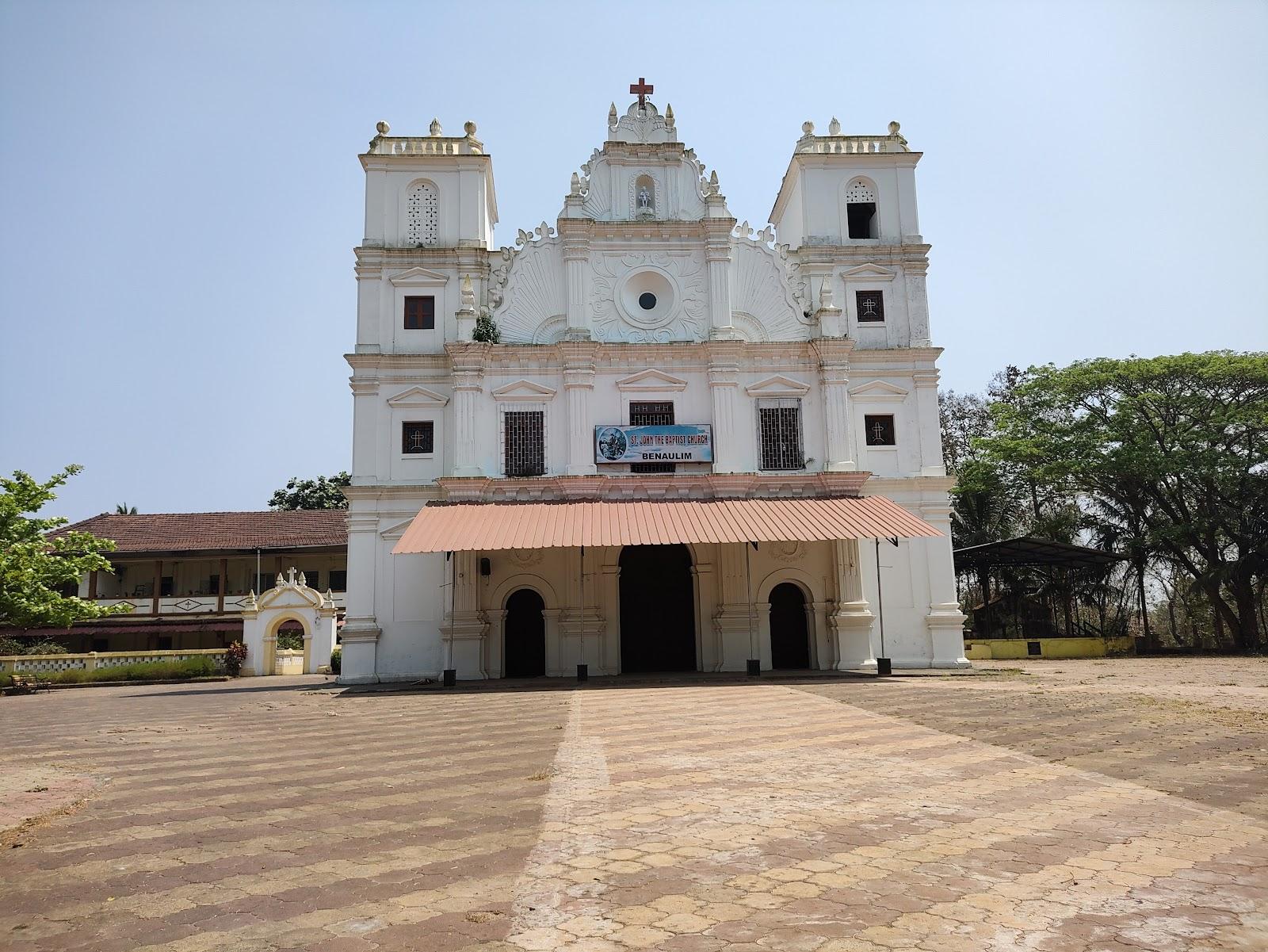
3. Visit the Our Lady of Mercy Church: Just a short walk from the beach entrance, this 17th-century church is a must-visit. Its stunning white facade and intricate altars are classic examples of Portuguese-Goan architecture. If you visit in October, you can witness the Fama of Menino Jesus, one of Goa's biggest feasts, where thousands of devotees gather to seek blessings.
4. Explore the Local Market: The road leading to the beach is lined with shops selling everything from colorful sarongs and beachwear to handcrafted jewelry and souvenirs made of seashells. It is an excellent place to practice your bargaining skills. You can also find local Goan snacks like ros omelette and choris pao at the small stalls near the parking lot.
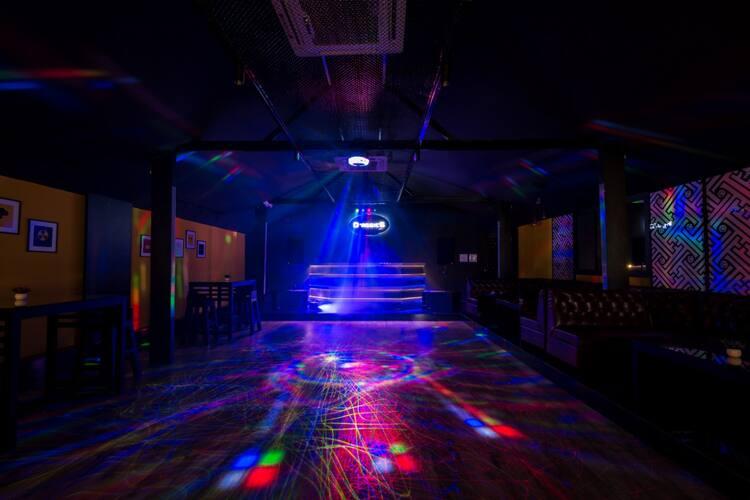
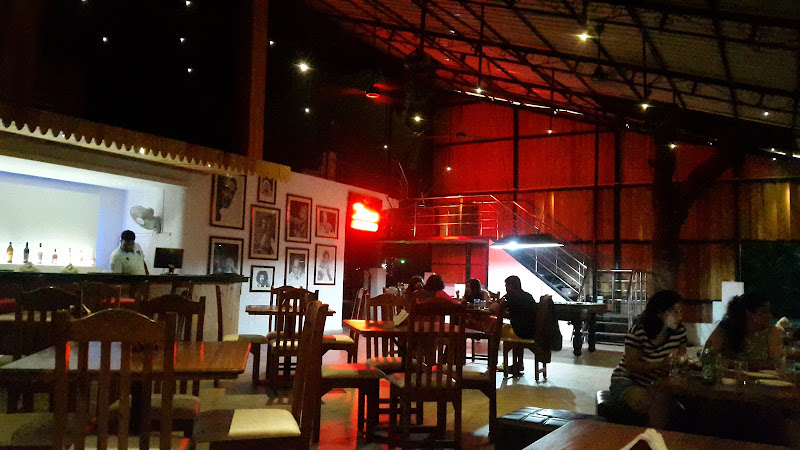
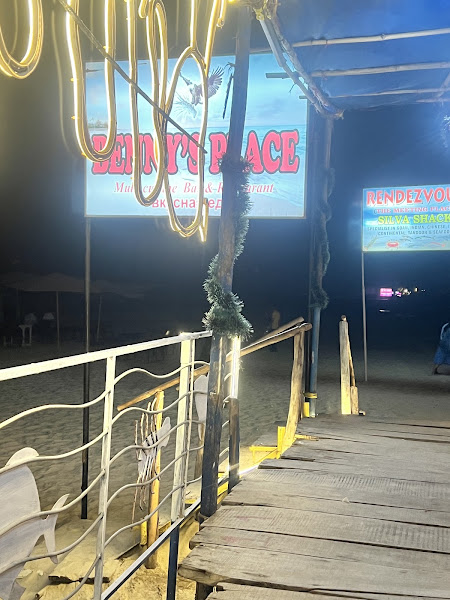
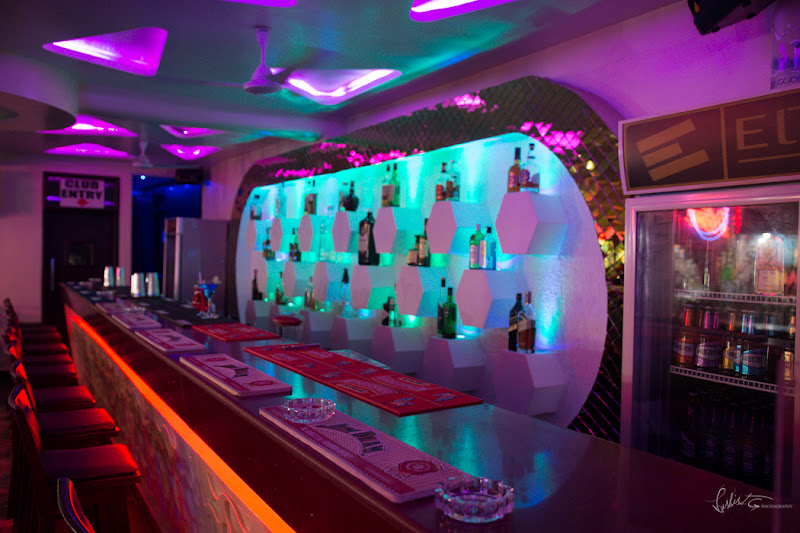
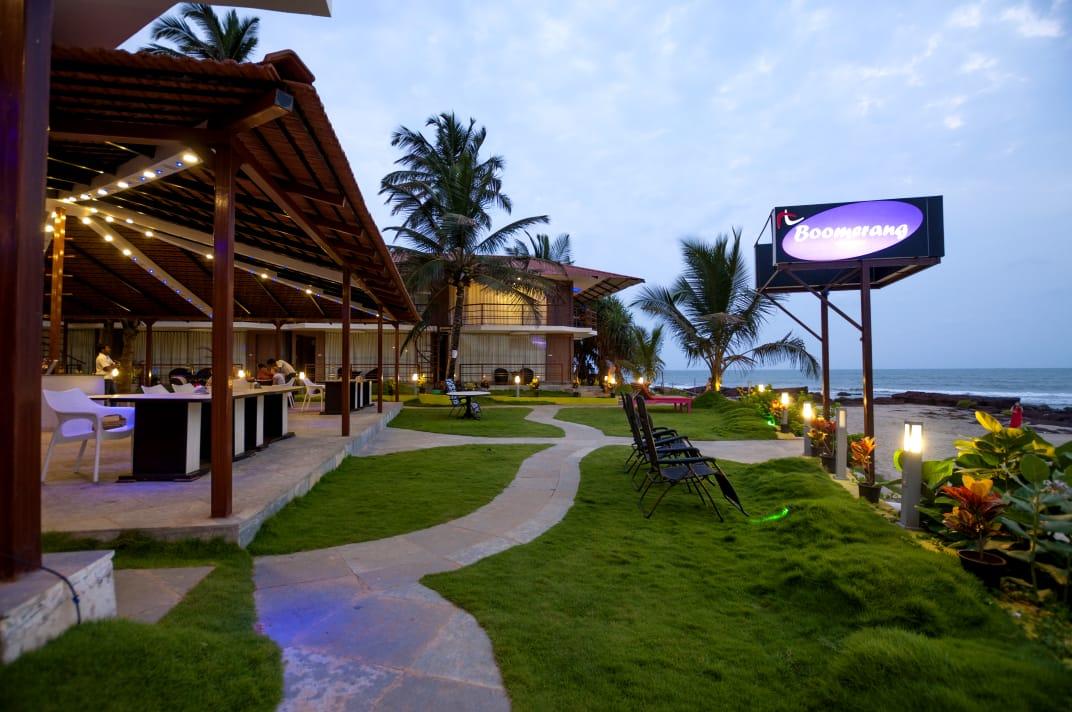
5. Nightlife and Beach Shacks: While South Goa is generally quieter than the North, Colva has its own brand of nightlife. Shacks like Boomerang and Pinacolada offer live music, karaoke nights, and fire dances. Enjoying a chilled Kings Beer or a cocktail with your feet in the sand while listening to the waves is the quintessential Colva evening experience.
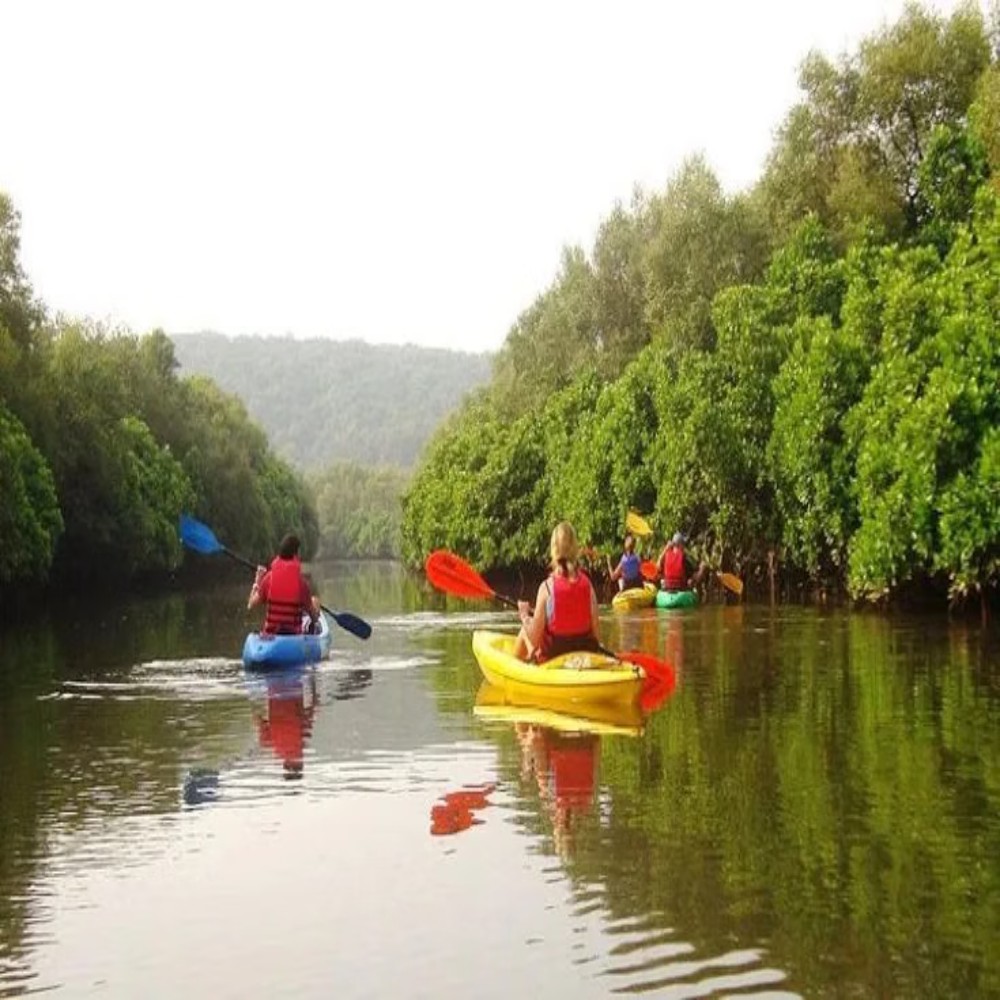
6. Cycling Through the Village: Rent a bicycle and head inland. The village of Colva is filled with winding lanes, old Portuguese mansions, and lush paddy fields. It is a great way to see the "real" Goa beyond the sand and surf. You will encounter local bakeries (poders) selling fresh bread on their cycles and friendly locals who are always up for a chat.
Colva's central location in Salcete taluka makes it an excellent base for exploring the surrounding gems of South Goa. Here are some nearby spots you shouldn't miss:
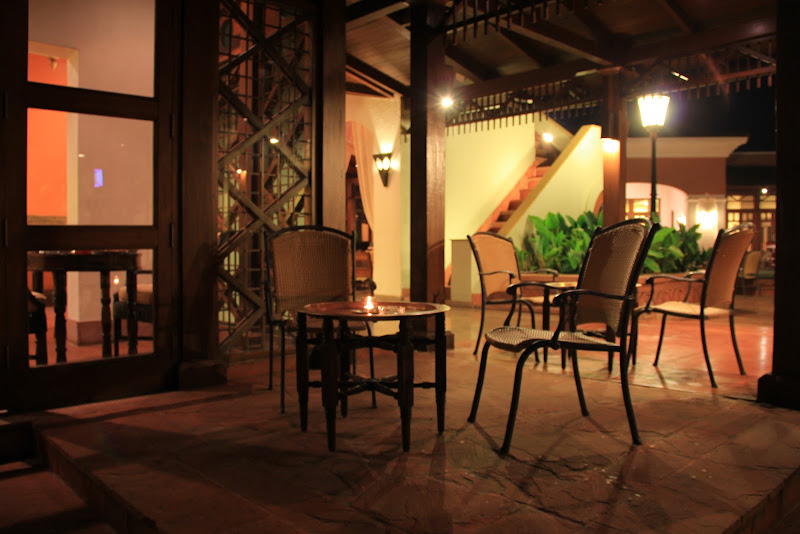
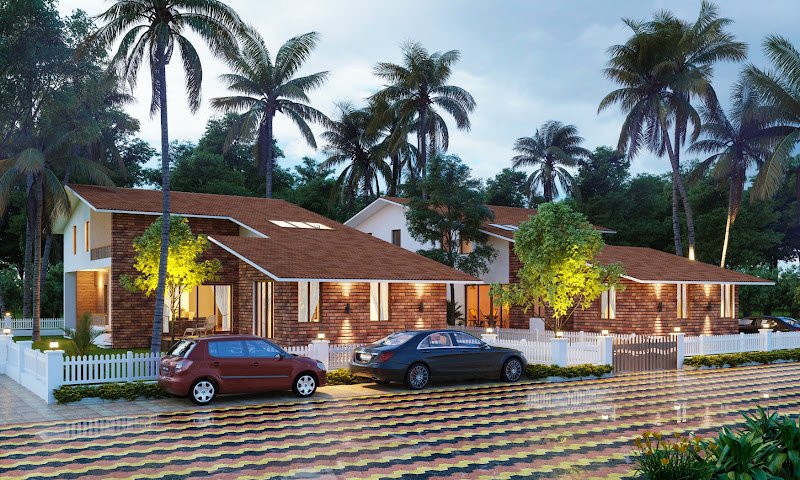
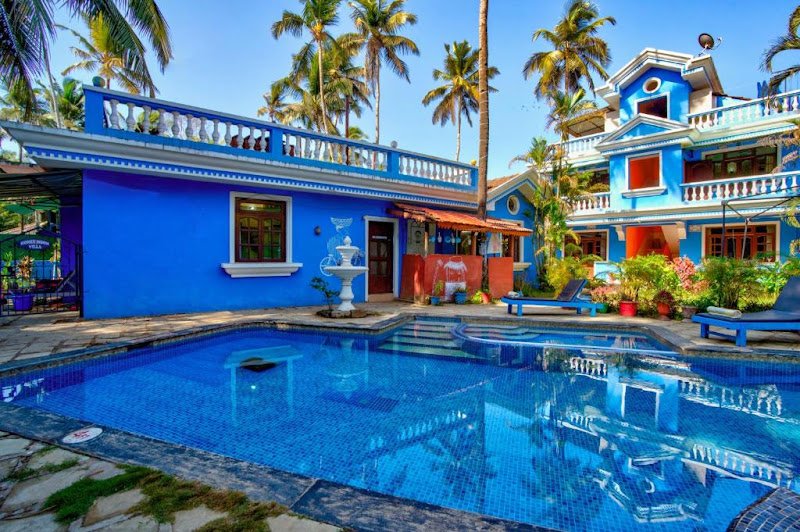
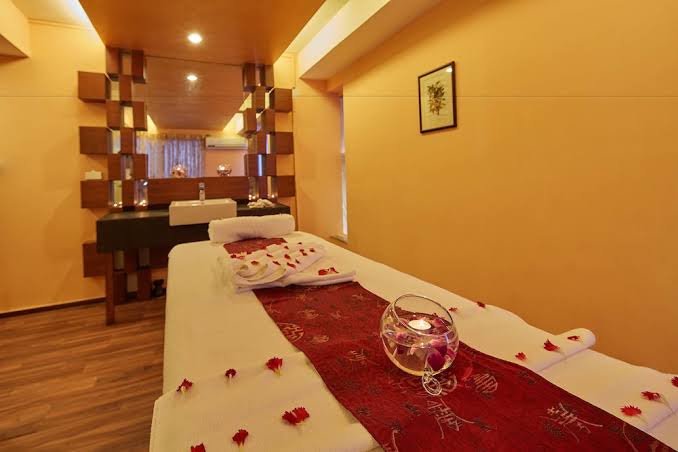
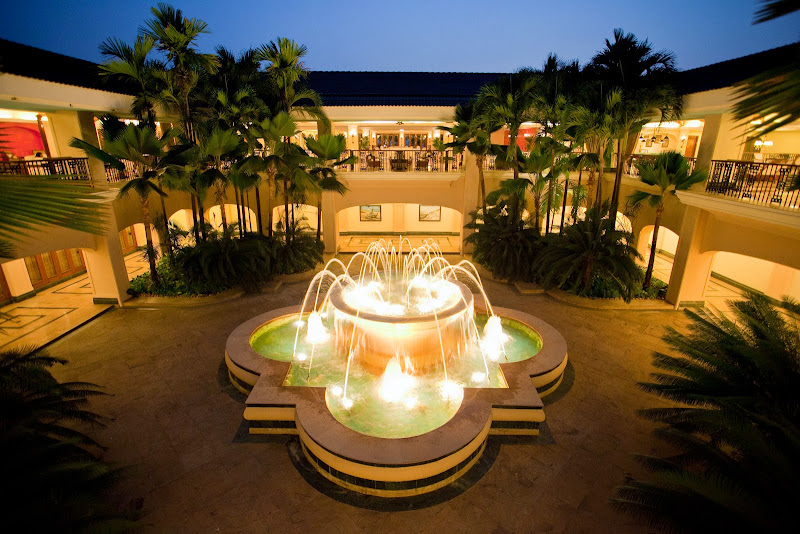
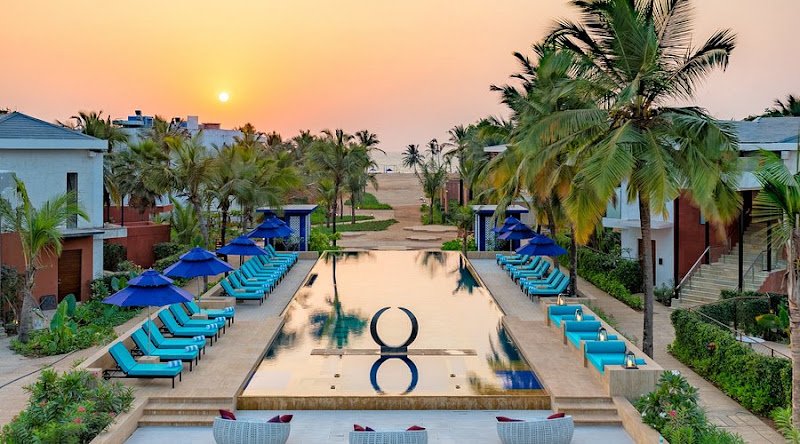
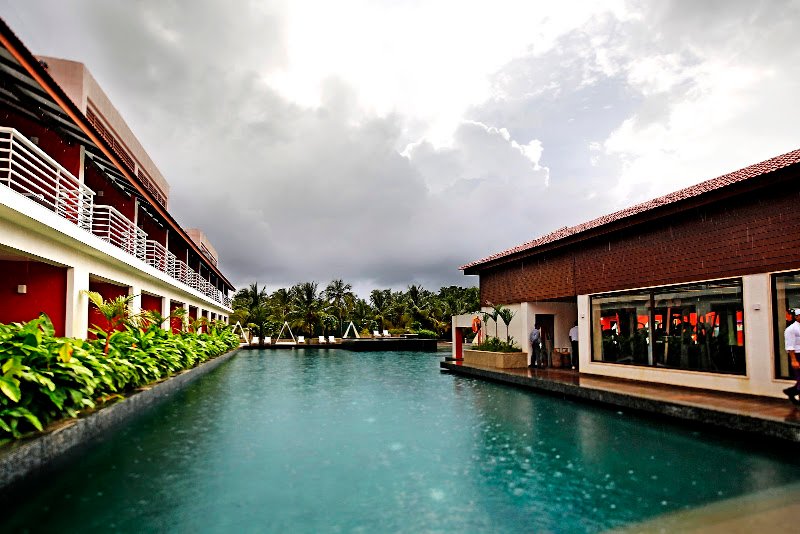
Colva offers a wide range of stay options, from budget-friendly guesthouses to upscale boutique resorts. Because it is a long-standing tourist destination, the infrastructure is well-established.
Luxury and Boutique Resorts:
Mid-Range Hotels:
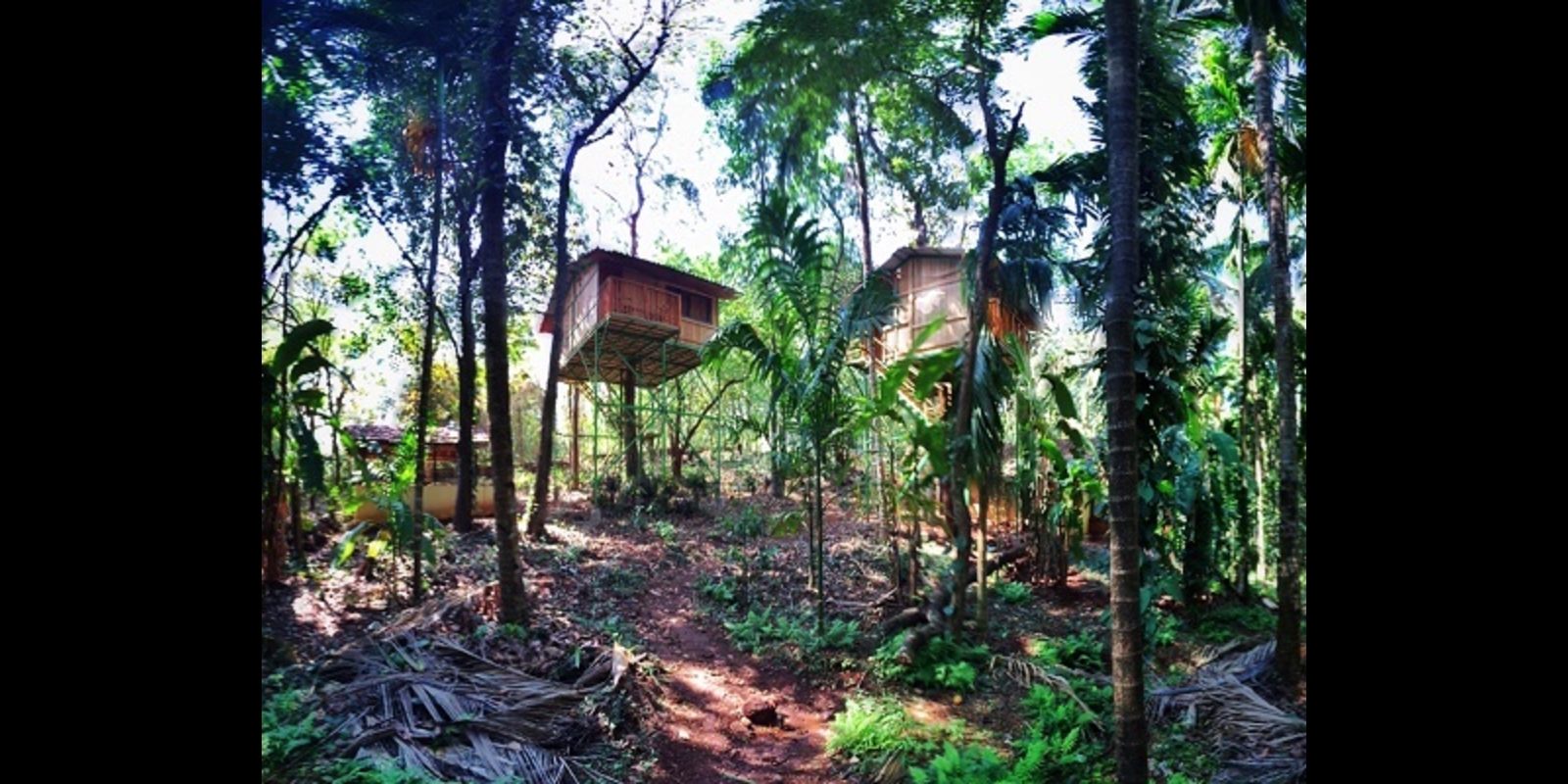
Budget Guesthouses and Homestays: For backpackers and long-term travelers, the lanes of Colva are dotted with family-run guesthouses. These often provide a more authentic experience. Look for stays in the Ward 4 area or near the Sernabatim border for quieter, more affordable rooms. Many of these places also offer kitchens for those who prefer to cook their own meals.
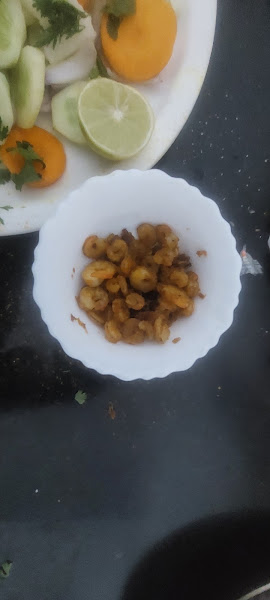
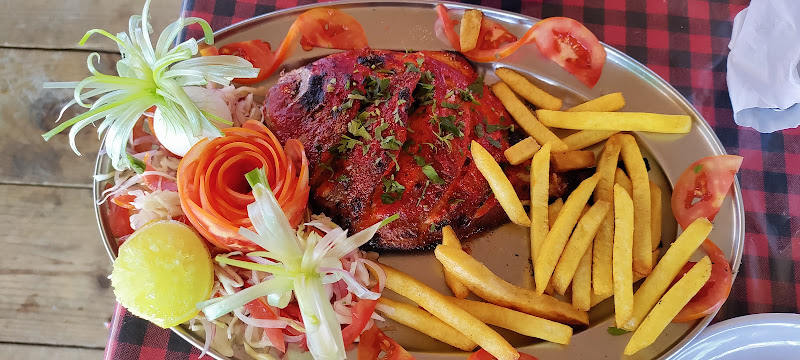
The culinary scene in Colva is a delightful mix of traditional Goan flavors, fresh seafood, and international cuisines. You cannot visit Colva without indulging in a Goan Fish Thali.
To ensure you have a safe and enjoyable trip to Colva, keep these practical tips in mind:
Colva Beach remains the quintessential South Goa destination, offering a perfect harmony between the old-world charm of Portuguese heritage and the vibrant energy of a modern seaside resort. Its sprawling white sands, safe swimming waters, and diverse range of activities make it a versatile choice for any traveler. Whether you are a solo traveler looking to soak in the "Susegad" lifestyle, a family seeking a safe and fun environment for children, or a couple searching for a romantic sunset backdrop, Colva never fails to deliver. By moving just a few hundred meters away from the central entrance, you can find the peace you crave, yet you are never more than a short walk away from a delicious Goan meal or a thrilling water sport adventure. Colva is not just a beach; it is a gateway to the soul of South Goa, promising memories that are as enduring as the tides of the Arabian Sea.