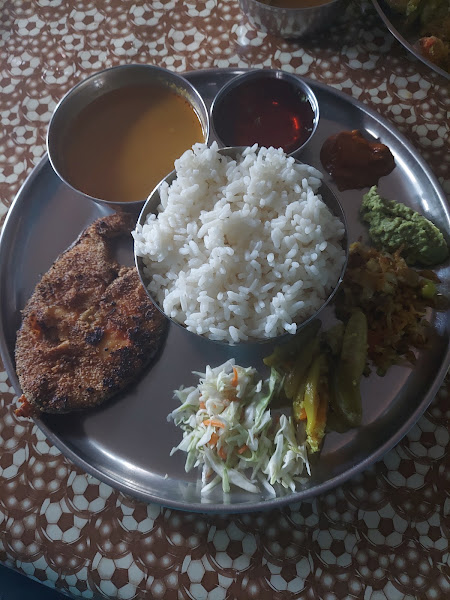
Canaguinim Beach

Canaguinim Beach

5 2,420 Verified
South Goa

Overview

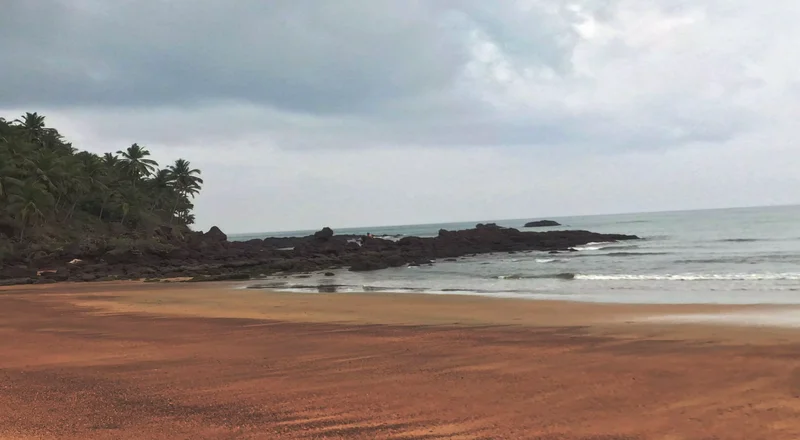
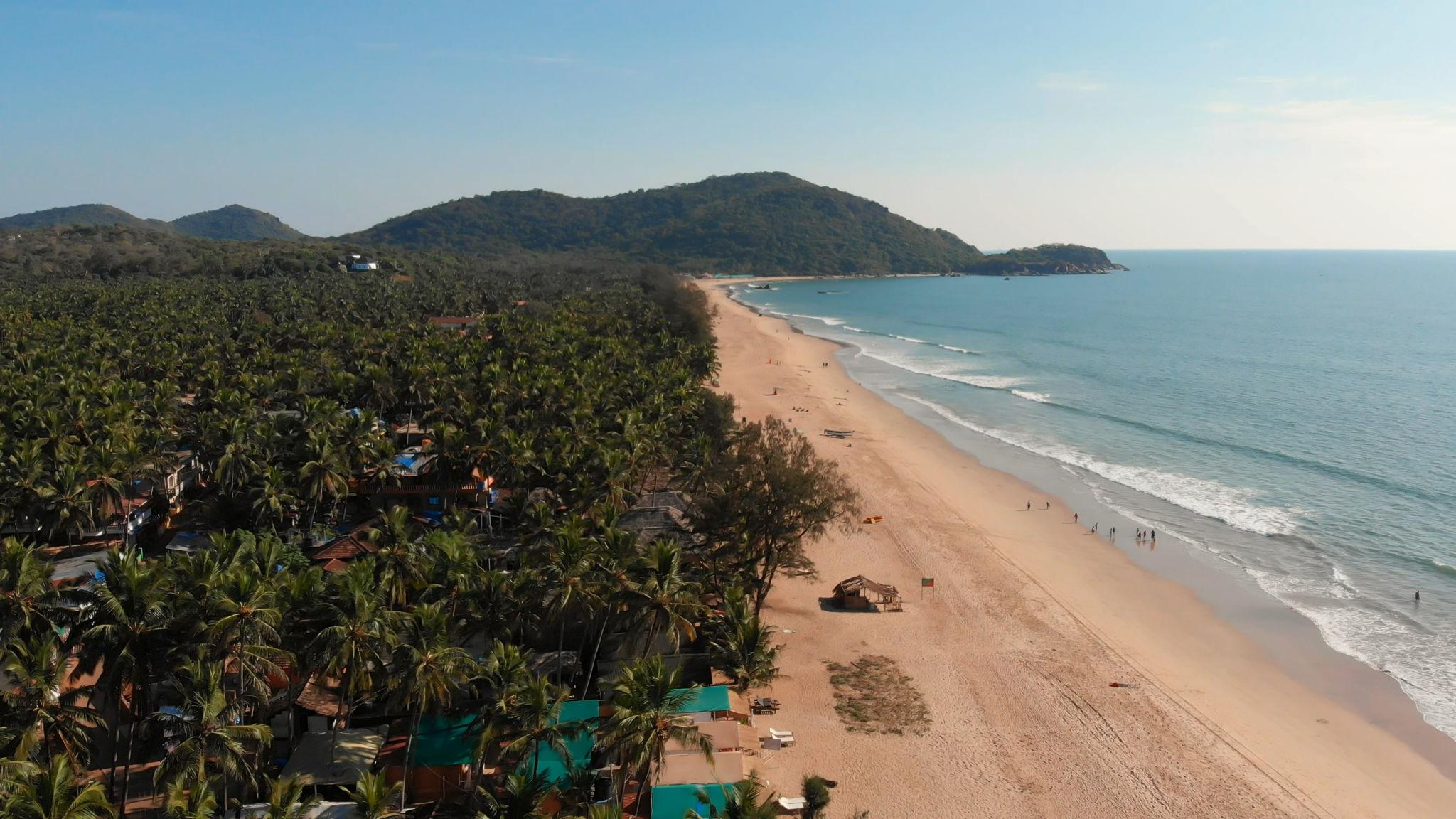
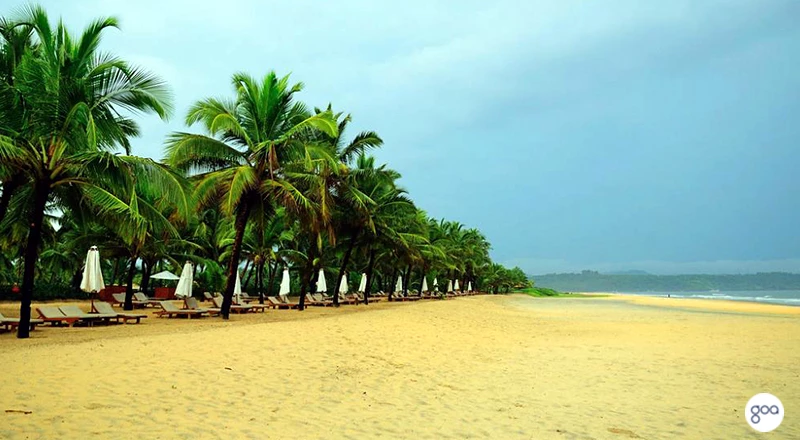
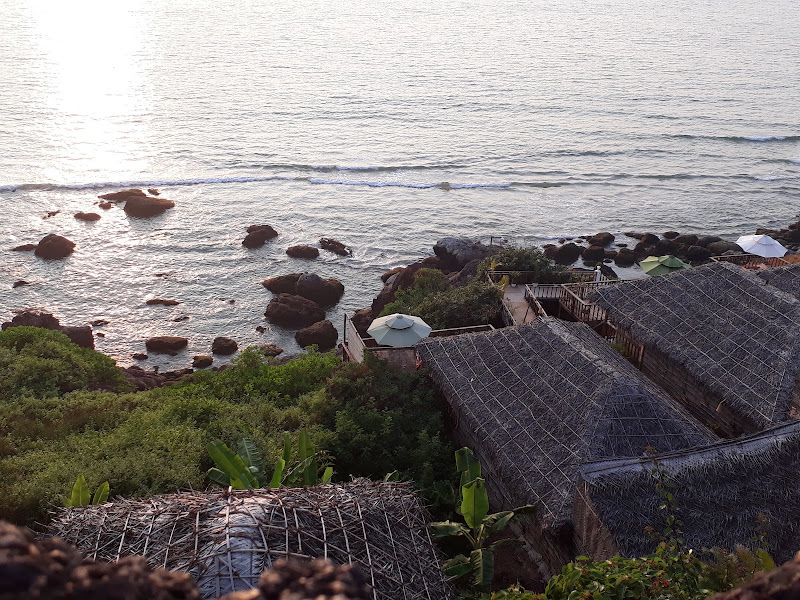
Deep within the lush, verdant folds of South Goa lies a secret that the bustling tourist maps often overlook: Canaguinim Beach. Known to locals as a sanctuary of silence, this beach is the antithesis of the commercialized stretches of North Goa. Located in the Quepem taluka, approximately 22 kilometers from the major hub of Margao, Canaguinim is a destination for the soul-searcher, the poet, and the traveler who seeks the raw, unfiltered beauty of the Arabian Sea. Unlike the flat, expansive sandy shores of Colva or Calangute, Canaguinim is characterized by its dramatic topography, featuring a rugged coastline punctuated by red laterite rocks, golden sands, and a backdrop of dense coconut groves and cashew plantations.

The beach is geographically divided into two distinct sections: North Canaguinim and South Canaguinim. The northern part is a mesmerizing mix of sandy patches and stony outcrops, making it a favorite for photographers and those who enjoy exploring tide pools. The southern part is more traditional, offering a wider sandy shore where the waves lap gently against the coast. What makes Canaguinim truly special is its absolute lack of commercialization. You won't find rows of sunbeds, loud music from beach shacks, or persistent hawkers here. Instead, you are greeted by the rhythmic sound of the tide, the occasional call of a sea eagle, and the rustling of palm fronds in the salt-laden breeze. It is one of the few places left in Goa where you can truly feel like you have discovered a private paradise.

Historically and culturally, Canaguinim remains rooted in the traditional Goan way of life. The nearby village is a quiet settlement where the pace of life is dictated by the seasons and the sea. The presence of the Cabo de Rama Fort just a few kilometers away adds a layer of historical mystique to the region. The beach serves as a reminder of what Goa was decades ago—a pristine coastal wilderness where nature reigns supreme. For the eco-conscious traveler, Canaguinim offers a rare opportunity to witness a thriving coastal ecosystem, from the small crabs scuttling across the rocks to the diverse birdlife that inhabits the surrounding cliffs. Whether you are looking to meditate, sketch, or simply escape the digital noise of the modern world, Canaguinim Beach provides the perfect, untouched canvas.

How to Reach Canaguinim Beach

Reaching Canaguinim Beach is an adventure in itself, as the journey takes you through some of the most scenic countryside in South Goa. Because of its secluded location, public transport options are limited, and a bit of planning is required to ensure a smooth trip.

  • By Air: The nearest airport is Dabolim Airport (GOI), located approximately 45-50 kilometers away. While the newer Manohar International Airport (Mopa) in North Goa is an option, it is significantly further (over 100 km), making Dabolim the much more convenient choice. From Dabolim, you can hire a pre-paid taxi directly to Canaguinim. The drive takes about 1.5 hours and offers stunning views of the Goan hinterlands.
  • By Rail: The most convenient railway station is Madgaon Junction (Margao), which is about 22-25 kilometers from the beach. Madgaon is well-connected to major Indian cities like Mumbai, Bangalore, and Delhi. From the station, you can take a local bus toward Quepem or Cabo de Rama, but for direct access, a taxi or a rented scooter is highly recommended. Another closer but smaller station is Balli, which is about 10 kilometers away, though fewer express trains stop there.
  • By Road: If you are driving from Margao, follow the road toward Cuncolim and then take the diversion toward Betul and Cabo de Rama. The roads are narrow and winding, passing through quaint Goan villages with colorful Portuguese-style houses. Look for signage pointing toward Canaguinim village. Once you reach the village, a small, steep path leads down to the beach.
  • Local Transport: The best way to explore this region is by renting a scooter or a Royal Enfield. Having your own wheels gives you the freedom to navigate the narrow lanes and stop at various viewpoints along the cliffs. Taxis are available but can be expensive for a one-way drop-off due to the remote location.

It is important to note that the final approach to the beach involves a bit of a walk. After parking your vehicle near the village or the designated parking spot on the cliffside, you will need to descend a flight of stairs or a natural trail. The path can be slippery during the monsoon, so sturdy footwear is advised. The effort, however, is rewarded the moment the turquoise waters come into view through the canopy of trees.

Best Time to Visit

The experience of Canaguinim Beach changes dramatically with the seasons, and choosing the right time to visit depends on what you want to experience.

  • Winter (November to February): This is undoubtedly the best time to visit Canaguinim Beach. The weather is pleasant, with daytime temperatures hovering around 28°C to 32°C and cool, breezy nights. The sea is calm and safe for wading, and the humidity is at its lowest. This is the ideal period for long walks on the beach, picnics, and exploring the nearby cliffs.
  • Summer (March to May): The Goan summer can be quite hot and humid. Temperatures can soar to 35°C or higher. However, if you don't mind the heat, this is the time when the beach is at its quietest. The water remains clear, but it is best to visit during the early morning or late evening to avoid the harsh midday sun. The cashew season is also at its peak during these months, and you can smell the fermenting fruit in the surrounding hills.
  • Monsoon (June to September): The monsoon transforms Canaguinim into a lush, emerald paradise. The red laterite rocks contrast beautifully with the vibrant green vegetation. However, the sea becomes very rough, and swimming is strictly prohibited. The path down to the beach can be treacherous. This season is perfect for nature lovers and those who enjoy the "Rainy Goa" aesthetic, but be prepared for limited accessibility and high humidity.
  • Post-Monsoon (October): This is a "bridge" month where the rains begin to recede, and the landscape is still incredibly green. The weather starts to cool down, and the sea begins to calm. It is a great time for those who want to avoid the peak winter crowds.

Things to Do at Canaguinim Beach

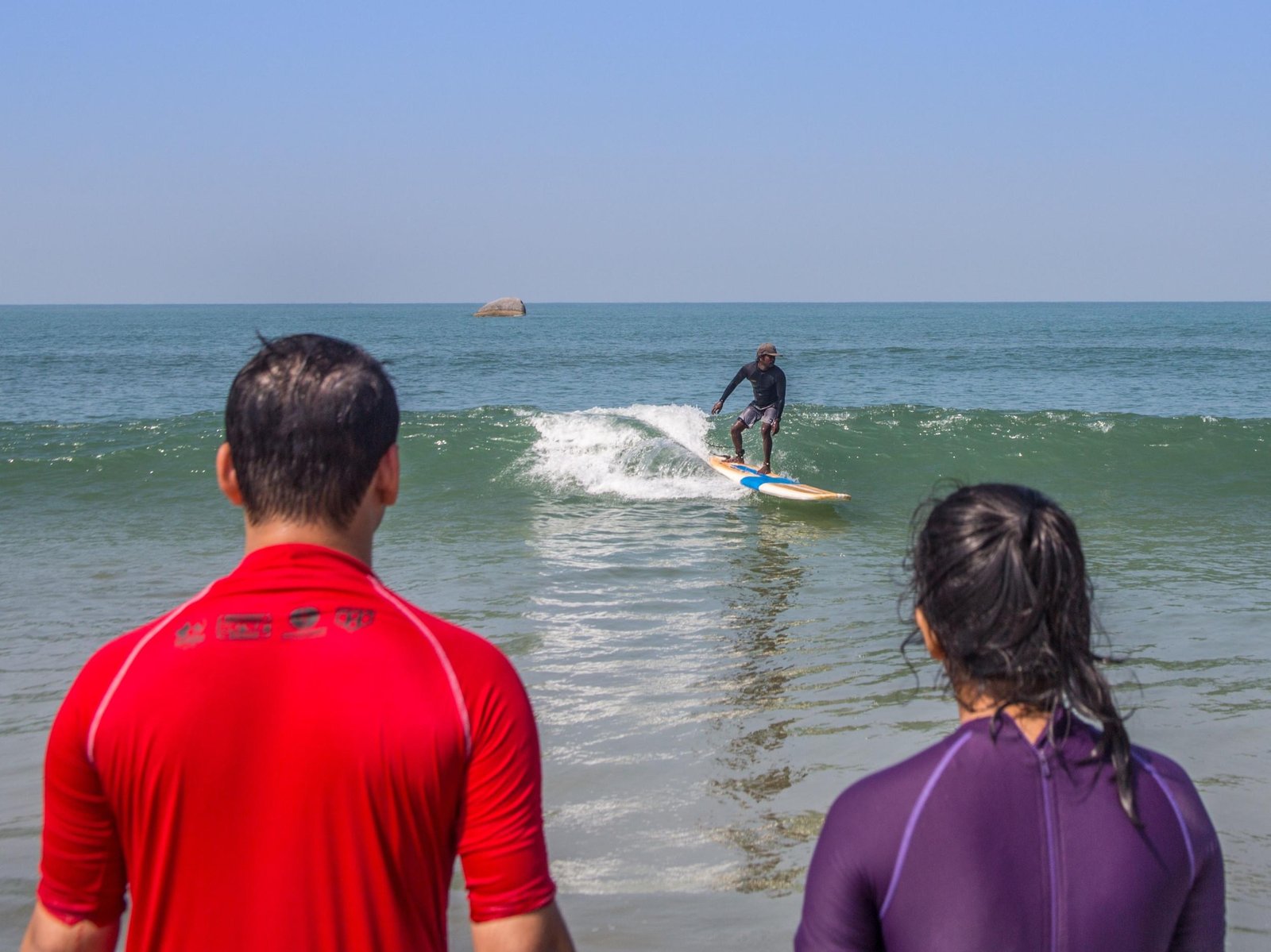
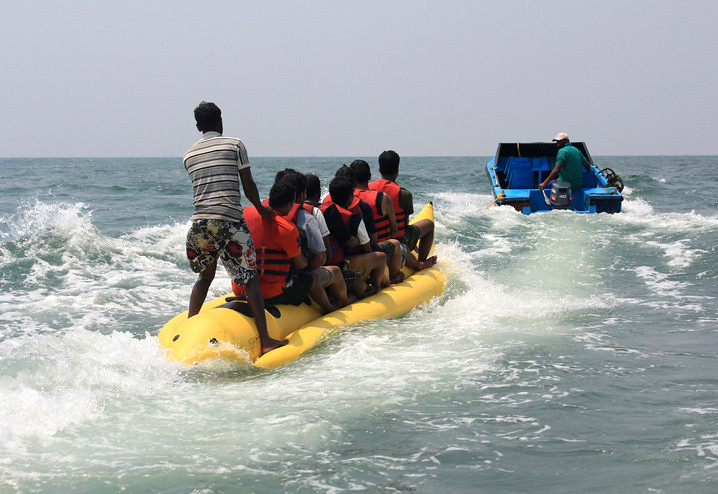
Canaguinim is not a place for high-octane water sports or beach parties. Instead, it offers activities that allow you to connect with nature and yourself. Here are the best things to do:

  • Explore the Laterite Formations: The northern end of the beach is famous for its unique rock formations. Spend time exploring the tide pools during low tide, where you can spot small fish, crabs, and sea anemones. The contrast of the red rocks against the blue sea is a dream for landscape photographers.
  • Picnicking: Since there are no commercial shacks on the beach, Canaguinim is the perfect spot for a DIY picnic. Pack some local Poi (Goan bread), chorizo, and fruit, and find a shaded spot under the palm trees. Just remember to carry all your trash back with you to keep the beach pristine.
  • Beachcombing and Solitude: Because the beach is so sparsely populated, it is one of the best places in Goa for a long, meditative walk. You can walk the entire length of the shore without bumping into another soul, making it ideal for those seeking peace and quiet.
  • Birdwatching: The cliffs surrounding the beach and the nearby cashew groves are home to various bird species. Keep an eye out for the White-bellied Sea Eagle, Kingfishers, and the vibrant Indian Roller. The early morning hours are best for this activity.
  • Fishing with Locals: You might occasionally see local fishermen casting their nets or using traditional lines. If you approach them respectfully, they might share stories about the local marine life or even let you try your hand at traditional fishing.
  • Sunset Watching: The sunsets at Canaguinim are spectacular. As the sun dips below the horizon, the sky turns shades of orange, pink, and violet, reflecting off the wet sand and the dark rocks. It is a magical experience that rivals any sunset point in the state.

  • Visit the Small Creek: There is a small freshwater creek that meets the sea at Canaguinim. During the right season, this area is incredibly picturesque and offers a different ecological perspective compared to the salty seashore.
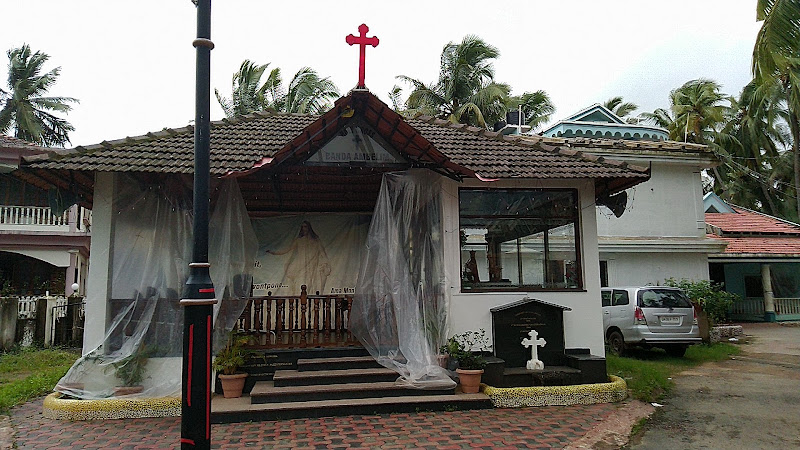
Nearby Attractions

While Canaguinim itself is a destination, its location in South Goa puts it within easy reach of several other fascinating landmarks.

  • Cabo de Rama Fort: Located just about 5-6 kilometers away, this historic fort is one of the oldest in Goa. Named after Lord Rama, who is believed to have stayed here during his exile, the fort offers panoramic views of the Arabian Sea. The Church of St. Antonio inside the fort walls is still in use and is a beautiful example of colonial architecture.
  • Betul Lighthouse: A short drive away, the Betul Lighthouse sits atop a hill and provides a 360-degree view of the Sal River meeting the sea. The walk up to the lighthouse is easy and offers some of the best vistas in the region.
  • Cola Beach: Known for its stunning freshwater lagoon that sits just meters away from the sea, Cola Beach is another hidden gem nearby. It is slightly more developed than Canaguinim but still retains a wild, rustic charm.
  • Agonda Beach: If you crave a bit more activity and a wider choice of cafes, Agonda is about 15 kilometers away. It is a turtle nesting site and has a very relaxed, "hippie-chic" vibe.
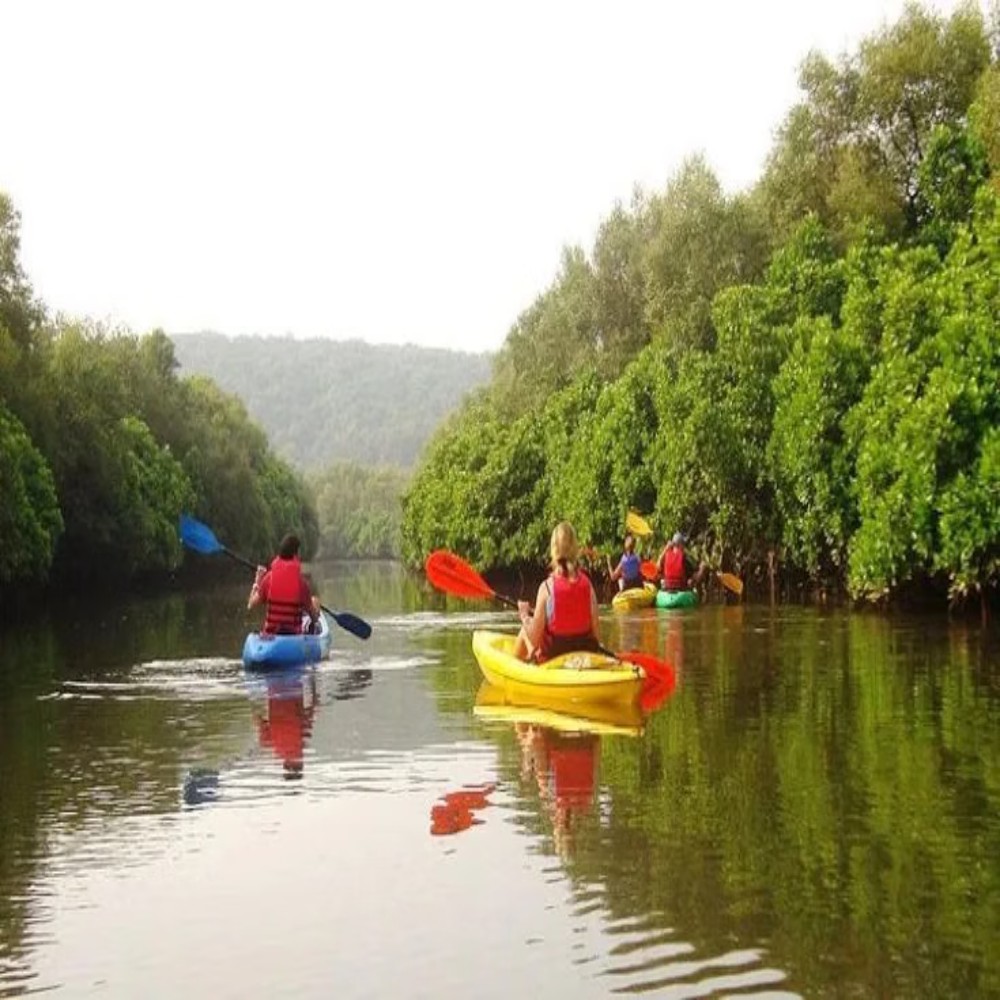
  • Palolem Beach: Further south (about 20-25 km) is Palolem, famous for its crescent-shaped bay and "Silent Noise" parties. It is a great place for kayaking and boat trips to spot dolphins.
  • Netravali Wildlife Sanctuary: For those who love the forest, a day trip to Netravali offers waterfalls, dense jungle treks, and the famous "Bubbling Lake" (Budbudyanchi Tali).

Accommodation Options

Finding a place to stay directly on Canaguinim Beach is challenging because of the lack of commercial development, which is part of its charm. However, there are several options in the immediate vicinity:

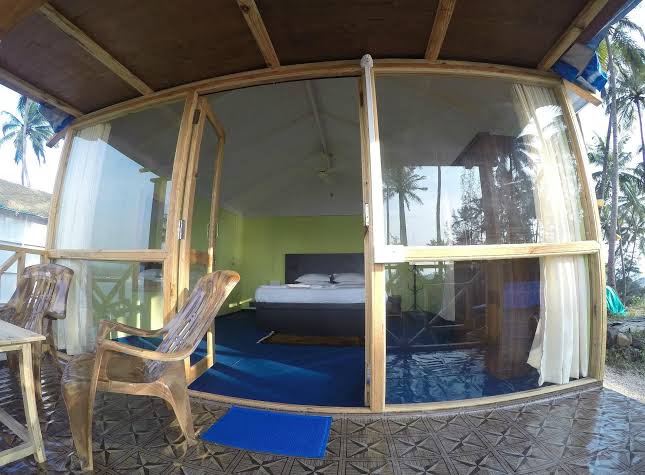
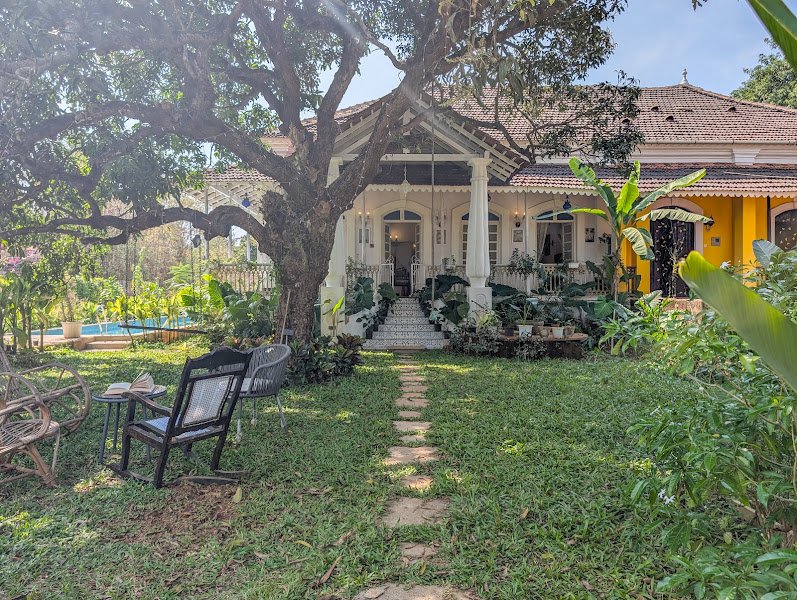
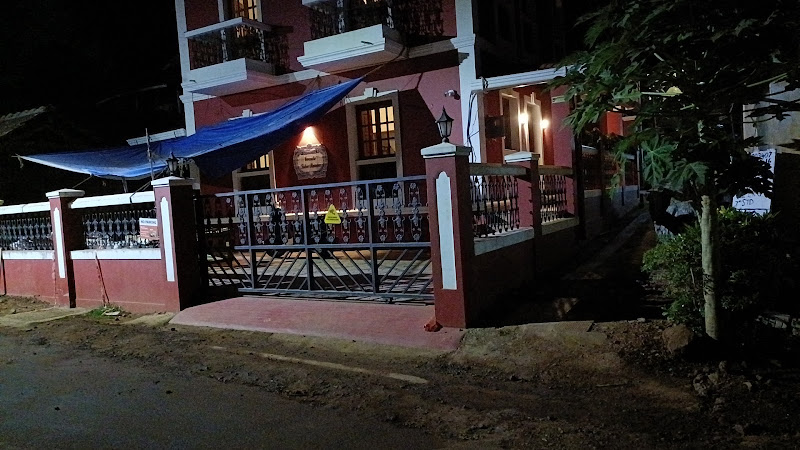
  • Homestays and Guest Houses: The Canaguinim village has a few local families who offer rooms or small cottages for rent. These are usually basic but clean and provide an authentic Goan experience. Staying here allows you to enjoy home-cooked Goan meals and local hospitality.
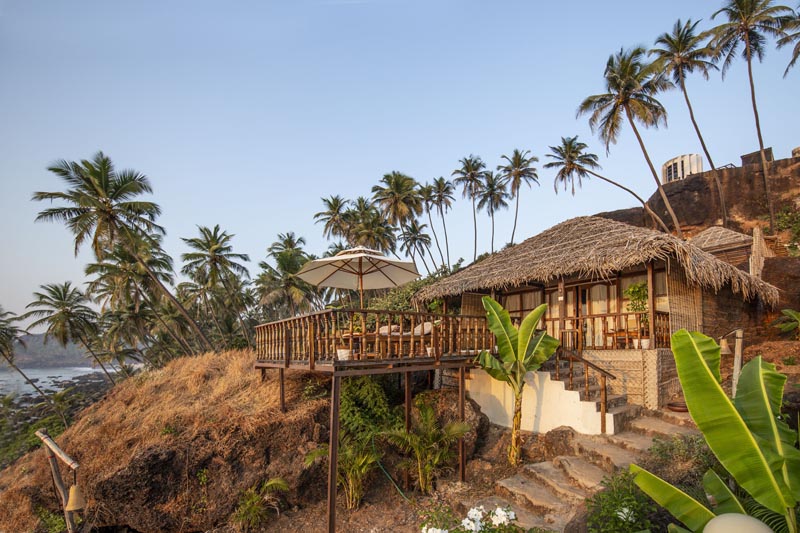
  • Eco-Resorts near Cabo de Rama: There are a few boutique eco-resorts and cliffside stays near the Cabo de Rama fort. These properties often focus on sustainability and offer incredible views of the ocean. They are perfect for honeymooners or those looking for a quiet retreat.
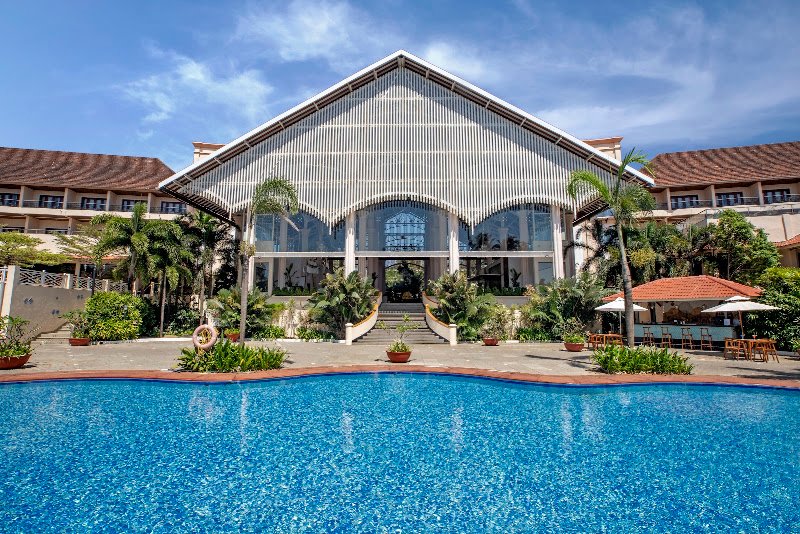
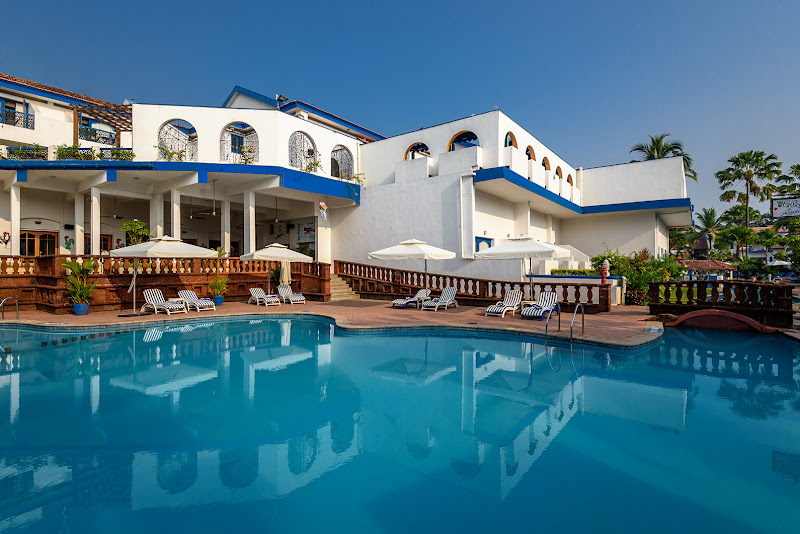
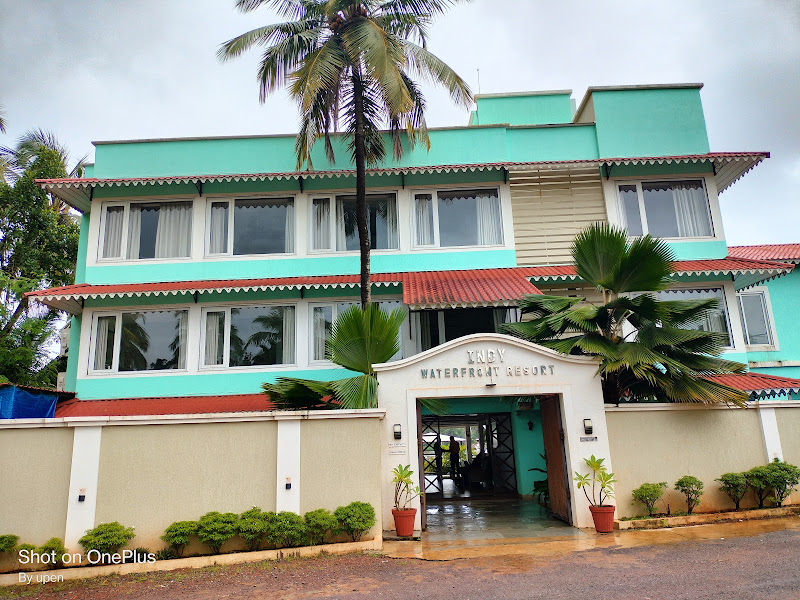
  • Luxury Stays in Betul: A few kilometers away in Betul, you can find more upscale options, including larger resorts that offer modern amenities like swimming pools and multi-cuisine restaurants.
  • Beach Huts in Agonda/Cola: Many travelers choose to stay in the wooden beach huts of Agonda or the luxury tents in Cola and make a day trip to Canaguinim. This gives you the best of both worlds: the amenities of a popular beach and the solitude of a hidden one.
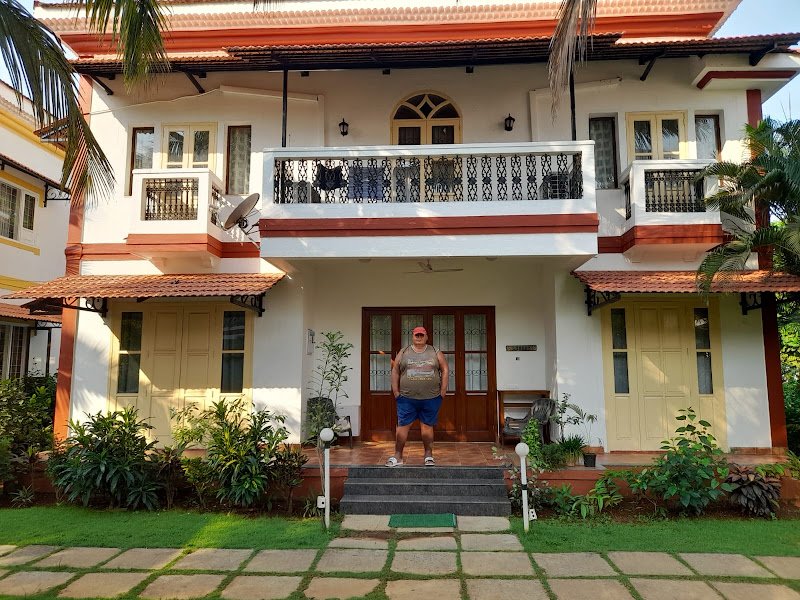
  • Villas for Rent: If you are traveling in a group, look for private villas in the Quepem or Salcete area. These often come with private gardens and are located in quiet, residential parts of the countryside.

Dining and Cafes

At Canaguinim Beach, your dining options are limited to what you bring with you or what you find in the village. This is not the place for fine dining, but it is the place for authentic flavors.

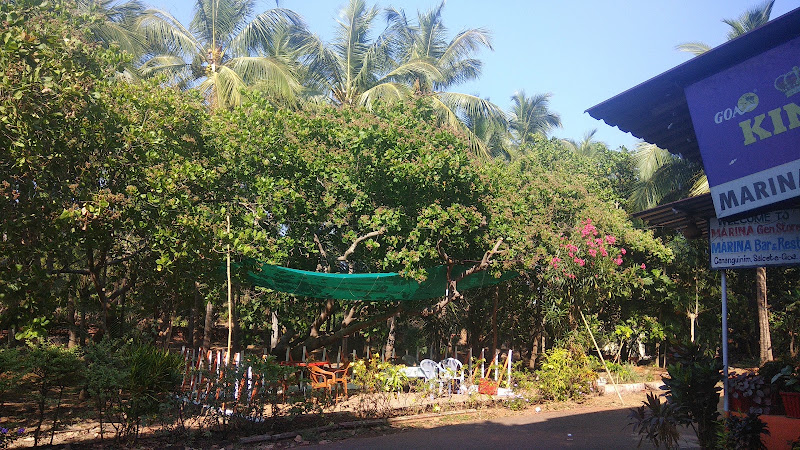
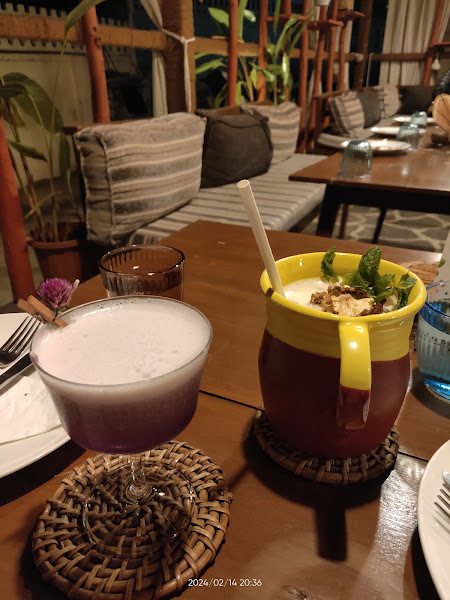
  • Local Village Taverns: In Canaguinim village, you will find small "tavernas" where locals gather. These spots often serve local snacks like Samosas, Batata Vadas, and Ros Omlette. You can also find cold beverages and local cashew feni.
  • Fisherman's Wharf (Betul): For a high-end dining experience, head to the nearby Fisherman's Wharf in Betul. Located on the banks of the Sal River, it serves some of the best seafood in South Goa, including butter garlic prawns and traditional Goan fish curry.
  • Red Cablow (Cabo de Rama): A popular spot near the fort, this restaurant offers great views and a mix of Indian and Continental dishes. It’s a great place to stop for lunch after visiting the fort and before heading to the beach.
  • Self-Catering: Most visitors to Canaguinim prefer to carry their own food. Stop at the Margao Market before your trip to pick up fresh fruits, local bread (Pao), cheese, and snacks. There is something uniquely satisfying about eating a simple meal while sitting on the laterite rocks overlooking the sea.
  • Beach Shacks in Agonda: If you are looking for the classic Goan shack experience with feet-in-the-sand dining, Agonda is your closest bet. Places like Fatima’s Corner or Zest offer a wide variety of cuisines, including vegan and gluten-free options.

Travel Tips for Canaguinim Beach

To make the most of your trip to this secluded paradise, keep these essential tips in mind:

  • Carry Essentials: There are no shops on the beach. Ensure you carry enough drinking water, snacks, sunblock, and a basic first-aid kit.
  • Safety First: The sea at Canaguinim can have strong undercurrents, and there are no lifeguards on duty. Avoid swimming deep, especially during the monsoon or if you are not a strong swimmer.
  • Footwear Matters: The path to the beach and the northern rocky stretch require good grip. Wear sturdy sandals or walking shoes rather than flimsy flip-flops.
  • Connectivity: Mobile network coverage can be spotty or non-existent once you descend to the beach. Download your maps offline and inform someone of your whereabouts if you are traveling alone.
  • Respect the Environment: Canaguinim is a plastic-free zone in spirit. Do not leave any trash behind. Carry a small bag to collect your waste and dispose of it back in the city.
  • Travel Light: Since you have to walk down a trail to reach the shore, avoid carrying heavy luggage. A backpack with your essentials is more than enough.
  • Timing: Aim to reach the beach by 10:00 AM to enjoy the morning light and leave shortly after sunset. The village roads are not well-lit, making driving at night a bit challenging for those unfamiliar with the area.
  • Cash is King: Small village shops and local transport providers may not accept digital payments or cards. Always carry enough cash for emergencies and small purchases.

Conclusion

Canaguinim Beach is a rare treasure in the ever-evolving landscape of Goa. It is a place that demands very little but offers a great deal in return—peace, natural beauty, and a profound sense of serenity. It is not a beach for everyone; those seeking luxury, parties, and convenience might find it too quiet or inaccessible. However, for the traveler who values the sound of the wind over the beat of a drum, and the sight of a rugged coastline over a crowded boardwalk, Canaguinim is nothing short of a sanctuary.

Visiting this beach is a reminder of the importance of preserving our natural spaces. Its lack of infrastructure is its greatest strength, allowing the local flora and fauna to thrive and giving visitors a glimpse into the "Old Goa" that many fear is disappearing. Whether you spend your day exploring the red laterite cliffs, sharing a simple meal on the sand, or simply watching the sun dip below the horizon, a trip to Canaguinim Beach will leave you with memories of a quieter, more soulful side of the Sunshine State. If you are planning a trip to South Goa, make sure to carve out a day for this hidden gem—you won't regret the journey.

Common Questions

What is the best time to visit Canaguinim Beach?
The best time to visit Canaguinim Beach is from November to February when the weather is pleasant. This is a remote, rocky beach near Betul, known for its lighthouse.
How do I get to Canaguinim Beach?
Canaguinim Beach is near Betul in South Goa. You can reach by taxi or scooter from Margao or Betul. The road is narrow and winding.
What are the popular things to do at Canaguinim Beach?
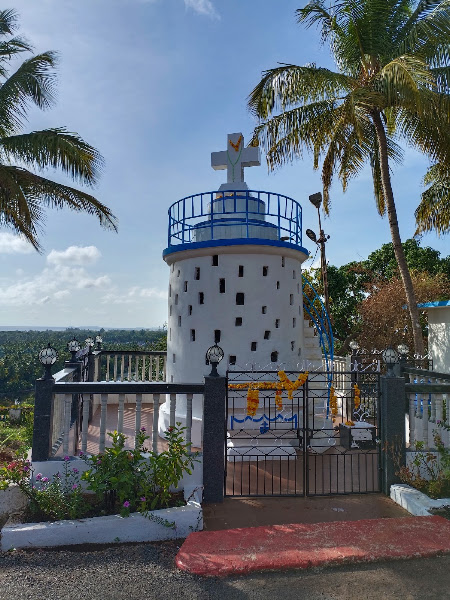
Popular activities include visiting the Canaguinim Lighthouse, exploring the rocky shores, and enjoying the panoramic views. Swimming is not recommended.
Are there accommodations near Canaguinim Beach?
There are a few guesthouses near Canaguinim Beach. More options are available in Betul or Cavelossim.
Is Canaguinim Beach safe for swimming?
No, swimming is dangerous due to rocks and strong currents. It's best for sightseeing and photography.
What is unique about Canaguinim Beach?
Canaguinim Beach is famous for its 300-year-old lighthouse and its dramatic cliffs. It offers stunning views of the Arabian Sea and the surrounding coastline.

User Reviews

5
2420 Reviews
5
85%
4
10%
3
3%
2
1%
1
1%

Login to post a review

Join the community to share your beach experiences.

Login / Sign Up

Location Details

Address
Canaguinim, South Goa
Best Time
All Year Round

Plan Together

Share this beach guide with your travel group on WhatsApp!

Share Now