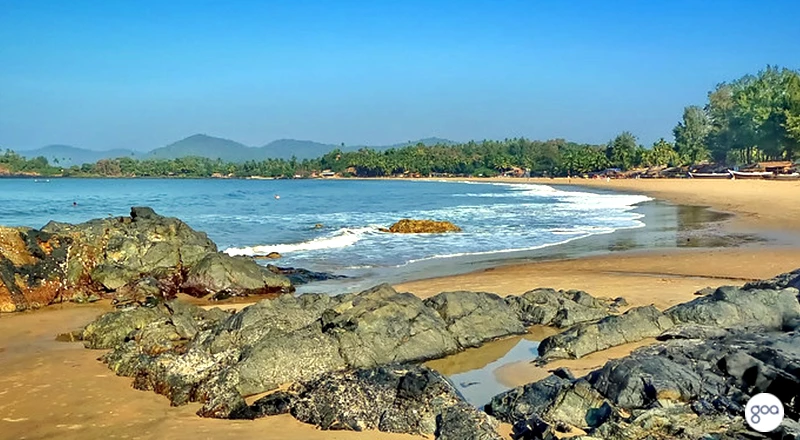
Nestled in the heart of South Goa, Carmona Beach stands as a testament to the pristine, untouched beauty that the coastal state is world-renowned for. Often overshadowed by its more famous neighbors like Colva or Palolem, Carmona offers a slice of paradise that remains remarkably clean, quiet, and culturally authentic. This stretch of coastline is part of a continuous 26-kilometer belt of shimmering white sand that runs from Arrossim to Mobor, yet Carmona possesses a distinct character defined by its "Susegad" (a Goan term for a relaxed, laid-back attitude) atmosphere and its striking natural aesthetics.
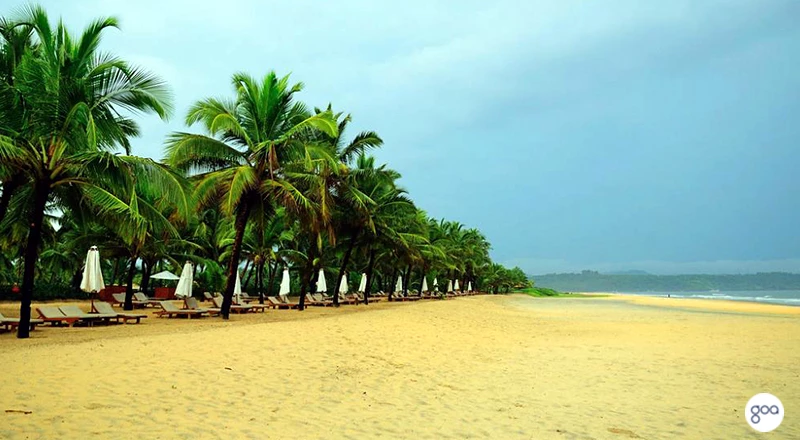
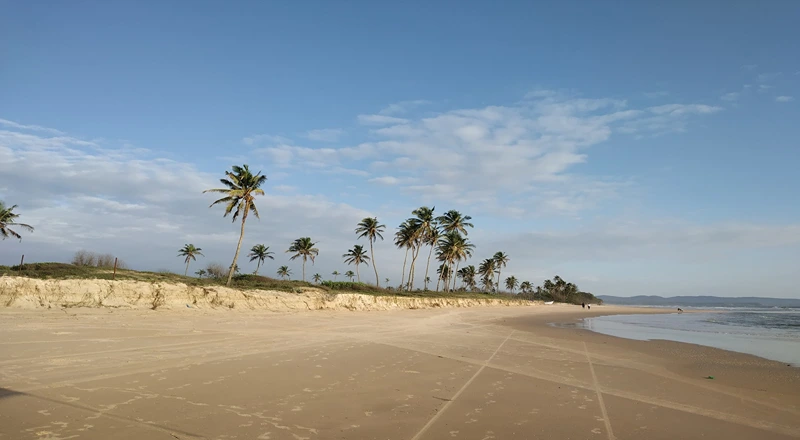
The sand at Carmona is notably different from the golden hues of North Goa; here, it is a fine, powdery white that feels like silk underfoot. The beach is flanked by a lush canopy of coconut palms and casuarina trees, providing a verdant backdrop to the azure Arabian Sea. What makes Carmona truly special is its lack of commercial saturation. Unlike the bustling strips of Baga or Calangute, you won't find loud music or aggressive vendors here. Instead, the soundtrack is composed of the rhythmic crashing of waves and the occasional call of a sea bird.
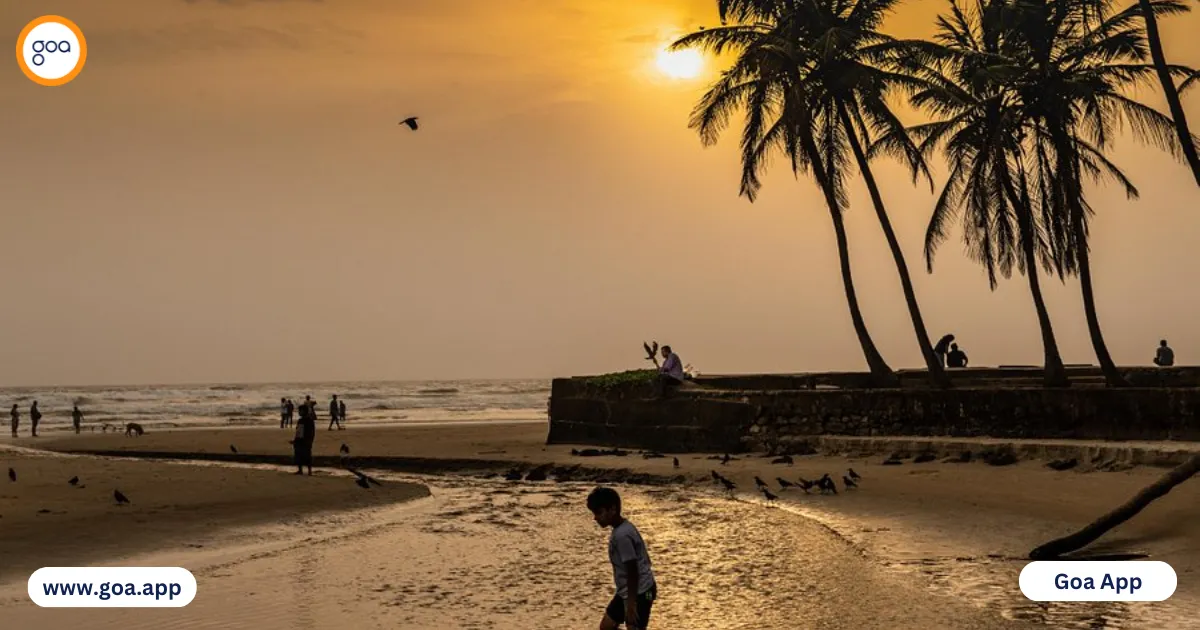
Geographically, the beach serves as the seaside extension of the Carmona Village, a traditional Goan settlement where life moves at a gentle pace. The village itself is a treasure trove of Indo-Portuguese architecture, with brightly painted villas, ornate balconies, and well-maintained gardens. The entry point to the beach is often referred to as Zalor Beach, which is essentially the same stretch of sand but serves as the primary access hub where a few shacks and amenities are located. For travelers seeking a retreat from the chaos of modern life, Carmona Beach provides an idyllic sanctuary where the horizon seems endless and the sunsets are nothing short of cinematic.
Reaching Carmona Beach is a journey through some of South Goa’s most scenic landscapes. Located approximately 12 kilometers from Margao, the commercial capital of South Goa, the beach is well-connected yet secluded enough to maintain its charm.
By Air: The nearest airport is Dabolim Airport (GOI), situated about 30 to 35 kilometers away. A pre-paid taxi from the airport is the most convenient option and takes roughly 45 to 60 minutes depending on traffic. If you are flying into the newer Manohar International Airport (Mopa) in North Goa, be prepared for a longer journey of about 2.5 to 3 hours (approximately 85 kilometers). It is advisable to book a private transfer if arriving at Mopa.
By Rail: The Madgaon Junction (MAO) is the closest major railway station. As a primary stop for trains coming from Mumbai, Delhi, Bangalore, and Kochi, it is highly accessible. From the station, you can hire an auto-rickshaw or a taxi to Carmona. The drive takes about 20-25 minutes through the winding roads of Chinchinim and Varca.
By Road: If you are driving from Panjim, the state capital, the distance is roughly 40 kilometers. The route via the NH66 is well-paved and offers glimpses of the Goan countryside. For those using public transport, Kadamba buses run frequently from Panjim and Vasco to Margao. From the Margao bus stand, you can take a local bus heading towards Cavelossim or Assolna and request a drop-off at the Carmona village intersection, from where the beach is a short rickshaw ride or a 15-minute walk away.
Local Transport: To truly explore the area, renting a scooter or a "Pilot" (motorcycle taxi) is highly recommended. The roads leading to the beach are narrow, flanked by traditional houses and paddy fields, making it a delight for those who enjoy slow travel.
The timing of your visit can significantly alter your experience at Carmona Beach. To witness the beach in its full glory, planning according to the seasons is essential.
Peak Season (November to February): This is undoubtedly the best time to visit Carmona. The weather is pleasant with cool breezes and daytime temperatures ranging between 25°C and 30°C. The humidity is at its lowest, making it ideal for long walks on the beach and outdoor activities. All the beach shacks are fully operational during this period, offering fresh seafood and chilled beverages. This is also the time when the sea is calmest, perfect for swimming.
Shoulder Season (October and March to May): October marks the end of the monsoon, and the landscape is incredibly lush and green. The shacks begin to open, and the crowds are even thinner than usual. From March to May, the temperatures begin to rise, often touching 35°C. While the afternoons can be hot and humid, the mornings and evenings remain beautiful. If you are looking for discounted accommodation and a very quiet atmosphere, this is a great time to visit.
Monsoon Season (June to September): Goa takes on a different persona during the rains. While Carmona Beach looks dramatic with dark clouds and roaring waves, the sea is unsafe for swimming, and most beach shacks are dismantled as per government regulations. However, for poets, writers, and nature lovers, the monsoon in Carmona offers a unique solitude. The surrounding village becomes a vibrant shade of emerald, though your activities will be limited to indoor relaxation and village walks.
While Carmona is primarily a destination for relaxation, there are plenty of activities to keep the soul engaged without the frantic energy of North Goa's commercial hubs.
Carmona serves as an excellent base to explore the hidden gems of South Goa. Within a 10 to 15-kilometer radius, you can discover a variety of cultural and natural landmarks.
Our Lady of Help Church (Nossa Senhora do Socorro): Located in the heart of Carmona village, this stunning white church is a fine example of Goan ecclesiastical architecture. Its serene courtyard and ornate interiors offer a peaceful retreat and a glimpse into the religious life of the locals.
Cavelossim Beach and Mobor: Just a few kilometers south, Cavelossim offers a slightly more upscale vibe with luxury resorts and a river-meet-sea point at Mobor. The confluence of the Sal River and the Arabian Sea is a sight to behold, especially during high tide.
The Sal River: Take a boat cruise on the Sal River. It’s one of the few rivers in Goa that runs parallel to the coast before joining the sea. The mangroves along the river are rich in biodiversity and offer a different perspective of Goa’s ecosystem compared to the beach.
Cabo de Rama Fort: About a 30-minute drive from Carmona, this historic fort perched on a cliff offers panoramic views of the coastline. Legend has it that Lord Rama stayed here during his exile. The fort houses a small church and provides some of the best photo opportunities in South Goa.
Margao Market: For a taste of local life, head to the Mercado de Afonso de Albuquerque in Margao. Here you can buy authentic Goan spices, dried fish, local sausages (chorizo), and handcrafted bamboo items. It is a sensory explosion of colors, smells, and sounds.
Accommodation in and around Carmona Beach caters to a range of preferences, from high-end luxury to cozy, budget-friendly homestays.
The culinary scene in Carmona is a delightful mix of fresh seafood shacks and traditional Goan eateries. Food here is prepared with love, often using coconut, tamarind, and local spices.
Beach Shacks: At the Zalor Beach entrance, you will find several shacks like Joe’s Beach Shack and others that serve the "catch of the day." Whether it’s butter garlic calamari, kingfish recheado, or prawn curry rice, the seafood is as fresh as it gets. Dining with your feet in the sand as the sun sets is a quintessential Carmona experience.
Local Village Eateries: Inside the Carmona village, you can find small bars and taverns where locals gather. These are the best places to try authentic Goan Pork Sorpotel or Xacuti. Don't forget to pair your meal with a glass of local Cashew Feni or Urrack (available during the summer months).
Fine Dining: For those looking for a more sophisticated palate, the restaurants within the nearby luxury resorts offer everything from Mediterranean to Pan-Asian cuisines. The Riverside at The Leela is particularly famous for its romantic setting overlooking the Sal River.
Cafes: While the "cafe culture" is more prominent in North Goa, a few small bakeries in Carmona serve fresh Poi (local bread), Bebinca, and Dodol. These are perfect for a quick afternoon snack with a cup of tea.
To ensure your trip to Carmona is seamless and enjoyable, keep these practical tips in mind:
Carmona Beach is more than just a destination; it is a feeling of returning to a simpler, more beautiful time. In a world where popular travel spots are increasingly becoming crowded and commercialized, Carmona remains a bastion of tranquility and natural splendor. Whether you are a solo traveler looking for introspection, a couple seeking a romantic getaway, or a family wanting a safe and clean environment for children to play, this beach caters to all with its quiet grace.
From the moment you walk through the shade of the casuarina trees and catch your first glimpse of the sparkling white sands, you realize that Carmona is special. It invites you to slow down, to breathe in the salty sea air, and to appreciate the slow rhythm of Goan life. By choosing Carmona, you are choosing an authentic coastal experience that stays with you long after the sand has been washed from your feet. It is, quite simply, South Goa at its finest—unspoiled, unassuming, and utterly unforgettable.