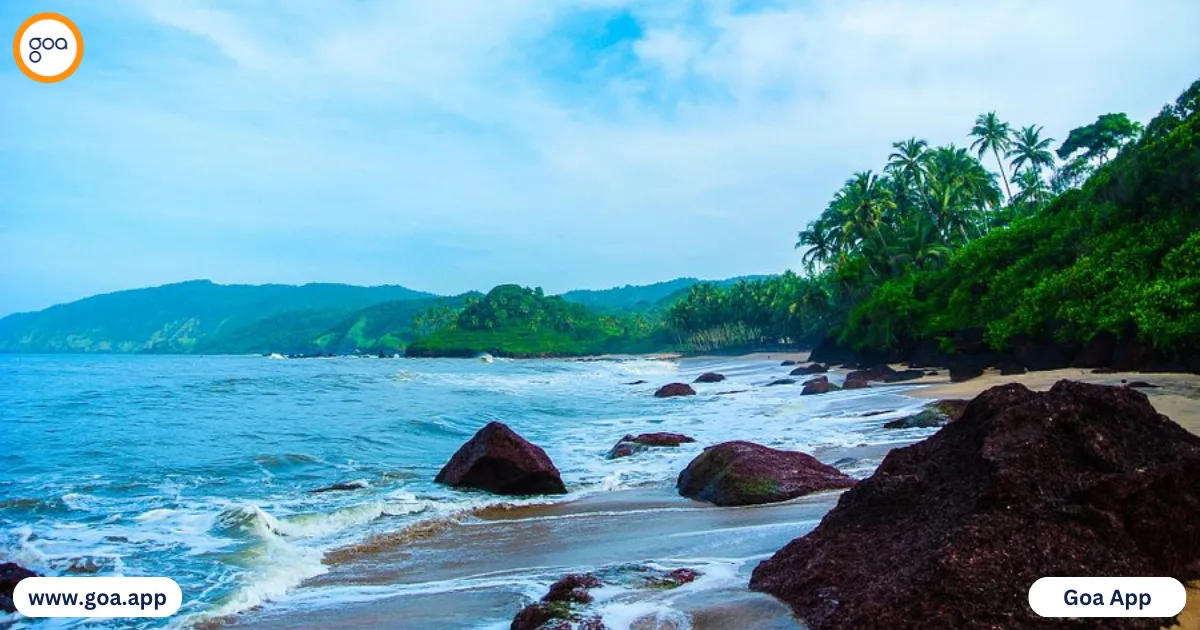
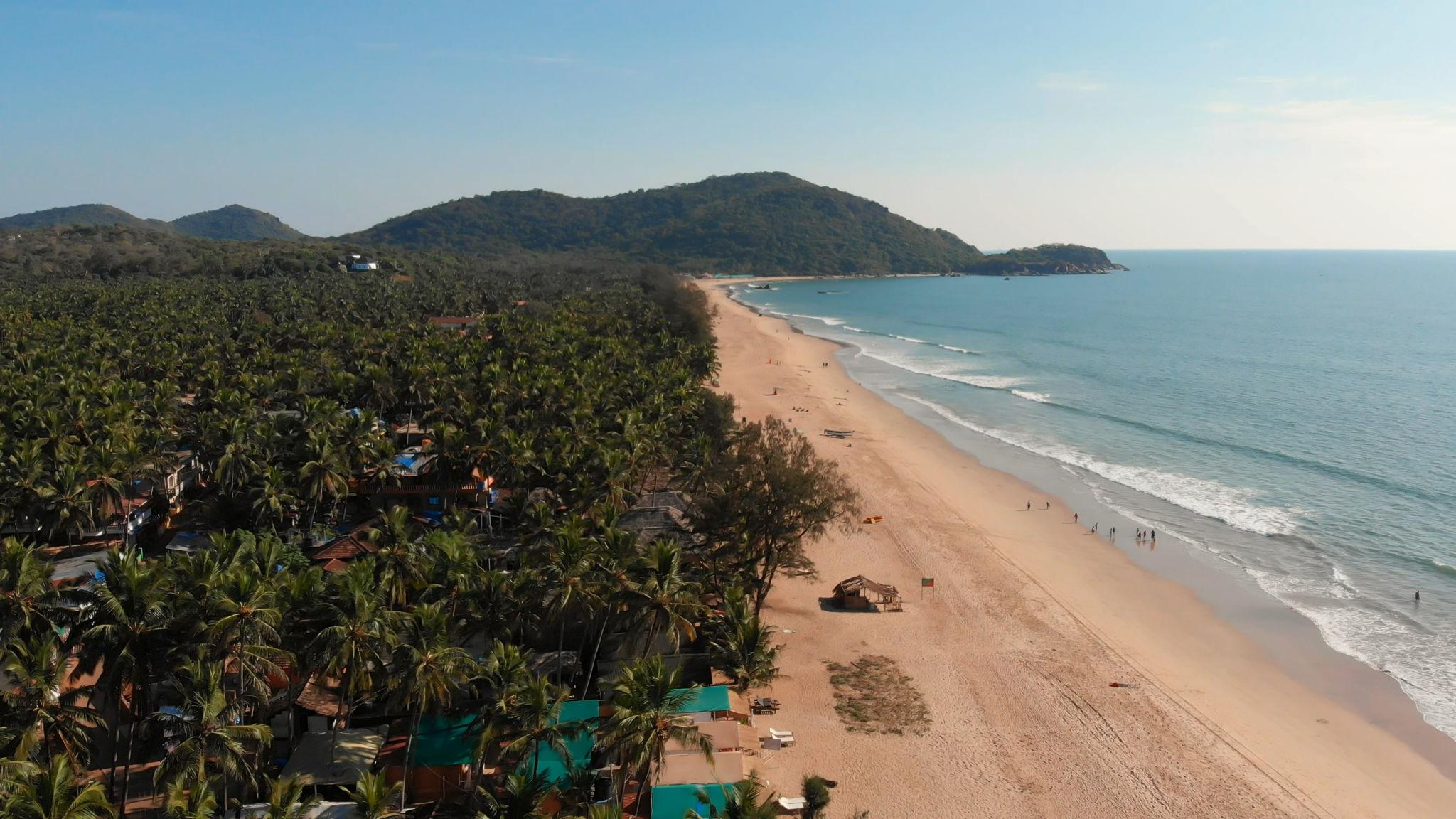
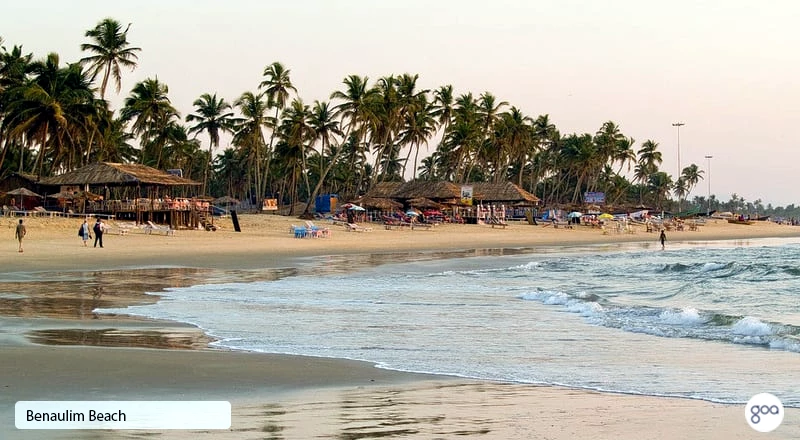
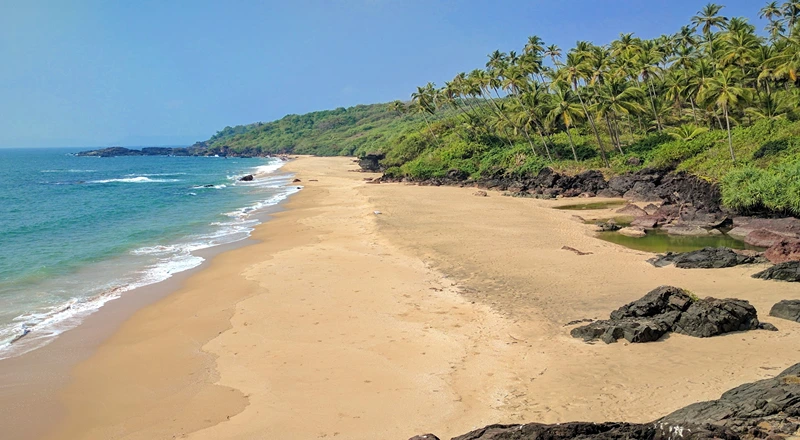
Deep within the heart of South Goa, tucked away from the pulsating neon lights of the north and the crowded stretches of Calangute, lies a sanctuary of primordial beauty known as Cola Beach. Often referred to as "Khola" by the locals, this hidden gem is arguably one of the most picturesque and secluded coastal stretches in the entire Indian subcontinent. What sets Cola Beach apart from its Goan counterparts is its extraordinary topography; it is home to a unique Blue Lagoon (or Emerald Lagoon), a freshwater body separated from the crashing waves of the Arabian Sea by a thin, golden strip of sand. This juxtaposition of a tranquil, palm-fringed freshwater stream and the wild, salty expanse of the ocean creates a landscape that feels more like a remote island in the South Pacific than a beach in India.
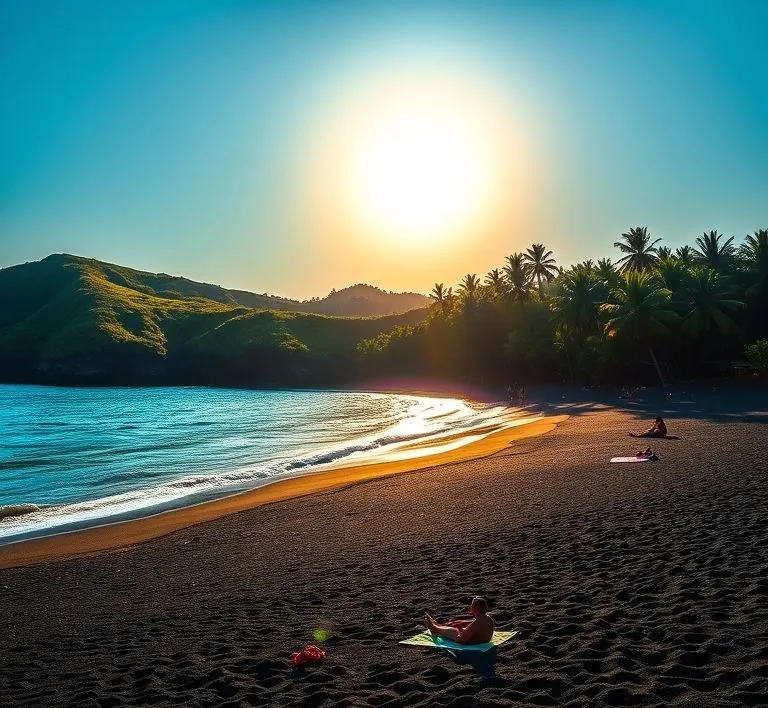
Cola Beach is not your typical tourist destination where you find rows of sunbeds and aggressive hawkers. Instead, it offers a rugged, "Robinson Crusoe" style experience. The beach is flanked by towering volcanic boulders and steep forested cliffs that have kept large-scale commercialization at bay. The sand here is a rich, coarse gold, and the water is a brilliant turquoise, often clearer than what you will find at the more popular beaches further north. The beach is divided into two main sections: North Cola and South Cola, separated by a small hillock. Most visitors congregate around North Cola where the lagoon meets the sea, while South Cola remains an even more desolate and peaceful retreat for those willing to trek a little further.

For the discerning traveler, Cola Beach represents the "Old Goa"—a time when the coastline was defined by nature rather than nightlife. It is a place where the soundtrack is composed of the rhythmic rustle of coconut fronds and the thunderous symphony of the tide hitting the rocks. Whether you are a honeymooning couple seeking intimacy, a solo traveler looking for a meditative escape, or a photography enthusiast aiming to capture the raw essence of the Konkan coast, Cola Beach provides an unparalleled backdrop. The atmosphere here is one of profound stillness, making it the ultimate destination for "slow travel" in Goa.
Reaching Cola Beach is an adventure in itself, and its relative inaccessibility is exactly what has preserved its pristine charm. Located in the Canacona taluka of South Goa, it is situated approximately 32 kilometers from Margao and about 10 kilometers north of the more famous Agonda Beach.
By Air: The nearest airport is Dabolim Airport (GOI), located about 55-60 kilometers away. The newer Manohar International Airport (MOPA) in North Goa is significantly further (about 110 kilometers), so travelers specifically heading to South Goa are advised to fly into Dabolim. From the airport, you can hire a pre-paid taxi. The journey takes approximately 90 minutes to 2 hours, winding through the scenic lush greenery of the Western Ghats' foothills.
By Rail: The closest major railway station is Madgaon Junction (MAO), which is well-connected to major Indian cities like Mumbai, Bangalore, and Delhi. From Madgaon, a taxi ride will take about an hour. Alternatively, there is a smaller station at Canacona, which is much closer (about 15-20 minutes away), but only a few regional trains stop there.
The Final Descent: This is the most critical part of the journey. Once you reach the main road connecting Agonda and Cabo de Rama, you will see a small, unassuming signpost for Cola Beach. From this point, you must navigate a 2-kilometer unpaved, rocky dirt track. This path is steep, dusty, and quite challenging. While most taxis will drop you at the top of the cliff, some brave local drivers or those with 4x4 vehicles may drive you down. If you are on a scooter, exercise extreme caution as the loose gravel can be slippery. Many visitors prefer to park their vehicles at the top and hike down the cliffside, which offers breathtaking panoramic views of the lagoon as you descend.
By Boat: For a more scenic arrival, you can hire a boat from Palolem or Agonda Beach. This allows you to see the dramatic rock formations and hidden coves of the South Goan coastline before being dropped off directly on the sands of Cola.
Timing your visit to Cola Beach is essential to ensure you experience its beauty in the best possible light. Like most of Goa, Cola is seasonal, and the infrastructure virtually disappears during the monsoon months.
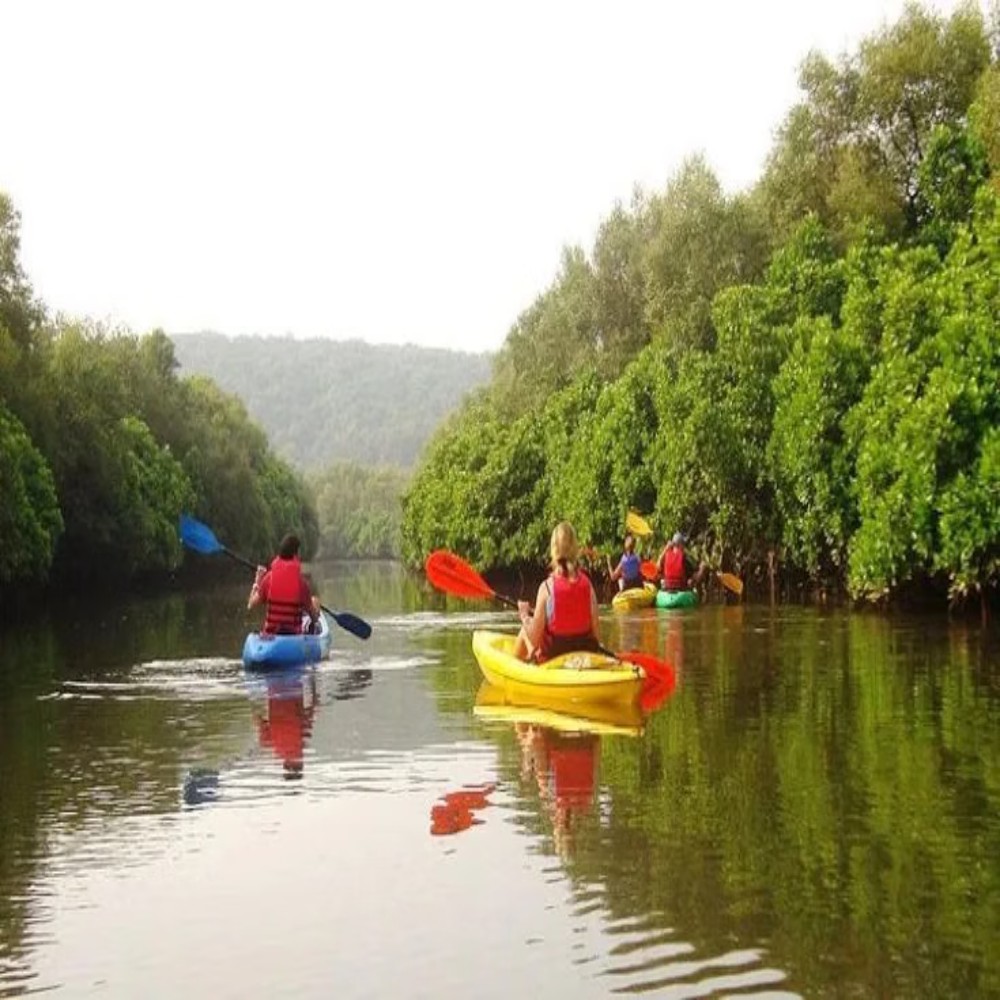
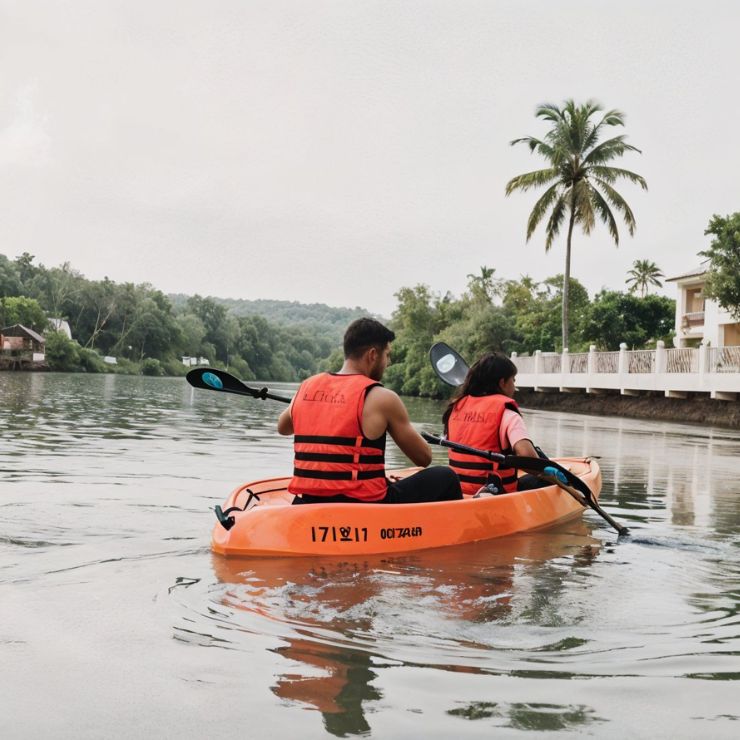
November to February (Peak Season): This is undoubtedly the best time to visit. The weather is pleasant with clear blue skies, and the humidity is at its lowest. The sea is calm enough for swimming, and all the luxury tents and beach huts are operational. The freshwater lagoon is full and clear, making it perfect for kayaking. This is also the time when the "shack culture" is in full swing, offering fresh seafood and chilled beverages.
March to May (Summer): As summer approaches, the temperatures rise, often hovering between 32°C and 35°C. While the beach remains beautiful, the midday sun can be quite harsh. However, this is a great time for those looking for even more solitude, as the crowds thin out significantly. If you visit during this time, ensure your accommodation has cooling facilities, although the natural sea breeze at Cola is quite refreshing.
June to September (Monsoon): During the monsoon, Cola Beach transforms into a wild, untamed landscape. The sea becomes extremely rough, and swimming is strictly prohibited. Most, if not all, of the beach huts and resorts are dismantled or closed due to government regulations and the sheer force of the rain. The dirt track leading to the beach becomes a muddy, treacherous path. While the surrounding hills turn a vibrant, electric green, it is generally not recommended for tourists to visit Cola during this period unless they are staying in permanent structures nearby and simply wish to watch the rains from a distance.
October (Shoulder Season): This is a transitional month. The rains begin to recede, and the landscape is incredibly lush. Some resorts start setting up mid-to-late October. It is a gamble with the weather, but if you catch a sunny week, you will have the entire beach almost entirely to yourself.
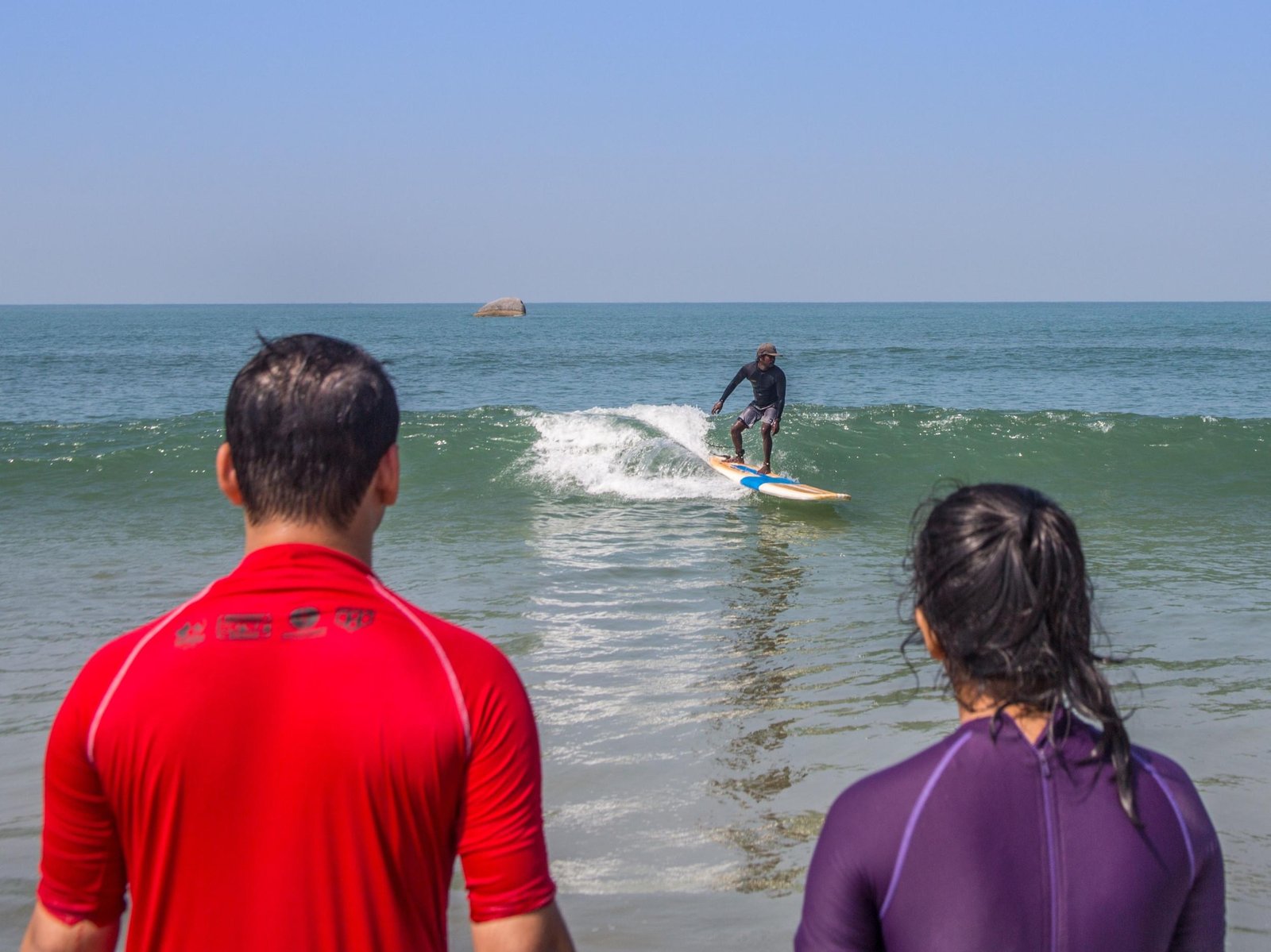
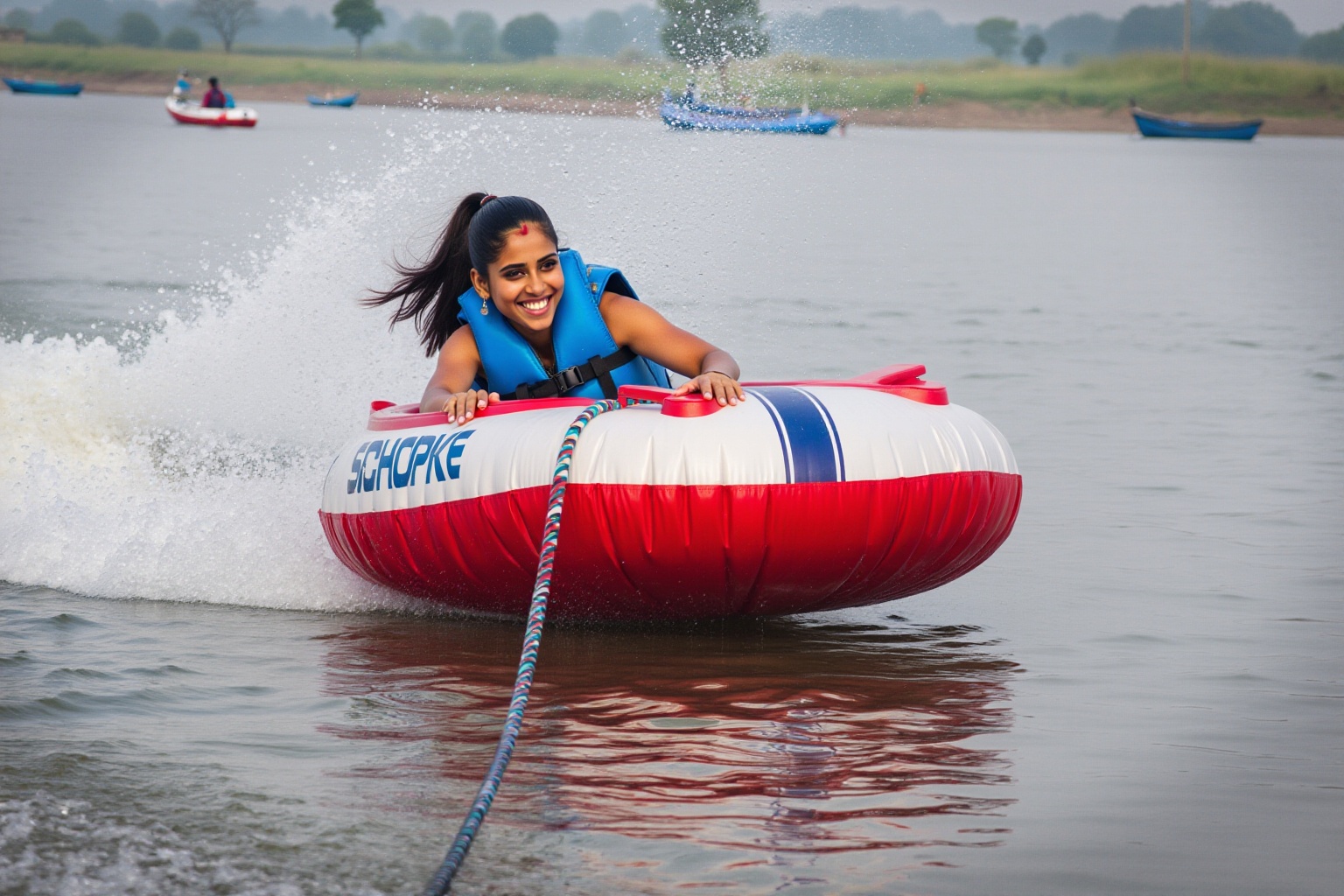
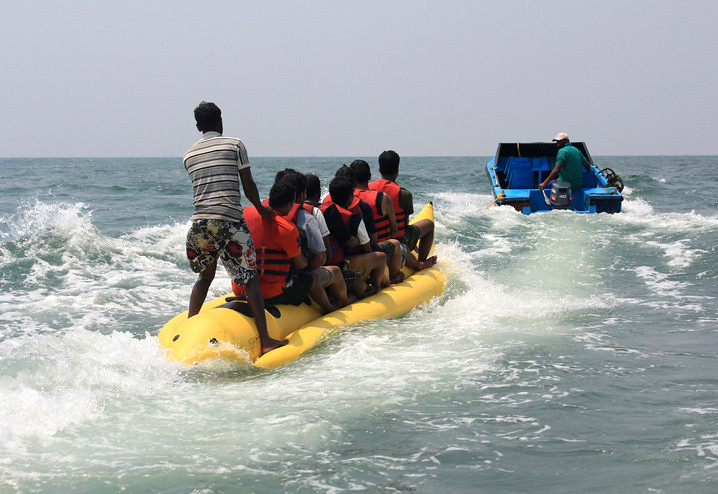
Cola Beach is a destination for relaxation, but there are several activities for those who wish to engage with the natural environment.
While it is tempting to never leave the shores of Cola, the surrounding area of South Goa is rich with historical and natural landmarks.
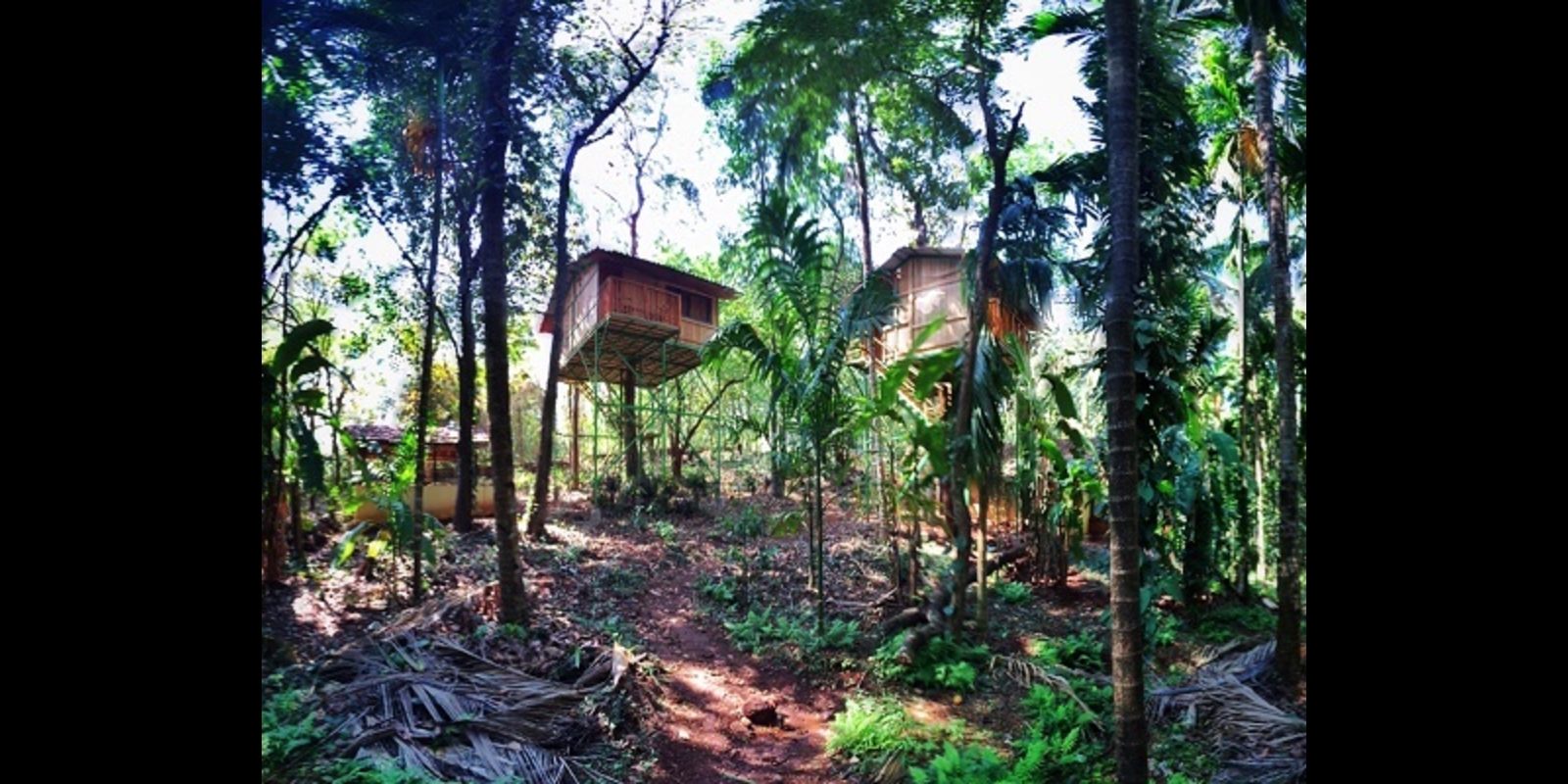
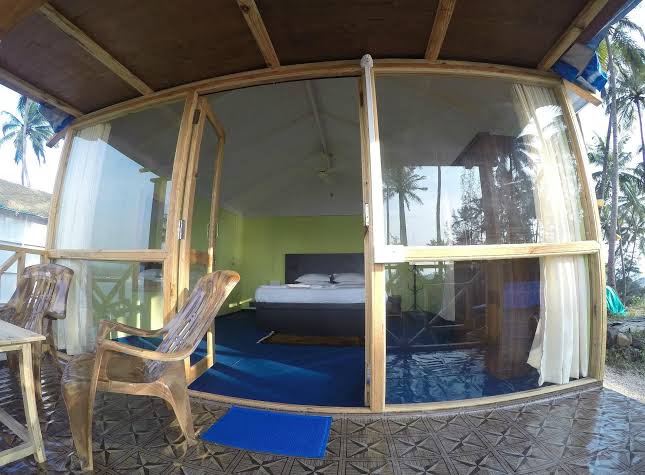
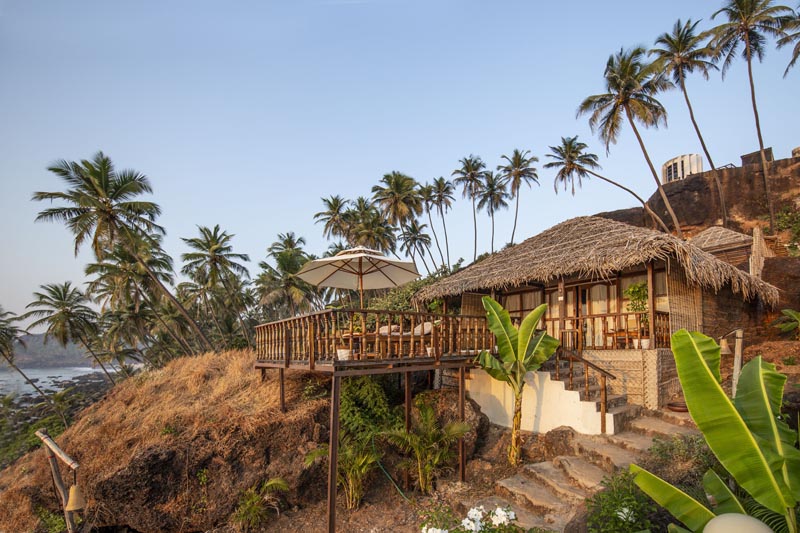
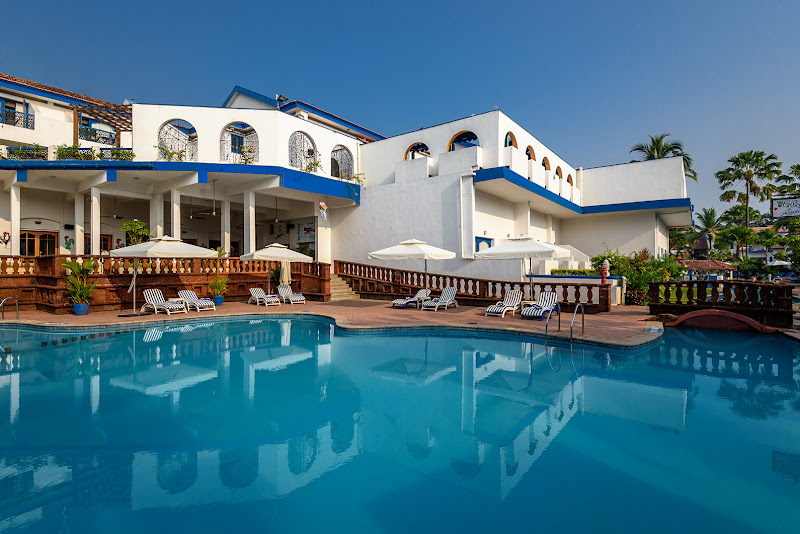
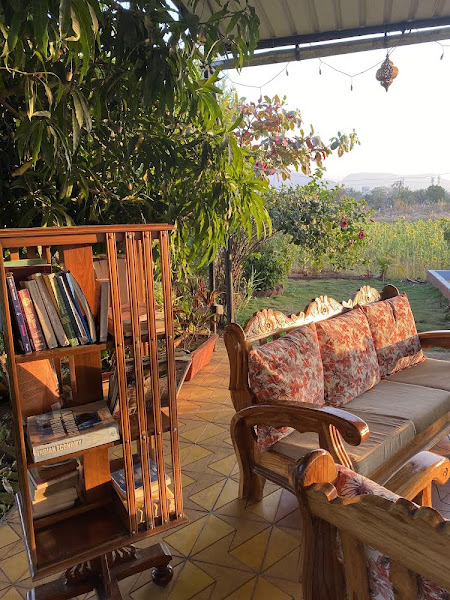
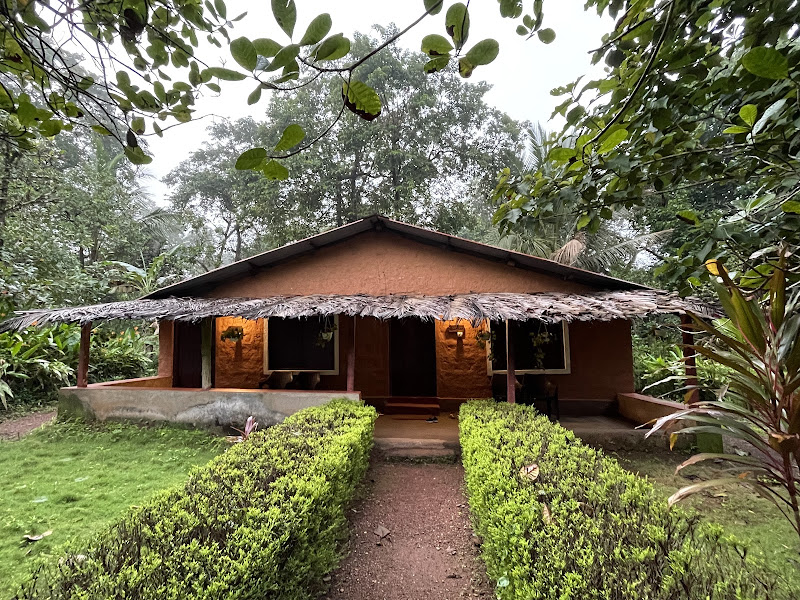
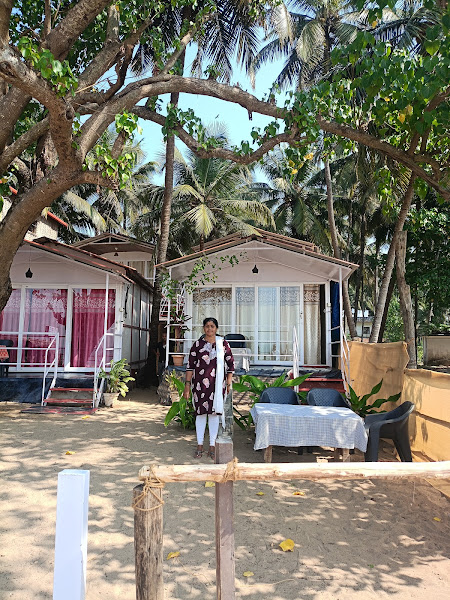
Staying at Cola Beach is a unique experience. You won't find concrete hotels or high-rise resorts here. Instead, the focus is on eco-friendly luxury and rustic charm. Most accommodations are seasonal and consist of beautifully appointed "Rajasthani Tents" or wooden cottages.
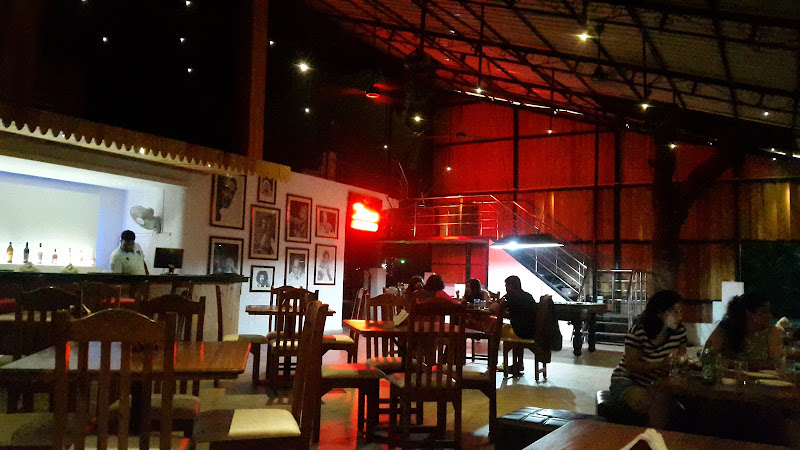
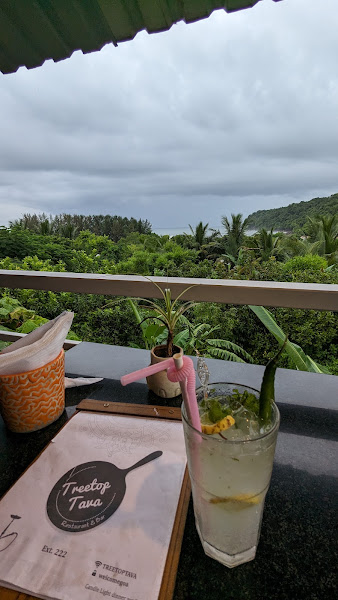
Dining at Cola Beach is an intimate affair. Because the beach is secluded, you will likely eat most of your meals at your resort's in-house restaurant. However, these spots are open to day-trippers as well.
The Local Flavors: Most kitchens at Cola specialize in Goan Seafood. You must try the Goan Fish Thali, which typically includes rice, fish curry, fried fish, a vegetable side (foogath), and kokum kadi. The fish is usually caught fresh by local fishermen that morning. Kingfish Recheado (fish stuffed with a spicy, tangy red masala) and Prawn Balchao are other local favorites.
Blue Lagoon Restaurant: This is a popular spot for day visitors. They serve a mix of Indian, Continental, and Goan dishes. Sitting under the shade of the coconut trees with a chilled beer or a fresh watermelon juice while watching the waves is the quintessential Cola experience.
Dwarka’s Kitchen: Known for its "slow food" philosophy, the restaurant at Dwarka Eco Resort focuses on fresh ingredients and healthy, flavorful meals. It is a bit more refined and is perfect for a romantic dinner under the stars.
The Shack Experience: During the peak season, a couple of small, temporary shacks may pop up on the sand. These are great for grabbing a quick snack like Cheese Garlic Naan, Calamari Fry, or simple pasta dishes. Don't expect a party vibe; the music here is usually low-key, keeping with the beach's peaceful atmosphere.
To make the most of your trip to this hidden paradise, keep these practical tips in mind:
Cola Beach is a rare find in a world that is increasingly connected and commercialized. It is a place that demands you disconnect from your devices and reconnect with the elements. The unique combination of the emerald freshwater lagoon, the golden sands, and the dramatic volcanic cliffs creates an atmosphere of timelessness that stays with you long after you have left its shores. It is not a place for those seeking the high-energy party scene of North Goa; rather, it is a sanctuary for the soul, a place where the biggest event of the day is the setting of the sun.
Visiting Cola Beach requires a bit more effort than visiting other Goan beaches, but the reward is a sense of peace and privacy that is hard to find elsewhere. By respecting the local environment, supporting the eco-friendly accommodations, and embracing the slow pace of life, you contribute to the preservation of this coastal treasure. Whether you are kayaking through the silent mangroves or simply sitting on the shore with a book, Cola Beach offers a glimpse into the wild, soulful heart of Goa—a reminder of why this tiny state became a legendary destination in the first place. If you are looking for the ultimate tropical escape, look no further than the hidden paradise of Cola.