Talpona Beach

Talpona Beach

4.8 2,406 Verified
South Goa

Overview

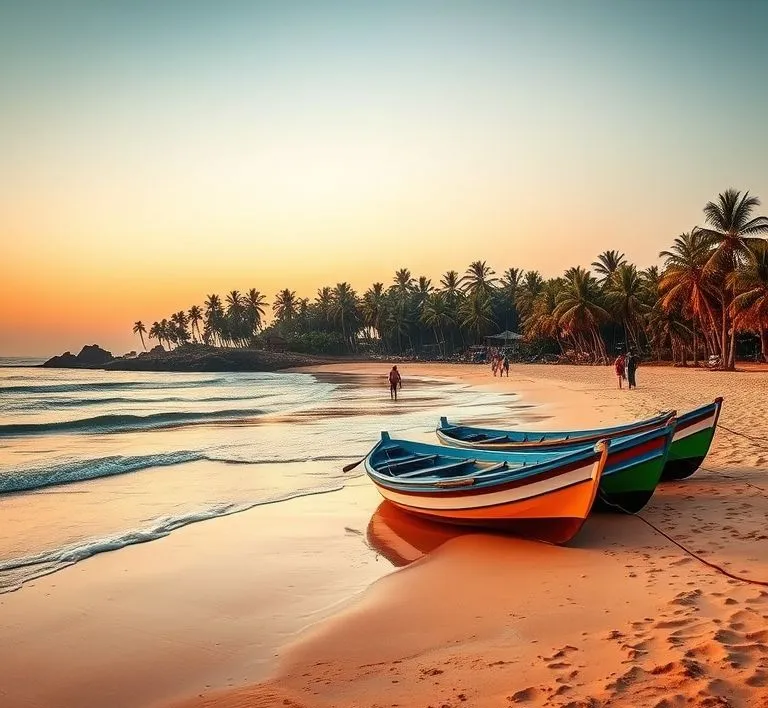
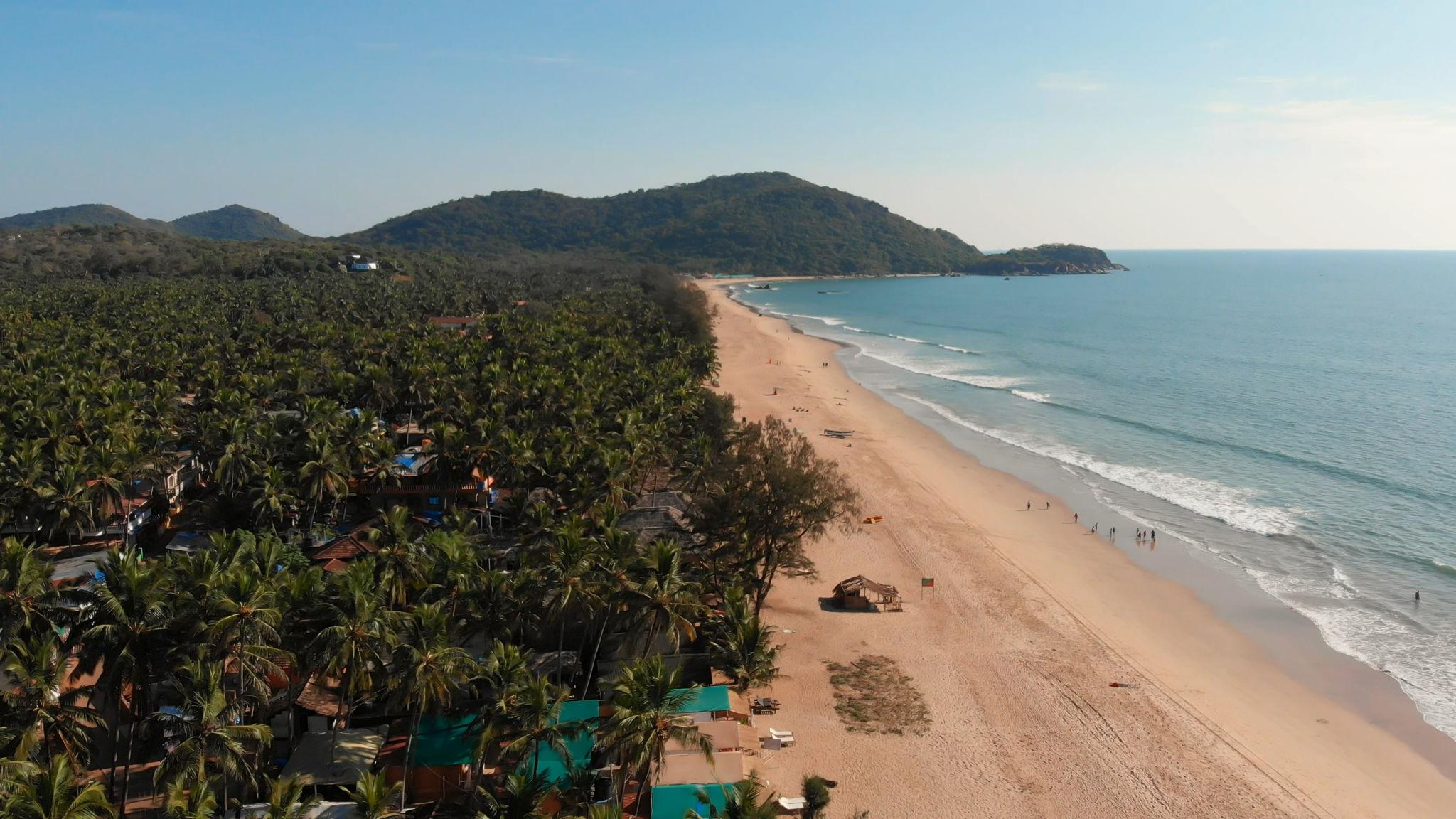
In the far reaches of South Goa, tucked away from the thumping basslines of Anjuna and the crowded shorelines of Calangute, lies a pristine sanctuary known as Talpona Beach. This hidden gem, located in the Canacona taluka, represents the Goa of yesteryear—a time when the coast was defined by silence, swaying Casuarina trees, and the rhythmic pulse of the Arabian Sea. Talpona is often described as one of the last remaining "quiet" beaches in Goa, making it a pilgrimage site for those seeking solitude, creative inspiration, or a deep reconnection with nature.

The geography of Talpona is particularly striking. To the north, the beach is bounded by the mouth of the Talpona River, where the fresh river water merges with the salt of the sea, creating a unique estuarine ecosystem. This confluence is a haven for birdwatchers and those who appreciate the delicate balance of coastal biology. The beach itself stretches for about a kilometer, characterized by its firm, golden-white sands and a backdrop of lush green groves. Unlike the palm-fringed beaches of the north, Talpona is dominated by towering Casuarina pine trees, which provide ample shade and whistle softly as the sea breeze passes through their needles.

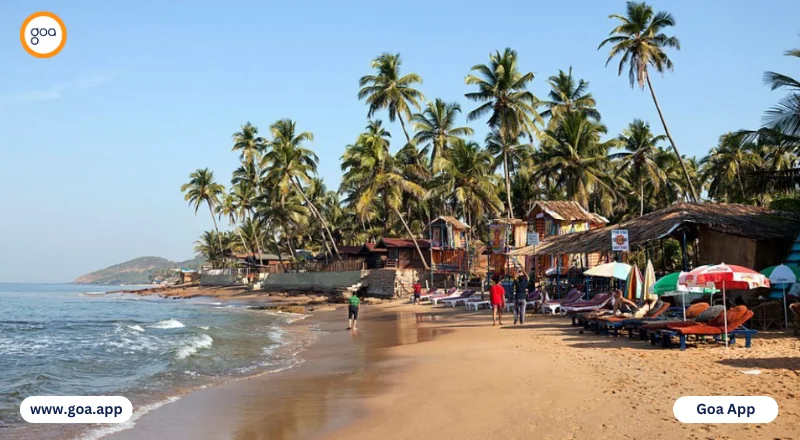
What sets Talpona apart is its lack of commercialization. You won't find rows of sunbeds blocking your view of the horizon, nor will you be approached by persistent hawkers. The atmosphere is one of profound peace. The village surrounding the beach is a traditional Goan fishing hamlet, where life moves at a "susegad" pace—a local term reflecting the relaxed, laid-back Goan lifestyle. Visitors here are guests in a living community, often sharing the space with local fishermen mending their nets or children playing football on the sand at sunset. For the discerning traveler, Talpona is not just a destination; it is a retreat into a world where the clock slows down and the natural beauty of the Konkan coast takes center stage.

The waters at Talpona are generally calm, but like much of the South Goan coast, there can be a sudden drop-off in depth and occasional undercurrents near the river mouth. This makes it ideal for long, reflective walks and cooling dips rather than intense swimming. As the sun begins to set, the sky transforms into a canvas of violet, orange, and deep crimson, reflecting off the wet sands to create a mirror-like effect that is nothing short of magical. Whether you are a solo traveler looking for a quiet corner to write your next book, a couple seeking a romantic escape, or a family wanting a safe, clean environment for children to explore, Talpona Beach offers an authentic Goan experience that is increasingly rare to find.

How to Reach Talpona Beach

Reaching Talpona Beach requires a bit more effort than reaching the more popular northern hubs, but the journey itself is part of the charm, taking you through some of the most scenic landscapes in the state of Goa. Located approximately 75 kilometers from the state capital, Panjim, and about 10 kilometers south of the more famous Palolem Beach, Talpona is accessible via several modes of transport.

By Air: The nearest airport is Dabolim International Airport (GOI), situated about 65 to 70 kilometers away. A taxi from Dabolim to Talpona will take approximately 1.5 to 2 hours, depending on traffic. Alternatively, the newer Manohar International Airport (Mopa - GOX) in North Goa is much further away, roughly 110 kilometers, and the drive can take upwards of 3 hours. It is highly recommended to pre-book a taxi or use the Goa Miles app for a fixed-rate fare. The drive from the airport takes you along the NH66, offering glimpses of the Western Ghats on one side and the coastal plains on the other.

By Rail: For those traveling by train, the nearest major station is Madgaon Junction (MAO), which is well-connected to major Indian cities like Mumbai, Bangalore, and Delhi. Madgaon is about 40 kilometers from Talpona. From Madgaon, you can take a local bus to Canacona or hire a taxi. A smaller, more local station is Canacona Railway Station (CNO), located just 7-8 kilometers from Talpona. While fewer express trains stop here, it is extremely convenient if you are coming from nearby regions like Karwar or Mangalore. From Canacona station, an auto-rickshaw or a short taxi ride will bring you directly to the beach.

By Road: If you are driving or riding a rented scooter, follow the NH66 highway towards the south. Once you reach the town of Chaudi (the main commercial hub of Canacona), you will need to take the turn-off towards Rajbagh and then follow the signs for Talpona. The road narrows as it winds through sleepy villages, over small bridges, and past vast salt pans and paddy fields. The final stretch to Talpona involves crossing the iconic Talpona River Bridge, which offers a stunning panoramic view of the river meeting the sea. This bridge is a landmark in itself and signals that you have arrived at one of Goa's best-kept secrets.

Local Transport: Once you are in the Canacona area, the best way to explore is by renting a scooter or a Royal Enfield. This gives you the freedom to navigate the narrow lanes and discover hidden spots at your own pace. Bicycles are also a great option for those staying in Talpona, as the terrain is relatively flat and the traffic is minimal compared to the rest of Goa.

Best Time to Visit

The timing of your visit to Talpona Beach can significantly influence your experience, as the landscape and the "vibe" of the area change with the seasons. Like the rest of Goa, Talpona experiences a tropical monsoon climate, but its secluded nature makes certain months more favorable for travelers seeking specific experiences.

The Peak Season (November to February): This is undoubtedly the best time to visit Talpona Beach. During these months, the weather is nearly perfect—warm, sunny days with temperatures ranging from 25°C to 30°C, and cool, breezy nights. The humidity is at its lowest, making it comfortable for outdoor activities and long hours on the beach. The sea is calm and clear, perfect for a refreshing swim. All the seasonal beach shacks and eco-resorts are fully operational during this time, offering a variety of local and international cuisines. This is the period when you can truly enjoy the "outdoor" life of South Goa.

The Shoulder Season (October and March): For those who want to avoid even the modest crowds of the peak season, the shoulder months are ideal. In October, the landscape is incredibly lush and green following the monsoon rains, though the sea might still be a bit choppy. By March, the temperature begins to rise, but the evenings remain pleasant. You can often find better deals on accommodation during these months, and you might have large stretches of the beach entirely to yourself. This is a great time for photographers who want to capture the vibrant colors of the Goan countryside.

The Monsoon Season (June to September): Visiting Talpona during the monsoon is an experience for the soul, but it is not for everyone. The beach shacks are dismantled, and many resorts close down. The sea becomes rough and unsafe for swimming, with high tides often reaching the tree line. However, the raw beauty of Talpona during a tropical downpour is breathtaking. The river swells, the vegetation turns an electric green, and the sound of the rain against the Casuarina leaves is hypnotic. If you are a writer or an artist looking for total isolation and don't mind the humidity and rain, the monsoon offers a unique perspective on Goan life. Just be aware that transport can be more difficult and many dining options will be limited to the main town of Chaudi.

Summer (April and May): These are the hottest months, with temperatures often soaring above 35°C and high humidity. While the beach is still beautiful, the midday sun can be punishing. If you choose to visit during this time, plan your activities for the early morning or late evening, and spend the afternoons resting in the shade with a chilled coconut water. The advantage of summer is the absolute quiet and the significant discounts available at the permanent guesthouses.

Things to Do at Talpona Beach

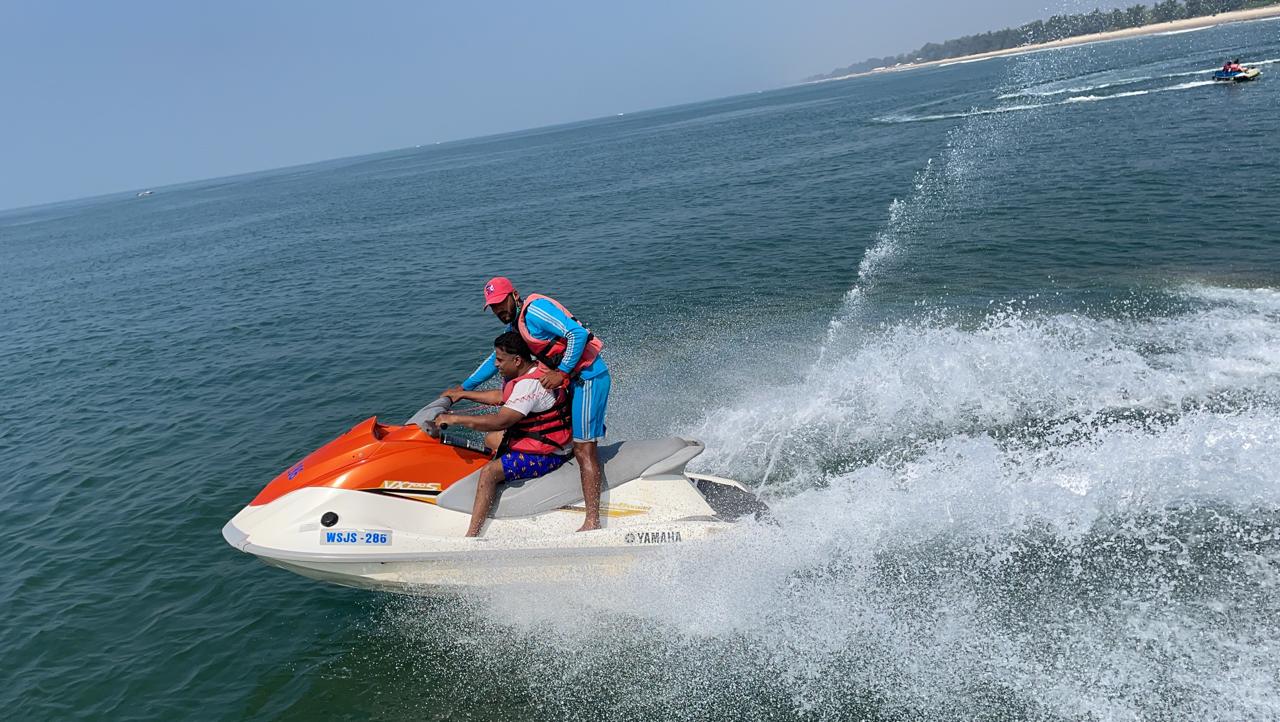
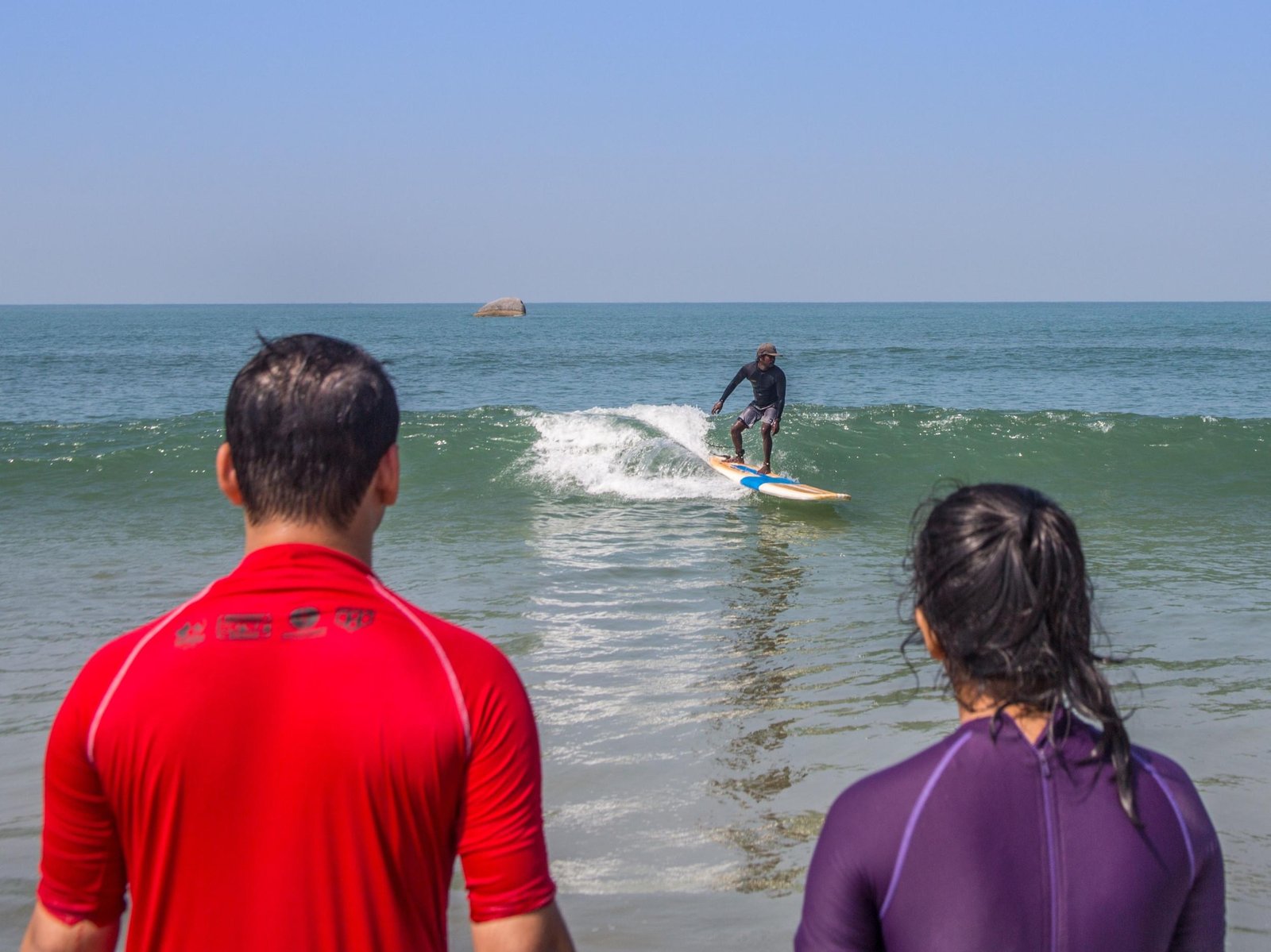
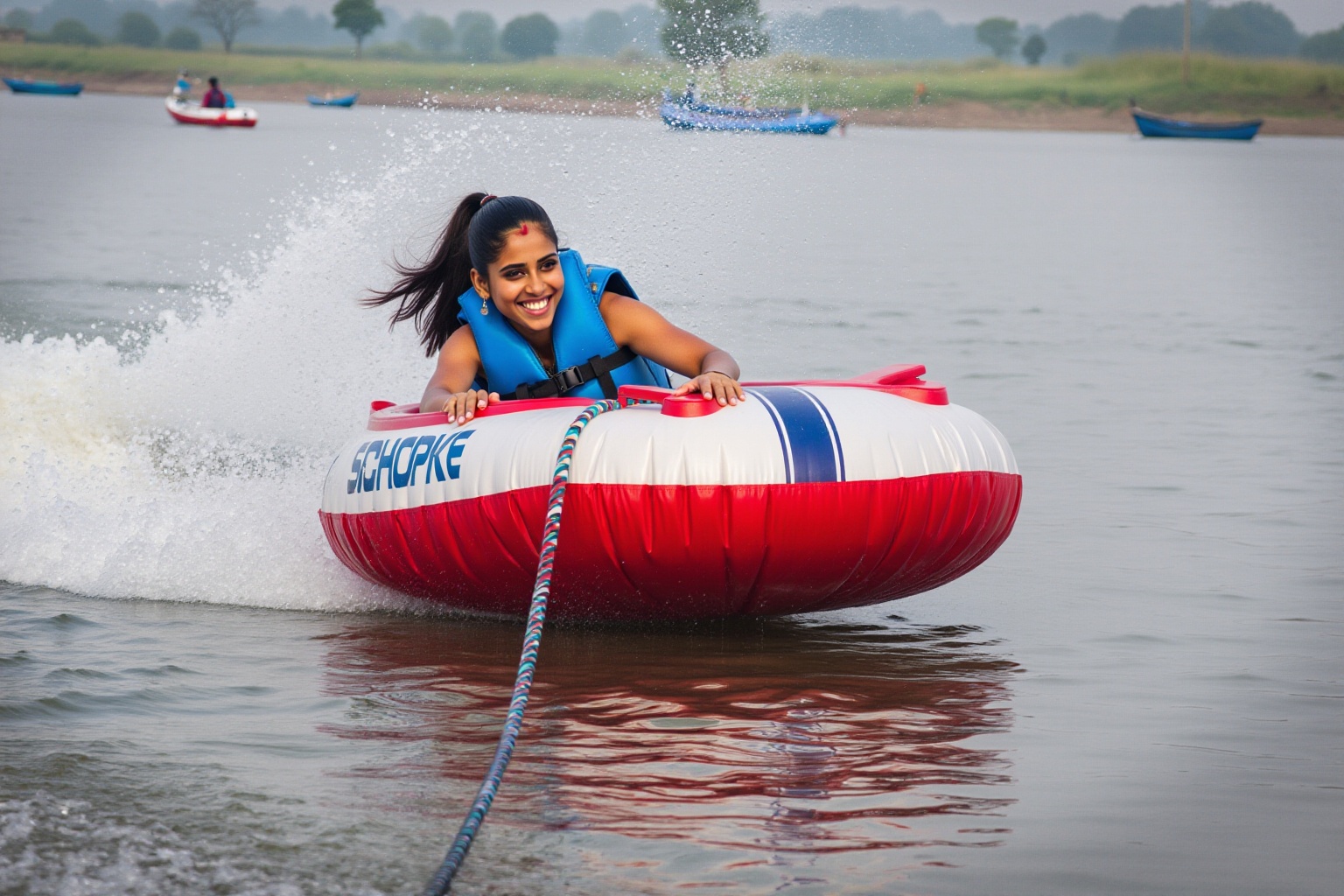
Talpona is not a place for high-octane water sports or neon-lit parties. Instead, it offers activities that nourish the spirit and allow for a deeper engagement with the environment. If your idea of a vacation involves "doing nothing," Talpona is your paradise. However, for those who want a bit of gentle activity, there is plenty to explore.

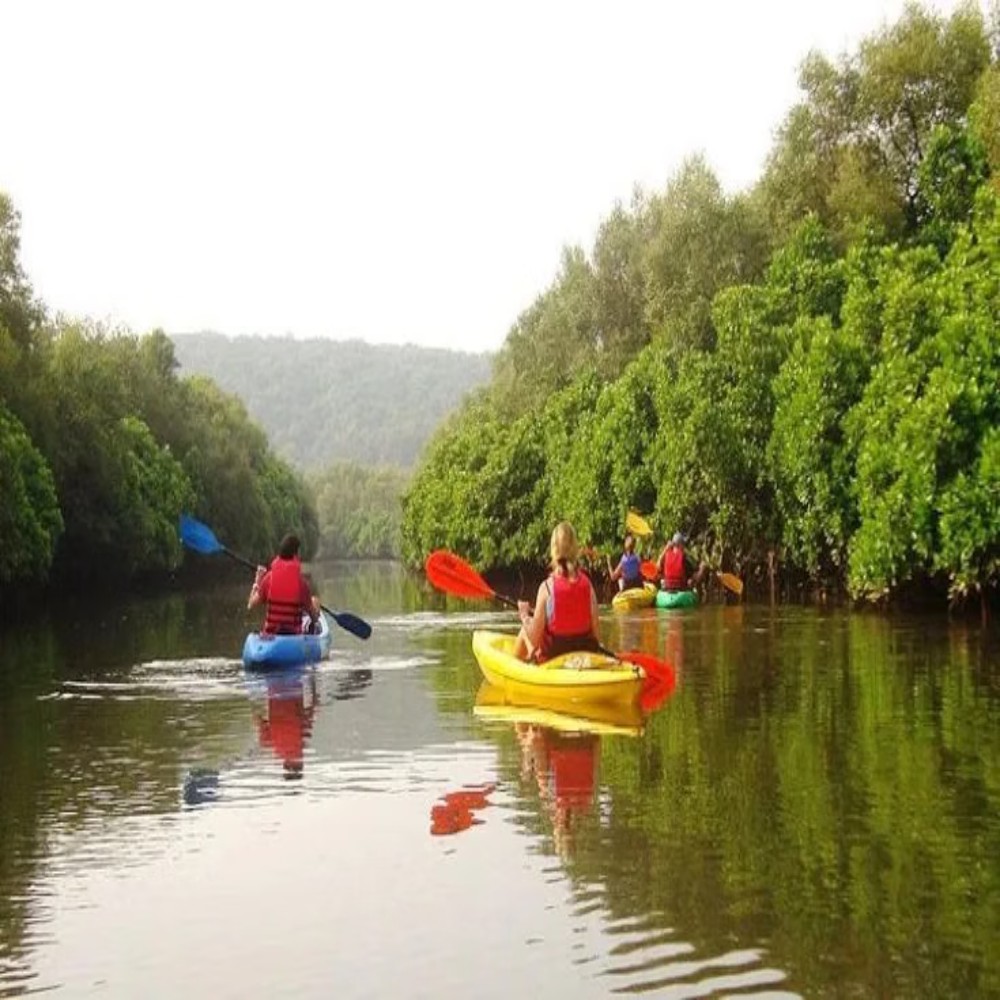
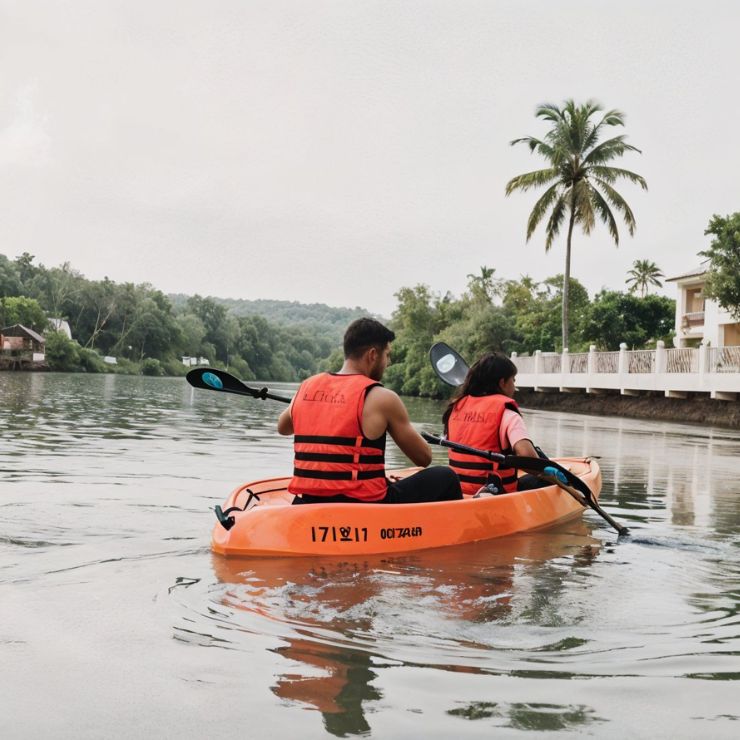
  • Riverside Kayaking: One of the most enchanting experiences in Talpona is kayaking on the Talpona River. You can rent a kayak from a few local operators and paddle through the calm backwaters. The river is lined with thick mangroves, which are home to a variety of bird species, including Kingfishers, Egrets, and even the occasional Sea Eagle. Paddling during the golden hour, just before sunset, provides a perspective of the coastline that you simply cannot get from the shore.
  • Mindful Walking and Meditation: The long, flat stretch of Talpona Beach is perfect for meditative walking. The sand is firm enough for a comfortable stroll, and the lack of noise pollution allows you to focus on the sound of your own breath and the crashing waves. Many visitors come here specifically for yoga and meditation, finding the natural energy of the river-sea confluence to be particularly grounding.
  • Birdwatching: Due to its proximity to the river and the surrounding forested hills, Talpona is a hotspot for avian life. Bring a pair of binoculars and spend your mornings spotting local and migratory birds. The mudflats near the river mouth are particularly active during low tide. You might see Brahminy Kites circling overhead or Sandpipers scurrying along the water's edge.
  • Photography: From the rustic wooden fishing boats lined up on the shore to the dramatic silhouettes of the Casuarina trees against a setting sun, Talpona is a photographer's dream. The light here has a soft, ethereal quality, especially in the early mornings. Capture the textures of the weathered rocks at the southern end of the beach or the vibrant colors of the local village houses.
  • Visit the Galgibaga Confluence: A short walk or a quick scooter ride south will take you to the point where the Talpona and Galgibaga regions meet. The view of the two rivers and the sea converging is spectacular. It’s a great spot to sit and contemplate the vastness of the ocean.
  • Star Gazing: Because Talpona has very little artificial light at night, the sky opens up in a spectacular display of stars. On a clear night, you can easily spot the Milky Way stretching across the horizon. It’s the perfect end to a quiet day—sitting on the sand with the sound of the waves and a canopy of stars above.
  • Reading and Writing: It might sound simple, but Talpona is one of the few places left in Goa where you can sit in a shack for hours with a book or a journal without feeling the pressure to move. The creative energy here is palpable, making it a favorite for digital nomads and artists.

Nearby Attractions

While Talpona itself is a haven of tranquility, it is also perfectly positioned to explore some of South Goa’s other hidden treasures. Using Talpona as your base, you can take short day trips to experience different facets of the region.

  • Galgibaga Beach (Turtle Beach): Located just south of Talpona, Galgibaga is famous as a nesting site for the Olive Ridley turtles. It is even more pristine and quiet than Talpona. During the nesting season (winter), parts of the beach are protected, but you can still visit to enjoy its raw beauty and perhaps spot some turtle tracks. The beach is also known for some of the best oysters and authentic Goan seafood at the local shacks.
  • Sadolxem Bridge: This narrow, iconic bridge over the Talpona River is a masterpiece of local engineering and a favorite spot for social media enthusiasts. It connects the villages of Talpona and Sadolxem. The view from the bridge, with the river winding through the mangroves and the hills in the background, is quintessentially Goan.
  • Palolem and Patnem Beaches: If you find yourself craving a bit more "action," the famous Palolem Beach is only a 15-20 minute drive away. Here you can find a wider variety of restaurants, boutiques, and the famous "Silent Noise" parties. Patnem, located between Palolem and Talpona, offers a middle ground—slightly more developed than Talpona but still much quieter than Palolem.
  • Cabo de Rama Fort: About a 45-minute drive north, this ancient fort offers some of the most stunning cliffside views in Goa. The fort has a rich history involving Hindu, Muslim, and Portuguese rulers. Inside the fort lies the white-washed Church of Santo Antonio, which provides a beautiful contrast against the blue sea and the weathered stone walls.
  • Cotigao Wildlife Sanctuary: For nature lovers, this sanctuary is a must-visit. It is the second-largest in Goa and is known for its dense multi-layered forests. While spotting large mammals like leopards is rare, the sanctuary is excellent for seeing flying squirrels, slender lorises, and various species of vipers and frogs. The tree-top watchtower offers a breathtaking view of the forest canopy.
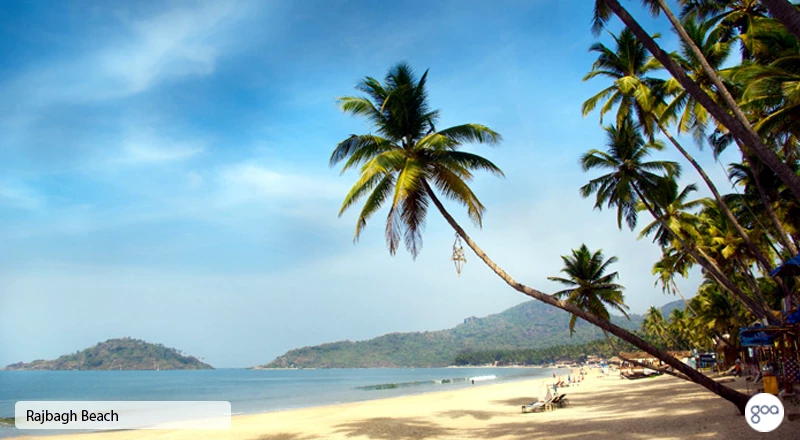
  • Rajbagh Beach: Situated just north of Talpona, this beach is dominated by the luxurious The LaLiT Golf & Spa Resort. It is a very clean and quiet beach, perfect for a long walk. The river Sal flows into the sea at the northern end of Rajbagh, creating another beautiful estuary.

Accommodation Options

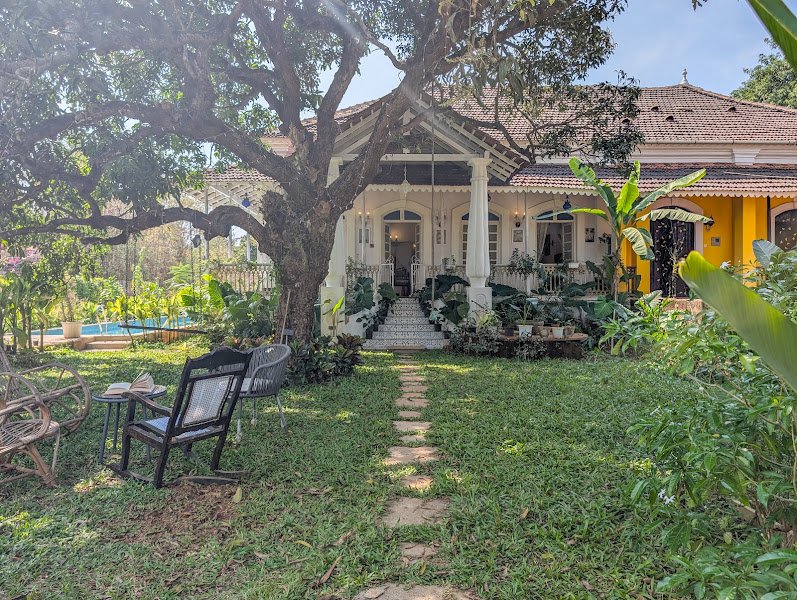
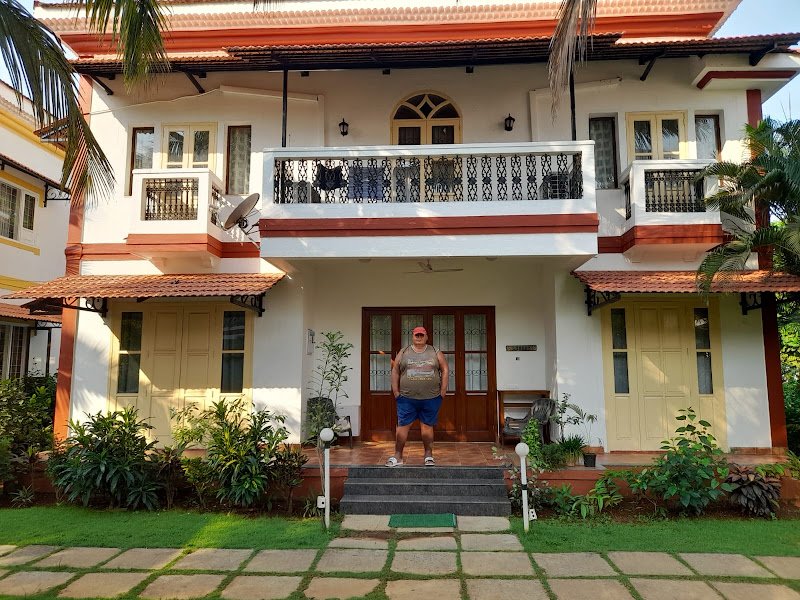
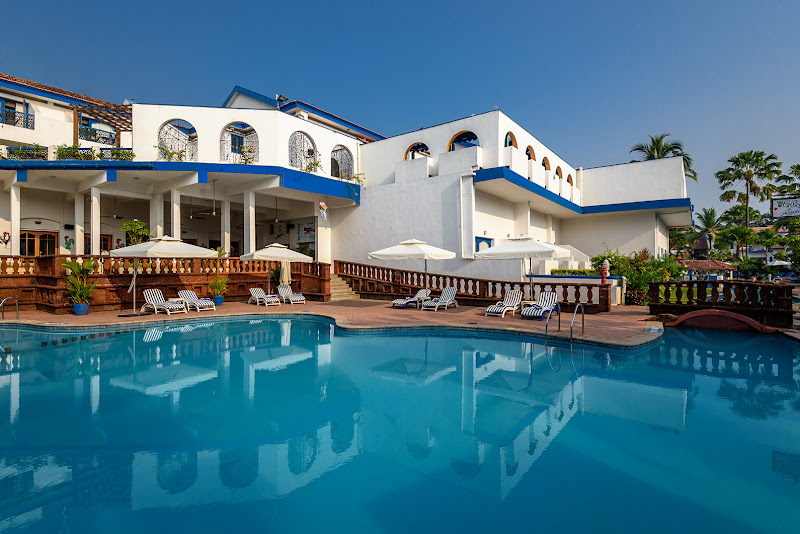
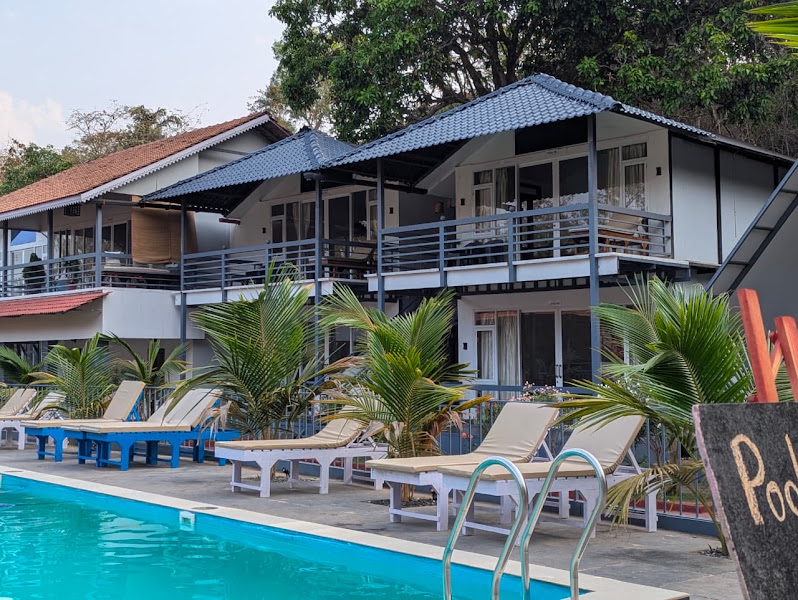
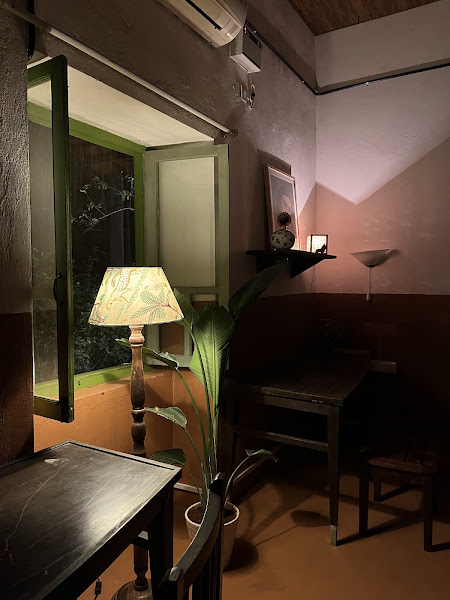
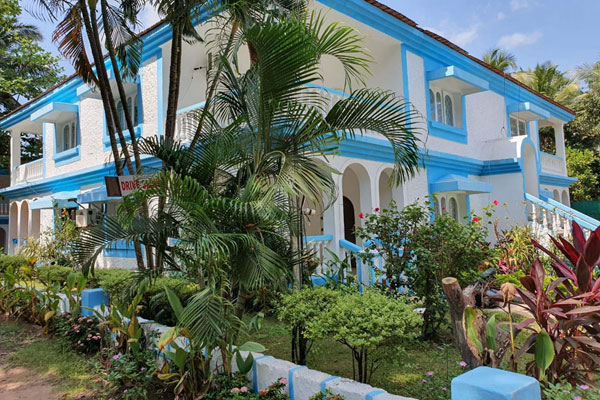
Accommodation in Talpona reflects the beach's character—unpretentious, eco-friendly, and integrated with nature. You won't find high-rise hotels or sprawling luxury resorts directly on the sands of Talpona. Instead, the options range from cozy beach huts to boutique guesthouses and homestays.

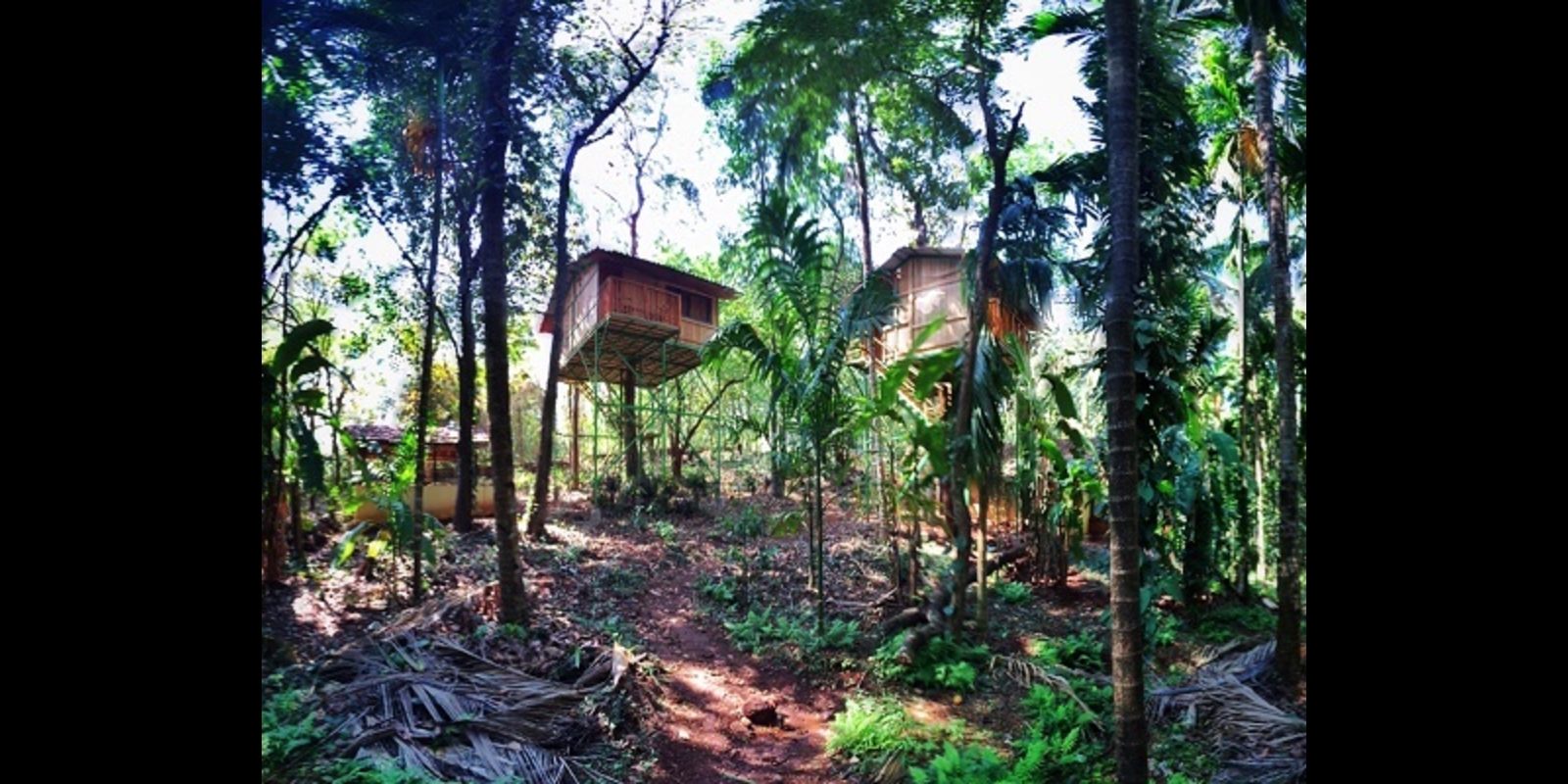
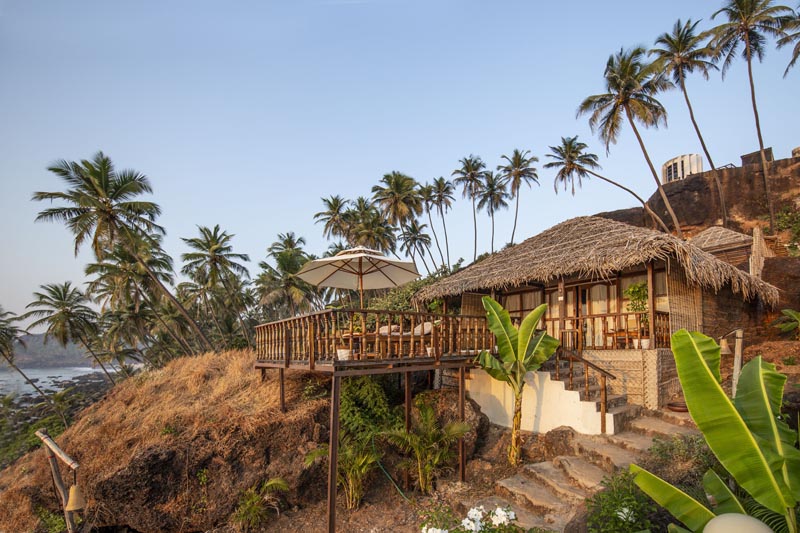
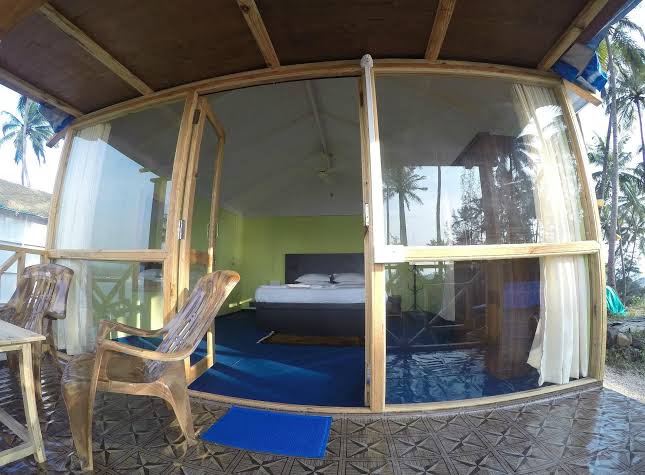
Beach Huts: During the peak season, several eco-resorts set up high-quality wooden huts right on the edge of the beach. These are often built using sustainable materials like bamboo and coconut wood. Peace Garden and Talpona Paradise Beach House are popular choices. These huts usually come with basic amenities like attached bathrooms, mosquito nets, and a small porch where you can sit and watch the waves. Staying in a beach hut allows you to fall asleep to the sound of the ocean and wake up just steps away from the water.

Boutique Guesthouses: For those who prefer more solid structures and perhaps a bit more comfort, there are several boutique guesthouses located just behind the beach line. These often offer air-conditioned rooms, better Wi-Fi, and more extensive dining options. These properties are usually run by locals or long-term expats who have a deep love for the area, ensuring a personalized and warm experience.

Homestays and Apartments: In the Talpona village, many local families have converted parts of their traditional Goan houses into guest wings or independent apartments. This is an excellent option for long-term travelers or those on a budget. Staying in a homestay gives you a glimpse into the local way of life, from the aroma of freshly baked Poi (Goan bread) in the morning to the sight of traditional village ceremonies. It’s also a great way to support the local economy directly.

Luxury Stays: While Talpona itself is modest, those seeking high-end luxury can stay at The LaLiT Golf & Spa Resort at nearby Rajbagh Beach. From there, it is a very short drive or a pleasant walk to the solitude of Talpona. This allows you to enjoy world-class amenities like a golf course and spa while having easy access to the untouched beauty of Talpona.

Dining and Cafes

Dining in Talpona is an intimate affair. There are no massive multi-cuisine restaurants; instead, you have small, family-run shacks and cafes that focus on fresh, local ingredients. Seafood is, naturally, the star of the show.

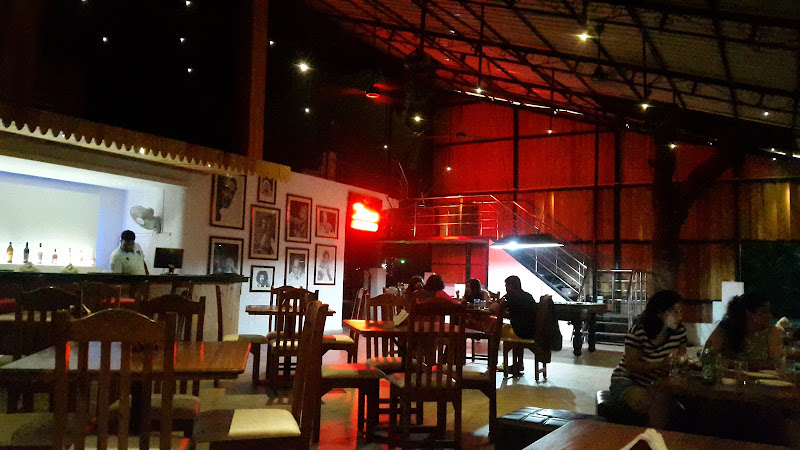
  • Deepiksha Resto Bar: This is perhaps the most well-known spot in Talpona. Located right on the beach, it is famous for its authentic Goan Fish Thali, which usually includes a portion of rice, fish curry, fried fish (often Kingfish or Chonak), a vegetable dish, and kismur (a dried shrimp salad). Their Rawa Fry (semolina-crusted fish) is a must-try. The atmosphere is extremely relaxed, with tables set under the trees.
  • Peace Garden Restaurant: Part of the Peace Garden resort, this cafe offers a mix of Indian, Goan, and Continental dishes. It’s a great place for a healthy breakfast of avocado toast or a refreshing smoothie bowl. In the evenings, they often have a "catch of the day" display where you can choose your fish and have it grilled to your liking with Goan spices or lemon butter.
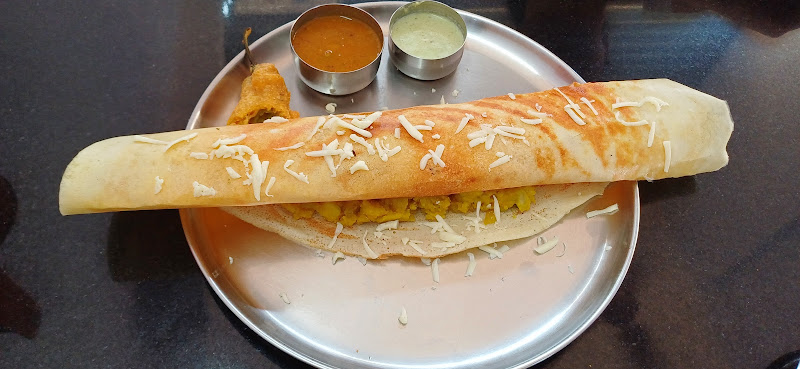
  • Local Village Eateries: If you venture into the village, you will find small "udupi" style eateries and local bars. These are the best places to try traditional Goan snacks like Samosas, Batata Vadas, and the spicy Ros Omelette (an omelette served with a spicy gravy and local bread).
  • Seafood Specialties: When in Talpona, don't miss out on trying Caldeirada (a Portuguese-inspired fish stew) or Prawn Balchão (a fiery, tangy prawn pickle-like dish). For those who prefer vegetarian options, Goan cuisine offers delicious dishes like Khatkhate (a mixed vegetable stew with coconut and tefla berries) and various coconut-based vegetable curries.
  • Drinks: No Goan meal is complete without a glass of Sol Kadhi, a refreshing pink drink made from kokum and coconut milk, which acts as a great digestive. For something stronger, try the local Cashew Feni or Urrack (available during the summer months), but be warned—they are potent!

Travel Tips for Talpona Beach

  • Carry Sufficient Cash: Talpona is quite remote, and while some shacks might accept digital payments, network issues are common. The nearest ATMs are in Chaudi, about 7-8 kilometers away. It is always best to have enough cash for your daily expenses and transport.
  • Respect the Environment: Talpona is pristine because it is relatively untouched. Please be a responsible traveler—do not leave any plastic or litter on the beach. If you see any trash, consider picking it up. Respect the local flora and fauna, especially near the river mouth.
  • Stay Hydrated and Sun-Protected: The Goan sun can be intense even in winter. Wear high-SPF sunscreen, a wide-brimmed hat, and polarized sunglasses. Always carry a reusable water bottle to stay hydrated and reduce plastic waste.
  • Book Transport in Advance: Since Talpona is tucked away, you won't find many taxis or rickshaws waiting around. If you need to head to the airport or station, arrange your transport with your guesthouse or a local driver at least a day in advance.
  • Be Mindful of the Tide: If you are planning to walk along the rocks at the southern end or explore the river mouth, keep an eye on the tide charts. The tide can come in quickly, potentially cutting off certain paths.
  • Dress Modestly in the Village: While beachwear is perfectly fine on the sand, remember that the surrounding village is a traditional community. When walking through the village or visiting local shops, it is respectful to cover up appropriately.
  • Stock Up on Essentials: There are only small kiosks in Talpona selling basic items. For specific medications, toiletries, or a wider variety of groceries, you will need to make a trip to the market in Chaudi.
  • Embrace the Slow Pace: Don't come to Talpona with a packed itinerary. The best way to enjoy this beach is to let go of your schedule. Be prepared for slow service in restaurants and a lack of high-speed internet—it’s all part of the charm.

Conclusion

Talpona Beach is a rare jewel in the crown of Goa’s coastline. In an era where many travel destinations are becoming homogenized and over-commercialized, Talpona remains stubbornly authentic. It is a place that demands very little of you, other than your presence and your respect for its natural rhythm. Whether you are watching the river meet the sea, enjoying a simple fish thali under a canopy of Casuarina trees, or stargazing from the silent sands, Talpona offers a sense of peace that stays with you long after you’ve left.

For those who understand that the true luxury of travel lies in silence, space, and a connection with the local culture, Talpona Beach is the ultimate South Goan destination. It is a reminder of why we fell in love with Goa in the first place—not for the parties or the crowds, but for the soul-stirring beauty of the land and the sea. So, pack light, leave your worries behind, and head south to Talpona. You might just find the version of Goa you’ve been searching for.

Common Questions

What is the best time to visit Talpona Beach?
The best time to visit Talpona Beach is from November to February when the weather is pleasant. It is a beautiful, less-crowded beach near the Talpona River in South Goa.
How do I get to Talpona Beach?
Talpona Beach is about 40 km from Margao, near Canacona. You can take a taxi or scooter from Canacona or Palolem. It is adjacent to the Talpona River.
What are the popular things to do at Talpona Beach?
Popular activities include swimming, sunbathing, fishing, and taking a boat ride on the Talpona River. It's a great spot for a quiet picnic.
Are there accommodations near Talpona Beach?
Yes, there are a few basic beach huts and guesthouses near Talpona. For more options, Palolem is just a short drive away.
Is Talpona Beach safe for swimming?
Yes, the waters are calm and safe for swimming. However, be cautious near the river mouth where currents can be stronger.
What makes Talpona Beach special?
Talpona Beach is known for its golden sand, clear water, and the scenic Talpona River that flows into the sea. It is also a nesting site for turtles.

User Reviews

4.8
2406 Reviews
5
85%
4
10%
3
3%
2
1%
1
1%

Login to post a review

Join the community to share your beach experiences.

Login / Sign Up

Location Details

Address
Talpona, South Goa
Best Time
All Year Round

Plan Together

Share this beach guide with your travel group on WhatsApp!

Share Now