Overview
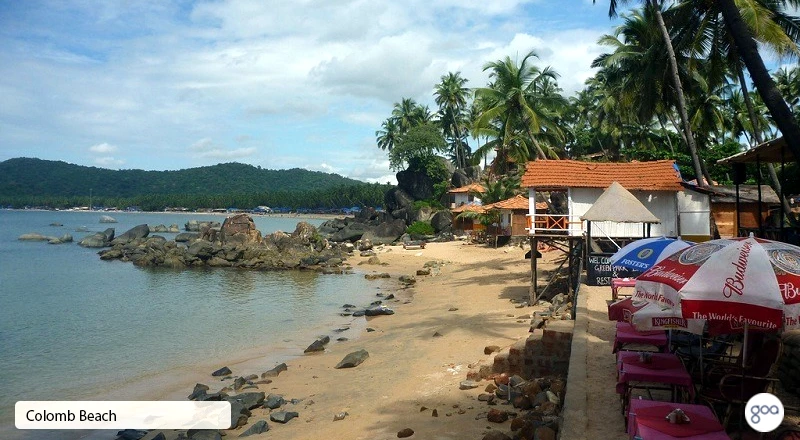
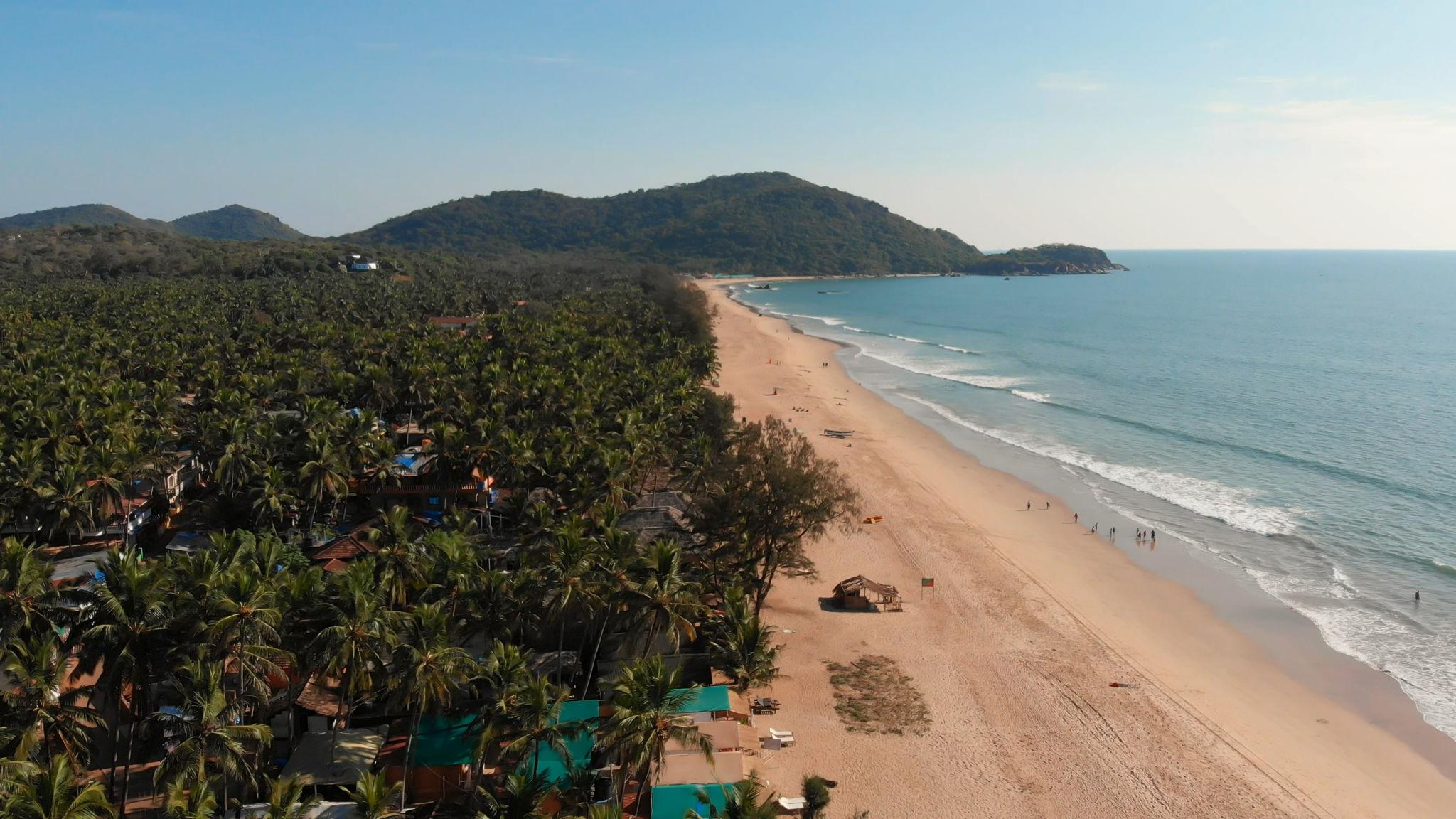
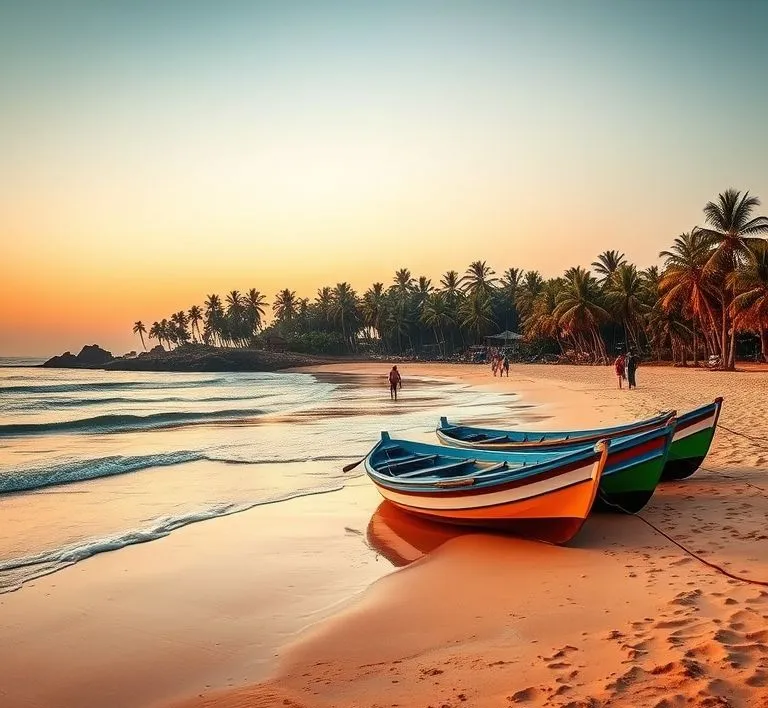
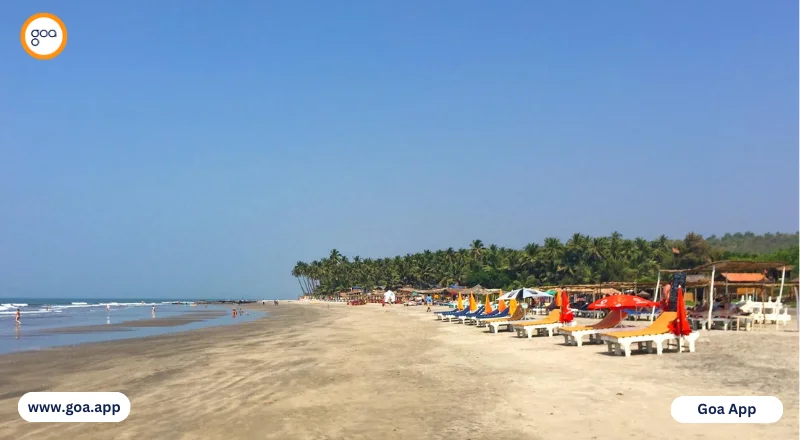
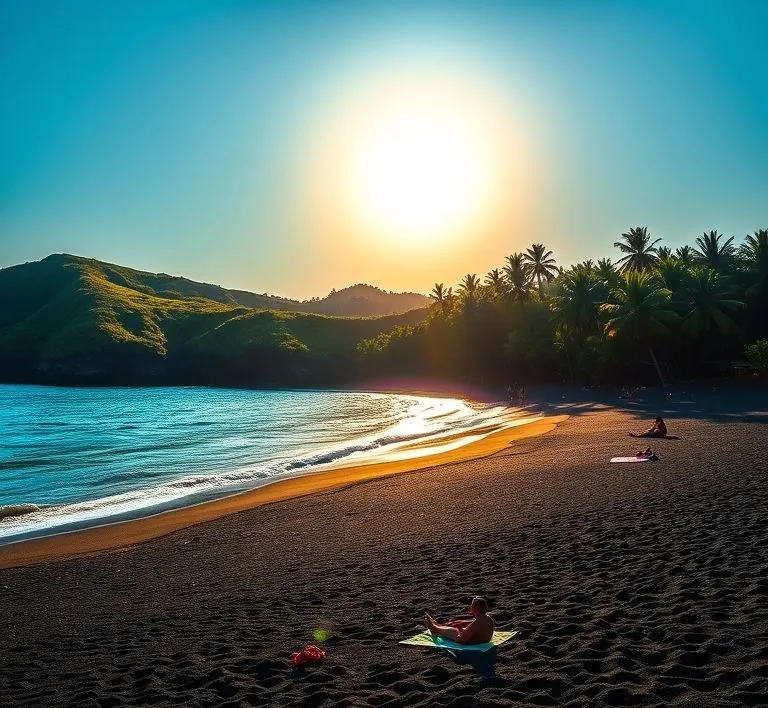
Nestled in the heart of South Goa, Colomb Beach is a hidden treasure that offers a serene escape from the bustling tourist hubs of the north. Often overshadowed by its more famous neighbors, Palolem and Patnem, Colomb Beach (also known as Colom Beach) is a small, horseshoe-shaped cove that exudes an old-world Goan charm. This secluded bay is characterized by its unique geological features, including a series of dramatic rock formations and a tranquil shoreline that remains largely untouched by large-scale commercialization. For travelers seeking a "slow travel" experience, Colomb is the ultimate sanctuary where the rhythm of life is dictated by the tides rather than the clock.
The beach is situated in the Canacona taluka, a region known for its lush Western Ghats backdrop and pristine coastal stretches. Unlike the long, sandy expanses of Calangute or Baga, Colomb is intimate and rugged. It is divided into two parts by a rocky outcrop, creating a sense of privacy that is rare to find in modern-day Goa. One of the most fascinating features of this beach is the "Pandava’s Drum," a large rock formation located at the southern end. Local legend suggests that when the rock is struck in a certain way, it emits a hollow sound resembling a drum, a phenomenon attributed to the Pandava brothers from the Indian epic Mahabharata during their exile.
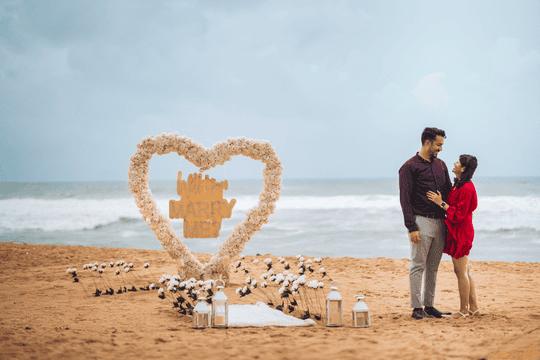
Colomb Beach is a favorite among long-term travelers, digital nomads, and couples looking for a romantic getaway. The atmosphere here is one of quiet contemplation. You won't find thumping electronic music or neon lights; instead, you are greeted by the sound of waves gently crashing against basalt rocks, the rustle of coconut palms, and the occasional chime of a temple bell from the nearby village. The village surrounding the beach is a traditional Goan fishing hamlet, where colorful houses are tucked away under a canopy of green. Staying here provides an authentic glimpse into the Goan-Portuguese lifestyle, where hospitality is warm and the seafood is always fresh from the morning's catch.
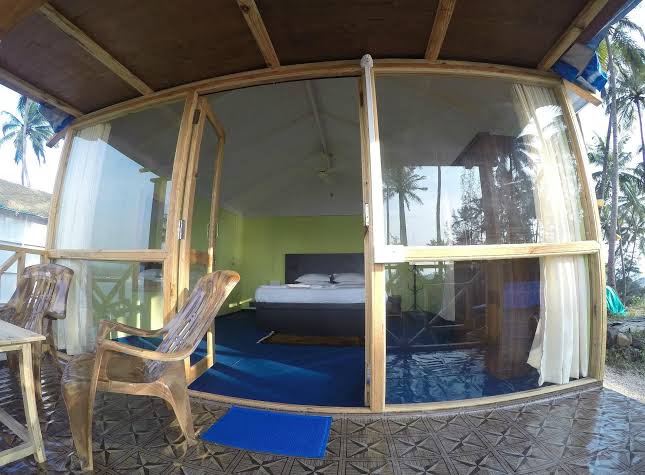
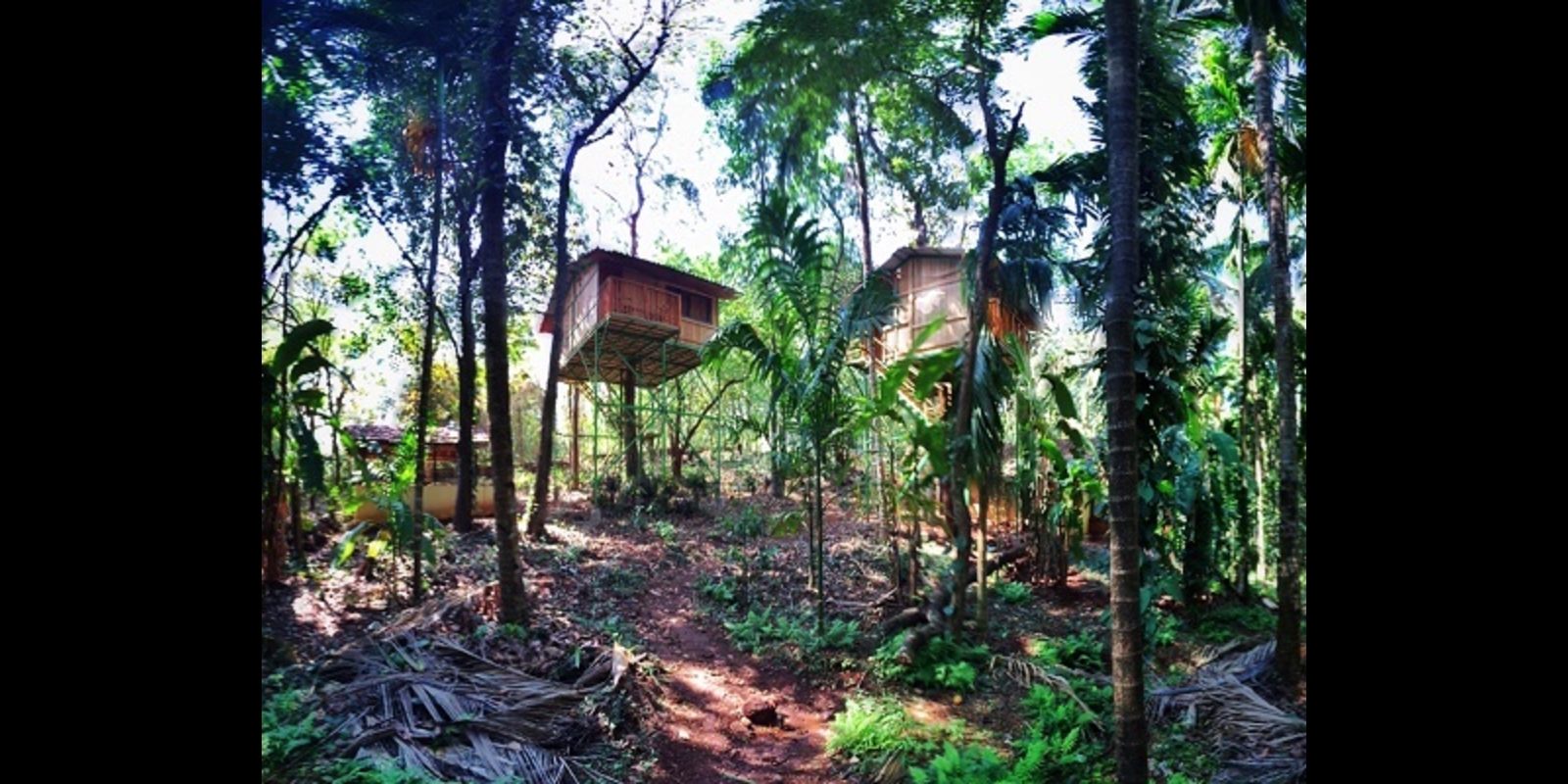
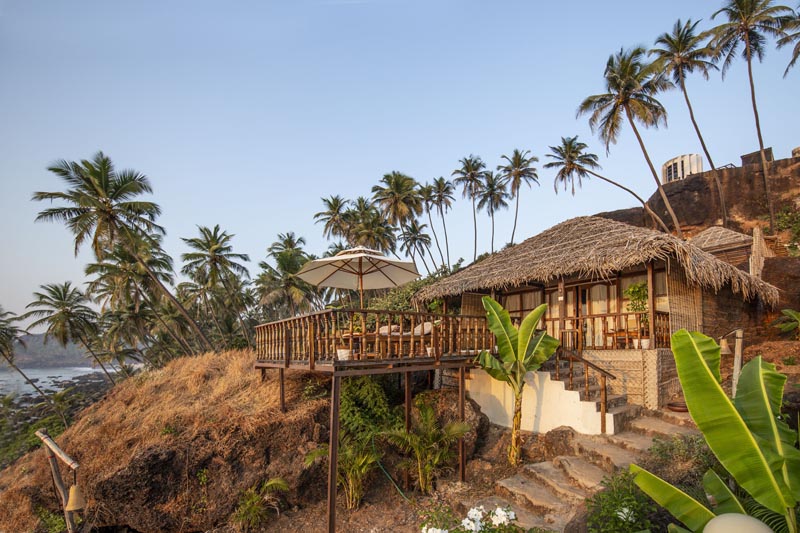
For the eco-conscious traveler, Colomb is a pioneer in sustainable tourism. Many of the accommodations here are built using natural materials like bamboo, jute, and laterite stone, blending seamlessly with the environment. The beach serves as a bridge between the vibrant energy of Palolem and the laid-back vibe of Patnem, allowing visitors to enjoy the best of both worlds while retreating to their private haven at night. Whether you are a writer looking for inspiration, a yogi seeking peace, or a family wanting a safe and quiet environment for children, Colomb Beach offers a soulful experience that lingers long after you leave its shores.
How to Reach Colomb Beach
Reaching Colomb Beach is a journey through some of the most scenic landscapes in South Goa. Located approximately 70 kilometers from the state capital, Panaji, and about 35 kilometers from Margao, it is well-connected yet sufficiently isolated to maintain its peaceful aura. Depending on your mode of transport, here is how you can navigate your way to this coastal paradise:
- By Air: The nearest airport is Dabolim Airport (GOI), located about 60-65 kilometers away. A taxi from the airport to Colomb will take approximately 1.5 to 2 hours, costing between ₹1,800 and ₹2,500. Alternatively, the newer Manohar International Airport (MOPA) in North Goa is much further (about 120 kilometers), and a taxi ride from there can take over 3 hours. It is highly recommended to fly into Dabolim if South Goa is your primary destination.
- By Rail: The closest railway station is Canacona (CNO), which is just 2-3 kilometers from Colomb Beach. Many express trains on the Konkan Railway route stop here. From the station, you can easily hire an auto-rickshaw for a short 10-minute ride. For major national trains that don't stop at Canacona, Madgaon Junction (MAO) in Margao is the primary hub. From Madgaon, you can take a pre-paid taxi (about 1 hour) or a local bus to Canacona.
- By Road/Bus: If you are traveling on a budget, Goa’s public bus network is extensive. From the Kadamba Bus Stand in Margao, you can board a bus heading towards Canacona or Palolem. Once you drop off at the Canacona bus stand, a short rickshaw ride will bring you to Colomb. If you are driving or riding a scooter from North Goa, follow the NH66 highway southwards, which offers stunning views of the Goan countryside and the Zuari River bridge.
- By Local Transport: Once you are in the Palolem or Patnem area, Colomb Beach is easily accessible on foot. A scenic walking trail connects Palolem to Colomb, winding through rocky paths and small hills. Renting a scooter or a bicycle is the most popular way to get around locally, giving you the freedom to explore hidden lanes and nearby beaches at your own pace.
It is important to note that the roads leading into Colomb are narrow and wind through a residential village. If you are arriving by a large car or an SUV, parking can be a bit challenging near the beachfront. Most guesthouses provide designated parking areas, so it is wise to coordinate with your host beforehand.
Best Time to Visit
Goa is a year-round destination, but the experience at Colomb Beach varies significantly with the seasons. To make the most of your trip, it is essential to align your visit with your personal preferences for weather and crowd levels.
- Peak Season (November to February): This is undoubtedly the best time to visit Colomb Beach. The weather is pleasant, with daytime temperatures hovering around 28°C to 32°C and cool, breezy nights. The sea is calm and perfect for swimming. All the beach shacks, boutiques, and seasonal cafes are fully operational. This is also the time when the "Silent Noise" parties and yoga retreats are in full swing in the surrounding areas. However, since this is peak season, it is advisable to book your accommodation well in advance.
- Shoulder Season (October and March to May): October marks the beginning of the season when shacks start coming up after the monsoon. March to May can get quite hot and humid, with temperatures often touching 35°C. However, if you enjoy the heat and want to avoid the peak season crowds, this is a great time to visit. Prices for accommodation often drop during these months, making it ideal for budget travelers. The evenings remain beautiful, with spectacular sunsets over the Arabian Sea.
- Monsoon Season (June to September): During the monsoon, South Goa transforms into a lush green paradise. Colomb Beach takes on a dramatic appearance as the rain lashes against the rocks. While the natural beauty is at its peak, most beach shacks and seasonal resorts close down during this period. Swimming is strictly prohibited due to rough seas and strong undercurrents. If you are a writer or an artist seeking solitude and don't mind the heavy tropical downpours, the monsoon offers a unique, introspective experience. You will likely need to stay in permanent guesthouses or homestays rather than beach huts.
For those interested in local culture, visiting during Shigmo (Goa’s version of Holi) in March or the Feast of St. Francis Xavier in December provides a deep dive into the state's rich religious and cultural heritage.
Things to Do at Colomb Beach
While Colomb is primarily a place for relaxation, it offers a variety of activities for those who want to stay active. The beauty of Colomb lies in its simplicity; the "things to do" here are more about connecting with nature and the local community than ticking off a list of tourist attractions.
- Swimming and Sunbathing: The northern end of the beach is relatively sandy and suitable for a refreshing dip. However, because Colomb is rocky, always be mindful of submerged stones. The lack of large crowds means you can sunbathe in peace, away from the prying eyes often found on busier beaches.
- Explore the "Pandava’s Drum": Take a short hike to the southern rocky outcrop to find this legendary rock. Striking the rock and hearing the drum-like sound is a quirky local experience. The view from this vantage point, looking back at the crescent of Colomb and Palolem, is breathtaking, especially during the "golden hour."
- Yoga and Wellness: South Goa is a global hub for yoga. Several retreats and eco-resorts around Colomb, such as Bhakti Kutir, offer daily yoga classes, meditation sessions, and Ayurvedic treatments. Practicing yoga with the sound of the ocean in the background is a transformative experience.
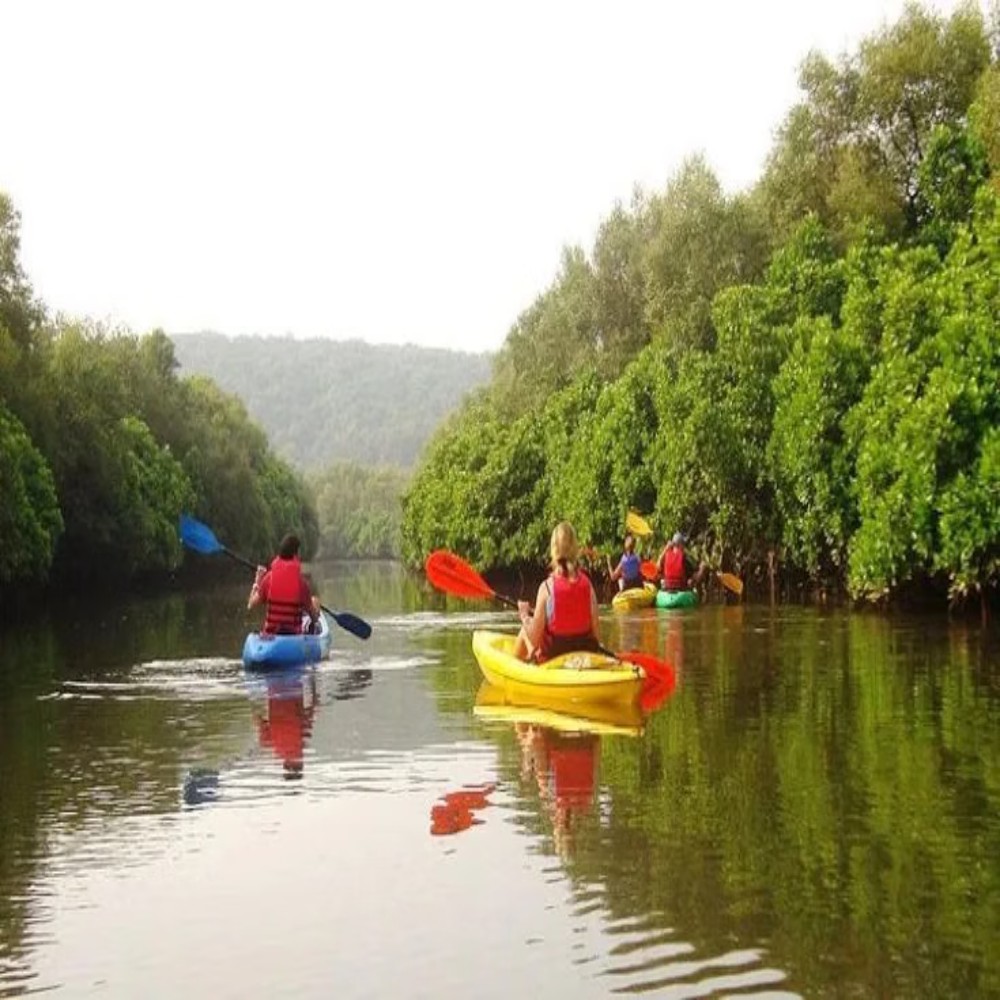
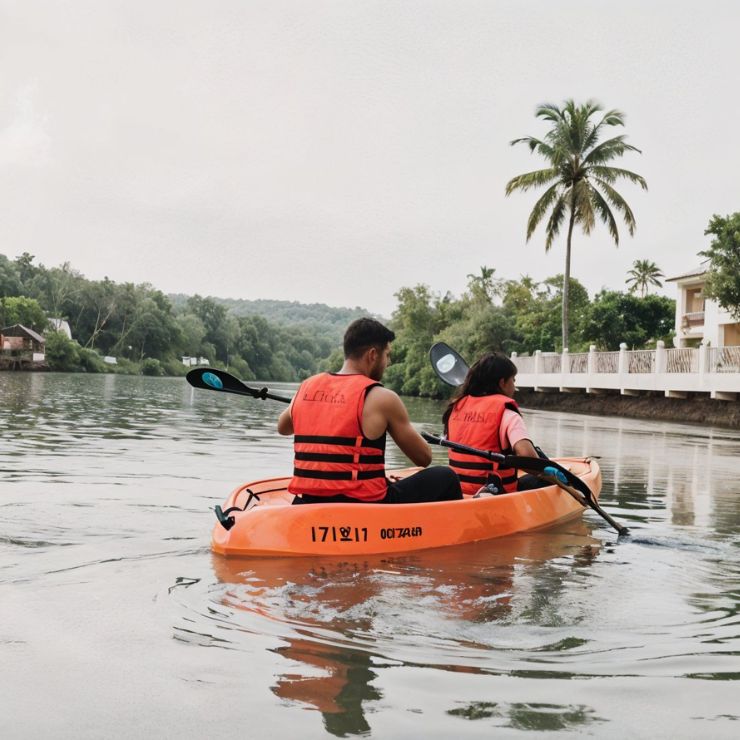
- Kayaking and Boat Trips: While Colomb itself doesn't have many boat operators, a short walk to Palolem allows you to rent a kayak. You can paddle your way around the coastline to reach Butterfly Beach or Honeymoon Beach, which are otherwise difficult to access by land. You can also join a dolphin-spotting trip early in the morning.
- Coastal Trekking: One of the best things to do is the coastal walk from Palolem to Patnem via Colomb. The trail takes you over small hills, through wooded areas, and along rocky cliffs. It’s a great way to see the diverse topography of the Canacona coast and discover tiny, unnamed coves.
- Fishing with Locals: Colomb is still a functioning fishing village. You can often see fishermen casting nets or bringing in their traditional canoes. Many locals are happy to take visitors out on short fishing trips for a small fee, offering a hands-on experience of the traditional Goan way of life.
- Stargazing: Due to the minimal light pollution in South Goa, the night sky at Colomb is exceptionally clear. Laying a blanket on the sand at night and watching the constellations is a peaceful way to end your day.
Nearby Attractions
Colomb Beach serves as an excellent base for exploring the wider Canacona region. Within a 15 to 20-minute radius, you can find a variety of landscapes ranging from bustling markets to ancient forts.
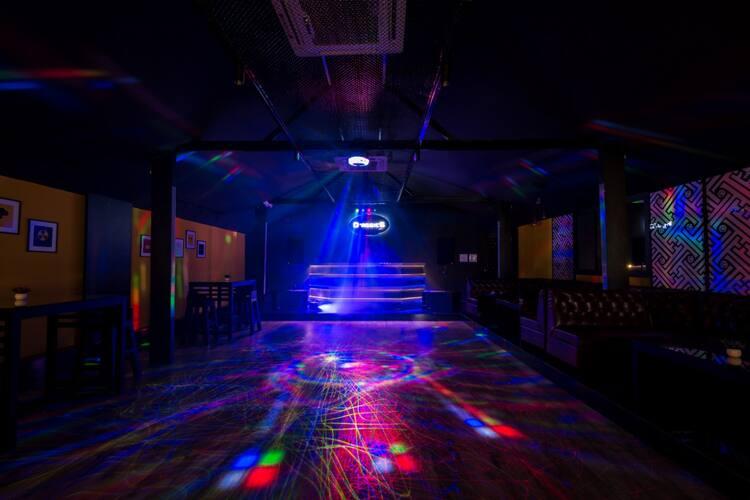
- Palolem Beach: Just a 10-minute walk away, Palolem is the most famous beach in South Goa. Known for its crescent shape and towering coconut palms, it offers a wider range of dining, shopping, and nightlife options, including the famous Silent Noise Disco where partygoers wear headphones to comply with noise regulations.
- Patnem Beach: Located to the south of Colomb, Patnem is another quiet alternative to Palolem. It has a wider sandy shore and a great selection of vegan cafes and boutique shops. It’s perfect for a long sunset stroll.
- Cabo de Rama Fort: About 15 kilometers north of Colomb, this ancient fort offers some of the most stunning cliff-side views in Goa. The fort has a rich history, having been held by Hindu, Muslim, and Portuguese rulers. Inside the fort complex is the Church of Santo Antonio, which is still in use.
- Galgibaga Beach: Known as the "Turtle Beach," Galgibaga is one of the few nesting sites for Olive Ridley turtles in Goa. It is a pristine, pine-fringed beach with almost no commercial activity, located about 15 kilometers south of Colomb.
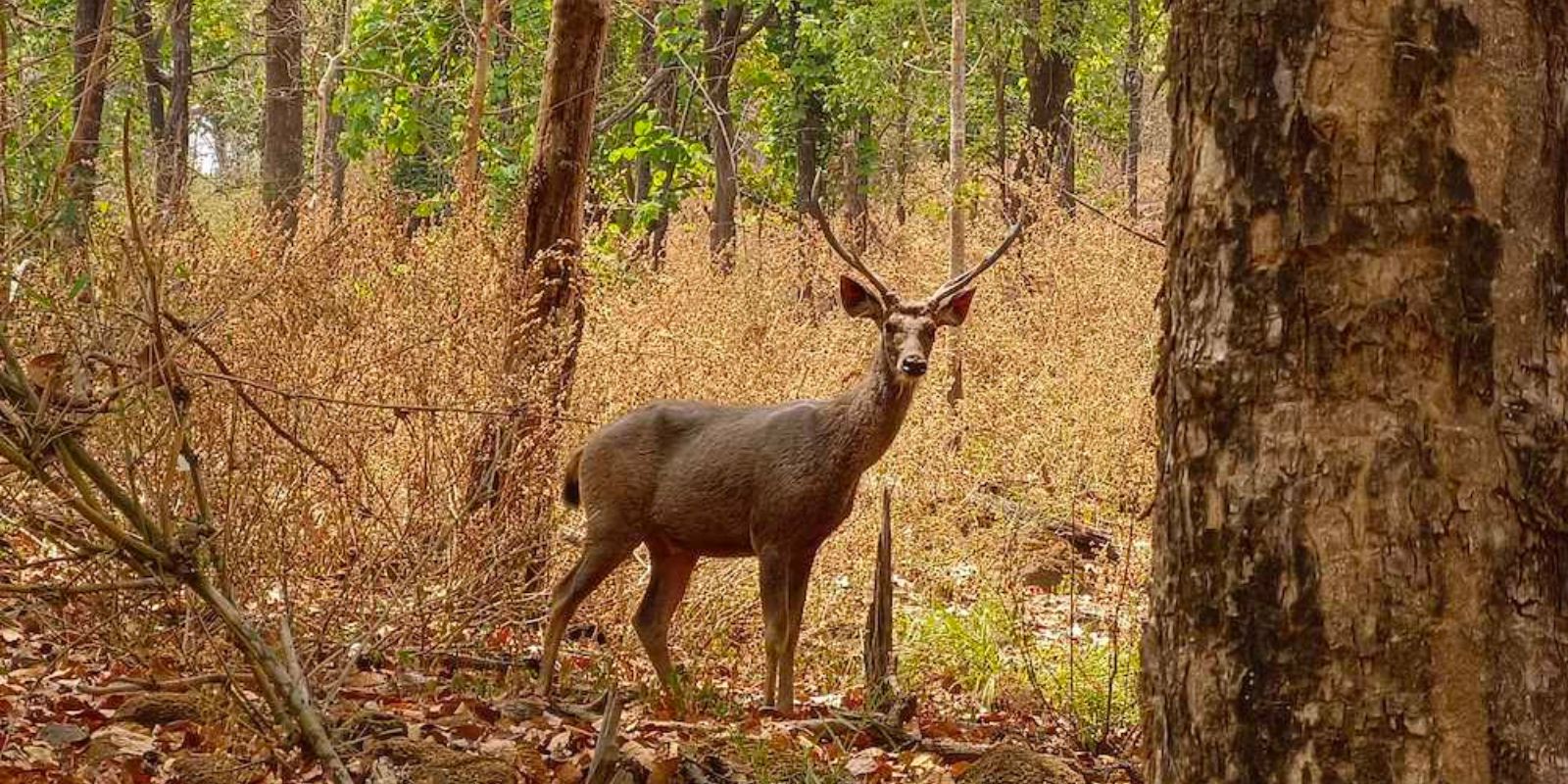
- Cotigao Wildlife Sanctuary: For nature lovers, this sanctuary offers a chance to see Goa’s inland biodiversity. It features multi-story observation decks and trails through dense deciduous forests. It’s about a 20-minute drive from Canacona.
- Talpona Beach: A quiet, river-mouth beach that remains largely undiscovered. It’s an ideal spot for those who want total isolation and a chance to see where the river meets the sea.
Accommodation Options
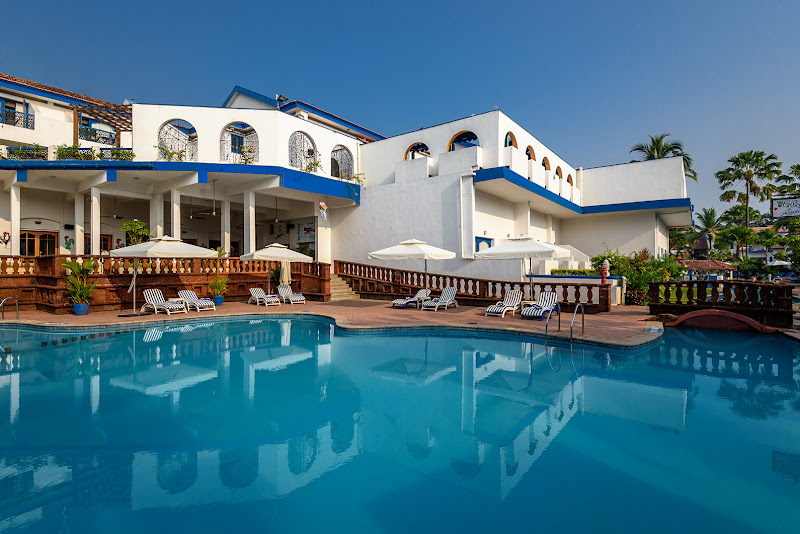
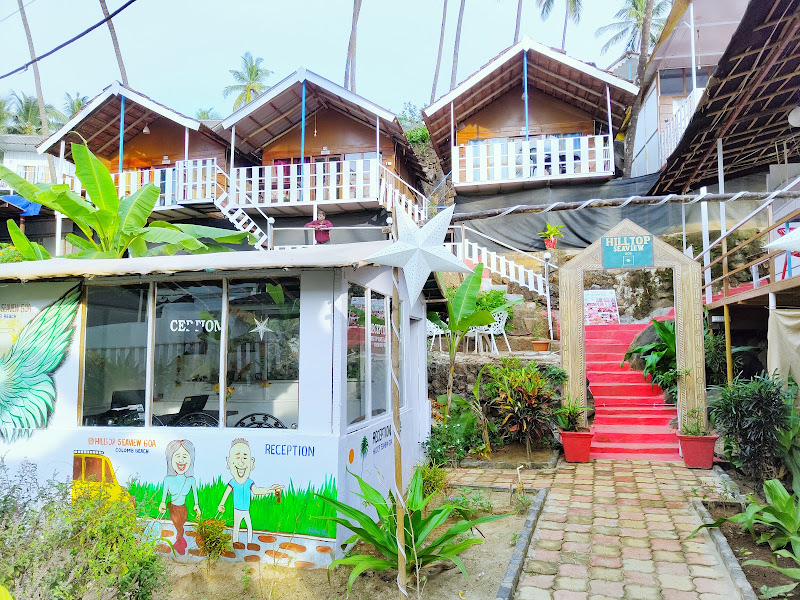
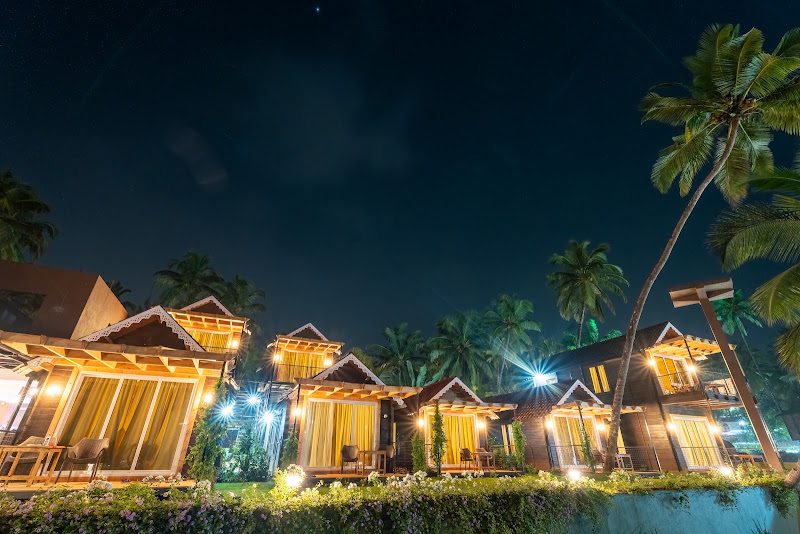
Accommodation in Colomb Beach is characterized by its "eco-chic" vibe. You won't find five-star luxury resorts here; instead, the focus is on sustainable living, comfort, and integration with nature. Here are some of the best places to stay:
- Bhakti Kutir: Located on the hill overlooking Colomb, this is one of Goa's oldest and most respected eco-resorts. The "cabanas" are built from local materials and designed to allow natural ventilation. The property is set in a lush forest and features an organic restaurant and a renowned Ayurveda center.
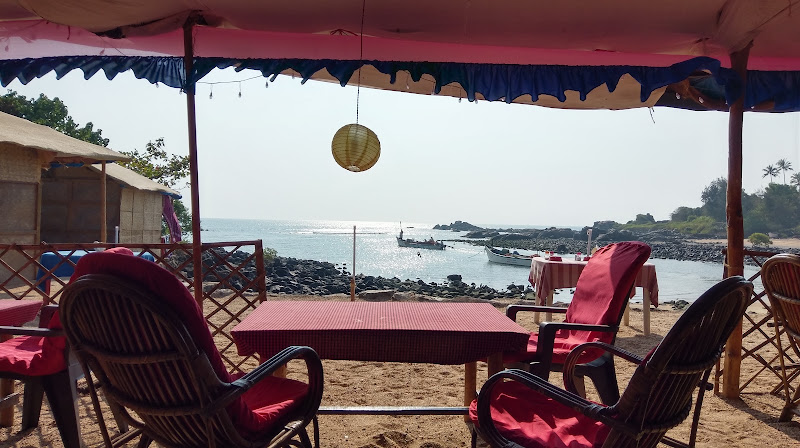
- Boom Shankar: A popular choice for those who want to stay right on the edge of the rocks. It offers simple but clean rooms and a restaurant with one of the best views of the bay. It’s a great spot for budget travelers who value location above all else.
- Magic View: True to its name, this guesthouse offers spectacular views of the Arabian Sea. The rooms are basic but comfortable, and the atmosphere is incredibly welcoming. It is often booked out by long-term guests who return year after year.
- Kala Bahia: This boutique property offers a more refined experience with stylishly designed huts and a focus on wellness. It’s perfect for couples looking for a romantic and quiet retreat.
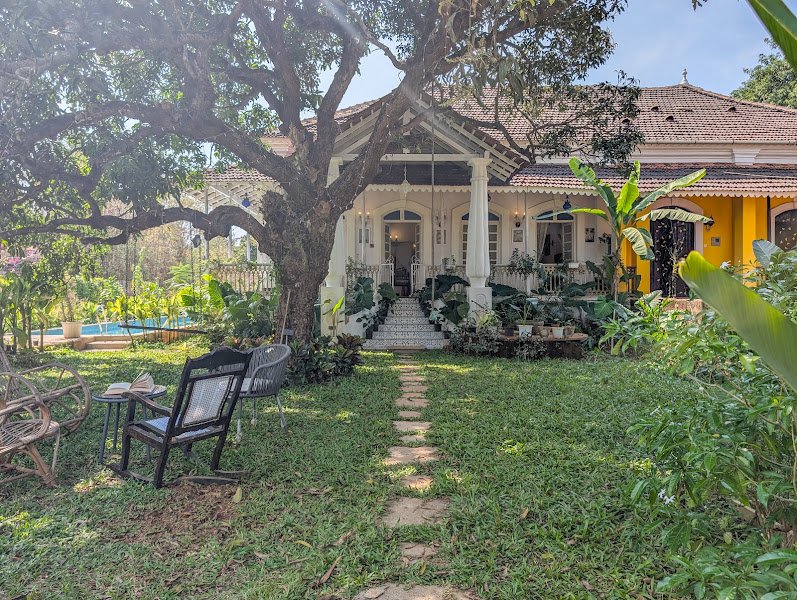
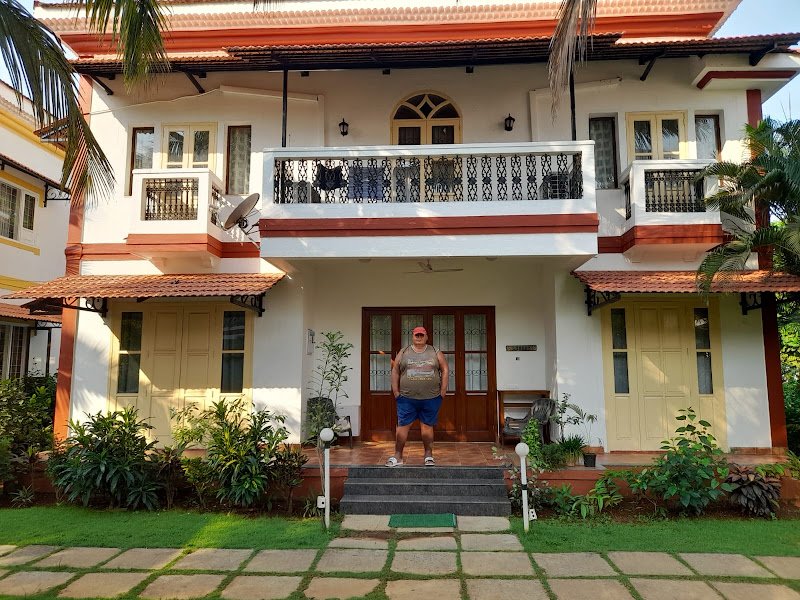
- Village Homestays: Many local families in the Colomb village have converted parts of their homes into guesthouses. Staying in a homestay is a wonderful way to experience Goan hospitality and enjoy home-cooked meals. Look for signs saying "Rooms to Let" as you walk through the village lanes.
Most accommodations in Colomb are seasonal, operating from October to May. If you plan to stay during the peak months of December and January, it is highly recommended to book at least 3-4 months in advance.
Dining and Cafes
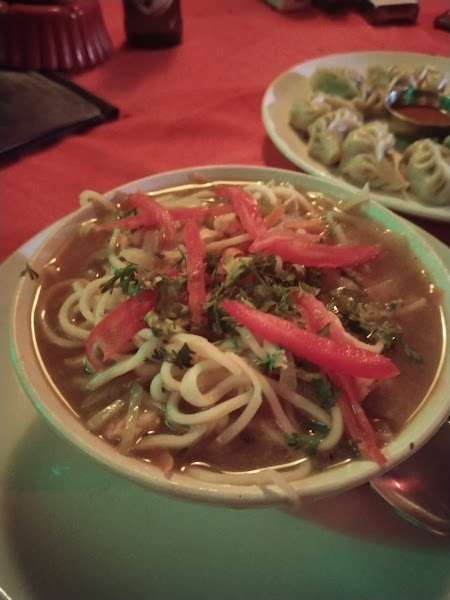
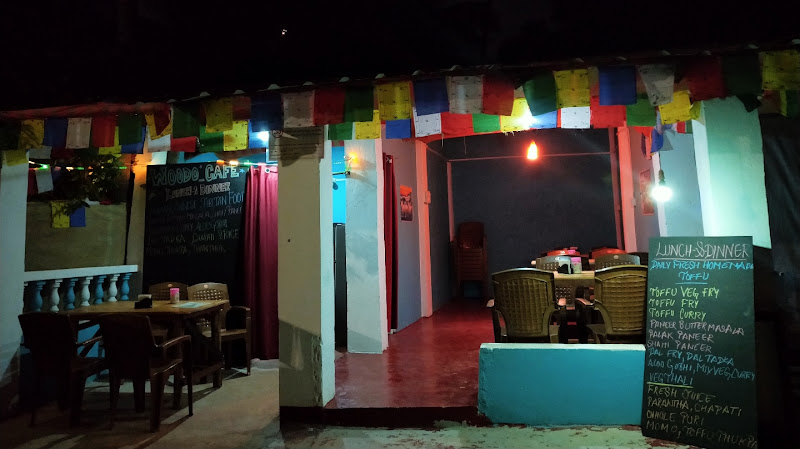
The food scene in Colomb is a delightful mix of traditional Goan flavors, fresh seafood, and international health-conscious cuisine. Because of the high number of long-term international visitors, many cafes offer excellent vegetarian, vegan, and gluten-free options.
- Kala Bahia Restaurant: Known for its creative menu that blends local ingredients with Mediterranean influences. The seating is relaxed, and the views of the sunset are unparalleled. Their fresh salads and wood-fired pizzas are highly recommended.
- The Space Goa: Located slightly inland between Colomb and Palolem, this is a hub for the wellness community. It serves organic food, great coffee, and has a small boutique selling eco-friendly products. Their breakfast bowls and fresh juices are a must-try.
- Boom Shankar Restaurant: A classic Goan beach shack experience. This is the place to go for Goan Fish Curry Rice, Prawn Balchão, and Fish Recheado. The seafood is usually caught the same morning by the village fishermen.
- Magic View Cafe: A great spot for a quiet lunch. They serve a variety of Indian and Continental dishes. It’s a peaceful place to sit with a book and a cold beer while watching the waves.
- Local Eateries: For an authentic and affordable meal, head into the village to find small "Ros Omelette" stalls or local tavernas. Trying the Ros Omelette (an omelette served with spicy chicken or chickpea gravy) is a quintessential Goan experience.
Don't forget to try the local Feni, a spirit distilled from cashew apples or coconut. Many shacks in Colomb serve "Feni Cocktails" mixed with Limca, salt, and green chili, which is the traditional way to enjoy it.
Travel Tips for Colomb Beach
To ensure you have a smooth and enjoyable trip to Colomb Beach, keep these practical tips in mind:
- Carry Cash: While some larger restaurants and resorts accept cards or UPI, many small shacks and local transport providers deal only in cash. The nearest ATMs are in Palolem or Canacona town, and they often run out of cash during peak season.
- Respect the Rocks: Colomb is a rocky beach. If you are swimming or walking along the shore at high tide, be extremely careful of sharp barnacles and slippery surfaces. Wearing water shoes is a good idea.
- Rent a Scooter: To explore the surrounding areas like Cabo de Rama or Galgibaga, renting a scooter is the most cost-effective and flexible option. Ensure you have a valid driving license and always wear a helmet, as Goa police are strict about safety regulations.
- Stay Hydrated and Sun-Protected: The tropical sun can be intense. Always carry a reusable water bottle (many cafes offer filtered water refills to reduce plastic waste) and apply high-SPF sunscreen.
- Eco-Friendly Conduct: South Goa prides itself on its natural beauty. Avoid using single-use plastics, do not litter on the beach, and be mindful of your water and electricity consumption, especially in eco-resorts.
- Dress Modestly in the Village: While swimwear is perfectly fine on the beach, it is respectful to cover up when walking through the local village or visiting temples. A simple sarong or t-shirt goes a long way in respecting local sensibilities.
- Watch the Tides: The appearance of Colomb Beach changes drastically between high and low tide. Some walking paths between Colomb and Palolem may get submerged during very high tides, so plan your walks accordingly.
- Internet Connectivity: While most cafes offer Wi-Fi, the speeds can be inconsistent. If you are a digital nomad, consider getting a local SIM card (Airtel and Jio usually have decent coverage in this area) as a backup.
Conclusion
Colomb Beach is more than just a destination; it is a state of mind. It represents the "Susegad" spirit of Goa—a Portuguese-derived term that translates to a relaxed, laid-back attitude toward life. In a world that is increasingly fast-paced, Colomb offers a rare opportunity to disconnect from the digital noise and reconnect with the simple joys of nature. Whether you are staring at the horizon from the Pandava’s Drum, sharing a meal with a local family, or practicing yoga as the sun rises over the Western Ghats, Colomb provides a sense of peace that is hard to find elsewhere.
By choosing Colomb, you are opting for an authentic Goan experience that prioritizes sustainability, community, and tranquility. It is a place where you can be as active or as idle as you wish. As you leave this small rocky cove, you don't just take back photographs; you take back a piece of the quiet, soulful magic that makes South Goa so special. So pack your bags, leave your worries behind, and head to Colomb Beach—Goa's best-kept secret is waiting to be discovered by you.