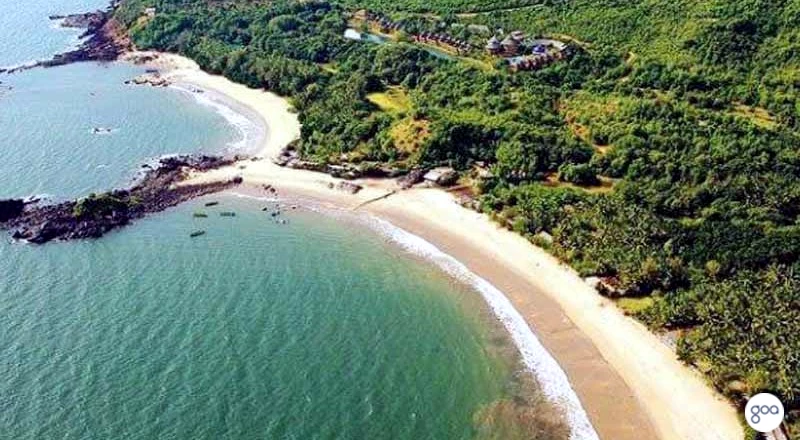
Hidden amidst the dense foliage and jagged cliffs of South Goa, Butterfly Beach is often whispered about as the "hidden jewel" of the Konkan coastline. Unlike the sprawling stretches of Calangute or the commercialized lanes of Baga, Butterfly Beach offers a rare glimpse into the primordial beauty of Goa before the onset of mass tourism. Located north of the famous Palolem Beach, this tiny semi-circular cove is shaped remarkably like a butterfly with its wings spread wide, which is one of the theories behind its enchanting name. Another popular belief among locals is that the beach attracts thousands of butterflies during the post-monsoon season, creating a surreal atmosphere that feels more like a scene from a fantasy novel than a typical tropical destination.
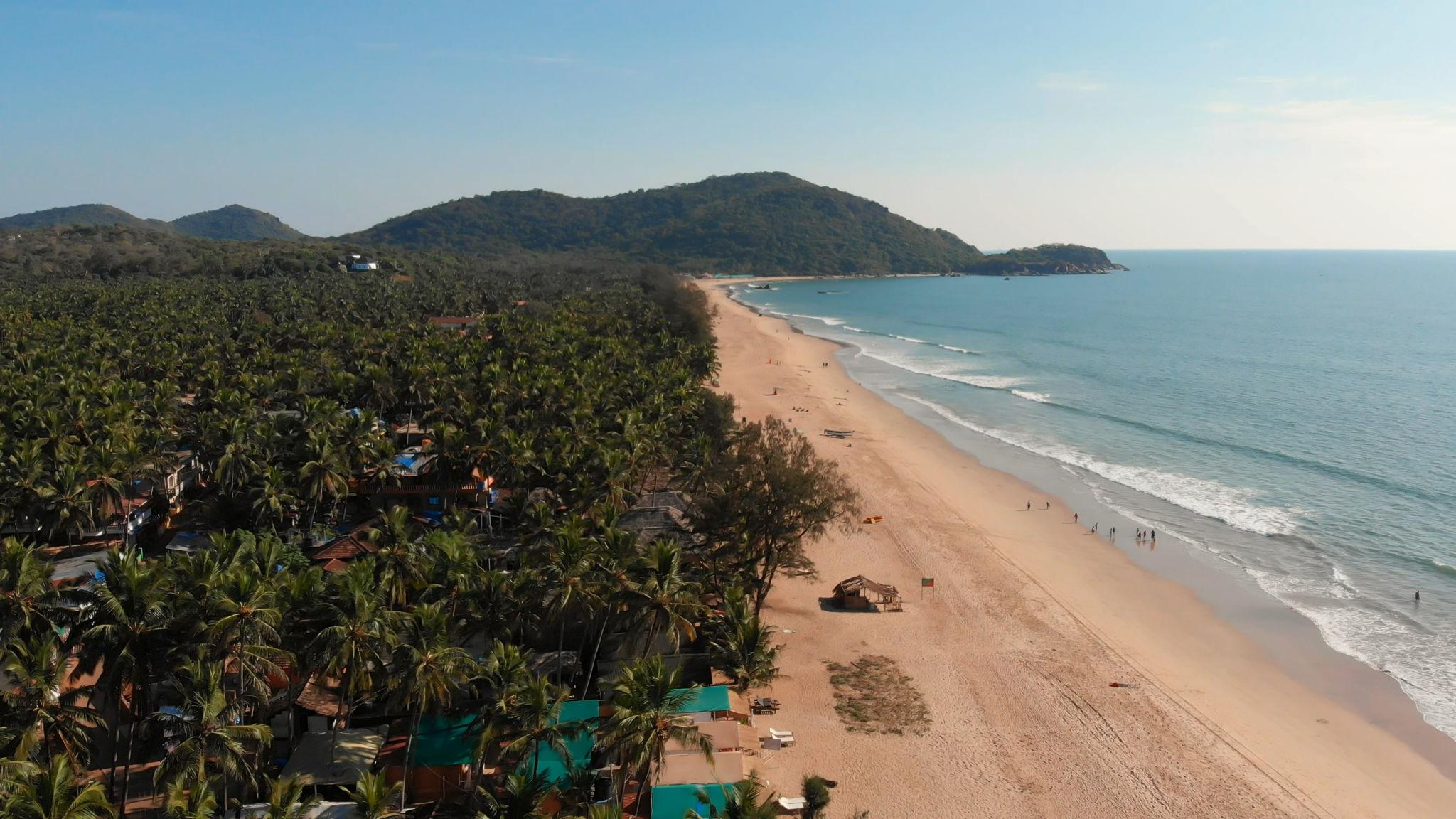
The topography of Butterfly Beach is unique. It is a small, secluded bay surrounded by high forested hills and steep rocky outcrops. The sand here is of a peculiar golden-white hue, and the water is notably clearer than in the northern parts of the state, often reflecting a brilliant shade of emerald and turquoise. Because the beach is inaccessible by road, it remains one of the few places in Goa where you can truly escape the noise of motorbikes and the persistent calls of beach hawkers. There are no permanent structures, no concrete resorts, and no loud music—only the rhythmic sound of the Arabian Sea crashing against the rocks and the occasional call of a sea eagle.
For the modern traveler, Butterfly Beach represents the "Slow Travel" movement. It is a place for introspection, romantic escapes, and nature photography. The beach is part of a delicate ecosystem where one can spot unique marine life, including crabs, goldfishes, and sea urchins in the rock pools during low tide. The surrounding forest is home to various species of butterflies and birds, making it a sanctuary for biodiversity. Whether you are a solo traveler looking for solitude or a couple seeking a private sunset, Butterfly Beach provides an intimate setting that is increasingly hard to find in India’s most popular beach state.
Reaching Butterfly Beach is an adventure in itself, as there is no direct motorable road leading to the sands. This lack of accessibility is exactly what has preserved its pristine condition. Travelers have two primary options to reach this hidden cove: by sea or by land through a forest trek.
By Boat: This is the most popular and convenient way to reach the beach. You can hire a private boat from Palolem Beach or Agonda Beach. The boat ride takes approximately 15 to 20 minutes from Palolem. During the journey, boatmen often take you past other sights like Honeymoon Beach and Monkey Island. If you are lucky, you might even spot schools of Indo-Pacific humpback dolphins jumping alongside your boat. The cost of a round trip usually ranges from INR 1,000 to INR 2,500, depending on your bargaining skills and the season. It is advisable to fix the duration of your stay with the boatman beforehand so they can return to pick you up at a designated time.
By Trekking: For the physically fit and the adventurous, reaching Butterfly Beach via a forest trek is a rewarding experience. The trail begins near Leopard Valley (on the road between Agonda and Palolem). The trek involves a two-hour hike through dense brush, small streams, and steep inclines. There are no formal signboards, so it is easy to lose your way; many travelers recommend using GPS or hiring a local guide. The path is rugged and can be slippery during the tail end of the monsoon. However, the moment the forest opens up to reveal the shimmering bay of Butterfly Beach from above, the physical exertion feels entirely worth it. Ensure you wear sturdy hiking shoes and carry plenty of water if you choose this route.
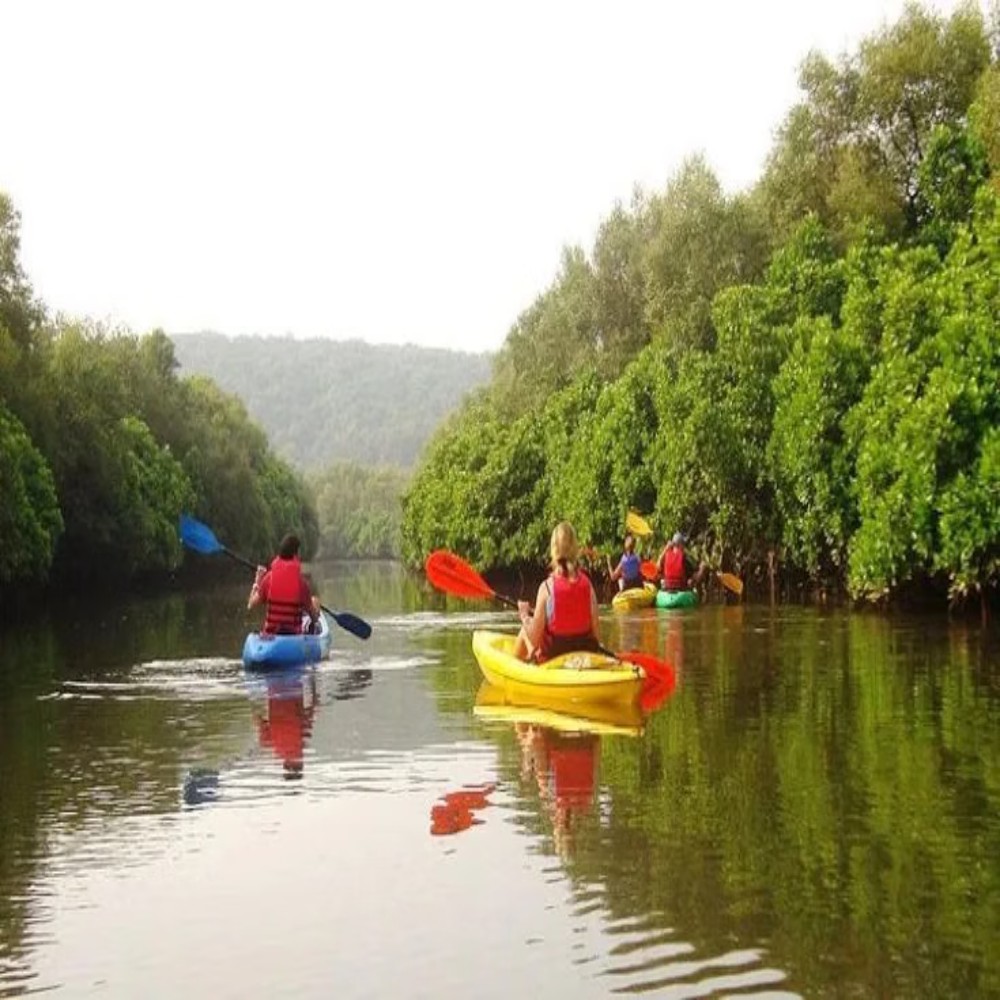
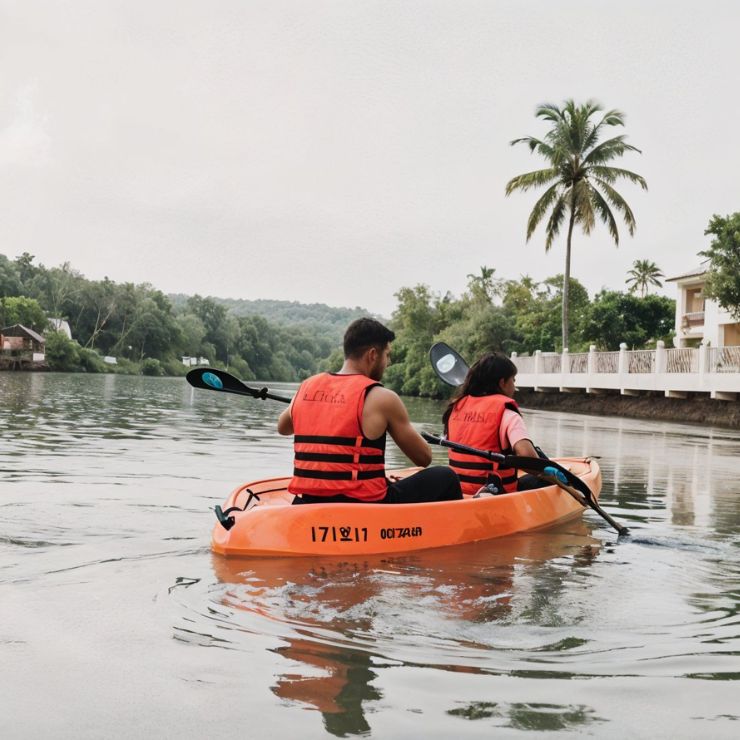
By Kayak: If you are staying at Palolem Beach, you can rent a kayak and paddle your way to Butterfly Beach. This is recommended only for those with some experience in kayaking and good physical stamina, as the sea currents can be unpredictable. It offers the ultimate sense of freedom, allowing you to explore the rocky coastline at your own pace.

Timing your visit to Butterfly Beach is crucial to ensure you experience its beauty in safety and comfort. Like most of Goa, the weather here is tropical, but the seclusion of this beach makes it sensitive to seasonal changes.
Winter (November to February): This is the peak season and undoubtedly the best time to visit. The weather is pleasant, with daytime temperatures hovering between 25°C and 30°C. The sea is calm, making the boat rides safe and the water perfect for swimming. This is also the period when the visibility underwater is at its best, and the chances of spotting dolphins are highest. The humidity is relatively low, making the forest trek more manageable.
Summer (March to May): The temperatures start to rise during these months, often crossing 35°C. While the beach remains beautiful, the heat can be intense, especially since there is limited natural shade on the beach and no shacks to provide cover. If you visit during summer, it is best to arrive early in the morning or late in the afternoon to avoid the midday sun.
Monsoon (June to October): Visiting Butterfly Beach during the monsoon is generally not recommended. The sea becomes extremely rough, and most boat operators suspend their services for safety reasons. The trekking path through the forest becomes muddy, overgrown, and infested with leeches. Furthermore, the high tides can completely submerge the small beach area. However, towards the end of October, as the rains recede, the forest turns a lush vibrant green, and the butterflies begin to emerge, offering a spectacular sight for those who manage to reach the shore.
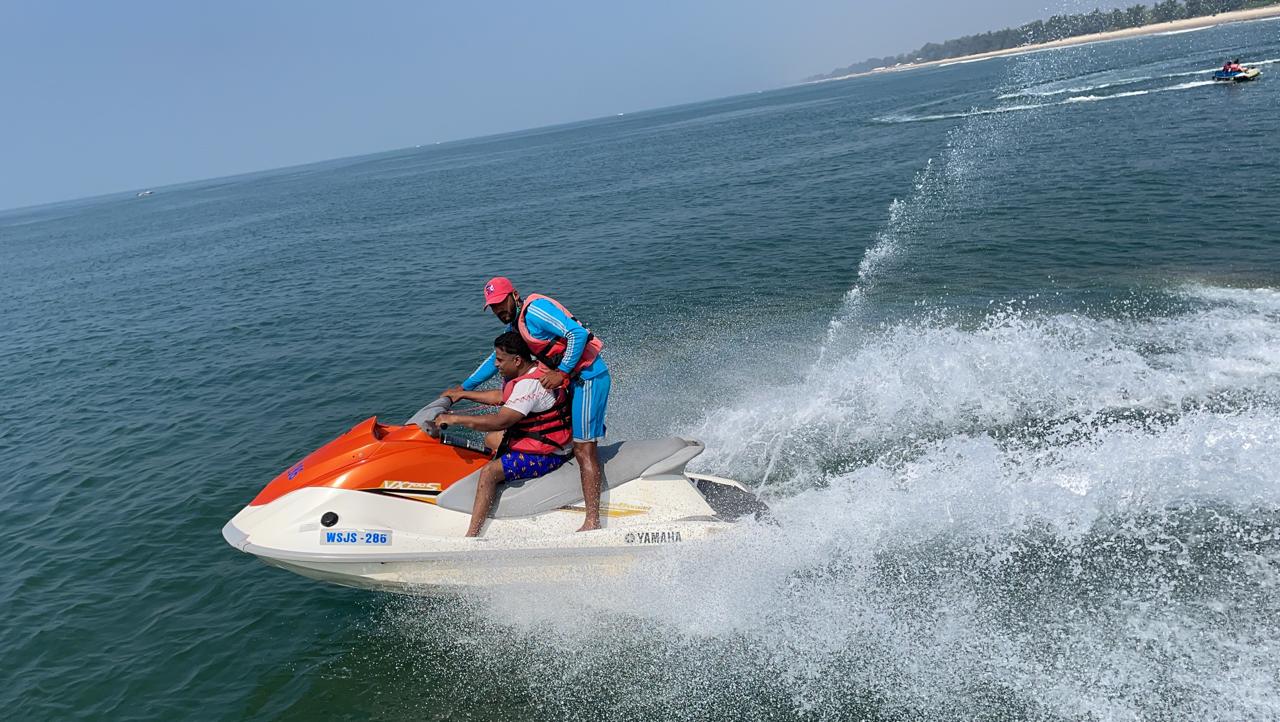
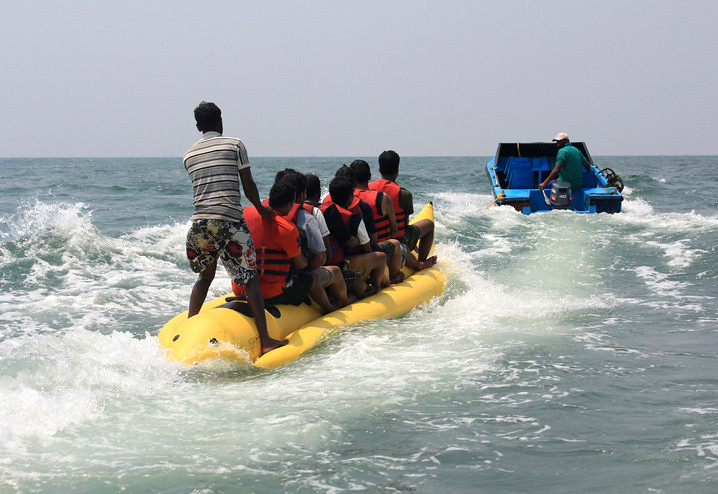
Butterfly Beach is not a place for organized water sports or loud parties; instead, it offers activities that allow you to connect with nature and enjoy the tranquility of the surroundings.
While Butterfly Beach is a destination in itself, its location in South Goa puts it within easy reach of several other iconic landmarks and hidden gems.
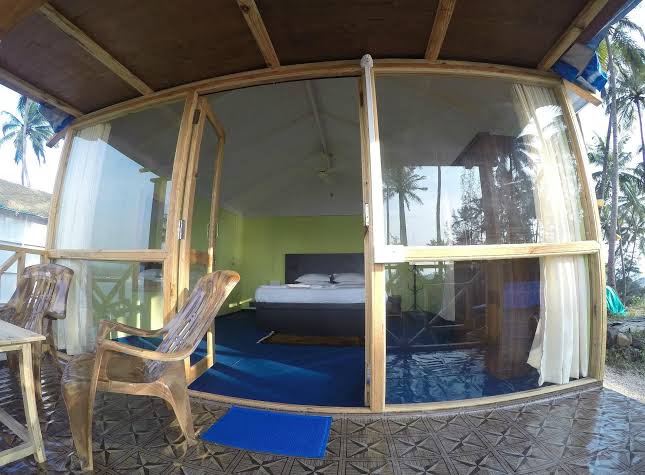
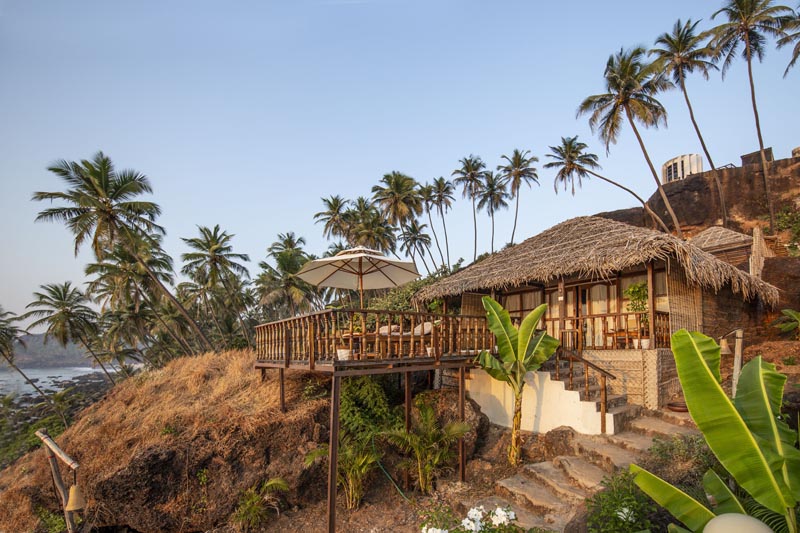
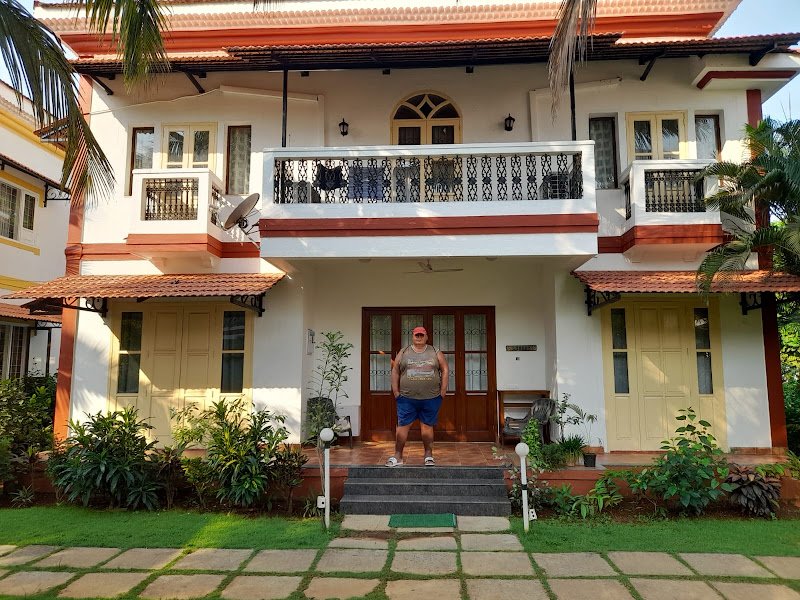
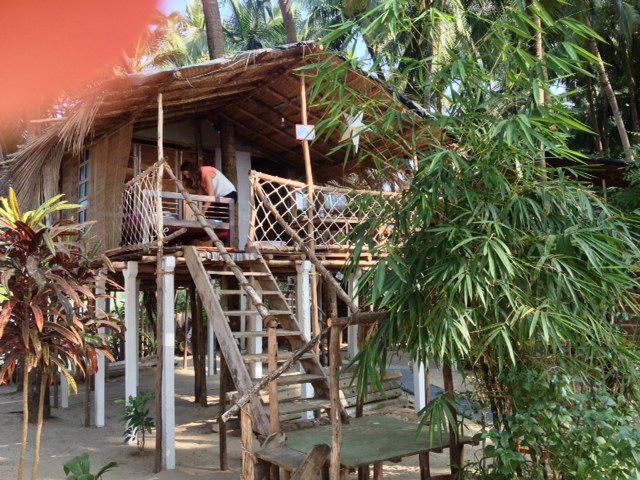
There is no accommodation directly on Butterfly Beach. The area is ecologically sensitive and lacks the infrastructure for hotels or huts. Most visitors choose to stay at nearby Palolem or Agonda and visit Butterfly Beach as a day trip.
Luxury Options:
Mid-Range and Boutique:
Budget and Backpacker:
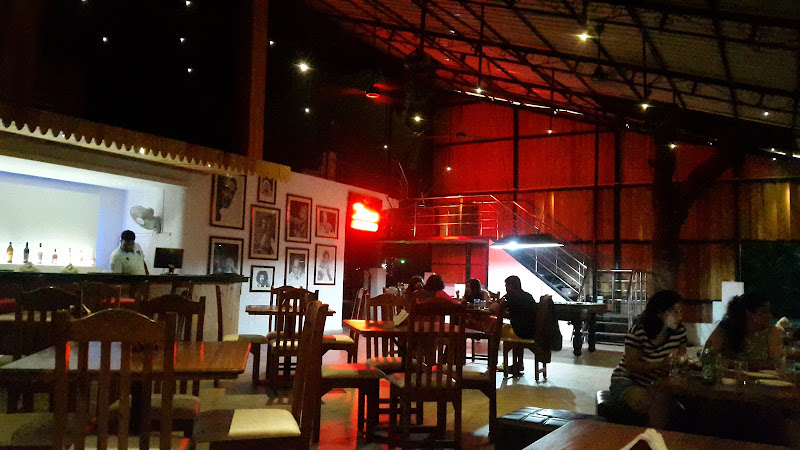
Butterfly Beach is completely devoid of commercial establishments. You will not find a single tea stall or juice shack on the sand. Therefore, dining requires some planning.
On-Beach Dining: You must carry your own food and water. It is common for visitors to pack sandwiches, fruits, and snacks. Important: Please ensure you carry all your trash back with you to maintain the beach’s pristine condition.
Nearby Dining in Palolem:
Nearby Dining in Agonda:
To make the most of your trip to this secluded paradise, keep these practical tips in mind:
Butterfly Beach remains one of the last bastions of "Old Goa"—a place where nature reigns supreme and the frantic pace of modern life feels like a distant memory. It is a destination that demands effort to reach, but rewards the traveler with unparalleled beauty, privacy, and a sense of wonder. Whether you reach its shores by a swaying boat or through a challenging forest hike, the first sight of the golden sands tucked between the cliffs is a moment you are unlikely to forget. In a world of over-tourism, Butterfly Beach is a gentle reminder of the importance of preserving our natural wonders. Visit it for the dolphins, the butterflies, and the sunsets, but leave it exactly as you found it: pristine, silent, and magical.