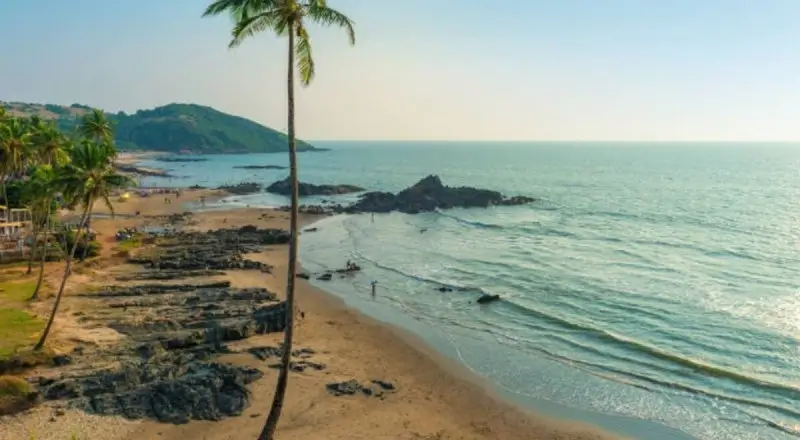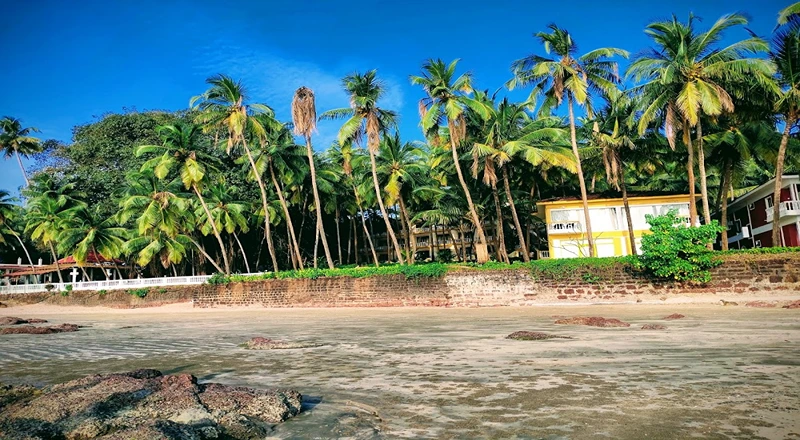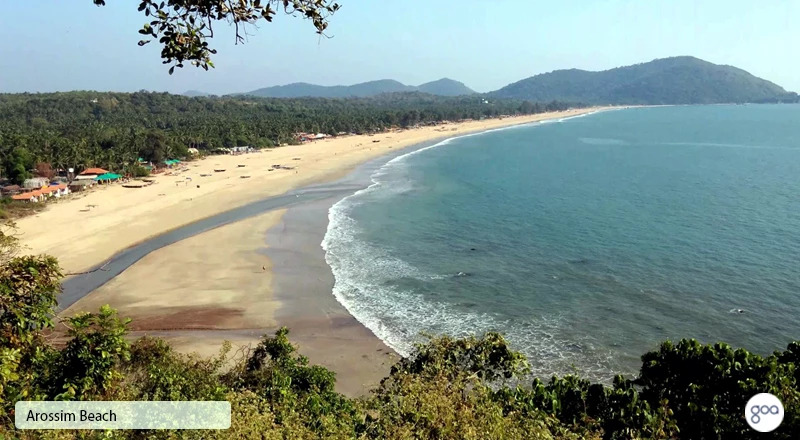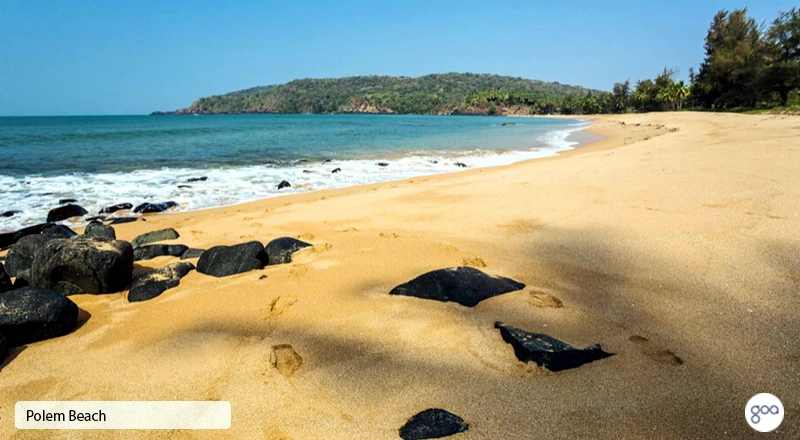
Located at the absolute southernmost tip of Goa, Polem Beach is often referred to as the "hidden frontier" of the sunshine state. While the rest of Goa has transformed into a bustling hub of international tourism, Polem remains a serene, untouched sanctuary that offers a glimpse into the Goa of forty years ago. Nestled in the Canacona taluka, this beach marks the geographical boundary between Goa and the neighboring state of Karnataka. It is a crescent-shaped paradise, spanning approximately 700 meters, framed by towering palm trees, rugged cliffs, and the sparkling turquoise waters of the Arabian Sea.
What sets Polem Beach apart from its northern cousins like Baga or Calangute is its profound sense of isolation. Here, the soundtrack isn't dominated by electronic dance music or the roar of jet skis, but by the rhythmic crashing of waves and the occasional call of a sea eagle. The sand is a soft, pale gold, remarkably clean and devoid of the litter often found at more commercialized spots. Because it is tucked away far from the main tourist circuits, Polem attracts a specific kind of traveler: the seeker of solitude, the romantic couple, or the nature enthusiast looking to escape the "mainstream" Goan experience. The beach is flanked by two rocky headlands, creating a natural cove that keeps the waters relatively calm and perfect for a peaceful swim.
The local community at Polem is small and largely revolves around traditional fishing. You will often see colorful outrigger boats lined up on the shore, and if you arrive early enough in the morning, you can witness the local fishermen hauling in their daily catch of mackerel, kingfish, and prawns. This authentic atmosphere is the soul of Polem. There are no sprawling luxury resorts here; instead, you will find a handful of modest shacks and eco-friendly huts that prioritize sustainability and simplicity. For anyone planning a trip to South Goa, Polem Beach represents the ultimate "off-the-beaten-path" destination, offering a rare opportunity to disconnect from the digital world and reconnect with the raw beauty of the Konkan coast.
Reaching Polem Beach requires a bit of effort compared to other Goan beaches, but the journey itself is incredibly scenic, taking you through winding forest roads and quaint coastal villages. Polem is approximately 92 kilometers from the state capital, Panjim, and about 60 kilometers from the commercial hub of Margao.
By Air: The nearest airport is Dabolim Airport (GOI), located about 85 kilometers away. While the newer Manohar International Airport (Mopa) in North Goa is an option, it is significantly further (over 130 km), making Dabolim the much more practical choice. From Dabolim, you can hire a pre-paid taxi directly to Polem. The drive takes roughly 2 to 2.5 hours, depending on traffic, and follows the NH-66 (formerly NH-17) highway.
By Rail: For those traveling by train, the nearest major railway station is Madgaon Junction (Margao). Most long-distance trains from Mumbai, Delhi, and Bangalore stop here. From Madgaon, you can take a local train to Canacona Railway Station, which is about 18 kilometers from Polem. Alternatively, the Karwar Railway Station in Karnataka is actually closer to Polem (about 15 km) than Margao is. Taking a taxi from either Canacona or Karwar is the most convenient way to reach the beach.
By Road: If you are driving or riding a rented scooter from other parts of Goa, follow the NH-66 heading south. You will pass through the town of Chaudi (Canacona) and continue past the turn-offs for Palolem and Galgibaga. The road to Polem is well-marked. As you approach the border, look for the Polem Checkpost; the entrance to the beach is just a short distance before the border crossing. If you are coming from Karnataka (specifically Karwar), Polem is just a 20-minute drive across the Kali River Bridge and through the border gates.
Local Transport: Within the Canacona region, you can rent scooters or motorbikes, which is the preferred way for solo travelers and couples to explore. However, be mindful that the ride to Polem involves some hilly terrain and highway traffic. Local buses run from Margao to Karwar and will drop you at the main road near the Polem border checkpost, from where it is a short walk down to the beach.
Understanding the seasonal shifts in Goa is crucial for planning a trip to Polem Beach, as the experience varies significantly throughout the year. Because Polem is so secluded, some facilities may close entirely during the off-season.
The Peak Season (November to February): This is undoubtedly the best time to visit Polem Beach. The weather is glorious, with daytime temperatures hovering around 28°C to 32°C and cool, pleasant evenings. The humidity is at its lowest, making it ideal for sunbathing and exploring. During these months, all the beach shacks are operational, and the sea is at its calmest, providing excellent conditions for swimming and boat trips. This is also the time when you are most likely to spot dolphins playing near the shore.
The Shoulder Season (October and March to May): October marks the end of the monsoon, and the landscape is incredibly lush and green. While some shacks might still be setting up, the beach is even quieter than usual. From March to May, the Goan summer sets in. It can get quite hot and humid, with temperatures often touching 35°C. However, if you enjoy the heat and want the beach entirely to yourself, this is a great time to visit. Just ensure your accommodation has good ventilation or air conditioning.
The Monsoon Season (June to September): Like most of the Konkan coast, Polem receives heavy rainfall during the monsoon. The Arabian Sea becomes rough and dangerous for swimming, and the beach shacks are dismantled as per government regulations. While Polem is stunningly beautiful in the rain—with the surrounding hills turning a deep emerald green—it is not a time for typical "beach activities." Most tourist infrastructure shuts down, but for a writer or a poet looking for extreme isolation and the sound of torrential rain against the sea, it can be a magical experience. Be aware that the road conditions on NH-66 can be challenging during heavy downpours.
Polem Beach is not a place for those seeking high-octane thrills; rather, it is a destination for "slow travel." The activities here are centered around nature and relaxation.
While Polem itself is a destination worth staying at, its location in the far south makes it a great base for exploring some of the most pristine sites in the region.
Accommodation at Polem Beach is limited, which is part of its charm. You won't find five-star hotels here, but you will find warmth and hospitality.
Eco-Resorts and Beach Huts: There are a few establishments that offer seasonal beach huts made from bamboo and palm fronds. These are usually dismantled during the monsoon. They offer a "back-to-basics" experience where you can fall asleep to the sound of the ocean. Kamaxi Beach Resort is one of the most well-known names in the area, offering comfortable huts and a restaurant right on the sand.
Guesthouses and Homestays: A short walk from the beach, you will find family-run guesthouses. These are often more affordable and provide a more authentic Goan experience. Staying in a homestay allows you to interact with the locals and often enjoy home-cooked Goan meals that you won't find in any commercial restaurant.
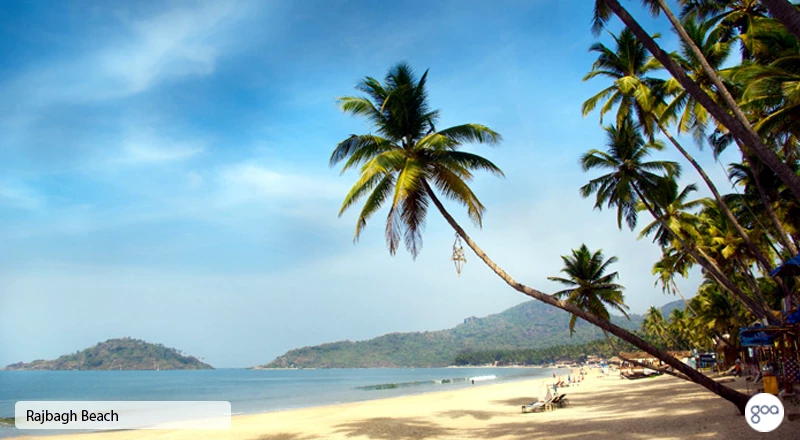
Luxury Stays: If you are looking for high-end luxury, you will need to look slightly further afield. The Lalit Golf & Spa Resort is located at Rajbagh Beach, about 18 kilometers away. Many travelers choose to stay at such resorts and make a day trip to Polem to enjoy its seclusion.
Boutique Villas: There are a few private villas available for rent in the hills overlooking the Polem-Karwar stretch. these are ideal for large groups or families seeking privacy and high-end amenities like private pools while remaining close to the natural beauty of South Goa.
Dining at Polem Beach is a simple, flavorful affair focused heavily on the "catch of the day." The culinary influence here is a mix of traditional Goan Catholic and Hindu Saraswat styles, with a slight hint of Kannadiga flavors due to the proximity to the border.
Beach Shacks: The few shacks on the beach serve fresh seafood. You can usually pick your fish from a platter shown to you. Must-try dishes include Rava Fried Mackerel, Prawns Balchão, and the classic Goan Fish Curry served with local red rice. These shacks also serve standard continental fare like pancakes and omelets for breakfast to cater to international travelers.
Local Eateries: For a more authentic experience, step away from the beach toward the main road. Small "tavernas" and local eateries serve Fish Thalis at very reasonable prices. A typical thali includes a portion of rice, a bowl of curry, a vegetable side dish, dried fish chutney (Kismur), and a piece of fried fish.
Signature Goan Flavors: Don't leave without trying Chicken Xacuti (a complex curry made with roasted coconut and spices) or Pork Sorpotel. For vegetarians, the local Vegetable Caldin (a mild coconut-based curry) is a delight. Being in South Goa, you should also try the local Feni—a potent spirit distilled from cashew apples or coconut sap. Drink it like a local with Limca, a pinch of salt, and a slit green chili.
Nearby Karwar: If you take a short trip across the border to Karwar, be sure to try the Karwar-style Fish Thali, which uses different spice blends compared to the Goan version, often incorporating more black pepper and different varieties of local greens.
Polem Beach is more than just a destination; it is a state of mind. It represents the quiet, soulful side of Goa that many fear has been lost forever. It is a place where time slows down, where the horizon seems endless, and where the simplest pleasures—a fresh fish fry, a spectacular sunset, or a long walk on empty sands—take center stage. Whether you are a solo traveler looking for introspection, a couple seeking a romantic getaway far from the crowds, or a family wanting to experience the natural beauty of the Konkan coast, Polem offers an experience that is increasingly rare in today's world.
While its lack of high-end infrastructure might deter some, it is exactly this "under-development" that protects Polem's unique character. By visiting Polem, you are choosing a path of conscious travel, supporting local communities, and immersing yourself in a landscape that remains largely as nature intended. As you stand on the southern edge of Goa, with the cliffs behind you and the vast Arabian Sea before you, it’s easy to understand why this beach is considered the state's best-kept secret. Plan your visit to Polem Beach not just to see a new place, but to experience the profound peace of South Goa's last frontier.