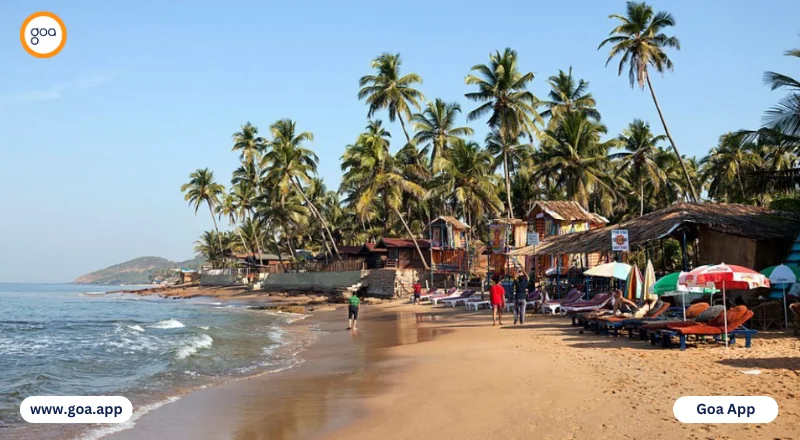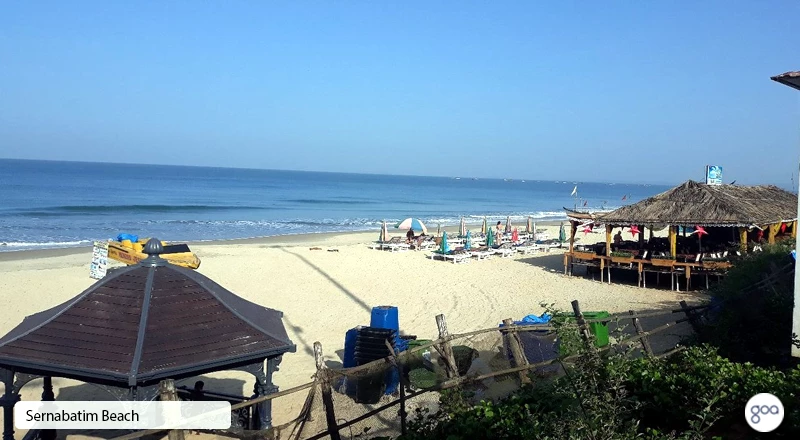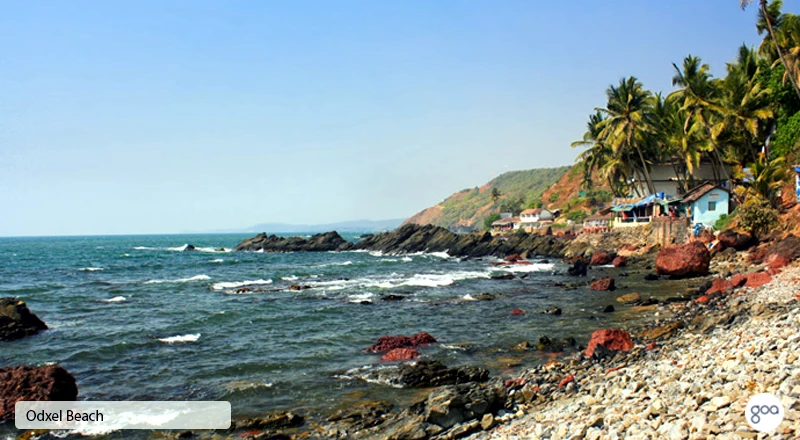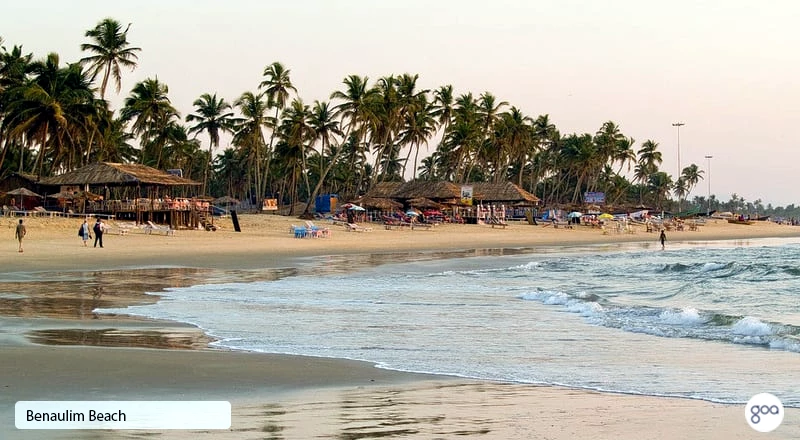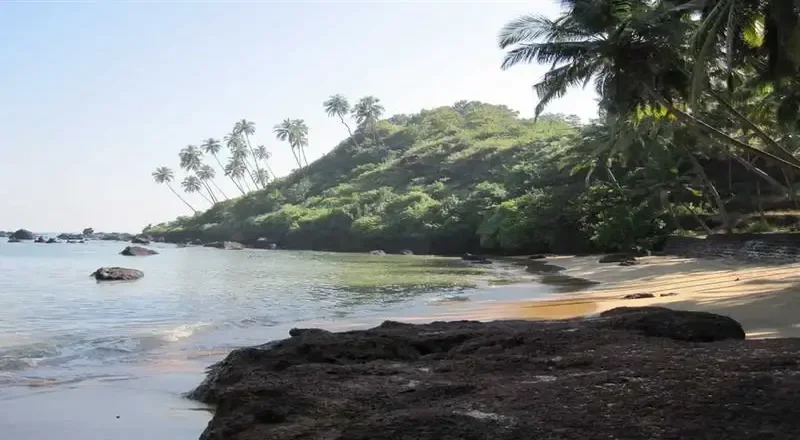
Located away from the cacophony of mainstream tourism, Dharvalem Beach stands as a testament to Goa’s enduring natural beauty. While the northern stretches of Goa like Baga and Calangute are synonymous with neon lights and crowded shacks, Dharvalem offers a stark, soul-soothing contrast. This hidden gem, often whispered about in the circles of seasoned travelers and digital nomads seeking solitude, is a pristine sanctuary where the Arabian Sea kisses the golden sands with a rhythmic, hypnotic grace. The beach is characterized by its dramatic rock formations, swaying coconut groves, and an atmosphere that perfectly encapsulates the Goan spirit of Susegad—a relaxed, laid-back attitude toward life.
For those unacquainted with the geography, Dharvalem is often associated with the hinterlands of the Bicholim taluka, but the coastal stretch bearing this name is a secluded cove that remains largely untouched by commercial exploitation. It is a place where the air smells of salt and cashew blossoms, and the only soundtrack is the symphony of crashing waves and the occasional cry of a sea eagle. The lack of permanent concrete structures ensures that the ecological integrity of the coastline remains intact, making it a preferred nesting ground for various species of crabs and coastal birds. As you walk along the shoreline, you will notice the sand is remarkably fine, shifting from a pale cream to a deep ochre as the sun moves across the sky.
The allure of Dharvalem Beach lies in its exclusivity. It is not a place you stumble upon by accident; it is a destination you seek out with intention. This makes it an ideal retreat for writers, artists, and couples looking for a romantic escape away from the prying eyes of the world. The beach is flanked by low-lying hills covered in dense tropical vegetation, providing a natural amphitheater that shields the sands from the winds and noise of the outer world. Whether you are looking to meditate at dawn, practice yoga as the tide retreats, or simply watch a sunset that paints the sky in hues of violet and burnt orange, Dharvalem is the quintessential offbeat Goan destination.
In recent years, as the trend of "slow travel" has gained momentum, Dharvalem has seen a slight increase in discerning visitors. However, it still maintains its "secret" status. The local community is deeply protective of this stretch, ensuring that the environment remains clean and the wildlife undisturbed. Visiting Dharvalem is not just about a day at the beach; it is an immersion into the raw, unpolished side of Goa that many fear is disappearing. It is a reminder of what the entire coastline looked like decades ago—wild, beautiful, and profoundly peaceful.
Reaching Dharvalem Beach requires a bit of planning, as it is not directly served by major public transport routes that cater to the more popular tourist hubs. However, the journey itself is part of the experience, taking you through winding village roads, past whitewashed Portuguese-style villas, and through lush paddy fields that define the Goan countryside.
By Air: The nearest airport is the Manohar International Airport (Mopa) in North Goa, which is approximately 35-40 kilometers away. Alternatively, the Dabolim Airport is about 60 kilometers away. From either airport, the most convenient way to reach Dharvalem is by hiring a private pre-paid taxi. The drive from Mopa is particularly scenic, cutting through the heart of the northern highlands.
By Rail: The closest railway station is Thivim, which is well-connected to major Indian cities via the Konkan Railway. From Thivim, Dharvalem Beach is roughly a 45-minute drive. You can find taxis and auto-rickshaws outside the station, though it is highly recommended to negotiate the fare in advance or use a ride-hailing app like GoaMiles, which is the government-approved taxi service in the state.
By Road: If you are traveling from within Goa, such as from Panjim or Mapusa, renting a scooter or a "self-drive" car is the best option. From Mapusa, follow the signs toward the interior northern villages. The roads are generally well-maintained, but they can become narrow and winding as you approach the coast. Using a GPS is essential, as the turn-offs to Dharvalem are often unmarked or indicated by small, hand-painted signs. For those coming from Panjim, the capital city, the journey takes about an hour and fifteen minutes, crossing the iconic Mandovi Bridge and heading north.
Local Transport: Once you are in the vicinity, the last stretch to the beach might involve a short walk through a forested path or a sandy trail. Large buses do not ply these routes, so stick to two-wheelers or small cars. If you are staying in a nearby village, many locals offer bicycle rentals, which is an eco-friendly and delightful way to navigate the area. Remember that parking near the beach is limited and usually consists of a cleared patch of ground under the shade of trees.
The timing of your visit to Dharvalem Beach can significantly influence your experience. Goa experiences a tropical climate, which means the weather is generally warm and humid, but there are distinct seasons that offer different vibes.
The Peak Season (November to February): This is undoubtedly the best time to visit Dharvalem. During these months, the weather is pleasant with clear blue skies and a cool breeze blowing in from the sea. The humidity levels are at their lowest, making it ideal for spending long hours on the sand. The water is calm and perfect for a refreshing dip. This is also the time when the small, seasonal shacks might pop up nearby, offering fresh coconut water and local snacks. Even during this peak period, Dharvalem remains significantly less crowded than its neighbors.
The Shoulder Season (October and March to May): October marks the end of the monsoon, and the landscape is incredibly lush and green. The weather starts to cool down, though it can still be quite humid. March to May is the Goan summer. While the afternoons can be scorching with temperatures hovering around 33-35 degrees Celsius, the early mornings and late evenings at Dharvalem are magical. If you visit during this time, make sure to stay hydrated and plan your beach activities before 10:00 AM or after 4:00 PM.
The Monsoon Season (June to September): Visiting Dharvalem during the monsoon is an experience for the adventurous soul. The Arabian Sea becomes turbulent, with massive waves crashing against the shore, making swimming strictly prohibited. However, the surrounding hills turn a vibrant emerald green, and the air is incredibly fresh. The beach takes on a moody, cinematic quality. While many tourist facilities across Goa close down during this period, the raw beauty of Dharvalem is at its peak. Be prepared for heavy downpours and carry sturdy waterproof gear.
For photographers, the Golden Hour (just before sunset) at Dharvalem is spectacular year-round, but the clarity of the air in December and January provides the best light for capturing the intricate textures of the sand and the distant horizon.
Dharvalem Beach is not a place for high-octane water sports or loud beach parties. Instead, it invites activities that foster a connection with nature and oneself. Here are the top things to do at this tranquil haven:
While the beach itself is a major draw, the area surrounding Dharvalem is rich in history, culture, and natural wonders. Exploring these nearby attractions allows you to understand the multifaceted heritage of Goa.
Because Dharvalem Beach is an offbeat location, you won't find massive luxury resorts or chain hotels directly on the shore. Instead, the accommodation options reflect the area's tranquil and authentic character.
Eco-Resorts and Boutique Stays: There are several eco-conscious resorts located within a 5-10 kilometer radius of the beach. These properties often feature cottages made from sustainable materials like bamboo and local stone. They focus on wellness, offering organic meals and ayurvedic treatments. Staying here allows you to stay connected to nature while enjoying modern comforts.
Heritage Homestays: For a truly immersive experience, consider staying in a converted Portuguese villa. Several ancestral homes in the nearby villages have been opened up to guests. These homestays offer a glimpse into the Goan way of life, with high ceilings, oyster-shell windows, and traditional courtyards. The hosts often provide home-cooked Goan meals, which are a highlight of the stay.
Budget Guesthouses: In the villages surrounding Dharvalem, you can find simple, clean guesthouses run by local families. These are ideal for backpackers or long-term travelers. While the amenities might be basic, the hospitality is warm, and the prices are very affordable compared to the coastal belt of North Goa.
Luxury Villas: If you are traveling in a group, there are private luxury villas available for rent in the hills overlooking the coast. These villas come with private pools, dedicated staff, and stunning views of the Arabian Sea. They offer the ultimate in privacy and exclusivity.
Dining at Dharvalem is an exercise in simplicity and authenticity. You won't find fine-dining restaurants with international menus here; instead, you get the real taste of Goa.
Local Beach Shacks: During the peak tourist season, a few temporary shacks may operate near the access points to the beach. These are the best places to grab a chilled Kings Beer or a fresh lime soda. They typically serve basic Goan fare like Fish Thali, Rava Fried Prawns, and Calamari. The seafood is usually caught the same morning by local fishermen.
Village Eateries: For a more substantial meal, head into the nearby villages. Look for small "Ros Omelette" stalls in the evenings—a Goan street food staple consisting of an omelette topped with spicy chicken or chickpea gravy. There are also traditional tavernas where you can try local Feni (a potent spirit made from cashew or coconut) along with spicy snacks like Chorizo Pav.
Farm-to-Table Experiences: Some of the eco-resorts in the area offer dining to non-residents (with prior booking). These meals are often prepared using ingredients grown on-site or sourced from local farmers. It’s a great way to try authentic Goan Xacuti or Vindaloo prepared with traditional stone-ground spices.
Cafes: While few and far between, a couple of bohemian cafes have cropped up on the roads leading to the beach. These spots cater to the creative crowd, offering good coffee, healthy smoothie bowls, and a selection of books to read while you lounge in a hammock.
To ensure you have a safe and enjoyable trip to this secluded paradise, keep the following tips in mind:
Dharvalem Beach is more than just a destination; it is a state of mind. It represents the "Old Goa"—the one that existed before the influx of mass tourism, where the land and sea were in perfect harmony. It is a place that demands nothing from you but your presence. Whether you are wandering through the nearby Arvalem Caves, standing in awe of the Arvalem Waterfall, or simply sitting on the sand watching the tide come in, Dharvalem offers a sense of peace that is increasingly hard to find in our fast-paced world.
For the traveler who values authenticity over luxury and silence over spectacle, this beach is a sanctuary. It rewards those who take the time to find it with views that linger in the memory long after the tan has faded. As you leave the golden shores of Dharvalem, you carry with you a piece of Goa’s quiet soul—a reminder that sometimes, the most beautiful places are the ones that remain hidden in plain sight. Plan your visit with an open heart, respect the local traditions, and let the magic of Dharvalem wash over you.