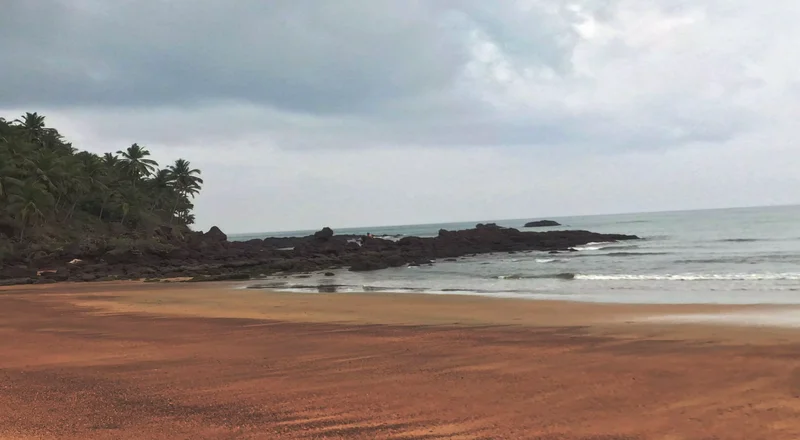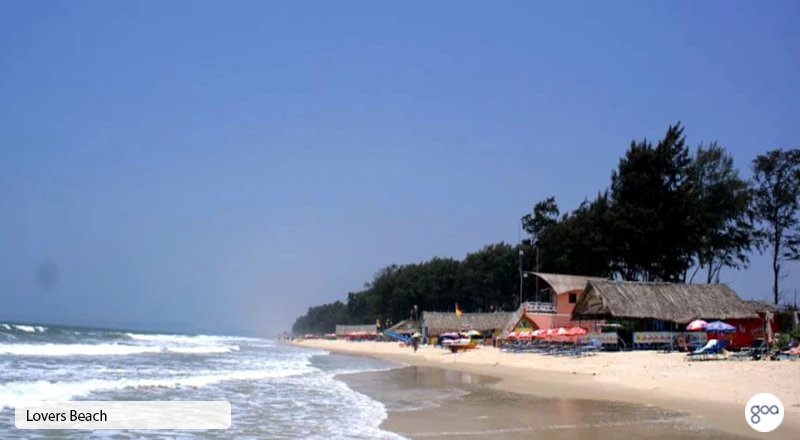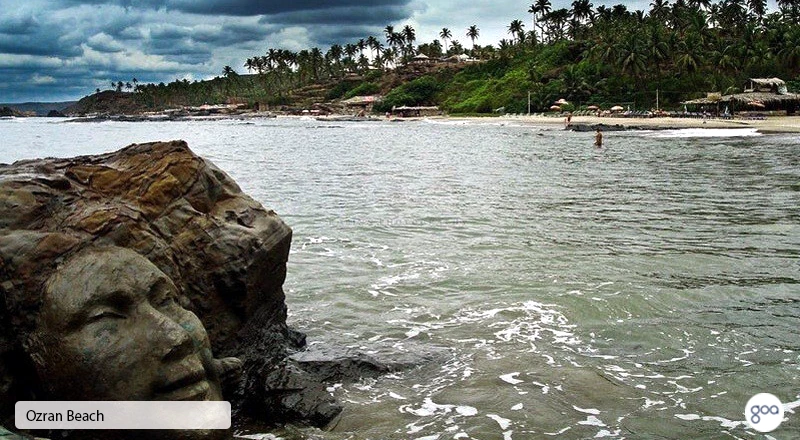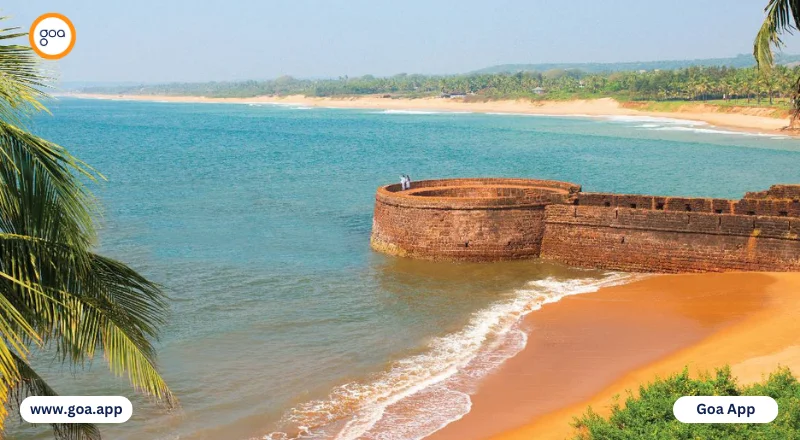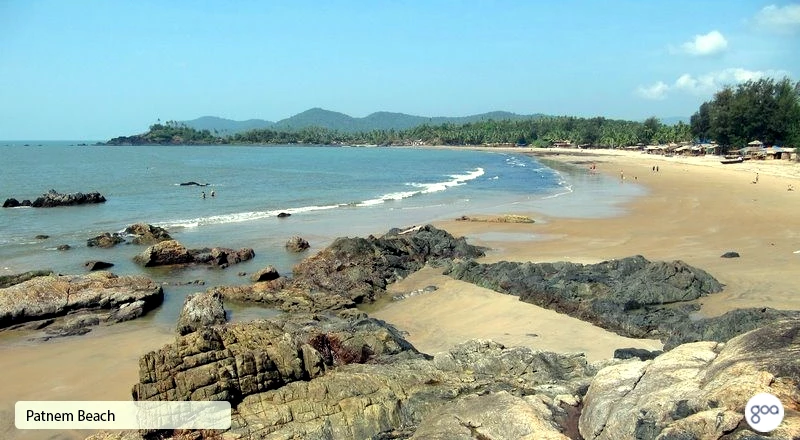
Nestled in the southernmost taluka of Canacona, Patnem Beach is often described as the quieter, more sophisticated sibling of the world-famous Palolem Beach. While Palolem pulses with a vibrant, high-energy backpacker scene and neon lights, Patnem offers a sanctuary of serenity that appeals to those seeking a slower pace of life. This crescent-shaped bay, fringed by towering coconut palms and rustic beach shacks, represents the quintessential Goan charm that many fear is disappearing from the northern stretches of the state. It is a place where the rhythm of the day is dictated by the tides and the movement of the sun across the Arabian Sea.
The beauty of Patnem lies in its balance. It is small enough to feel intimate and secluded, yet developed enough to provide all the comforts a modern traveler desires. The sand here is a soft, golden hue, and the waters are generally calmer than the wind-whipped shores of North Goa, making it an ideal spot for swimming and long, meditative walks. Unlike the commercialized hubs of Calangute or Baga, Patnem has managed to retain its "hippie-chic" atmosphere, attracting a demographic of long-term travelers, yoga practitioners, digital nomads, and families who prefer acoustic guitar sessions over thumping EDM tracks.
Geographically, Patnem is tucked between the rocky headlands of Colomb to the north and the expansive, quiet Rajbag Beach to the south. This positioning creates a sense of enclosure and privacy. As you walk along the shoreline, you will notice that the architecture is predominantly eco-friendly, consisting of seasonal wooden huts that are dismantled every year before the monsoon arrives. This temporary nature of the settlement adds to the raw, organic feel of the beach. Whether you are looking to deepen your yoga practice at one of the world-renowned schools nearby or simply want to spend your afternoons reading in a hammock with a chilled Kings beer in hand, Patnem Beach provides the perfect backdrop for a restorative Goan escape.
In recent years, Patnem has also gained a reputation as a culinary destination in South Goa. The local food scene here is a delightful fusion of traditional Goan Catholic flavors, fresh seafood caught by the local fishing community, and an increasingly sophisticated array of vegan and organic health food. The vibe is decidedly laid-back; it is the kind of place where the staff remembers your name after your first visit and where the local dogs are as much a part of the community as the residents themselves. For anyone looking to experience the "Suusegad" lifestyle—a Portuguese-derived Goan concept meaning a relaxed, contented way of living—Patnem Beach is the ultimate destination.
Reaching Patnem Beach is an adventure in itself, taking you through some of the most scenic landscapes of South Goa, characterized by dense cashew plantations, winding ghat roads, and glimpses of the Sal River. Depending on your point of entry into Goa, there are several ways to navigate your way to this southern gem.
By Air: The nearest airport is Dabolim Airport (GOI), located approximately 60 kilometers away. A pre-paid taxi from the airport counter is the most convenient option and will take around 90 minutes to 2 hours, depending on traffic. The drive is particularly beautiful as you cross the Zuari Bridge and head south through the lush greenery of Quepem and Cuncolim. Recently, the Manohar International Airport (Mopa/GOX) in North Goa has started operations; however, be aware that this is significantly further away (about 110-120 kilometers), and a taxi ride from there can take over 3 hours and cost considerably more.
By Rail: For those traveling by train, the closest major railway station is Madgaon Junction (Margao), which is about 38 kilometers from Patnem. Madgaon is well-connected to major Indian cities like Mumbai, Bangalore, and Delhi via the Konkan Railway. From Madgaon, you can take a taxi or a local bus. However, a much closer but smaller station is Canacona Railway Station, located just 2-3 kilometers from Patnem Beach. Only a few express trains stop here, but many local passenger trains do. From Canacona station, a quick 10-minute rickshaw ride will drop you right at the beach entrance.
By Bus: If you are traveling on a budget, the state-run Kadamba buses and private operators run frequently from Margao to Canacona. Once you reach the Canacona bus stand (also known as Chaudi), you can hire an auto-rickshaw to Patnem. There are also direct buses from Panjim to Canacona, though they are less frequent and take longer.
Local Transport: Once you are in Patnem, the best way to explore the surrounding areas of Palolem, Agonda, and Talpona is by renting a scooter or a Royal Enfield. Rental shops are abundant, and prices are generally reasonable, though they spike during the peak season of December and January. Always ensure you carry a valid driving license and wear a helmet, as police checks are common on the road leading to the beach.
Timing your visit to Patnem Beach is crucial, as the experience varies dramatically depending on the season. Like most of coastal Goa, Patnem follows a cyclical pattern dictated by the Indian Monsoon.
The Peak Season (November to February): This is undoubtedly the best time to visit Patnem. The weather is glorious, with daytime temperatures hovering around 28°C to 32°C and cool, pleasant evenings. The Arabian Sea is calm and crystal clear, perfect for swimming. During these months, all the beach shacks, boutiques, and yoga retreats are fully operational. This is also the time when the "vibe" is at its peak, with small-scale live music events and community gatherings happening almost every night. December, especially around Christmas and New Year, is the busiest period, and it is highly recommended to book your accommodation months in advance.
The Shoulder Season (October and March to May): October marks the beginning of the season when shack owners start rebuilding their structures after the monsoon. It can be a bit humid, but it’s a great time to see Goa at its greenest. March and April are the "healing" months, popular with those attending yoga teacher training courses. The heat begins to pick up in April and May, with temperatures often exceeding 35°C, but the beach remains peaceful and less crowded than the peak months.
The Monsoon Season (June to September): During the monsoon, Patnem undergoes a total transformation. The temporary beach shacks are dismantled, and the beach is largely reclaimed by nature. The sea becomes rough and unsafe for swimming, and heavy rains can persist for days. Many businesses close down entirely, and the village falls into a deep slumber. However, for the intrepid traveler or the creative soul looking for solitude and dramatically low prices, the monsoon offers a unique perspective of Goa’s raw beauty. Just be prepared for limited dining options and high humidity.
While the primary "activity" at Patnem is the art of doing nothing, there is a wealth of experiences available for those who wish to engage more deeply with the local environment and culture.
Patnem’s location makes it an ideal base for exploring the diverse attractions of Canacona. Within a 15-to-20-minute radius, you can find everything from bustling markets to ancient forts and hidden lagoons.
Accommodation in Patnem caters primarily to the mid-range and boutique traveler, though there are options for every budget. The defining characteristic of Patnem’s stay options is the beach hut culture.
Beach Huts: These are the most popular choice. Establishments like Tantra and Home offer stylish wooden huts right on the sand. These range from basic fan-cooled rooms to luxury air-conditioned "coco-huts" with private balconies and open-air bathrooms. Staying in a hut allows you to fall asleep to the sound of the waves and wake up just steps away from the water.
Boutique Resorts and Guest Houses: If you prefer solid walls and more traditional amenities, there are several excellent options just behind the beach line. The Tubki Resort is a well-regarded choice for families, offering a swimming pool and comfortable rooms. Secret Garden and Patnem Garden Cottages provide lush, landscaped environments that feel like a tropical oasis away from the direct sun of the beach.
Luxury Stays: While Patnem itself doesn't have massive five-star resorts, the Lalit Golf & Spa Resort is located just over the hill at Rajbag Beach. Many visitors stay at the Lalit for its world-class facilities and golf course while spending their days enjoying the more authentic vibe of Patnem.
Long-term Rentals: For digital nomads or those staying for a month or more, many local families in the Patnem village rent out small apartments or garden annexes. These are usually much cheaper than beach huts and provide a more authentic glimpse into Goan village life.
The culinary scene in Patnem is perhaps one of the best in South Goa, blending traditional Goan heritage with international health-conscious trends. Whether you want a spicy prawn curry or a spirulina smoothie, Patnem has you covered.
To ensure your trip to Patnem is as smooth and enjoyable as possible, keep these local insights in mind:
Patnem Beach is more than just a destination; it is a state of mind. It offers a rare opportunity to disconnect from the frantic pace of modern life and reconnect with the simple pleasures of nature, good food, and community. Whether you are a solo traveler looking for a safe and welcoming environment, a couple seeking a romantic hideaway, or a family wanting a wholesome beach holiday, Patnem delivers an experience that is both authentic and deeply relaxing.
In a world where travel can often feel like a series of "must-see" checkboxes, Patnem encourages you to simply "be." It is a place where the highlight of your day might be the color of the sunset or a particularly good conversation with a fellow traveler. As you leave the golden sands of Patnem behind, you don't just take away photos; you take away a sense of Suusegad that lingers long after your tan has faded. If you are planning a trip to Goa and want to experience the soul of the south, Patnem Beach should undoubtedly be at the top of your list.