Pebble Beach

Pebble Beach

5 2,175 Verified
South Goa

Overview

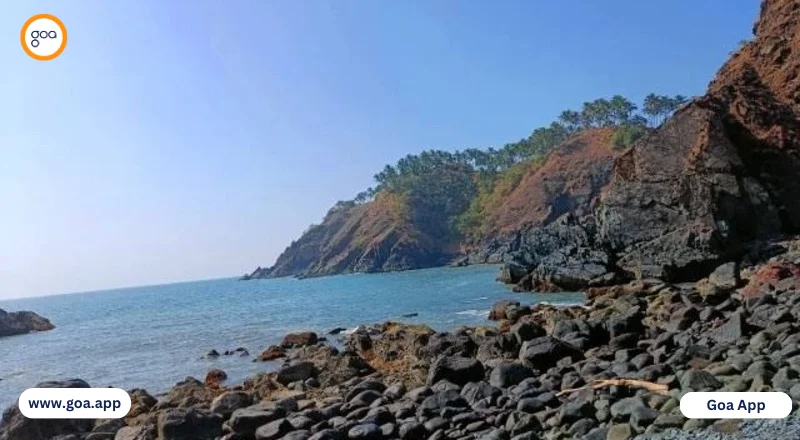
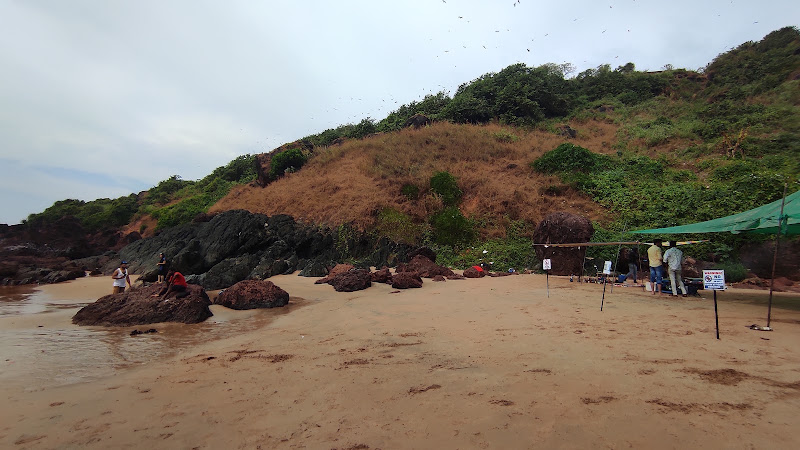
Nestled away from the pulsating neon lights of North Goa and the bustling crowds of Baga and Calangute lies a sanctuary of geological wonder and serene isolation known as Pebble Beach. Located in the southern reaches of the sunshine state, specifically tucked beneath the towering cliffs of the Cabo de Rama region, Pebble Beach is a stark departure from the stereotypical postcard image of Goa’s golden sands. As the name suggests, this unique shoreline is defined by thousands of smooth, water-worn volcanic rocks and pebbles that create a rhythmic, musical sound as the Arabian Sea recedes from the shore. This is a place where the earth meets the ocean in a rugged, uncompromising embrace, offering a visceral experience for travelers seeking the "Old Goa" charm—untamed, quiet, and profoundly beautiful.

Pebble Beach is often referred to by locals as a "secret beach," primarily because it requires a bit of a trek to reach and lacks the commercial infrastructure found elsewhere. There are no rows of sunbeds, no thumping trance music, and no persistent hawkers. Instead, visitors are greeted by the dramatic backdrop of the Canacona coastline, where emerald-green palm trees cling to the edges of laterite cliffs. The water here is exceptionally clear, revealing the dark, mysterious shapes of submerged boulders beneath the surface. For the discerning traveler, Pebble Beach represents the soul of South Goa—a place for introspection, photography, and a deep connection with the raw elements of nature. Whether you are a geologist at heart, a landscape photographer, or simply someone looking to escape the mundane, this rocky cove offers a transformative experience that lingers long after the salt has dried on your skin.

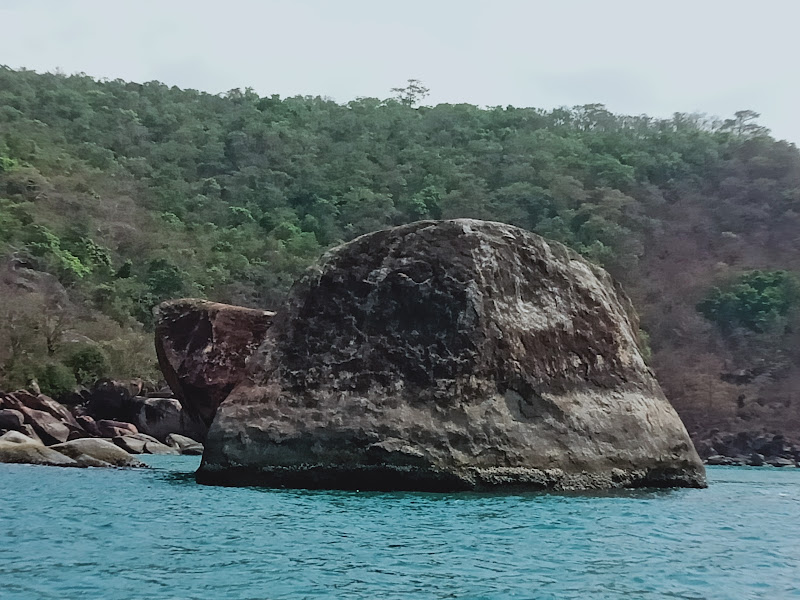
The historical significance of the area adds another layer of intrigue. Situated just a stone's throw from the ancient Cabo de Rama Fort, which has seen the reign of Hindu kings, the Mughal Empire, and Portuguese colonizers, the beach feels like a silent witness to centuries of maritime history. The ruggedness of the terrain explains why this stretch of coast remained relatively untouched by large-scale development. Today, it stands as a testament to Goa’s diverse geography, proving that the state is much more than just sand and surf. It is a landscape of basaltic formations, tidal pools, and hidden caves that beckon the adventurous spirit.

How to Reach Pebble Beach

Reaching Pebble Beach is an adventure in itself, as it is located in one of the more remote parts of South Goa. It is situated approximately 30 kilometers south of Margao and about 60 kilometers from the capital city, Panjim. Because of its secluded nature, public transport options are limited, and having your own vehicle is highly recommended.

By Air: The nearest airport is the Dabolim Airport (GOI), located about 55 kilometers away. From the airport, you can hire a pre-paid taxi directly to Cabo de Rama. The journey takes approximately 1.5 to 2 hours, winding through the scenic villages of Chicalim, Verna, and Cuncolim. Alternatively, the newer Manohar International Airport (Mopa) in North Goa is significantly further (about 100 kilometers), making Dabolim the much more convenient choice for those heading straight to the south.

By Rail: The Madgaon Railway Station is the primary railhead for South Goa and is well-connected to major Indian cities like Mumbai, Bangalore, and Delhi. From Madgaon, Pebble Beach is roughly an hour’s drive. You can find taxis, auto-rickshaws, or even rent a scooter near the station. For those on a budget, local buses run from the Margao Bus Stand toward Canacona or Agonda; you will need to get off at the Cabo de Rama junction and then hire a local pilot (motorcycle taxi) or walk the remaining distance.

By Road: If you are driving or riding a rented scooter from North Goa, follow the NH66 highway southward. The route will take you through the Zuari Bridge and past the lush greenery of the Salcete taluka. Once you reach the village of Betul, follow the signs for Cabo de Rama. The road becomes narrower and more winding as you approach the cliffs, offering breathtaking views of the ocean. To reach the actual beach, you must park near the entrance of the Cabo de Rama Fort or at one of the nearby cliffside cafes and follow a steep, rocky trail that leads down to the shoreline. The trek down takes about 10-15 minutes and requires sturdy footwear, as the path can be slippery and uneven.

Best Time to Visit

Timing is everything when visiting Pebble Beach, as the experience changes dramatically with the seasons. To witness the beach in its most accessible and tranquil state, the winter months (November to February) are undoubtedly the best. During this period, the weather is pleasantly cool with temperatures ranging from 20°C to 30°C. The skies are a clear, piercing blue, and the Arabian Sea is relatively calm, allowing the turquoise water to contrast beautifully against the dark pebbles. This is also the best time for photography and trekking, as the humidity is manageable.

The shoulder season (October and March) is also a great time to visit for those who prefer even fewer people. In October, the landscape is incredibly lush and green following the monsoon rains, though the path down to the beach may still be slightly overgrown or muddy. By March, the heat begins to rise, but the sea remains inviting. It is advisable to visit during the early morning hours (7:00 AM to 10:00 AM) or late afternoon (4:00 PM to sunset) to avoid the midday sun, as there is very little natural shade on the rocky shore.

The monsoon season (June to September) transforms Pebble Beach into a dramatic, almost ethereal landscape. The cliffs turn a vibrant emerald, and the waves crash against the rocks with immense power. While visually stunning, visiting during the monsoon is not recommended for swimming or descending the cliffs. The trail becomes dangerously slippery, and the sea can be unpredictable with high tides covering the entire pebble area. However, if you are a fan of "monsoon tourism," viewing the beach from the safety of the Cabo de Rama Fort cliffs during a rainstorm is a majestic sight that captures the raw power of the Indian Ocean.

Things to Do at Pebble Beach

Pebble Beach is not your typical "activity" beach; it is a destination for those who appreciate the slower pace of life. However, for the curious traveler, there are several unique ways to engage with this environment:

  • Landscape Photography: With its unique geological formations, contrasting colors, and the dramatic Cabo de Rama cliffside, this is a paradise for photographers. The way the light hits the wet pebbles during the "golden hour" creates a shimmering effect that is unlike anywhere else in Goa. Long-exposure shots of the waves receding over the stones are a favorite among professionals.
  • Mindful Meditation and Yoga: The sound of the ocean at Pebble Beach is distinct. Instead of the soft hiss of sand, you hear the "clinking" and "tumbling" of stones. This natural ASMR (Autonomous Sensory Meridian Response) provides a perfect backdrop for meditation or a solo yoga session on one of the larger, flat boulders.
  • Exploring Tide Pools: During low tide, the receding water leaves behind small pools among the rocks. These miniature ecosystems are often home to small crabs, sea anemones, and tiny fish. It is a great way to observe marine life up close, though one must be careful not to disturb the delicate balance of these pools.
  • Trekking and Hiking: The journey to Pebble Beach involves a descent through a wooded, rocky trail. For those who enjoy a bit of physical exertion, exploring the various paths along the cliffside offers panoramic views of the entire coastline stretching toward Agonda and Cola Beach.
  • Sunset Watching: Being on the western coast, Pebble Beach offers a front-row seat to some of the most spectacular sunsets in India. Watching the sun dip below the horizon, painting the sky in shades of violet, orange, and deep red, while sitting on the ancient rocks is a spiritual experience.
  • Rock Balancing: You will often see small towers of balanced stones left behind by previous visitors. While controversial in some ecological circles, many find the act of carefully stacking these smooth pebbles to be a grounding and meditative exercise.

Nearby Attractions

One of the advantages of visiting Pebble Beach is its proximity to several other iconic South Goan landmarks. You can easily combine your visit with these nearby attractions:

  • Cabo de Rama Fort: This is the most prominent landmark in the area. The fort, which predates the Portuguese arrival, offers sprawling views of the Arabian Sea. Walking along its weathered ramparts and visiting the white-washed St. Antonio Church inside the fort complex provides a deep sense of Goan history.
  • Cabo de Rama Beach: Located just a short distance from the pebble stretch, this is a more traditional sandy beach. It is famous for its coconut groves and a small stream that meets the sea. It is much more suitable for swimming than the rocky Pebble Beach.
  • Cola Beach and the Blue Lagoon: A few kilometers south lies Cola Beach, famous for its freshwater lagoon that sits just meters away from the salt water. It is one of the most picturesque spots in Goa and offers a unique "glamping" experience in Rajasthani-style tents.
  • Agonda Beach: Known as a turtle nesting site, Agonda is a long, pristine stretch of sand perfect for long walks and quiet dinners. It has a more developed range of cafes and boutiques compared to the Cabo de Rama area.
  • Betul Lighthouse: Located across the Sal River, the Betul Lighthouse offers a 360-degree view of the estuary, the fishing harbor, and the vast ocean. The trek up to the lighthouse is easy and highly rewarding for view-seekers.

Accommodation Options

Since Pebble Beach is located in a protected and rugged area, there are no hotels directly on the shore. However, the surrounding Cabo de Rama and Agonda areas offer some of the most unique stays in Goa:

  • Luxury Boutique Stays: The Cape Goa is perhaps the most famous resort in this vicinity. Perched on the edge of the cliff, it offers luxury cottages with private outdoor jacuzzis overlooking the ocean. It is the pinnacle of romantic accommodation in South Goa.
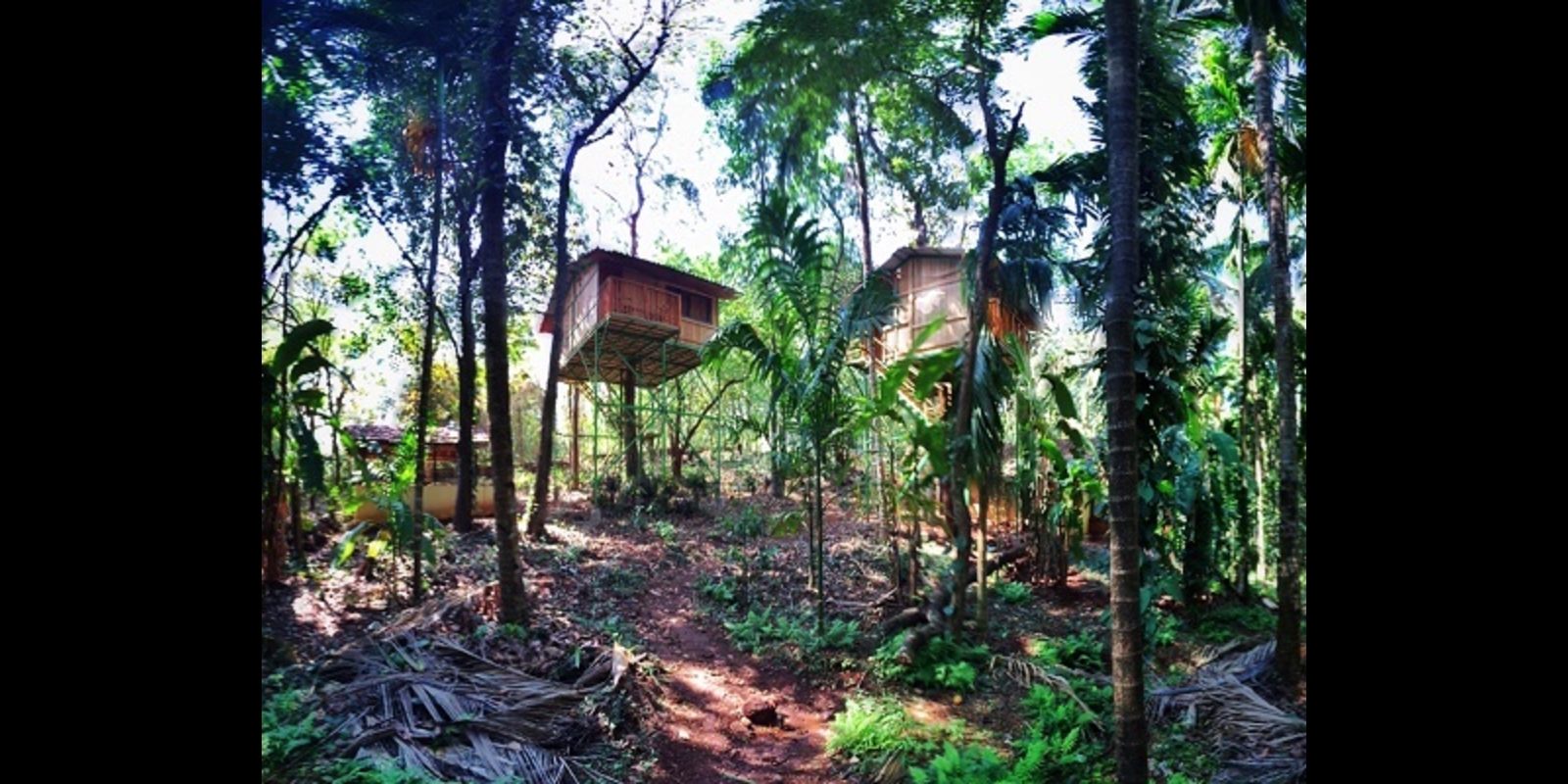
  • Eco-Resorts and Huts: For a more rustic experience, several eco-resorts in the nearby village offer wooden huts and cottages that blend into the natural landscape. Places like Red Crab Eco Resort provide a comfortable yet grounded stay close to the cliffs.
  • Agonda Beach Resorts: If you prefer more variety, Agonda (about 20 minutes away) has dozens of beachfront huts ranging from budget-friendly to high-end luxury. Staying in Agonda and making a day trip to Pebble Beach is a popular choice for many travelers.
  • Homestays: For those looking to experience authentic Goan hospitality, the village of Canacona has several family-run homestays. These are excellent for long-term travelers who want to enjoy home-cooked Goan meals and a quiet atmosphere.

Dining and Cafes

The culinary scene near Pebble Beach is defined by fresh seafood and stunning views. While there are no shacks on the pebbles themselves, the cliffside above offers some fantastic options:

  • The Cape Goa Restaurant: Even if you aren't staying at the resort, their restaurant is a must-visit. It offers a refined menu featuring both international and Goan dishes. The view from the dining deck is arguably the best in the state, making it a perfect spot for a celebratory lunch or a sunset cocktail.
  • Red Crab Seafood Restaurant: Located on the road leading to the fort, this spot is known for its authentic Goan fish thali and butter garlic prawns. It is a great place to refuel after the trek back up from the beach.
  • Local Tavernas: As you drive through the village of Cabo de Rama, you will find small, unassuming local bars and eateries. Here, you can try traditional Goan snacks like Ros Omelette or a glass of chilled Urrack (the first distillate of cashew feni) during the summer months.
  • Agonda’s Cafe Culture: For those craving avocado toast, wood-fired pizzas, or vegan bowls, a short drive to Agonda will bring you to popular spots like Fatima’s Corner or Zest Cafe, which cater to a more international palate.

Travel Tips for Pebble Beach

To ensure you have a safe and enjoyable visit to this offbeat location, keep the following tips in mind:

  • Wear Proper Footwear: This is the most important tip. The trail down is steep and the beach itself consists of loose, often slippery rocks. Flip-flops are not suitable; wear sturdy sandals with good grip or trekking shoes.
  • Carry Water and Snacks: There are no shops or shacks on the beach. Ensure you carry enough water to stay hydrated, especially for the climb back up. Please remember to carry all your trash back with you.
  • Check the Tide Timings: Pebble Beach is best visited during low or mid-tide. During high tide, the water can come right up to the cliff base, leaving very little space to walk or sit safely.


  • Be Cautious While Swimming: Unlike the sandy beaches of North Goa, the seabed here is rocky and the currents can be strong. Swimming is only recommended for experienced swimmers and only when the sea is very calm. Watch out for sharp barnacles on the rocks.
  • Mobile Connectivity is Spotty: Expect poor or no network coverage once you descend to the beach. It is a good idea to inform someone of your whereabouts before you head down.
  • Protect Yourself from the Sun: The reflection of the sun off the white and black stones can be intense. Wear high-SPF sunscreen, a hat, and polarized sunglasses to protect your eyes from the glare.
  • Respect the Environment: Pebble Beach is a pristine natural site. Avoid removing any pebbles as souvenirs, as this contributes to coastal erosion and disturbs the local ecosystem.
  • Travel in a Group: While Goa is generally safe, the path to Pebble Beach is secluded. If you are visiting late in the evening, it is better to be with at least one other person.

Conclusion

Pebble Beach is a reminder that the greatest rewards often lie off the beaten path. It is a destination that demands a bit of effort to reach, but repays the traveler with a sense of peace and wonder that is increasingly hard to find in modern tourism. In a world of manicured resorts and crowded attractions, this rocky corner of South Goa remains a bastion of raw, natural beauty. It is a place where you can listen to the ancient conversation between the stones and the sea, witness the grandeur of the Goan coastline from its most dramatic vantage point, and find a moment of true solitude.

Whether you are visiting for the geology, the photography, or simply the silence, Pebble Beach offers a different kind of Goan magic—one that isn't found in a glass of feni or on a dance floor, but in the rhythmic tumble of smooth stones under a setting sun. As you leave the cliffs of Cabo de Rama and head back toward the more familiar parts of the state, you carry with you the salt-tinged memory of a place where time seems to stand still. Pebble Beach isn't just a location; it's an invitation to slow down, breathe, and appreciate the rugged elegance of the natural world.

Common Questions

What is the best time to visit Pebble Beach?
The best time to visit Pebble Beach is from November to February when the weather is cool. This tiny, secluded beach is named for its pebbly shore rather than sand.
How do I get to Pebble Beach?
Pebble Beach is located near Canacona in South Goa, close to Palolem. It is accessible by a short boat ride from Palolem or via a trek through the forest. There is no direct road.
What are the popular things to do at Pebble Beach?
Popular activities include sunbathing on the unique pebble shore, swimming in the clear waters, snorkeling (with your own gear), and enjoying the solitude away from crowds.
Are there accommodations near Pebble Beach?
There are no accommodations directly on Pebble Beach. Most visitors stay in Palolem or Agonda and take a day trip. It's a remote beach with no facilities.
Is Pebble Beach safe for swimming?
Yes, the waters are generally calm and safe for swimming. However, there are no lifeguards, and the pebbles can be slippery. Wear water shoes for comfort.
Why is it called Pebble Beach?
The beach is named Pebble Beach because the shoreline is covered with small, smooth pebbles instead of sand. This gives it a distinctive look and texture.

User Reviews

5
2175 Reviews
5
85%
4
10%
3
3%
2
1%
1
1%

Login to post a review

Join the community to share your beach experiences.

Login / Sign Up

Location Details

Address
Canaguinim, South Goa
Best Time
All Year Round

Plan Together

Share this beach guide with your travel group on WhatsApp!

Share Now