Four Beaches Jungle Hike in South Goa
per / person. Taxes & convenience fees might apply.
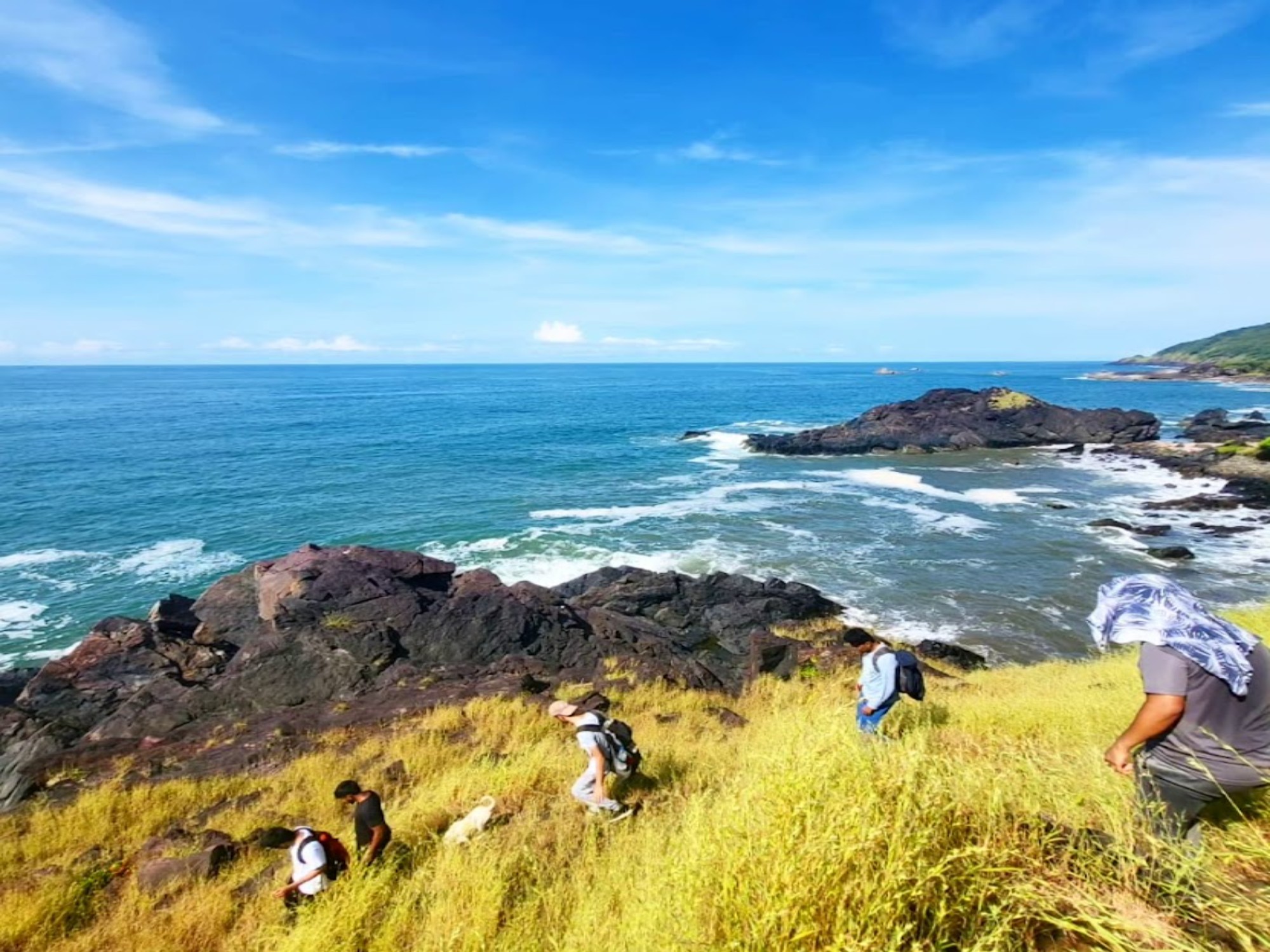
- Trek through untouched coastal forests and rugged laterite plateaus.
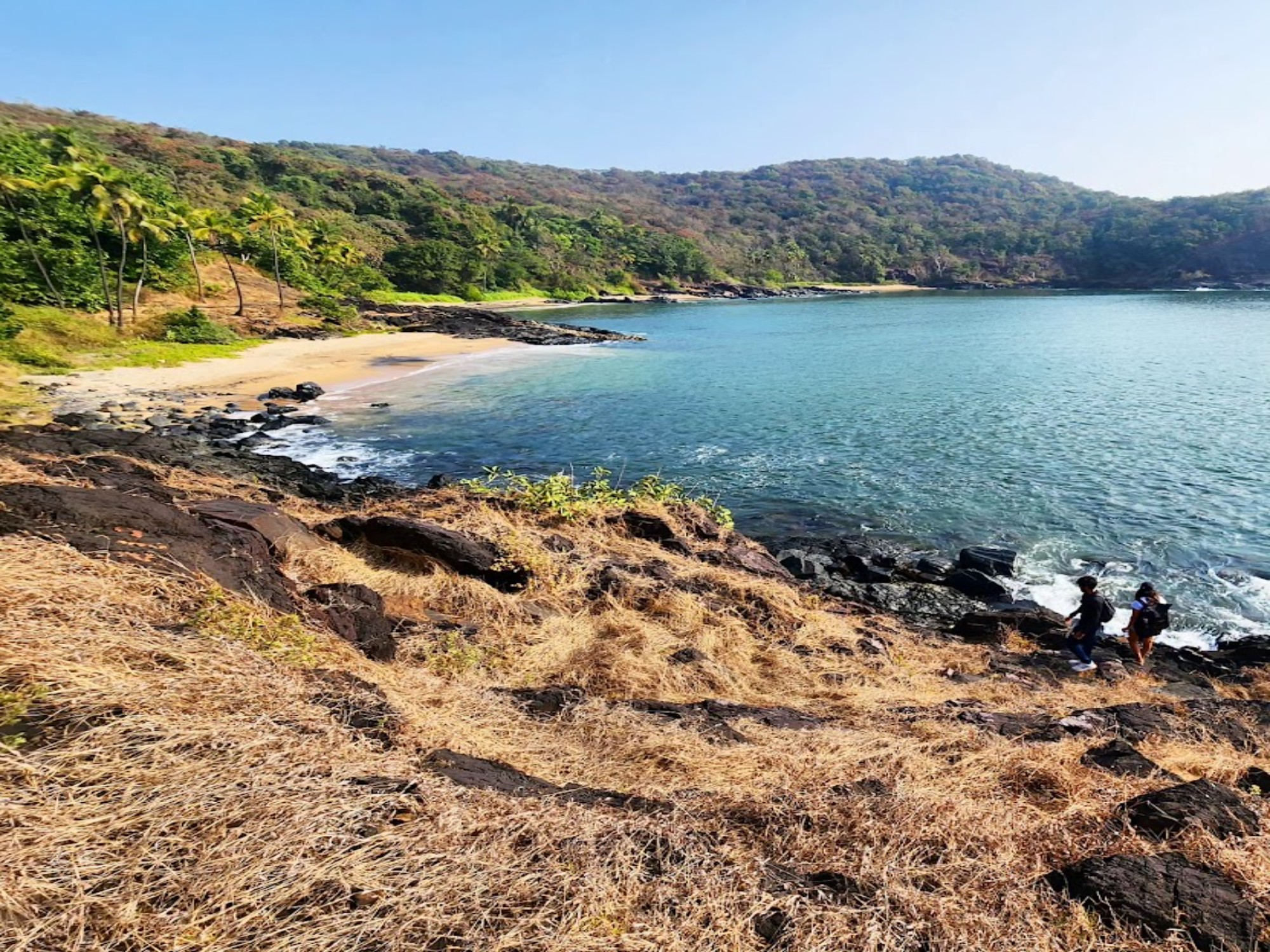
- Visit four secluded beaches that are inaccessible by road.
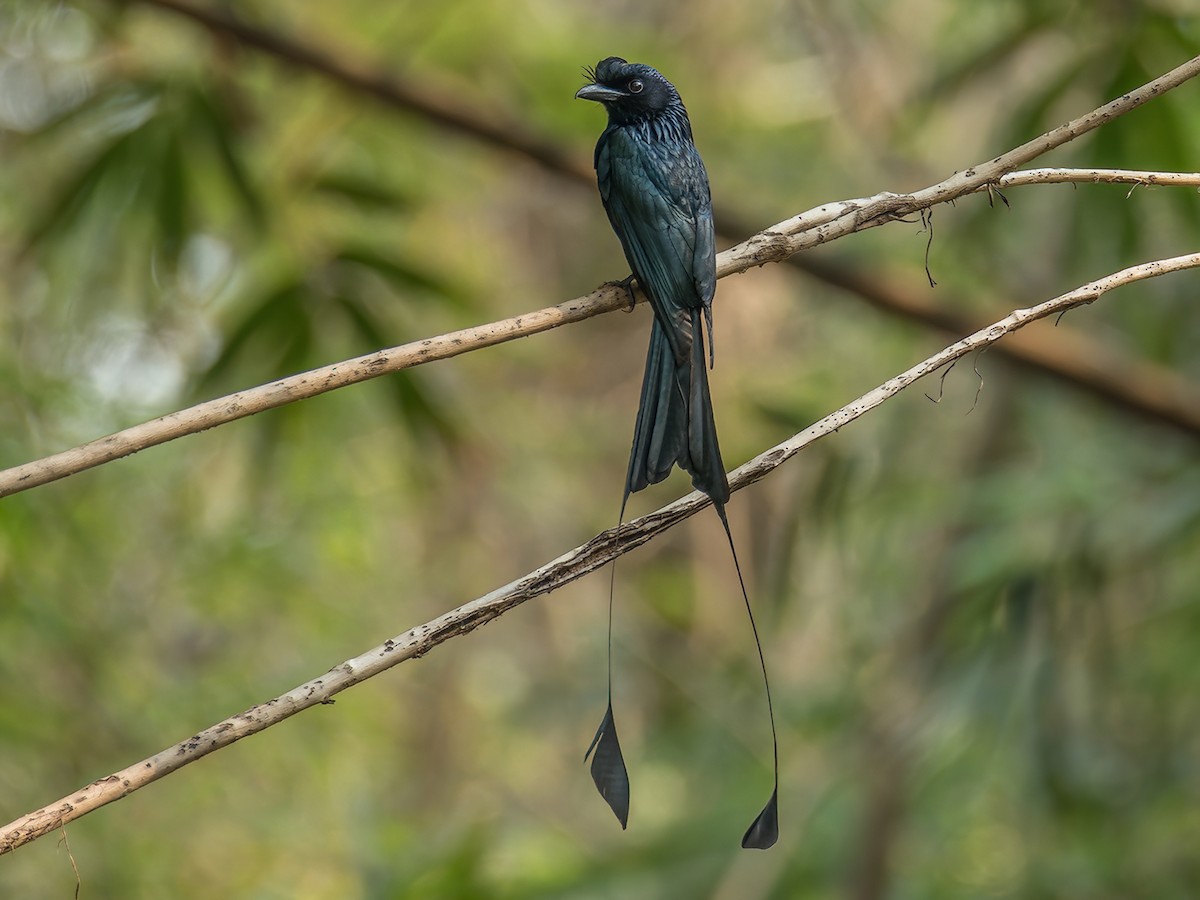
- Spot rare local wildlife, including the camouflaged Sri Lankan Frogmouth.
- Enjoy panoramic views of the Arabian Sea from high ocean cliffs.
- Experience the quiet, uncommercialized wilderness of South Goa.
Understanding the Four Beaches Jungle Hike
The Four Beaches Jungle Hike is not your typical stroll along the shore. Located in the southernmost tip of Goa in Canacona, this trek offers a raw look at the Western Ghats meeting the Arabian Sea. Unlike the flat, sandy stretches of North Goa, the coastline here is characterized by high cliffs, jagged rocks, and dense tropical vegetation. The hike covers approximately 8 kilometers of varying terrain, making it a solid half-day activity for those with a decent level of fitness.
The Route: From Loliem into the Wild
The trek typically begins near the village of Loliem. This area is one of the quietest parts of the state, dominated by traditional homes and vast stretches of plateau land. The trail quickly moves away from human habitation and into the forest.
Phase 1: The Forest Ascent
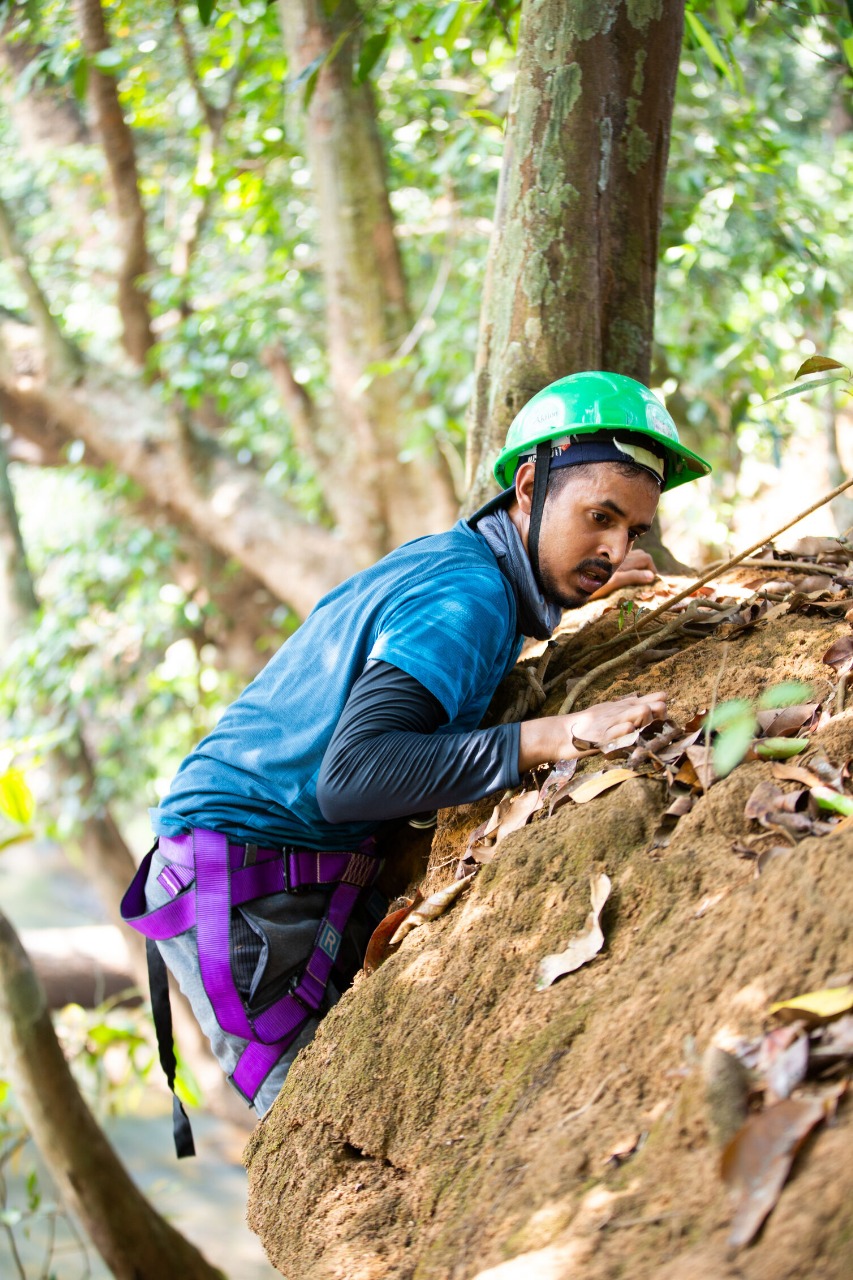
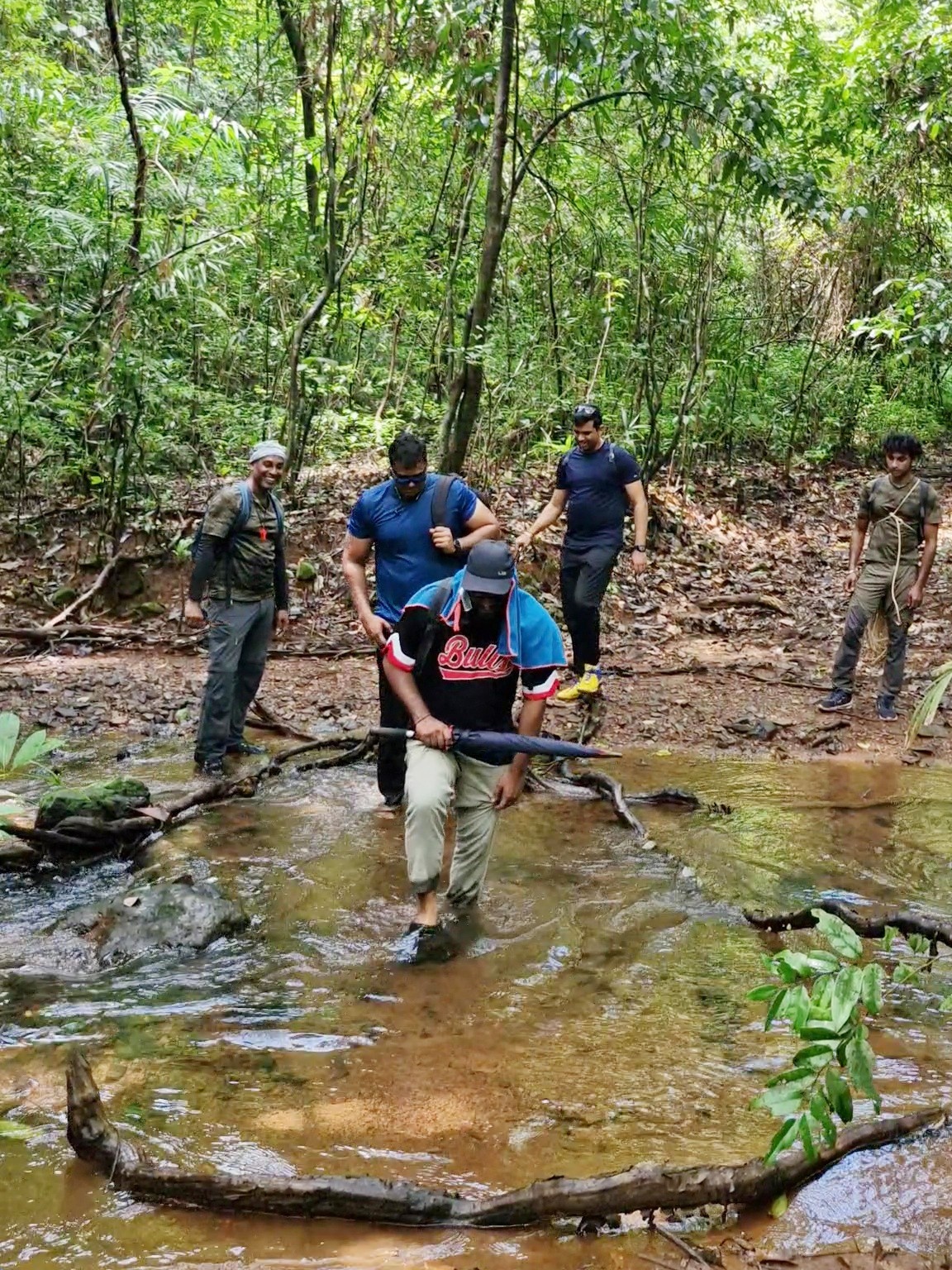
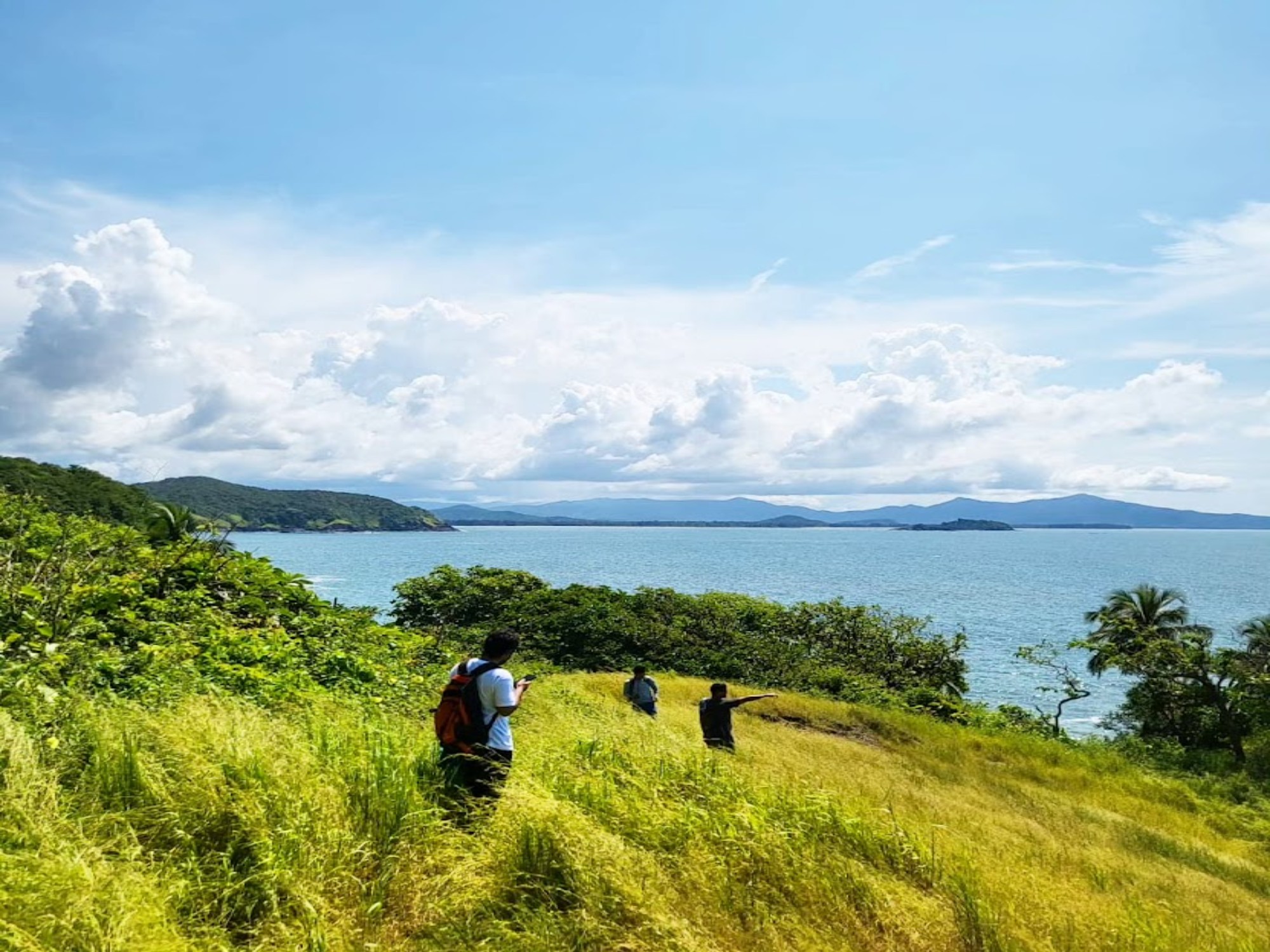
The initial part of the hike involves navigating through coastal scrub and deciduous forest. The path can be narrow and overgrown, especially shortly after the monsoon season. You will encounter steady inclines as you move toward the cliff tops. This section is where you are most likely to hear the calls of various forest birds and, if you are quiet, spot some of the local wildlife.
Phase 2: The Cliffside Vistas
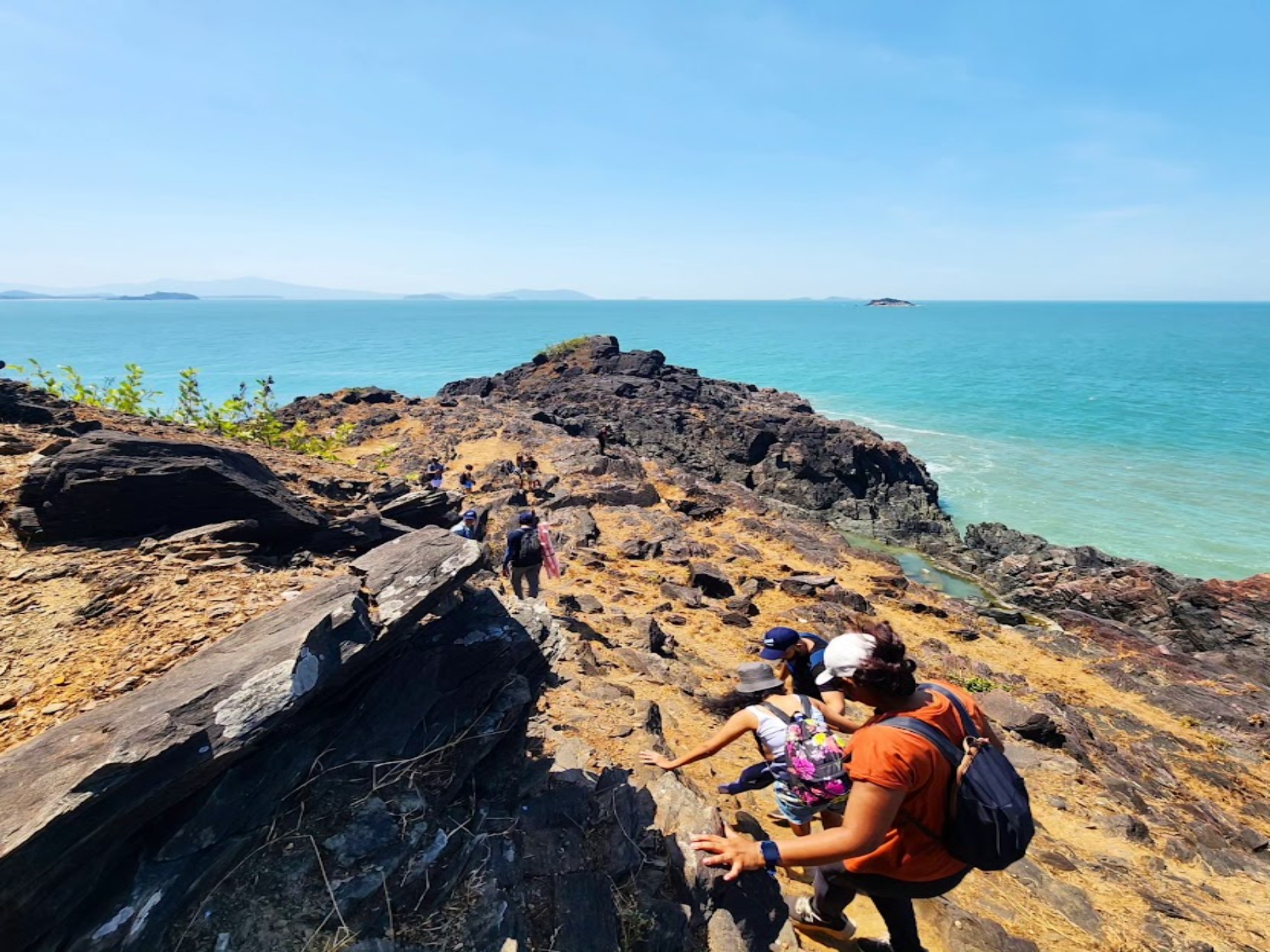
Once you clear the dense forest, the trail opens up onto laterite plateaus overlooking the ocean. The views here are expansive, offering a 180-degree perspective of the Arabian Sea. You will be walking along the edge of cliffs that drop sharply into the water below. This section requires careful footing, particularly on windy days, but it provides the best photographic opportunities of the entire trek.
Phase 3: Navigating the Four Beaches
The highlight of the trek is descending into four distinct, secluded beaches. These beaches are small coves separated by rocky outcrops. Because they are difficult to reach by road, you will often find them completely empty.
- Beach 1 & 2: Usually the most rugged, with large boulders and clear water perfect for a quick rest.
- Beach 3 & 4: These often feature softer sand and are better suited for a brief dip, depending on the tide and current conditions.
Terrain and Difficulty Level
This hike is classified as moderate. While it doesn't require technical climbing skills, it is physically demanding due to the heat, humidity, and uneven terrain. You should expect:
- Loose Gravel: Common on the plateau sections.
- Rock Scrambling: You will occasionally need to use your hands for balance when crossing from one beach to the next.
- Steep Inclines: There are several short but sharp climbs of about 200 meters in total elevation gain.
Wildlife and Birdwatching
One of the primary reasons nature enthusiasts choose this specific trail is the Sri Lankan Frogmouth. This nocturnal bird is expertly camouflaged to look like a dried leaf or piece of bark. Local guides are trained to spot them resting in the low branches of the forest. You may also see White-bellied Sea Eagles circling the cliffs, Malabar Pit Vipers (during the monsoon), and various species of butterflies and langurs.
The Best Time to Hike in South Goa
Timing is critical for an enjoyable experience in the tropical climate of Goa.
- Winter (November to February): This is the peak season for trekking. The weather is relatively dry, and the mornings are cool. Starting at 7:00 AM is highly recommended to finish before the midday sun becomes too intense.
- Summer (March to May): It can be extremely hot and humid. If you hike during these months, you must carry significantly more water and prepare for high levels of exertion.
- Monsoon (June to September): The landscape is incredibly lush and green, but the trails become slippery and muddy. Leeches are common in the forest sections during this time. The hike is often modified or cancelled during periods of heavy rain for safety.
What to Pack and Wear
Being well-prepared will make the difference between a great hike and an uncomfortable one.
- Footwear: Wear sturdy hiking shoes or trail runners with good grip. Do not attempt this in flip-flops or sandals, as the rocks are sharp and the trails can be slippery.
- Hydration: Carry at least 2 liters of water per person. There are no shops or shacks along the trail to replenish your supply.
- Clothing: Wear lightweight, moisture-wicking clothes. A hat and high-SPF sunscreen are essential for the exposed cliff sections.
- Swimwear: If you plan to swim, wear your swimsuit under your hiking clothes, as there are no changing rooms on these remote beaches.
- Bag: A small backpack to keep your hands free is necessary. A waterproof dry bag is a good idea for your phone and camera, especially if you are trekking near the tide line.
How to Reach the Starting Point
The trailhead is located in Loliem, Canacona, which is about a 1.5 to 2-hour drive from North Goa (Calangute/Baga area) and about 45 minutes from Margao.
- Self-Drive: You can navigate to Loliem, but the specific trailhead can be difficult to find without a guide.
- Transport: Public transport to this specific area is infrequent. It is best to hire a taxi for the day. For reliable transport, you can use local services like pavancab.com or contact +918180951176 to arrange a drop-off at the start and a pickup at the end point, as the hike is not a circular loop.
Safety and Responsible Trekking
We advocate for Leave No Trace principles. This area of South Goa remains pristine because it is off the main tourist map.
- Waste: Carry all your plastic bottles and wrappers back with you. Do not leave any trash on the secluded beaches.
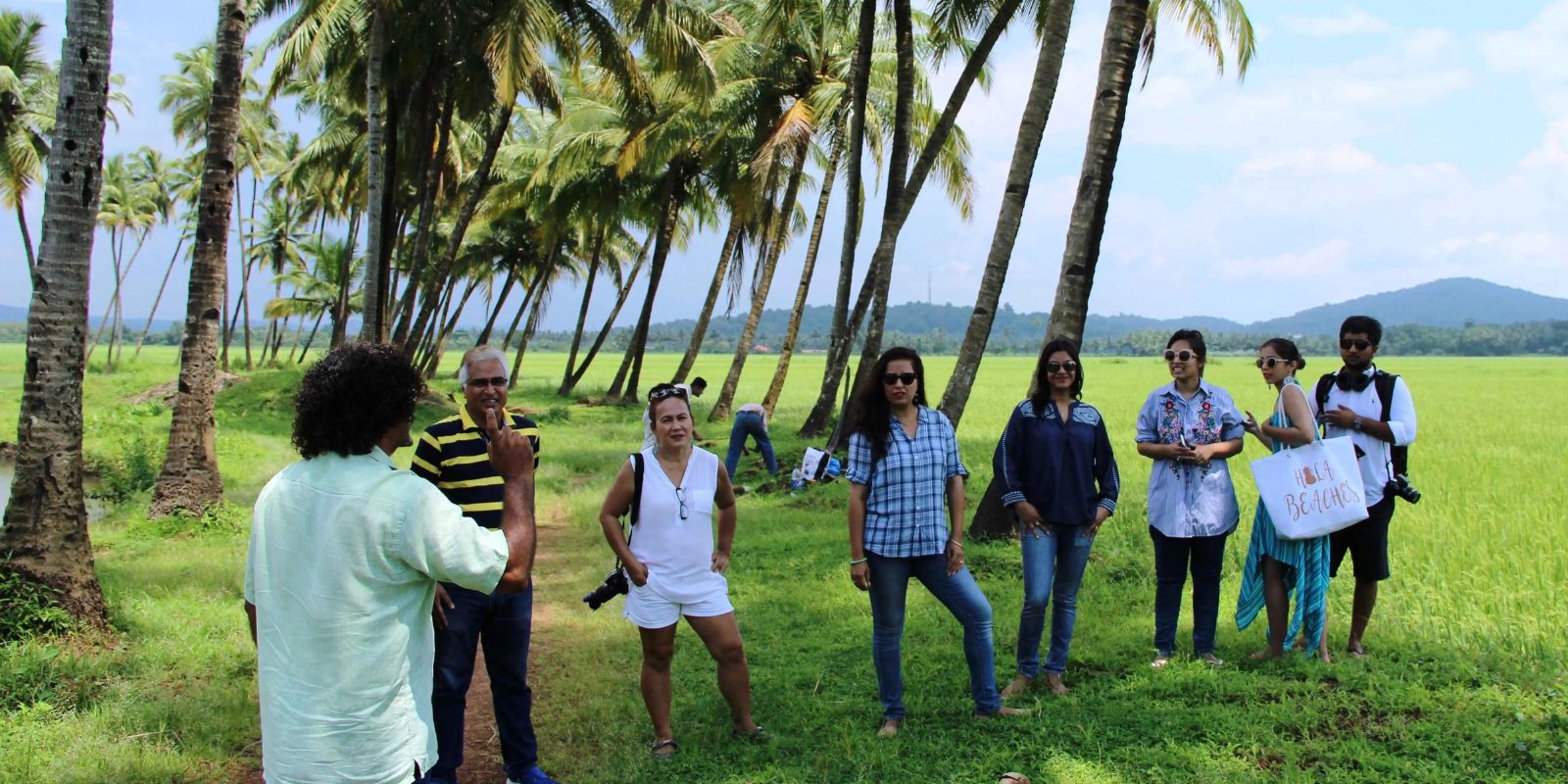
- Guides: We strongly recommend going with a local guide. The trails are not well-marked and can be confusing. A guide also ensures you stay safe on the cliff edges and helps you spot wildlife you would otherwise miss.
- Tides: Be aware of the tide timings. Some rocky sections between beaches can become impassable or dangerous during high tide.
- Guided coastal hike with a local expert
- Briefing on local flora and fauna
- Light fruit snacks
- Basic first aid assistance
- Hotel pickup and drop-off
- Bottled drinking water (please bring your own)
- Full lunch
- Swimming gear and towels
Have questions about this activity?
Chat with our local experts for instant help and best deals!