
Chorao and Divar Island Guided Day Tour
per / person. Taxes & convenience fees might apply.
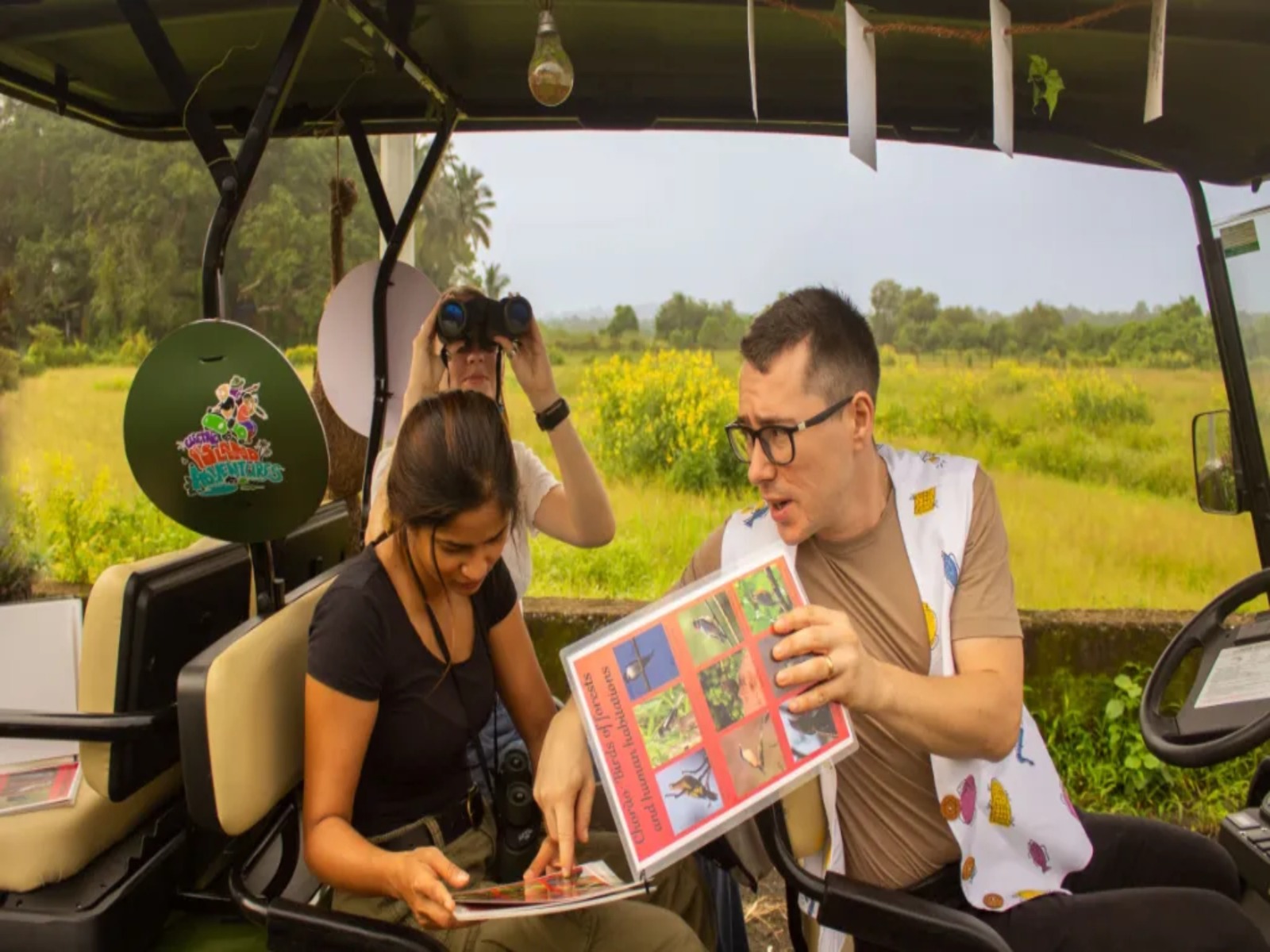
- Guided walk through the Dr. Salim Ali Bird Sanctuary to spot rare estuarine birds.
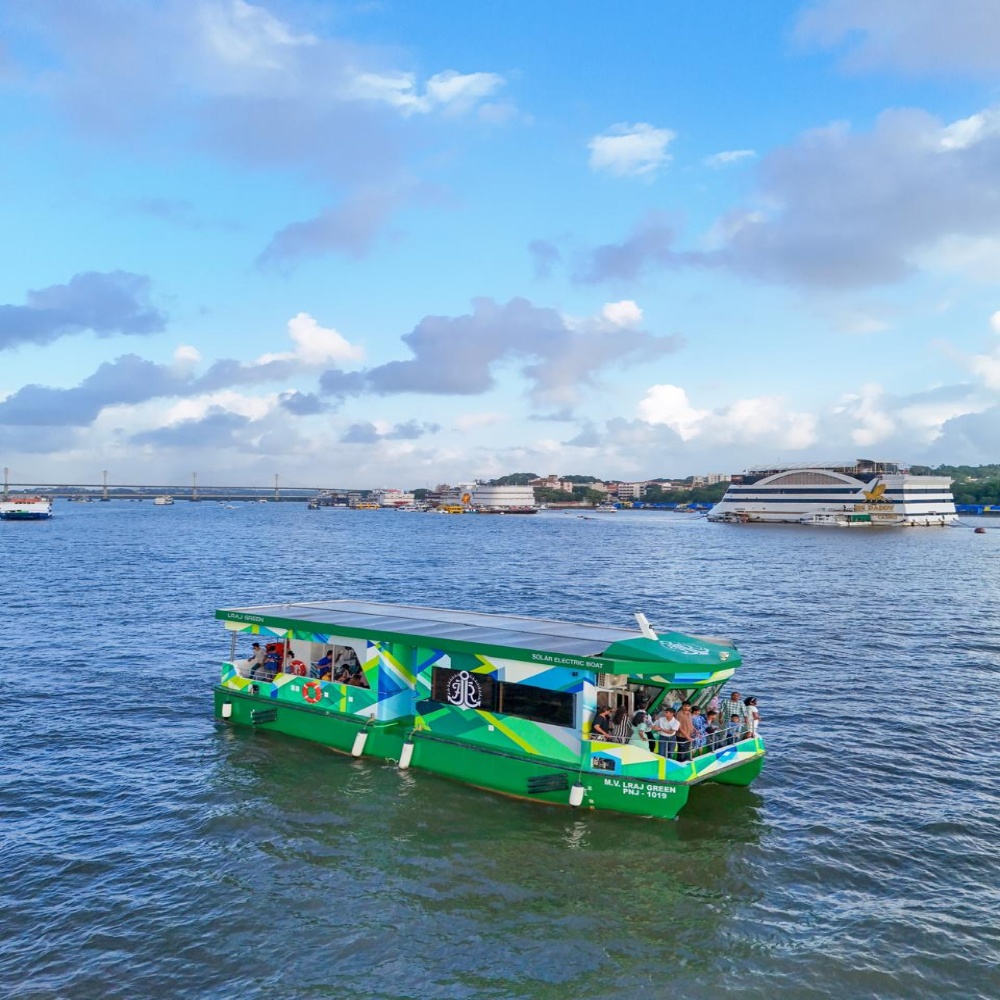
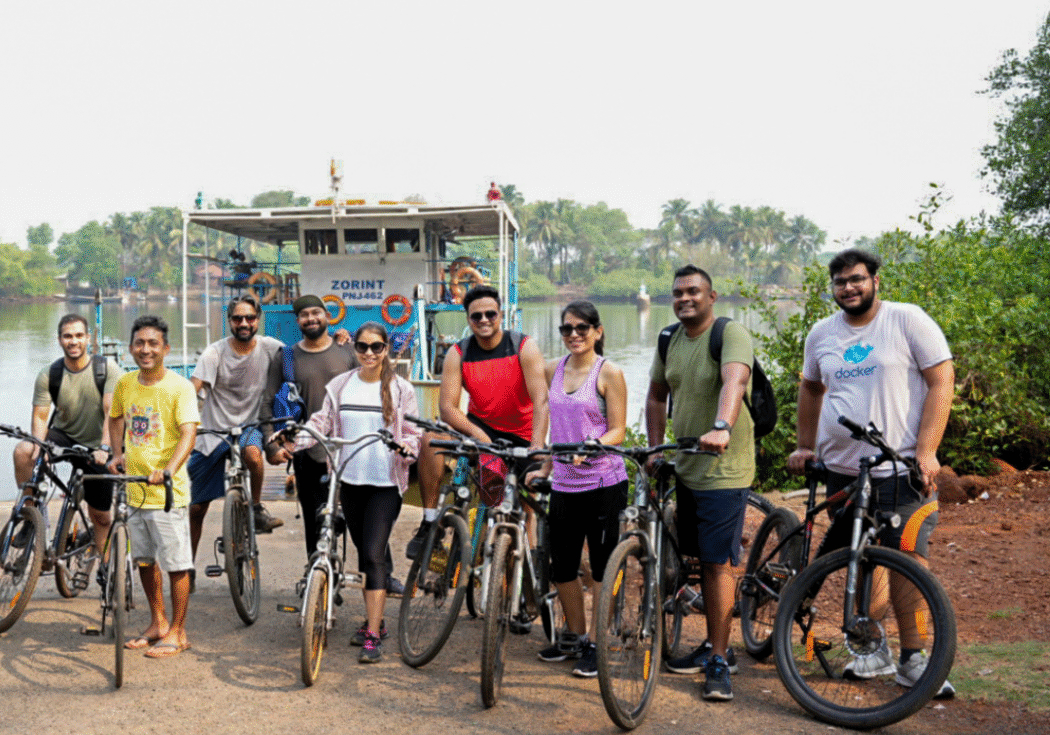
- Scenic ferry crossings across the Mandovi River with views of the mangrove forests.
- Exploration of Divar Island's heritage villages and Indo-Portuguese architecture.
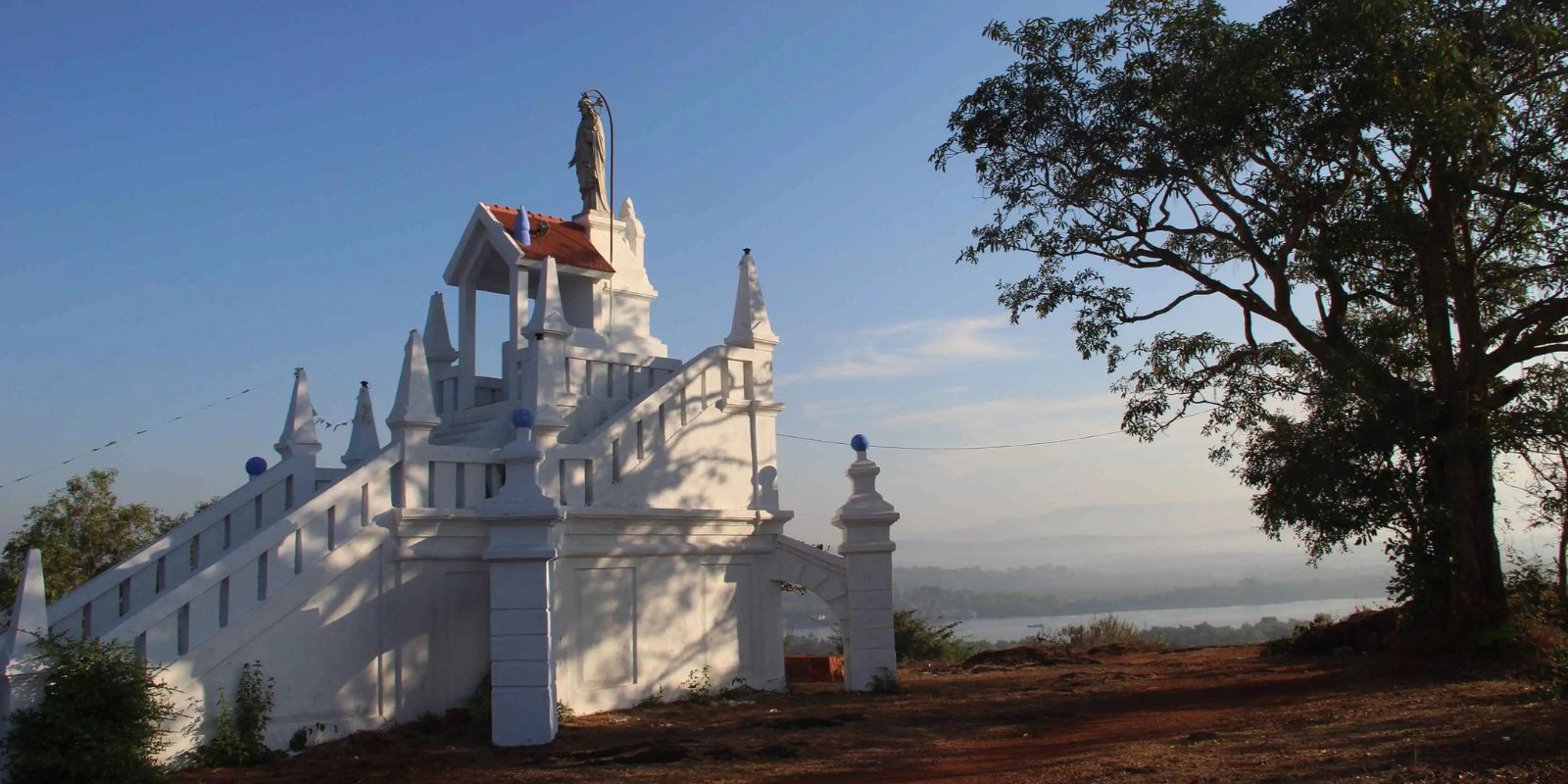
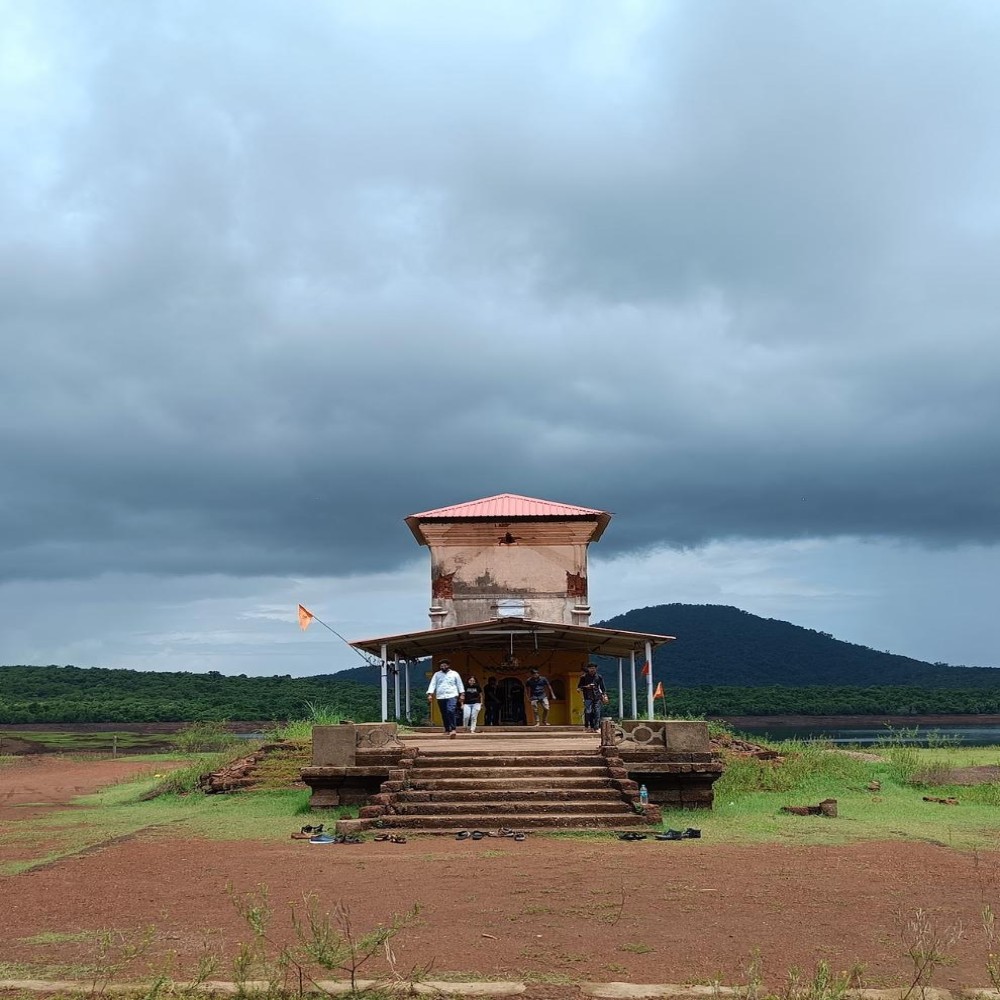
- Visit to the historic Our Lady of Piety Church and ancient Kadamba-era ruins.
- Authentic Goan thali lunch served at a traditional island family home.
Discover the River Islands of the Mandovi
Goa is often defined by its coastline, but its heart lies along the banks of the Mandovi River. The islands of Chorao and Divar are remnants of a bygone era, where life moves at the pace of the tides and the local ferry schedule. This combined tour is designed to give you a seamless experience of both islands in a single day, eliminating the logistical challenges of navigating ferry timings and narrow village roads on your own.
The journey typically begins at the Ribandar ferry point, just a short drive from Panjim. From here, you leave the mainland behind and enter a landscape dominated by lush mangroves, expansive salt pans (locally known as manos), and traditional Indo-Portuguese homes.
Chorao Island: A Haven for Nature and Wildlife
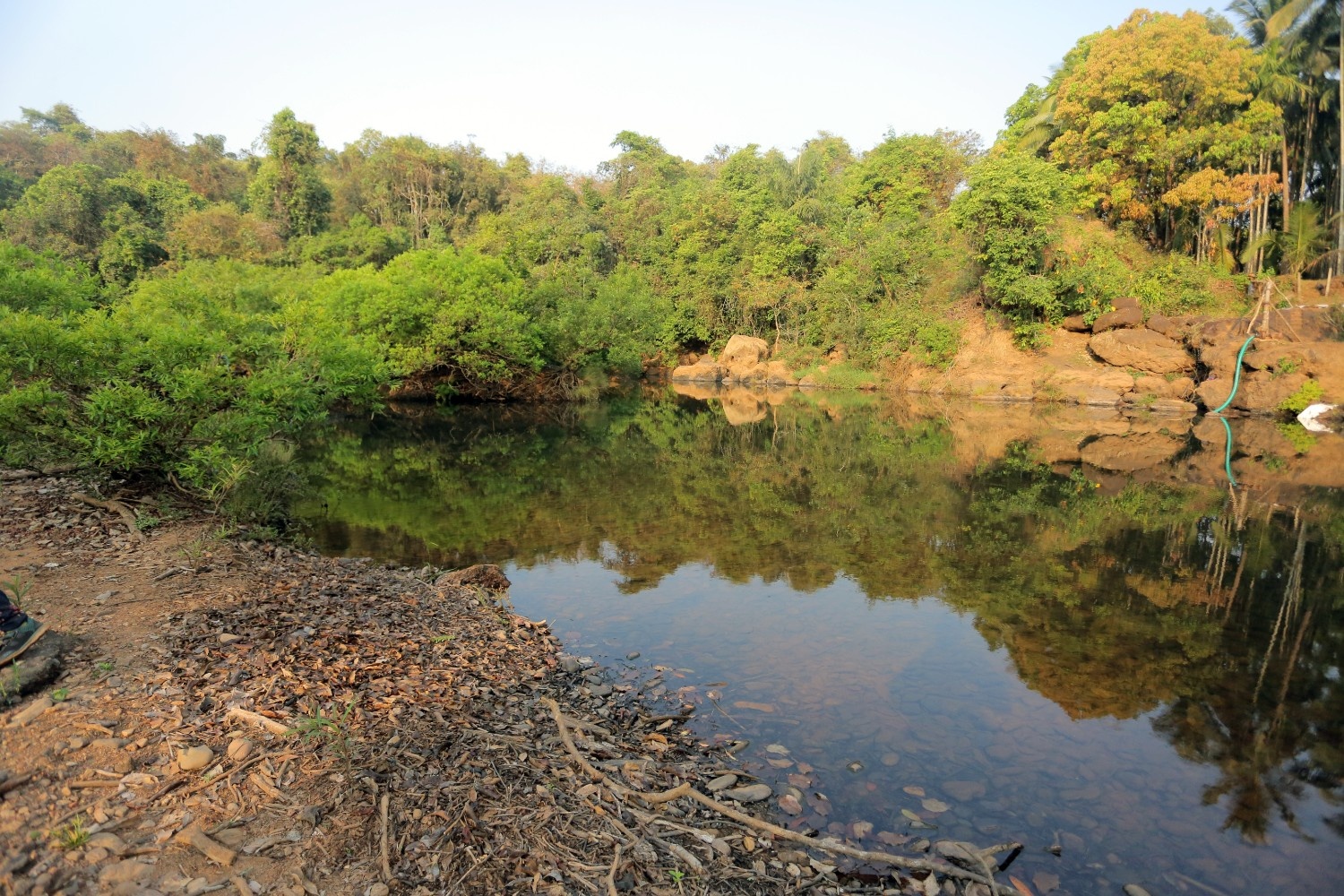
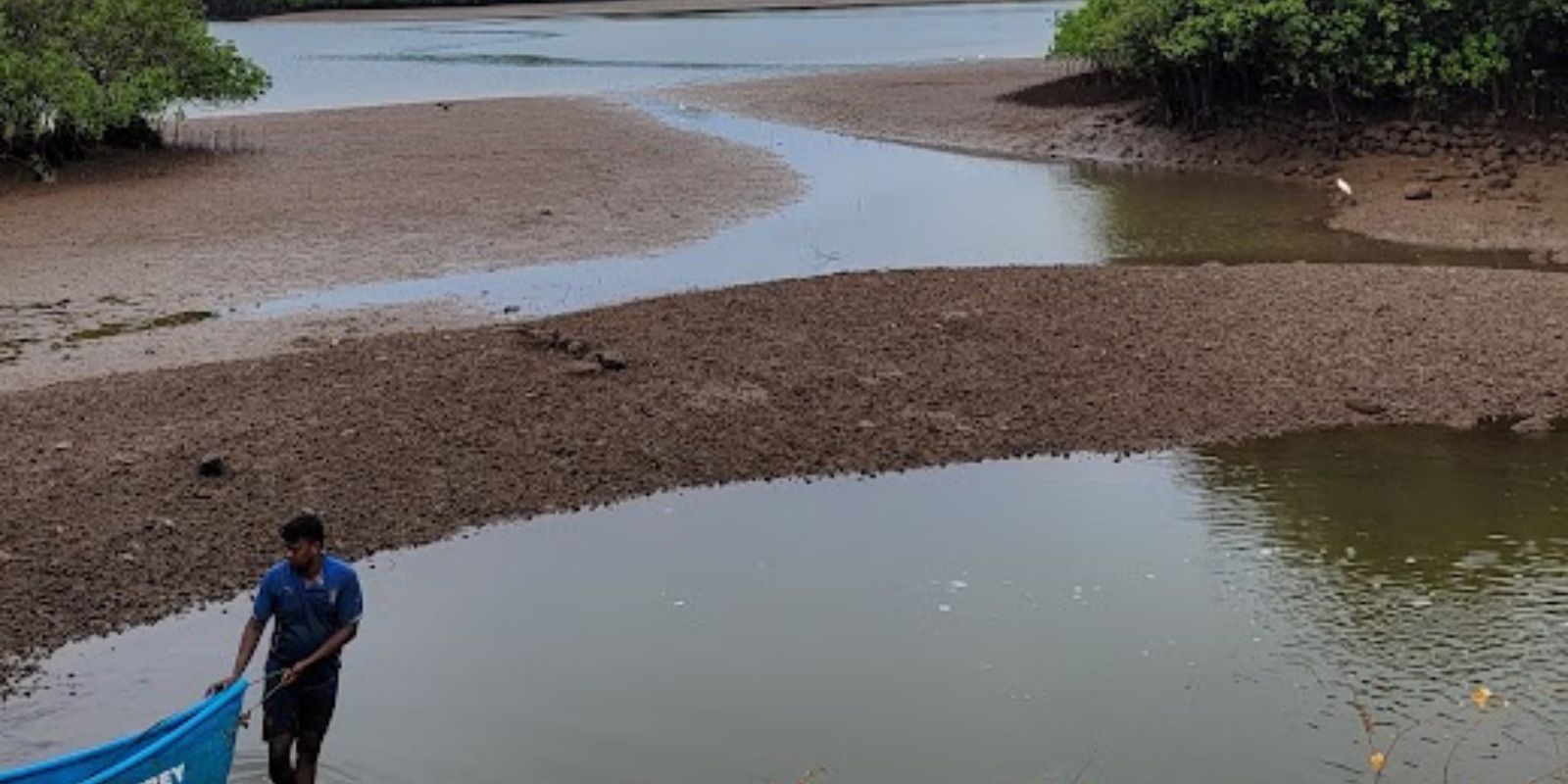
Your first stop is Chorao, the largest of Goa’s islands. While it was once a bustling Portuguese settlement, it is now most famous for the Dr. Salim Ali Bird Sanctuary. This protected area covers roughly 440 acres of mangrove forest and is one of the most significant estuarine ecosystems in the region.
Exploring the Salim Ali Bird Sanctuary
The sanctuary is best explored via the paved boardwalk that snakes through the thick mangrove canopy. As you walk, you can observe the complex root systems of the Avicennia marina and Rhizophora trees, which protect the island from erosion. For birdwatchers, this is a prime location. Depending on the season, you may spot Western Reef Herons, Striated Herons, Black-capped Kingfishers, and Pintails.
Aside from birds, the muddy banks are home to Mudskippers—fish that can live out of water—and thousands of Fiddler Crabs. If you are lucky, you might even spot a Mugger Crocodile basking on the riverbanks during low tide. Your guide will help identify these species and explain the vital role mangroves play in Goa's ecology.
The Ferry Experience: The Lifeline of the Islands
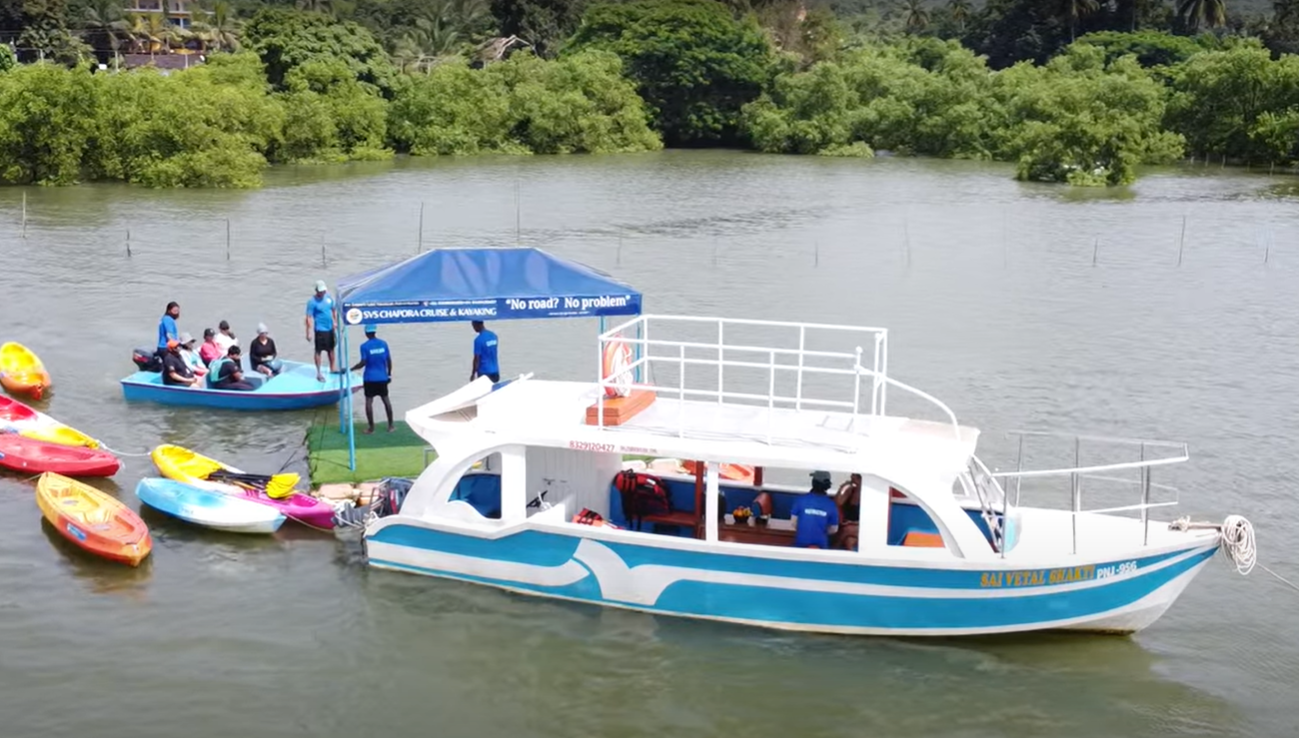
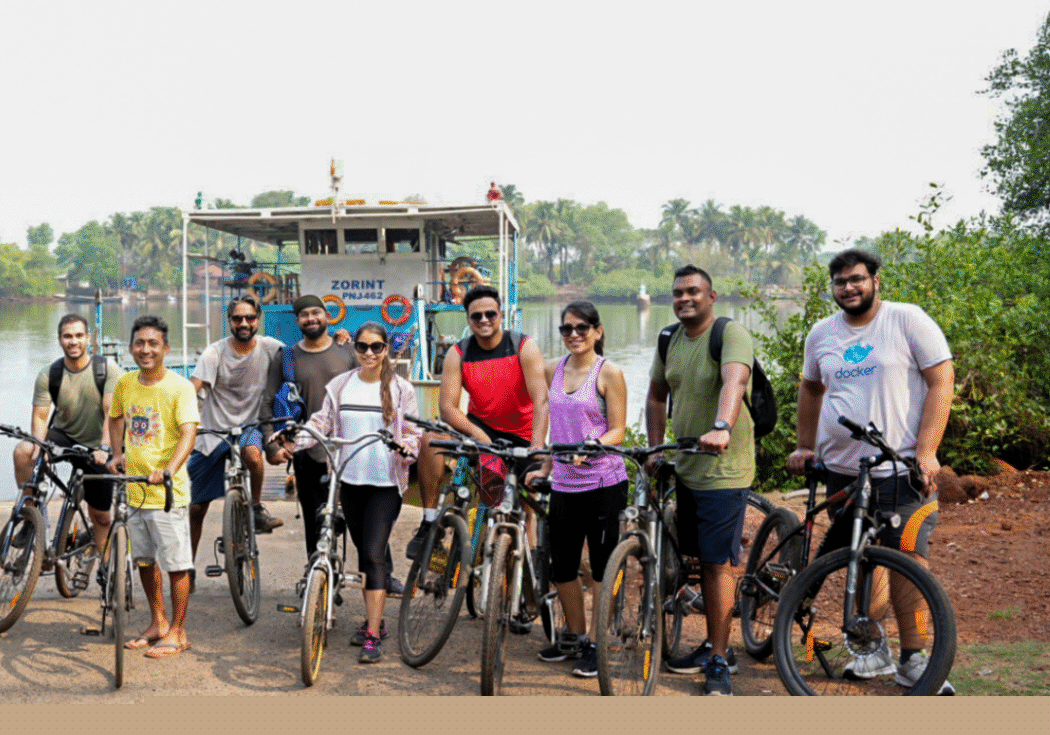
One of the most authentic parts of this tour is the use of the local ferry system. These flat-bottomed vessels are the primary mode of transport for islanders, carrying everything from scooters and cars to fresh produce. Crossing the Mandovi on a ferry allows you to see the islands from the water, providing excellent photo opportunities of the shoreline and the distant Panjim skyline. It is a slow, rhythmic way to travel that sets the tone for the rest of the day.
Divar Island: A Step Back in Time
After exploring the wilder side of Chorao, a short ferry ride brings you to Divar Island. Divar feels significantly different from the mainland; there are no nightclubs, no massive hotels, and very little traffic. The island is divided into three main villages: Piedade, Sao Matias, and Naroa.
Colonial Heritage and Architecture
As you move through Divar, you will notice the well-preserved Indo-Portuguese villas. Many of these homes are painted in vibrant ochre, blue, and white, featuring traditional red-tiled roofs and ornate balconies. Your guide will take you through the winding lanes of Piedade, leading up to the Our Lady of Piety Church. Located on a hilltop, this church offers a panoramic view of the Mandovi River and the surrounding countryside. The church itself is a beautiful example of Baroque architecture, dating back to the early 18th century.
Ancient Roots and Kadamba Ruins
Divar has a history that predates the Portuguese. It was once a site of great Hindu pilgrimage, home to the ancient Saptakoteshwar Temple. While the original temple was destroyed during various conquests, the ruins and the sacred tank (tirth) at Naroa remain. Exploring these sites provides a glimpse into the Kadamba dynasty's influence on Goa and the island's spiritual significance long before colonial rule.
A Traditional Goan Culinary Experience
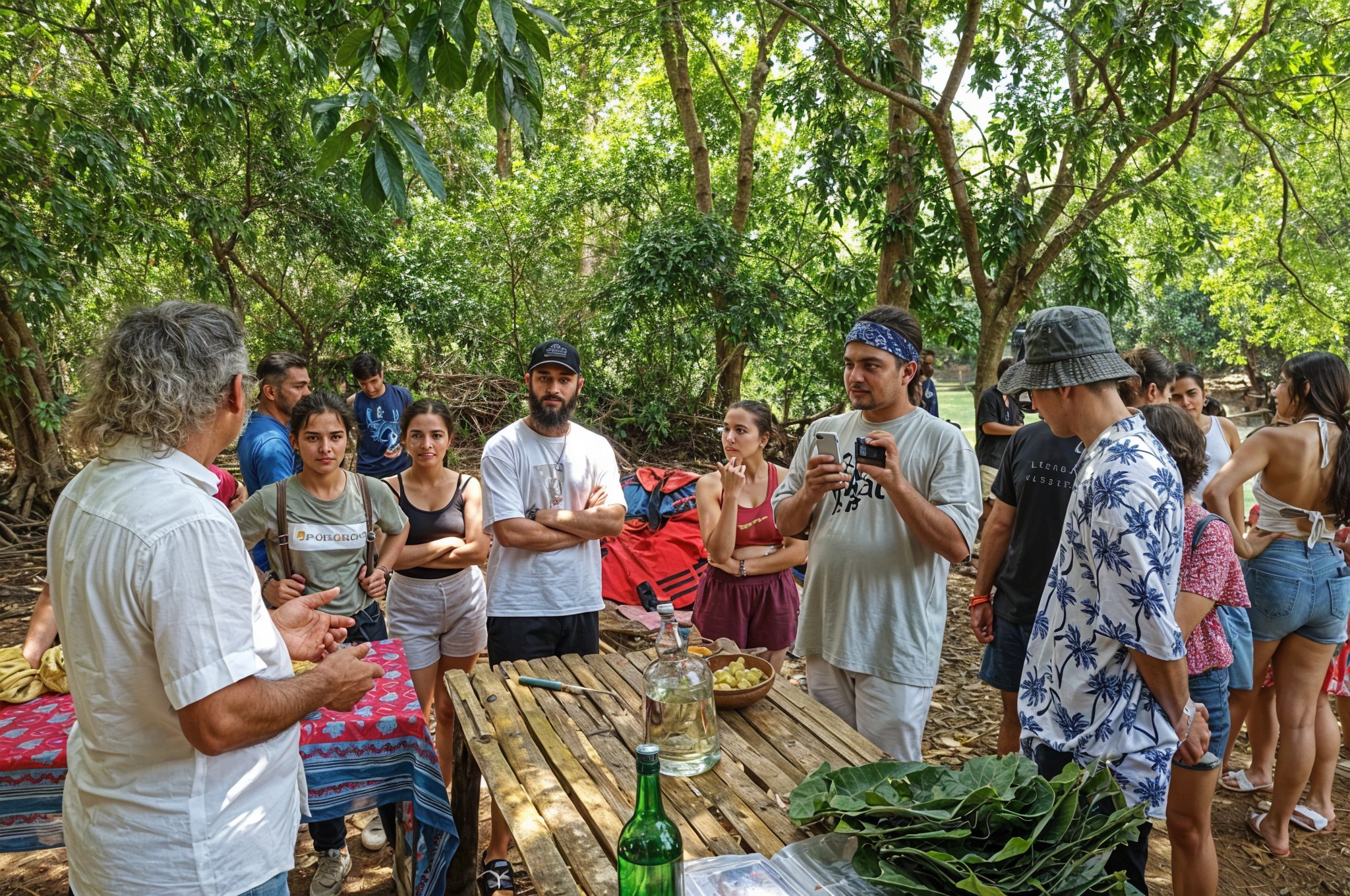
No island tour is complete without a taste of the local cuisine. For lunch, you will be hosted at a traditional Goan home on Divar Island. This isn't a commercial restaurant experience; it’s an authentic meal prepared by a local family using traditional recipes.
You will typically be served a Goan Thali, which includes:
- Rice and Fish Curry: The staple of every Goan household, usually made with fresh catch from the river or sea.
- Vegetable Foogath: A light stir-fry with coconut and local spices.
- Kismur: A dried prawn salad with coconut and onions.
- Sol Kadhi: A refreshing digestive drink made from kokum and coconut milk.
- Bebinca or Dodol: Traditional Goan desserts to end the meal.
Vegetarian options are always available and are equally delicious, focusing on seasonal local produce like breadfruit, pumpkin, and lentils.
Practical Information for Travelers
Best Time to Visit
The ideal time for this tour is between October and March. During these months, the weather is pleasant, and the migratory birds are present in the sanctuary. If you visit during the Monsoon (June to September), the islands are incredibly lush and green, though bird sightings may be fewer and walking paths can be slippery. The tour remains operational in the monsoon, offering a unique 'rainy Goa' perspective.
What to Wear and Carry
We recommend wearing light, breathable cotton clothing. Since you will be visiting a church, please ensure your shoulders and knees are covered as a sign of respect. Comfortable walking shoes or sturdy sandals are essential for the bird sanctuary boardwalk and village walks. Don’t forget to carry sunscreen, a hat, and insect repellent, as mosquitoes can be active in the mangrove areas.
Difficulty and Accessibility
The activity is rated as Easy. It involves moderate walking on mostly flat surfaces. However, the boardwalk in the bird sanctuary can be slightly uneven, and there are a few steps at the church and the lunch venue. It is suitable for children and seniors, but may be challenging for those with significant mobility issues or those requiring wheelchair access.
Getting to the Meeting Point
The tour starts at the Ribandar Ferry Point. It is easily accessible by taxi or auto-revolving from Panjim (approx. 15 minutes) or North Goa beach belts like Calangute/Baga (approx. 45-60 minutes). If you are driving yourself, there is limited street parking available near the ferry ramp. We recommend arriving 15 minutes before the scheduled start time to ensure a smooth departure.
- Local English/Hindi speaking guide
- Ferry crossing charges
- Bird Sanctuary entry fees
- Traditional Goan lunch (Veg/Non-Veg)
- Bottled water and light snacks
- Hotel pickup and drop-off
- Camera fees at the sanctuary
- Alcoholic beverages
- Tips and gratuities
Have questions about this activity?
Chat with our local experts for instant help and best deals!