Island Hopping Tour in Old Goa: Divar, Chorao, and Vanxim
per / person. Taxes & convenience fees might apply.
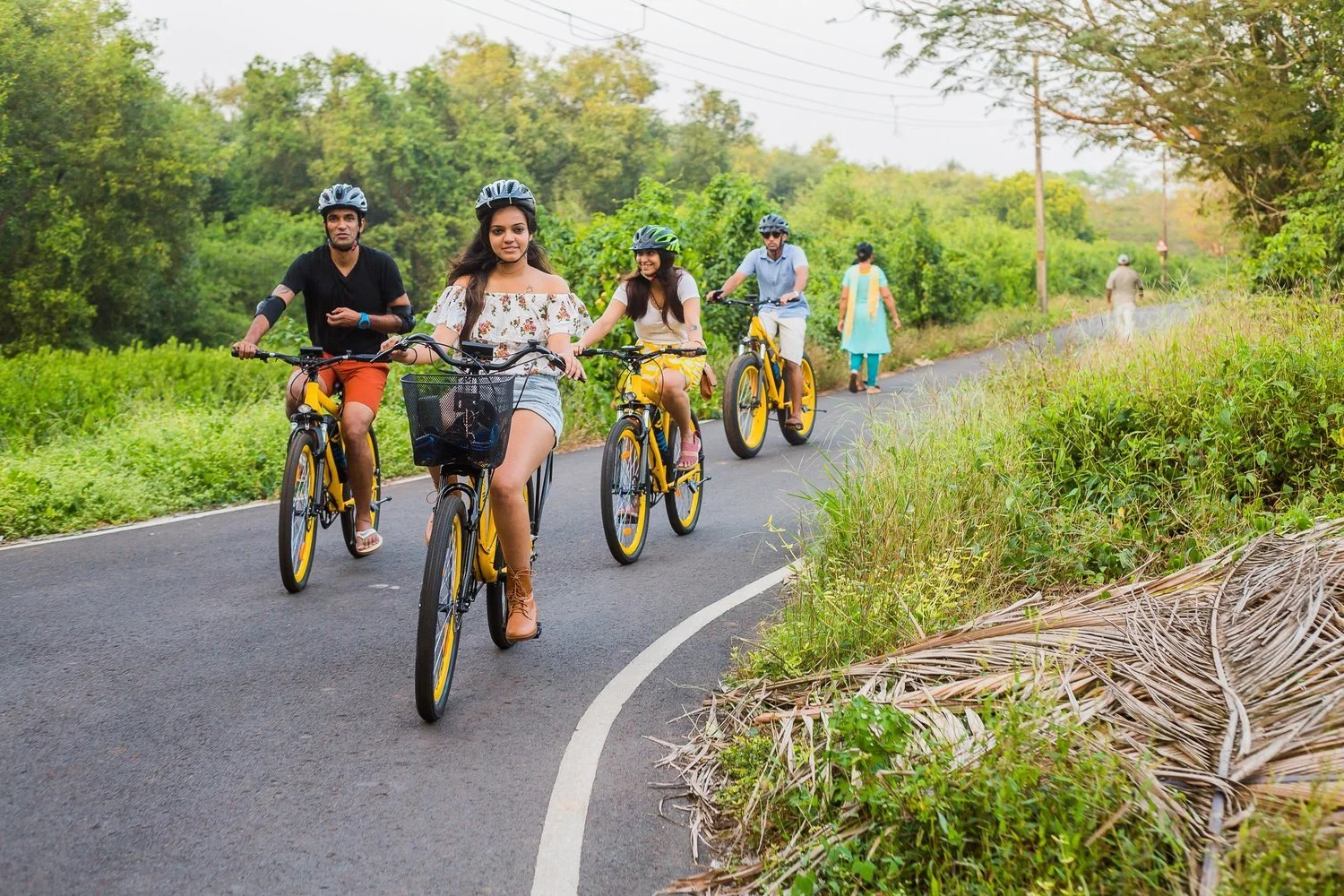
- Explore the heritage trails of Divar Island on an electric bike.
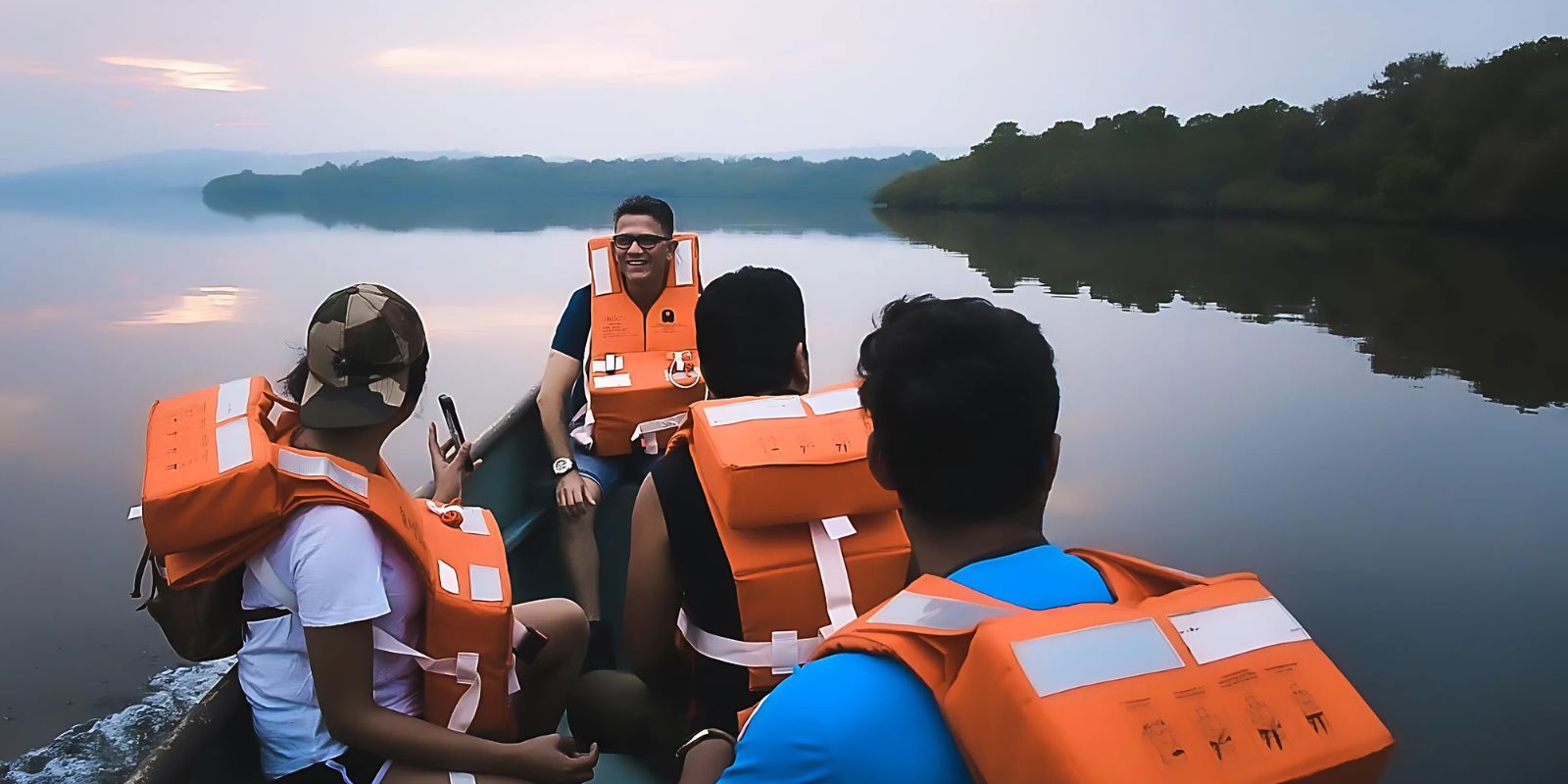
- Guided boat cruise through the Dr. Salim Ali Bird Sanctuary mangroves.
- Traditional Goan lunch served at a local home on Vanxim Island.
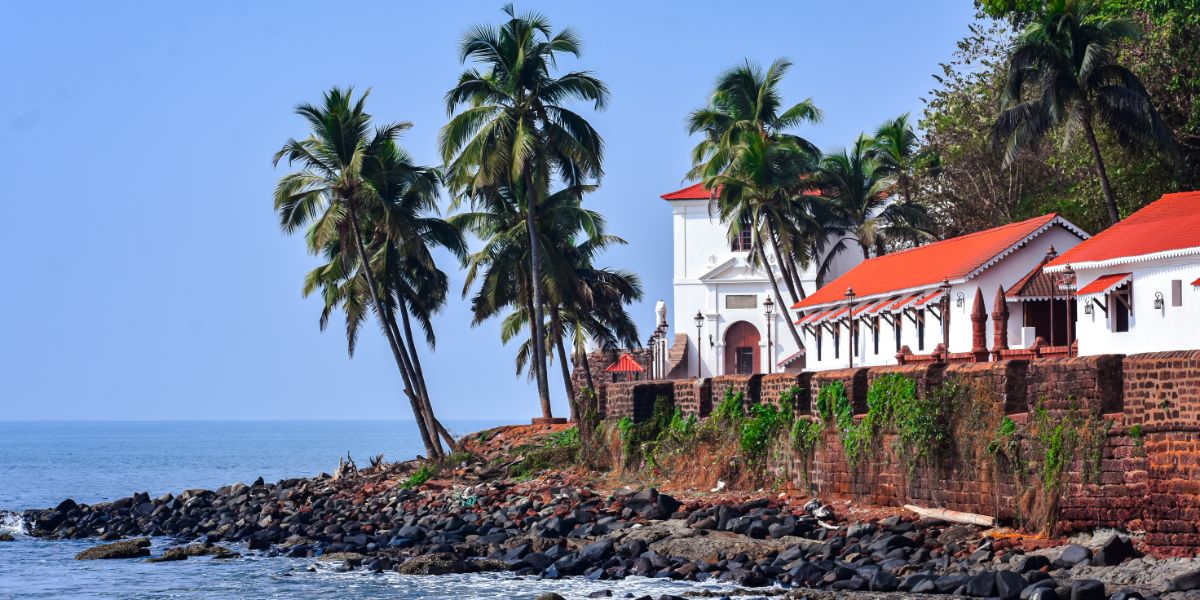
- Visit the 16th-century Our Lady of Candelabra Church for panoramic river views.
- Learn about the ancient 'Khazan' sluice gate system from local experts.
An Introduction to Goa’s Riverine Islands
While most visitors stick to the beaches of North or South Goa, the true essence of the state’s history and ecology lies along the Mandovi River. The river is home to several estuarine islands that have remained largely unchanged for decades. This island-hopping experience is designed to connect these landmasses, providing a comprehensive look at the Dr. Salim Ali Bird Sanctuary, the heritage hills of Divar, and the forgotten corners of Vanxim.
Why Travelers Choose This Activity
Many travelers choose this tour because it offers a break from the noise of Calangute or Baga. It is one of the few experiences in Goa that combines multiple modes of transport—boats, ferries, and electric bikes—to cover a large geographical area efficiently. It is particularly popular with families and small groups who want a private, curated experience that includes local food and cultural education rather than just sightseeing.
What to Expect on the 3-Island Circuit
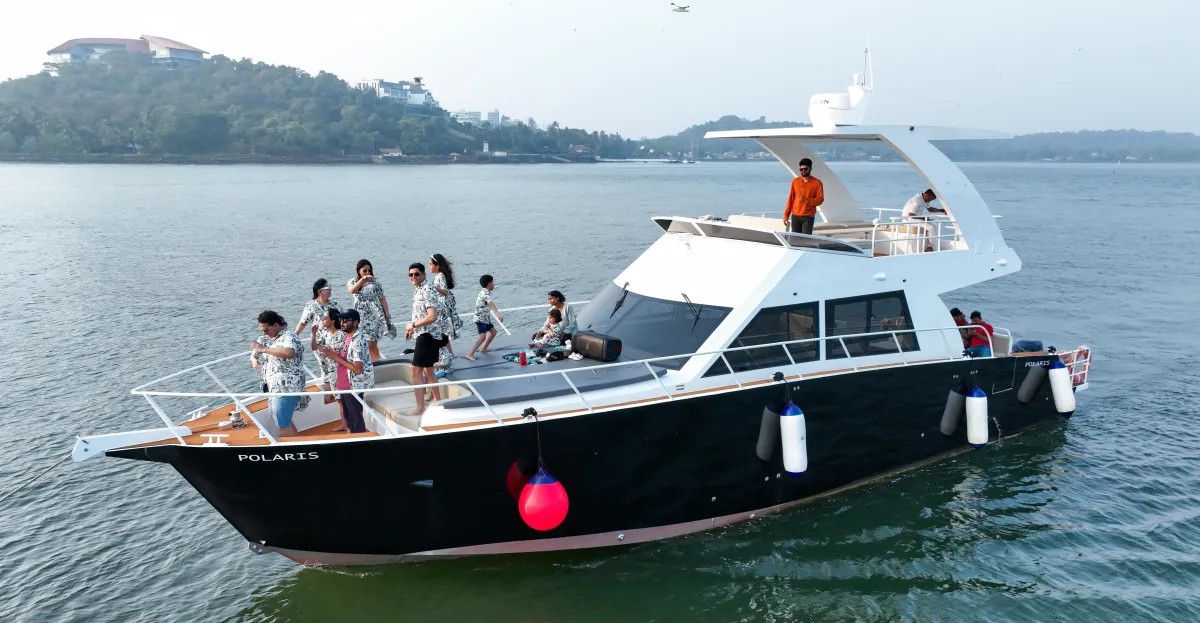
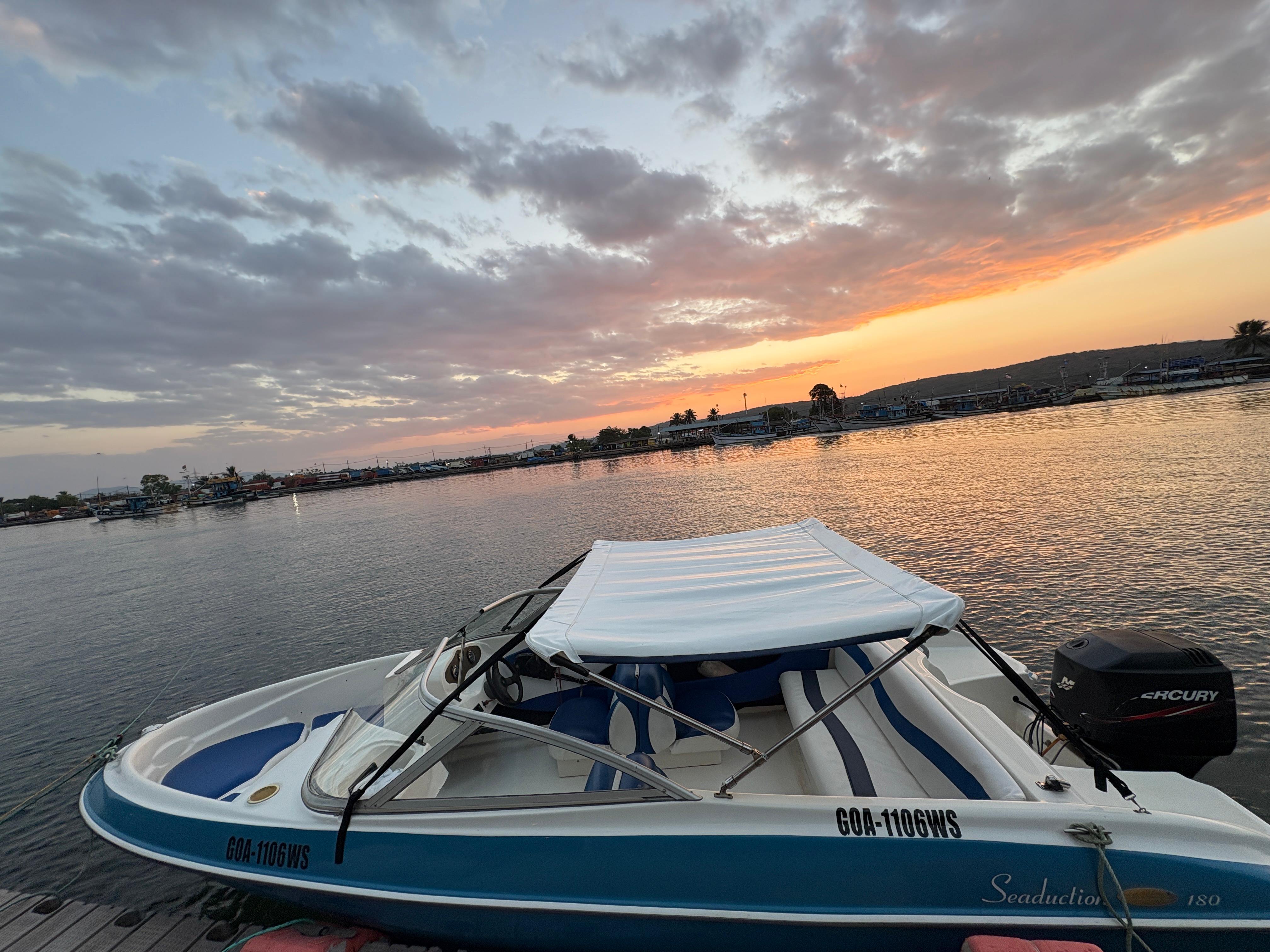
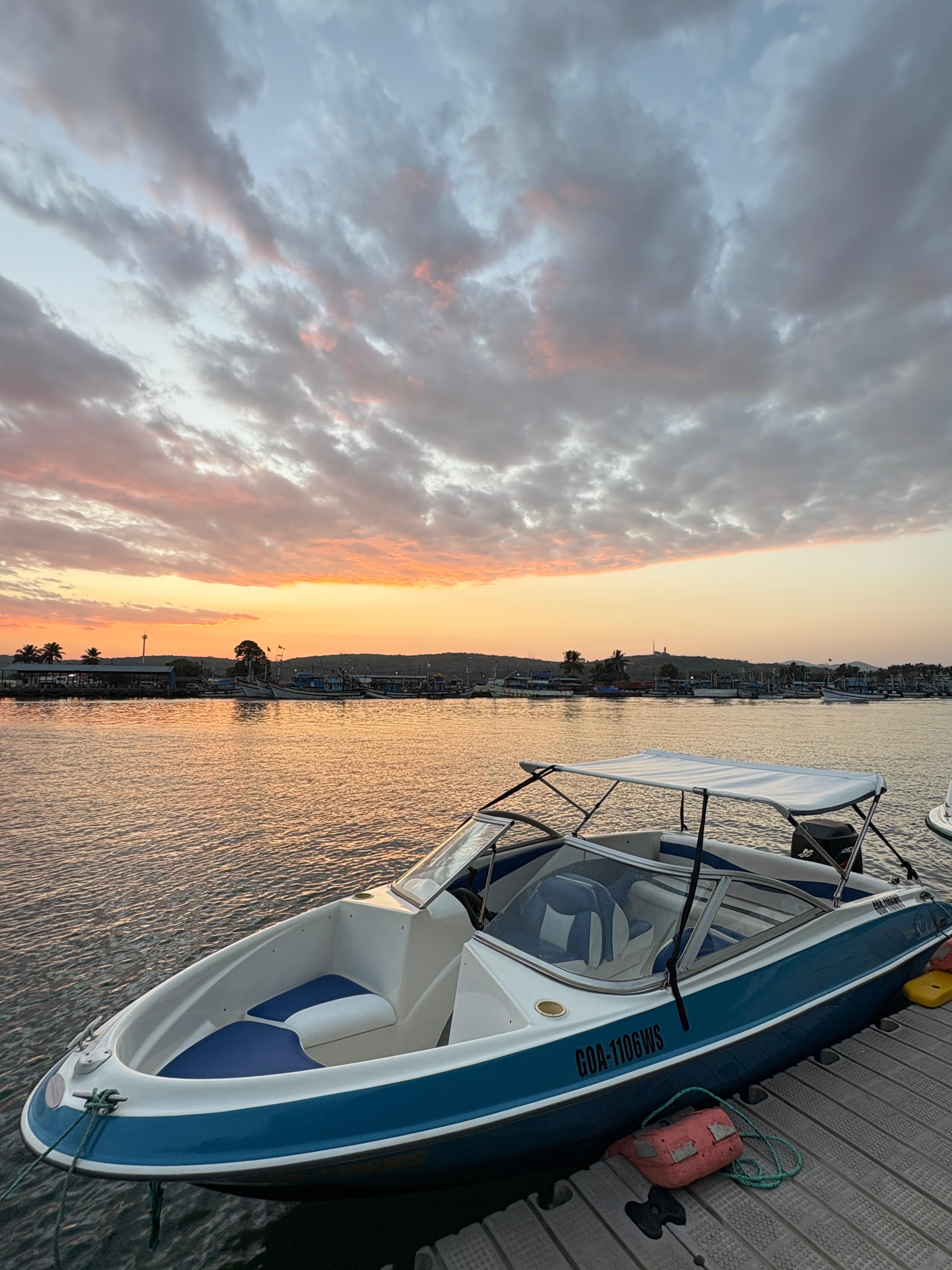
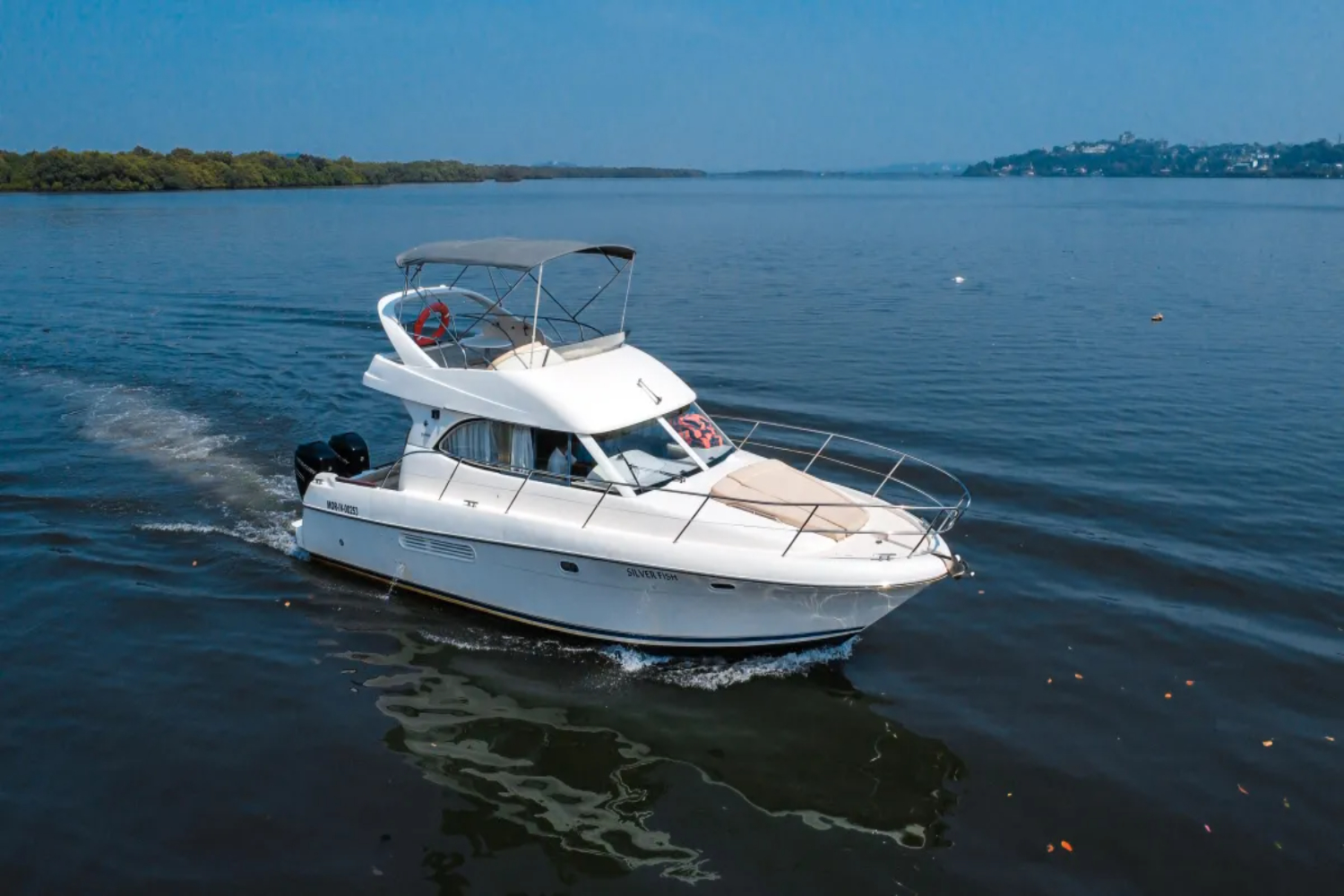
The tour typically starts from the Ribandar or Old Goa jetty. From here, you board a private boat or the local ferry (a quintessentially Goan experience) to begin your journey through the backwaters.
1. Chorao Island and the Bird Sanctuary
Your first major stop is often Chorao Island, the largest of the three. It is home to the Dr. Salim Ali Bird Sanctuary, a dense mangrove forest that serves as a breeding ground for several species of local and migratory birds. As you cruise through the narrow canals, you can spot Mudskippers, Fiddler Crabs, and birds like the White-bellied Sea Eagle or the Stork-billed Kingfisher. The silence of the mangroves is a stark contrast to the mainland.
2. Divar Island: Heritage and E-Biking
Next is Divar Island, reachable by a short boat hop. Divar is famous for its rolling hills and well-preserved Indo-Portuguese villas. To explore the island properly, you will use electric bikes (e-bikes). These are pedal-assist bicycles that make climbing the island’s hills effortless. You will visit the Our Lady of Candelabra Church (Piedade), which sits atop a hill offering a 360-degree view of the Mandovi River and Old Goa’s churches. You will also see the ancient site of the Saptakoteshwar Temple, which predates the Portuguese era.
3. Vanxim Island: The Quiet Retreat
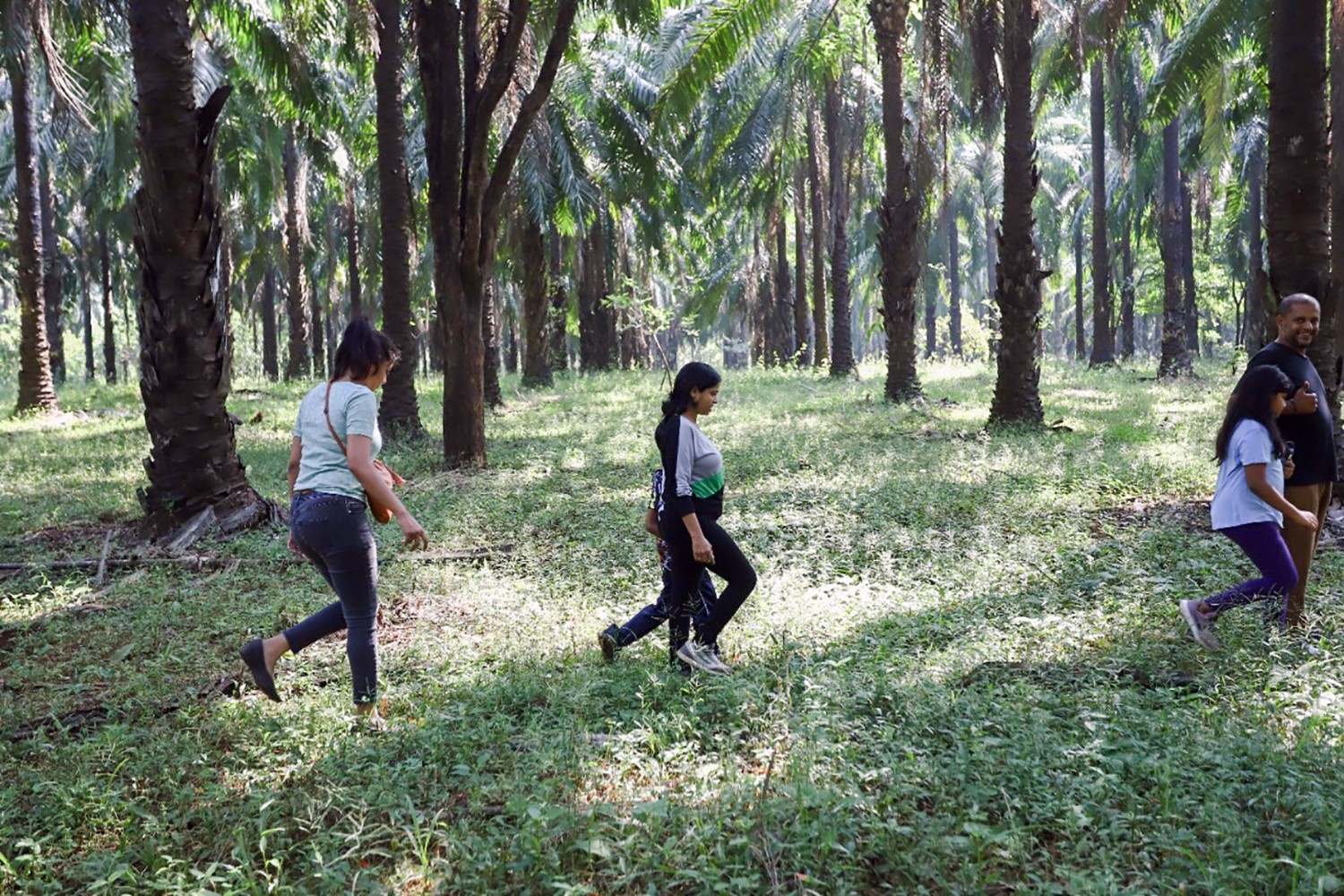
The final stop is Vanxim, a small, sparsely populated island that feels like stepping back in time. Life here revolves around the river and the church. There are no major commercial establishments, making it the perfect spot for a traditional Goan lunch. You can walk through the quiet lanes, observe the local fishing techniques at the sluice gates (Manus), and enjoy the stillness of the backwaters.
The Khazan Land System
A unique aspect of this tour is learning about the Khazan land system. This is an ancient Goan agro-ecology system that uses reclaimed wetlands and salt-resistant crops. Your guide will explain how the community manages the sluice gates to regulate water levels for fishing and farming, a practice that has sustained these islands for over a thousand years.
Difficulty Level and Accessibility
This activity is rated as Easy. The boat rides are stable, and the e-biking requires minimal physical exertion. It is suitable for children (with adult supervision) and senior citizens who are comfortable getting in and out of small boats. The walking portions are on flat or paved surfaces.
Best Time to Visit
The best window for island hopping is from October to March. During these months, the weather is pleasant, and the migratory birds are most active in the sanctuary. Tours usually start around 8:30 AM or 9:00 AM to avoid the midday heat. While the tour operates in the monsoon, some boat routes may be restricted if the river is too choppy, but the islands look exceptionally lush and green during the rains.
What to Wear and Carry
- Footwear: Wear comfortable sandals or walking shoes that can handle a bit of mud or water.
- Clothing: Light, breathable cotton clothes are best. If you plan to visit the churches, ensure your shoulders and knees are covered as a sign of respect.
- Sun Protection: A wide-brimmed hat, sunglasses, and high-SPF sunscreen are essential.
- Gear: Bring a pair of binoculars for birdwatching and a camera with a good zoom lens.
- Hydration: While water is provided, carrying your own reusable bottle is recommended.
Local Travel Tips
If you are coming from North Goa (Candolim/Calangute), allow at least 45-60 minutes for travel to the starting point in Ribandar or Old Goa. Parking is generally available near the Ribandar ferry ramp. If you don't have a rental vehicle, we recommend booking a taxi in advance, as app-based cabs can be unreliable in the early morning hours in these quieter areas.
Booking Information
Advance booking (at least 48 hours) is highly recommended, especially during the peak season (December–January). Ensure you specify any dietary requirements (Vegetarian/Vegan/Allergies) at the time of booking so the island lunch can be prepared accordingly. The tour price typically includes all boat transfers, e-bike rentals, a local guide, and lunch.
- Private boat transfers between islands
- E-bike rental and safety gear
- Professional local guide
- Traditional Goan lunch (Fish/Veg options)
- Bottled water and light snacks
- All entry fees and ferry tickets
- Hotel pickup and drop-off
- Alcoholic beverages
- Personal expenses and tips
- Professional photography/drone services
Have questions about this activity?
Chat with our local experts for instant help and best deals!