Socorro Plateau Nature Trail, North Goa
per / person. Taxes & convenience fees might apply.
- Easy 3km flat walk across a unique laterite plateau ecosystem.
- Panoramic 360-degree views of the North Goa countryside and valleys.
- Expert-led birdwatching focusing on grassland species like the Indian Bush Lark.
- Educational insights into local medicinal plants and Goan geology.
- Family-friendly activity away from the crowded tourist coastal belt.
Understanding the Socorro Plateau (The 'Sada' Ecosystem)
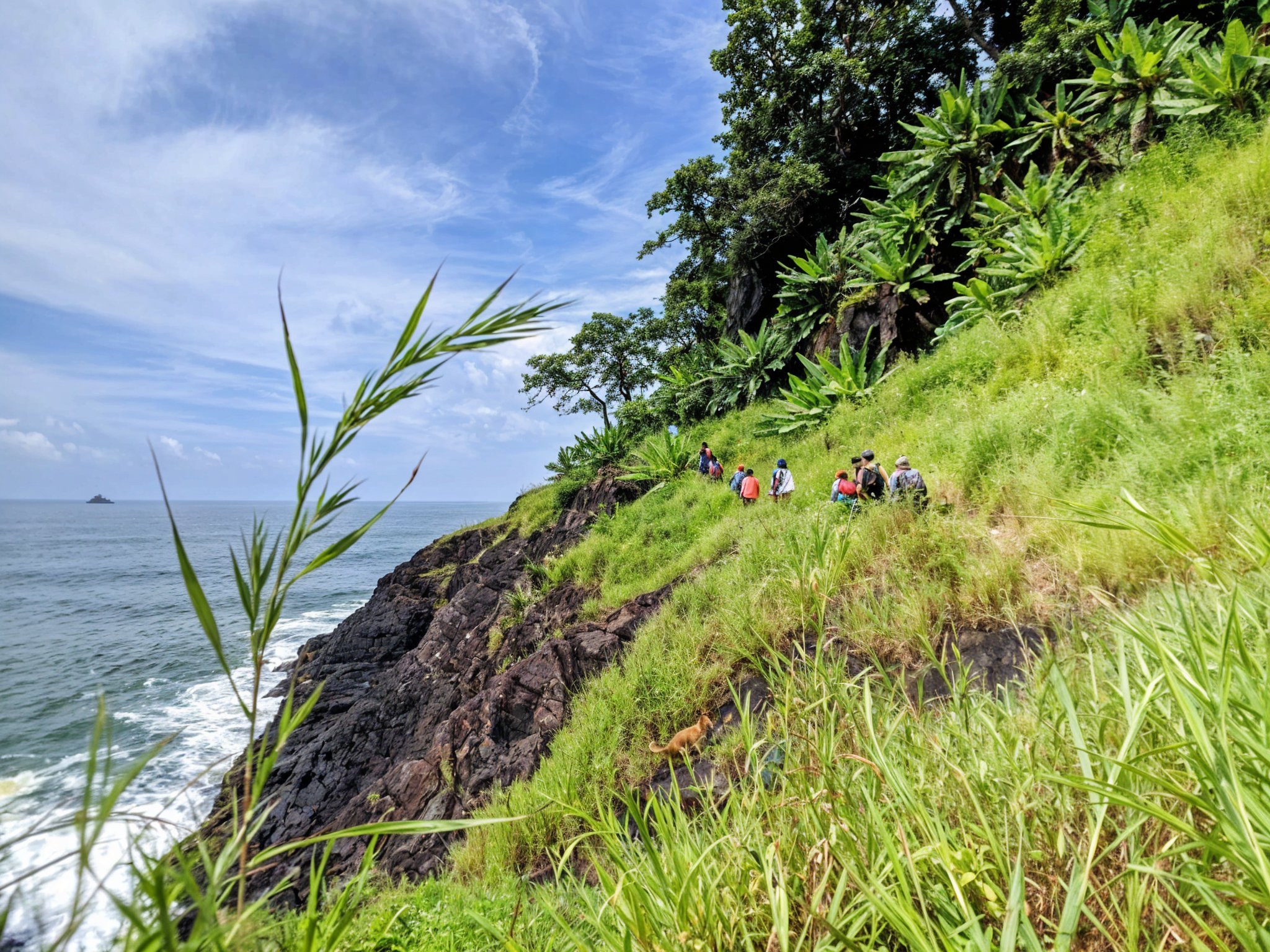
The Socorro Plateau is one of North Goa's most accessible laterite plateaus, locally known as 'Sada'. These plateaus are geological wonders—flat, rocky expanses that seem barren at first glance but are actually rich biodiversity hotspots. Unlike the dense jungles of the Western Ghats, the plateau offers an open, savanna-like environment consisting of grasslands and scrub forests.
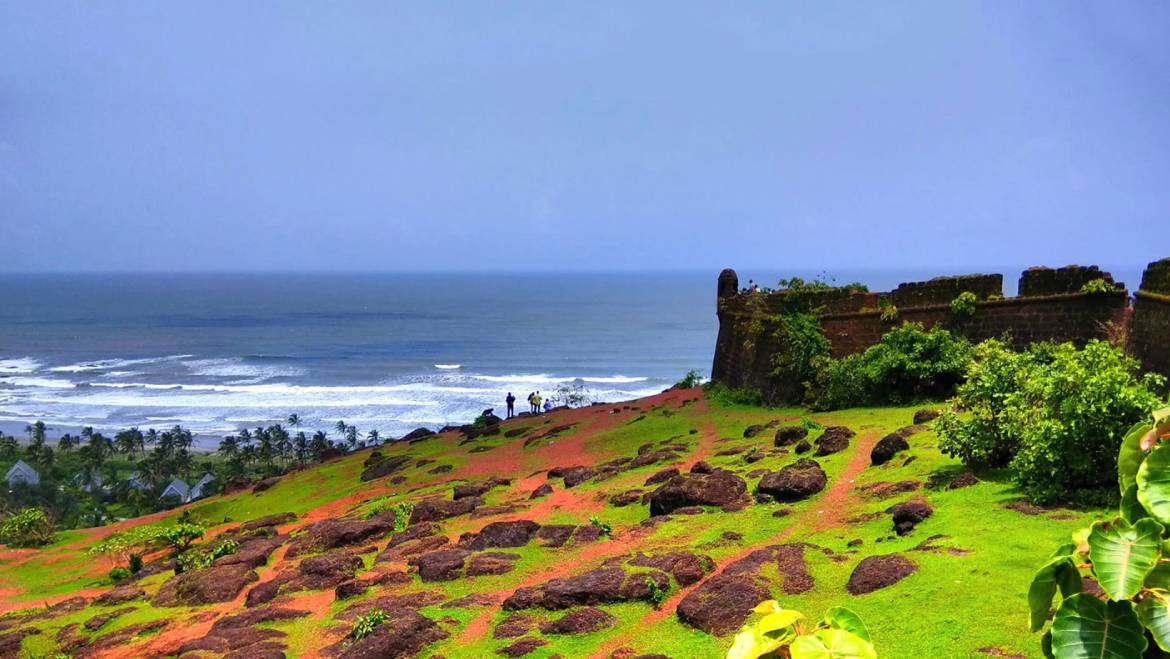
Walking this trail provides a different perspective of Goa. While most visitors stay on the coast, the plateau reveals the state's hinterland beauty, featuring expansive views of the surrounding valleys, traditional villages, and distant hills. It is a critical ecosystem for groundwater recharge and a sanctuary for specific bird species that thrive in open grasslands.
What to Expect on the Trail
The trail covers approximately 3 kilometers on mostly flat terrain. Because there is no significant elevation gain, it is a low-impact activity that focuses on observation rather than physical exertion. You will typically meet your guide near the Socorro Church or a designated village landmark before heading up to the plateau.
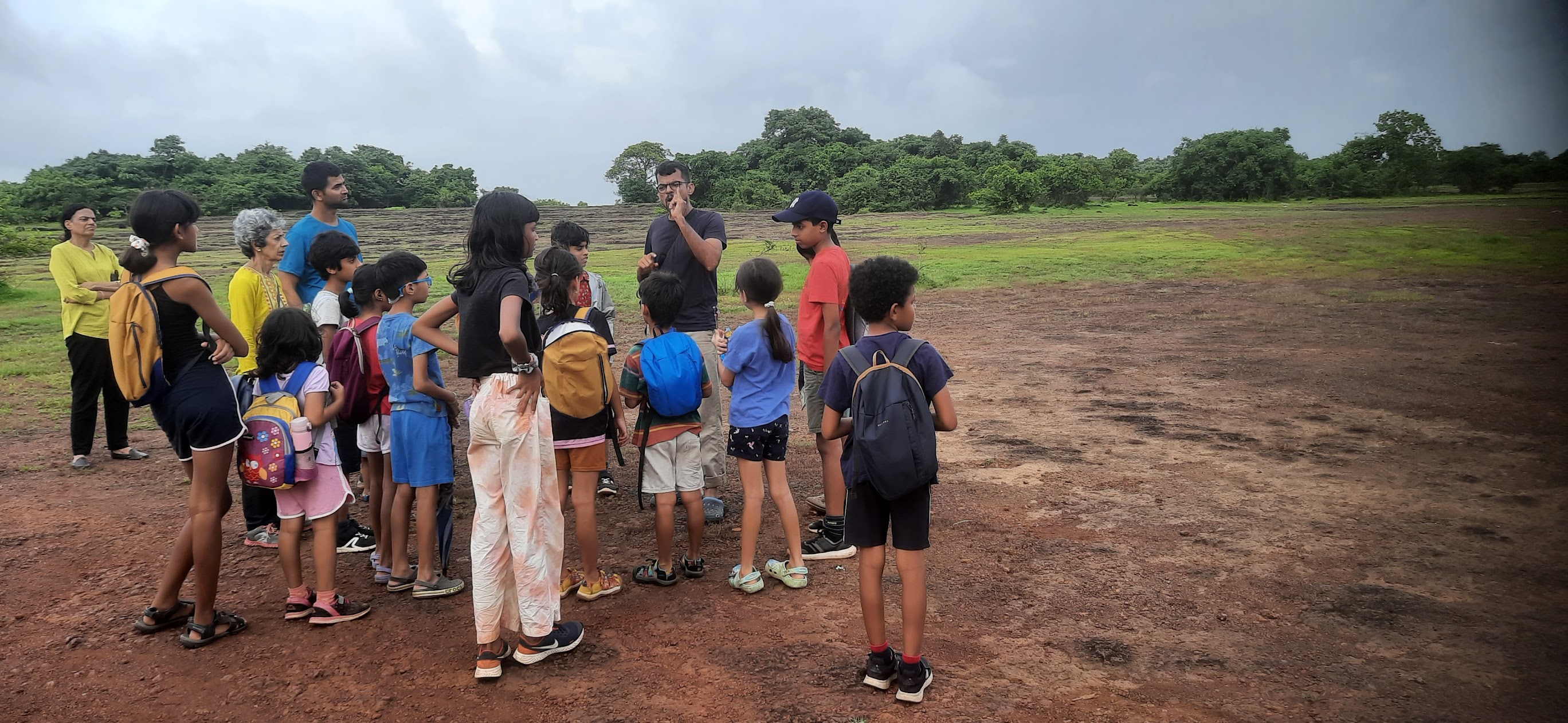
The walk takes you through patches of scrub forest where you can find local medicinal plants and hardy trees that survive the harsh summer sun. As you reach the open stretches, the landscape opens up completely, offering 360-degree views. Your guide will point out interesting rock formations, termite mounds, and seasonal water bodies that attract local wildlife.
Seasonal Transformations
The Socorro Plateau changes dramatically with the seasons, making it a different experience depending on when you visit:
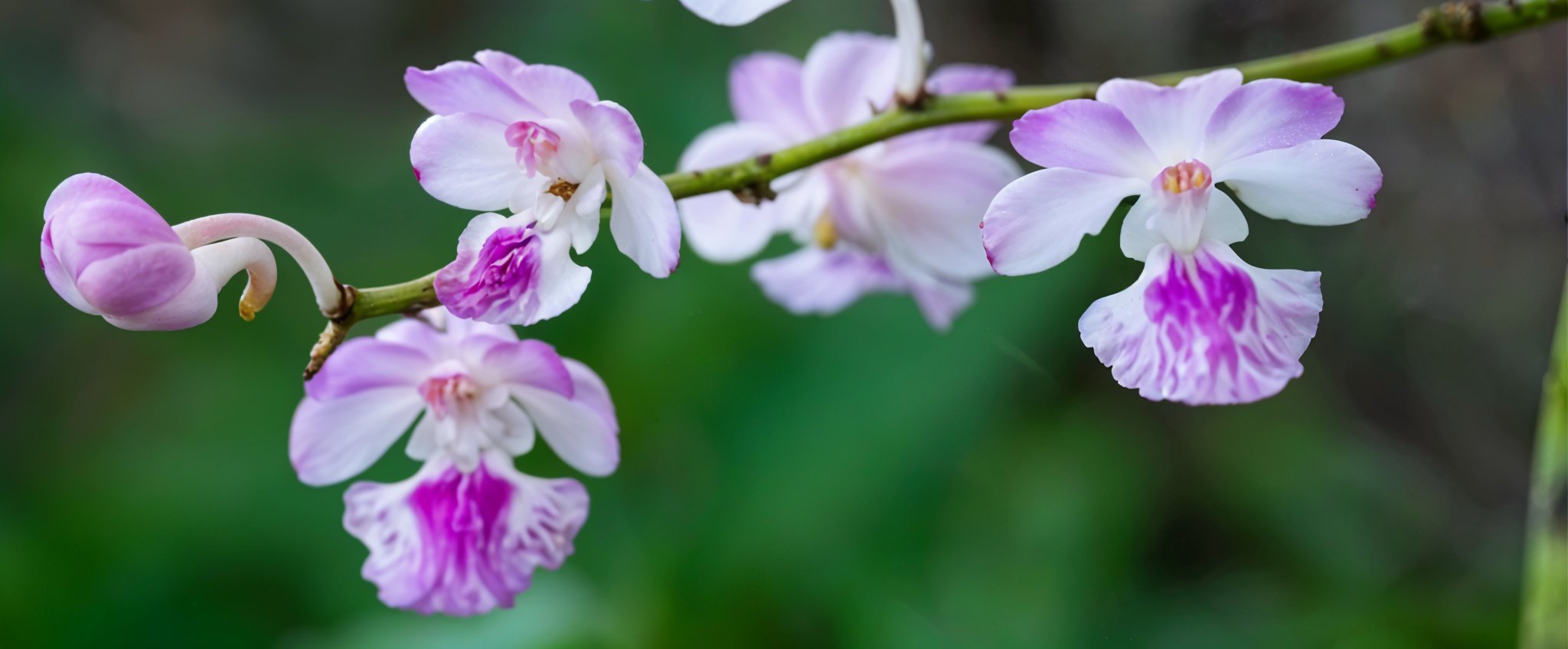
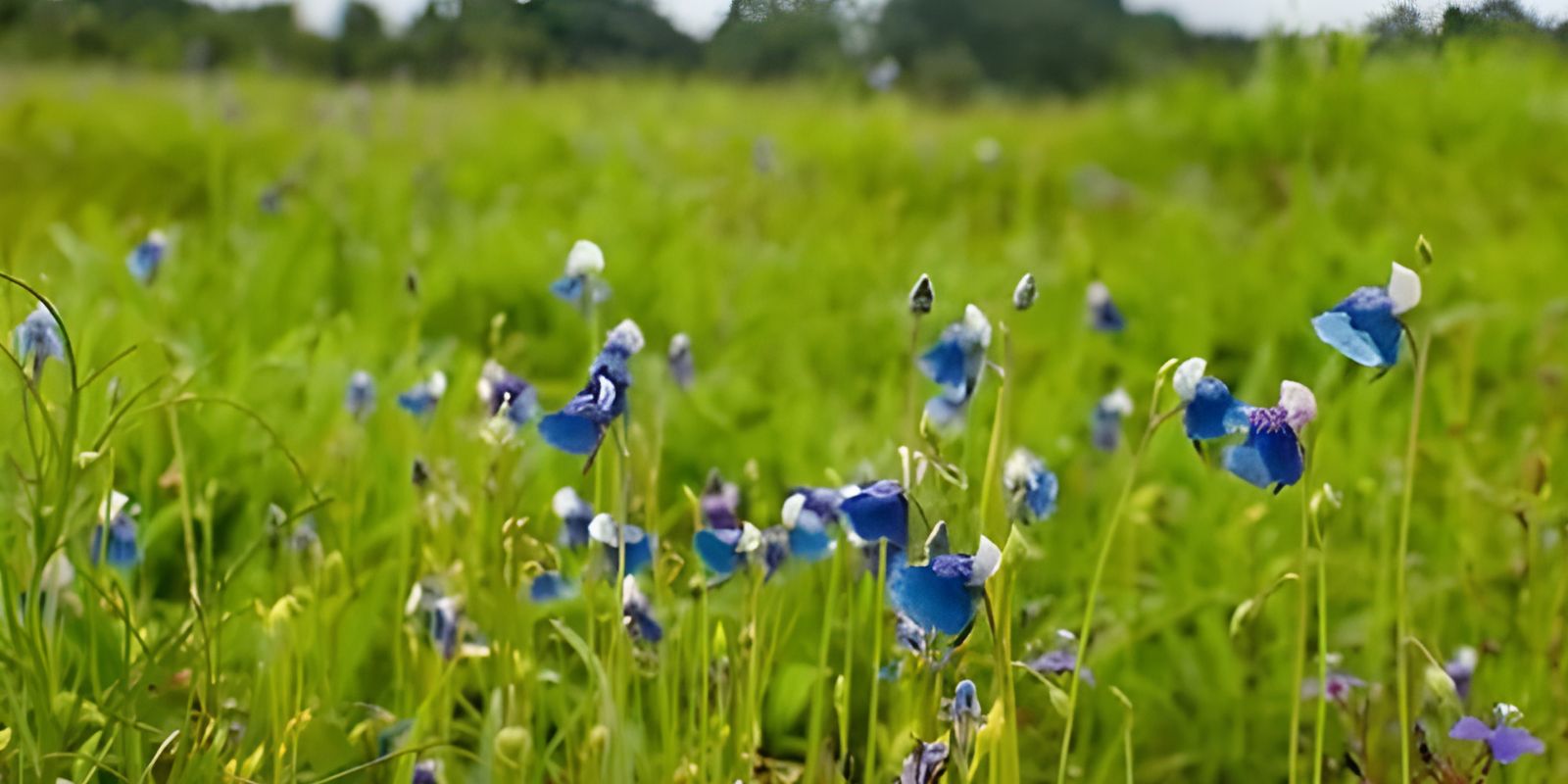
- Monsoon (June to September): The plateau turns into a vibrant carpet of green. This is the best time to see wildflowers, including insectivorous plants like Drosera and Utricularia. The air is cool, and seasonal ponds form across the rocky surface. Note: Trails can be slippery and muddy during heavy rain.
- Post-Monsoon & Winter (October to February): The grass turns golden, and the weather becomes pleasant. This is the peak season for birdwatching as migratory species arrive. The morning mist over the valleys is a highlight for photographers.
- Summer (March to May): The landscape becomes stark and brown. While it looks dry, this is the best time to spot reptiles and certain ground-nesting birds. Early morning starts are mandatory to avoid the heat.
Birdwatching and Wildlife
For bird enthusiasts, the Socorro Plateau is a well-known site for grassland and scrub-dwelling birds. Because the terrain is open, spotting birds is often easier here than in the thick forests of Mollem or Bhagwan Mahavir Sanctuary.
Key species often spotted include:
- Indian Bush Lark: Known for its distinctive hovering display.
- Crested Bunting: Often seen perched on low shrubs.
- Pied Bush Chat: A common but beautiful resident.
- Raptors: You may see Shikras or White-eyed Buzzards circling above the plateau.
- Winter Migrants: Look for the rare Red Avadavat or various species of Pipits and Wagtails.
Beyond birds, the plateau is home to the Indian Monitor Lizard, which can often be seen sunning itself on rocks. You might also encounter the Indian Hare or various butterflies like the Blue Tiger and Common Crow, especially near the flowering shrubs at the edge of the plateau.
Difficulty and Fitness Levels
This activity is rated as Easy. The path consists of flat, grassy, or gravelly tracks. There are no steep climbs or technical sections. It is perfectly suitable for:
- Families with children: Kids enjoy the open space and the chance to see lizards and butterflies.
- Senior citizens: The lack of incline makes it a comfortable walk for active seniors.
- Beginner hikers: If you are not used to trekking, this is a great 'entry-level' trail to test your comfort in the outdoors.
Practical Information for Travelers
Best Time to Start
Since the plateau has virtually no shade, timing is critical. We recommend starting at 8:00 AM for the morning session or 4:00 PM for the sunset session. Mid-day walks are not recommended as the laterite rock absorbs heat, making the environment uncomfortably hot.
What to Wear and Carry
To ensure a comfortable experience, please come prepared with:
- Footwear: Sturdy walking shoes or sneakers with good grip. Avoid flip-flops or sandals as the ground can be uneven.
- Sun Protection: A wide-brimmed hat, sunglasses, and high-SPF sunscreen are essential.
- Water: Carry at least 1.5 liters of water per person.
- Gear: Binoculars are highly recommended for birdwatching. A camera with a zoom lens is ideal for wildlife photography.
How to Reach the Trailhead
The Socorro Plateau is located in Porvorim, roughly 15 km from Panjim and 20 km from Calangute/Baga. Public transport: You can take a bus from Panjim to Socorro village, but you will need to walk about 1 km uphill to reach the actual starting point. Private transport: If you are driving, there is limited parking near the trailhead. For a hassle-free experience, we recommend booking a taxi or using a local ride-hailing service to reach the meeting point.
Nearby Local Attractions
If you have extra time before or after your hike, consider visiting:
- Our Lady of Socorro Church: A beautiful, historic church located in the heart of the village.
- Local Bakeries: Socorro and the neighboring village of Salvador do Mundo have small local 'paderias' where you can try fresh Goan bread (pao) in the mornings.
- Houses of Goa Museum: Located nearby in Torda, this unique architectural museum is worth a visit.
Safety and Conservation
The Socorro Plateau is a fragile ecosystem. Travelers are requested to stay on the designated paths to avoid stepping on ground-nesting birds or rare wildflowers. Littering is strictly prohibited; please carry all your plastic waste back with you. Your guide will provide a safety briefing regarding local flora and fauna—while snakes are present in the area, they generally avoid human activity, and sightings on the main trail are rare.
- Guided plateau walk (2 hours)
- Local English/Hindi speaking guide
- Birdwatching session with spotting assistance
- 500ml bottled water
- Basic first aid kit access
- Hotel pickup and drop-off
- Binoculars (please bring your own)
- Heavy snacks or meals
- Personal expenses
Have questions about this activity?
Chat with our local experts for instant help and best deals!