Guided Forest Night Trail in Mollem
per / person. Taxes & convenience fees might apply.
- Guided walk through the buffer zone of Bhagwan Mahavir Wildlife Sanctuary.
- Opportunity to spot nocturnal mammals like civets and porcupines.
- Expert identification of snakes, frogs, and insects by a naturalist.
- Educational briefing on the night ecology of the Western Ghats.
- Use of specialized red-light torches to observe animals without disturbance.
Exploring the Nocturnal Side of Mollem
While most visitors associate Goa with its coastline, the hinterlands of Mollem in South Goa house a dense tropical ecosystem that transforms completely after sunset. The Forest Night Trail is a structured walk through the buffer zones of the Bhagwan Mahavir Wildlife Sanctuary. This experience is not a high-speed trek but a slow, observant walk where the focus is on the smaller, often overlooked inhabitants of the forest.
As the sun sets, the diurnal animals retreat, and the nocturnal shift begins. This is when the forest truly comes alive with a different set of sounds and movements. Walking through the forest at night requires a different set of skills—listening for the rustle of dry leaves, spotting the eye-shine of a mammal in the canopy, or identifying the specific call of a nightjar. Our guides are trained to navigate these trails safely while ensuring minimal disturbance to the wildlife.
Why Travelers Choose This Activity
Many travelers choose this trail because it offers a perspective of Goa that is entirely different from the beach scene. It appeals to those who have an interest in herpetology, ornithology, or general ecology. Unlike a standard safari, this is an on-foot experience, allowing for a much closer look at insects, amphibians, and flora. It is also a preferred activity for wildlife photographers who want to capture macro shots of frogs or reptiles that are active only at night.
What to Expect on the Trail
The activity typically begins at a designated meeting point near the Mollem National Park entrance around dusk. After a brief orientation regarding safety and the use of equipment, you will head into the trail. The walk covers approximately 2 to 3 kilometers on relatively flat but uneven forest paths.
The First Hour: This is the transition period. You might see the last of the day birds returning to their roosts while the first bats begin to emerge. Your guide will use this time to explain the forest structure and what to look for.
The Peak Night Experience: Once darkness fully sets in, the guide will use specialized red-light torches. Red light is less intrusive to nocturnal animals, as many species cannot perceive it well, allowing us to observe their natural behavior without causing them to flee. You will stop frequently to listen. The guide will point out camouflaged creatures that an untrained eye would easily miss.
Wildlife You Might Encounter
While wildlife sightings are never guaranteed, the Mollem region is rich in biodiversity. On a typical night, you might encounter:
- Mammals: The Small Indian Civet, Common Palm Civet, and the Indian Crested Porcupine are frequently spotted. If you are lucky, you might see the Flying Squirrel gliding between trees.
- Birds: Look for the Mottled Wood Owl, Indian Scops Owl, and the Jerdon’s Nightjar. Their calls are a constant backdrop to the walk.
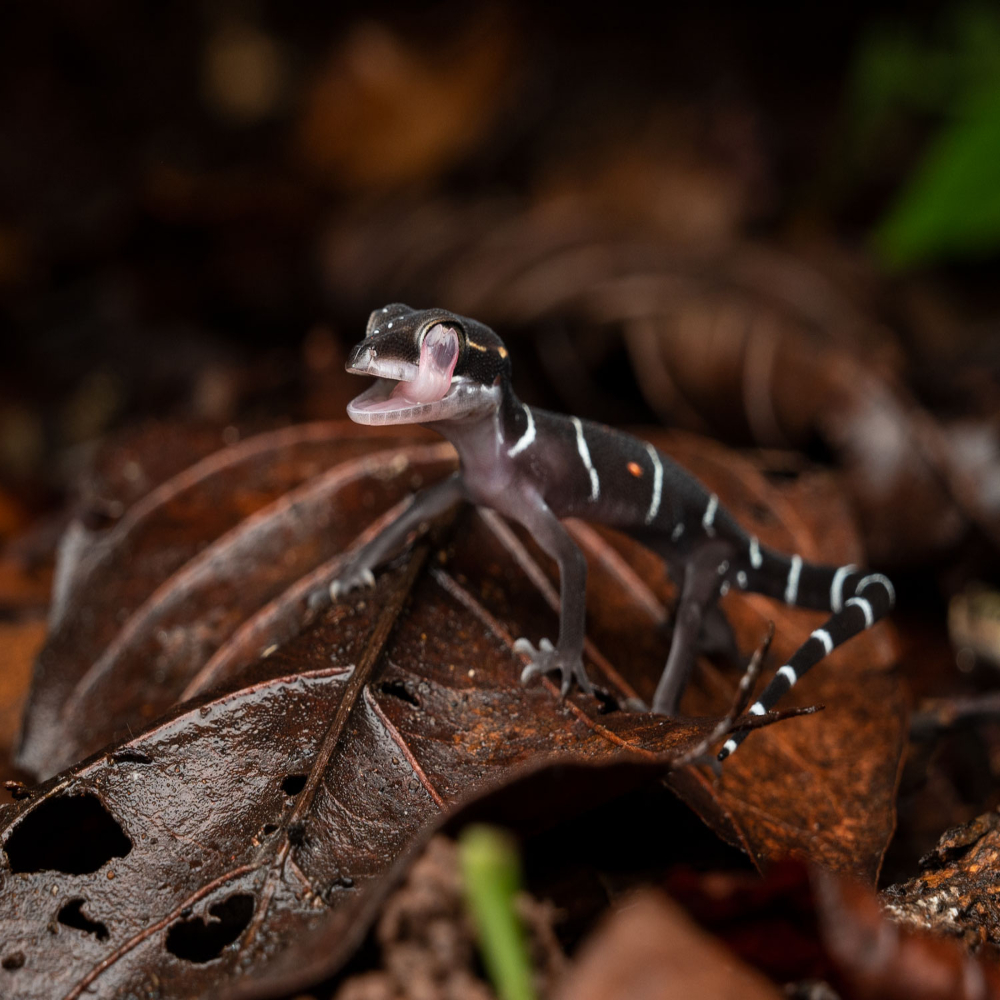
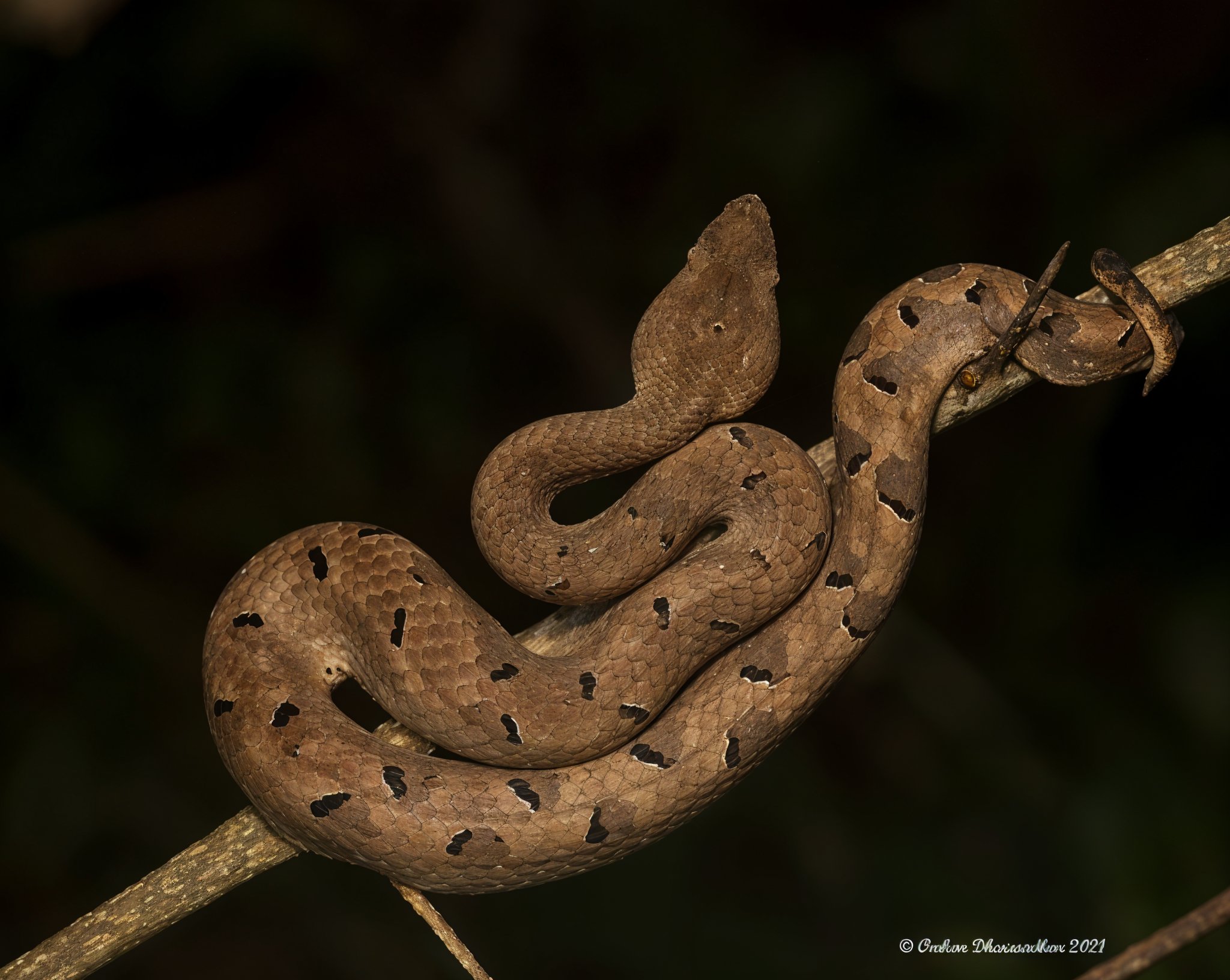
- Reptiles: This region is famous for its snakes. You might see the Malabar Pit Viper (often found perched on low bushes), the Common Cat Snake, or the Hump-nosed Pit Viper.
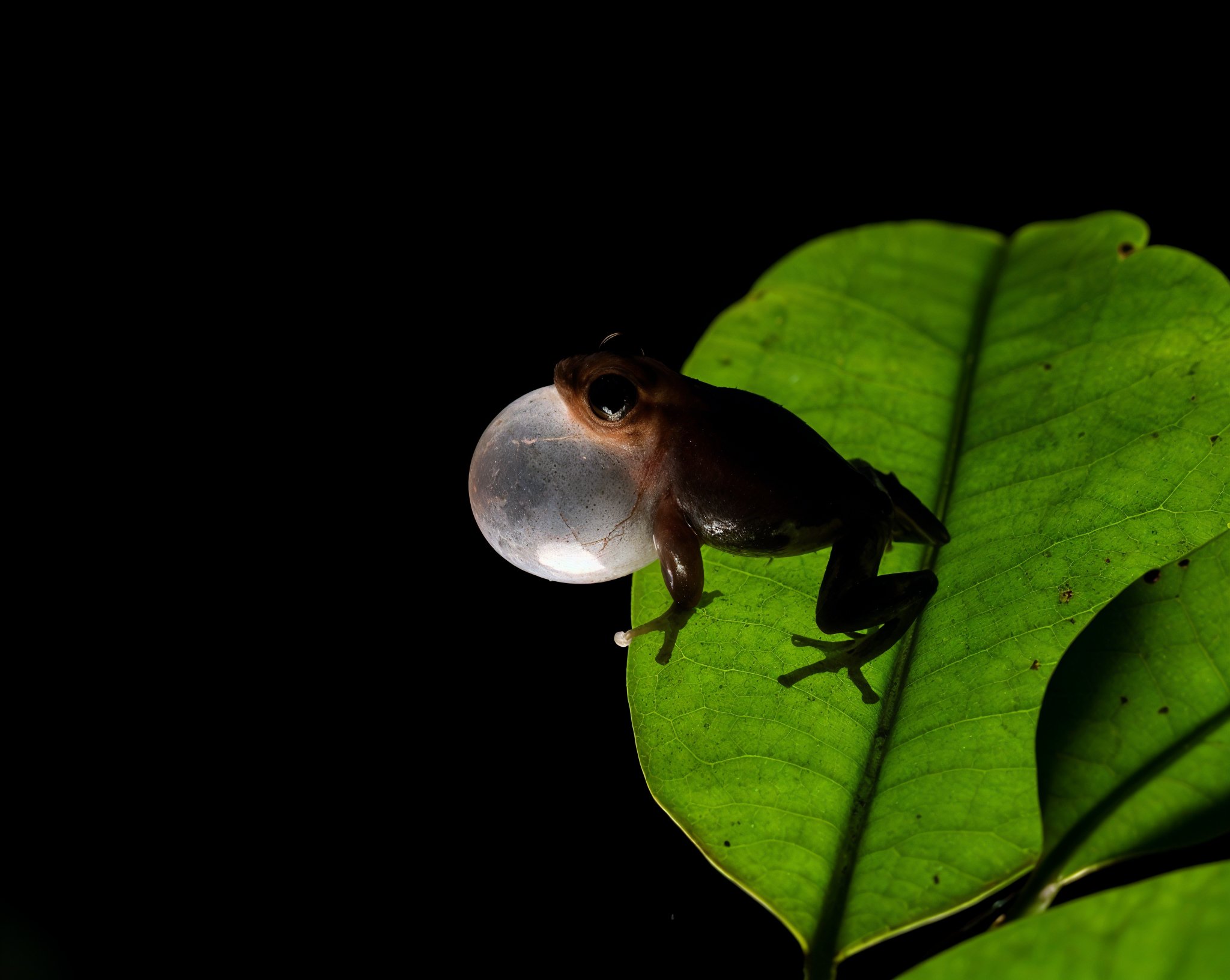
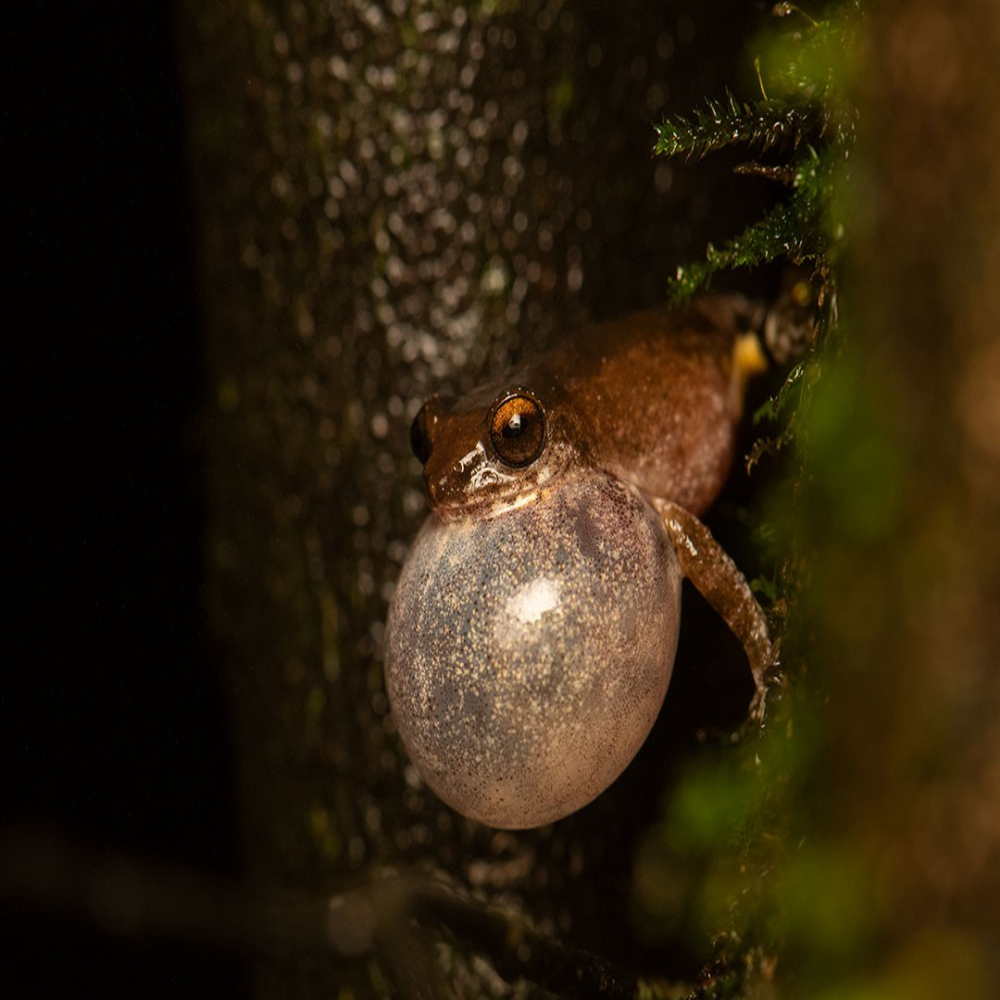
- Amphibians: Especially during and after the monsoon, the forest floor and streams are home to the Malabar Gliding Frog and various species of bush frogs.
- Insects and Arachnids: From giant wood spiders to bioluminescent fireflies (seasonal) and scorpions that glow under UV light.
Difficulty Level and Terrain
The difficulty level is Easy to Moderate. The path is mostly flat, but since it is a forest trail, you will encounter roots, loose rocks, and occasionally muddy patches. It does not require high levels of physical fitness, but you should be comfortable walking for about 2.5 hours at a slow pace. It is suitable for anyone from age 7 to 65 who is mobile and comfortable in a dark environment.
Safety Information
Safety is the primary concern on any night trail. We follow strict protocols to ensure a safe experience:
- Guided Only: You will always be accompanied by a naturalist who knows the terrain and the behavior of the local wildlife.
- Snake Safety: Guides are trained in identifying venomous and non-venomous snakes. A safe distance is always maintained.
- Communication: Guides carry basic first aid and are in communication with the base point.
- Group Integrity: Participants are required to stay behind the guide and not wander off the marked path.
Best Time to Visit
The best time for the Forest Night Trail is from October to May. During these months, the weather is pleasant, and the trails are easily accessible.
- Winter (November to February): Ideal for spotting mammals and owls. The air is crisp, and the undergrowth is less dense.
- Summer (March to May): Good for reptiles as they are more active in the warmth.
- Monsoon (June to September): This is the best time for amphibians and bioluminescent fungi. However, be prepared for leeches and heavy rain. The trails can be slippery, so sturdy waterproof boots are a must.
What to Wear and Carry
To ensure your comfort and safety, we recommend the following:
- Clothing: Wear long-sleeved shirts and full-length trousers to protect against insect bites and thorny bushes. Muted colors like olive green, brown, or grey are preferred.
- Footwear: Sturdy, closed-toe shoes or hiking boots are mandatory. Do not wear sandals or flip-flops.
- Insect Repellent: Apply a good quality repellent before starting the trail.
- Water: Carry a small reusable water bottle.
- Flashlight: While the guide provides high-powered lights, carrying a small headlamp or torch for personal use is helpful.
Family and Beginner Friendliness
This activity is very beginner-friendly. You don't need prior experience in trekking or wildlife spotting. For families, it serves as a great practical biology lesson for children. However, we recommend that children be at least 7 years old so they can remain quiet and follow the guide's instructions for the duration of the walk.
Nearby Attractions
If you are traveling to Mollem for the night trail, you might want to visit these nearby spots during the day:
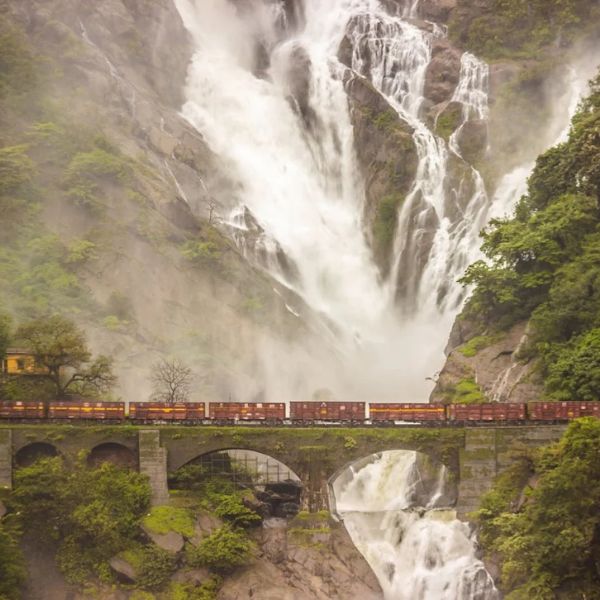
- Dudhsagar Falls: The jeep safari to the falls usually happens in the morning and afternoon.
- Tambdi Surla Temple: A 12th-century Shaivite temple located about 30 minutes from Mollem.
- Bondla Wildlife Sanctuary: A smaller sanctuary nearby that is great for families.
Local Travel and Parking
The trail starts near the Mollem National Park check post. There is ample parking space for private cars and bikes. If you are coming from North Goa (Calangute/Baga), it is a 1.5 to 2-hour drive. From Margao, it takes about 1 hour. Since the trail ends late (around 9:30 PM or 10:00 PM), we recommend arranging a private taxi or driving yourself, as public transport is non-existent at that hour.
Important Booking Information
Please note that this activity is subject to weather conditions. In case of extreme weather or forest department restrictions, the trail may be rescheduled or canceled with a full refund. We maintain small group sizes (usually capped at 6-8 people) to ensure a high-quality experience and minimal impact on the environment. Private trails for photographers or couples can also be arranged upon request.
- Expert naturalist guide
- Forest entry permits
- Use of high-powered torches (red light)
- Post-trail tea or coffee
- Basic first aid support
- Hotel pickup and drop-off
- Dinner
- Personal insect repellent
- Professional camera fees (if applicable by forest dept)
Have questions about this activity?
Chat with our local experts for instant help and best deals!