Guided Nature Exploration on Chorao Island
per / person. Taxes & convenience fees might apply.
- Guided walk led by a professional wildlife biologist.
- Explore the unique Khazan wetland farming system.
- Birdwatching in one of Goa’s most diverse avian habitats.
- Detailed insights into mangrove ecology and local conservation.
- Potential sightings of Mugger crocodiles and otters.
An Authentic Look at Chorao Island’s Ecology
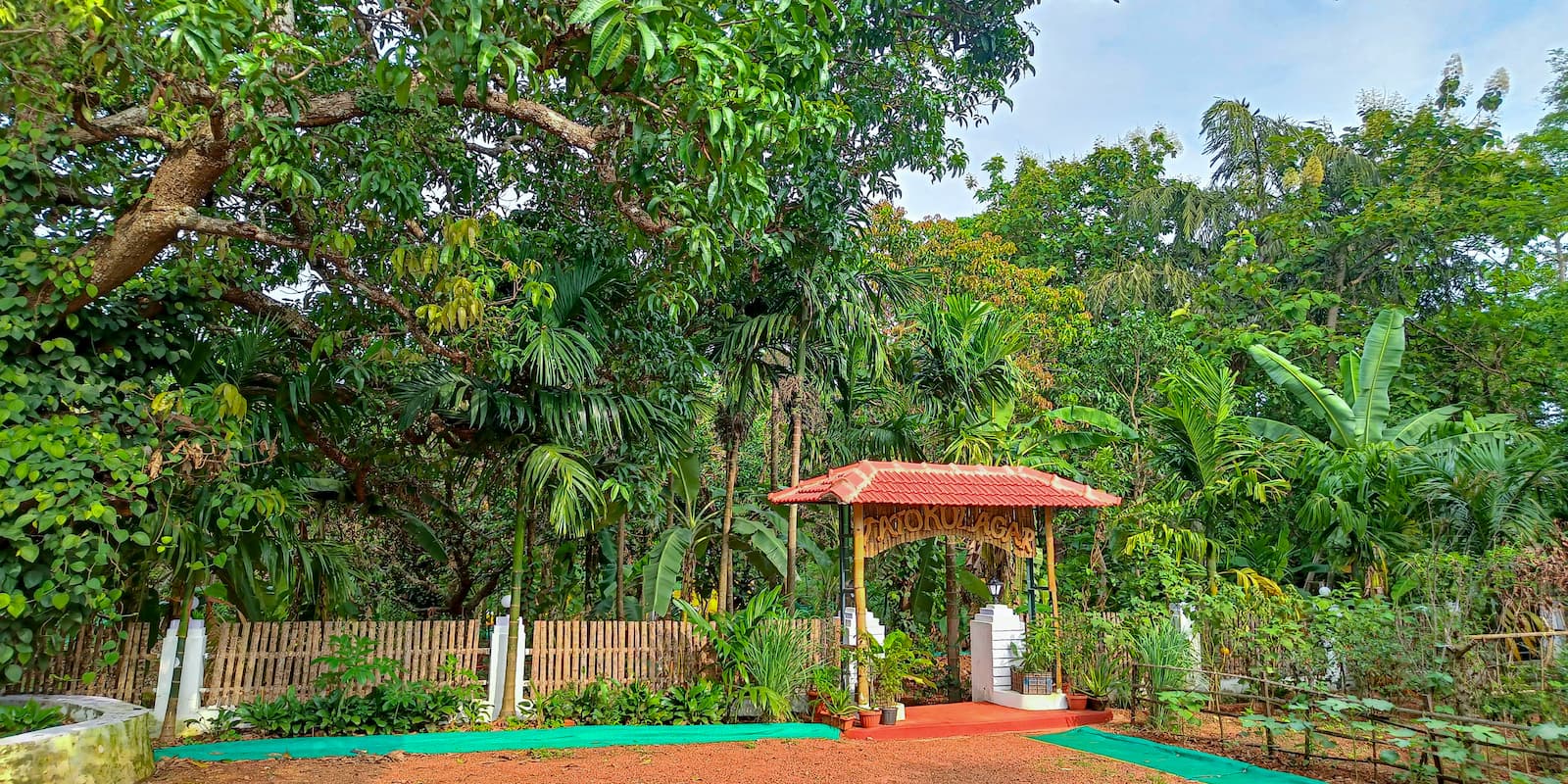
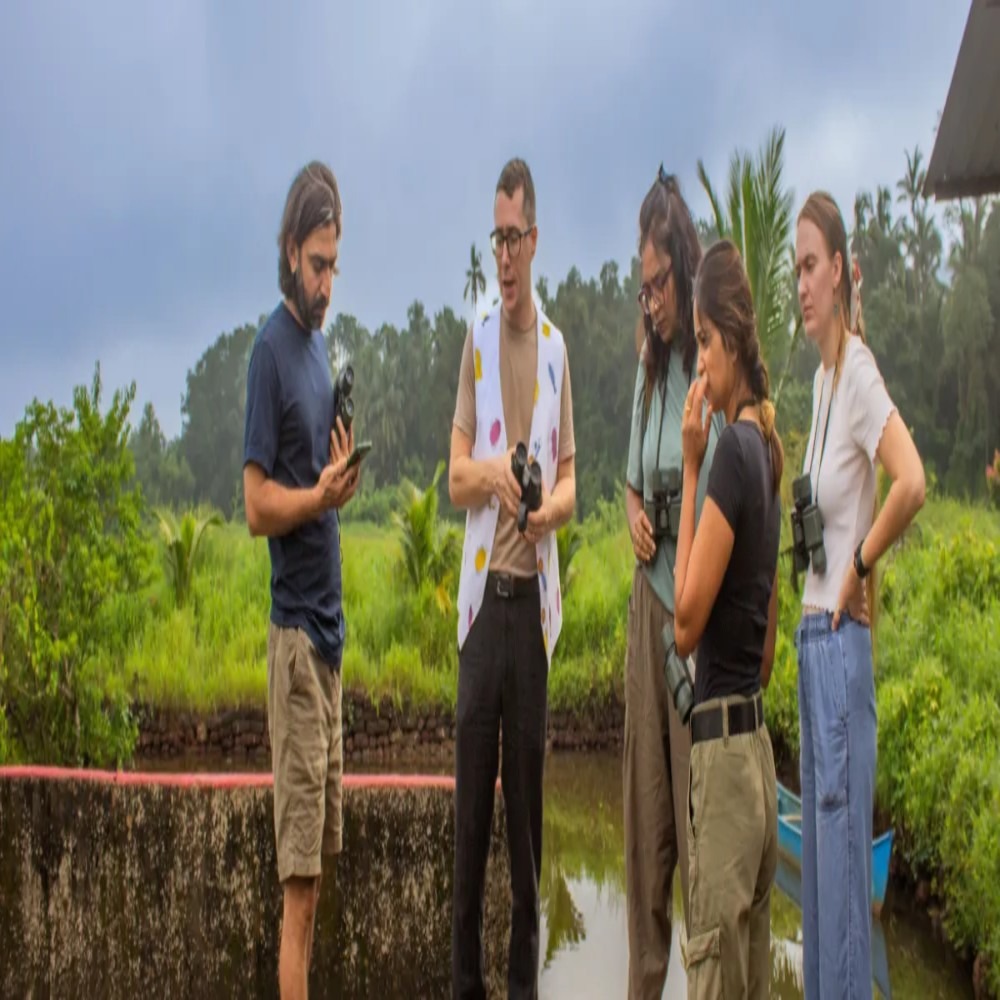
Chorao Island is the largest of the islands in the Mandovi River, located just a short ferry ride from the mainland at Ribandar. While many visitors only see the periphery of the Dr. Salim Ali Bird Sanctuary, this nature exploration takes you deeper into the island’s interior. You will walk through a mix of habitats including mangrove forests, traditional Khazan lands (ancient reclaimed wetlands), and local village paths.
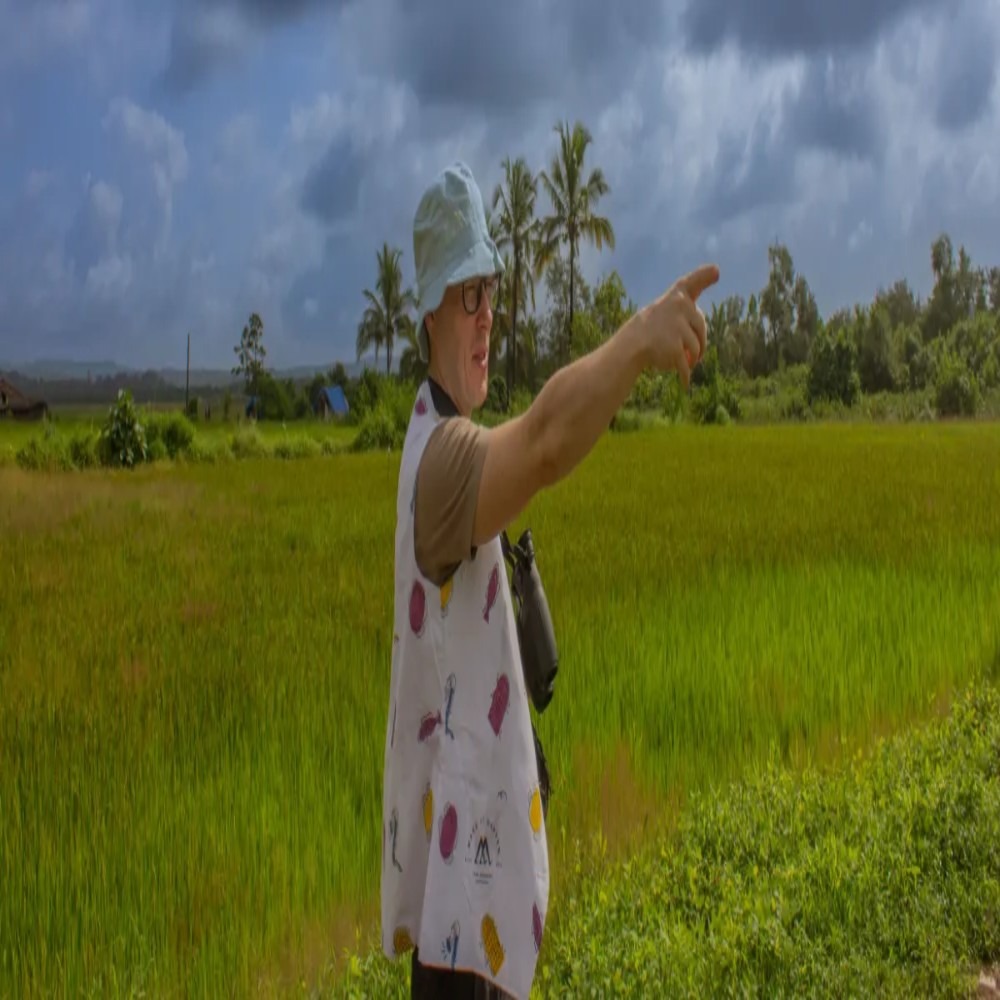
This is not a high-speed boat tour; it is a slow-paced, observational walk. The focus is on understanding how the local ecosystem functions and how the residents of Chorao have lived in harmony with the tides for centuries. You will observe the intricate root systems of mangroves, learn about salt-tolerant flora, and see how the traditional sluice gates (manus) manage water levels in the fields.
Why Travelers Choose This Activity
Most travelers visit Goa for the coastline, but Chorao offers a completely different perspective. Travelers choose this walk because it is led by a practicing wildlife biologist, providing a level of insight you won't get from a standard tour guide. It is a chance to see rare bird species, mugger crocodiles, and unique estuarine biology in a setting that feels worlds away from the tourist hubs of North Goa.
Key Features of the Exploration:
- Expert Guidance: Learn from Kilian Hughes, who provides scientific context to everything you see.
- Birdwatching: Chorao is home to over 100 species of birds, including various Kingfishers, Herons, Egrets, and migratory raptors.
- The Khazan System: Discover the 3,500-year-old traditional Goan engineering used to manage wetlands for agriculture and aquaculture.
- Low Impact: This is a sustainable, foot-based tour that respects the local environment and wildlife.
What to Expect on the Day
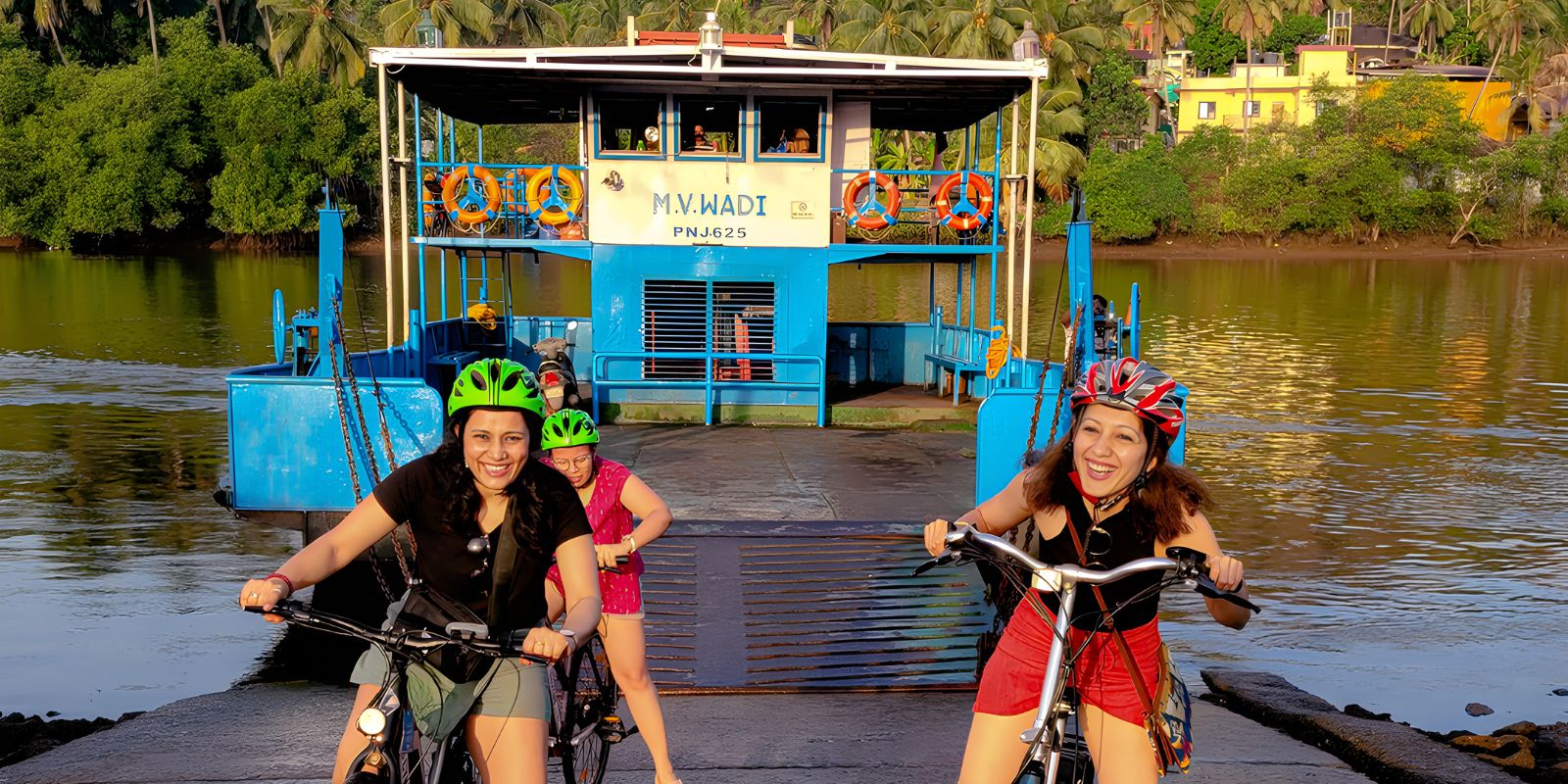
Your morning begins at the Ribandar ferry ramp. Taking the ferry is part of the local experience—it's a free service for pedestrians and a vital lifeline for islanders. Once you cross the river, you will meet your naturalist and begin the walk.
The route typically covers about 3 to 5 kilometers of flat terrain. You will walk along the bunds (embankments) that separate the river from the fields. These paths offer elevated vantage points for spotting wildlife. Your guide will carry shared binoculars and may use a field guide to help identify specific species of flora and fauna.
The Landscape
You will encounter different types of mangroves, such as Rhizophora mucronata and Avicennia marina. The guide will explain how these trees breathe through pneumatophores and filter salt to survive in brackish water. Depending on the tide, you might see Mugger Crocodiles basking on the mudflats or Fiddler Crabs scurrying near the water's edge.
Difficulty and Accessibility
This activity is rated as Easy. The terrain is flat, though the paths can be narrow and occasionally muddy. It is suitable for children aged 6 and above, as well as seniors who are comfortable walking for a couple of hours. Because the paths are often dirt bunds, this activity is not wheelchair accessible.
Best Time to Visit
The prime season for nature exploration is from October to March. During these months, the weather is pleasant, and the island hosts a large number of migratory birds flying in from Siberia and Central Asia. The best time of day is the early morning (around 7:30 AM) when bird activity is at its peak and the temperature is cool.
Monsoon Suitability
Chorao is incredibly lush during the monsoon (June to September). While birdwatching is different during this time, the island’s flora is at its most vibrant. If you visit during the monsoon, sturdy waterproof footwear is essential as trails can be slippery. Leeches are present in some areas during the rains, but your guide will provide advice on how to manage this.
What to Wear and Carry
To make the most of your walk, we recommend the following:
- Clothing: Wear lightweight, breathable cotton clothes. Choose muted colors (greens, browns, or greys) to avoid startling the birds.
- Footwear: Closed-toe walking shoes or sneakers with a decent grip are mandatory. Avoid flip-flops.
- Sun Protection: A hat and sunscreen are necessary, as parts of the walk are in open sun.
- Hydration: Carry a reusable water bottle.
- Gear: If you have your own binoculars or a camera with a zoom lens, definitely bring them.
Location and Transport Information
The meeting point is the Chorao Ferry Point on the island side. To get there, you must take the ferry from Ribandar (near Panjim). Ferries run every 15 minutes and are very reliable.
How to get to Ribandar:
Ribandar is about a 15-minute drive from Panjim and 45 minutes from Calangute/Baga. If you do not have your own transport, it is highly recommended to book a taxi in advance. For reliable transport to the ferry point, you can book through pavancab.com or contact local drivers via WhatsApp at +918180951176. There is limited parking available near the Ribandar ferry ramp if you are driving yourself.
Important Booking Information
Please note that this activity requires 48 hours prior confirmation. This allows the naturalist to monitor local conditions and tide timings to ensure the best possible experience. The tour is conducted in English, but the visual nature of the walk makes it enjoyable for everyone.
Nearby Attractions
If you wish to make a full day of it, you can explore more of Chorao after your walk:
- Dr. Salim Ali Bird Sanctuary: Located right at the ferry point, you can take a boat ride through the canals.
- Mayem Lake: About a 30-minute drive from the island, offering pedal boating and a quiet park.
- Old Goa: The historic churches of Old Goa are just a 10-minute drive from the Ribandar ferry point.
- Professional Naturalist Guide
- Shared use of binoculars
- Field guides for identification
- Light snack (local fruit)
- Hotel pickup and drop-off
- Ferry charges (minimal fee for vehicles, free for pedestrians)
- Bottled water
- Heavy meals or lunch
Have questions about this activity?
Chat with our local experts for instant help and best deals!