Curdi Underwater Village Walking Tour
per / person. Taxes & convenience fees might apply.
- Explore the ruins of a village submerged for over 40 years
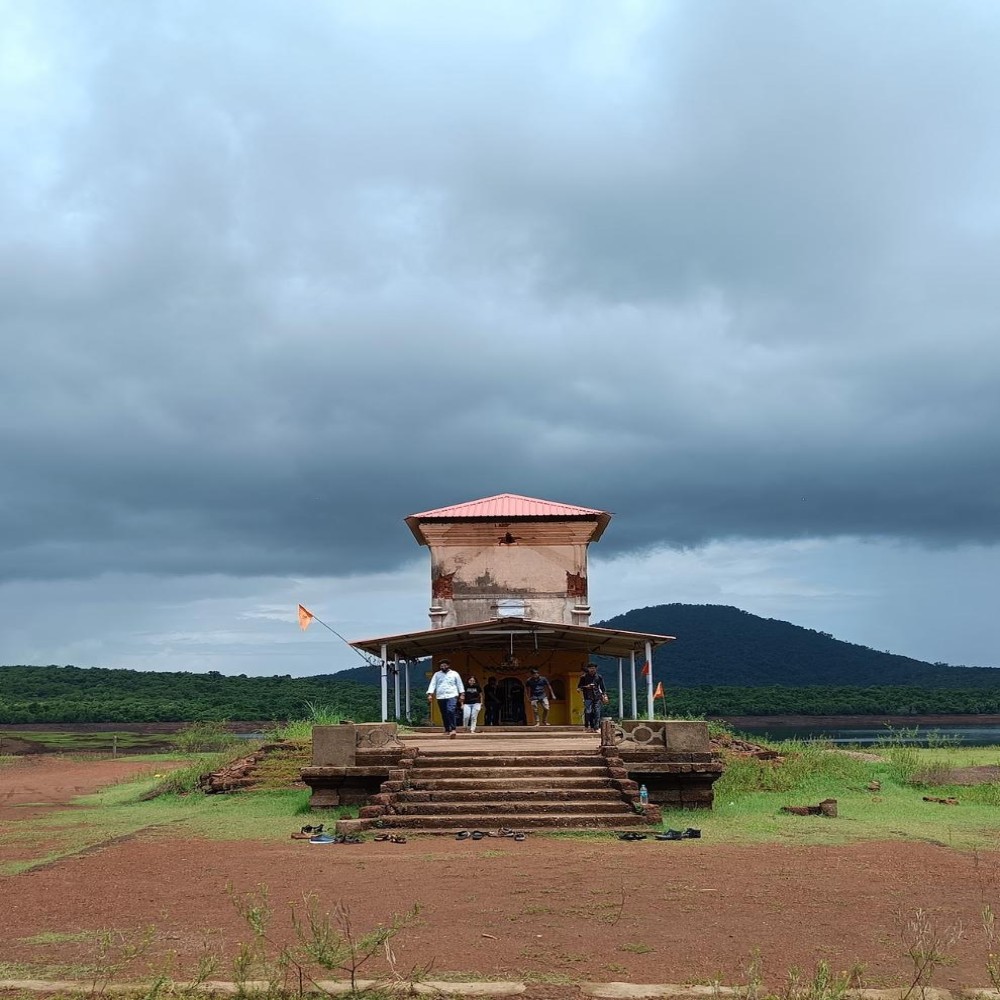
- Visit the 10th-century Someshwar Temple ruins
- Discover prehistoric rock carvings and petroglyphs
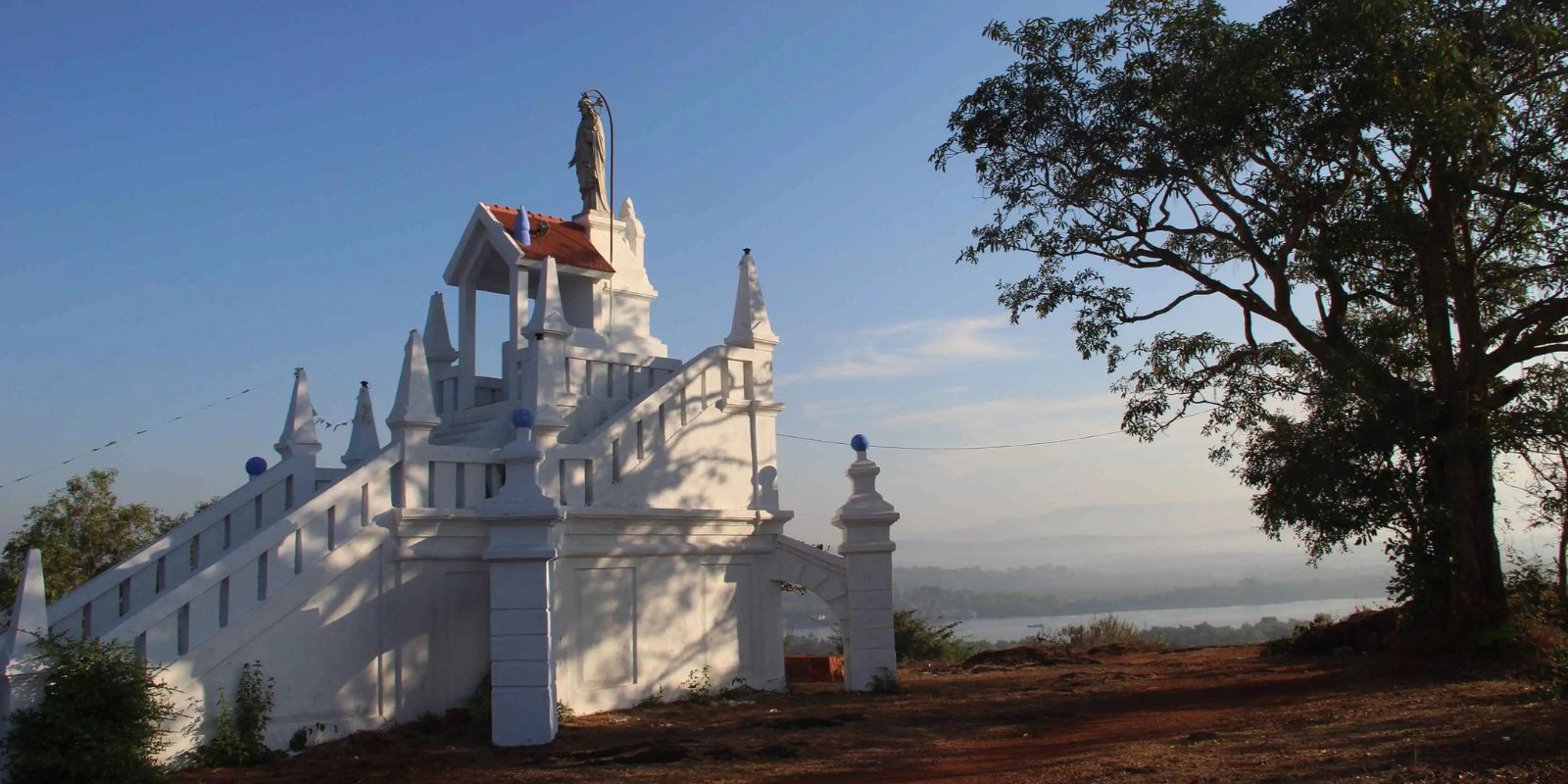
- Walk through the sun-bleached remains of St. Anthony's Church
- Learn about the history of the Selaulim Dam and the displaced community
- Experience a unique seasonal landscape available only 2 months a year
Understanding the Curdi Phenomenon
The story of Curdi (often spelled Kurdi) is one of sacrifice and progress. Located in the Sanguem taluka of South Goa, this once-thriving village was home to over 3,000 people who lived in the fertile valley of the Salaulim River. In the 1960s and 70s, the decision was made to construct the Selaulim Dam to provide drinking and irrigation water to most of South Goa. By the early 1980s, the dam was completed, and the village of Curdi was entirely submerged under the reservoir's waters.
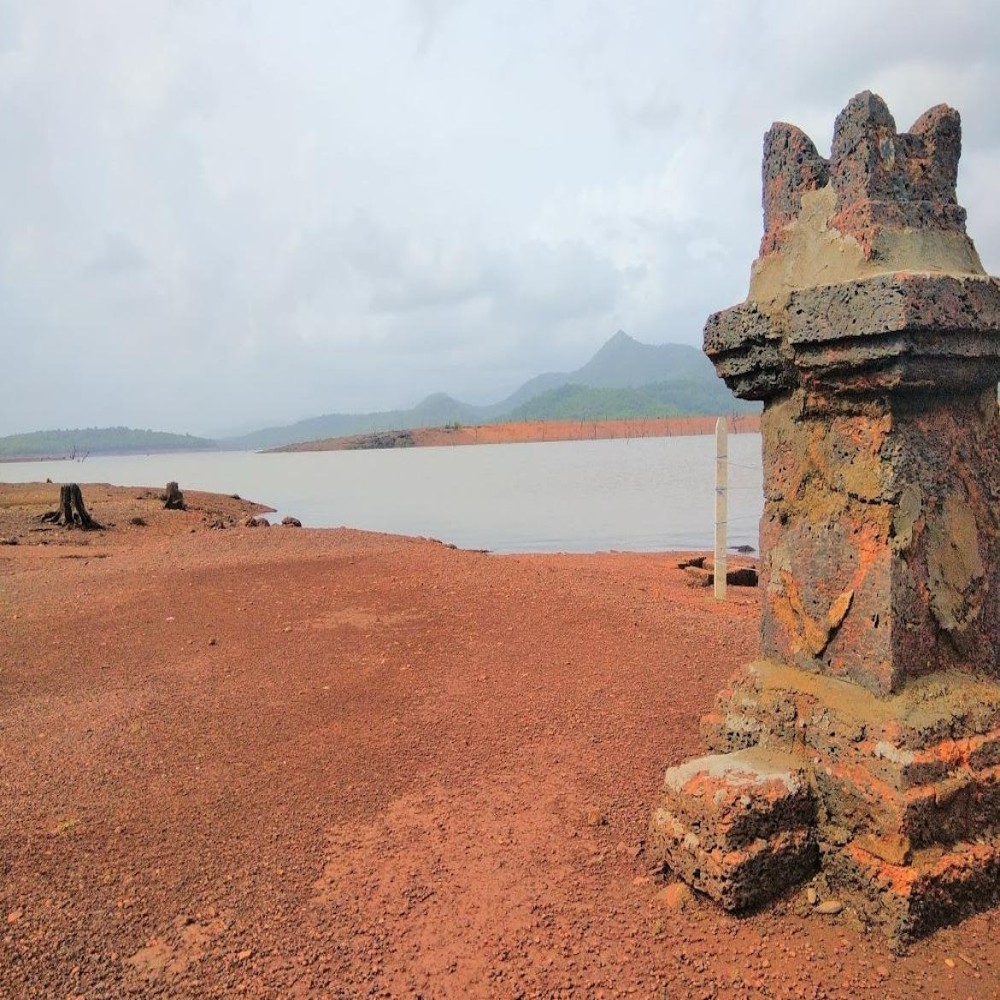
However, every year during the peak of summer—specifically April and May—the water levels in the reservoir recede significantly. As the water draws back, the ghost village of Curdi slowly reveals itself. This is not just a tourist attraction; it is a poignant historical site where the foundations of homes, places of worship, and public buildings stand as a testament to a community that gave up its land for the greater good of the state.
What You Will See on the Tour
Walking through Curdi is a surreal experience. The landscape is often described as post-apocalyptic, with cracked mud flats and sun-bleached ruins stretching across the valley. Because the village is only visible for about eight weeks a year, the experience feels exclusive and time-sensitive.
The Someshwar Temple
One of the most significant structures is the Someshwar Temple. While many structures crumbled over decades of being underwater, this 10th-11th century temple (dedicated to Lord Shiva) remains remarkably intact. Interestingly, the main idol was moved to a higher location before the flooding, but the stone structure itself remains at the original site. It is a focal point for the original villagers who return here for an annual festival when the waters recede.
St. Anthony’s Church
The ruins of the St. Anthony’s Church are another highlight. You can still see the crumbling walls and the facade of what was once a central gathering place for the local Christian community. Like the temple, the church becomes a site of pilgrimage for displaced families during the dry months, who come to offer prayers and reconnect with their roots.
Prehistoric Rock Carvings
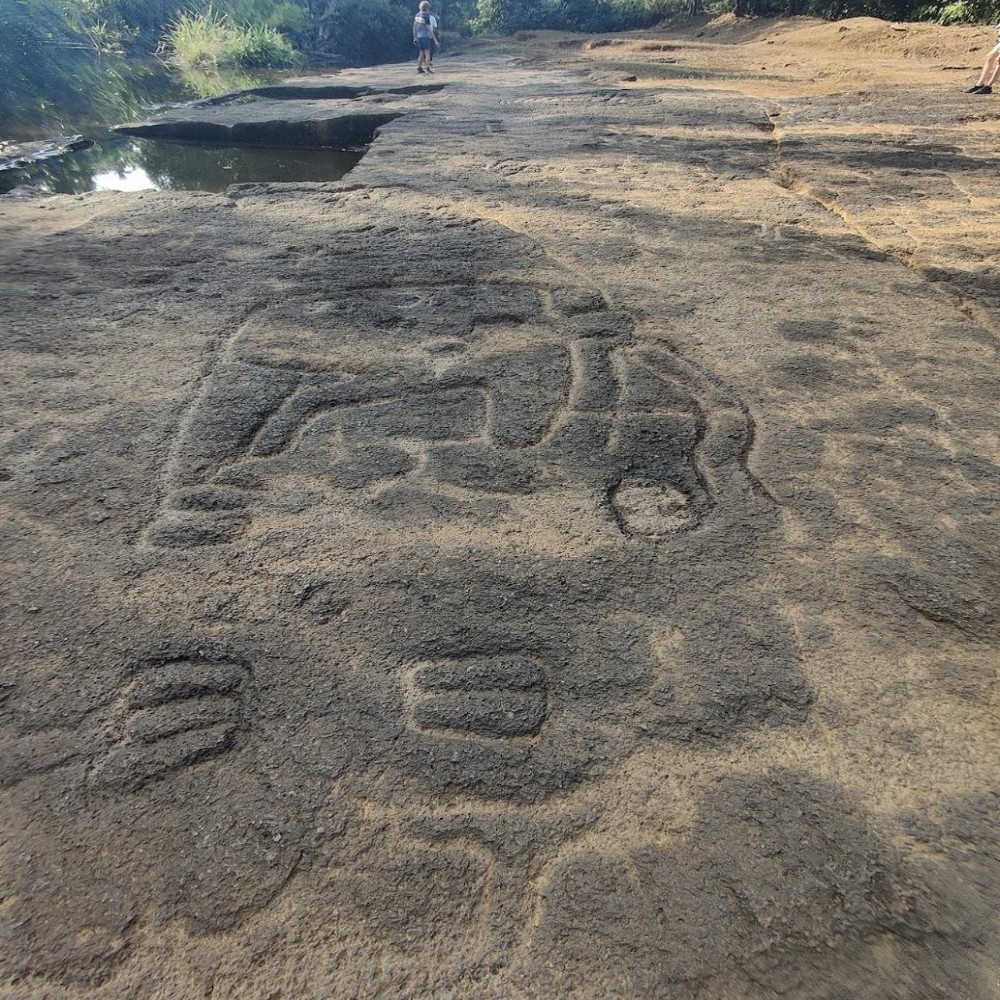
Few travelers realize that Curdi was a site of immense archaeological importance long before the dam. The area contains prehistoric rock carvings (petroglyphs) dating back thousands of years. These carvings, featuring animal figures and geometric patterns, are visible on the laterite platforms near the riverbed. Our guides help identify these often-overlooked treasures of Goan history.
Village Infrastructure
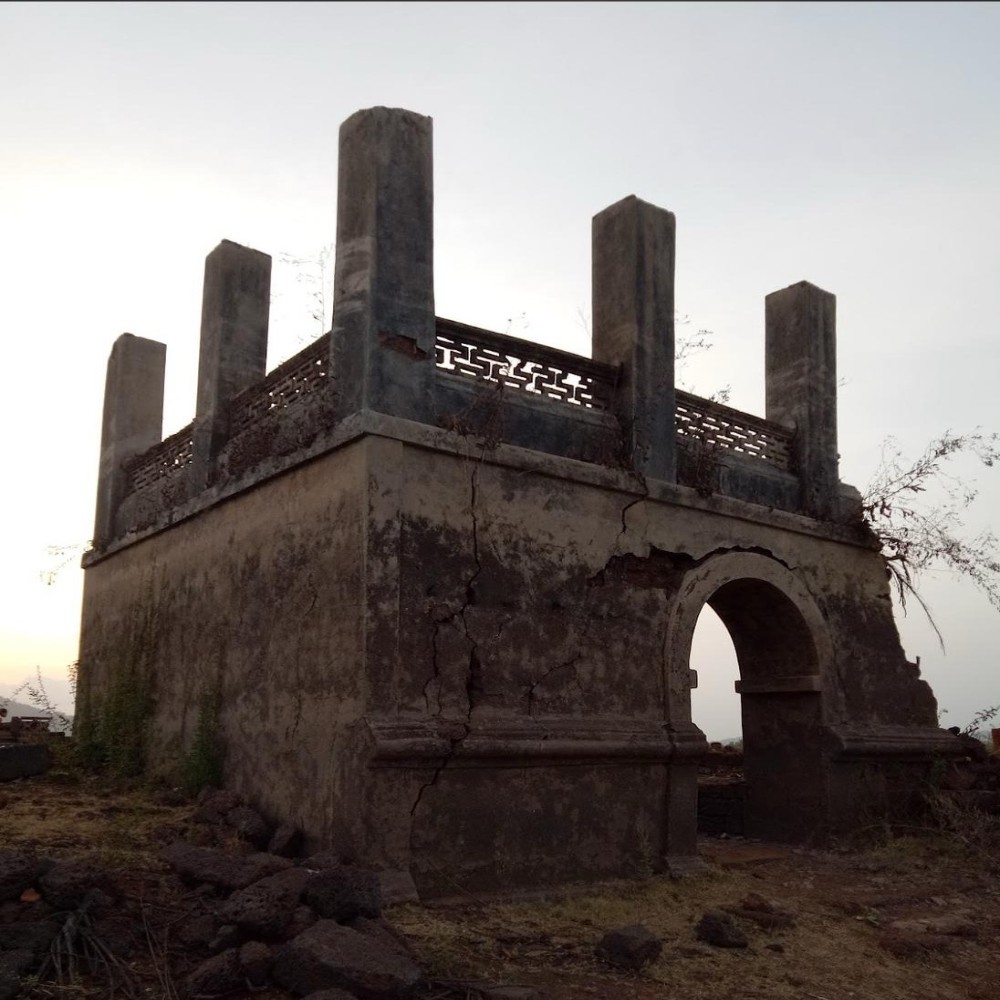
As you walk, you will encounter the foundations of the old police station, the village school, and the grocery stores. You can even see the remains of the main road and the culverts that once connected Curdi to the neighboring villages. Seeing the individual doorsteps and grinding stones left behind in the silt provides a deeply personal connection to the people who once lived here.
Why Travelers Choose This Activity
Most visitors to Goa stick to the coastline, but those who venture to Curdi are looking for something different. Travelers choose this tour because it offers a rare window into Goan history that is physically inaccessible for 10 months of the year. It is a favorite for photographers due to the dramatic, desolate landscapes and the way the ruins reflect in the remaining pools of water. It is also an educational trip, perfect for those interested in archaeology, sociology, and engineering history.
Best Time to Visit and Seasonal Availability
Timing is critical for this activity. The Curdi ruins are only accessible when the Selaulim Dam reservoir levels are at their lowest.
- April to May: This is the only time for a full walking tour. The ground is dry enough to trek across the reservoir bed.
- June to September (Monsoon): The village is completely submerged. You can view the vast expanse of water from the Selaulim Dam, but nothing of the village is visible.
- October to March: The water level is too high for walking, though sometimes the very tops of the tallest ruins might be visible by boat (though walking tours are not conducted during this time).
Difficulty Level and Suitability
The Curdi trek is considered Easy to Moderate. The terrain is mostly flat, but it consists of dried, cracked mud and uneven silt. Because there is absolutely no shade in the reservoir bed, the heat is the primary challenge. This activity is suitable for:
- Families: Children often find the "lost village" aspect fascinating, but ensure they are protected from the sun.
- Seniors: Suitable for active seniors who can walk 2-3 kilometers on uneven ground.
- Photographers: The lighting in the early morning or late afternoon against the ruins is exceptional.
What to Wear and Carry
Because you will be walking in an exposed area during the hottest months of the year, preparation is key:
- Footwear: Wear sturdy sneakers or hiking shoes with good grip. The mud can be slippery if there was a recent light shower, and the cracked earth can be sharp.
- Sun Protection: A wide-brimmed hat, high-SPF sunscreen, and sunglasses are non-negotiable.
- Hydration: Carry at least 2 liters of water per person. There are no shops or stalls once you enter the reservoir area.
- Clothing: Lightweight, breathable cotton clothing that covers your arms and legs to prevent sunburn.
How to Get There
The site is located near Sanguem in South Goa. It is approximately 25 km from Margao and about 60 km from Panjim. Most travelers arrive via private taxi or self-drive cars. Parking is available near the entrance of the dam area or at the designated start point provided by your guide. Public transport to Sanguem is available, but you will need a local rickshaw to reach the actual reservoir entry point.
Safety Information
While the trek is safe, visitors should stay with their guide. The reservoir bed can have soft spots or "quicksand-like" patches if the water has recently receded. Additionally, the area is remote, so it is important to follow the designated path to avoid getting disoriented in the vast, uniform landscape. Always check the weather forecast; if early pre-monsoon showers occur, the ground can become dangerously muddy very quickly.
- Expert local heritage guide
- Historical briefing and storytelling
- Guided walk through the reservoir bed
- Assistance with photography spots
- Entry permissions where applicable
- Hotel pickup and drop-off
- Bottled water and snacks
- Sun protection gear (hats/sunglasses)
- Lunch or meals
Have questions about this activity?
Chat with our local experts for instant help and best deals!