Mulgao Folk Village and Coconut Farming Experience
per / person. Taxes & convenience fees might apply.
- Guided tour of a restored 18th-century Goan folk village and ancestral homes.
- Hands-on coconut climbing experience with safety harness and expert guidance.
- Demonstration of traditional coconut oil extraction and de-husking techniques.
- Traditional Goan folk dance performance (Fugdi/Dhalo) by local villagers.
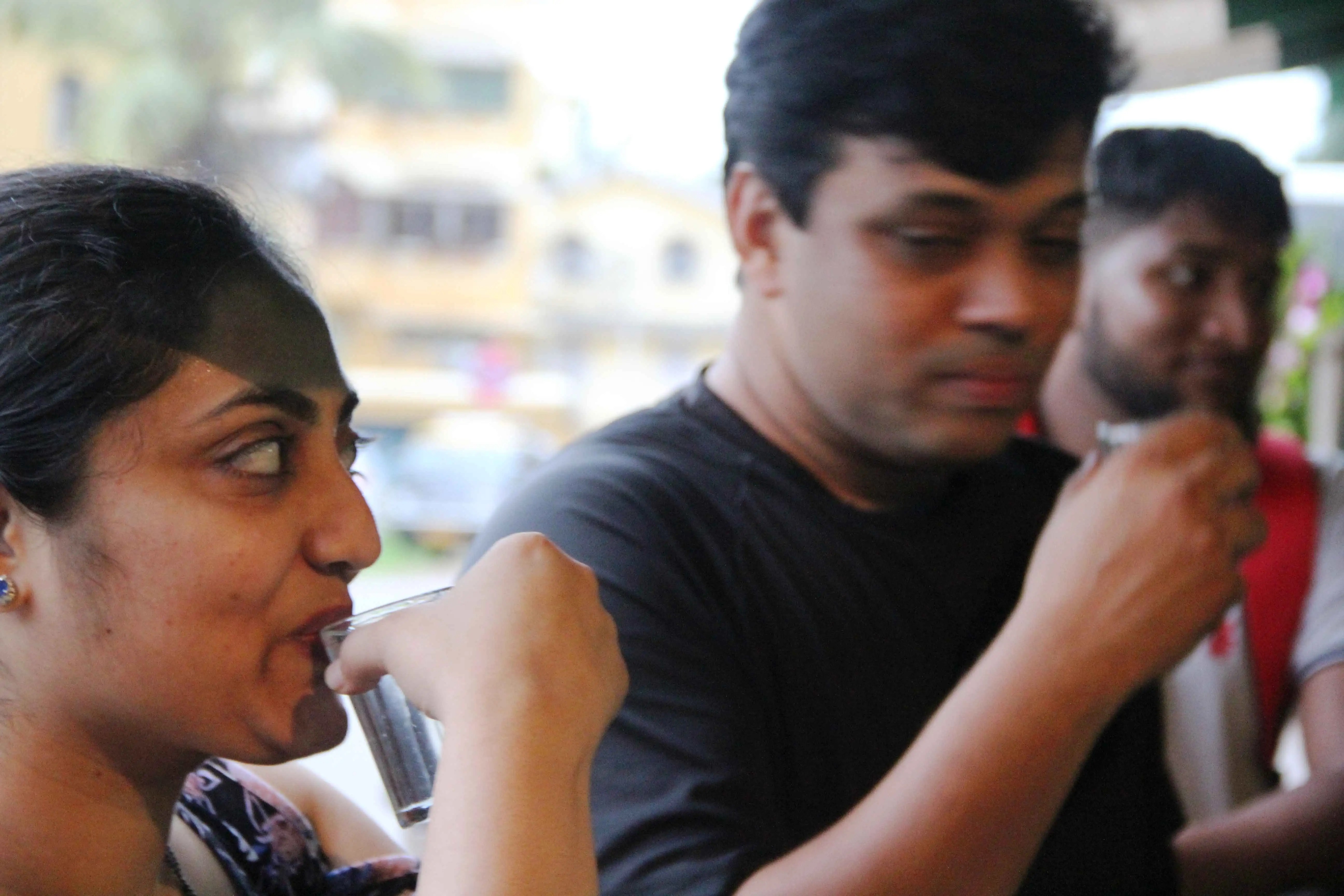
- Tasting session featuring fresh coconut water and local coconut-based products.
An Introduction to Mulgao’s Cultural Landscape
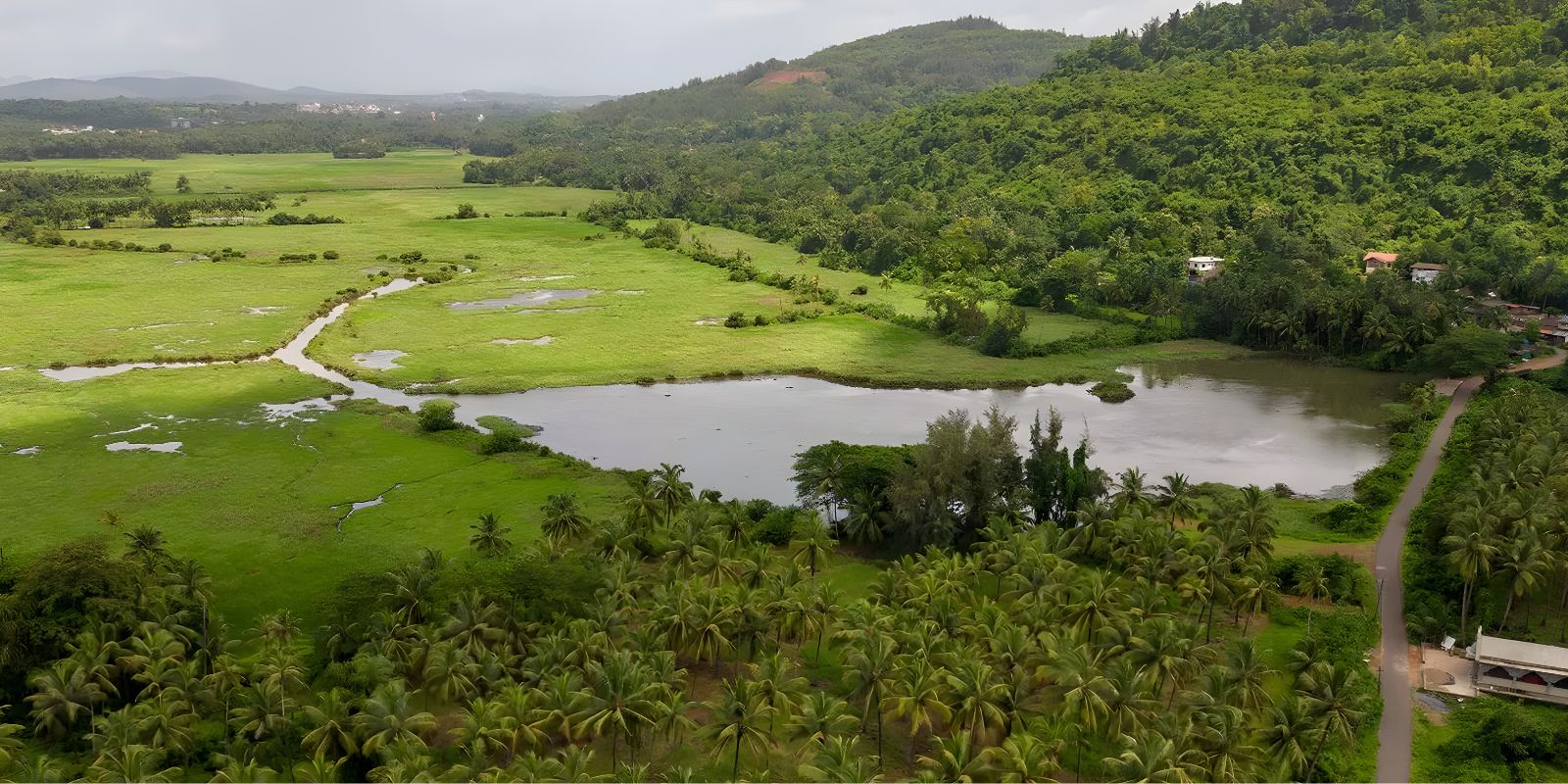
Located in the Bicholim taluka, Mulgao is a village that has successfully preserved its pre-Portuguese character and agrarian roots. Unlike the coastal tourist hubs, Mulgao provides a quiet, shaded environment where the rhythm of life is dictated by the seasons and the harvest. The Mulgao Folk Village serves as a living museum, featuring replicas and restored versions of traditional Goan homes. Here, you can observe the distinct architectural styles that existed before Western influences became dominant, including the use of local laterite stone, mud-plastered walls, and heavy timber beams.
The 'Kalpavruksha': Understanding the Coconut Tree
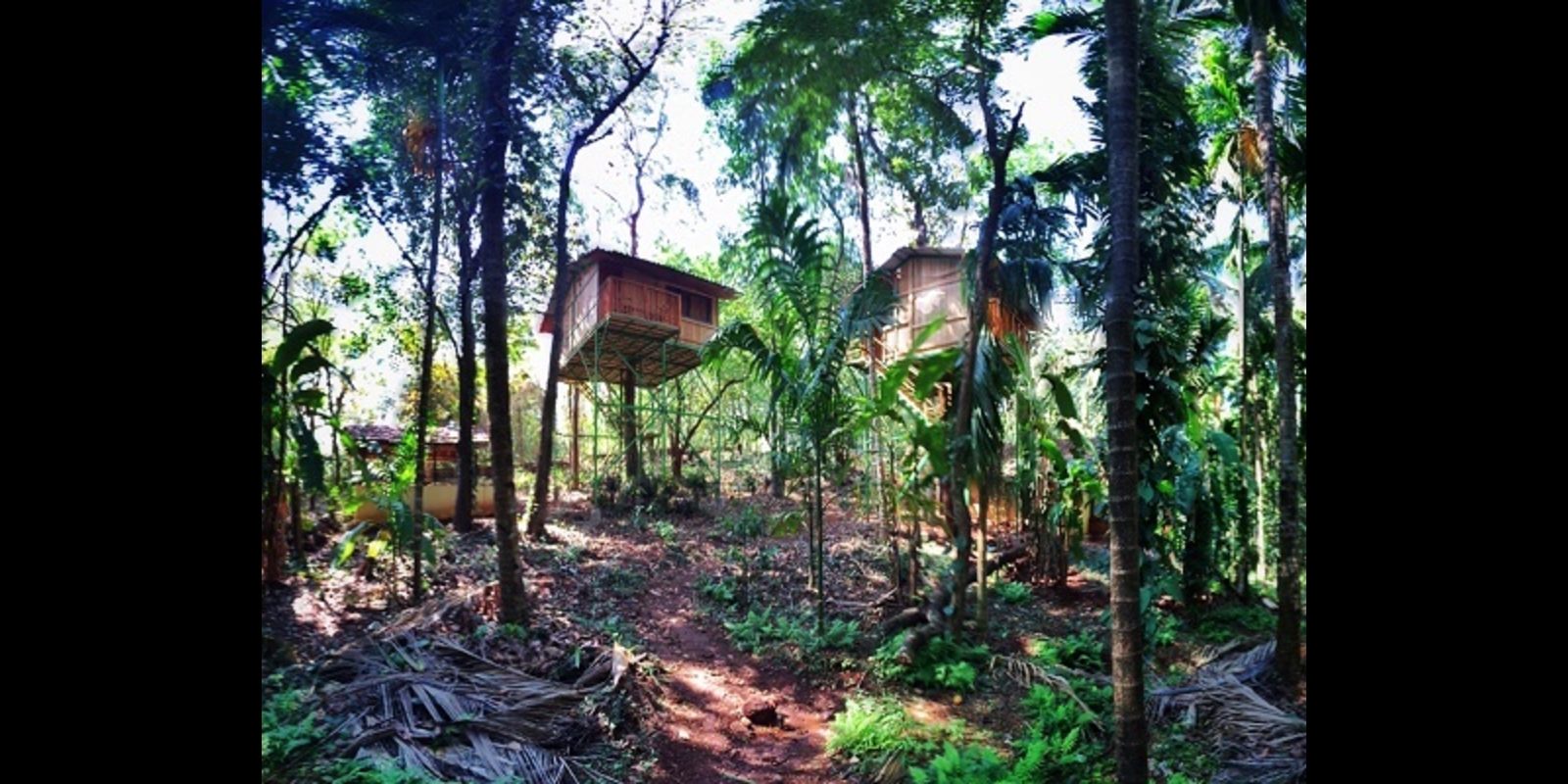
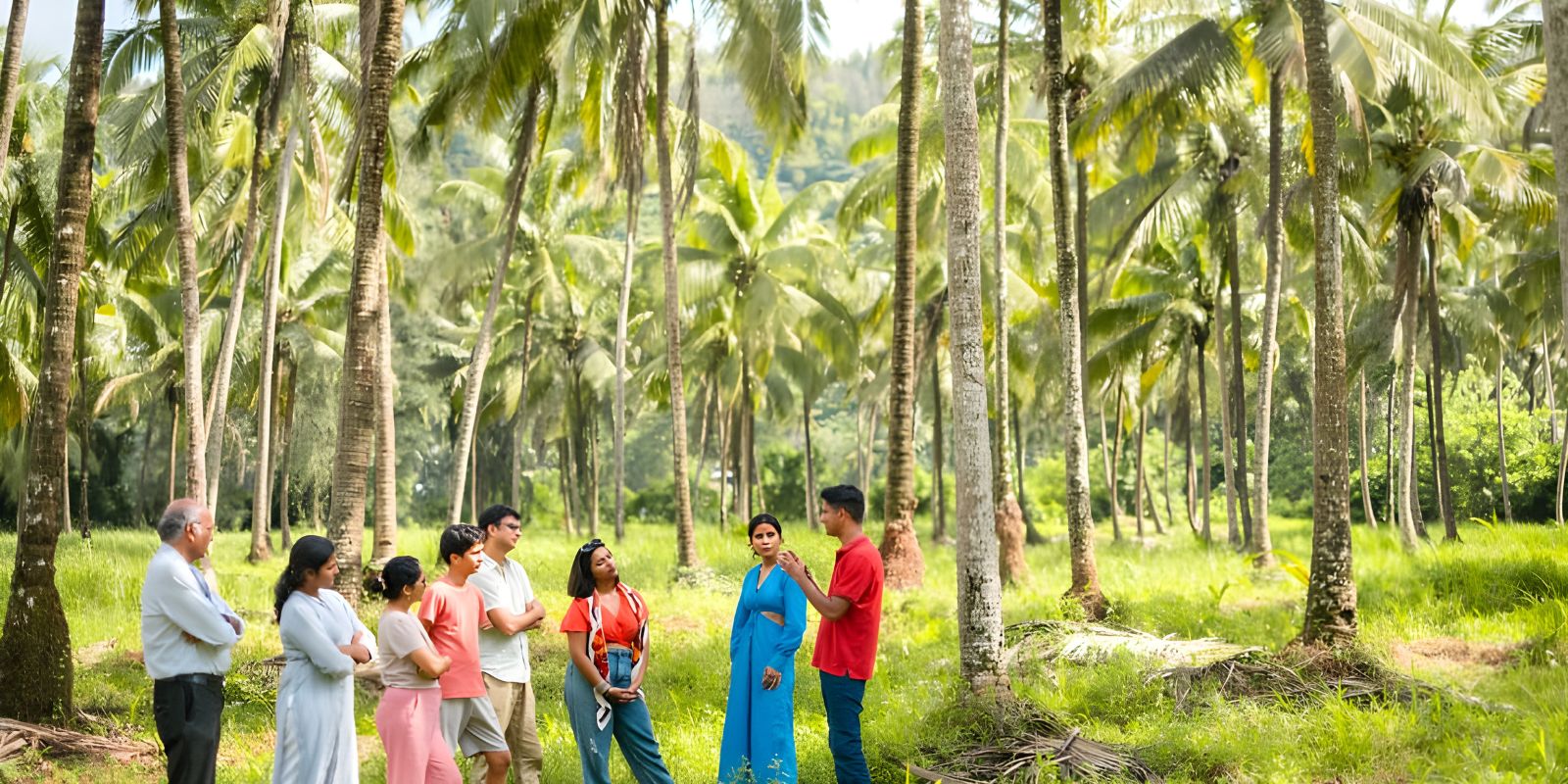
The core of this experience revolves around the coconut tree, known locally as the Kalpavruksha or the 'tree of life.' In Goa, every part of the coconut tree is utilized, and this tour explains how. You will visit an organic coconut farm where traditional and modern sustainable practices intersect. The guides explain the lifecycle of the palm, from sapling to a fruit-bearing tree, and the specific soil conditions required in the Goan hinterland to produce high-quality yields.
Hands-On Coconut Farming Activities
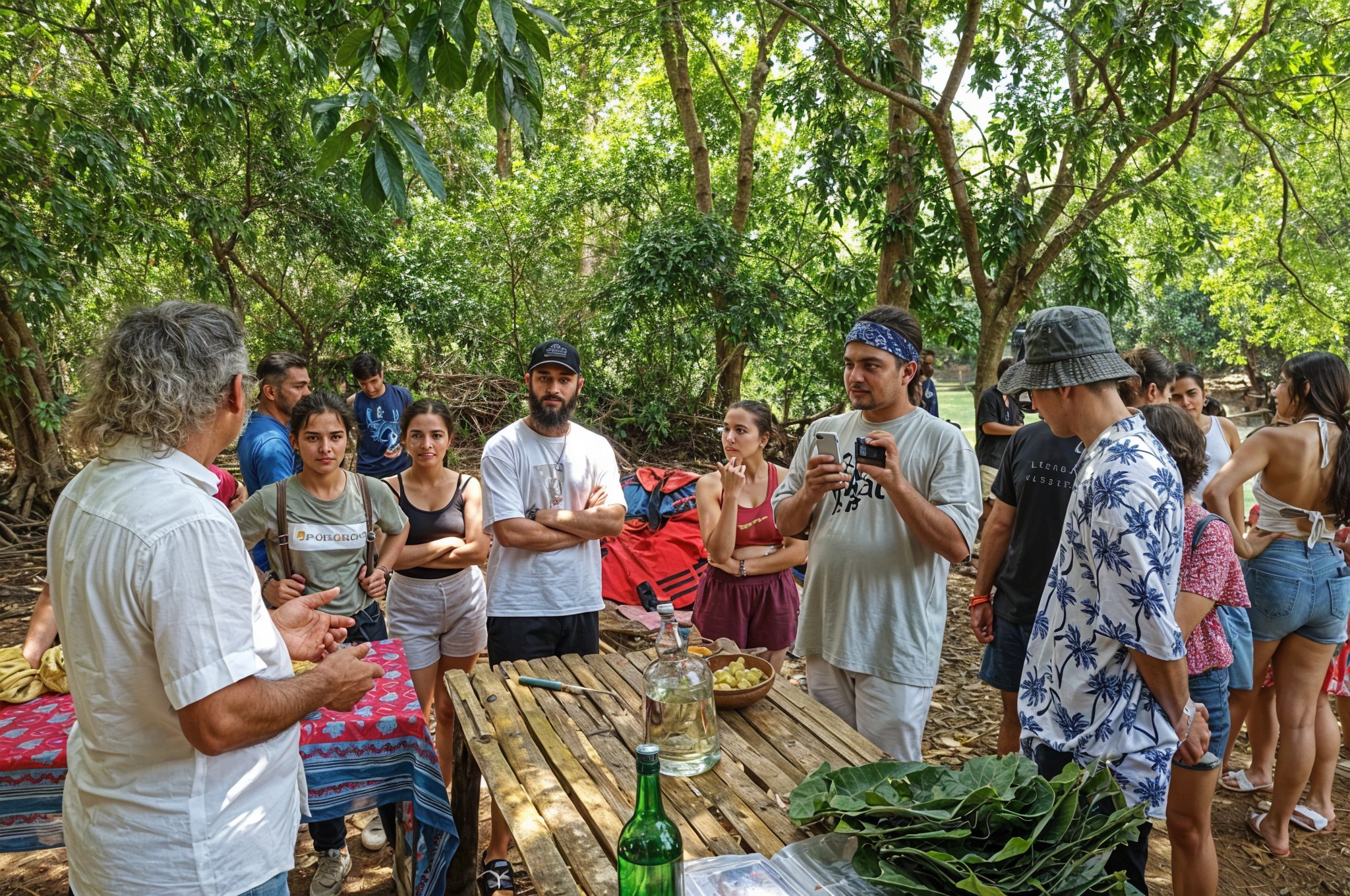
One of the most engaging parts of the visit is the coconut climbing demonstration. While professional climbers use traditional ropes made of coconut fiber (kathi), visitors are provided with a modern safety belt and harness system to try climbing a shorter tree. This activity is entirely optional but offers a unique perspective on the physical labor involved in Goan farming. Beyond climbing, you will learn about:
- De-husking: Using a traditional iron stake (khunti) to remove the thick outer husk.
- Desiccating: How the coconut meat is dried to create copra.
- Oil Extraction: A look at the process of making virgin coconut oil, which is a staple in Goan kitchens and traditional medicine.
Exploring the Folk Village Museum
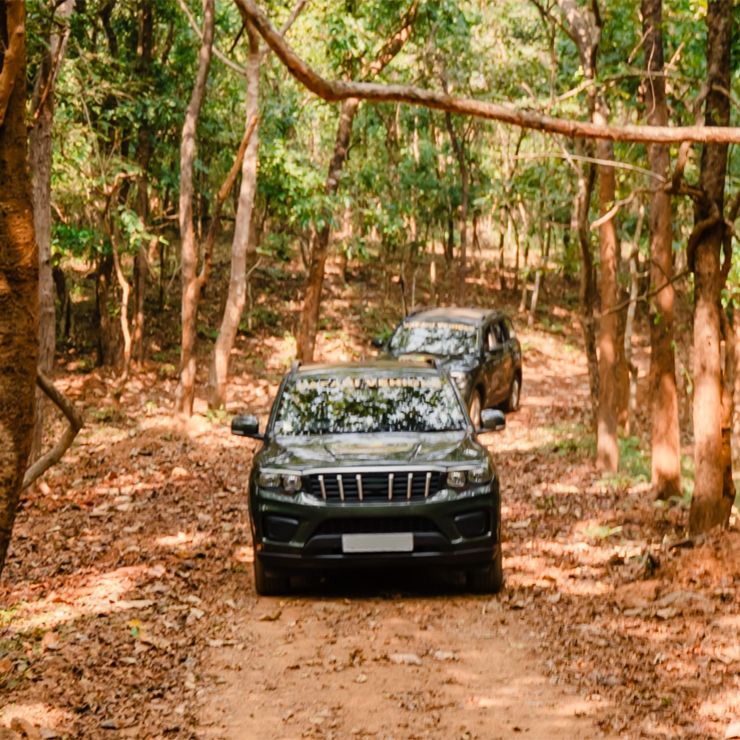
The folk village is more than just a collection of buildings; it is a repository of Goan craftsmanship. As you walk through the site, you will see vintage artifacts, agricultural tools used for centuries, and a collection of vintage cars that highlight the transition of transport in rural Goa.
Traditional Occupations
The tour highlights several traditional occupations that are slowly disappearing. You will see how the Rendeer (toddy tapper) extracts sap from the coconut flower to make Feni or vinegar. The guide will explain the distillation process of Cashew and Coconut Feni, which holds a Geographical Indication (GI) tag in Goa. You will also see the tools used by local potters, blacksmiths, and weavers who once formed the backbone of the village economy.
Culture and Performance
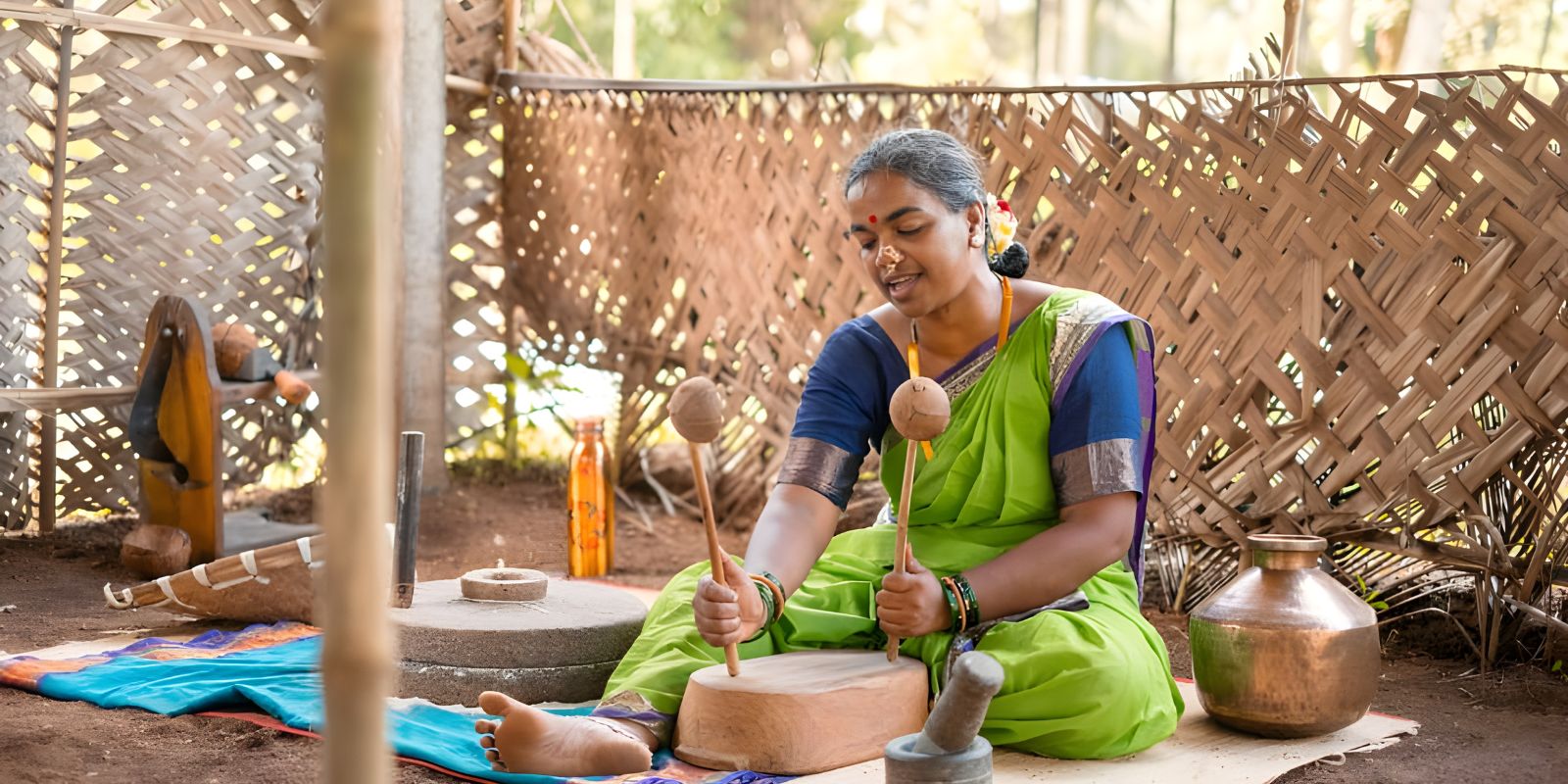
A visit to Mulgao is incomplete without witnessing the local performing arts. Depending on the schedule, visitors can watch or participate in Fugdi and Dhalo, traditional folk dances performed by the village women. These dances are usually associated with religious festivals and the harvest season, characterized by rhythmic clapping and songs that narrate stories of daily life and folklore. This is a participatory experience where the emphasis is on community and celebration rather than a staged theatrical show.
Sustainability and the Zero-Waste Initiative
Mulgao is home to a pioneering zero-waste store and initiative. During the tour, you will see how the farm manages waste through composting and how coconut husks are repurposed into brushes, ropes, and fuel. This section of the tour is particularly insightful for travelers interested in eco-conscious living and sustainable travel. You will have the opportunity to see how local products are packaged without plastic, using natural materials like dried leaves and jute.
Practical Information for Travelers
Difficulty Level
This is considered an easy activity. Most of the walking is on level ground within the farm and village complex. The coconut climbing is the only physically demanding part, but it is strictly optional and conducted with safety gear.
Best Time to Visit
The best time to experience Mulgao is between October and March when the weather is pleasant for outdoor walking. However, the monsoon season (June to September) offers a different charm, as the plantations are incredibly lush and green. If visiting during the monsoon, carry an umbrella or raincoat, as most of the farm tour is outdoors.
What to Wear and Carry
We recommend wearing breathable cotton clothing that covers your shoulders and knees, especially when visiting the village temples. Closed-toe shoes with a good grip are essential if you plan to try the coconut tree climbing. Don't forget to carry a hat, sunscreen, and a reusable water bottle.
Travel and Transport
Mulgao is located approximately 25 km from Panjim and 35 km from the Calangute/Baga belt. Public transport is limited in this area. It is highly recommended to have your own vehicle or hire a taxi for the day. There is ample free parking available at the site entrance. If you are using a GPS, search for 'Mulgao' or 'Mulgaon' in the Bicholim district.
Why This Experience is Unique
Unlike commercial spice plantations that can feel crowded, the Mulgao Folk Village maintains a genuine community feel. It is one of the few places in Goa where you can see pre-Portuguese heritage preserved alongside active farming. The focus is on education and cultural exchange rather than just sightseeing. By participating, you are directly supporting the preservation of local traditions and providing livelihoods to the artisans and farmers of the Mulgao community.
- Guided village and farm tour
- Coconut climbing demonstration and trial
- Folk dance performance
- Fresh coconut water and snacks
- Entry fees to the folk museum
- Hotel pickup and drop-off
- Full lunch (available on request for groups)
- Personal expenses and tips
- Purchase of products from the zero-waste store
Have questions about this activity?
Chat with our local experts for instant help and best deals!