

Salim Ali Bird Sanctuary Boat Tour, Chorao Island
per / person. Taxes & convenience fees might apply.
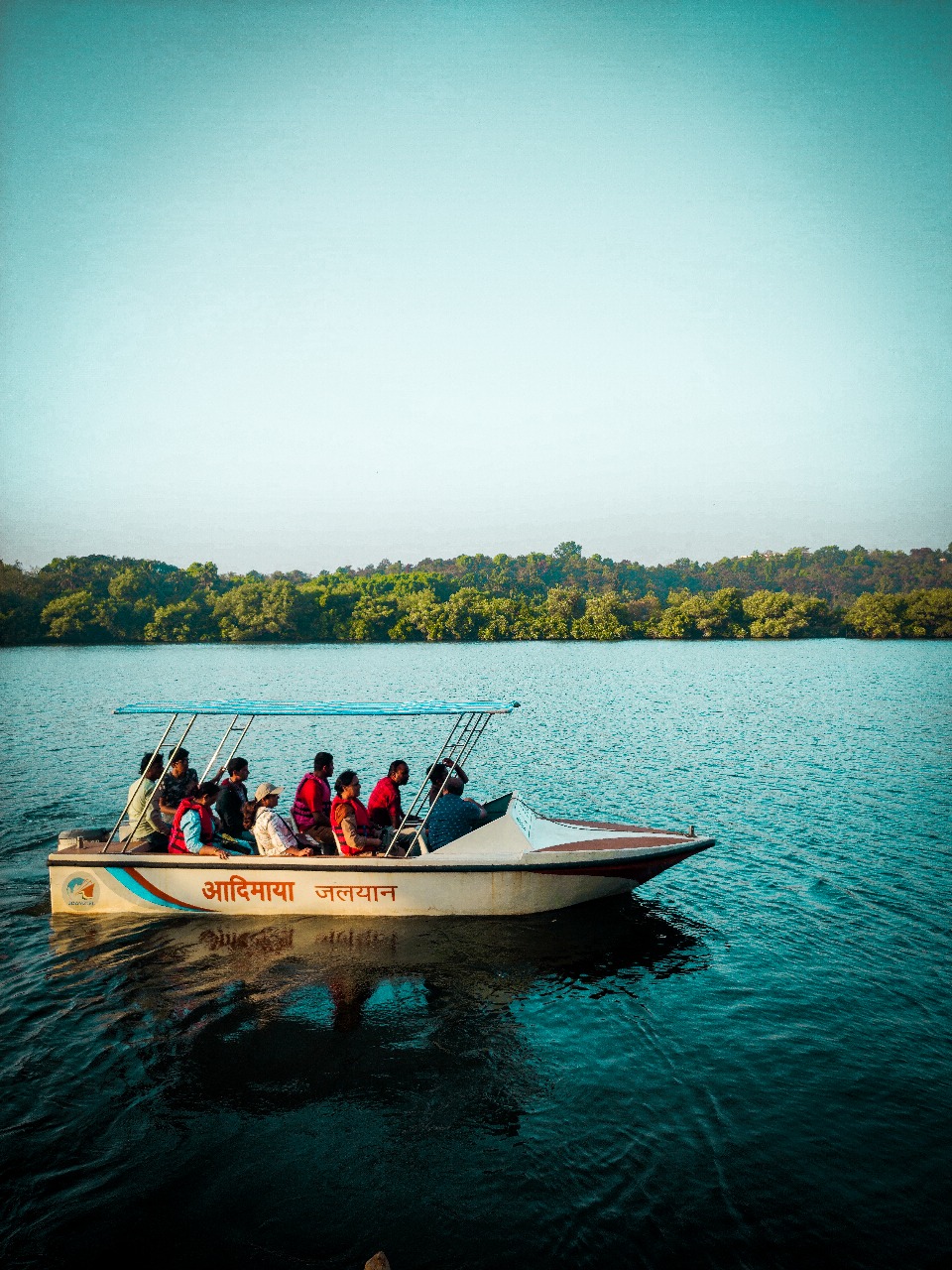
- Guided boat ride through the dense mangrove creeks of the Mandovi River.
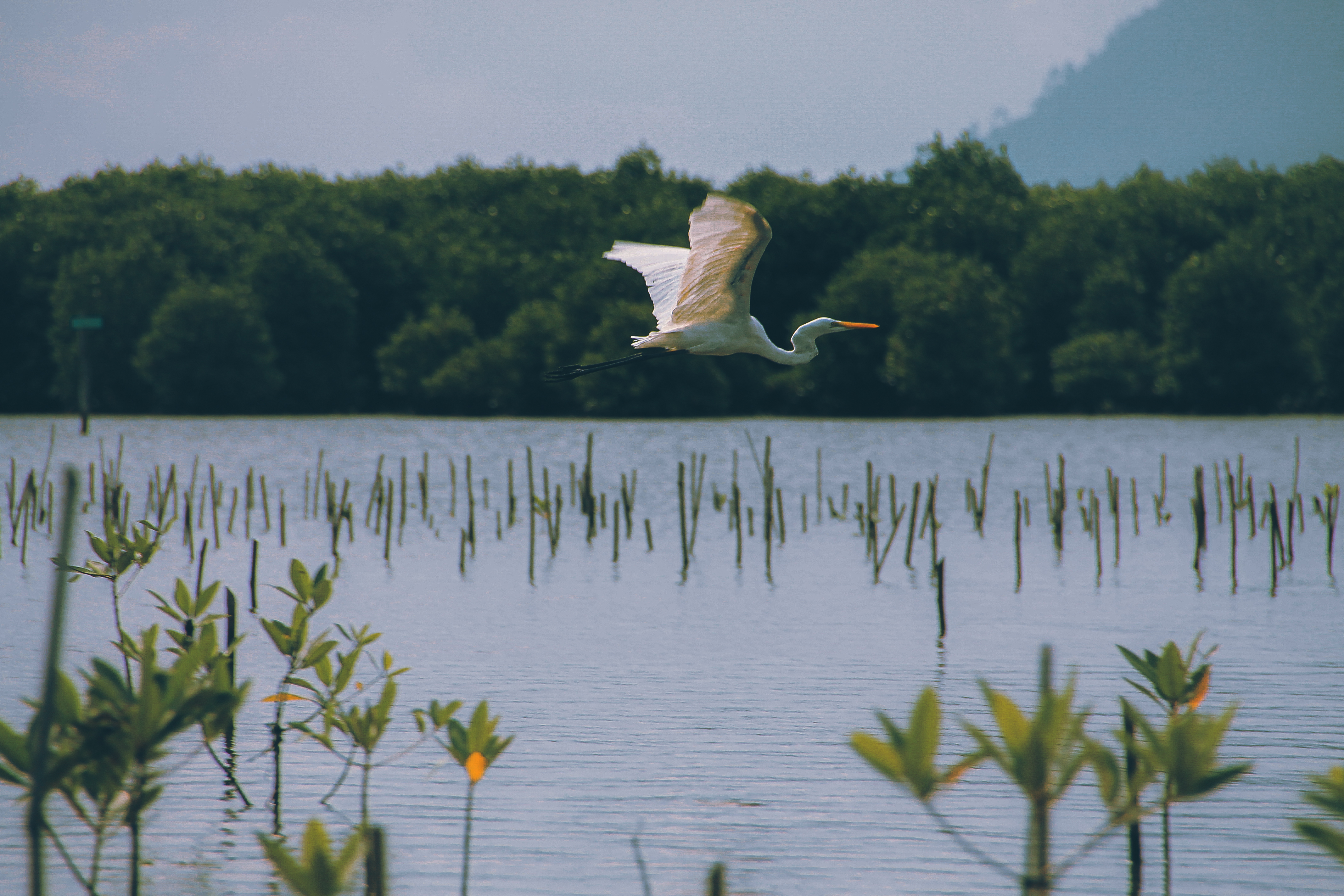
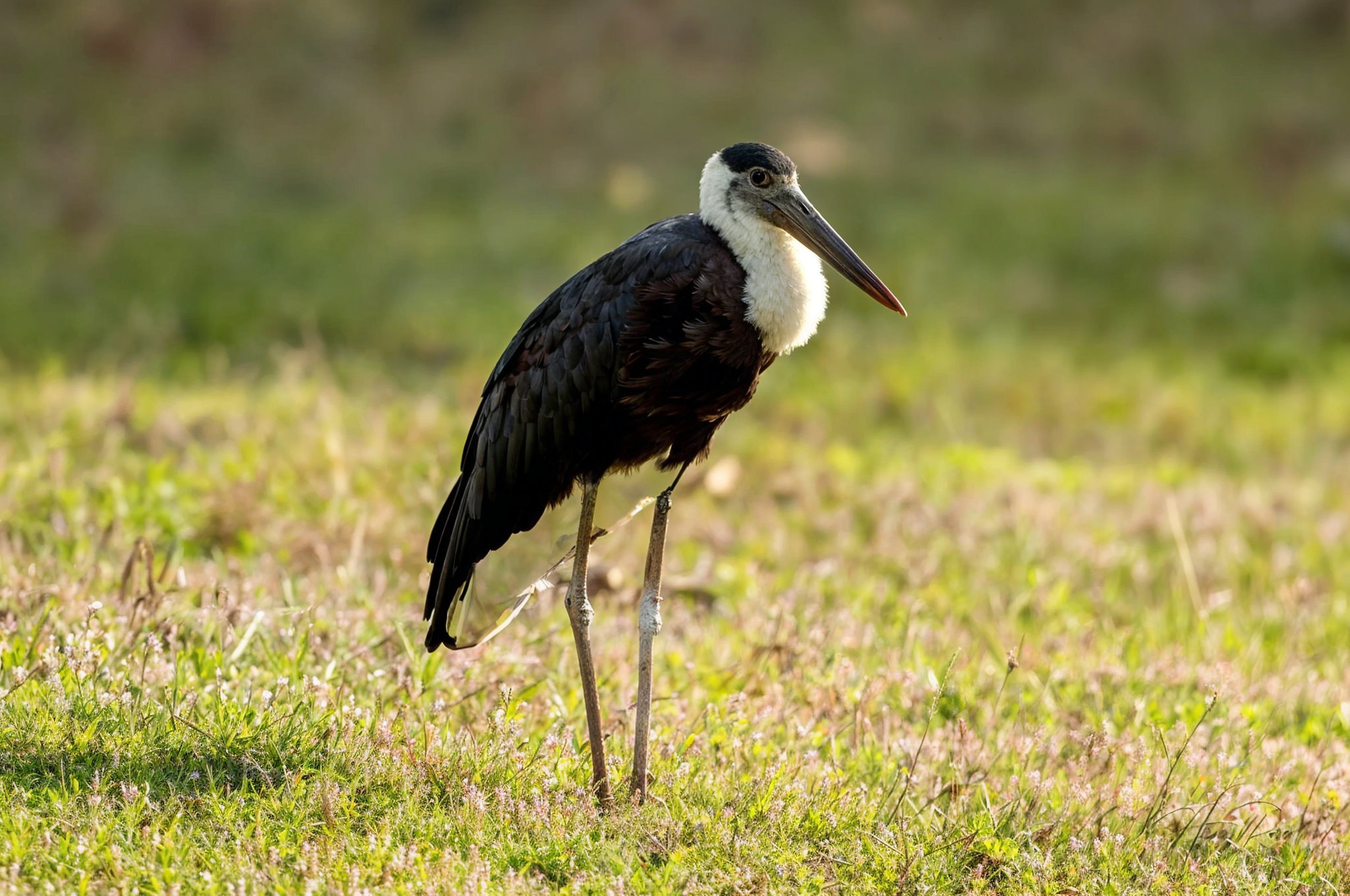
- Opportunity to spot over 130 species of resident and migratory birds.
- High probability of seeing Mugger crocodiles basking on the riverbanks.
- Educational insights into the Goan mangrove ecosystem from local experts.
- A peaceful, nature-focused alternative to the crowded beaches of North Goa.
Exploring the Salim Ali Bird Sanctuary in North Goa
Named after the legendary Indian ornithologist, the Dr. Salim Ali Bird Sanctuary is a protected area of mangrove forest that offers a stark contrast to the busy beaches of North Goa. Covering approximately 440 acres, the sanctuary is located on Chorao Island and is accessible only by water. This boat tour is the most effective way to see the sanctuary, as the dense mangrove roots make most of the land area inaccessible by foot.
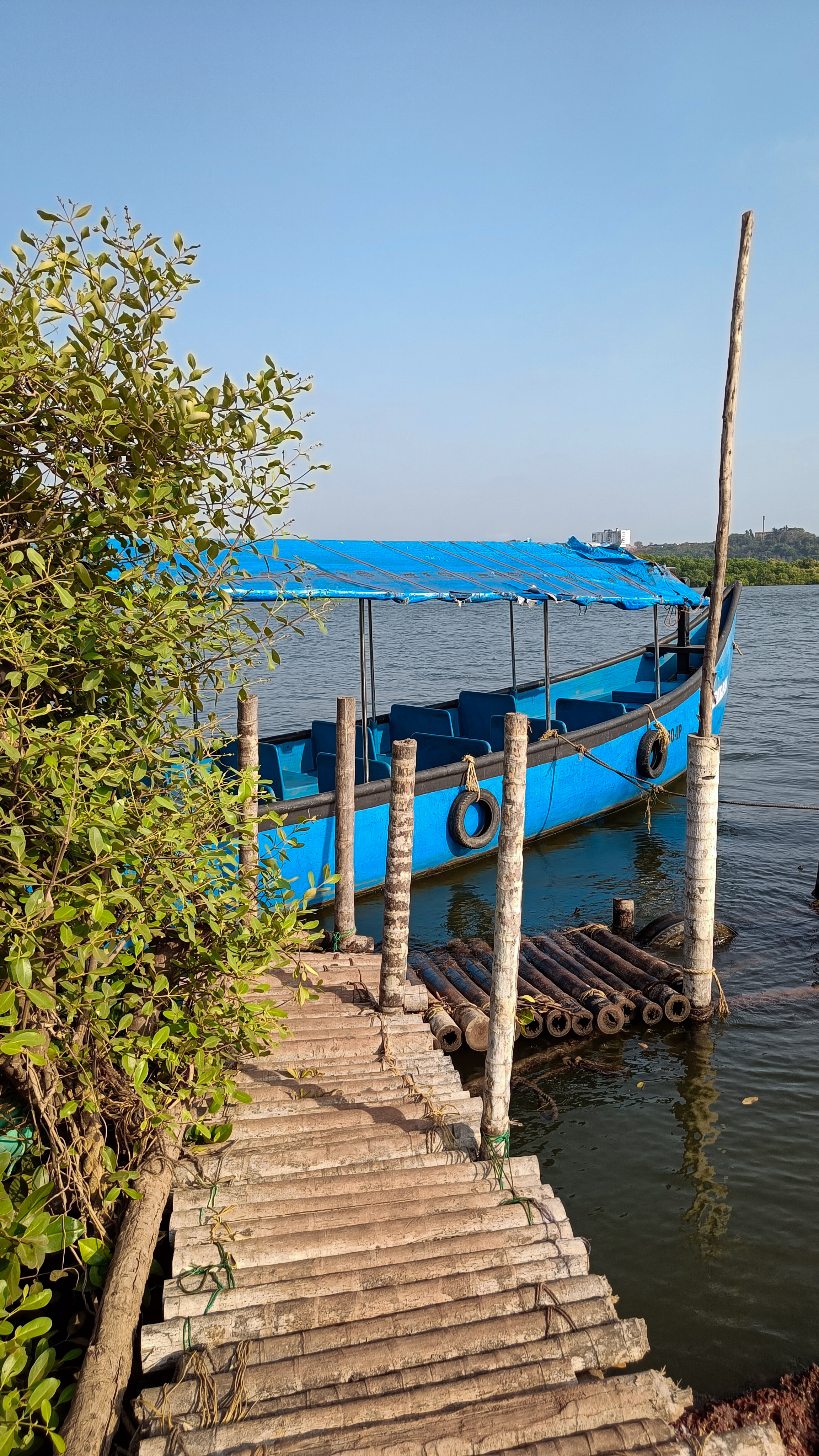
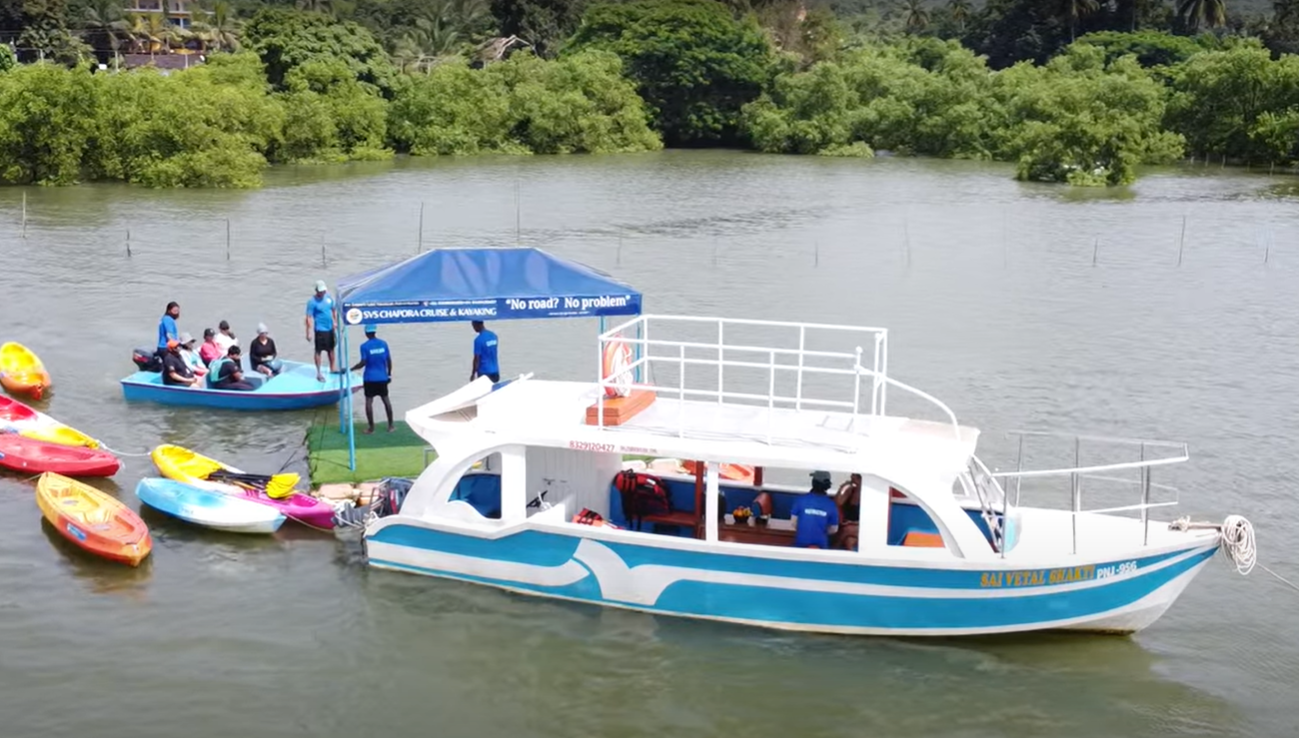
The experience begins with a short but scenic ferry ride from the Ribandar jetty to Chorao Island. Once at the sanctuary entrance, you board a small, stable boat designed to navigate the shallow, winding creeks. As you glide through the water, the noise of the city fades away, replaced by the sounds of whistling birds and the rhythmic paddling of the boatman.
Why Travelers Choose This Activity
Many visitors to Goa spend their time on the coastline, but the Salim Ali Bird Sanctuary boat tour offers a look at the state’s rich riverine biodiversity. It is a preferred choice for families because it requires minimal physical exertion—you simply sit and observe. It is also a top priority for wildlife photographers who want to capture high-quality shots of birds and reptiles in their natural habitat without the interference of large crowds.
- Quiet Atmosphere: Unlike the loud water sports in Baga or Calangute, this is a peaceful retreat.
- Rare Wildlife: It is one of the few places in Goa where you can see Mugger crocodiles basking on mudflats.
- Educational Value: Local guides provide insights into the importance of mangroves in protecting Goa's coastline.
What to Expect on the Boat Tour
The tour typically lasts between 60 to 90 minutes. You will be guided through a network of narrow channels flanked by various species of mangroves, including Avicennia marina and Rhizophora mucronata. The guides are skilled at spotting well-camouflaged wildlife that an untrained eye would easily miss.
Birdwatching Highlights
The sanctuary is home to over 130 species of birds. Depending on the season, you can expect to see White-bellied Sea Eagles, Brahminy Kites, and various species of Kingfishers (including the rare Black-capped Kingfisher). During the winter months (November to February), the sanctuary hosts migratory visitors such as Pintails, Teals, and Curlews that fly in from as far as Siberia.
The Mangrove Ecosystem
The boat tour provides an up-close look at the intricate root systems of mangroves. These trees act as a nursery for fish, crabs, and shrimp. You will often see Fiddler crabs with their oversized claws scurrying across the mudbanks and Mudskippers—fish that can breathe and walk on land—popping in and out of the water.
Practical Information for Your Visit
Best Time to Visit
The best time for the Salim Ali Bird Sanctuary boat tour is between October and March. During these months, the weather is pleasant, and migratory bird activity is at its peak. The absolute best time of day is 8:00 AM. Early morning is when birds are most active, and the rising sun provides excellent lighting for photography. Additionally, the chances of seeing crocodiles are higher during low tide when they come out to bask on the mudbanks.
How to Reach Chorao Island
To reach the sanctuary, you must drive or take a taxi to the Ribandar Ferry Point, which is about 15 minutes from Panjim. The government ferry departs every 15-20 minutes and is free for pedestrians (a nominal fee applies for cars and bikes). The ferry ride across the Mandovi River takes about 10 minutes. Once you disembark at Chorao, the sanctuary entrance is just a short 500-meter walk or a quick rickshaw ride away.
Difficulty and Accessibility
This activity is rated as Easy. It is highly recommended for senior citizens and families with young children because the boat provides a comfortable, shaded vantage point. There is no trekking or strenuous walking involved. However, please note that the boats are small, so individuals with severe mobility issues should contact the operators in advance to ensure ease of boarding.
What to Wear and Carry
To make the most of your trip, we recommend the following:
- Clothing: Wear light, breathable cotton clothes in neutral colors (greens, browns, or greys) to avoid startling the birds.
- Footwear: Comfortable sandals or walking shoes are fine, as you will mostly be on the boat.
- Gear: A pair of binoculars is highly recommended. While some guides carry them, having your own ensures you don't miss a distant sighting. A camera with a zoom lens (200mm or higher) is ideal for wildlife photography.
- Essentials: Carry a bottle of water, sunblock, and a hat. Mosquito repellent is also useful, as the mangrove environment can be buggy.
Safety and Responsible Tourism
The sanctuary is a protected ecological zone. Visitors are expected to follow these guidelines:
- Maintain Silence: Loud talking or music will frighten the wildlife and ruin the experience for others.
- No Littering: Ensure no plastic or waste is thrown into the river.
- Do Not Feed Animals: Feeding crocodiles or birds disrupts their natural diet and behavior.
- Life Jackets: Always wear the provided life jacket while on the boat, regardless of your swimming ability.
Nearby Attractions
If you have extra time on Chorao Island, consider exploring the local village. Chorao is one of Goa's largest islands and retains a very traditional, slow-paced atmosphere. You can see old Portuguese-style houses and small chapel ruins. Alternatively, since Ribandar is close to Old Goa, you can combine this morning tour with a visit to the Basilica of Bom Jesus and Se Cathedral in the afternoon.
Booking and Ticket Information
It is advisable to book your boat tour in advance, especially during the peak tourist season (December and January). Early morning slots fill up quickly. Tickets generally include the sanctuary entry fee and the guided boat ride. Please check if your booking includes a naturalist guide, as their expertise significantly improves the quality of the sightings.
- Guided boat tour inside the sanctuary
- Sanctuary entry tickets
- Services of a local naturalist/guide
- Life jacket for safety
- Hotel pickup and drop-off
- Binoculars (available for rent at the gate)
- Food and bottled water
- Camera fees (if applicable)
Have questions about this activity?
Chat with our local experts for instant help and best deals!