Fontainhas and Beyond: Panjim Heritage Walking Tour
per / person. Taxes & convenience fees might apply.
- Explore the hidden lanes of São Tomé, Fontainhas, and Mala neighborhoods.
- Learn about Indo-Portuguese architecture, including the use of oyster shell windows.
- Visit the 19th-century Chapel of St. Sebastian and the Fountain of Phoenix.
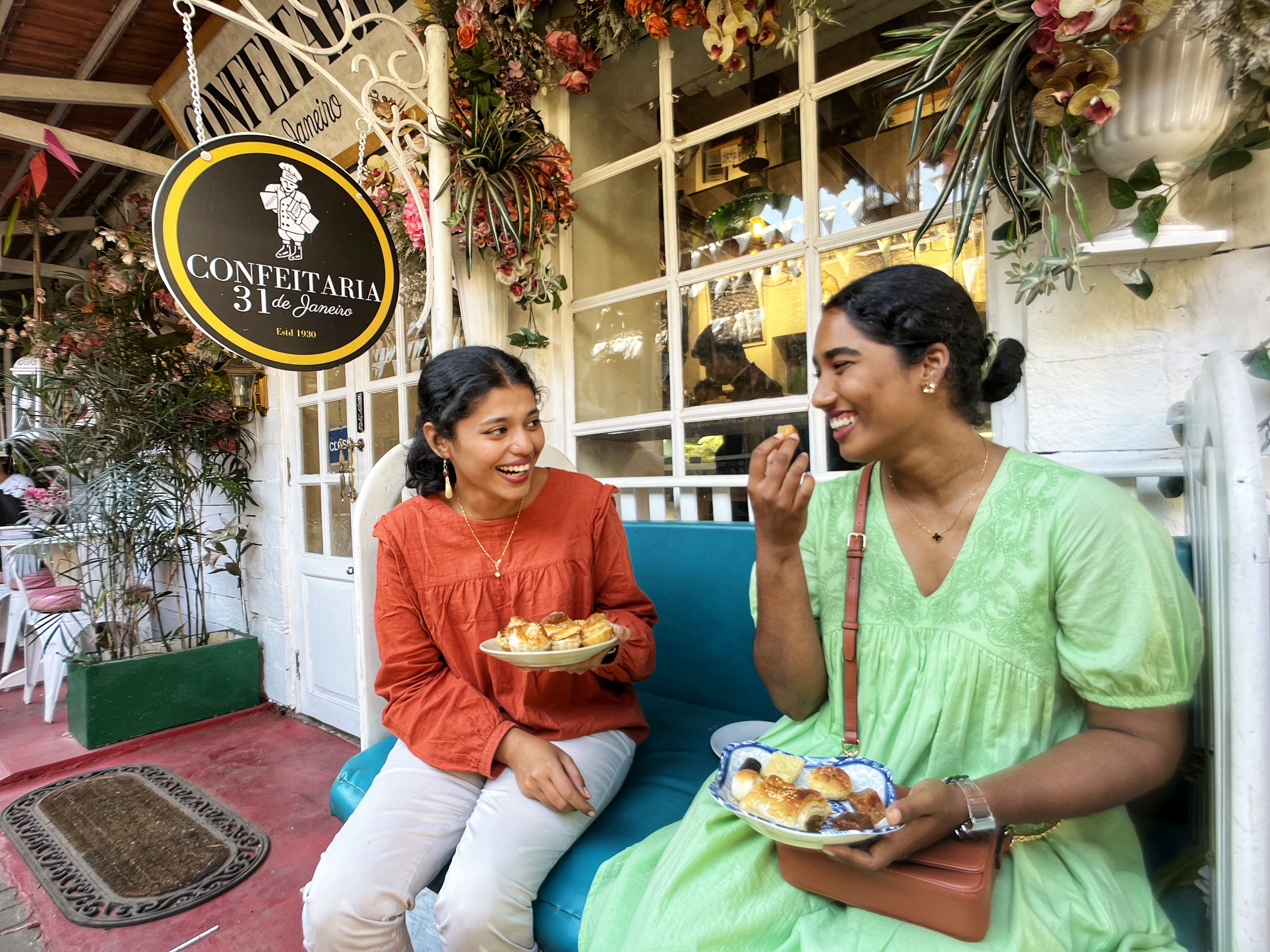
- Enjoy a traditional Goan snack and tea break at a local heritage bakery.
- Hear authentic stories of Panjim’s evolution from a local neighborhood expert.
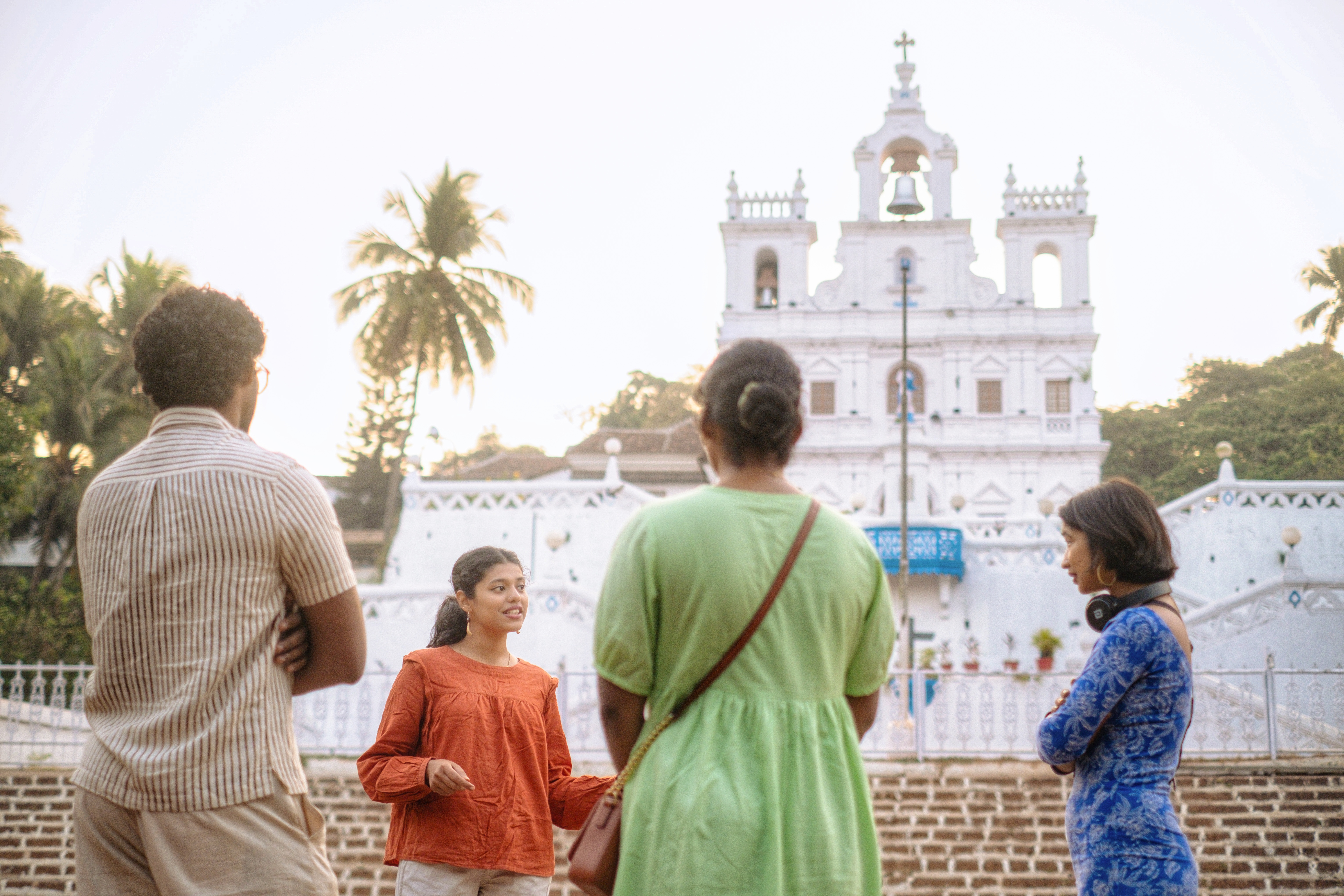
- Visit the iconic Church of Our Lady of the Immaculate Conception.
Understanding Panjim’s Heritage: More Than Just Colorful Walls
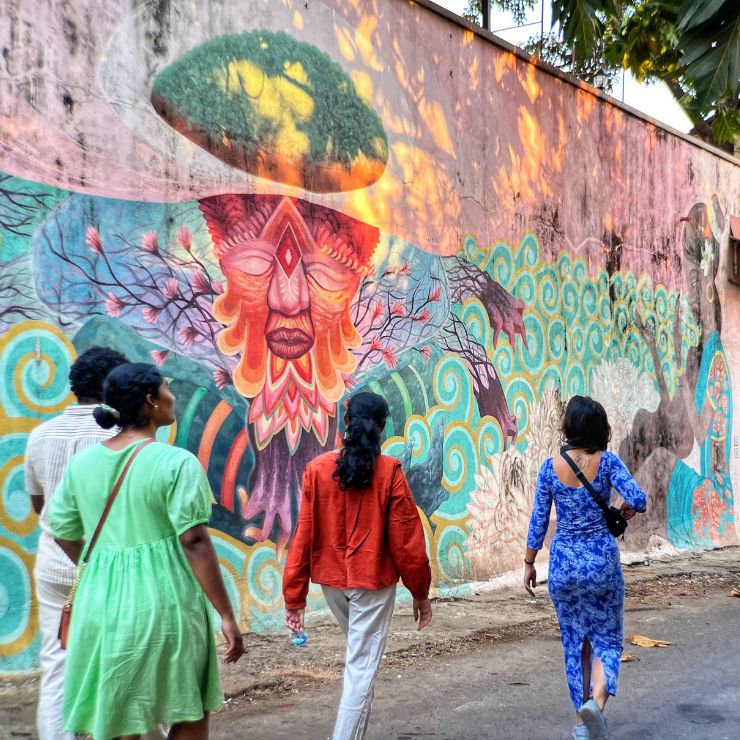
Panjim, or Panaji, became the capital of Goa in 1843 after the abandonment of Old Goa due to recurring plagues. This transition gave birth to a city planned with a distinct Mediterranean character, characterized by narrow winding streets, overhanging balconies, and vibrant facades. The Fontainhas and Beyond Heritage Walk is curated to showcase this transition, moving from the commercial history of the riverside to the residential charm of the Latin Quarter.
While many visitors only spend 15 minutes taking photos in Fontainhas, this 3-hour guided experience provides the context that makes these buildings significant. You will learn why the houses are painted in specific colors, the significance of the balcão (porch), and how the local community has preserved its identity through centuries of colonial rule.
The Route: São Tomé, Fontainhas, and Mala
This extended walk covers three distinct areas, each with its own personality and history. We begin in São Tomé, the old administrative heart of the city. This area was once the hub of the colonial government, housing the tobacco warehouse, the post office, and the mint. Today, it is a blend of old-world charm and modern Goan life, with iconic tavernas and refurbished heritage buildings.
From there, we move into Fontainhas, the famous Latin Quarter. This neighborhood was originally a coconut plantation owned by a wealthy Portuguese man named Antonio Joao de Sequeira. The name 'Fontainhas' comes from the 'Fountain of Phoenix' (Fonte Phoenix) located at the foot of the hill. As we walk through these lanes, your guide will point out the Chapel of St. Sebastian, a 19th-century landmark known for its striking white facade and a crucifix that is unique because the figure of Christ has its eyes open—a rarity in traditional Catholic iconography.
The 'Beyond' part of the tour takes you toward Mala. This area has a more traditional Hindu-Goan influence compared to the Latin Quarter. It is here you will find the Maruti Temple perched on the hill, offering a contrast to the Catholic architecture of Fontainhas. Exploring Mala allows you to see the true multicultural history of Panjim.
Architectural Insights and Local Stories
One of the highlights of this walk is the deep dive into Indo-Portuguese architecture. You will notice that many of the older homes use mother-of-pearl shells instead of glass for windows. These shells were used to filter light and provide privacy while allowing a cool breeze to pass through. Your guide will explain the strict colonial building codes that required residents to paint their houses every year after the monsoons—a tradition that resulted in the vibrant colors we see today.
Beyond the buildings, the tour focuses on the people. You will hear stories of the Goan bourgeoisie, the impact of the Inquisition on local culture, and the liberation of Goa in 1961. We often stop to meet locals who have lived in these heritage homes for generations, providing a glimpse into the daily life of a neighborhood that is fighting to maintain its soul amidst increasing tourism.
Practical Information for Walkers
Difficulty Level: This is a moderate walking tour. While the distance is roughly 2 to 2.5 kilometers, the terrain includes cobbled streets and some slight inclines, especially as we move toward the Mala area. It is not recommended for those with severe mobility issues, though the pace is kept slow with frequent stops.
Best Time to Join: We highly recommend the morning slot (8:30 AM or 9:00 AM). The light is better for photography, the streets are quieter, and the temperature is much more manageable. The late afternoon slot (3:30 PM or 4:00 PM) is also pleasant and ends just as the neighborhood tavernas begin to liven up.
Monsoon Suitability: This walk continues during the monsoon. Panjim takes on a very different, lush character in the rain. However, you must bring a sturdy umbrella or a raincoat, as the narrow streets don't offer much cover between stops.
What to Wear and Carry
- Footwear: Wear comfortable walking shoes or sneakers with good grip. The cobbled stones can be slippery when wet or uneven in certain sections.
- Clothing: Light, breathable cotton clothing is best. Since we visit the Chapel of St. Sebastian and the Immaculate Conception Church, please ensure your shoulders and knees are covered as a sign of respect.
- Essentials: Carry a bottle of water, a hat, and sunscreen. A camera or a smartphone with a good lens is a must, as Fontainhas is one of the most photogenic spots in India.
Traveler Etiquette in Fontainhas
Fontainhas is a living residential neighborhood, not a film set. We pride ourselves on being mindful travelers. We ask all participants to:
- Keep voices down when walking through narrow residential alleys.
- Avoid leaning on private compound walls or looking directly into people's windows.
- Always ask for permission before photographing a local resident.
- Do not block the narrow doorways or entrances to homes.
How to Get There and Parking
The meeting point is usually near the Church of Our Lady of the Immaculate Conception in the main Panjim square.
By Taxi/Auto: Most drivers know the 'Panjim Church.' If you are coming from North Goa beach belts (Calangute/Baga), allow at least 45-60 minutes for travel due to traffic on the Mandovi Bridge.
Parking: Parking in Fontainhas is extremely difficult. If you are driving your own vehicle, we recommend parking at the Multi-level Car Park near the Patto Plaza or the Mandovi riverside and taking a short walk or rickshaw to the meeting point.
- Professional local guide
- 3-hour guided walking experience
- Local tea/coffee and traditional Goan snacks
- Bottled water
- Hotel pickup and drop-off
- Heavy meals
- Entry fees to private museums (if any)
- Tips and gratuities
Have questions about this activity?
Chat with our local experts for instant help and best deals!