
Birdwatching Tour at Dr. Salim Ali Bird Sanctuary, Chorao Island
per / person. Taxes & convenience fees might apply.
- Guided boat safari through narrow mangrove creeks
- Spot over 100 species of resident and migratory birds
- Walk the 2km elevated mangrove boardwalk
- Expert naturalist insights into the estuarine ecosystem
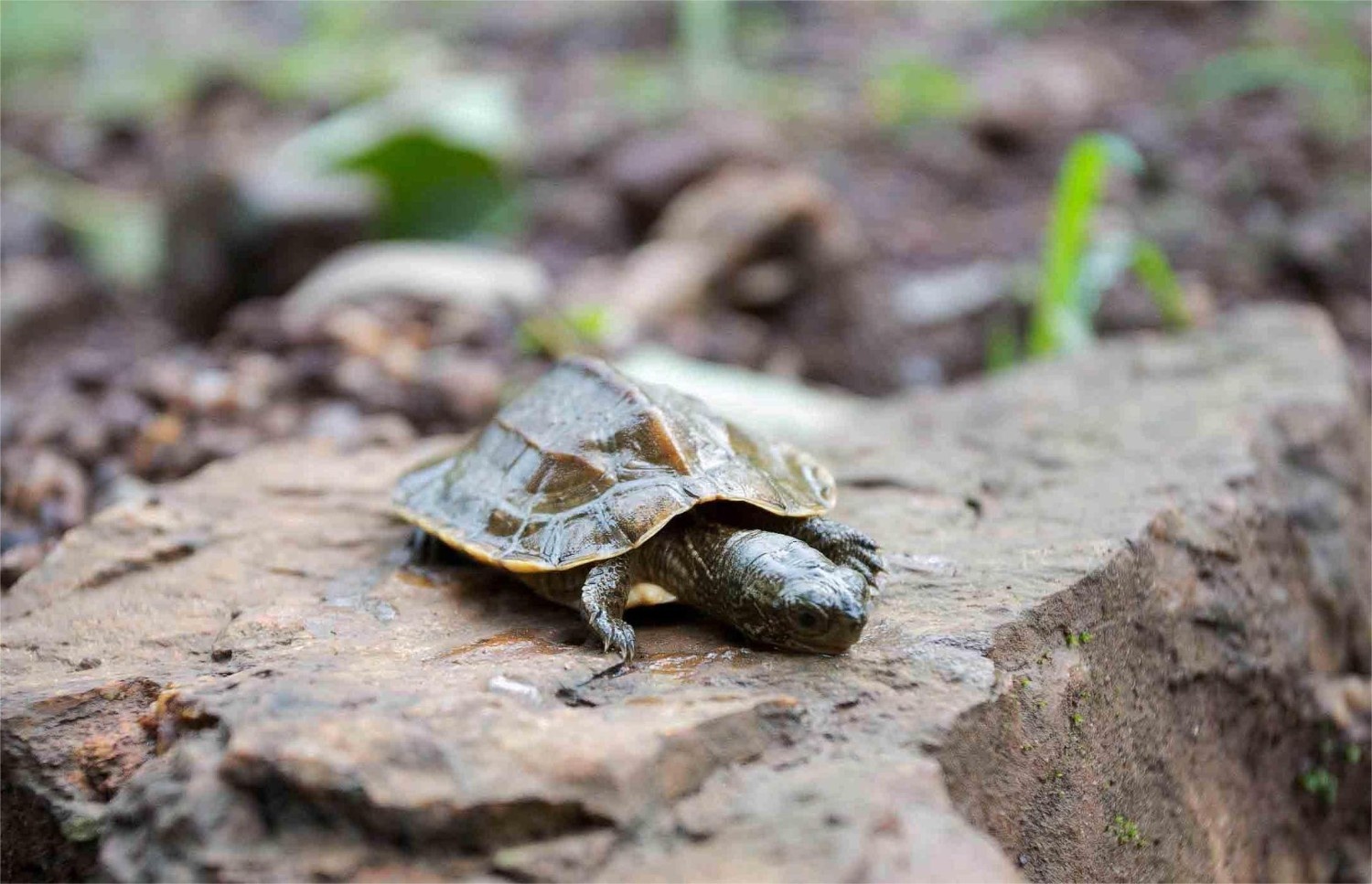
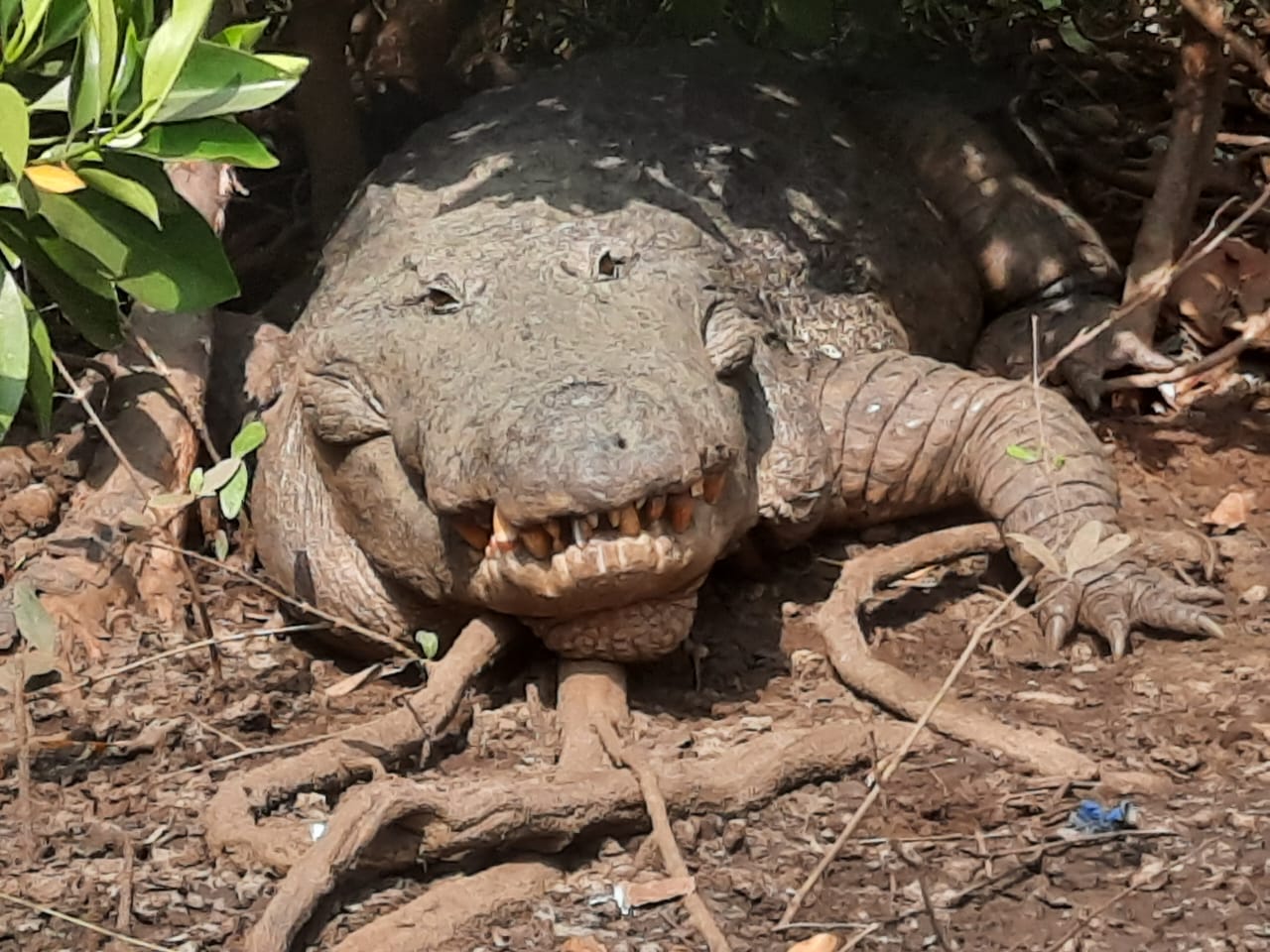
- Opportunity to see Mugger crocodiles and mudskippers
Exploring Goa’s Only Bird Sanctuary
The Dr. Salim Ali Bird Sanctuary is named after India’s most famous ornithologist and remains one of the most significant estuarine ecosystems in the country. Situated on the island of Chorao, the sanctuary is a maze of mangrove forests, interconnected waterways, and mudflats. Unlike the high-energy beaches of North Goa, this area offers a slow-paced, observant experience where the sounds of the Mandovi River and bird calls take center stage.
Why Travelers Choose This Activity
Most visitors to Goa stick to the coastline, but birdwatching at Chorao offers a glimpse into the state’s rich biodiversity. Travelers choose this tour because it combines a scenic ferry ride, a boat safari through narrow creeks, and a walk through a unique mangrove boardwalk. It is particularly popular among wildlife photographers and those interested in ecology. The sanctuary is home to over 100 species of birds, making it the most concentrated birding spot in North Goa.
What to Expect on the Tour
Your journey begins at the Ribandar Ferry Point, just a few kilometers from Panjim. The ferry ride itself is a classic Goan experience, transporting you and your vehicle across the Mandovi River to Chorao Island. Once you arrive at the sanctuary gates, you have two primary ways to explore: the elevated boardwalk and the mangrove boat safari.
The Mangrove Boat Safari
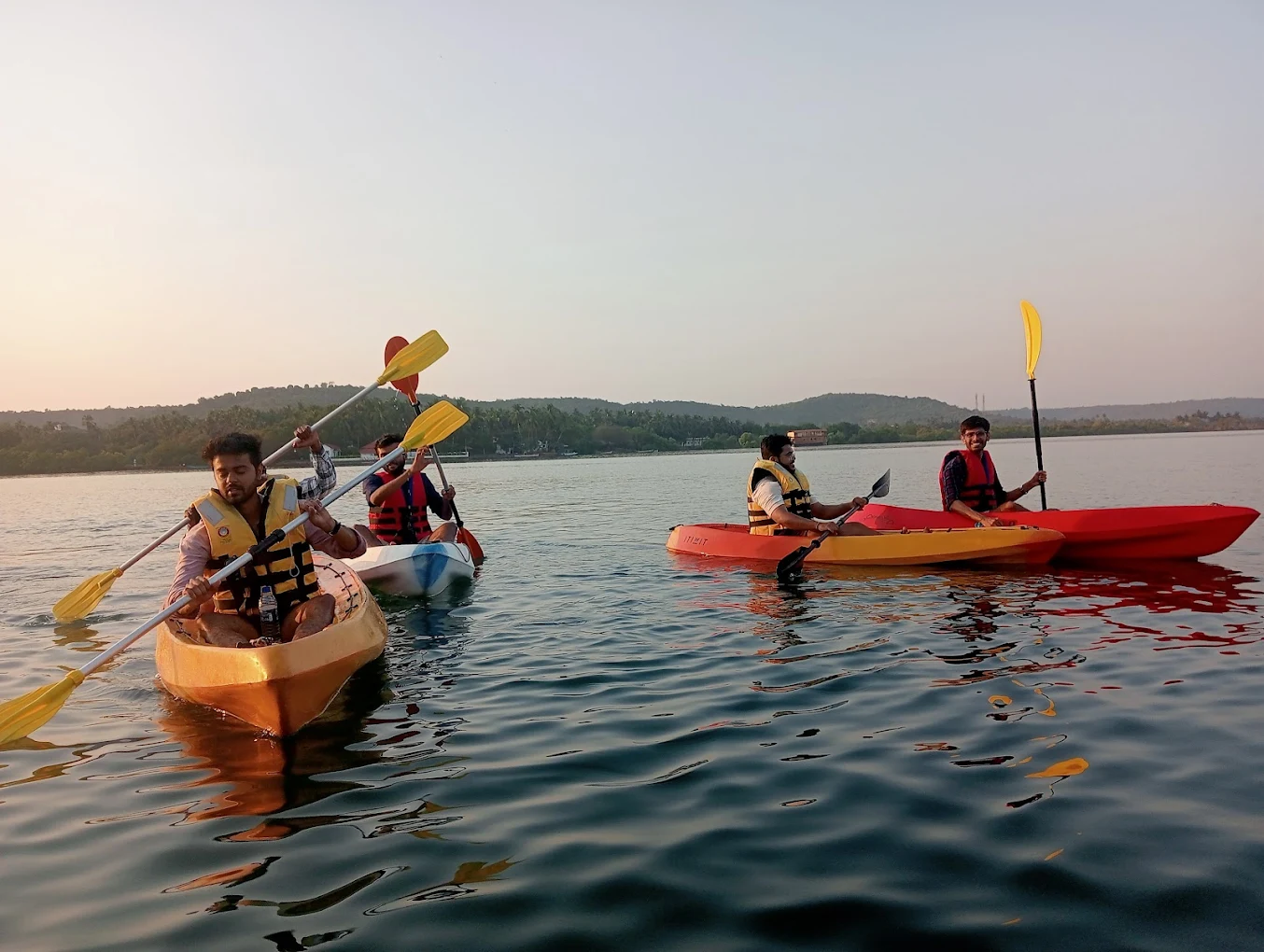
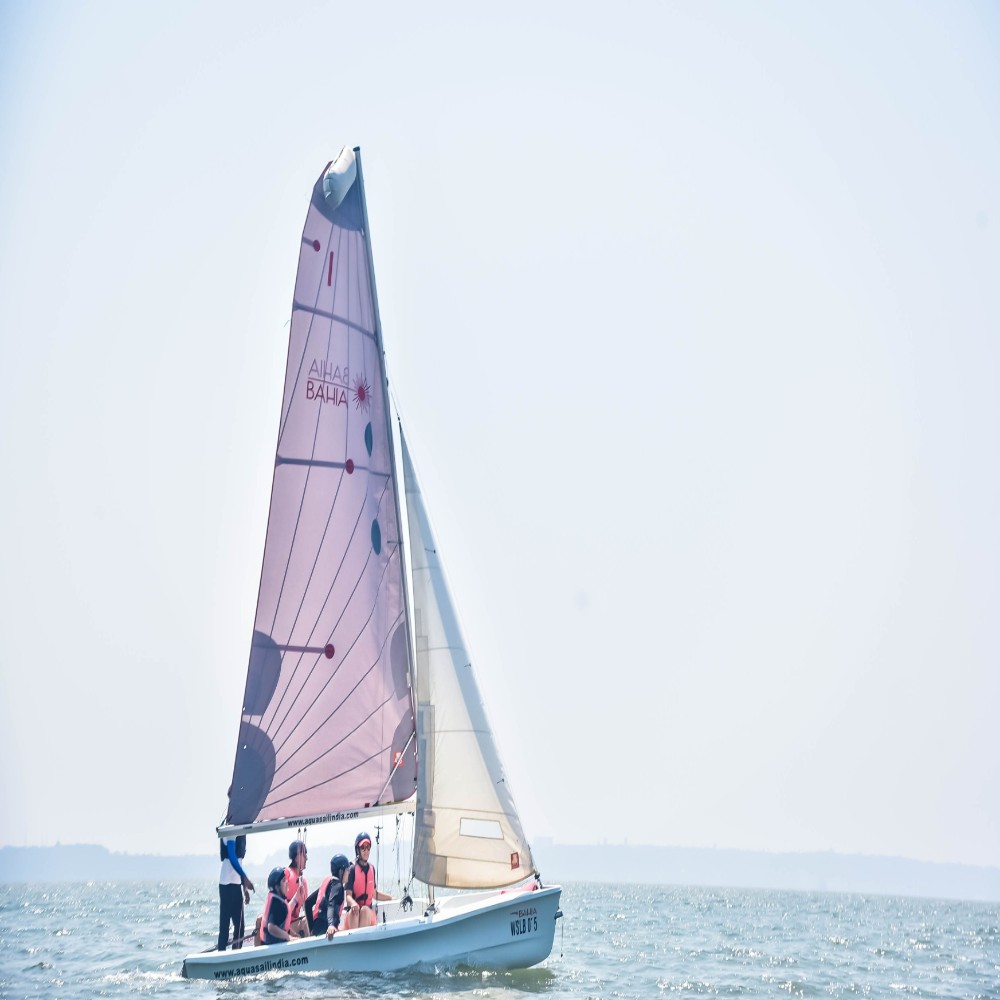
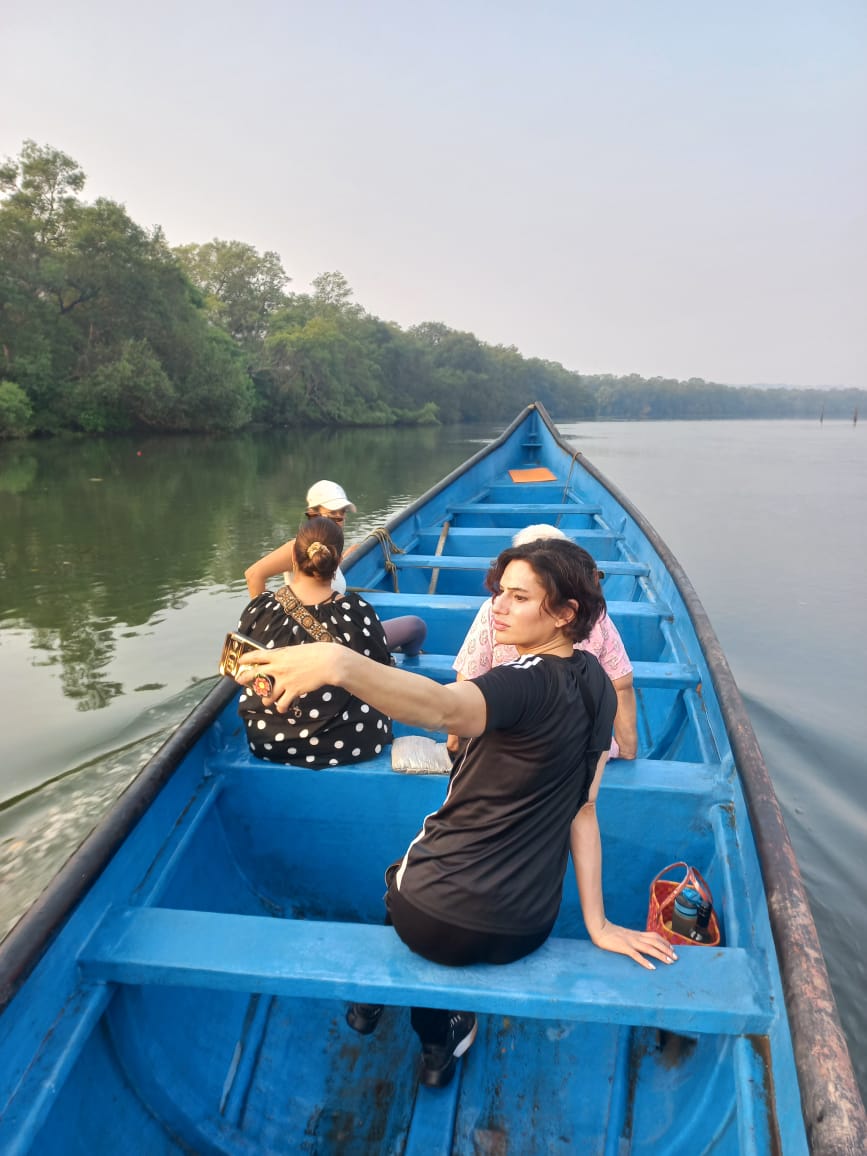
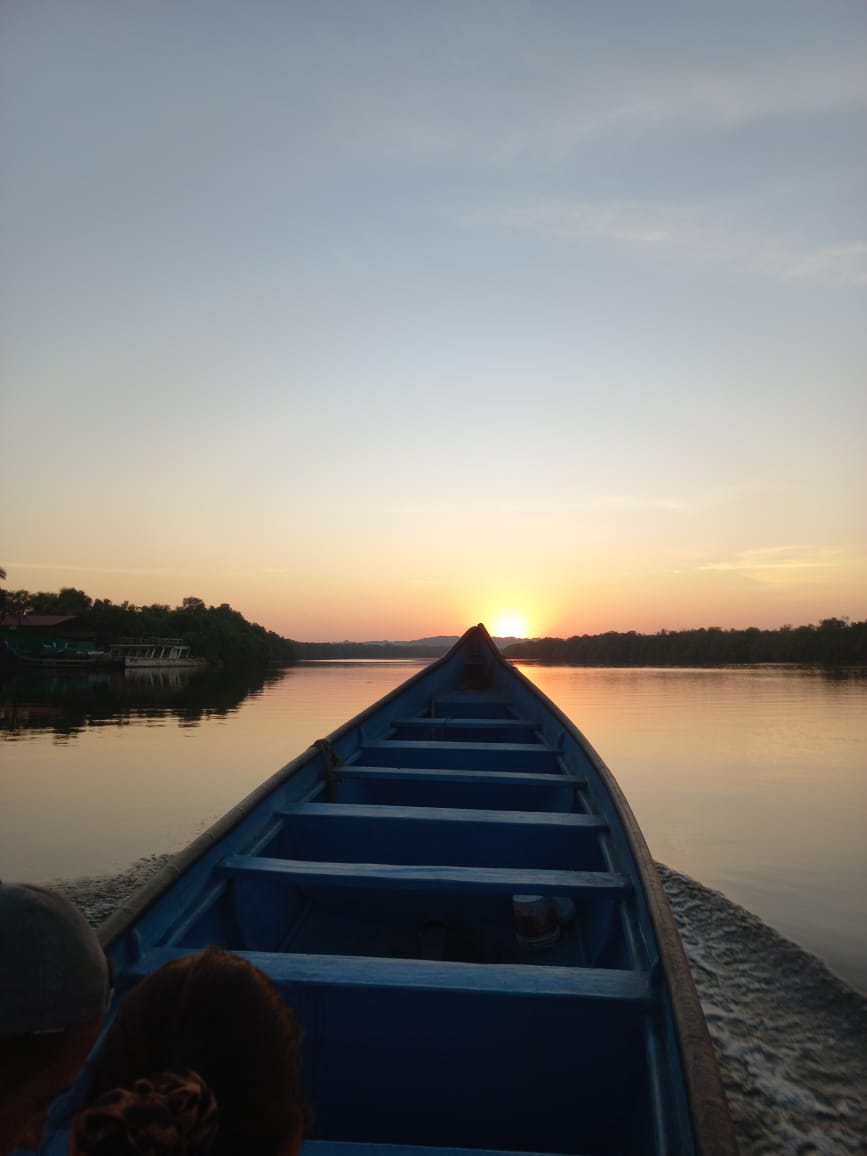
The most effective way to see the sanctuary is by hiring a boat. These small, motorized boats are designed to navigate the narrow canals that are inaccessible by foot. As the boat glides through the thick mangroves, your guide will point out species that are often camouflaged. You are likely to see Black-capped Kingfishers, Western Reef Herons, and Striated Herons. If you are lucky, you might even spot a Mugger Crocodile basking on the muddy banks during low tide.
The Boardwalk Experience
The sanctuary features a 2-kilometer paved and elevated boardwalk that winds through the mangroves. This is excellent for those who prefer to move at their own pace. Along the walk, there is a watchtower that provides a panoramic view of the canopy. The boardwalk allows you to see fiddler crabs and mudskippers in the silt below, which are vital parts of the mangrove food chain.
Key Bird Species to Spot
The sanctuary is a haven for both resident and migratory species. Depending on the time of year, you can expect to see:
- Kingfishers: Common, White-throated, Black-capped, and the rare Stork-billed Kingfisher.
- Waders: Redshanks, Greenshanks, and various species of Plovers.
- Raptors: Brahminy Kites and White-bellied Sea Eagles are frequently seen circling above the river.
- Specialties: The Mangrove Whistler and the Little Bittern are highly sought after by serious birders.
Best Time to Visit and Seasonal Insights
Timing is everything when visiting Dr. Salim Ali Bird Sanctuary. The peak season is from October to March, when migratory birds from Siberia and other northern regions arrive in Goa. During these months, the bird population is at its highest and the weather is pleasant for outdoor exploration.
The Importance of Tides
Birdwatching here is highly dependent on the tide schedule. A high tide is generally better for boat safaris as it allows the boats to enter the smaller creeks where birds roost. However, a receding tide exposes the mudflats, which is the best time to see waders and shorebirds feeding. It is recommended to check the local tide table or consult with your guide before booking your time slot.
Monsoon Visit (June to September)
While the sanctuary remains open during the monsoon, it is less ideal for birdwatching. Many migratory species are absent, and the boardwalk can be slippery. However, the mangroves are incredibly lush and green during this time, offering a different kind of aesthetic beauty for nature lovers.
Practical Information for Visitors
How to Reach
The sanctuary is located on Chorao Island. To get there, you must take the ferry from Ribandar. The ferry is free for pedestrians and very affordable for two-wheelers and cars. It runs every 15-20 minutes starting from early morning. Once you exit the ferry on the Chorao side, the sanctuary entrance is just a few hundred meters to the left.
What to Wear and Carry
- Clothing: Wear muted colors (greens, browns, or greys) to blend into the environment. Avoid bright neon colors which can startle the birds.
- Footwear: Comfortable walking shoes or sandals with good grip are essential for the boardwalk.
- Gear: A pair of binoculars is highly recommended. While some guides provide them, having your own ensures a better experience. A camera with a 300mm+ lens is ideal for photography.
- Protection: Carry insect repellent, as mosquitoes are common in the mangrove swamps. Sunscreen and a hat are also advised for the boat ride.
Safety and Ethics
As a protected area, visitors are expected to follow strict guidelines to maintain the sanctuary's integrity. Plastic littering is strictly prohibited. Maintain silence while on the boat and boardwalk to avoid disturbing the wildlife. Do not attempt to feed any animals or birds. If you encounter a crocodile, maintain a safe distance and stay inside the boat at all times.
Nearby Attractions
After your birdwatching session, consider exploring the rest of Chorao Island. The island is known for its traditional Goan houses, whitewashed churches, and a very slow, 'susegad' pace of life. You can also visit the nearby Mayem Lake or the Saptakoteshwar Temple in Narve, which is a short drive from the other side of the island.
Booking Information
It is best to arrive early, ideally by 7:00 AM, to catch the most bird activity. While walk-ins are allowed, booking a guided tour in advance ensures that a knowledgeable naturalist is available to help you identify the species. Boat fees are usually separate from the entry fee and are paid directly at the forest department counter or to the boatman.
- Sanctuary entry permit
- Guided birdwatching walk
- Use of binoculars (on request)
- Ferry crossing (public)
- Private transport to Ribandar Ferry
- Professional camera fees
- Food and beverages
- Boat hire charges (unless specified in package)
Have questions about this activity?
Chat with our local experts for instant help and best deals!