Expert-Led Birdwatching Trails in Sangod, North Goa
per / person. Taxes & convenience fees might apply.
- Expert-led trail through diverse riparian and forest habitats in Sangod.
- Opportunities to spot Western Ghats endemics like the Malabar Barbet.
- Early morning start to maximize bird activity and photography lighting.
- Use of professional-grade spotting scopes for close-up views.
- Includes a traditional Goan breakfast at a local village eatery.
The Birding Landscape of Sangod and North Goa
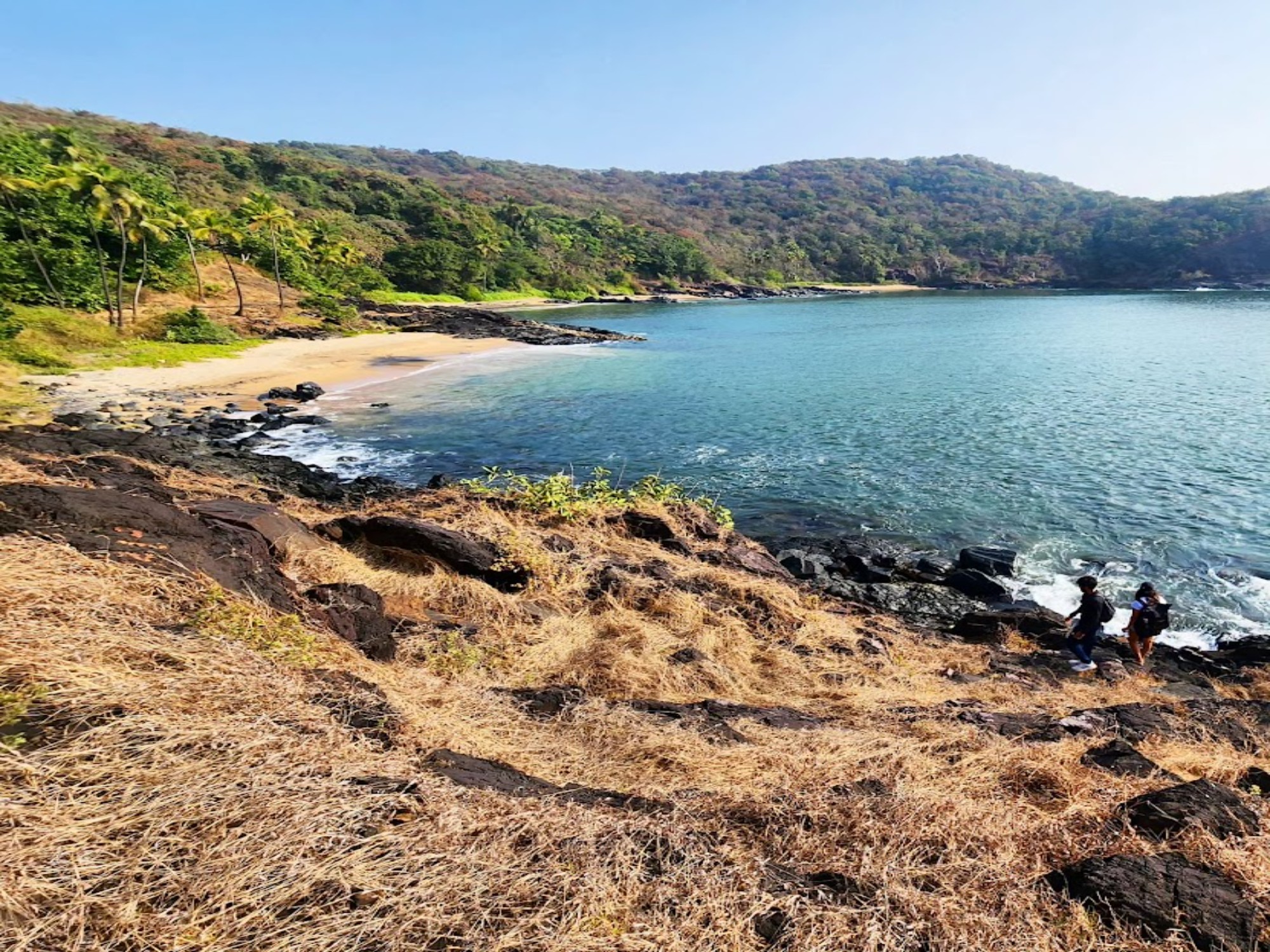
Goa is often associated with its coastline, but its true biological wealth lies in the transition zones where the coastal plains meet the rising hills of the Western Ghats. Sangod, located in the eastern part of North Goa, serves as a prime example of this biodiversity. This area is a mosaic of habitats, including riparian forests along the Mhadei river system, scrub jungles, and traditional agricultural clearings. Because it sits away from the heavy tourist traffic of the beach belt, the birdlife here remains relatively undisturbed, making it one of the most productive areas for wildlife photography and serious birding in the state.
Why Travelers Choose the Sangod Birding Trail
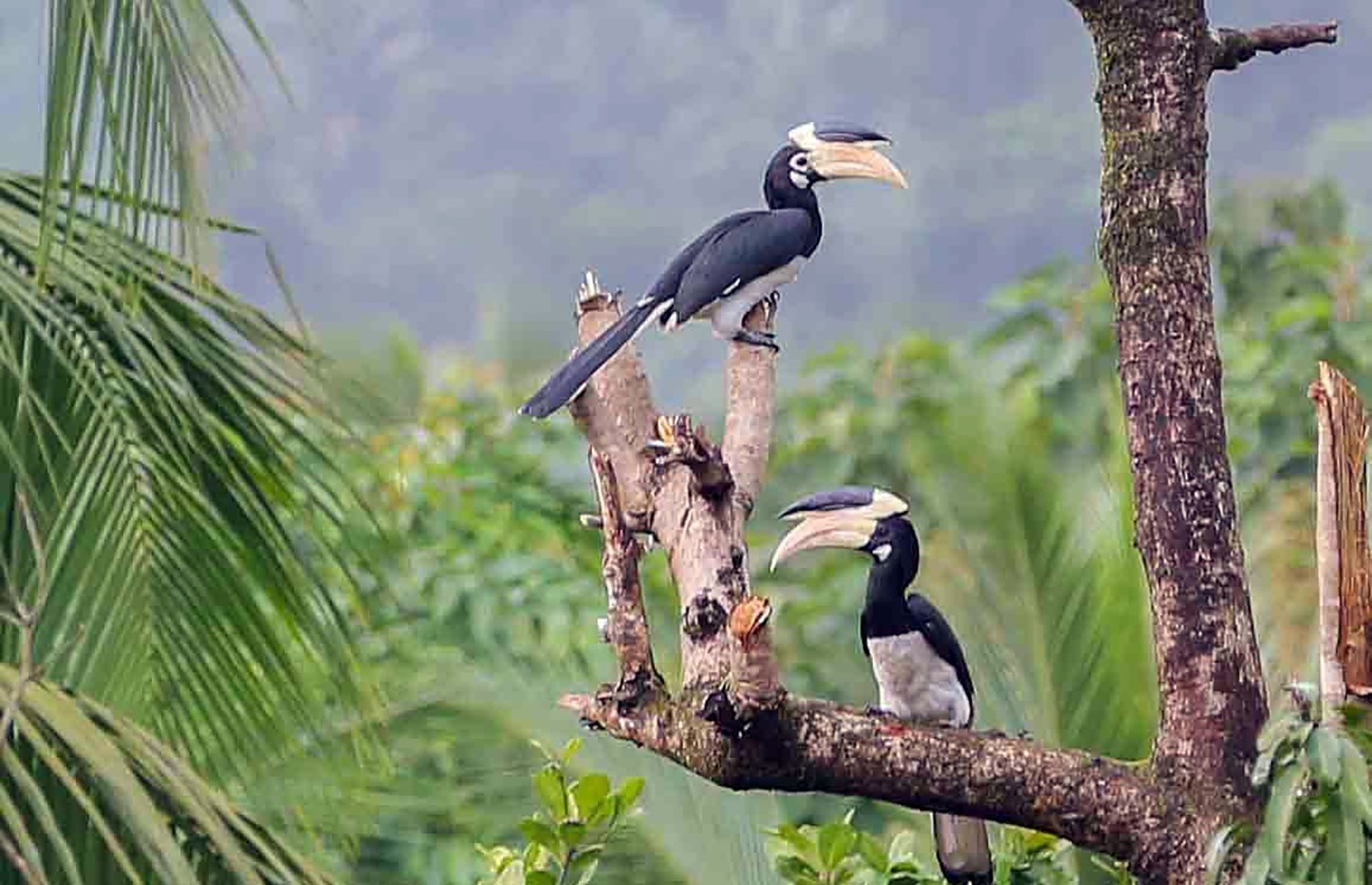
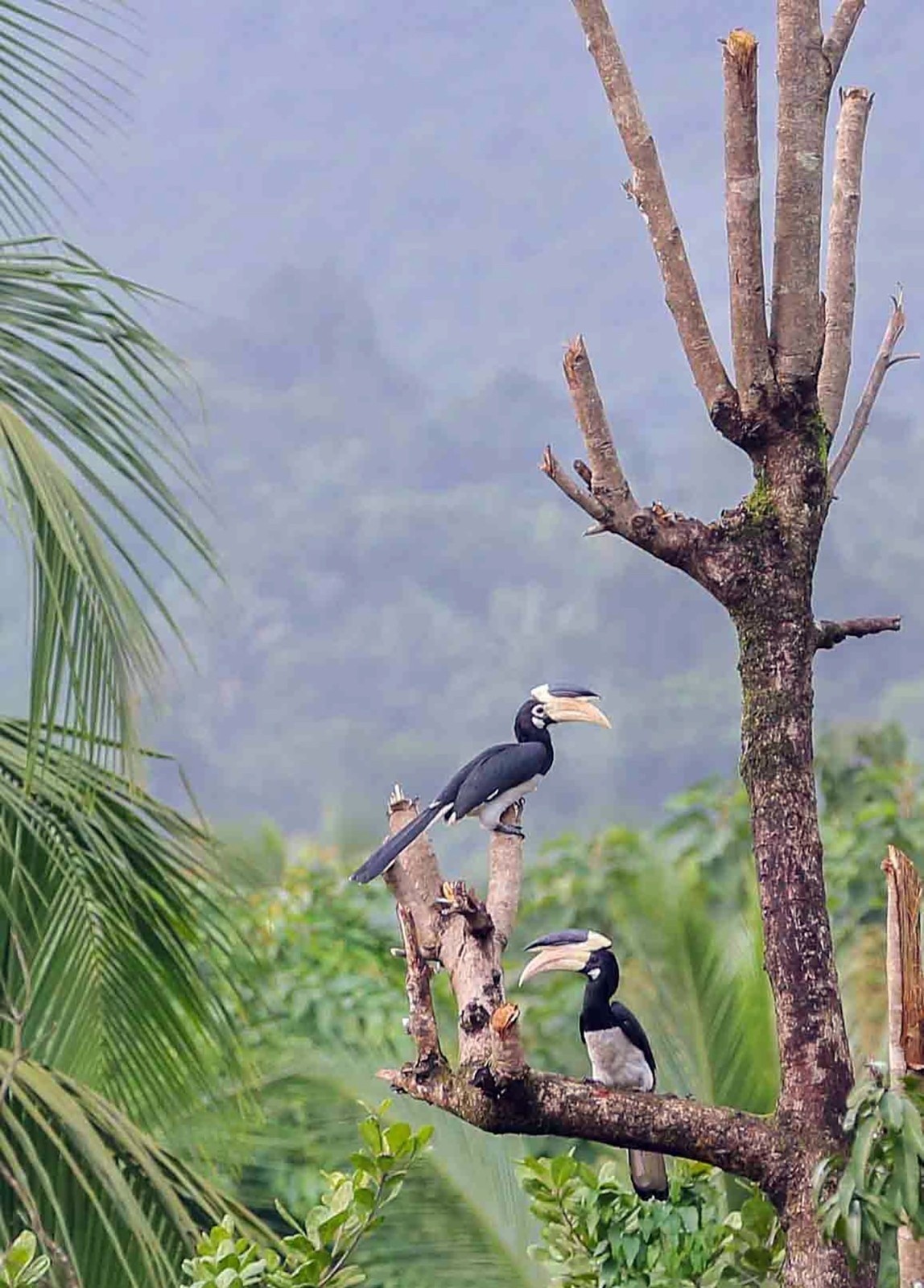
Most travelers choose this specific activity because it offers a stark contrast to the typical Goan holiday. While beach-side birding is common, the rare and endemic species of the Western Ghats require a specialized inland approach. This trail is favored by those who want to see the Malabar Pied Hornbill or the elusive Sri Lanka Frogmouth. Unlike self-guided walks, having a local expert ensures you are looking at the right canopy level and recognizing calls that an untrained ear would miss. It is an educational experience that provides deep insights into the local ecology and the importance of habitat conservation in Goa.
Target Species: What You Might Spot
The variety of birds in Sangod changes with the seasons, but there are several key species that birders specifically come here to find. The region is home to several Western Ghats endemics. You should keep your eyes peeled for the Malabar Barbet, known for its distinctive call, and the White-bellied Blue Flycatcher, which often flits through the shaded undergrowth.
Forest and Canopy Birds
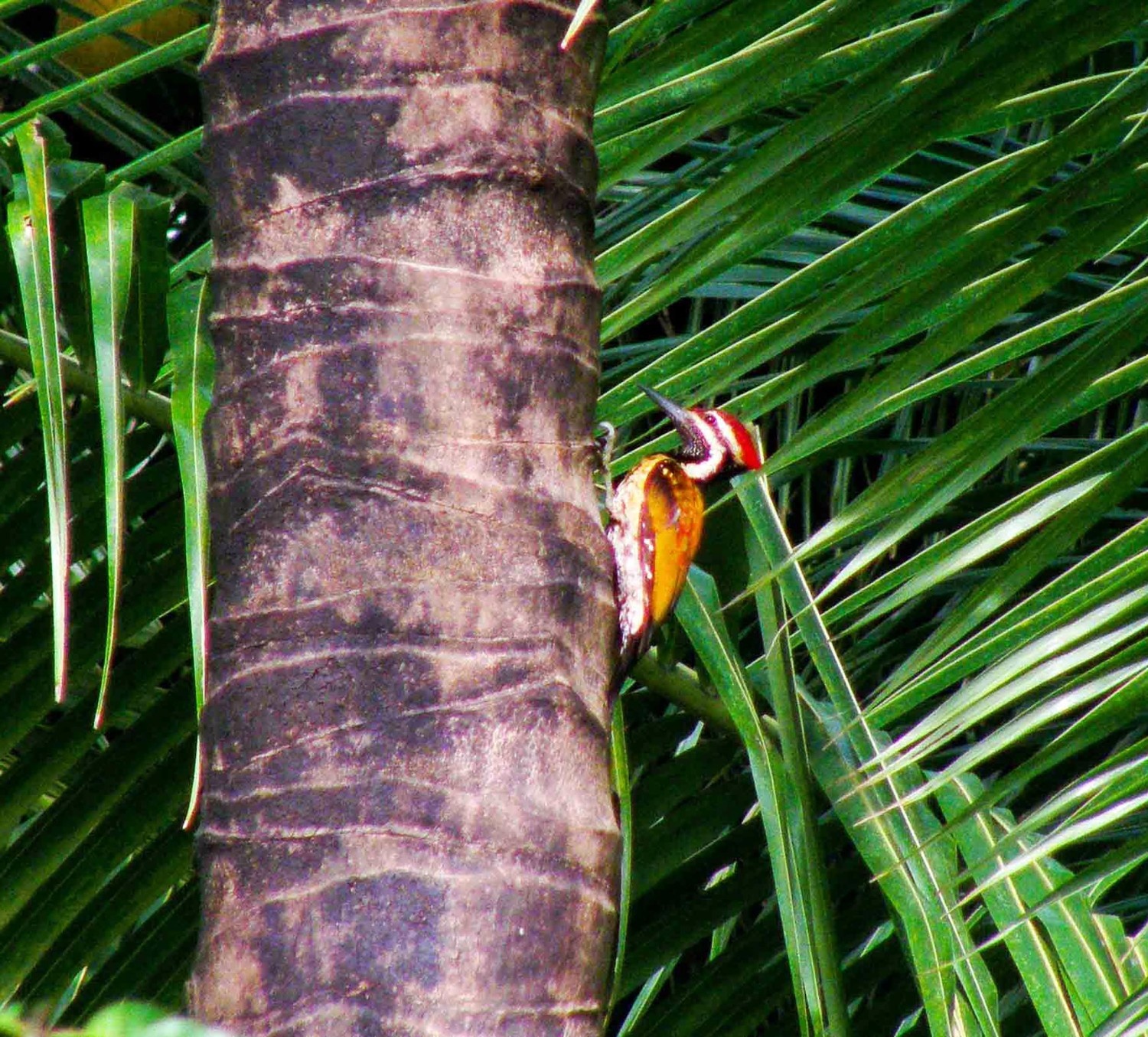
In the denser forest patches, we frequently encounter the Greater Racket-tailed Drongo, recognizable by its long, wire-like outer tail feathers. The Malabar Whistling Thrush, often called the 'Whistling Schoolboy' due to its human-like song, is a common resident near the stream beds. We also look for the Heart-spotted Woodpecker and various species of Bulbuls, including the Flame-throated Bulbul, which is the state bird of Goa.
Kingfishers and Raptors
Near the water bodies and the Mhadei river banks, sightings of the Stork-billed Kingfisher and the Pied Kingfisher are frequent. For those interested in birds of prey, the Crested Serpent Eagle and the Brahminy Kite are often seen soaring above the clearings. During the winter months, we also look for the Osprey patrolling the river stretches.
The Itinerary: A Morning in the Wild
The activity begins at 6:00 AM, a timing that is non-negotiable for serious birding. This is the 'dawn chorus' period when birds are most vocal and active as they begin their first forage of the day. We meet at a designated point in Sangod where your guide will provide a brief orientation on the morning's route and the specific birds currently nesting or feeding in the area.
The walk is conducted at a slow, deliberate pace. We spend significant time at 'hotspots'—specific trees or river bends where activity is concentrated. Your guide uses a high-powered spotting scope, allowing you to see fine plumage details that are invisible through standard binoculars. Around 9:30 AM, as the sun rises higher and bird activity slows, we transition to a local spot for a traditional Goan breakfast, usually consisting of fresh Pao with Bhaji and hot tea, providing a chance to review the checklist of sightings from the morning.
Difficulty Level and Terrain
The difficulty level of this trail is Easy to Moderate. The walking is primarily on flat or gently undulating forest paths and village tracks. However, the ground can be uneven, and near the riverbanks, it may be slightly muddy or slippery. We generally cover about 3 to 5 kilometers over the course of four hours. It is suitable for anyone with basic fitness, including children above the age of 8 and active seniors. It is not recommended for individuals with severe mobility issues due to the natural, unpaved terrain.
Safety and Ethical Birding
Safety is a priority on our trails. While the forests of Goa are generally safe, we do advise caution regarding leeches during the monsoon and post-monsoon months (June to October). We provide basic guidance on how to handle these. More importantly, we practice ethical birding. This means we do not use playback calls to lure birds, as this can stress the animals, especially during breeding seasons. We maintain a respectful distance from nests and keep noise levels to an absolute minimum to ensure we are observers, not intruders.
Best Time to Visit
The absolute best time for birdwatching in North Goa is from October to March. This period coincides with the arrival of migratory birds from the north, significantly increasing the species count. The weather is also much more pleasant for walking. However, the monsoon season (June to September) offers a different experience, focusing on resident birds in their vibrant breeding plumage, though rain can occasionally interrupt the schedule. If you are visiting in the summer (April to May), the trails remain productive but require an even earlier start to beat the heat.
What to Wear and Carry
- Clothing: Wear muted colors like forest green, brown, or khaki. Avoid bright whites, reds, or yellows, as these can startle birds from a distance. Long trousers are recommended to protect against brush and insects.
- Footwear: Sturdy walking shoes or hiking boots with good grip are essential. Open sandals or flip-flops are not suitable for forest trails.
- Gear: If you have your own binoculars, bring them. We provide a limited number of pairs for guests. A camera with a minimum 300mm lens is suggested for photography.
- Essentials: Carry a reusable water bottle, a hat, and sunblock. Insect repellent is highly recommended.
How to Reach Sangod
Sangod is located approximately 45-50 kilometers from the popular beach hubs of Calangute and Baga. The drive takes about 1 hour and 15 minutes. Since the tour starts at 6:00 AM, public transport is not an option. We recommend hiring a private taxi or using a self-drive vehicle. For those staying in Panjim, the drive is shorter, roughly 45 minutes. Parking is available at the meeting point. If you need assistance with transport, it is best to arrange a taxi the previous evening to ensure a timely arrival.
Booking Information
Due to the specialized nature of this activity and our commitment to small group sizes (usually no more than 6 people), we recommend booking at least 48 hours in advance. This allows us to assign the best naturalist for your specific interests, whether you are a general nature lover or a professional photographer looking for a specific species.
- Professional Naturalist/Birding Guide
- Field spotting scope for group use
- Bird checklist for the region
- Traditional Goan breakfast and tea
- Forest entry permits (where applicable)
- Hotel pickup and drop-off
- Personal binoculars (limited pairs available for rent)
- Professional camera equipment
- Bottled water (please bring a reusable bottle)
Have questions about this activity?
Chat with our local experts for instant help and best deals!