Salim Ali Bird Sanctuary Boat Trip, Chorao Island
per / person. Taxes & convenience fees might apply.
- Guided boat tour through the dense mangrove creeks of Chorao Island.
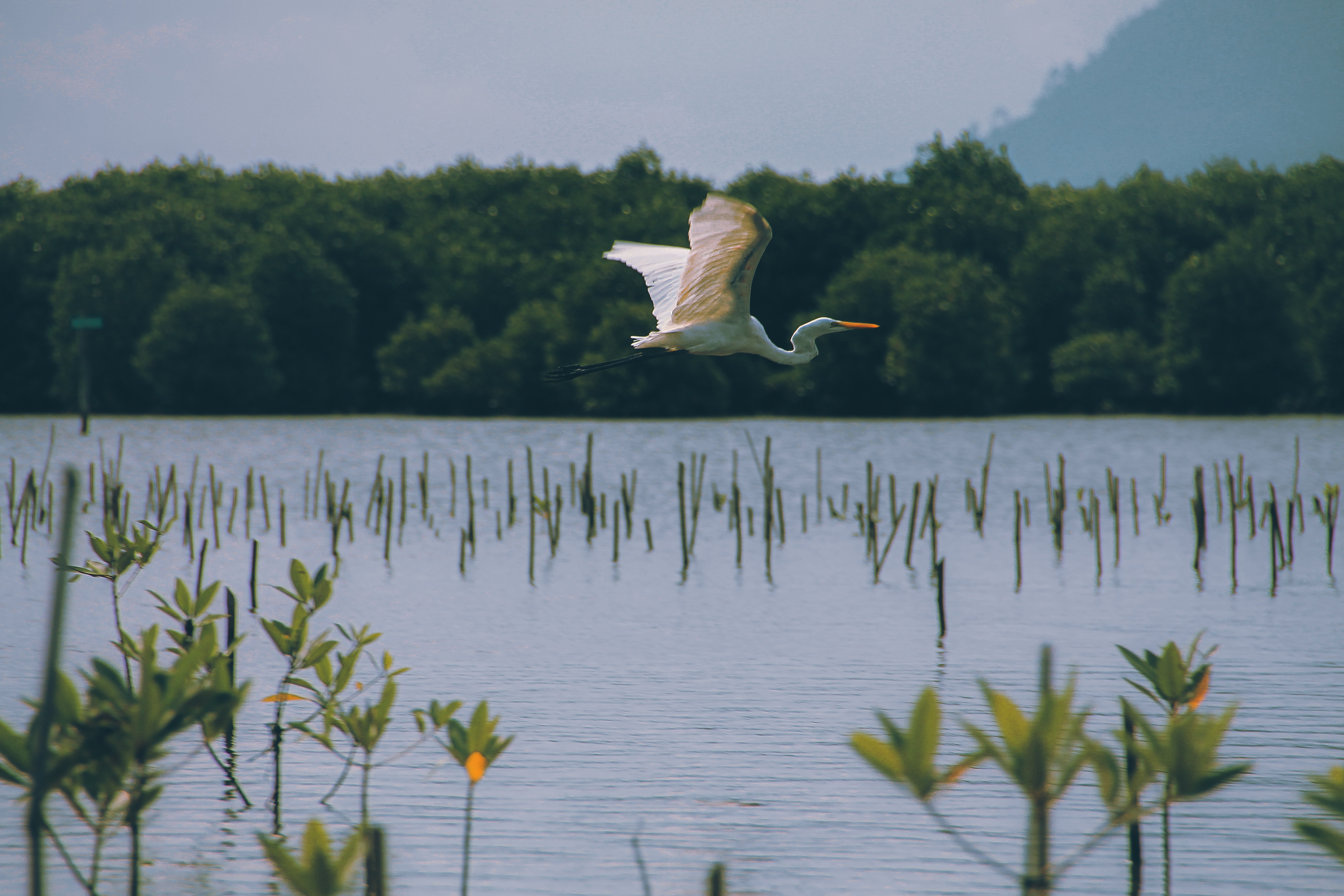
- Excellent birdwatching opportunities for Kingfishers, Eagles, and Herons.
- Chance to spot Mugger Crocodiles basking on the river banks.
- Scenic ferry crossing from Ribandar across the Mandovi River.
- Expert local naturalist to help identify camouflaged wildlife and flora.
Exploring the Salim Ali Bird Sanctuary by Boat
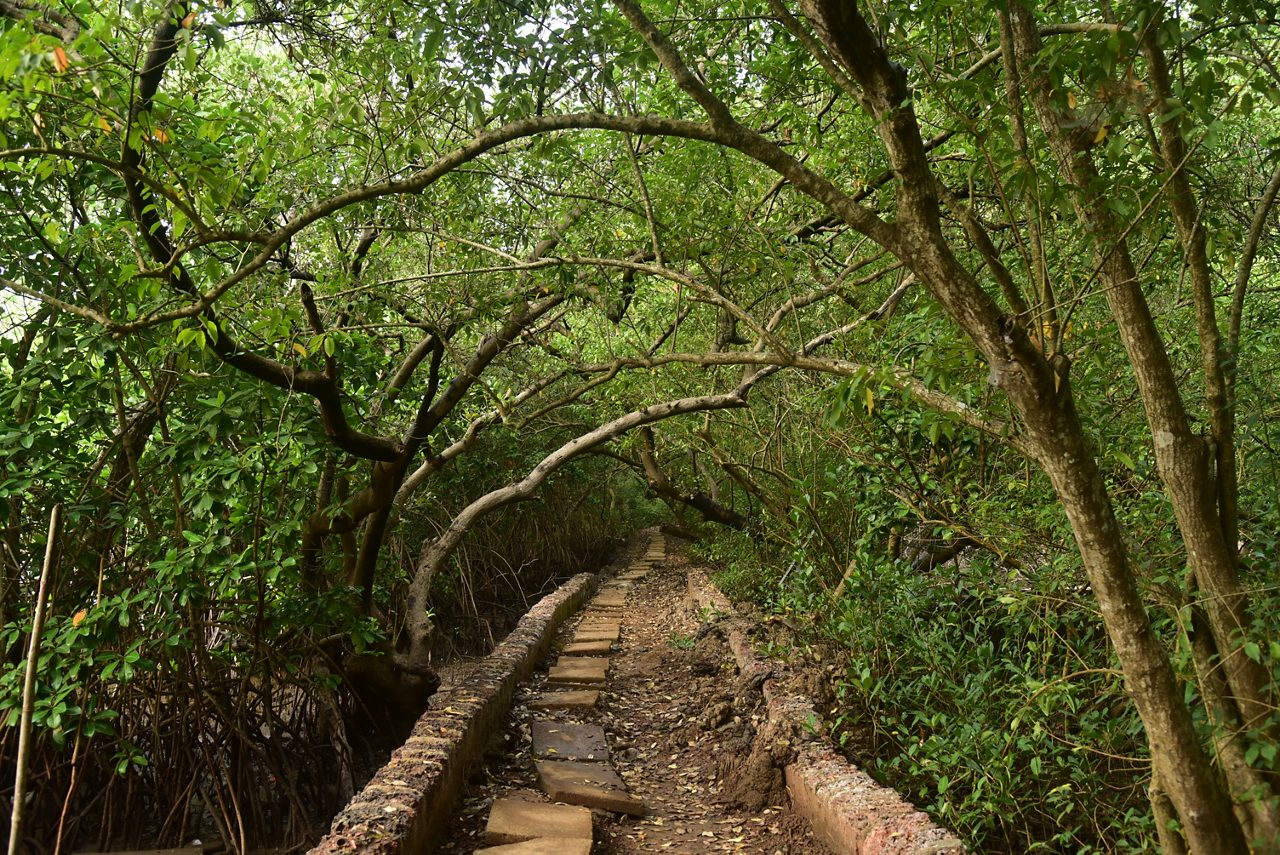
The Dr. Salim Ali Bird Sanctuary is Goa’s only bird sanctuary, covering approximately 445 acres of low-lying mangrove forests. Named after the legendary Indian ornithologist, the sanctuary is situated on Chorao Island. Because the terrain consists of tidal mudflats and dense mangrove roots, the interior of the sanctuary is largely inaccessible by foot. A boat trip is not just the best way to see the sanctuary—it is practically the only way to experience its deep network of narrow canals and creeks.
Why Travelers Choose This Activity
While most visitors to Goa focus on the beaches, the Salim Ali Bird Sanctuary offers a look at the state’s critical estuarine ecology. It is one of the few places where you can witness the complex root systems of several mangrove species up close. Travelers prefer the boat trip because it allows for a silent, non-intrusive approach to wildlife. Unlike a walking trail, the boat can glide into narrow waterways where birds feel more secure, offering better sighting opportunities for photographers and birding enthusiasts.
What to Expect on the Boat Tour
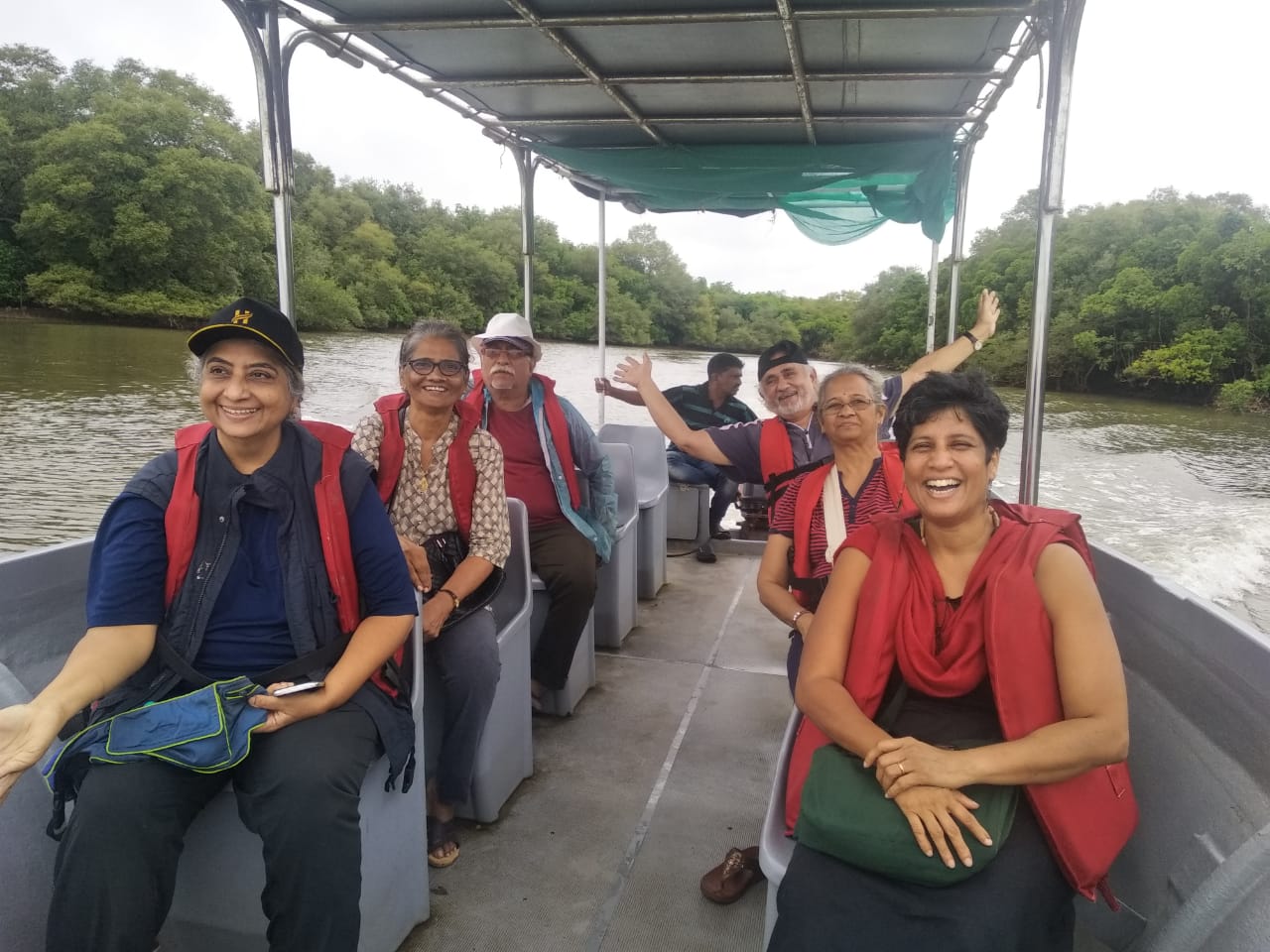
The experience typically begins at the sanctuary entrance, located just a short walk from the Chorao Ferry Jetty. After completing the entry formalities, you will board a sturdy, flat-bottomed boat designed to navigate the shallow tidal waters. Most boats are covered to provide shade from the morning sun.
As the boat moves away from the main river channel and into the smaller creeks, the sound of the Mandovi River traffic fades, replaced by the calls of herons and the rustle of the wind through the mangroves. The naturalist guide on board is essential for this trip, as they are trained to spot camouflaged wildlife that an untrained eye would easily miss. You will spend about 60 to 90 minutes winding through these channels, stopping frequently to observe birds or other animals on the banks.
Commonly Spotted Wildlife
The sanctuary is a haven for both resident and migratory species. Depending on the season, you can expect to see:
- Kingfishers: The sanctuary is famous for hosting several varieties, including the Common, White-throated, and the more elusive Black-capped Kingfisher.
- Birds of Prey: Look up to spot White-bellied Sea Eagles and Brahminy Kites circling the thermals or perched on high branches.
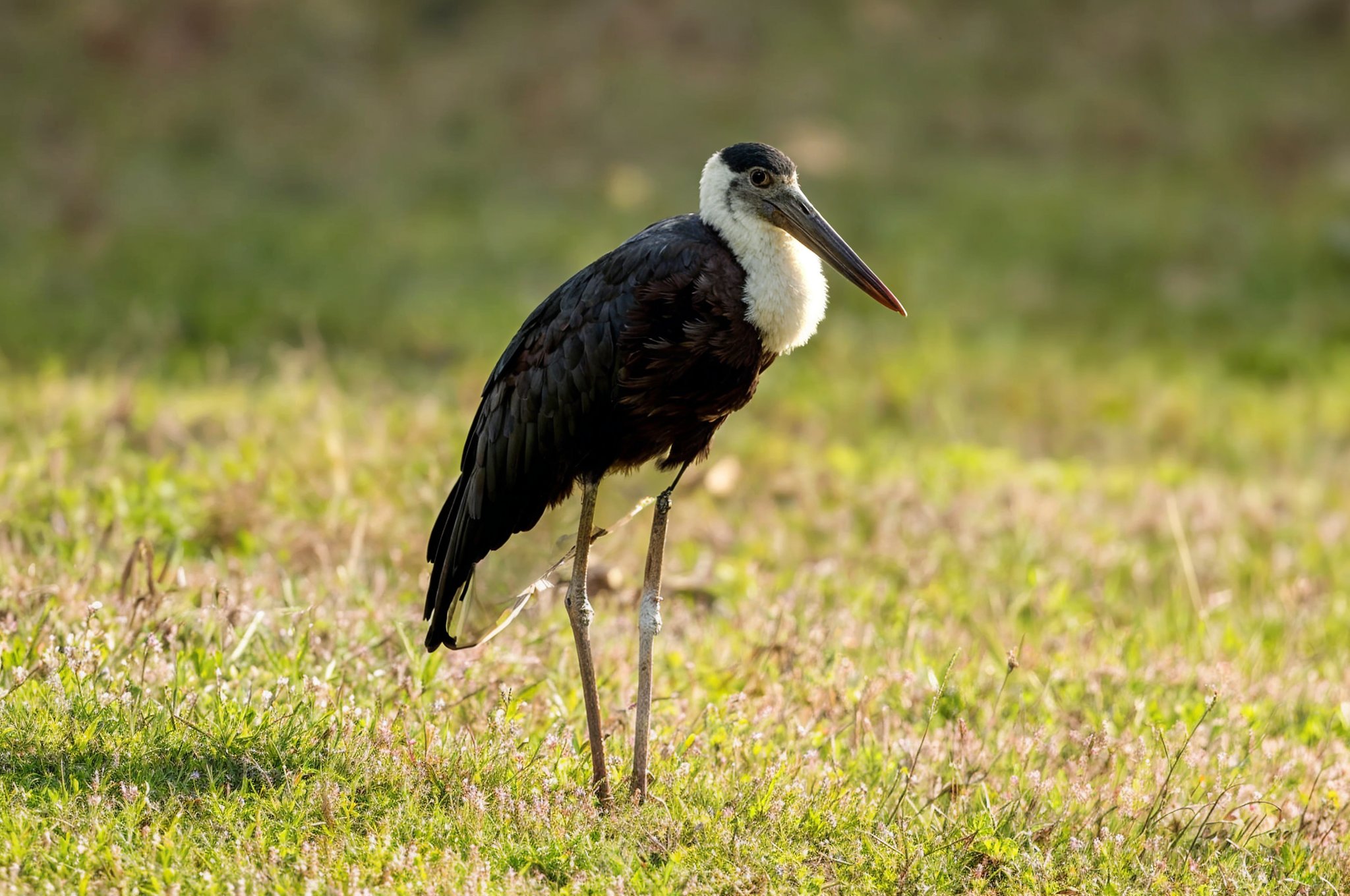
- Waders and Waterbirds: Herons (including the Striated Heron), Egrets, Cormorants, and sometimes the Lesser Adjutant Stork are common sights in the mudflats.
- Reptiles: The Mandovi River is home to a healthy population of Mugger Crocodiles. You may see them basking on the muddy banks during low tide.
- Intertidal Life: Watch the mud below the mangrove roots for Mudskippers (fish that can walk on land) and various species of Fiddler Crabs with their distinctive oversized claws.
The Logistics: Getting to Chorao Island
Reaching the sanctuary is part of the experience. From the mainland, you must take the Ribandar-Chorao ferry. The ferry point is located in Ribandar, about 15 minutes from Panjim city. The ferry is a free service for pedestrians and very affordable for those bringing a car or scooter. The ride across the Mandovi River takes about 5 to 10 minutes and offers a great view of the island’s lush shoreline.
Once you disembark at the Chorao jetty, the sanctuary entrance is roughly 500 meters to your left. There is parking available near the ferry ramp if you are bringing your own vehicle, though it can get crowded on weekends. If you are arriving from North Goa beach belts like Calangute or Baga, expect a 45-minute drive to reach the Ribandar ferry point.
Best Time for Birdwatching
Timing is critical for this activity. The best time to visit is between October and March, when migratory birds from Siberia and Northern Europe arrive in the sanctuary. During these months, the weather is also much more pleasant for a boat ride.
Regarding the time of day, early morning (8:00 AM to 10:00 AM) is the prime window. This is when bird activity is at its peak as they forage for food. Additionally, the tide level significantly impacts what you see. Low tide is generally better for spotting crocodiles and waders on the mudflats, while high tide allows the boat to penetrate deeper into the narrowest creeks. It is often worth checking the local tide timetable before booking.
Monsoon Suitability
During the monsoon (June to September), the sanctuary remains open, but boat trips are subject to weather conditions. While the mangroves look incredibly lush and green during the rains, the bird count is lower as migratory species are absent, and heavy rain can make spotting difficult. However, for those who enjoy the solitude and the rain-washed landscape, it remains a viable activity.
Suitability and Accessibility
Difficulty Level: Easy. This is a low-impact activity suitable for almost everyone. There is very little walking involved, making it an excellent choice for senior citizens or those with limited mobility.
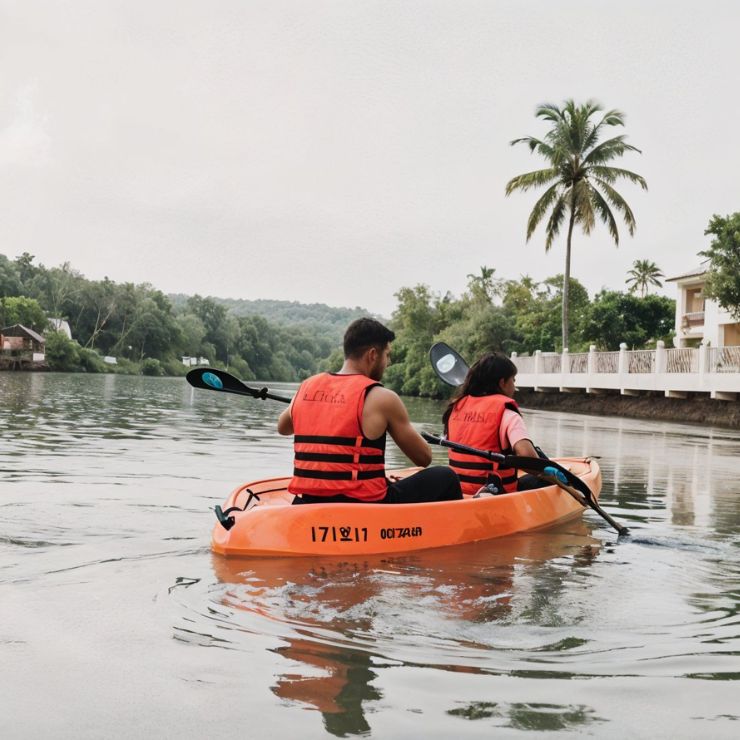
Family Friendliness: Children usually enjoy the boat ride and the excitement of spotting a crocodile. The boats are stable, and life jackets are provided for all passengers, including children. It is a great educational experience for kids to learn about conservation.
Photographers: The boats move slowly and are stable enough for long lenses. However, space can be tight if the boat is full, so bringing a monopod rather than a tripod is recommended.
What to Wear and Carry
- Clothing: Wear light, breathable cotton clothes. Earthy tones (greens, browns, greys) are better than bright colors, as they are less likely to startle the birds.
- Footwear: Any comfortable shoes or sandals are fine since you will be on a boat.
- Binoculars: These are essential. While the boat gets close, many birds stay hidden in the canopy. Some tour operators offer rentals, but it is best to bring your own.
- Sun Protection: Even with a covered boat, the reflection of the sun off the water can be strong. Carry a hat and apply sunscreen.
- Water: Bring a reusable water bottle. Avoid carrying plastic bags or snacks that could create litter; the sanctuary is a plastic-free zone.
Important Booking Information
The Salim Ali Bird Sanctuary is closed on Mondays. For all other days, it is highly recommended to book your boat trip in advance, especially during the peak season from December to February. There are a limited number of boats and guides available. If you arrive as a walk-in, you may have to wait for a boat to return or for enough people to join to fill a boat.
Standard boat trips usually accommodate up to 10-12 people. If you are a serious photographer or birdwatcher, you may want to consider hiring a private boat. This allows you to set the pace, stop longer at specific spots, and ensure a quieter environment for observation.
Nearby Attractions and Tips
After your boat trip, you can explore the village of Chorao, which retains a traditional Goan atmosphere with old Portuguese-style houses and narrow winding lanes. For a meal, you will find small local eateries on the island serving authentic Goan fish thalis, or you can head back across the ferry to Ribandar and Panjim for a wider variety of dining options. The Corjuem Fort is also a scenic drive away if you wish to continue exploring the hinterlands of North Goa.
- Guided boat trip inside the sanctuary
- Sanctuary entry fees
- Life jacket
- Services of a naturalist guide
- Transport to the Ribandar ferry point
- Food and beverages
- Binoculars (available for rent at the counter)
- Camera fees (if applicable)
Have questions about this activity?
Chat with our local experts for instant help and best deals!