
Marine Life Shore Walk in Goa
per / person. Taxes & convenience fees might apply.
- Guided exploration of intertidal pools during the daily low tide window.
- Observe diverse species including sea stars, sea anemones, and various crabs.
- Learn about marine biology and coastal ecosystems from expert naturalists.
- Educational and interactive experience suitable for families and children.
- Small group sizes to ensure a personalized experience and minimal ecological impact.
Understanding the Intertidal Zone in Goa
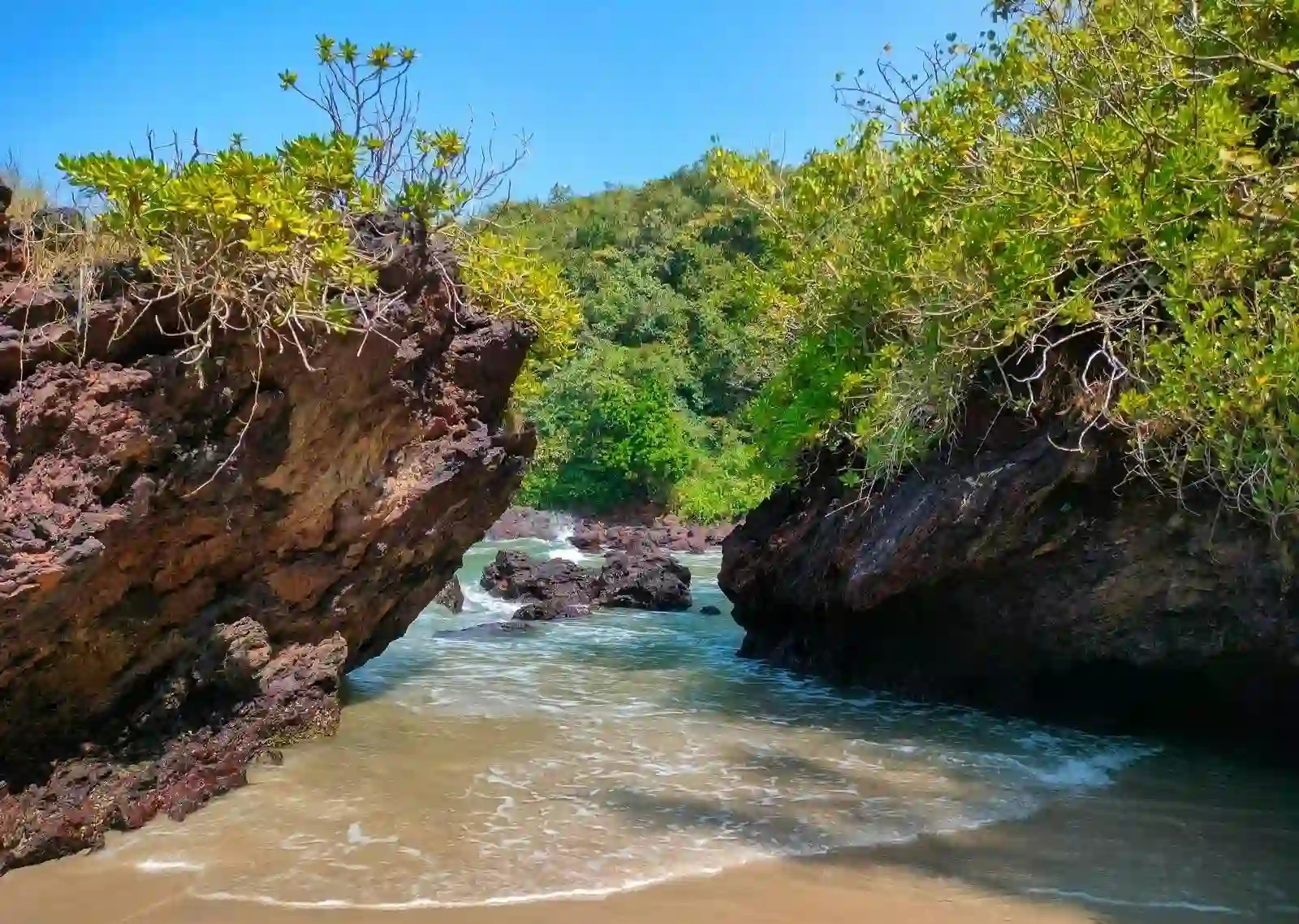
The intertidal zone is the area of the shoreline that is exposed to the air at low tide and submerged at high tide. In Goa, this narrow strip of land is home to a surprising variety of marine life that has adapted to survive in changing conditions. A Marine Life Shore Walk takes you into this environment, specifically focusing on rocky outcrops and sandy patches that reveal hidden ecosystems when the water recedes.
Why Choose a Guided Shore Walk?
While anyone can walk on a beach, identifying the complex life forms within tide pools requires a trained eye. Choosing a guided walk ensures you don't miss the smaller, well-camouflaged residents of the coast. Local naturalists understand the tide cycles and know exactly where specific species like octopuses or rare nudibranchs are likely to be hiding.
Expert Insight from Local Naturalists
Our guides are often marine biology students or experienced naturalists who provide context to what you see. They explain the symbiotic relationships between different species and the survival tactics used by creatures to withstand the heat of the sun during low tide. This transforms a simple stroll into a deep dive into Goa's coastal ecology.
Safety on Slippery Terrain
Rocky shores can be treacherous. Barnacles are sharp, and algae-covered rocks are incredibly slippery. A guide helps navigate the safest paths, ensuring that participants avoid injuries while also protecting the delicate organisms underfoot. We prioritize safety and environmental ethics, ensuring that neither the traveler nor the marine life is harmed during the walk.
What You Will Discover in the Tide Pools
Depending on the specific location and the day's tide, you can expect to see a wide array of marine invertebrates. The variety of life changes slightly between the volcanic rocks of North Goa and the laterite formations in the South.
Crustaceans: The Busy Residents
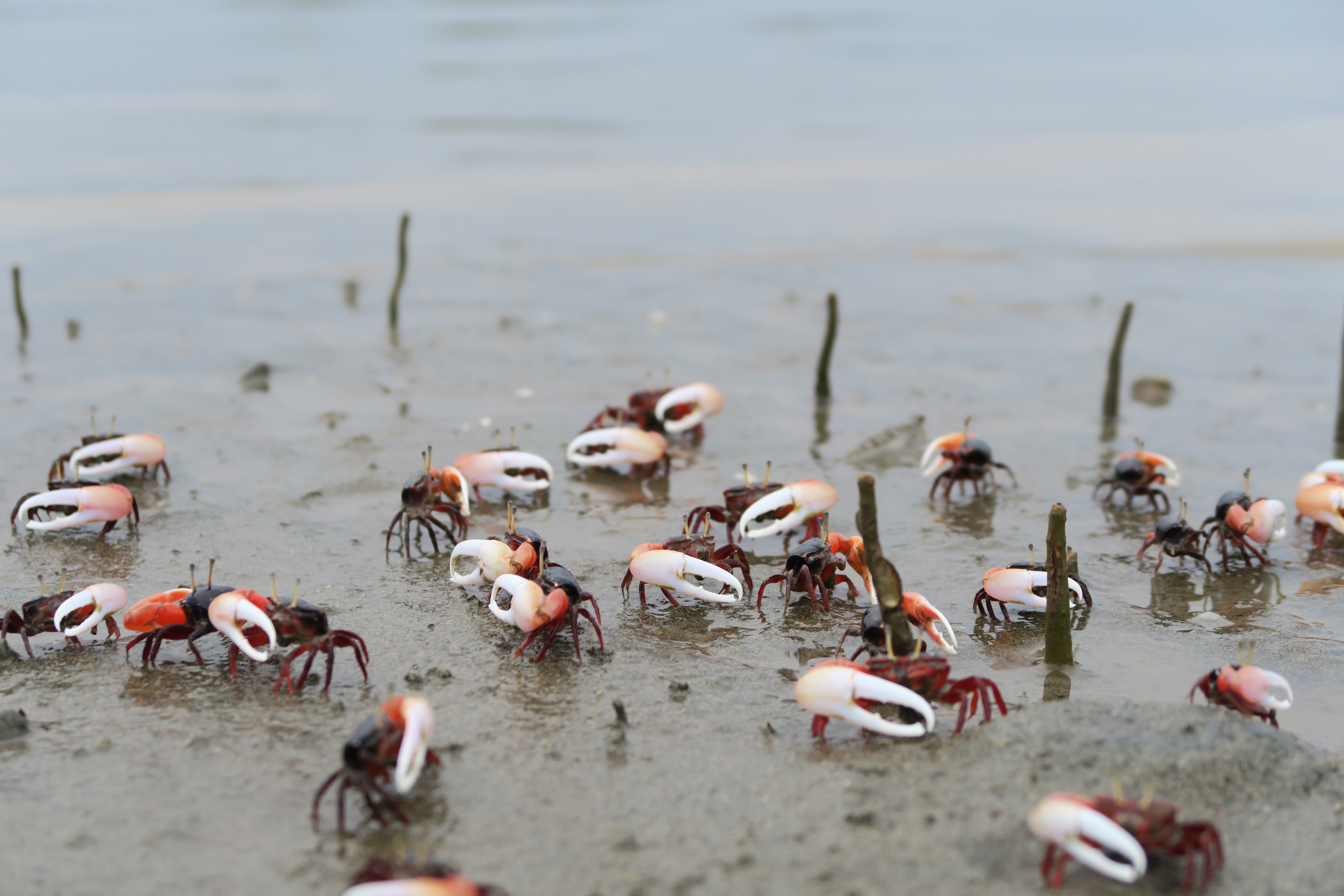
You will encounter numerous species of crabs, including Hermit Crabs searching for new shells, swift-moving Ghost Crabs on the sand, and sturdy Rock Crabs wedged into crevices. Observing their behavior—from feeding to territorial disputes—is a highlight of the walk.
Echinoderms: Stars of the Shore
One of the most sought-after sights is the Sea Star (Starfish). In Goa, we frequently see various species in the shallow pools. You may also find Brittle Stars, which are known for their long, fragile arms and their ability to move much faster than common sea stars.
Mollusks and Cnidarians
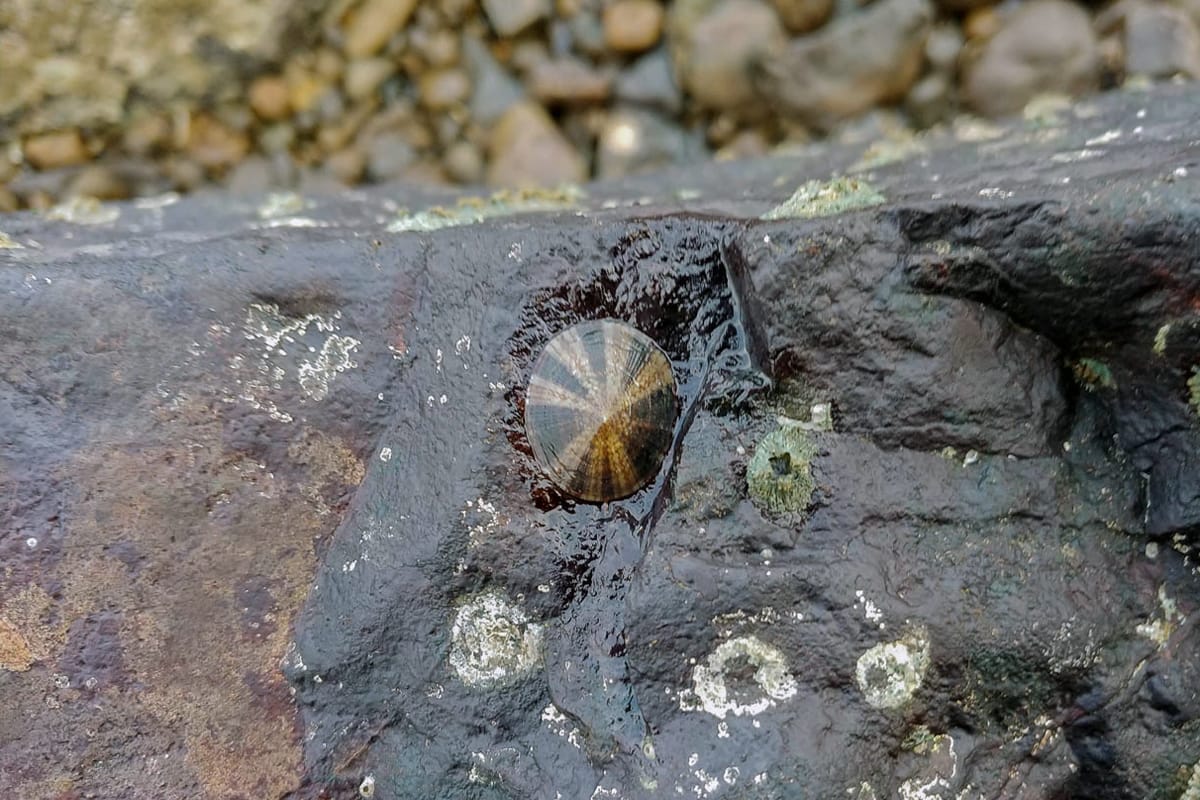
The rocks are often covered in Limpets, Barnacles, and Nerite Snails. In the deeper pools, you will find Carpet Anemones and Sea Grapes (a type of algae). If you are lucky, your guide might point out a well-hidden Octopus or a colorful Nudibranch (sea slug).
Best Locations for Shore Walks in Goa
We conduct these walks at specific beaches where the geology allows for the formation of stable tide pools. The location for your booking will be confirmed based on the best sightings and tide conditions for that date.
Hollant Beach (South Goa)
Hollant is one of the premier spots for shore walks due to its unique rock formations and relatively calm waters. The pools here are rich in corals, sponges, and small reef fish that get trapped during the outgoing tide.
Bambolim Beach (Central Goa)
Located near Panjim, Bambolim offers a mix of muddy and rocky substrates. It is an excellent place to observe mollusks and different types of seaweed. It is also a quieter beach, making the educational aspect of the walk more focused.
Anjuna Beach (North Goa)
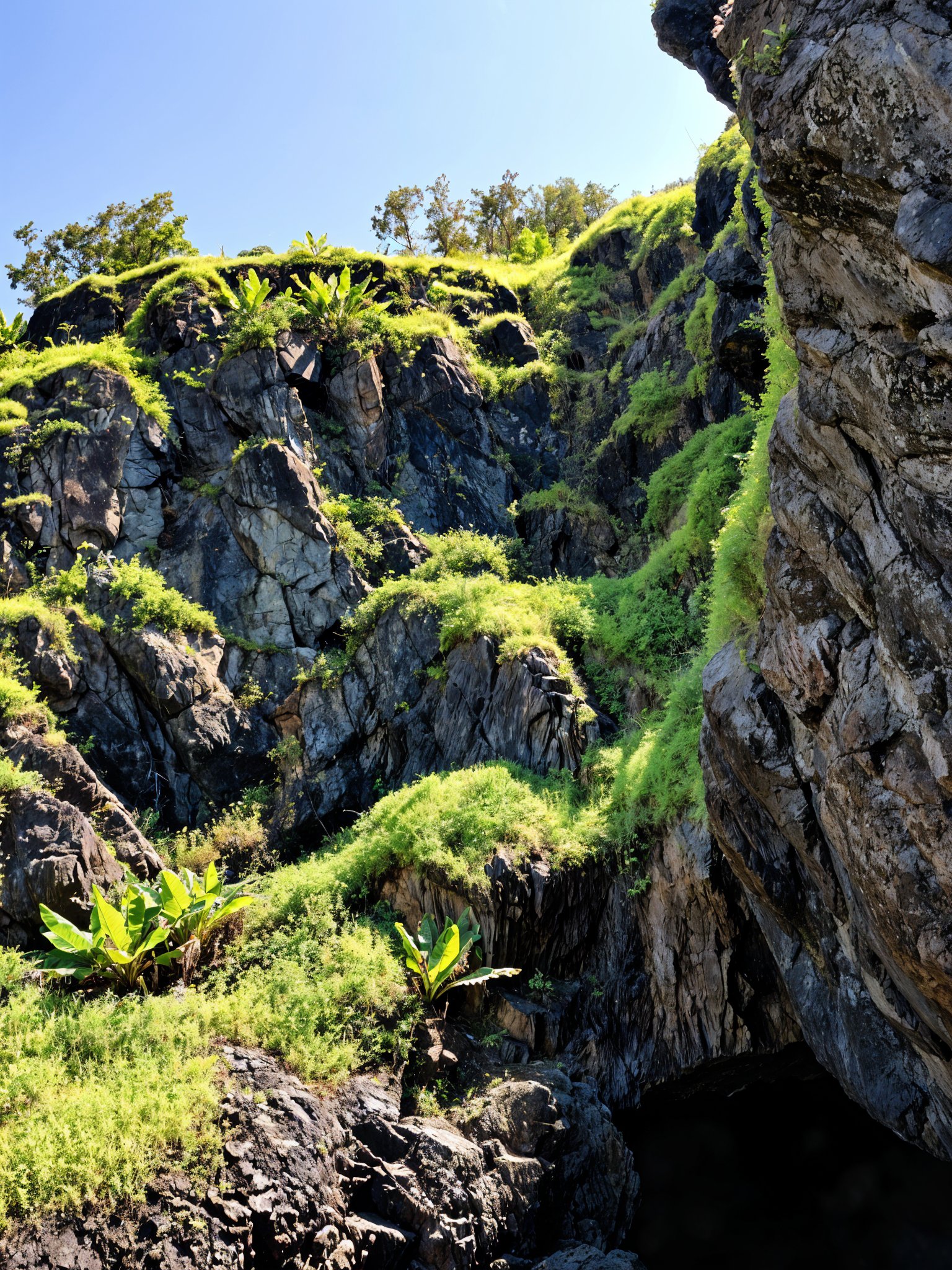
The volcanic rocks at the southern end of Anjuna provide a rugged terrain for exploration. Here, the focus is on hardy species that can withstand the stronger wave action characteristic of the North Goa coast.
The Importance of Tide Timings
This activity is strictly governed by the lunar cycle. The walk can only happen during a 2-hour window around the lowest point of the tide. We monitor tide charts daily to determine the start times. Some days the walk may be at 7:00 AM, while on others, it might be at 4:30 PM. We will provide the exact meeting time 24 to 48 hours before the activity.
Preparation and Gear
To enjoy the shore walk comfortably, proper preparation is essential. This is not a typical "flip-flop" beach activity.
Footwear Requirements
Sturdy footwear is mandatory. We recommend old sneakers or dedicated water shoes with good rubber grip. Flip-flops and sandals are not permitted as they do not provide enough protection against sharp rocks or stable footing on slippery surfaces. Your feet will get wet, so choose shoes you don't mind soaking.
Sun Protection and Hydration
Even though the walk is only 2 hours, the reflection of the sun off the water and wet rocks can be intense. Wear a hat, apply reef-safe sunscreen, and carry a bottle of water. We encourage a plastic-free approach, so please bring a reusable bottle.
Family and Child Suitability
The Marine Life Shore Walk is one of the best educational activities for children in Goa. Kids aged 6 and above usually find the experience fascinating. It provides a hands-on way to learn about biology and the environment. We keep the groups small to ensure that children can safely see the creatures and ask the guide questions. Please note that parents must supervise their children at all times due to the uneven terrain.
Responsible Tourism and Coastal Ethics
We follow a strict "Look but Don't Touch" policy. Many marine organisms are highly sensitive to human touch, oils from our skin, or being moved from their specific micro-habitats.
- We do not remove any shells or animals from the beach.
- If a guide turns over a rock to show life underneath, it is carefully replaced in its original position.
- We avoid using flash photography directly on sensitive creatures.
Seasonal Availability and Weather
The shore walk season in Goa runs from October to May. During the monsoon months (June to September), the sea is too rough, the tides are unpredictable, and the visibility in the pools is poor. Safety is our priority, and walks will be rescheduled or canceled if there is a threat of heavy rain or lightning.
How to Reach the Meeting Points
Since the walks often take place at secluded ends of beaches like Hollant or Anjuna, public transport can be limited. We recommend hiring a scooter or booking a private taxi. We will provide a precise Google Maps location for the meeting point upon booking. Please aim to arrive 15 minutes early, as the tide will not wait for late arrivals.
- 2-hour guided shore walk
- Expert naturalist/marine biologist guide
- Educational identification materials
- First-aid assistance for minor scrapes
- Transportation to the meeting point
- Water shoes (mandatory to bring your own)
- Bottled water and snacks
- Sun protection gear
Have questions about this activity?
Chat with our local experts for instant help and best deals!