Flyboarding in Goa
per / person. Taxes & convenience fees might apply.
- Fly up to 30 feet above the Chapora River backwaters.
- Certified instructors manage the throttle for a safe, beginner-friendly experience.
- Stunning views of the North Goa coastline and mangroves from the air.
- All essential safety equipment, including life jackets and helmets, is provided.
- Learn basic maneuvers like hovering and turning within a single session.
Understanding Flyboarding in Goa
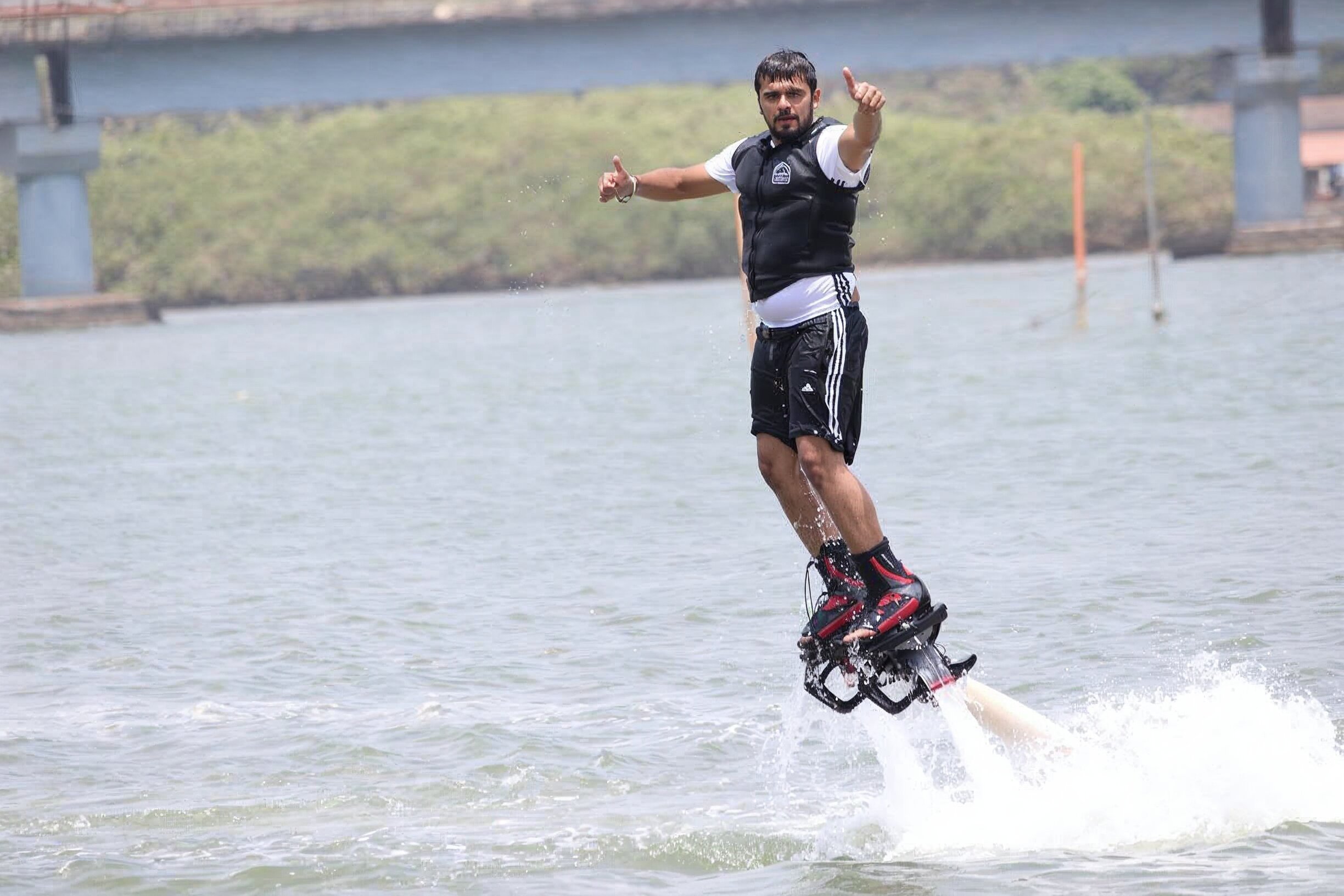
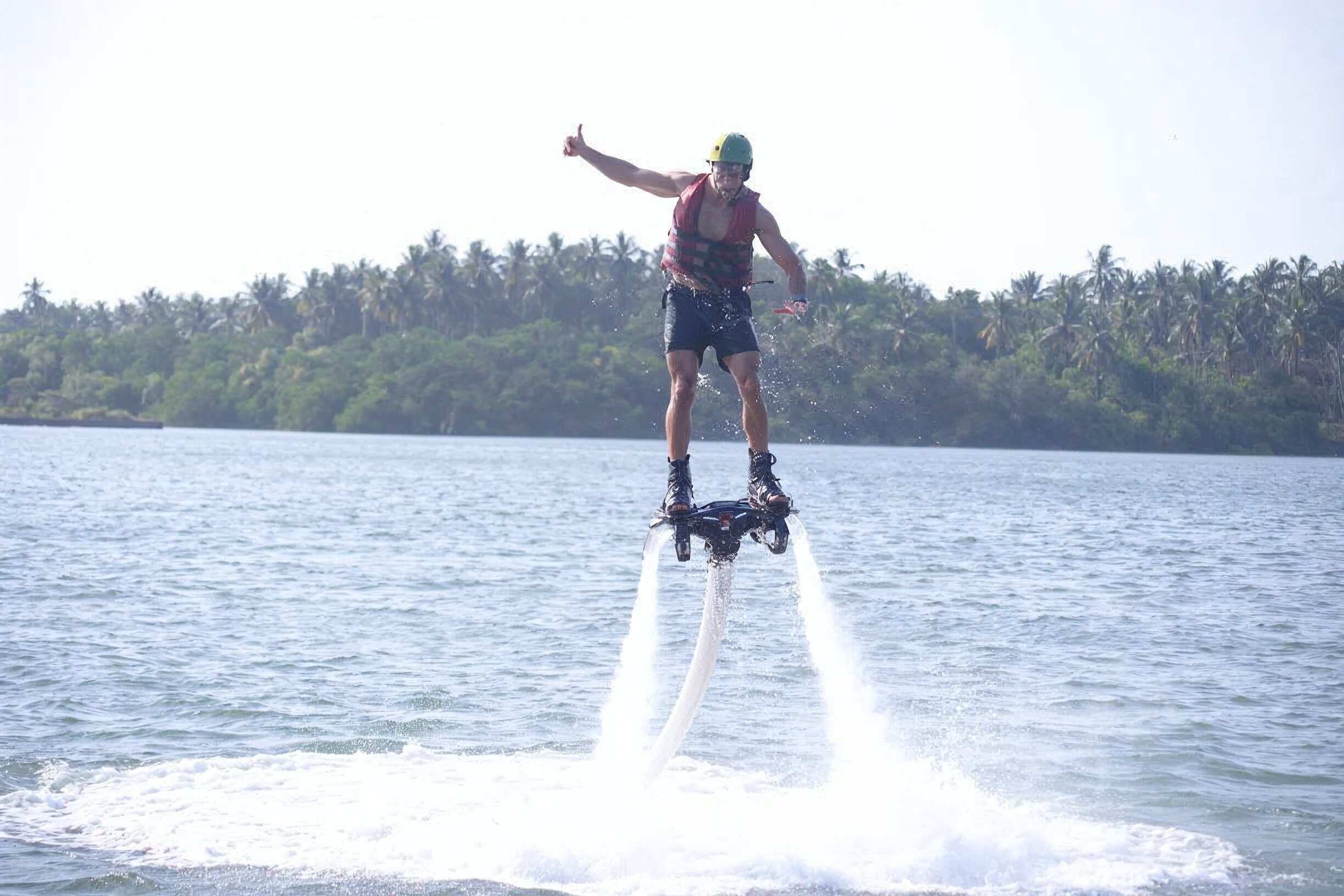
Flyboarding in Goa has evolved from a niche adventure to one of the most sought-after activities in North Goa. Unlike traditional watersports that rely on speed or wind, flyboarding is about balance and propulsion. The setup consists of a board equipped with a pair of boots, connected to a Jet Ski by a long, flexible hose. The Jet Ski engine provides the power, pumping water through the hose and out of nozzles under the boots at high pressure, which creates the lift needed to soar above the waterline.
Why the Chapora River is the Ideal Location
While some operators offer flyboarding in the open sea, most experienced travelers and instructors prefer the Chapora River backwaters. The river environment offers several advantages over the ocean:
- Calm Water Surface: Learning to balance on a flyboard is significantly easier when you aren't fighting ocean swells or breaking waves.
- Consistent Conditions: Rivers are less affected by tidal changes throughout the day compared to the beach shoreline.
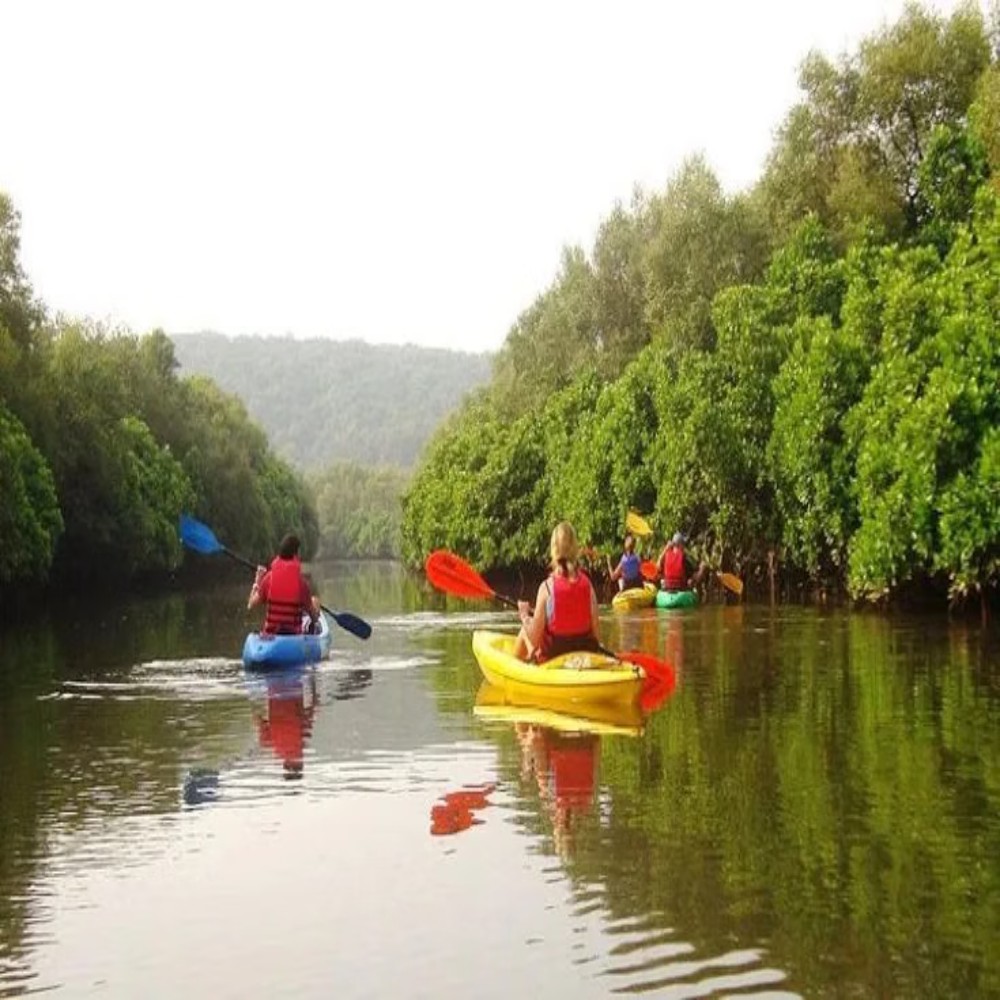
- Scenic Backdrop: You get a unique view of the Chapora Fort and the lush mangroves of Siolim and Chopdem while you fly.
- Safety: In the event of a fall, the absence of strong currents and waves makes it easier for the instructor to reposition the Jet Ski and for you to regain your footing.
What to Expect: Your First Flight
A typical flyboarding session in Goa lasts about 20 to 25 minutes, which includes a land-based briefing and actual flight time. For most beginners, the first 5 to 10 minutes are spent understanding how to stand. You start by lying face down in the water. Once the instructor engages the throttle, you will feel a push against your feet. The key is to keep your legs straight and your core engaged.
Once you reach a vertical position, you will begin to rise. The sensation is often described as standing on a solid pillar of water. As you become more comfortable, you can use subtle foot movements to steer, turn, and even attempt "dolphin dives" where you submerge and resurface in a fluid motion.
Difficulty Level and Physical Requirements
Many travelers assume flyboarding requires extreme athletic ability, but it is actually rated as moderate difficulty. The most important factor is core stability and the ability to follow instructions. You do not need to be a professional swimmer, as your life jacket will keep you buoyant at all times, and the instructor is always just a few meters away on the Jet Ski.
Weight limits: Most operators require participants to weigh between 45 kg and 110 kg. This is to ensure the water pressure can effectively lift you while maintaining the integrity of the equipment. Age limits: Generally, children above 12-14 years (depending on physical build) can participate with parental consent.
Safety Protocols and Equipment
Safety is the primary concern for any reputable operator in Goa. Before you enter the water, you will be fitted with standard safety gear, including:
- High-Buoyancy Life Jacket: Essential for keeping you afloat between flights and during falls.
- Protective Helmet: Designed to protect your head from the impact of the water and the board.
- Communication: Many instructors use hand signals or waterproof radio helmets to guide you on when to tilt your feet or straighten your knees.
It is crucial to listen to the pre-flight briefing. The instructor controls the height and power from the Jet Ski, meaning they can immediately cut the power if they see you losing control, ensuring a safe landing in the water.
Best Time to Visit and Weather Considerations
The best time for flyboarding in Goa is during the peak tourist season from October to May. During these months, the weather is dry, and the river water is clear and calm.
Monsoon Suitability: Flyboarding is generally suspended from June to September. The heavy rains in Goa cause the river currents to become too strong and the water to become murky with debris, making it unsafe for high-pressure water equipment. If you are visiting in the shoulder months (late September or early June), always check with the operator regarding river conditions.
What to Wear and Carry
To have the best experience, you should dress appropriately for a high-activity watersport:
- Swimwear or Rash Guards: Avoid loose clothing like sarongs or heavy cotton t-shirts, as they become heavy when wet and can get tangled in the boots. A snug-fitting rash guard also provides sun protection.
- Sunscreen: The sun reflects off the water, increasing the risk of sunburn. Use a water-resistant variety.
- Change of Clothes: There are usually basic changing facilities nearby, so bring a dry set of clothes for after your session.
- Towel: Most operators do not provide towels.
- Avoid Jewelry: Rings, watches, and loose necklaces should be removed before the activity as they can easily be lost in the river.
Logistics: Reaching the Location
Most flyboarding centers are located near the Siolim Bridge or the Chopdem Jetty. If you are staying in popular North Goa hubs like Calangute, Baga, or Anjuna, the drive will take approximately 30 to 45 minutes.
Parking: There is usually ample roadside parking or designated spots near the river jetties. If you are using a rental scooter, ensure you park in a way that doesn't block local traffic. For those without transport, it is recommended to book a taxi in advance, as app-based cabs can be unreliable in the quieter backwater areas.
Local Tips for Travelers
1. Don't Eat a Heavy Meal: The pressure on your core and the occasional tumble into the water can be uncomfortable on a full stomach. Eat a light snack an hour before your slot.
2. Book a Morning Slot: The wind is usually lower in the morning (between 9:00 AM and 11:30 AM), leading to even calmer water conditions.
3. Photos and Videos: Most operators offer GoPro footage for an additional fee. If you bring your own action camera, ensure it has a floating mount or a very secure chest strap. Do not try to hold a phone while flying.
4. Stay Relaxed: The most common mistake beginners make is locking their knees out of fear. Keep your knees slightly flexible and trust the water pressure.
Nearby Attractions
Since the flyboarding sites are in the Siolim/Chopdem area, you can easily combine your session with other local sights:
- Chapora Fort: Just a short drive away, offering views of Vagator Beach.
- Morjim Beach: Known for its quiet atmosphere and Olive Ridley turtle nesting sites.
- Siolim Church: A beautiful example of Goan ecclesiastical architecture.
- Local Riverside Shacks: Perfect for a post-activity meal with a view of the river.
- 15-20 minutes of actual flight time
- Pre-flight safety briefing and training
- Life jacket and safety helmet
- Services of a certified flyboard instructor
- Use of Jet Ski and propulsion equipment
- Hotel pickup and drop-off
- GoPro photos and videos (available at extra cost)
- Personal expenses and snacks
- Swimwear and towels
Have questions about this activity?
Chat with our local experts for instant help and best deals!