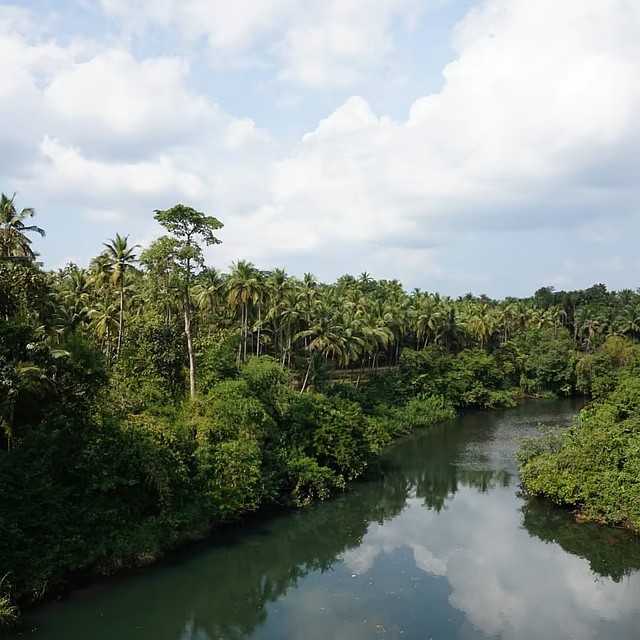
South Goa Coastal and Forest Trekking Tour
per / person. Taxes & convenience fees might apply.
- 12km guided multi-terrain trek through coastal, forest, and river landscapes.
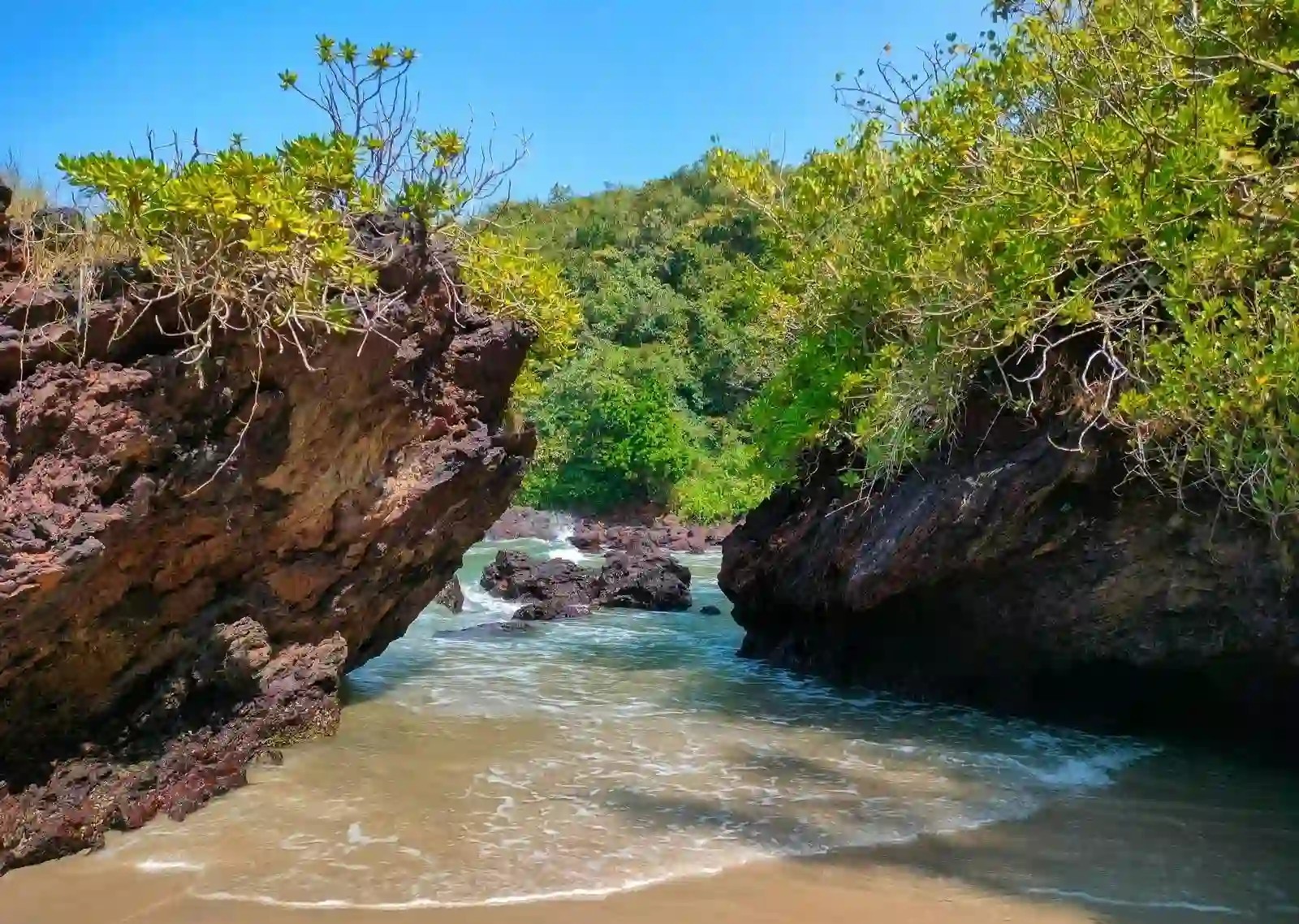
- Visit the secluded Canguinim Beach and the unique Cave Beach.
- Panoramic 360-degree coastal views from the 'Hidden Cross' vantage point.
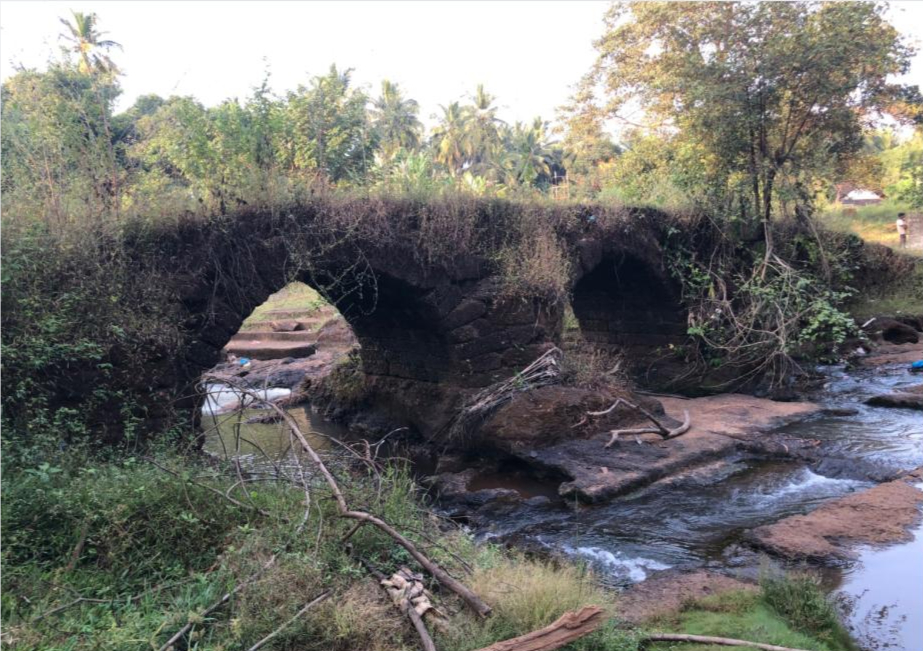
- Explore historical Portuguese-era stone bridges and ruined forest chapels.
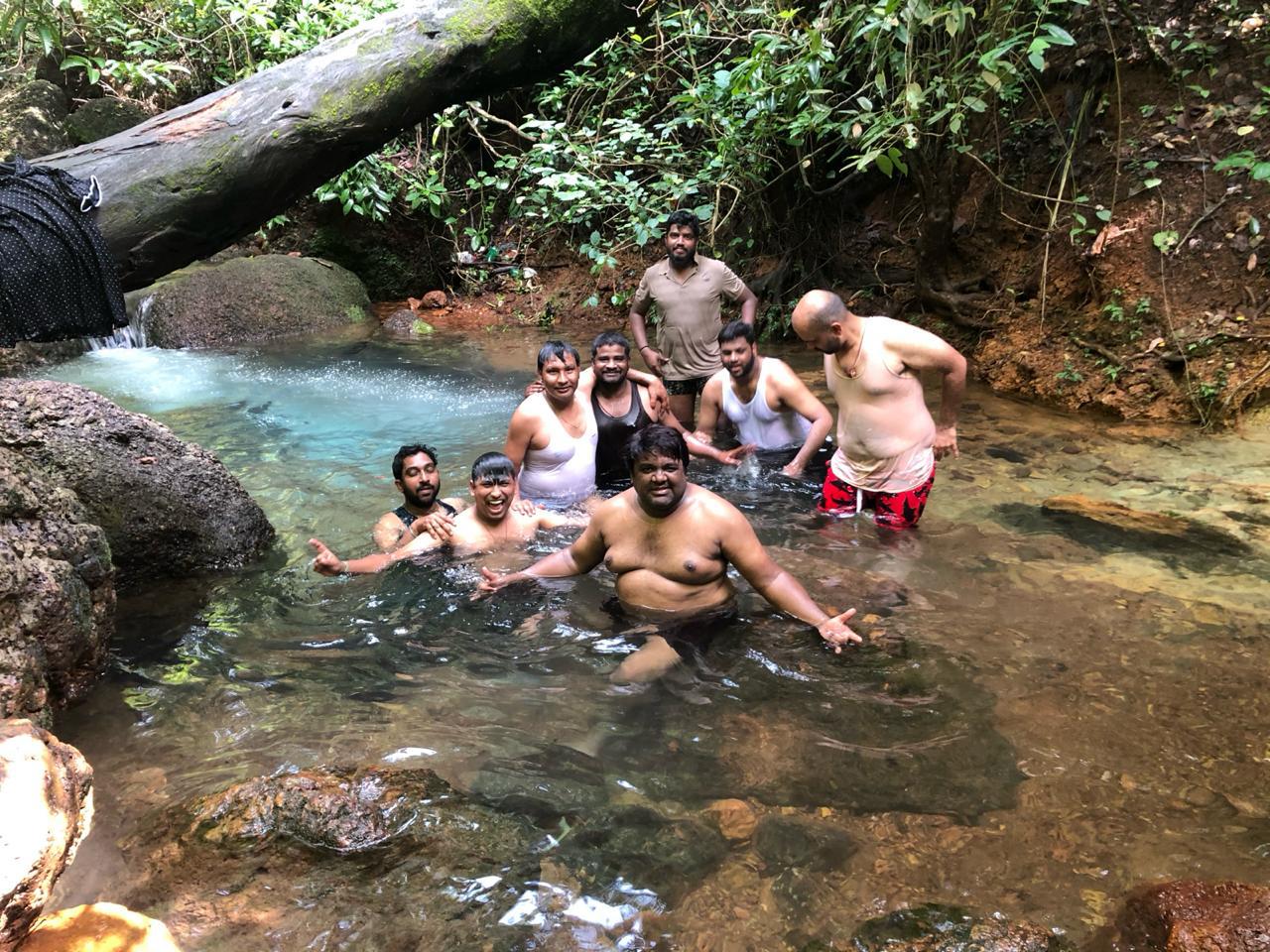
- Experience a natural spring bath and traditional river crossings.
Exploring the Wild Side of South Goa
South Goa is often associated with quiet beaches and luxury resorts, but the interior and cliffside regions offer some of the most challenging and scenic trekking routes in the state. The Great Trek & Exploration Tour is a curated 12-kilometer journey that takes you away from the commercial hubs and into the heart of the Cabo de Rama and Agonda region. This isn't a casual stroll; it is a multi-terrain expedition that requires a decent level of physical fitness and a spirit of adventure.
The Trek Route and Terrain
The trek is strategically planned to showcase the ecological diversity of Goa. It is roughly divided into three distinct segments:
- Coastal Segment (4 km): This part involves walking along high laterite cliffs and descending into secluded coves. You will navigate sandy stretches and rocky outcrops, offering constant views of the Arabian Sea.
- Tropical Forest Segment (5 km): Moving inland, the trail enters the thick vegetation characteristic of the Western Ghats' foothills. Here, the canopy provides shade, but the humidity increases. You will encounter local flora, diverse birdlife, and the occasional seasonal waterfall.
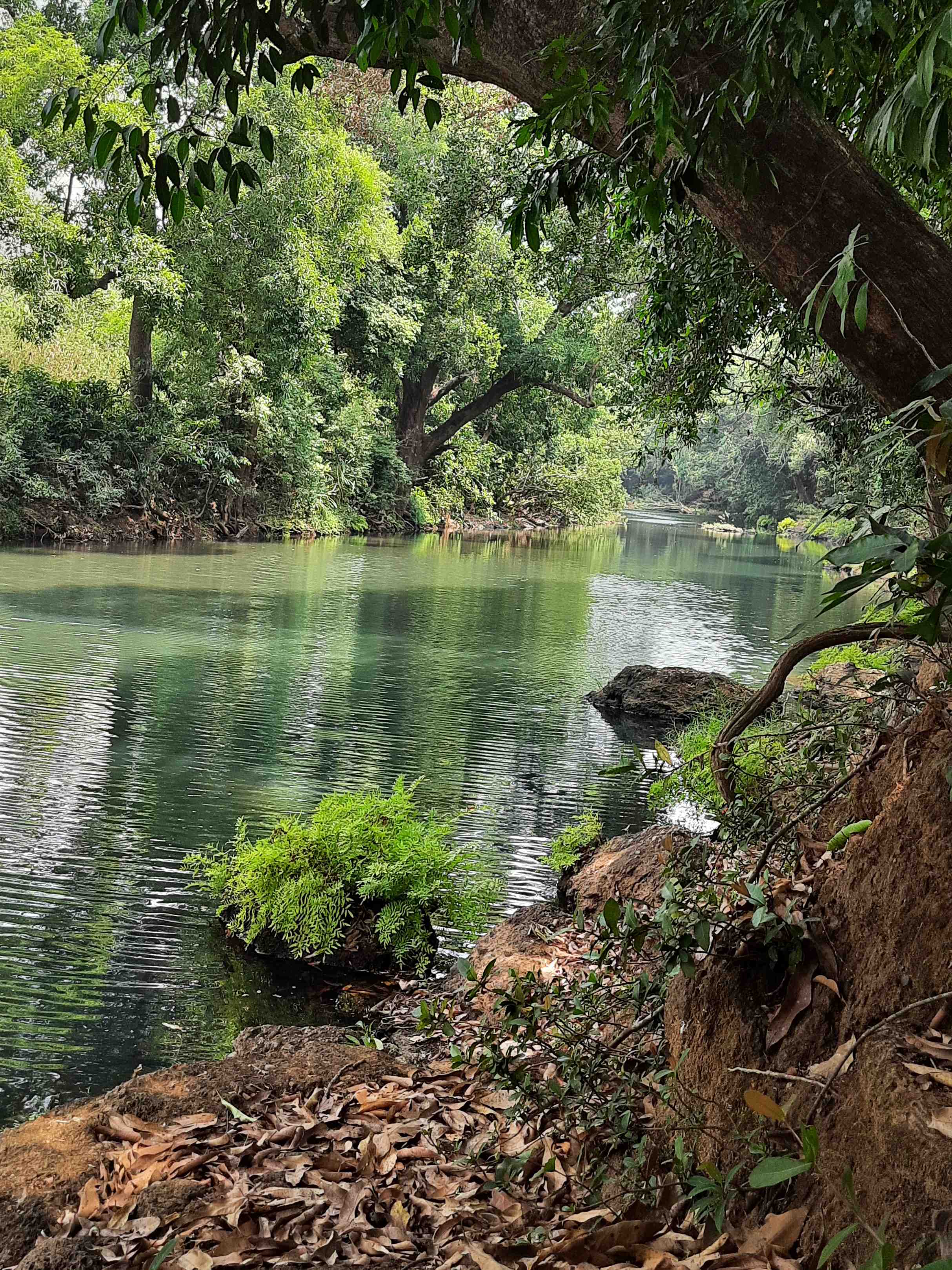
- River and Village Segment (3 km): The final stretch takes you along riverbanks and through traditional Goan hamlets. This section is flatter but involves stream crossings and provides a glimpse into the quiet, rural life of South Goan villagers.
Key Landmarks You Will Encounter
The Portuguese-Era Bridge and Ruins
One of the historical highlights of this trek is crossing an old Portuguese-era bridge. These stone structures are remnants of the colonial infrastructure that once connected these remote coastal outposts. You will also pass by ruined chapels and walls that are slowly being reclaimed by the jungle, offering excellent opportunities for photography without the crowds found at mainstream heritage sites.
Canguinim Beach and Cave Beach
Unlike the famous Palolem or Colva beaches, Canguinim remains largely untouched. The trek includes a visit to the Cave Beach, a small, secluded stretch of sand tucked under rocky overhangs. Depending on the tide, these caves are accessible for exploration and provide a cool respite from the sun.
The Hidden Cross Viewpoint
A significant climb leads you to the Hidden Cross, a local landmark situated on a high ridge. From here, you get a 360-degree view of the coastline stretching toward Betul in the north and Agonda in the south. It is one of the best spots in Goa to understand the geography of the shoreline.
Difficulty Level and Physical Requirements
We categorize this trek as Moderate to Difficult. While 12 kilometers might sound manageable, the combination of high humidity, uneven rocky terrain, and elevation gains of approximately 200 meters makes it physically taxing. Rock scrambling is required in certain coastal sections, and the forest floor can be slippery. This activity is not suitable for individuals with knee problems, back issues, or severe respiratory conditions. A minimum age of 14 years is generally recommended.
Safety and Professional Guiding
Safety is a priority on this route. Because the trail is not clearly marked and involves navigating thick brush and rocky cliffs, a local expert guide is mandatory. Our guides are familiar with the tide timings—crucial for the coastal stretches—and carry a basic first-aid kit. We maintain a steady pace with scheduled breaks to ensure everyone stays hydrated and energized.
Best Time to Visit
The ideal window for the South Goa Great Trek is from October to February. During these months, the weather is relatively dry, and the temperatures are lower. The monsoon season (June to September) makes this specific trail extremely slippery and often dangerous due to high tides and swollen streams; therefore, the full 12km trek is usually modified or suspended during heavy rains. Post-monsoon (October and November) is particularly beautiful as the waterfalls are active and the forest is at its greenest.
What to Wear and Carry
Proper preparation will significantly impact your enjoyment of the trek. We recommend the following:
- Footwear: Sturdy hiking shoes with aggressive tread are essential. Do not attempt this in flip-flops or flat-soled sneakers.
- Clothing: Wear lightweight, quick-dry t-shirts and long trekking pants to protect your legs from thorny bushes and insects.
- Hydration: Carry at least 3 liters of water. There are no shops along the 12km route.
- Protection: Use high-SPF sunscreen, a wide-brimmed hat, and insect repellent.
- Gear: A small waterproof backpack is necessary to keep your phone and camera dry during river crossings or near the surf.
Logistics and Transport
The trek typically starts early in the morning (around 7:00 AM) to avoid the midday heat. The meeting point is usually near Agonda Beach or a designated village square in the Cabo de Rama area. Since public transport is limited in the early hours in South Goa, we recommend pre-booking a taxi. If you are staying in North Goa, be prepared for a 2-hour drive to reach the starting point. Local transport providers like Pavan Cab are reliable for early morning pickups in the South Goa circuit.
Why Choose This Experience?
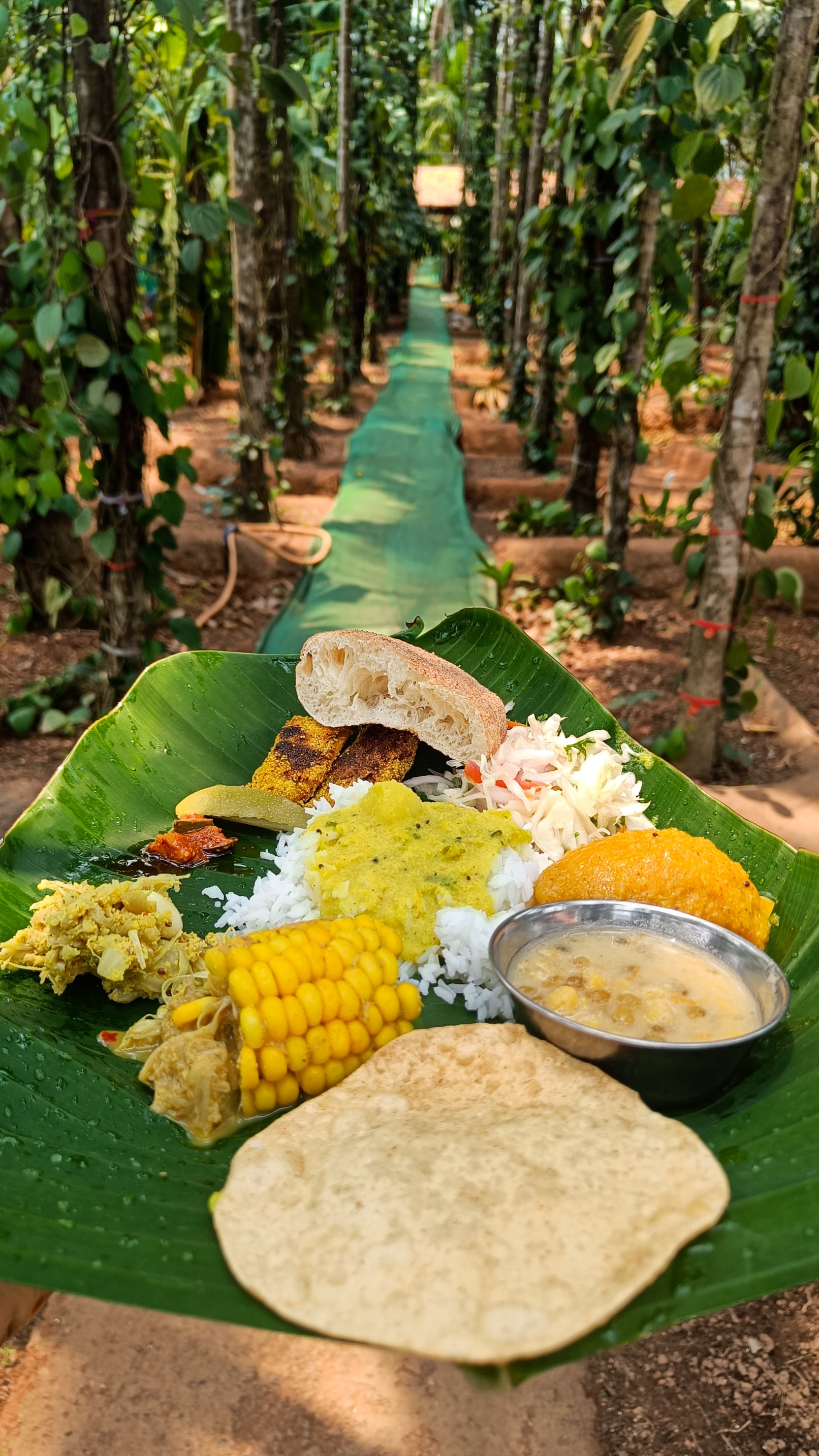
Travelers choose this trek because it offers a sense of isolation and discovery that is increasingly hard to find in Goa. It is a chance to test your fitness while engaging with the environment in a meaningful way. From the natural spring baths where you can wash off the salt and sweat to the quiet lunch at a local spice plantation or village home, every element of the day is designed to be authentic and grounded in the local landscape.
- Professional local trekking guide
- Packed lunch (typically a sandwich, fruit, and juice)
- First aid support
- Guided visit to spice plantation (optional route)
- Hotel pickup and drop-off
- Bottled water (please bring your own)
- Alcoholic beverages
- Personal snacks
Have questions about this activity?
Chat with our local experts for instant help and best deals!