
Guided Forest Nature Trail in Mollem, South Goa
per / person. Taxes & convenience fees might apply.
- Guided walk through the biodiverse Mollem forest with a professional naturalist.
- Identification of endemic bird species and native tropical flora.
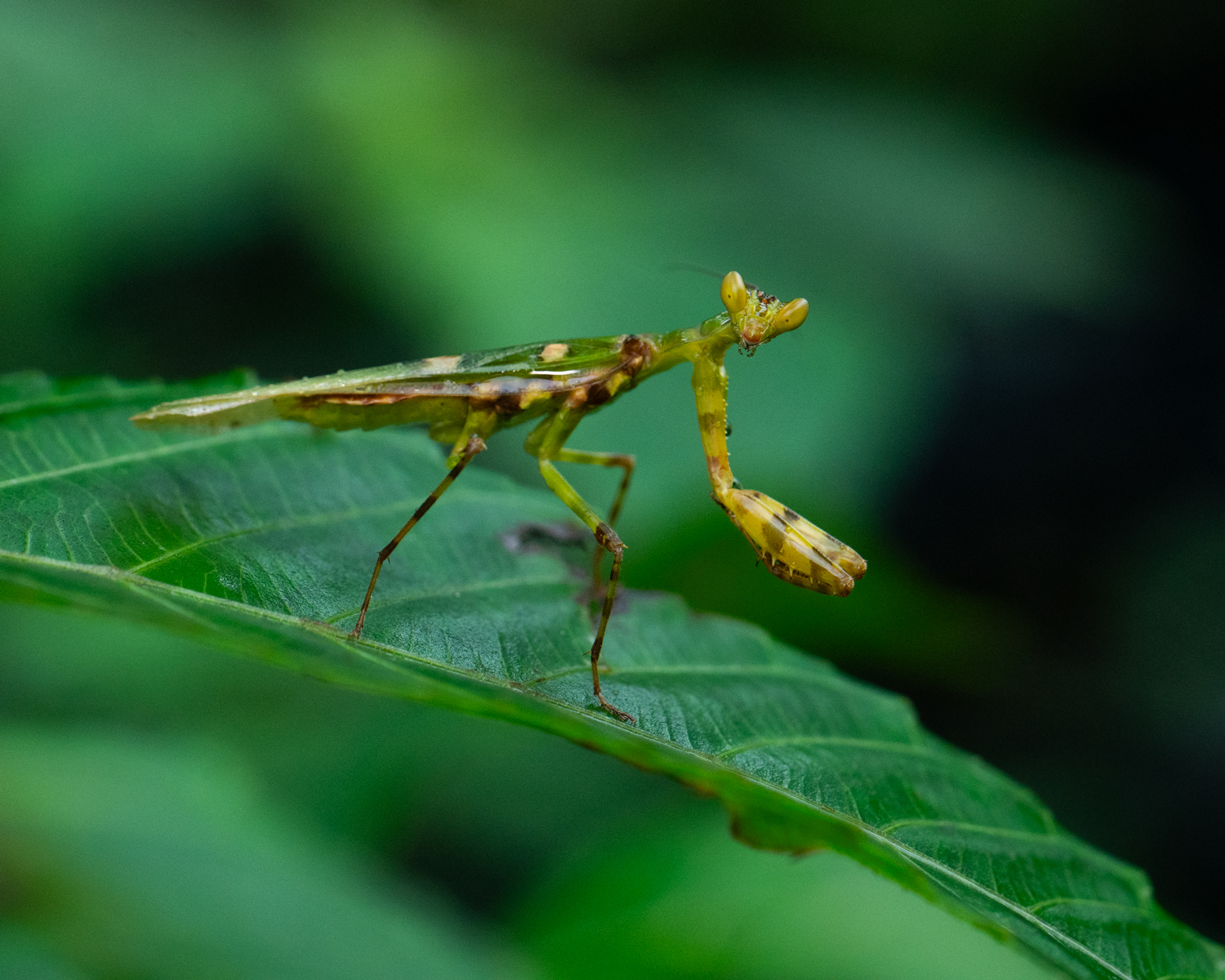
- Opportunity to spot the Malabar Giant Squirrel and diverse butterfly species.
- Educational insights into the Western Ghats ecosystem and local conservation.
- Group-friendly activity suitable for families, students, and corporate teams.
Exploring the Forests of Mollem and Netravali
The Group Forest Nature Trail is a guided walking experience designed for those who want to see the interior landscapes of South Goa. Unlike the tourist-heavy beaches, the forests of Mollem and Netravali provide a quiet environment dominated by tropical evergreen and moist deciduous vegetation. This trail is not a high-intensity trek; rather, it is a focused nature walk where the emphasis is on observation and learning about the local ecosystem.
Why Travelers Choose This Nature Trail
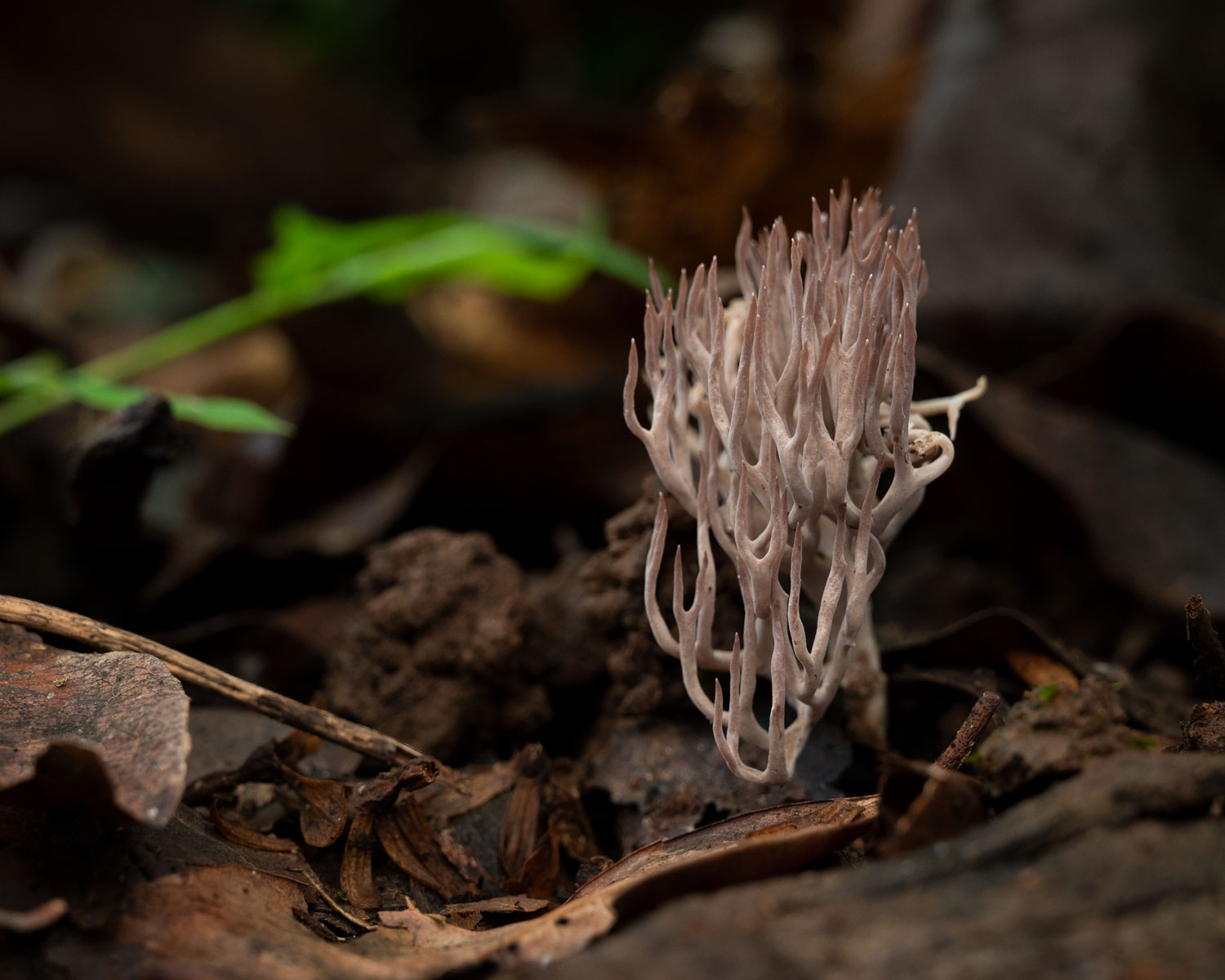
Many visitors choose this activity because it provides a safe and structured way to enter Goa’s protected forest zones. Walking with a naturalist guide is the primary draw, as they can point out details that an untrained eye would miss, such as camouflaged lizards, specific bird calls, or medicinal plants used by local communities. It is also one of the few activities in South Goa that can accommodate larger groups, making it cost-effective for families or student groups.
What to Expect on the Trail
The standard route covers approximately 4 kilometers of forest paths. The terrain is generally flat with some moderate inclines and occasional rocky patches. You will typically start early in the morning to take advantage of the cooler temperatures and peak bird activity.
The Naturalist Experience
Your guide will lead the group through the canopy-covered trails, stopping frequently to explain the symbiotic relationships within the forest. You will learn about the different layers of the forest, from the leaf litter on the ground to the high canopy where the Malabar Giant Squirrel usually resides. The guide also shares information on how the forest changes between the dry season and the monsoon.
Wildlife and Birdwatching
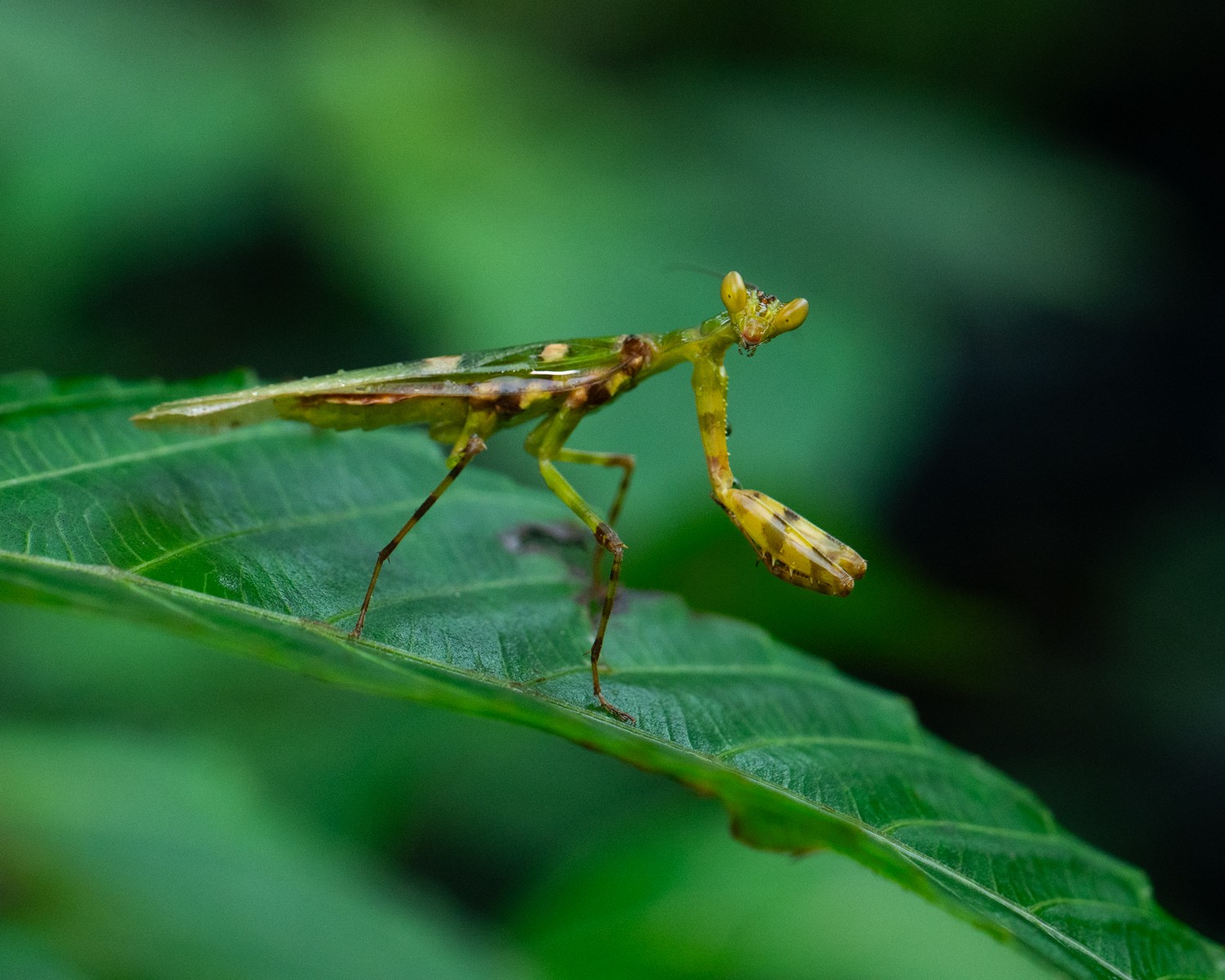
While large mammal sightings are rare due to their nocturnal nature and the dense brush, the forest is teeming with smaller wildlife. Travelers often spot Langurs, various species of butterflies like the Southern Birdwing, and reptiles. For birdwatchers, this area is a highlight. Depending on the season, you may see the Malabar Trogon, Great Grey Hornbill, or the Emerald Dove. The guide will help you distinguish between various bird calls throughout the walk.
Detailed Difficulty and Terrain Information
This trail is classified as Easy to Moderate.
- Elevation: The total elevation gain is roughly 100 meters, which is manageable for most people with basic fitness levels.
- Footing: Expect some loose soil, dry leaves, and small stones. During or after the monsoon, paths can be slippery.
- Water Crossings: Depending on the specific route chosen for the day, there may be one small stream crossing. Usually, the water is only ankle-deep, but it requires careful stepping on submerged rocks.
Safety and Preparation
Safety is a priority in the forest. The guide carries a basic first-aid kit and is familiar with the quickest exit routes.
Dealing with Insects
In any tropical forest, insects are present. We recommend wearing long pants and applying insect repellent. During the monsoon months (June to September), leeches are common in the damp leaf litter. While harmless, they can be a nuisance; your guide will provide tips on how to handle them, often using salt or tobacco powder to deter them.
Best Time to Visit
The ideal window for this activity is from October to March. During these months, the weather is pleasant, and the forest is still lush from the preceding rains.
- Morning (7:00 AM – 10:00 AM): This is the best time for birdwatching and avoiding the midday heat.
- Monsoon Season: Visiting during the rains (June to September) offers a completely different, vibrant green landscape, but be prepared for rain and leeches.
Suitability for Different Travelers
Families: Children aged 8 and above usually enjoy the trail, especially the educational aspects of spotting insects and squirrels. Seniors: The trail can be shortened to 2 kilometers upon request for those who prefer a gentler pace. Educational Groups: The naturalist can tailor the talk to focus on specific topics like botany, entomology, or conservation for school or college groups.
What to Wear and Carry
To ensure a comfortable experience, please come prepared with the following:
- Footwear: Sturdy walking shoes or sneakers with good grip. Avoid flip-flops or sandals.
- Clothing: Lightweight, breathable fabrics. Muted colors (greens, browns, greys) are better for wildlife spotting as they don't startle birds.
- Sun Protection: A hat and sunscreen, even though much of the trail is shaded.
- Gear: If you have binoculars, bring them. A camera with a decent zoom lens is also helpful for wildlife photography.
- Hydration: While one bottle of water is provided, we recommend carrying an extra liter, especially in the warmer months.
Location and Transport Info
The activity typically meets at the Mollem Wildlife Sanctuary entrance or a designated trailhead near Netravali. Parking: There is designated parking available at the sanctuary entrance for private cars and bikes. Transport: Mollem is about a 1.5 to 2-hour drive from the coastal belt of North or South Goa. If you are traveling in a large group (10+ people), arranging a private minibus is the most efficient option. Local taxis are available, but it is best to book a return trip as finding a taxi at the forest gate for the journey back can be difficult.
Booking and Group Information
Advance booking is required for the Group Forest Nature Trail, especially if you require a customized route or a specific language-speaking guide. For groups larger than 15, we split the group into two with two separate naturalists to ensure everyone can hear the information and to minimize the impact on the forest environment.
Nearby Attractions
If you are making a day trip to Mollem, you can combine this nature trail with:
- Dudhsagar Falls: The jeep safari start point is nearby.
- Tambdi Surla Temple: A 12th-century Shaivite temple located deep within the forest, about 15km from Mollem.
- Bondla Wildlife Sanctuary: A smaller sanctuary with a zoo and botanical gardens, suitable for families with younger children.
- Expert Naturalist Guide
- Forest Sanctuary Entry Fees
- 1 Bottle of Water per person
- Light Snack (Biscuits/Juice)
- Hotel Pickup and Drop-off
- Lunch
- Personal Binoculars
- Tips for the Guide
Have questions about this activity?
Chat with our local experts for instant help and best deals!